1998:
Budova IMC
CZ-760 01 Zlin
Czech Republic
LSA builder
1998:
Budova IMC
CZ-760 01 Zlin
Czech Republic
LSA builder
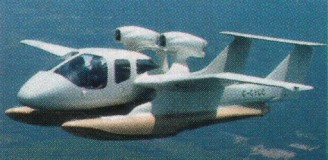
Aerocat SR
Cruise: 175 mph
Stall: 50 mph
Range: 1120 sm
Rate of climb: 1200 fpm
Takeoff dist: 600 ft
Landing dist: 450 ft
Engine: Lycoming , 210 hp
HP range: 180-320 hp
Fuel capacity: 68 USG
Empty weight: 1600 lb
Gross weight: 2700 lb
Length: 27 ft
Wing span: 34 ft
Wing area: 165 sq.ft
Seats: 4
Cockpit width: 56 in
Landing gear: retractable nose
Aerocat SRX
Cruise: 150 mph
Stall: 50 mph
Range: 960 sm
Rate of climb: 1100 fpm
Takeoff dist: 600 ft
Landing dist: 450 ft
Engine: Crossflow, 250 hp
HP range: 200-300 hp
Fuel capacity: 68 USG
Empty weight: 1800 lb
Gross weight: 2700 lb
Length: 27 ft
Wing span: 34 ft
Wing area: 165 sq.ft
Seats: 4
Cockpit width: 56 in
Landing gear: retractable nose
Aerocat TR
Cruise: 175 mph
Stall: 50 mph
Range: 1090 sm
Rate of climb: 1200 fpm
Takeoff dist: 600 ft
Landing dist: 450 ft
Engines: 2 x Jabiru 3300, 130 hp each
HP range: 210-300 hp
Fuel capacity: 68 USG
Empty weight: 1800 lb
Gross weight: 2700 lb
Length: 27 ft
Wing span: 34 ft
Wing area: 165 sq.ft
Seats: 4
Cockpit width: 56 in
Landing gear: retractable nose
Aerocat TRX
Cruise: 155 mph
Stall: 50 mph
Range: 980 sm
Rate of climb: 1100 fpm
Takeoff dist: 600 ft
Landing dist: 450 ft
Engines: 2 x Jabiru 3300, 130 hp each
HP range: 210-300 hp
Fuel capacity: 68 USG
Empty weight: 1800 lb
Gross weight: 2700 lb
Length: 27 ft
Wing span: 34 ft
Wing area: 165 sq.ft
Seats: 4
Cockpit width: 56 in
Landing gear: retractable nose
The MPA (multi-platform Aircraft) by Creative Flight of Haliburton, Ontario, Canada, made its first flight in 2001.
As a development prototype, engine options were to be one or two 120 hp Jabirus or a single 200 hp Jabiru.
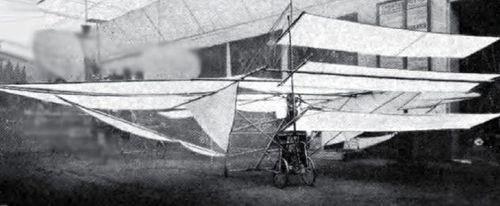
The aeroplane of Baron Jean de Crawhez de Witte on display at the Eighth Annual Belgian Motor Show, held in Brussels from the 16th through to the 26th of January 1909. He was a member of the very rich Belgian family of that name. He filled his life with hunting in Africa, motor car races (also in Africa and through the Sahara) and everything else rich people were supposed to be doing. As a sportsman he initiated the triplane machine, which of course was actually realized by someone else. As nothing much was heard after the exposition in Brussels it is to be expected that it was not very successful.
Baron Jean de Crawhez de Witte was a member of the very rich Belgian family of that name. He filled his life with hunting in Africa, motor car races (also in Africa and through the Sahara) and everything else rich people were supposed to be doing.
As a sportsman he initiated the triplane machine displayed at the Eighth Annual Belgian Motor Show, held in Brussels from the 16th through to the 26th of January 1909.
A six seat cabin monoplane which had corrugated alclad sheet covering for the fuselage, wing, and tail surfaces, pioneered by Hugo Junkers in Germany.
USA
Established in 1928 at Los Angeles, California, built all metal aircraft to special order. Production included a six seat cabin monoplane, designated Crawford 65, which had corrugated alclad sheet covering for the fuselage, wing, and tail surfaces, pioneered by Hugo Junkers in Germany.

Less than six feet high and only 18 feet long, the Serra S-1 was built by Hugh Crawford and Roger Keeney. The pusher made itd initial trial flights at Los Angeles in 1954. With a wingspan of 20 feet, the 85 hp Continental gave an estimated top speed of 200 mph and cruise of 165 mph.
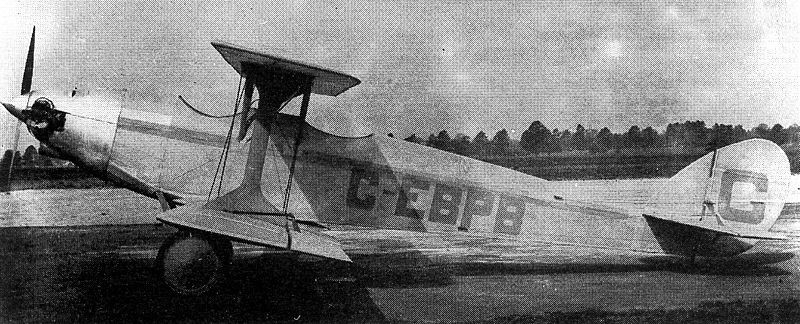
The Cranwell CLA.4 was for the 1926 Lympne light aircraft trials, as two-seat inverted sesquiplanes, powered by a Pobjoy P. The first aircraft, G-EBPC was started as a CLA.4 but completed as a CLA.4A, powered by a Bristol Cherub III.
The first of two built, G-EBPC, was flown from Cranwell in 1927, and by Comper at the trials but was withdrawn with a damaged landing gear. It was broken up at Heston in 1933.
The second aircraft, G-EBPB, was destroyed in a crash on 4 March 1927.
A group of students, unsatisfied with their flying hours at the Edmonton and Northern Alberta Flying Club, purchased a set of plans to build a Cranwell CLA.4 in 1927. Alf Want assembled the aircraft in his house basement, but then moved it to Blatchford Field for flight trials. It is the third and last aircraft of its kind, and is the oldest surviving airplane originally built in Edmonton.
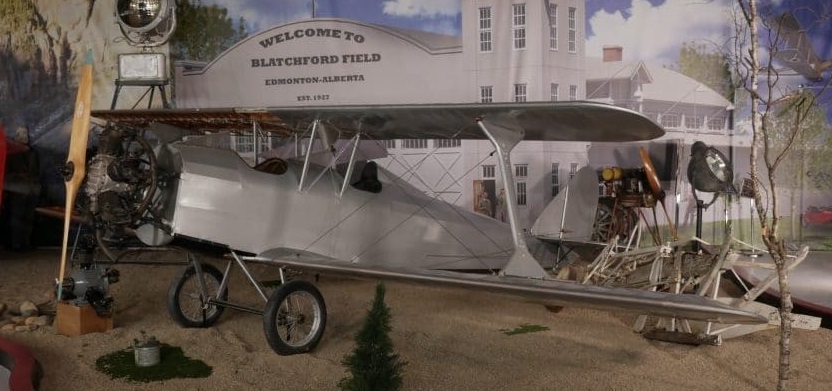
Cranwell CLA.4
Powerplant: 1 x Velie M-5, 41 kW)
Wingspan: 8.33 m
Length: 6.80 m
Maximum Speed: 105 km/h
Cruise Speed: 80 km/h
Range: 200 km
Crew: 1
Passengers: 1
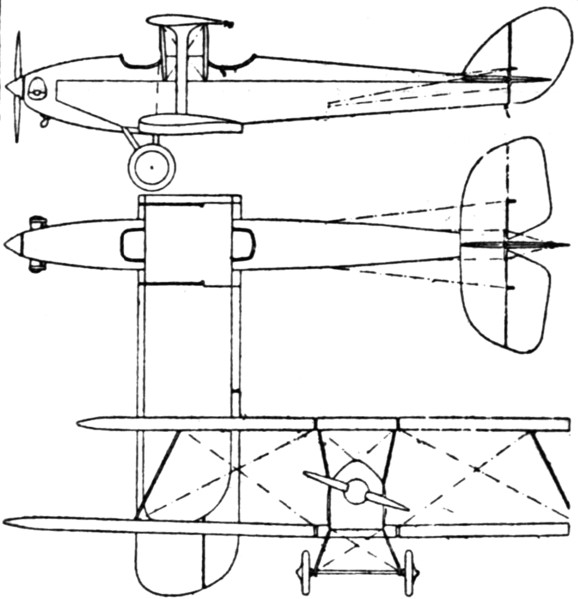
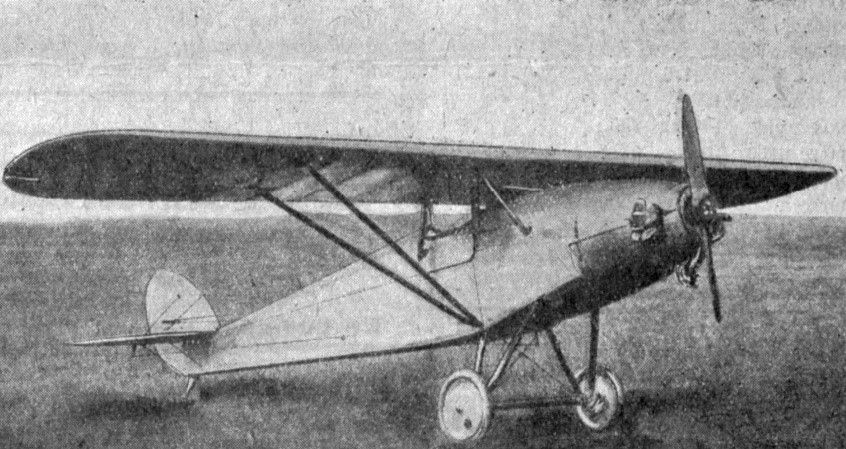
The Cranwell CLA.3 was designed to compete in the 1925 Lympne light aircraft trials, a high-wing braced monoplane powered by a Bristol Cherub engine.
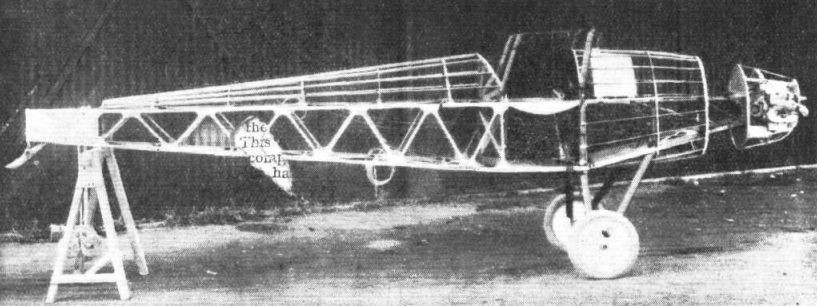
July 1925 saw the first flight of the CLA.3, registered G-EBMC.
It won the International Speed Race at Lympne when it achieved 86.92 mph. It was re-engined in 1926 with a Bristol Cherub III.
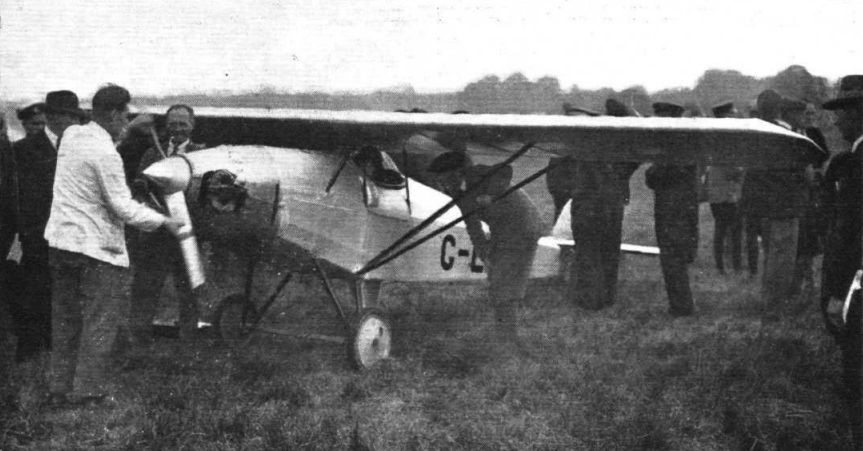
The CLA.3 was scrapped in 1929.
Engine: Bristol Cherub
Wingspan: 21.00 ft
Length: 18.06 ft

