1985: Facet Aircraft. 6/57 Allington St, Con-dell Park. NSW 2200, Australia.
LSA builder
1985: Facet Aircraft. 6/57 Allington St, Con-dell Park. NSW 2200, Australia.
LSA builder
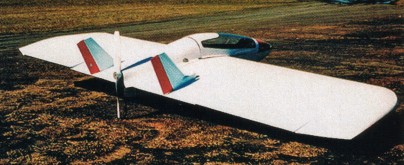
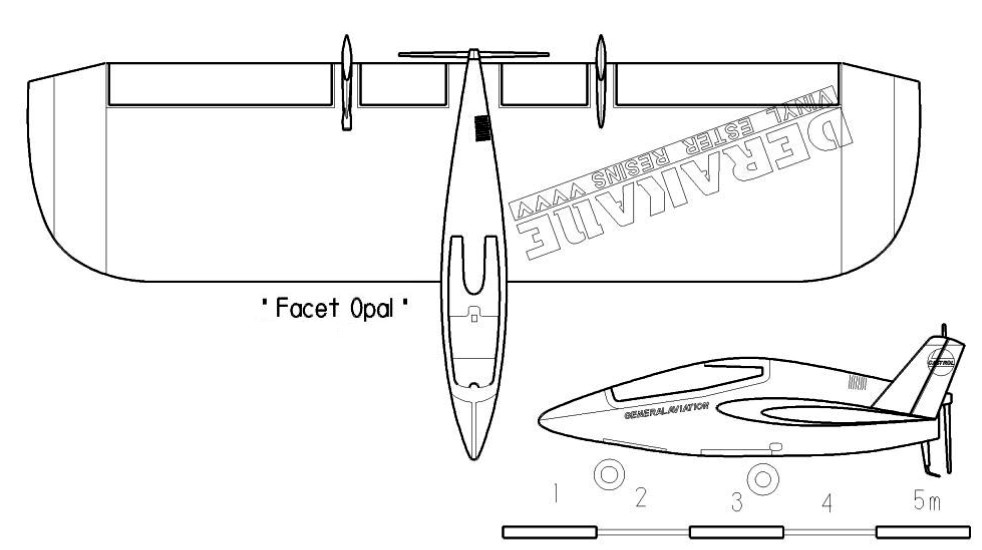
In 2008, the Facet-Opel was the altitude record holder for aircraft not over 300 kg / 661 lb at 30,147 ft.
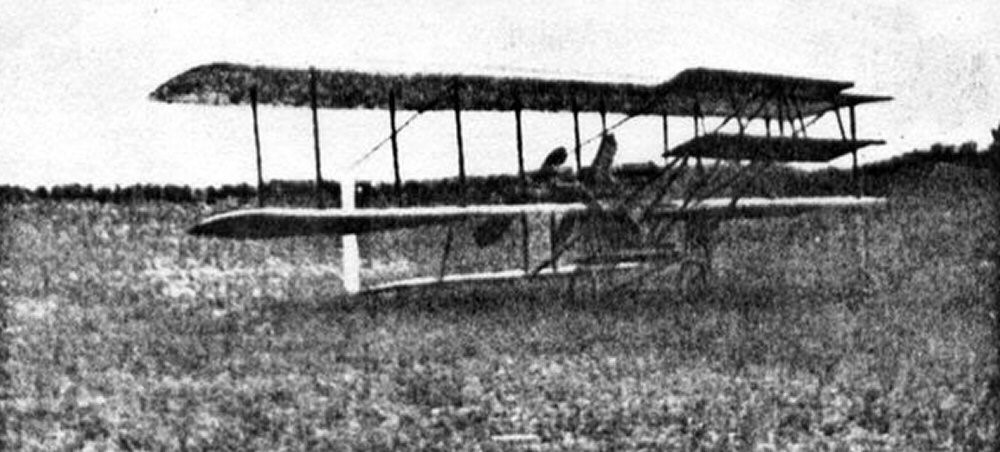
On the 13th of January 1909, the first all-Italian aircraft, a triplane designed and built by Aristide Faccioli, took off from a field near the Mirafiori horse racing track. It was powered by a 4-cylinder water-cooled 75 hp engine, designed by Faccioli and built by S.P.A. (Società Piemontese Automobili), driving two offset contra-rotating propellers. It crashed when the tail hit the ground. The machine was rebuilt in May 1909 with the same engine, a biplane wing cellule and a very short tail with a low-mounted horizontal stabilizer. It made a few hops on the parade gound at Venaria Reale, but crashed before the Brescia air show and thus could not be presented there.
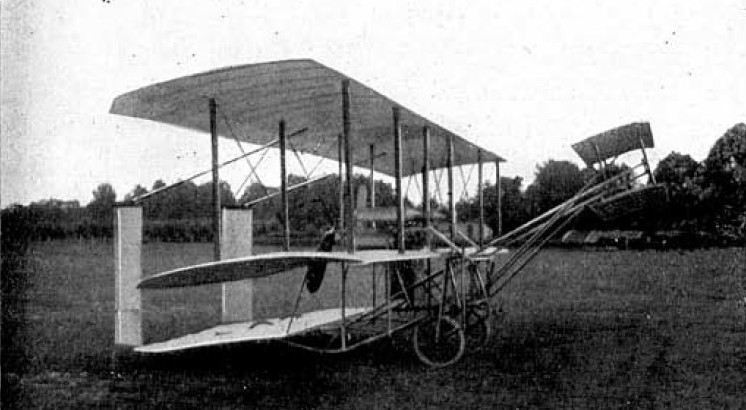
The 1911 Faccioli No. 4 was designed and built by Aristide Faccioli (the first technical director of Fiat).
Span: 26’3″
Length: 26’3″
Weight: 550 lb
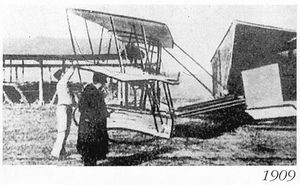
A triplane built by Aristide Faccioli in 1909.
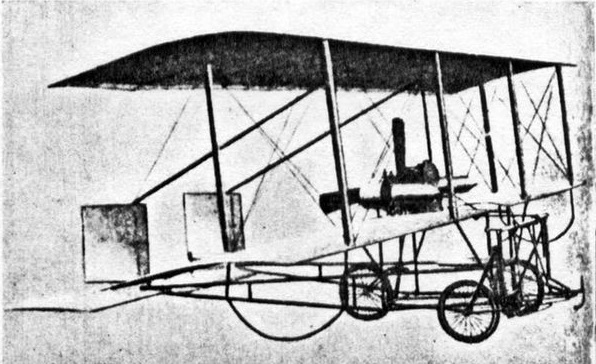
1909 SPA-Faccioli biplane, powered by a 20 hp Faccioli motor. Piloted by its designer Aristide Faccioli, in December 1909 at Turin, Italy, this machine became the world’s 15th aeroplane to make a successful controllable flight.
Designed and built by Aristide Faccioli, he was the first Italian to design and built an aircraft and its engine.
Span: 22′
Length: 11’6″
Weight: 400 lb
Aristide Faccioli produced four aircraft designs during the years 1909-1910, built by his own firm Società Piemontese Automobili.
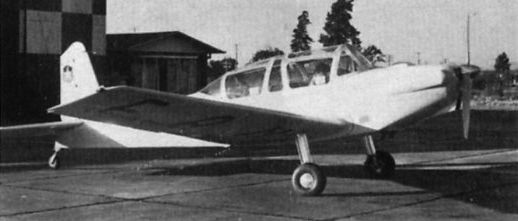
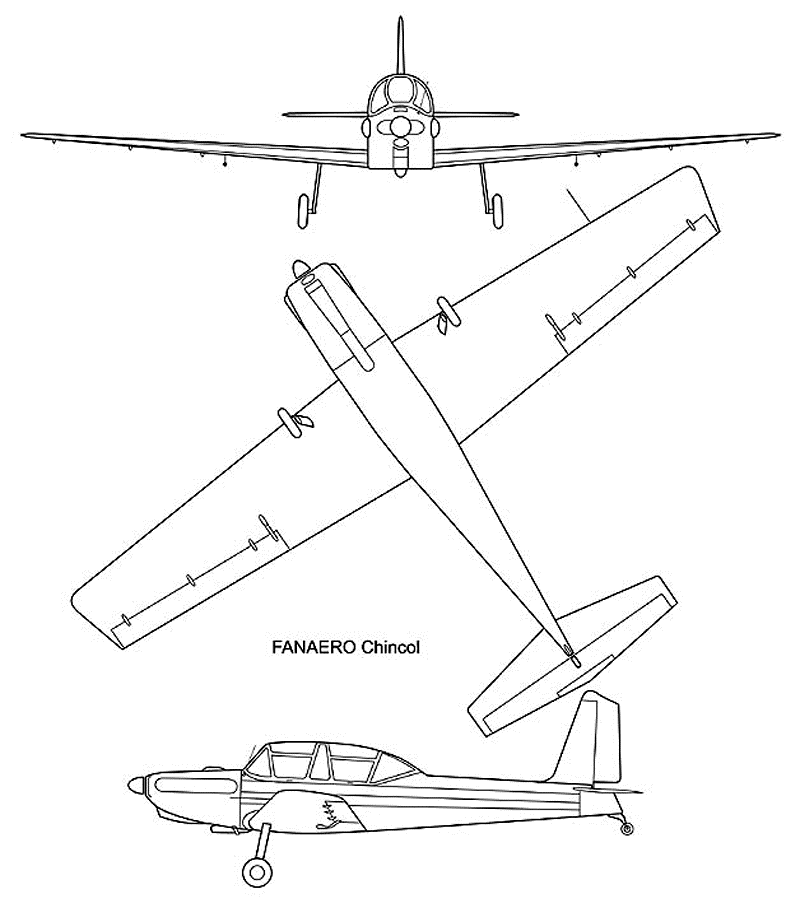
Chincol is a two-seat aircraft for initial training, designed and built at the Fabrica Nacional de Aeronaves plant at the “El Bosque” military base in Santiago, Chile.
The tandem-seat, fully aerobatic, primary trainer Chincol has mixed wood and metal construction and has a 215-h.p. Continental O-470-11 air-cooled flat-six engine. A Chilean wood called Manio is used for the cantilever wing and parts of the welded-steel fuselage. Although not so equipped on the prototype, the production Chincol was to have split flaps. The undercarriage is fixed.
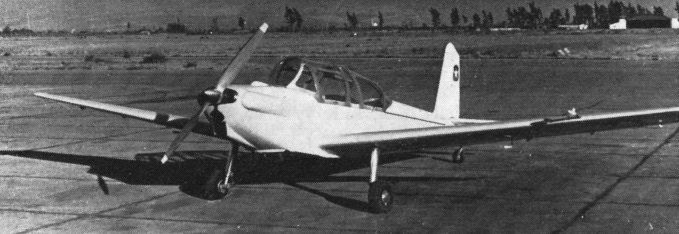
On December 14, 1955, the “Chincol” first flew.
The Chilean Air Force became interested in the aircraft and preparations began for its serial production of 50 copies, but they refused on financial problems.

Engine: Continental 0-470-11, 215 hp
Wing span: 10.40 m
Wing area: 15.70 sq.m
Length: 7.22 m
Height: 2.10 m
Empty weight: 740 kg
Maximum take-off weight: 1050 kg
Maximum speed: 210 km / h
Cruising speed: 183 km / h
Service ceiling: 17,716 ft
Range: 650 km / 404 mi
Rate of climb: 246 m / min
Seats: 2
Chile
Founded in June 1953 with temporary facilities at Los Cerrillos Airport, Santiago, and later moved to new premises at Rancagua. Company was dissolved in 1960. It converted PBY-6A flying-boats into 28-passenger airliners and built 50 Chincol primary trainers for the Chilean Air Force (the prototype was first flown in December 1955).
An advanced trainer with Gipsy Six engine, designed by Lt Col A. M. Muniz.

