Engineer James M. Wickham had studied engineering at Ohio State University, and graduated from MIT as an Aeronautical Engineer. Wickham’s career began at Chance-Vought, then in 1938 joined the Stearman division of Boeing. Starting in the 1950s, Wickham started designing and building his own series of homebuilt aircraft.
Era
Wilson-Gibson 1911 monoplane

The 1911 Wilson-Gibson monoplane was designed and built by Wilson Bros. and W.Gibson in the UK.
It may have flown before being destroyed by fire.
Span: 46’6″
Length: 40′
Weight all up: 950 lb
Wichita Airplane Cadet
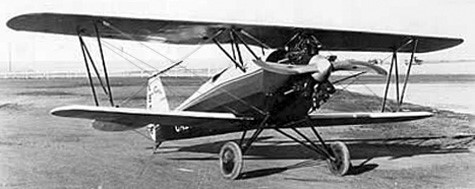
Designed by Floyd Copeland, the 1929 LeBlond powered Cadet NC9026 was a two place sport trainer development of the single place Wilson Cadet.
Wilson & Co / Wichita Airplane Mfg Co
1928: Wilson & Co
529 W Douglas
Wichita KS.
USA
1929: Wichita Airplane Mfg Co
C A Noll, Anson O Rorabaugh
716 W 1st St
Wichita KS.
USA
Wilms Dinosaur

Les Wilms, of 2142 Dayton Street, Chicago, had been experimenting in airship construction and navigation since 1895. His 1910 flying machine, besides framework and a seat for the operator, consisted of a canvas sustainer overhead, flails of canvas and a rudder of like material. The hand-propelled flails, the inventor said, acted on the principle of the feathers in a bird’s wings. The aircraft, which was named “Dinosaur,” was launched into space with the aid of an incline. Trial trips conducted privately northwest of Ravenswood manor were said to have been successful.
Wichita Aeroplane Service Co
pres: A A Stafford
Wichita KS.
USA
Circa 1919 built airplane.
Whittelsey Avian
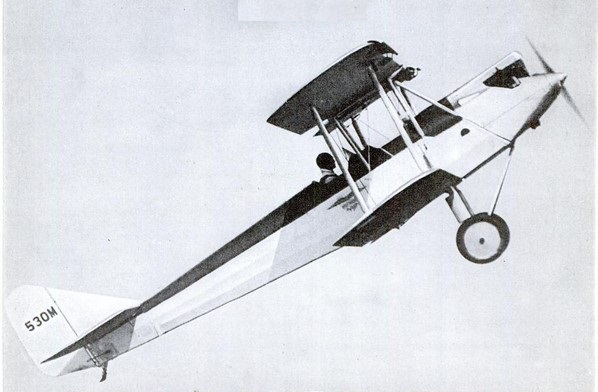
The Whittelsey Avian was advertised as a ‘safe’ aircraft in 1929, featuring Handley-Page wing slots and built to 8g. Designed for training and sport flying, the flyaway price of $4995 from Bridgeport. Powered by a 95 hp Cirrus, the Avian landing speed is 35 mph, and it achieved 20 miles per gallon.
The British Avro folding-wing sportplanes manufactured under license, the Whittelsey Avian was advertised as a ‘safe’ aircraft in 1929, featuring Handley-Page wing slots and built to 8g. Designed for training and sport flying, the flyaway price of $4995 from Bridgeport. Powered by a 95 hp Cirrus, the Avian landing speed is 35 mph, and it achieved 20 miles per gallon.
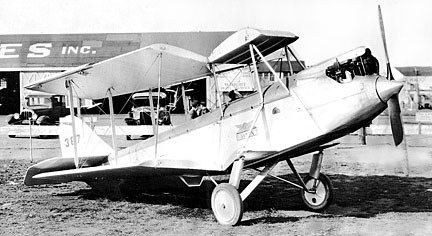
Whittelsey Mfg Co
1929
230 Howard Ave
Bridgeport
Conn.
USA
Built aircraft circa 1929
Whittenburg Special
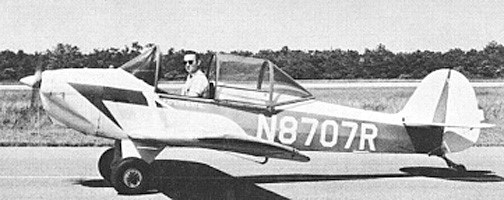
Built by Mickey Whittenburg circa 1965 and registered N8707R, the one-off aircraft was a conglomerate of Luscombe wings and cowling with parts from two J-2 Cubs and a PT-22. First flying in June 1965 powered by a 65hp Continental, the total cost was $575.00.
Whittenburg, Mickey
CT.
USA
Airplane builder circa 1965.
 All Aero