Germany
Foundation date not known, but by 1931 had built a two-seat all-steel light aircraft, the G.II.R, powered by BMW or Salmson engine. Later version was G.II.R6 with Hirth H.M.60 engine. Completely taken over in 1934 by specially formed new company, Adlerwerke GmbH of Frankfurt.
Era
Germe 1909 biplane
The 1909 Germe biplane was designed and built by Germe in France.
Span: 39’4″
Weight: 880 lb
Germania Taube
Reconnaissance and training aircraft, Germany, 1914
Length: 33.465 ft / 10.2 m
Height: 10.499 ft / 3.2 m
Wingspan: 45.932 ft / 14.0 m
Wing area: 322.92 sq.ft / 30.0 sq.m
Crew: 2
Germania Flugzeugwerke
Germany
Formed at Leipzig during First World War to produce aircraft under subcontract. Also operated a flying school using company-designed aircraft. Closed at time of Versailles Peace Treaty.
Gerin V-6E Varivol
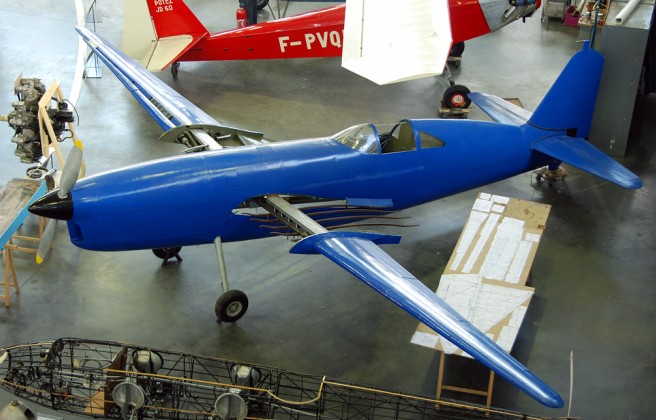
Jacques Gerin developed an aircraft with variable wingspan and wing area, the Varivol, during the 40’s. Wing trailing edges could be wound in and out by electric motor.
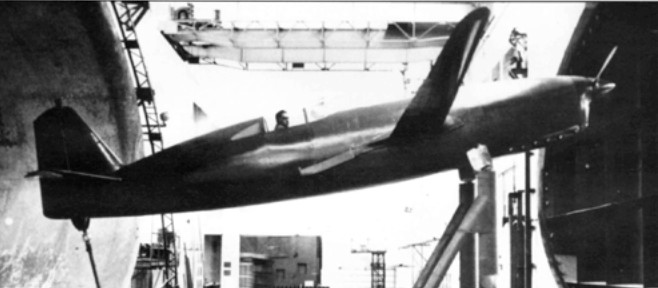
Full-scale tests in a wind tunnel at Chalais Meudon, were followed by flying tests in March 1936.
Pilot M. Demimuid was killed in a Varivol crash on November 29, 1936, but this was not attributable to variable-wing mechanism, which was intact.
Forgotten in a barn for 50 years, the craft was then restored by the Musée Régional de l’Air d’Angers.
Gerin
France
Jacques Gerin developed a biplane with variable wing area, the Varivol. Wing trailing edges could be wound in and out by electric motor. Full-scale tests in windtunnel at Chalais Meudon followed by flying tests in March 1936. Pilot M. Demimuid killed in Varivol crash on November 29,1936, but this was not attributable to variable-wing mechanism, which was intact.
Gere Sport
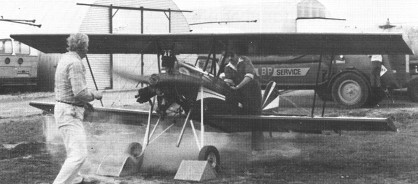
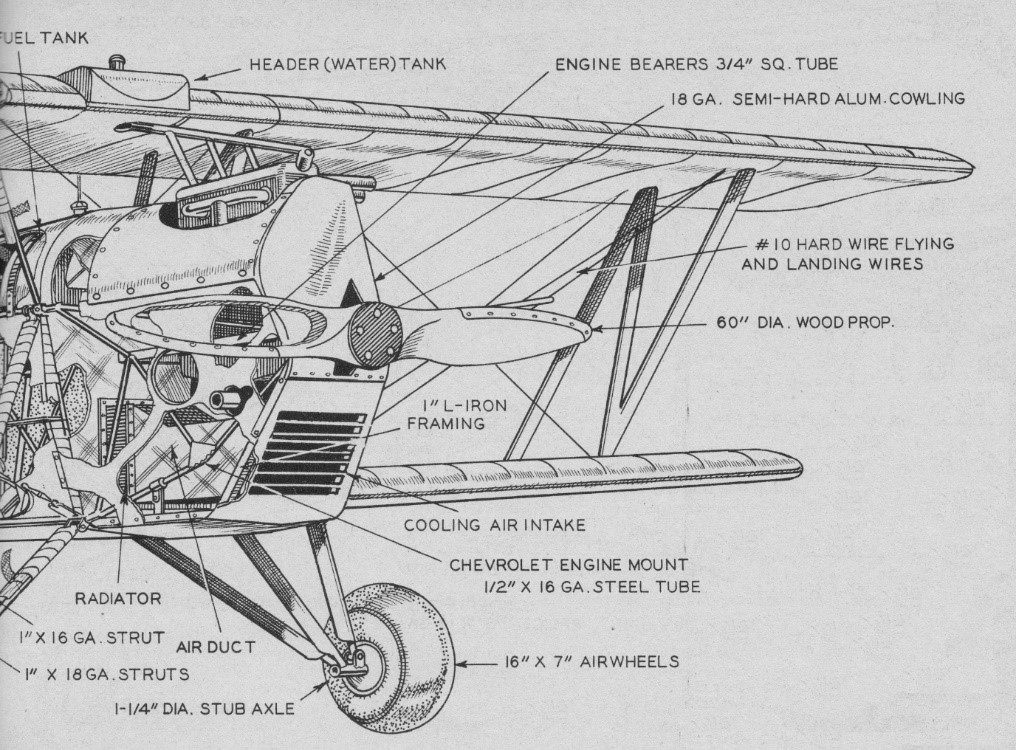
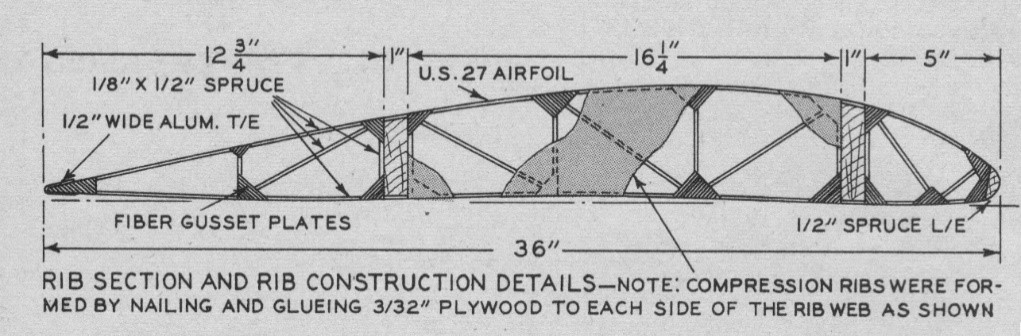
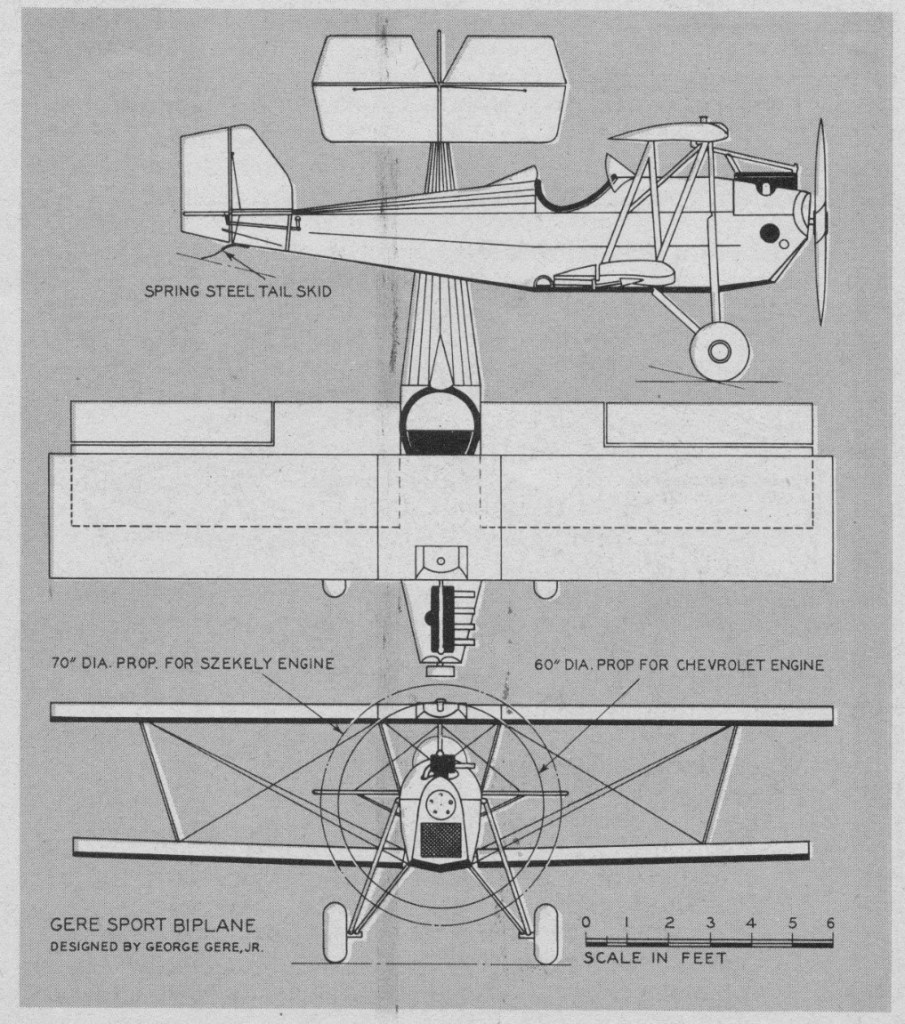
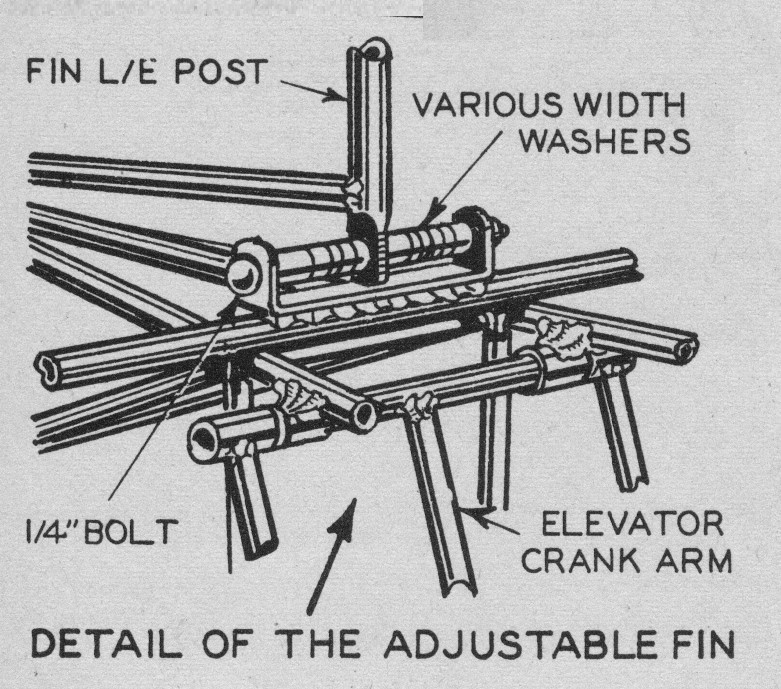
The Gere biplane was designed and built by 19-year-old student at the University of Minnesota George (Bud) Gere in 1932 and 1933. Gere was killed in a powered iceboat accident shortly before the plane was completed and his father, George Gere Snr arranged to have the final touches made. The Gere design eliminated shock struts and depended on large diameter air-wheels to take landing loads.
The biplane was test flown by Elmer Wall, a Mohawk Aircraft company test pilot, at Wold-Chamberlin Field, Minneapolis, Minnesota, in 1933.
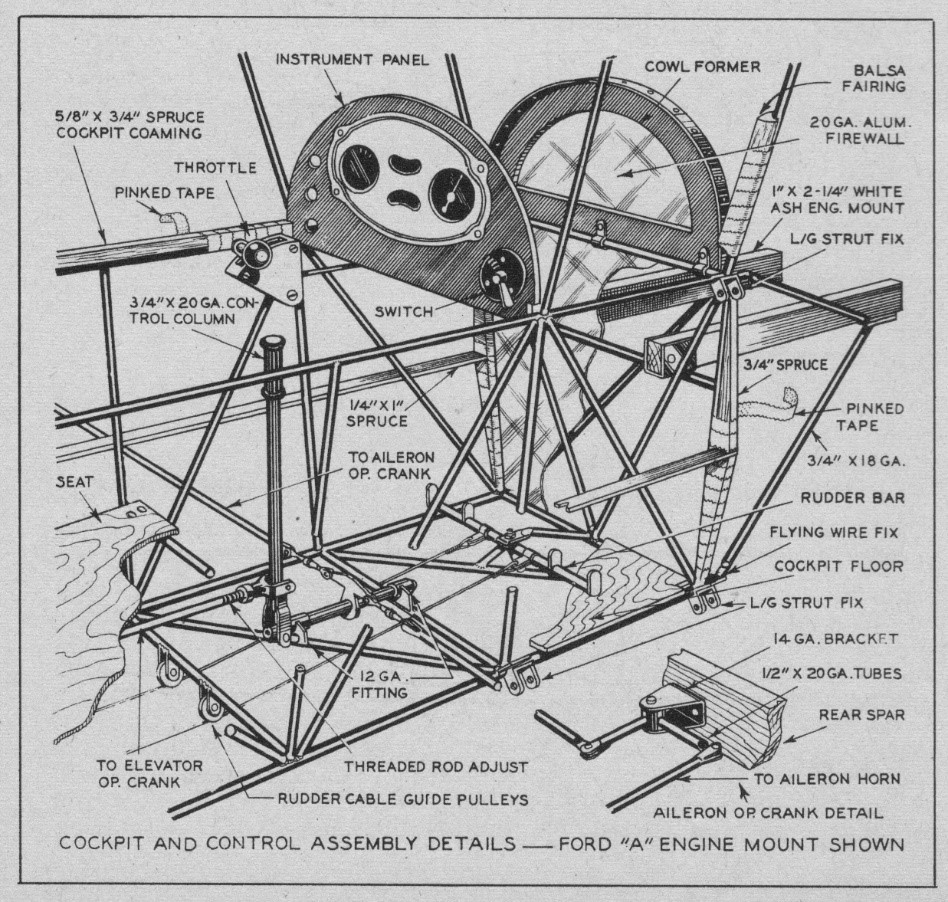
Although the 4-cylinder Chevrolet car engine was not really suitable, Wall and other pilots who flew it had high praise for its performance.
Mr Gere donated the plane to the School of Aeronautics of the University after the flight tests were completed.
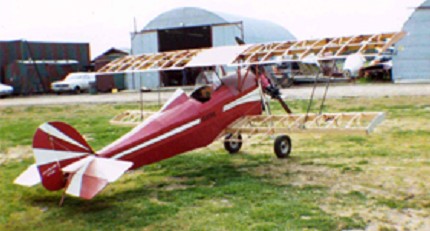
It was one of the most popular pre-World War II single seat homebuilts.
In 1933 Anthony Smokowitz of Vulcan MI., USA, modified Gere Sport N13698 c/n S-9405 with a 60hp Dayton Bear, then in 1936 a 55hp Lambert, and in 1938 a 60hp Dayton Bear again.
Engine: Szekely 3 cyl radial, 40 hp.
Seats: 1
Geraci Jeep-O-Plane / Alliance X
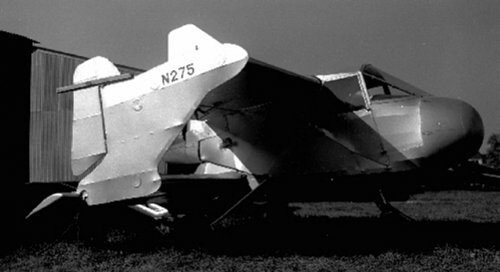
This 2-seat homebuilt was a design of Mr. Al Geraci and developed in co-operation with Mr. William J. Simonini and was completed in 1956.
The aircraft was sometimes referred to as Alliance X and it featured a pusher engine installation (one 90hp Continental C90) and staggered wings approximately 8 ft span, with large interconnecting end plates. The one-of-a-kind aircraft was registered N275.
The aircraft, named Jeep-O-Plane, made one flight only and further work was then halted.
GEPAS Compact
Designed and built by B. de Lagarde of GEPAS – Groupe d’Etudes Pour I’Aviation Sportive – the Compact is a homebuilt single-seater of conventional modern appearance and glassfibre construction, and the prototype was due to make its first flight in May 1978. This cantilever mid wing monoplane is built of glassfibre and epoxy resin, with a non-retractable monowheel and flaps that also act as air brakes. The tailplane is low-set and the pilot sits under a one piece flush fitting cockpit canopy.
Span: 42 ft 0 in
Length: 19 ft 8.25 in
Wing area: 102.3 sqft
Aspect ratio: 17.2
Max weight :586 lb
Best glide ratio: 31:1
GEP TCV-03 Trucavaysse / TCV-04
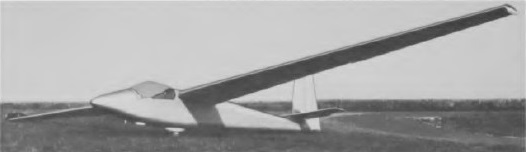
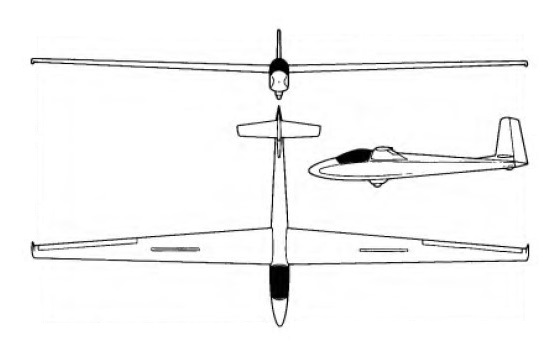
The TCV-03 is a Standard Class single-seater designed by Dr Pierre Vaysse, head of the sailplane amateur construction department of the Federation Francaise de Vol a Voile – FFVV, and it was built by the Groupe d’Etudes Georges Payre – GEP.
The Trucavaysse started as a redesigned version of the Breguet 905 Fauvette to make it suitable for amateur construction, but with a new, more slender fuselage and a conventional tail instead of the Fauvette’s V-tail, it evolved into a new type bearing little resemblance to the Breguet design; other changes include recovered wings with an improved control system and reinforced trailing edges, and the removal of the landing skid.
Design work began in October 1968 and prototype construction started in the following February, the prototype, which was actually built by the Aero Club de Norois, making its first flight on 14 July 1973.
The single spar cantilever shoulder wings have plywood/Klegecel sandwich leading edges and slotted wooden ailerons; there are DFS metal airbrakes on both upper and lower surfaces but no flaps. The wooden fuselage is plywood-covered, and the wooden tail unit has a low set one-piece all-moving tailplane with anti-tabs. There is a fixed monowheel and a tailskid utilising rubber shock absorbers.
The type is sold in kit form for amateur or club construction, and several have been built by amateur constructors.
Under development in 1977, the TCV-04 is basically a modified TCV-03 fuselage and tail unit, with a longer one-piece cockpit canopy and small dorsal fin, married to the wings of a Siren C-30 Edelweiss mounted in the shoulder position, thus following Dr Vaysse’s design philosophy of utilising components of existing designs.
TCV-03
Span: 15.0 m / 49 ft 2.5 in
Length: 6.7 m / 21 ft 11.75 in
Height: 1.8 m / 5 ft 11 in
Wing area: 11.25 sq.m / 121.1 sqft
Wing section: NACA 63-420/513
Aspect ratio: 20.0
Empty weight: 192 kg / 423 lb
Max weight: 302 kg / 665 lb
Water ballast: None
Max wing loading: 26.9 kg/sq.m / 5.51 lb/sq ft
Max speed: 130 mph / 113 kt / 210 km/h (in smooth air)
Max rough air speed: 81 kt / 150 km/h
Stalling speed: 27 kt / 50 km/h
Min sinking speed: 0.8 m/sec / 2.62 ft/sec at 37.5 mph / 32.5 kt / 60 km/h
Best glide ratio: 28:1 at 50 mph / 43 kt / 80 km/h