In 1918 Edward B Heath built two 4-cylinder, inline water-cooled aero engine.
The 4-B produced 75hp.
The 4-C prodeced 40-60hp.
In 1918 Edward B Heath built two 4-cylinder, inline water-cooled aero engine.
The 4-B produced 75hp.
The 4-C prodeced 40-60hp.
In 1909 Edward B Heath built a 25hp 2-cylinder aero engine.
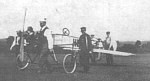
The 1909 Heath monoplane was designed and built by Ed. Heath.
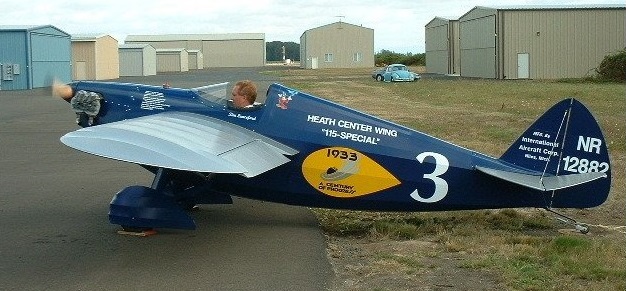
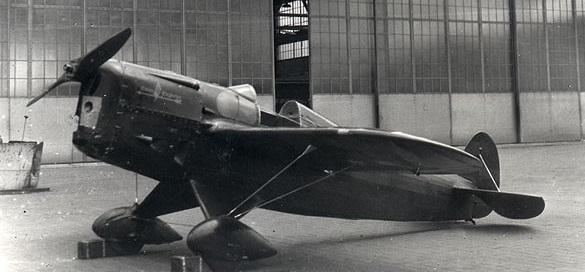
The 1933 Heath CNA 115 Special is a competition version of CNA-40 with clipped wing and bigger propeller for improved performance in races.
Heath CNA NC12892 was modified for racing and named the 115 Special. Higher turtledeck, shorter tapered wings, wheels pants, and general overall refining improved performance. After appearing in the 1933 races, NR12882 was returned to ATC status which included longer constant chord wing with full span ailerons. It did retain the raised turtledeck.
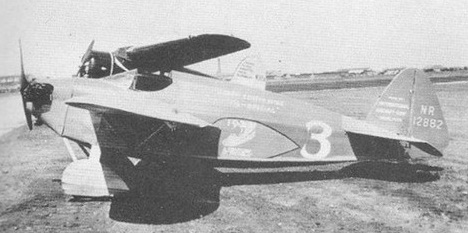
The first flight of NR12882, after modifications, ended with an engine failure. Pilot Bill Kysor ran out of altitude and ended in a ditch bordering Niles Airport.
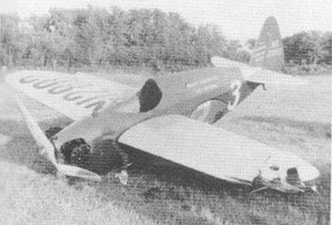
Following the Chicargo races, after it was returned to ATC status, NC12882 suffered another incident.
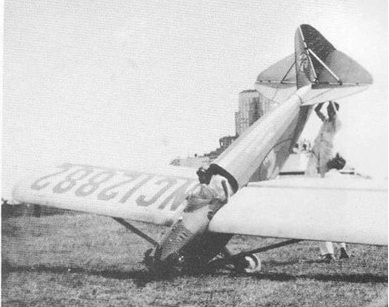
One was built as Hansen Special, NR282W, and restored in 1965.
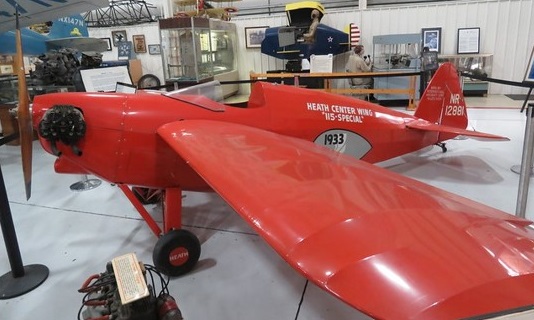
Heath 115 Special
Engine: 32hp Bristol Cherub
Wing span: 18’2″
Length: 17’3″
Load: 228 lb
Max speed: 105 mph
Cruise speed: 85 mph
Stall: 60 mph
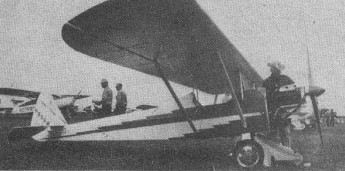
Designed and built originally in the U.S.A. by Ed. Heath during the early 1930s, this single seat sports aeroplane was built in large numbers prior to the 1939-45 War. The Parasol was powered mainly with Heath’s own conversion of the 25-hp Henderson motorcycle engine. Production was undertaken for an early version of this aircraft in Australia, as early as 1931 by the Adcock-Heath Co.

The fuselage is built of welded steel tube and is fabric covered. The wings consist of two solid spruce spars, built-up wooden ribs, compression struts and internal bracing. Externally, the wings are braced by steel tubes to the fuselage. The empennage is built of wood, the fin and tailplane being externally braced. The whole aircraft is fabric covered. Two 5 Imp. gallon fuel tanks are installed at the root end of each wing half, the fuel being gravity fed to the engine.
While some were factory built, and the last model actually received an Approved Type Certificate (ATC) in 1932, the majority were homebuilt from factory-supplied kits or from magazine plans. Still being built, this single-seater is usually powered by either a Volkswagen conversion or a 65 hp Continental and is constructed of wood, fabric and tubular steel.
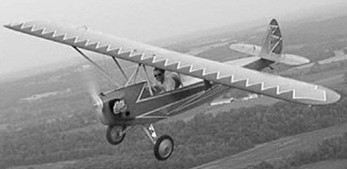
A Plymouth Aero Club member flew a Parasol in the UK powered by a Douglas dirt track motor cycle engine.
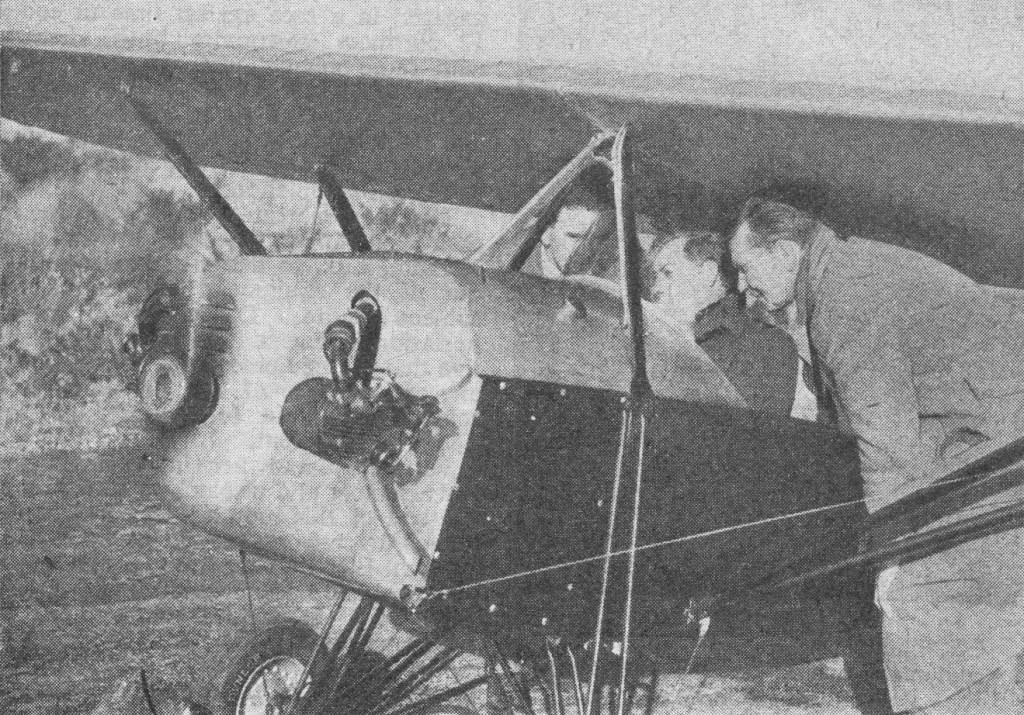
Ultralight replica: Rag Wing RW 5 Heath Replica
Engine: Continental A40
Wingspan: 31ft. 3 in
Length: 17 ft. 3 in
Wing Area: 135 sq. ft.
Empty Weight: 450 lb.
Gross weight: 700 lb
Fuel capacity: 9 USgals
Wing Loading: 5.2 lb/sq. ft.
Max. Speed: 85mph.
Top speed: 73 mph
Cruise speed: 62 mph
Stall Speed: 32mph.
Climb rate: 500 fpm.
Range: 330 miles.
Takeoff run 400 ft.
Landing roll 400 ft.
The Heath Super Soarer biplane glider, built 1930, was first unpowered aircraft to loop-the-loop.
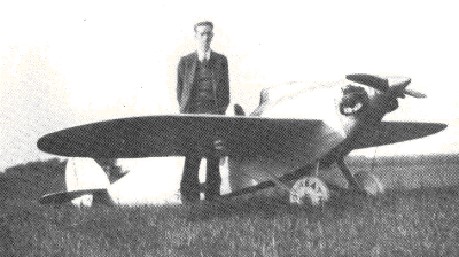
The 1928 Heath Baby Bullet mid-wing monoplane racer exceeded 100mph (160kmh) on only 32 hp.

Edward Bayard Heath was born on November 17, 1888 in Brooklyn, New York to Clark Heath and Ada M. Johnson.
Heath designed and built a series of aircraft starting in 1909 with a Bleriot-inspired monoplane. His first flight was on 10 October 1909 in Amsterdam, New York resulting in a broken landing gear. On July 4, 1910 Heath made $500 in appearance fees and $200 in photograph revenues from his aircraft that flew 3 feet above the ground.
In 1911 Heath went to work for Glen Curtiss in Hammondsport, New York as a motorcycle mechanic, next to the Curtiss aircraft factory where he built a second aircraft with Walter Eales making short aerial runs. After purchasing the Chicago-based Bates Aeroplane Company in 1912, Heath founded the E.B. Heath Aerial Vehicle Co., later becoming the Heath Airplane Company.
His company produced the Heath Feather and Heath Favorite after World War I, and later the Heath Parasol series of aircraft powered with Henderson Motorcycle engines.
The 1928 Heath Baby Bullet mid-wing monoplane racer exceeded 100mph (160kmh) on only 32 hp. Heath Super Soarer biplane glider, built 1930, was first unpowered aircraft to loop-the-loop. Heath Parasol of 1931, designed to be powered by a converted motorcycle engine, sold in large numbers to amateur builders.
Married to Berna Heath, Heath died on February 1, 1931 (aged 42) in Maine Township, Cook County, Illinois. He was in an aircraft accident while testing a new low-wing aircraft design.
Heath’s company was eventually purchased and after World War II, changed its product to kit electronics. Heathkit filed for bankruptcy and closed in 2012. As of 2019, the company has a live website at http://www.heathkit.com.
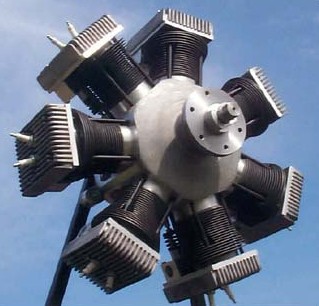
Horsepower 123 @ 2500 rpm
Cruise Power (70%) 85 @ 1750 rpm
Weight 160 lbs. installed
Installation Displacement 219.8 cubic inches
Bore 3-5/8
Stroke 3-1/2
Ignition Distributorless Electronic
Fuel Electronic Injection
Oil System Full Time Inverted
Electrical System Starter & Alternator Optional
Main/thrust bearings Tapered roller
Master rod bearings two row ball
Link rod bearings Plain journal bearings.

