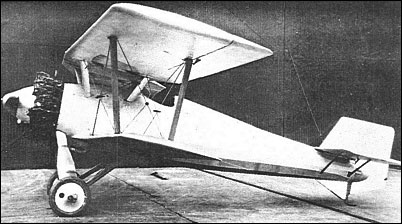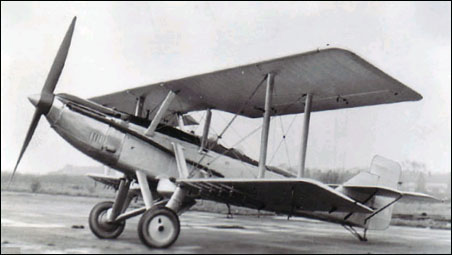
Blackburn B.3 / M.1/30

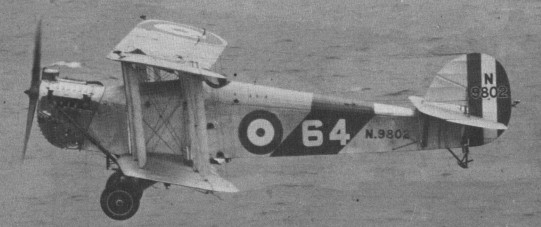
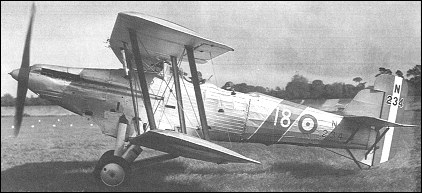
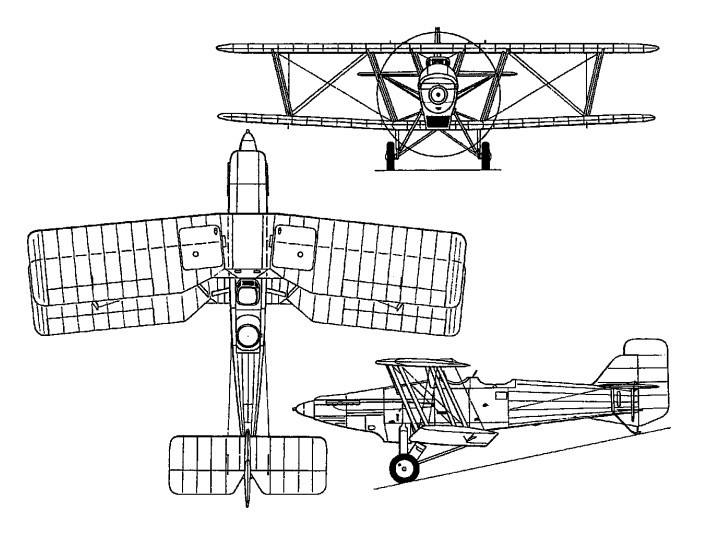
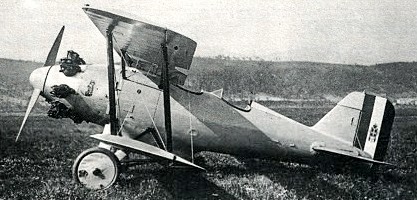
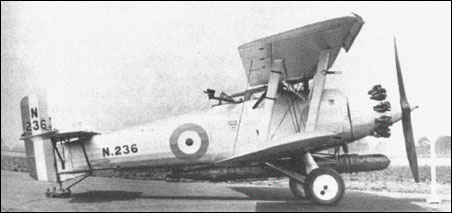
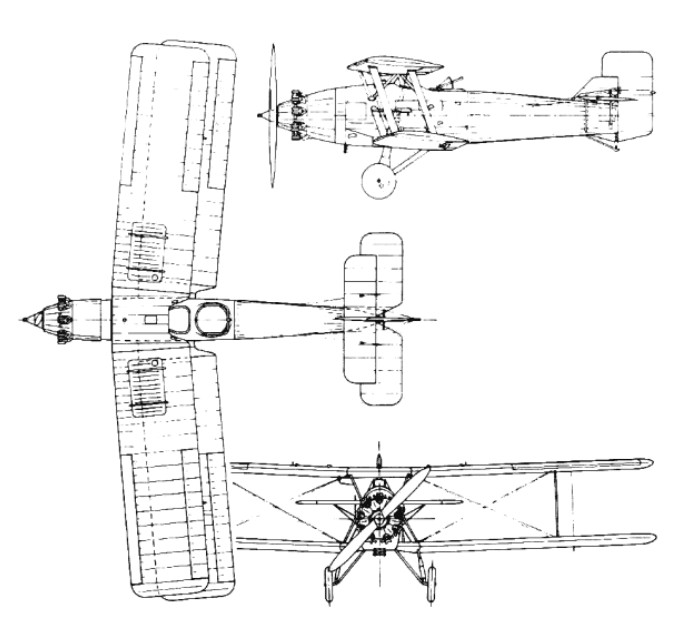
A single-engine, two-seat biplane naval torpedo bomber. Two prototypes, first flown on 8 March 1932. No production.

M.1/30
Serial: S1640
Cn: 3380/1
1 aircraft ordered from The Blackburn Aeroplane and Motor Co. Ltd, Brough, Yorkshire, to contract 55826/30. First flew 8 March 1932.

M.1/30A
Serial: K3591
Cn: 3900/1
1 aircraft built by The Blackburn Aeroplane and Motor Co. Ltd, Brough, Yorkshire, as a Private Venture. First flew 24 February 1933; to the Air Ministry under contract 244326/33 on 18 May 1933. Originally flew under Class B conditions as B-3

M.1/30A
Engine: 1 x 825hp Rolls-Royce Buzzard IIIMS
Take-Off Weight: 4718 kg / 10401 lb
Empty Weight: 2787 kg / 6144 lb
Wingspan: 15.09 m / 49 ft 6 in
Length: 12.14 m / 39 ft 10 in
Height: 4.45 m / 14 ft 7 in
Wing Area: 60.48 sq.m / 651.00 sq ft
Max. Speed: 229 km/h / 142 mph
Ceiling: 2789 m / 9150 ft
Crew: 2
Armament: 2 x 7.7mm machine-guns, 4 x 250kg bombs or a torpedo
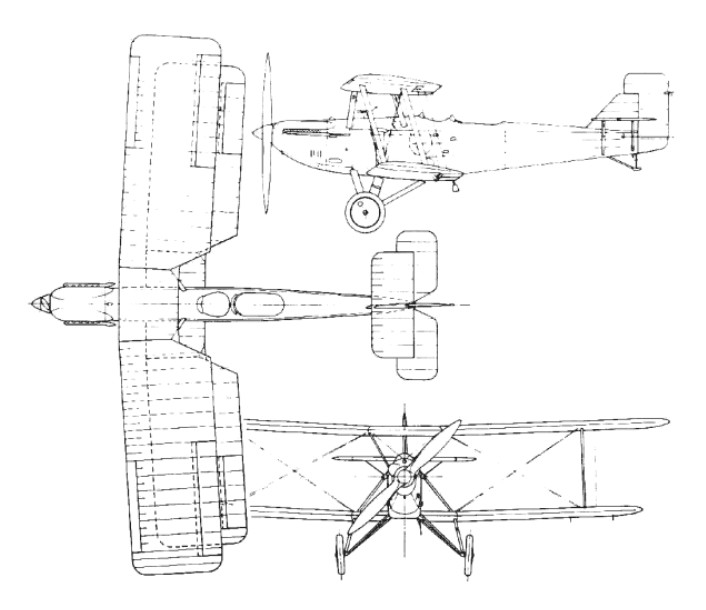
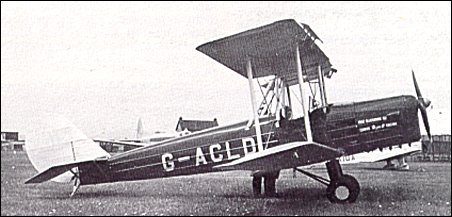
Blackburn B.2 Shark

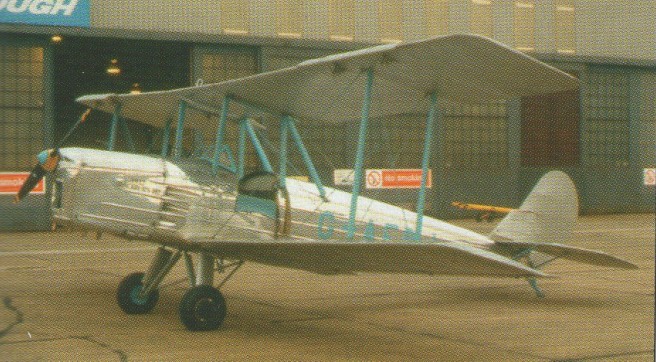
A two-seat (side-by-side) all-metal biplane trainer with a semi-monocoque Alclad fuselage and fabric-covered wings first produced in 1932.

Blackburn B.2 Shark Article

The entire output of 42 aircraft was produced for pilot training at civilian Elementary and Reserve Flying Schools under the RAF expansion scheme. Blind-flying hood, camera-gun or vertical camera were fitted for advanced instruction. All were transferred to Air Training Corps squadrons as instructional airframes in 1942.

B-2
Engine: 1 x De Havilland Gipsy III, 97kW
Take-Off Weight: 839 kg / 1850 lb
Loaded Weight: 533 kg / 1175 lb
Wingspan: 9.19 m / 30 ft 2 in
Length: 7.39 m / 24 ft 3 in
Height: 2.74 m / 8 ft 12 in
Wing Area: 22.85 sq.m / 245.96 sq ft
Max. Speed: 180 km/h / 112 mph
Cruise Speed: 153 km/h / 95 mph
Range W/Max.Fuel: 515 km / 320 miles
Crew: 2

Blackburn B-1 Seagrave / Piaggio P.12

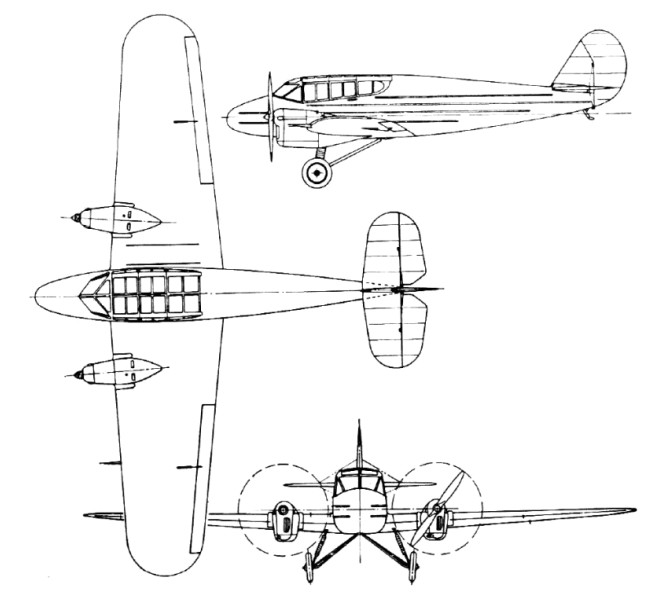
The Blackburn Segrave Meteor was designed in 1929 by Sir Henry Segrave, Technical Director of the Aircraft Investment Corporation. This corporation had substantial interests in the Blackburn Airplane & Motor Co and Saunders Roe. The prototype, G-AAXP, was built by Saunders-Roe and flown on 28 May 1930 at Cowes.

A four-seat cabin monoplane powered by two 89kW de Havilland Gipsy Ills or similar engine. It had an all-wooden fuselage. It was flown in the 1930 King’s Cup Race, and registration finally cancelled in September 1938.

The production of an all-metal machine was given to Blackburn, a number of parts being made by Saunders-Roe. Two production machines, known as Blackburn Segraves were built; G-ABFP and G-ABFP. G-ABFP registration was cancelled in December 1934.

G-ABFR was used on the Hull-Grimsby ferry in 1932. Its last owner was British Air Transport Ltd of Redhill. It was withdrawn in August 1939.

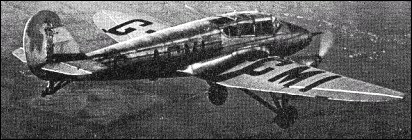
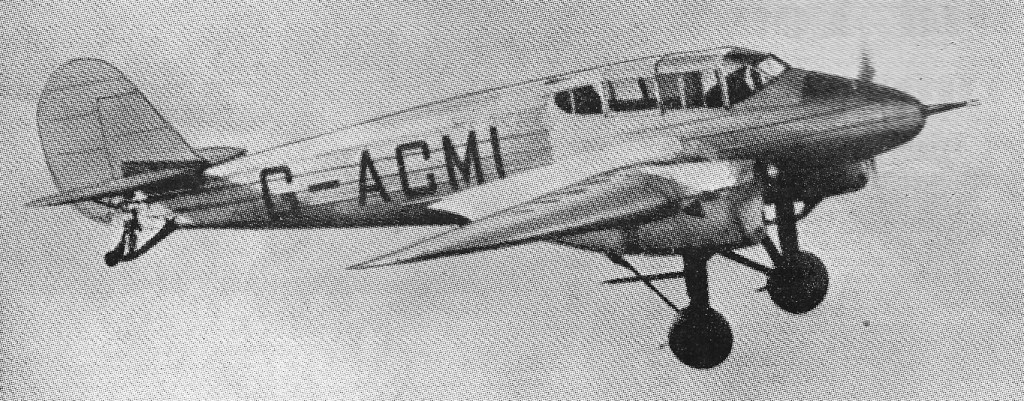
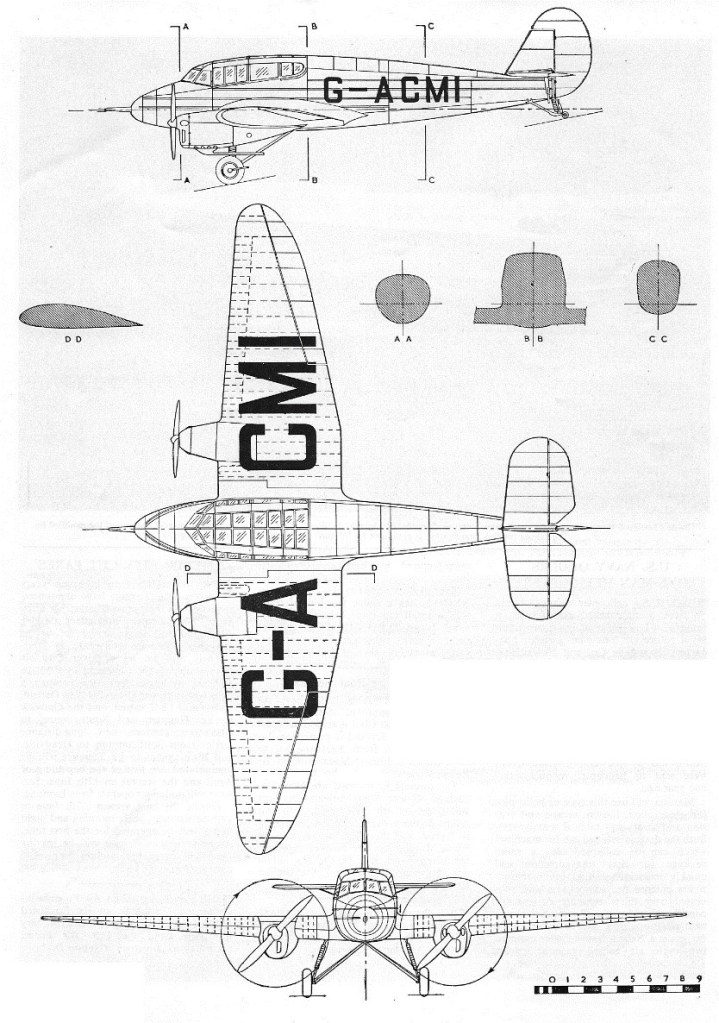
A fourth, G-ACMI, had an experimental Duncanson single-spar wing. This spar was hollow and carried fuel.

G-ACMI was powered by Gipsy Majors, the others having Gipsy III’s. G-ACMI was originally registered G-ABZJ for a time at the end of 1932 but never carried these letters.

Two were built by Piaggio as P.12s.

Blackburn T.7B / 3MR4

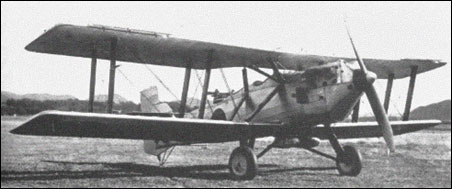
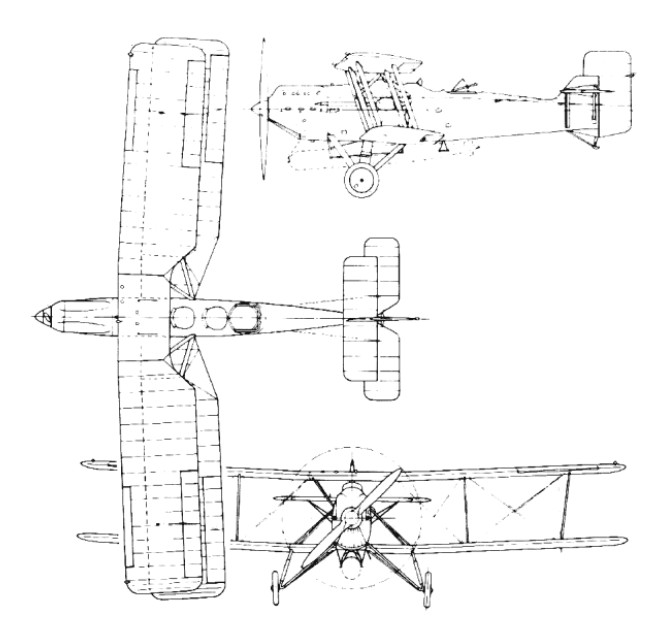
Designed for production in Japan. The first prototype flown on 28 December 1929.

Engine: 1 x 625hp Hispano-Suiza Type 51-12Lbr
Take-off weight: 3617 kg / 7974 lb
Empty weight: 1769 kg / 3900 lb
Wingspan: 15.01 m / 49 ft 3 in
Length: 10.13 m / 33 ft 3 in
Height: 3.78 m / 12 ft 5 in
Wing area: 55.00 sq.m / 592.01 sq ft
Max. speed: 213 km/h / 132 mph
Ceiling: 3505 m / 11500 ft
Range: 628 km / 390 miles
Crew: 3
Armament: 3 x 7.7mm machine-guns, 2 x 110kg bombs or a torpedo
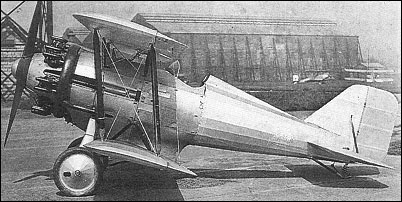
Blackburn 2F.1 Nautilus

A two-seat shipboard fighter-reconnaissance aircraft designed by F A Bumpus to Specification 0.22/26, the Nautilus was of all-metal construction with duralumin and fabric skinning, and was flown for the first time in May 1929 with a 525hp Rolls-Royce F.XIIMS 12- cylinder liquid-cooled engine. Armament comprised one forward-firing 7.7mm Vickers gun and a Lewis gun of similar calibre on a ring mounting in the rear cockpit. Other contenders for the contract were the Short Gurnard, the Fairey Fleetwing and a navalized version of the Hawker Hart. After competitive trials during the autumn of 1929, the Hart was selected for production as the Osprey. Only one Nautilus prototype was completed.

Engine: 525hp Rolls-Royce F.XIIMS 12- cylinder
Take-off weight: 2155 kg / 4751 lb
Empty weight: 1462 kg / 3223 lb
Wingspan: 11.28 m / 37 ft 0 in
Length: 9.65 m / 31 ft 8 in
Height: 3.30 m / 10 ft 10 in
Wing area: 42.55 sq.m / 458.00 sq ft
Max. speed: 248 km/h / 154 mph
Range: 603 km / 375 miles
Armament: one 7.7mm Vickers gun and one 7.7mm Lewis gun

Blackburn F.1 Turcock

A single-seat biplane designed by F A Bumpus and B A Duncan as a private venture to meet the requirements of Specifications F.9/26 and N.21/26, the F.1 could accept a variety of air-cooled and water-cooled engines in the 450-600hp range. The design was assigned the name Blackcock but it was intended to allocate individual names to variants as and when built.
The F.1 was of all-metal construction and primarily fabric covered, and armament was intended to comprise two 7.7mm Vickers guns in the fuselage.
The prototype, powered by a 446hp Armstrong Siddeley Jaguar VI 14-cylinder two-row radial, carried no armament and was flown for the first time on 14 November 1927. Built to a Turkish government contract, the prototype was allocated the name Turcock but was destroyed in an accident on 23 January 1928, no further development being undertaken.

Engine: 446hp Armstrong Siddeley Jaguar VI 14-cylinder two-row radial
Take-off weight: 1236 kg / 2725 lb
Empty weight: 1035 kg / 2282 lb
Wingspan: 9.45 m / 31 ft 0 in
Length: 7.41 m / 24 ft 4 in
Height: 2.72 m / 8 ft 11 in
Max. speed: 283 km/h / 176 mph