The Bleriot-SPAD 33 was first flown on 12 December 1920.
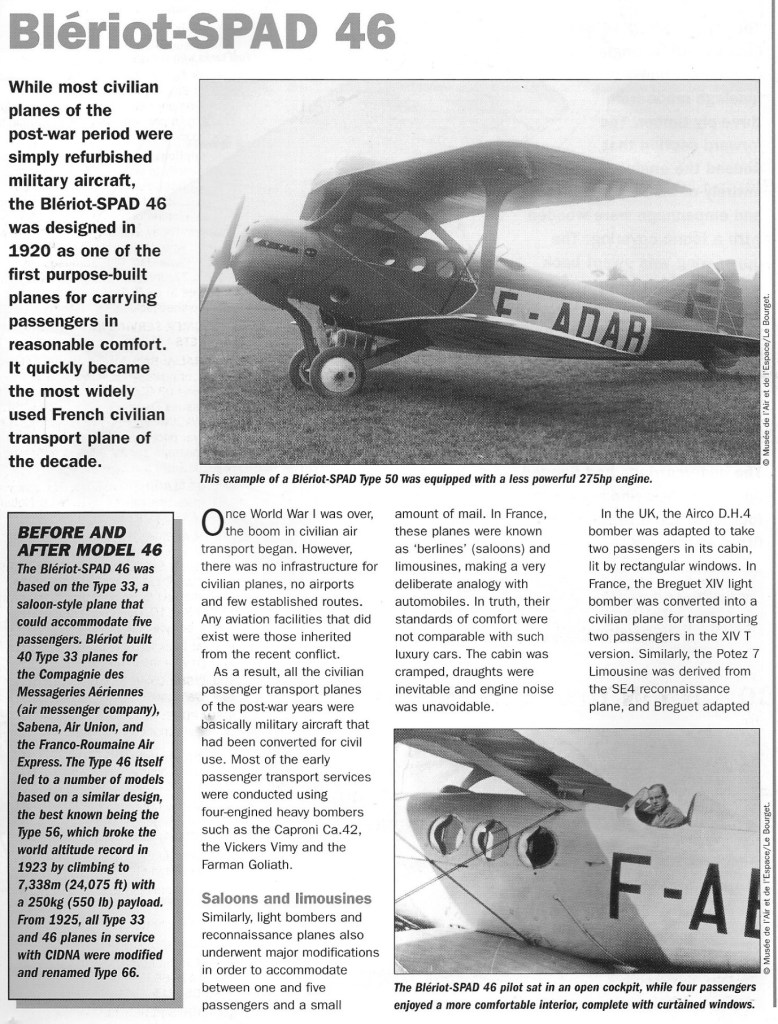
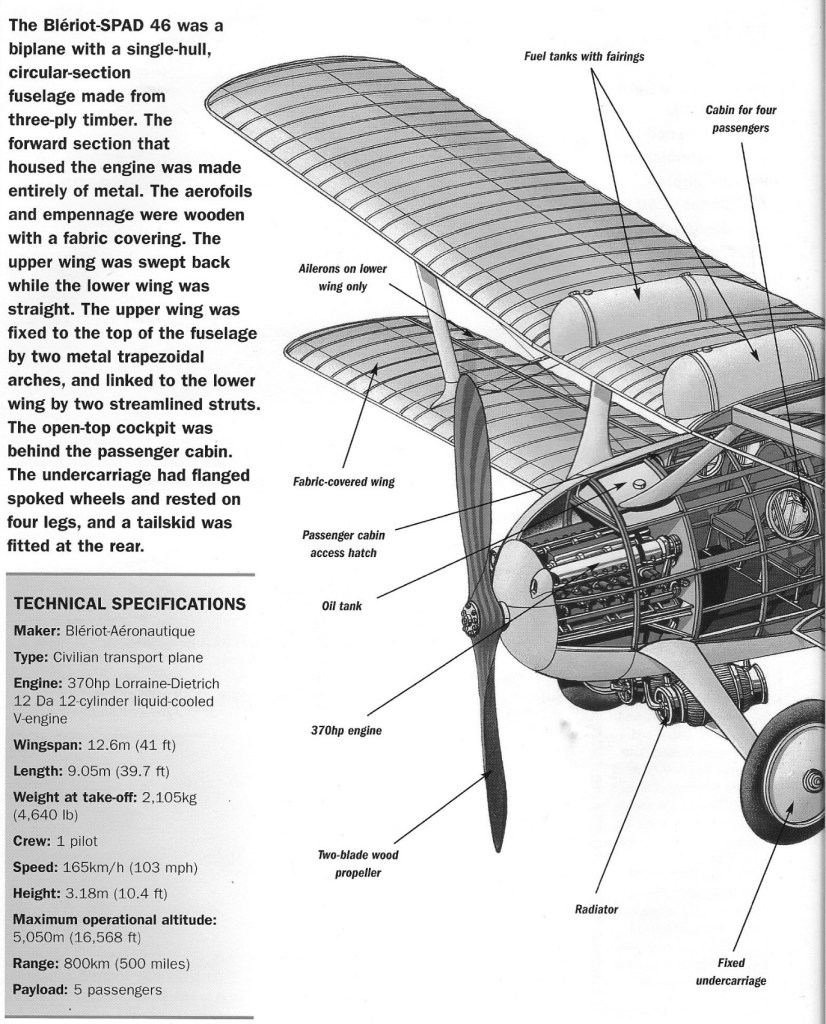
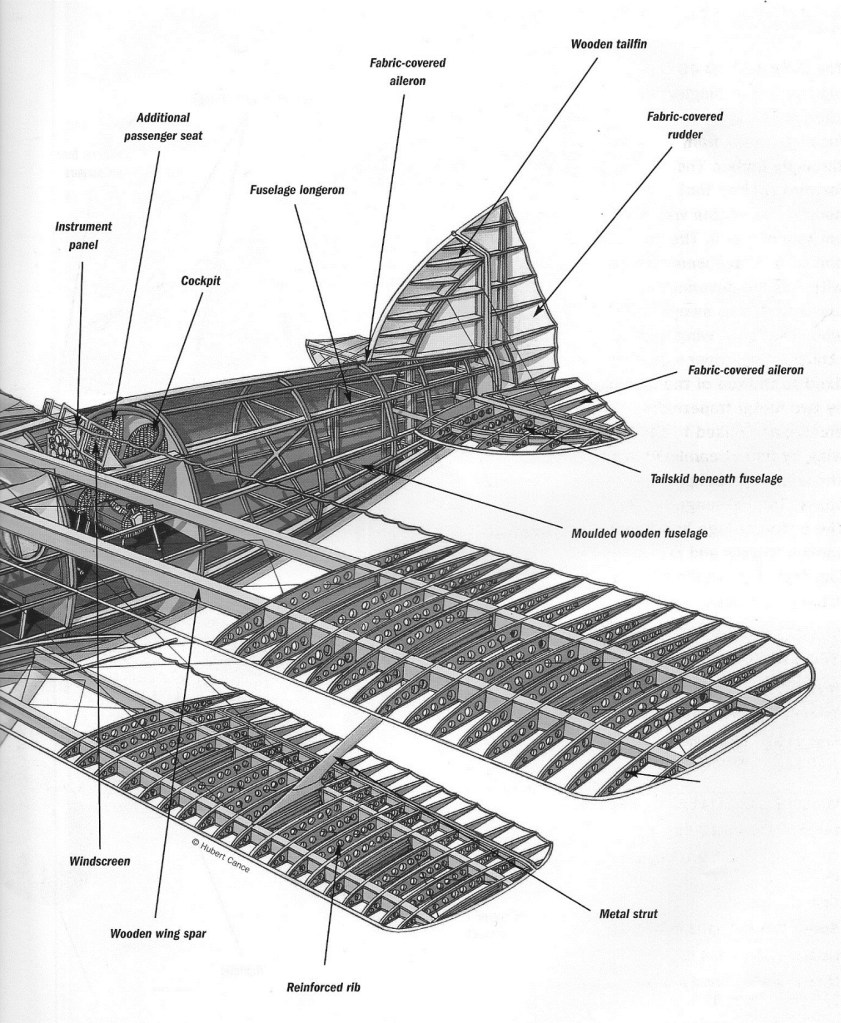
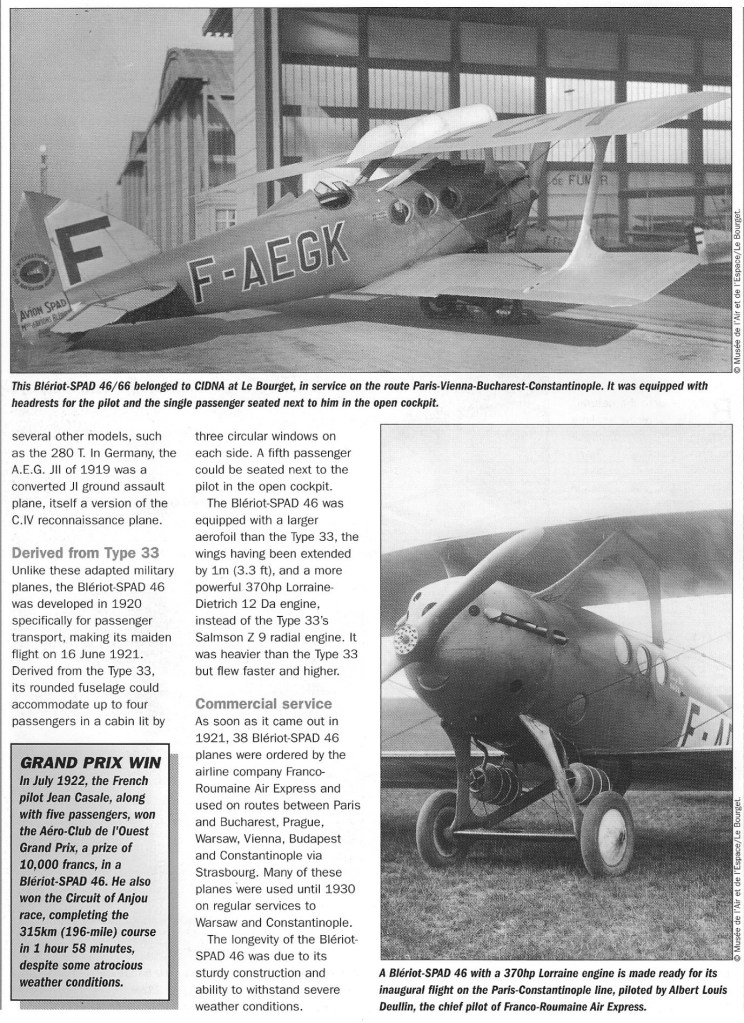
The Bleriot-SPAD 33 was first flown on 12 December 1920.
The SPAD (Societe pour l’Aviation et ses Derives) concern, although headed by Louis Bleriot, operated as a separate organisation from the Societe Bleriot-Aeronautique until 1921, when SPAD was absorbed and the subsequent progeny of its design team became officially known by the title of Bleriot SPAD.
Bleriot-SPAD joined SNCASO in 1937.
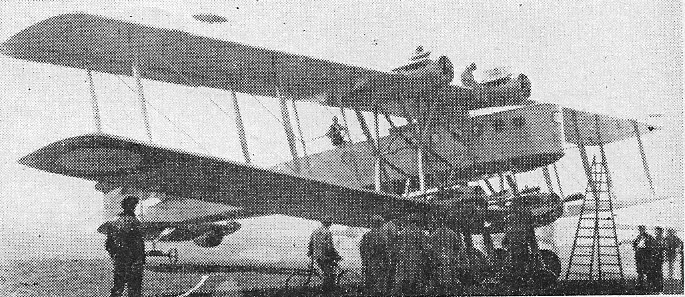
1918 bomber.
The Bleriot 75 was a transport development.
Engines: 4 x 300 hp Hispano-Suiza
Wingspan: 98 ft 6 in
Wing area: 4066 sq.ft
Length: 72 ft 2 in
Loaded weight: 28,000 lb
Max speed: 83 mph
Endurance: 5 hr
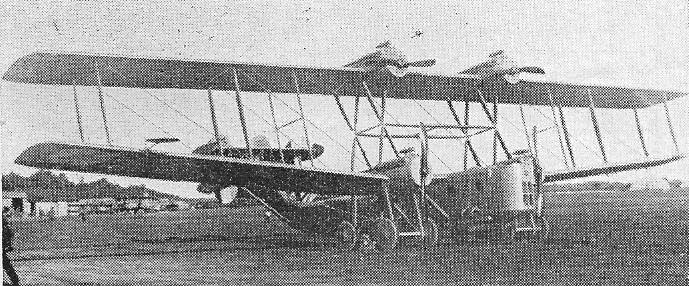
1918 bomber.
Engines: 4 x 300 hp Hispano-Suiza
Wingspan: 98 ft 6 in
Wing area: 4066 sq.ft
Length: 72 ft 2 in
Loaded weight: 28,000 lb
Max speed: 83 mph
Endurance: 5 hr
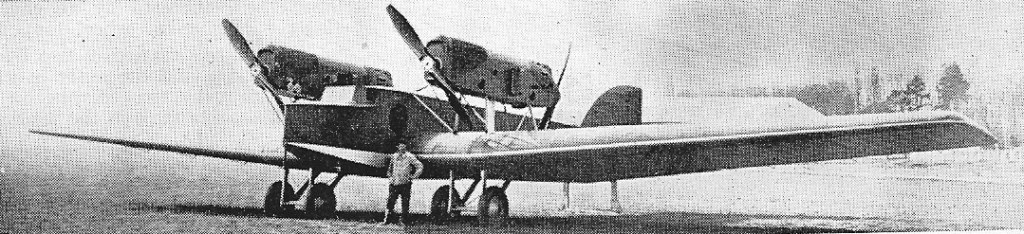
Believed to be the transatlantic flight monoplane specially built for Louis Bleriot’s son before he was killed, the 1920s Bleriot 195 was a mail/freight, cantilever monoplane
Engines: 4 x Hispano-Suiza 8A, 250 hp
Wingspan: 70 ft 10 in
Length: 44 ft 10 in
AUW: 18,000 lb
Max speed: 130 mph
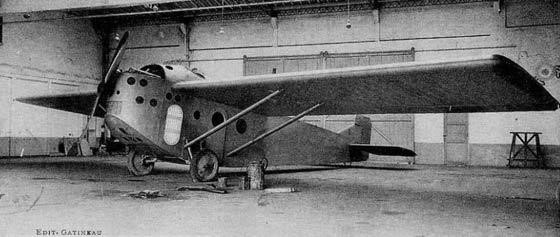
The Blériot Bl-106 was a single-engine transport aircraft which first flight on July 15, 1924. One single copy was built.
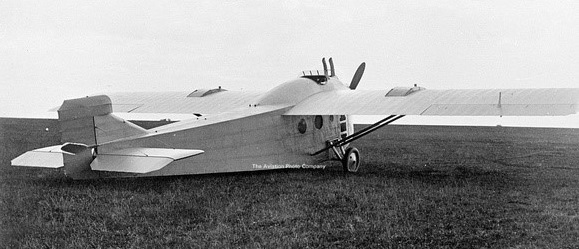
Engine: Renault 12Jb, 480 hp
Wingspan: 18.00 m
Length: 12.20 m
Height: 3.50 m
Max weight: 2700 kg
Max speed: 180 kph
Seats: 5
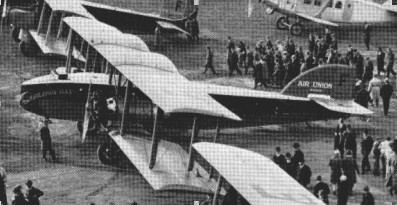
Operated by Air Union circa 1929.
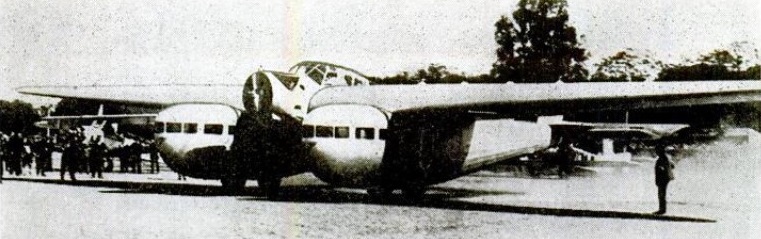
The Bleriot B-125 had tandem Hispani-Suiza 500 hp engines as standard. Between the two powerplants is the pilot’s cabin while the passenger cabins are at the nose of each of the double fuselage. Each fuselage nose carriers six seats.

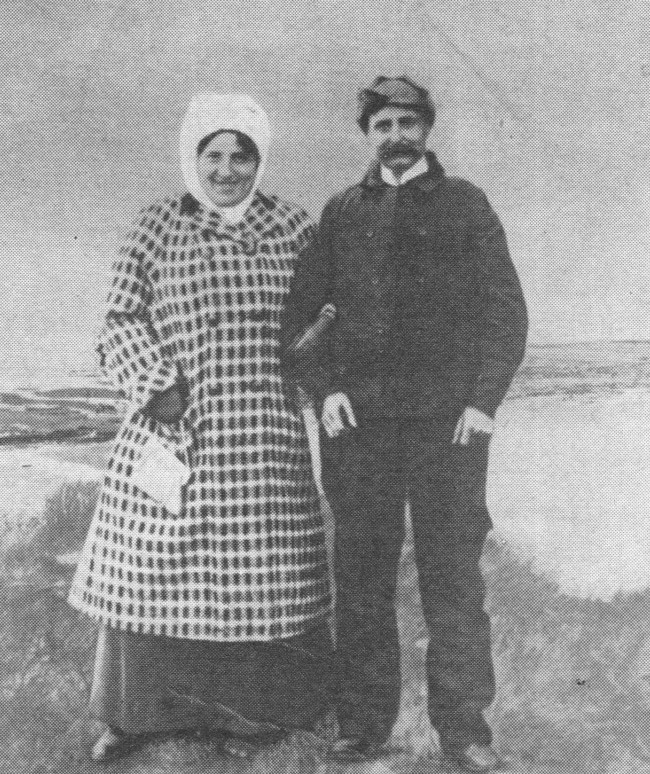
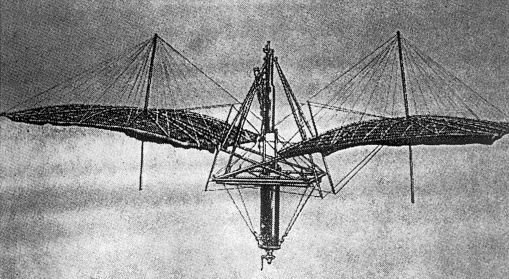
Louis Blériot built the I Ornithoptère model – datable to 1900-1901 and patented in 1901 – with a span of 1.5 m and powered it with a carbonic acid engine. In 1902 Blériot built another machine to size which he tried to fly (span 9 m, weight 70 kg), but despite the successive replacement of three chemical engines it was a failure.
The French aviation pioneer Louis Bleriot achieved a unique place in aviation history by making the first crossing of the English Channel in a powered aircraft (his Type XI monoplane) on July 25, 1909. This success resulted in the formation of the above company to produce the Type XI monoplane, and many significant flights were made with these aircraft.
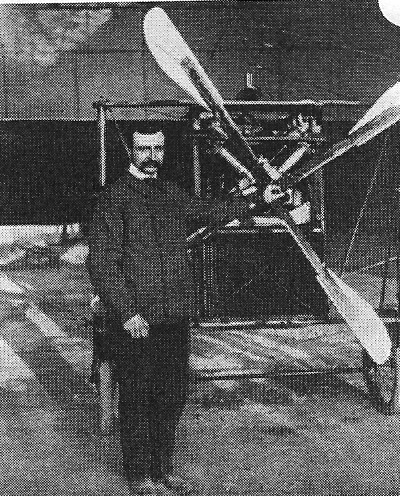
Aircraft of this type, and derivatives served with the French forces, the RFC and RNAS at the beginning of the First World War, as well as with other air arms.

In post-war years Bleriot took over SPAD. The SPAD (Societe pour l’Aviation et ses Derives) concern, although headed by Louis Bleriot, operated as a separate organisation from the Societe Bleriot-Aeronautique until 1921, when SPAD was absorbed and the subsequent progeny of its design team became officially known by the title of Bleriot SPAD.
In France, the Socialist Government of the so called Popular Front brought all the companies building military aircraft, aero engines and armament under its control in 1936. The immediate result was the socialized oblivion of such established companies as Marcel Bloch, Bleriot, Nieuport, Potex, Dewoitine, Hanriot and Farman within half a dozen nationalized groups or Societies Nationales, named according to their geographical location (Nord, Ouest, Centre, Midi and so on).
After World War II, although four of the nationalized groups continued operating under state control, private companies were allowed to resume the design and manufacture of both civil and military aircraft. Some of the pioneering names of French aviation, such as Breguet and Morane Saulnier, returned to prominence.
In a 1934 visit to Newark Airport in the United States, Louis Bleriot predicted commercial overseas flights by 1938. Unfortunately, he would not see this come to fruition as his death from a heart attack took his life on August 2nd, 1936 in Paris, France – bring an end to this French hero’s legacy. The Louis Bleriot Medal, established in 1936, was aptly named in his honor and would be awarded to individuals involved in record-setting flights thereafter. The award is still handed out to this day.
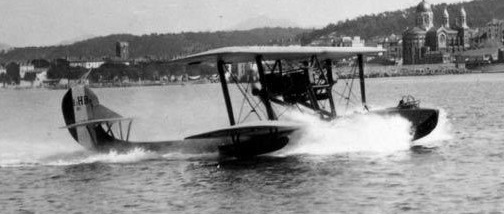
The Blanchard Brd.1 was a French reconnaissance flying boat used by the French navy in the 1920s. It was a large biplane with two engines mounted in the gap between the wings, each engine driving a pusher propeller.
First flown in 1922, twenty-four were built, primarily operated by the French Navy Aéronautique Maritime Escadrille 5R1 from 1923. They were retired in 1926.
In 1924, one Brd.1 was used to set several world altitude records for seaplanes.
Engines: 2 × Hispano-Suiza 8Fe, 205 kW (275 hp)
Wingspan: 19.00 m (62 ft 4 in)
Wing area: 85.0 m2 (914 ft2)
Length: 13.85 m (45 ft 5 in)
Height: 5.00 m (16 ft 5 in)
Empty weight: 2,465 kg (5,434 lb)
Gross weight: 3,930 kg (8,664 lb)
Maximum speed: 170 km/h (106 mph)
Service ceiling: 3,500 m (11,480 ft)
Crew: three, pilot, navigator, and gunner
Armament:
1 × 7.7 mm machine gun in flexible mount in bow
1 × 7.7 mm machine gun in flexible mount in rear fuselage
Bombload: 290 kg (640 lb)

