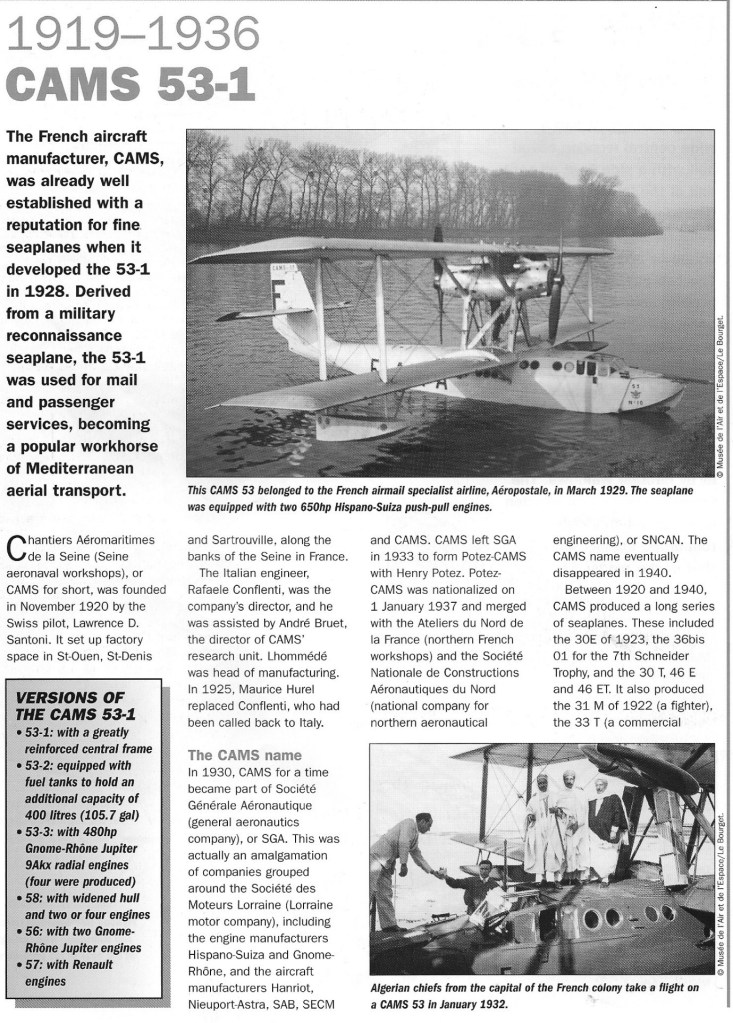
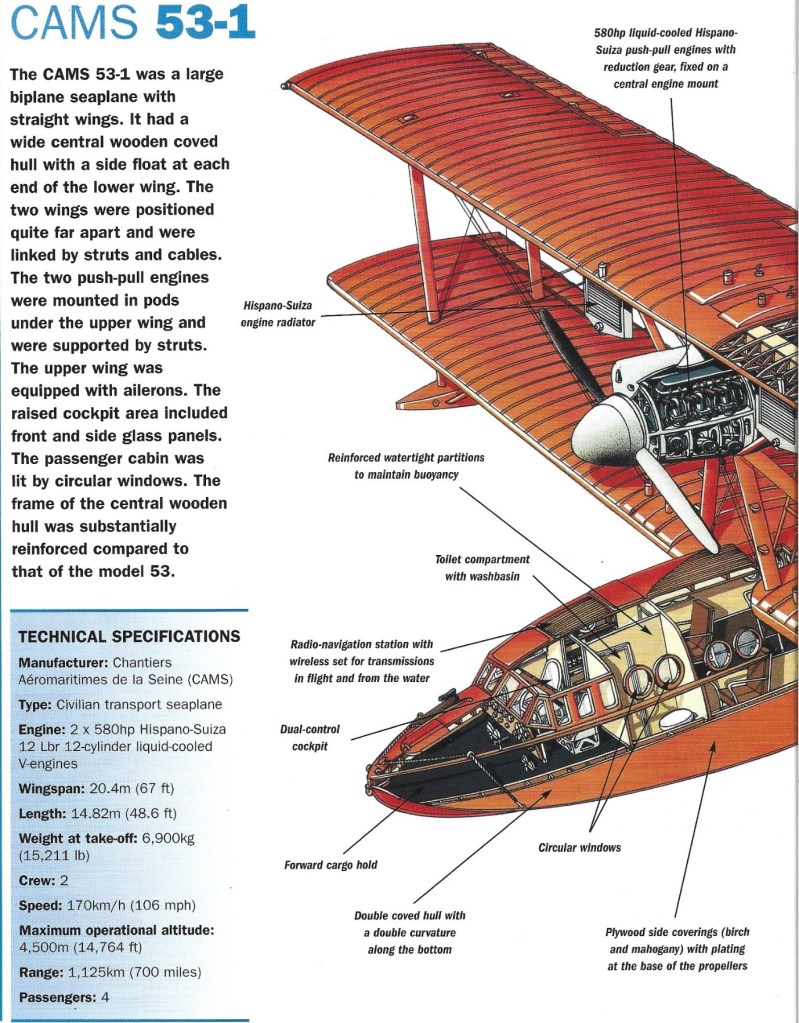
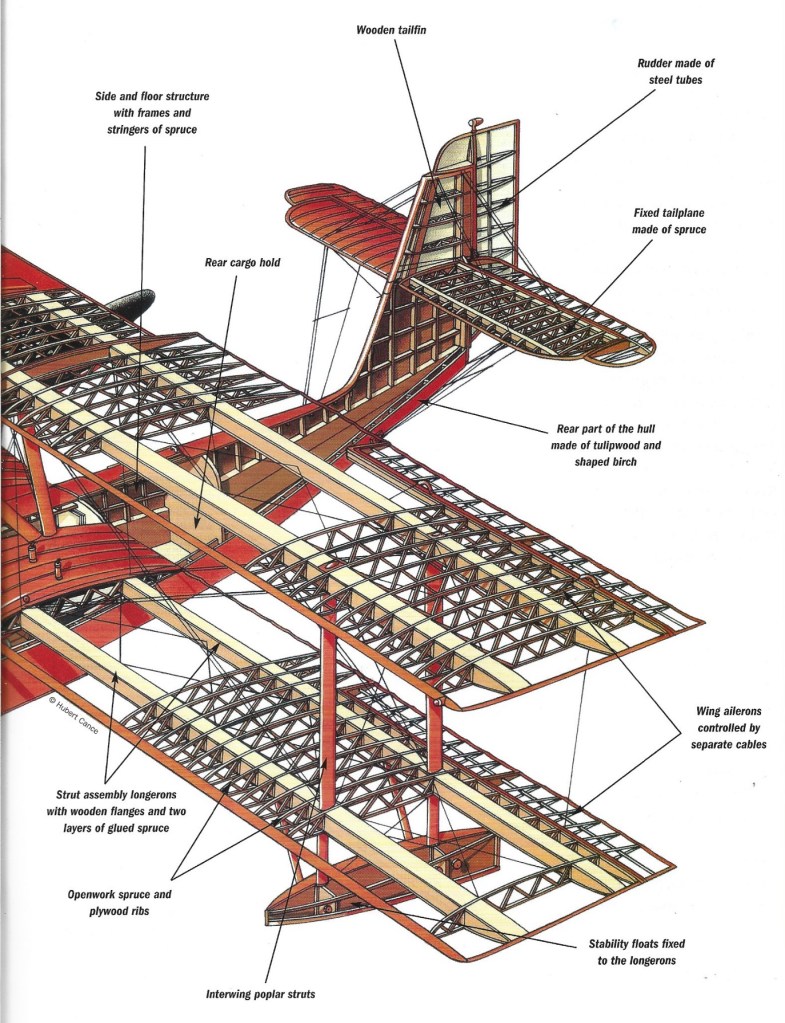
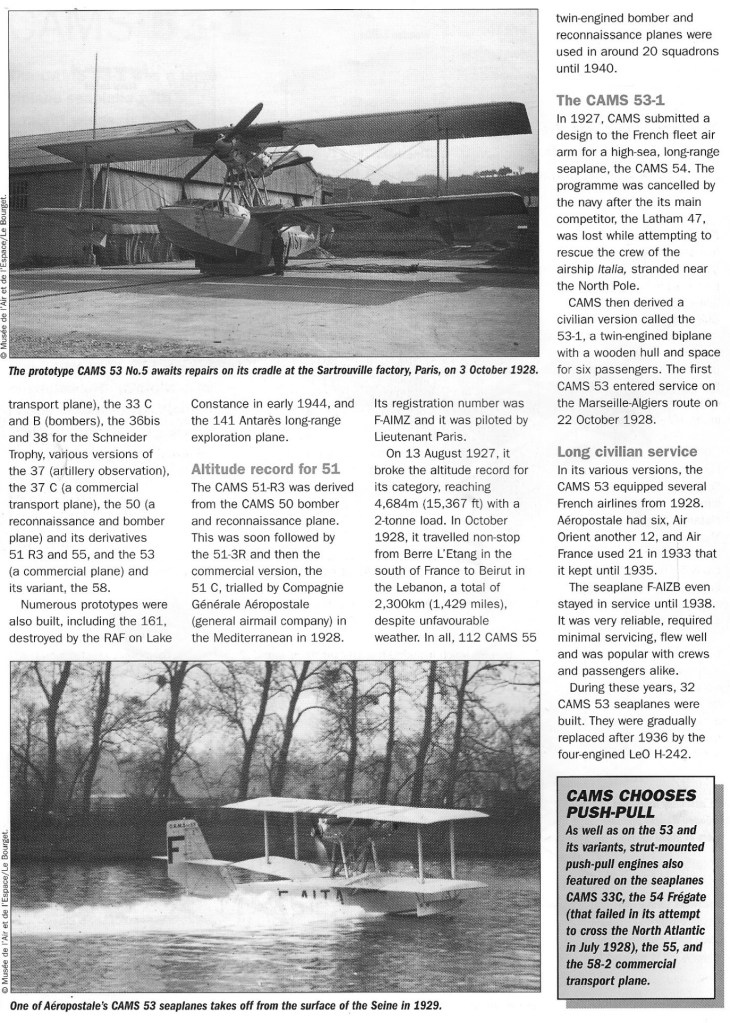
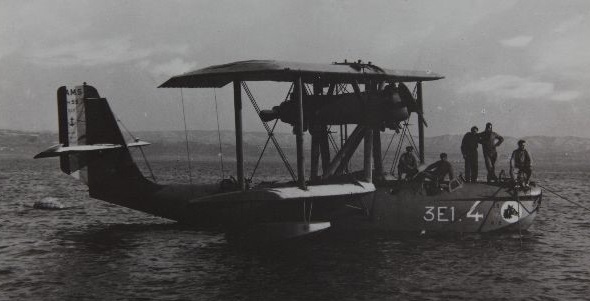
The CAMS 51 was a transport flying boat built in France in the mid-1920s. Designed by Maurice Hurel as a private venture by Chantiers Aéro-Maritimes de la Seine (CAMS), it was a conventional biplane with two radial engines mounted in a tractor-pusher installation in the interplane gap. The first flew in 1926.
One example (the 51C) was sold to Aéropostale, which used it for tests in preparation for transatlantic services.
CAMS also built a militarised version as the 51R3 in the hopes of interesting the French Navy in it as a reconnaissance aircraft, but no order was forthcoming.
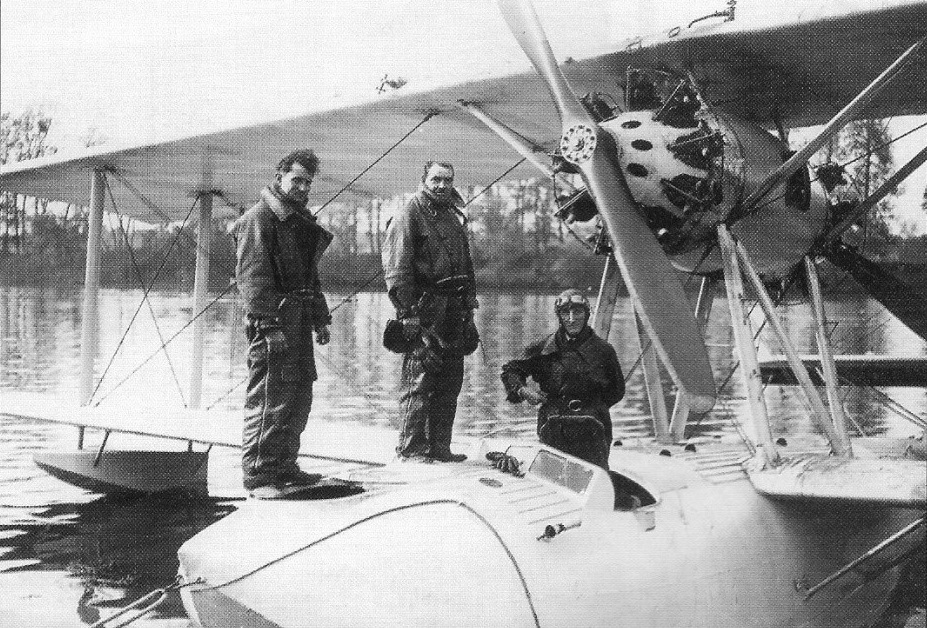
A final aircraft was built as a record-breaking machine originally designated 51-3 R that broke the world payload-to-altitude record on 18 August 1927 by lifting 2,000 kg to 4,684 m (15,368 ft). This aircraft was later used as a pathfinder for French airmail routes to South America.
CAMS 51C
Powerplant: 2 × Gnome et Rhône 9Aa, 283 kW (380 hp) each
Wingspan: 20.40 m (66 ft 11 in)
Wing area: 115.0 m2 (1,237 sq ft)
Length: 13.78 m (45 ft 2 in)
Height: 5.00 m (16 ft 5 in)
Empty weight: 3,150 kg (6,945 lb)
Gross weight: 5,150 kg (11,354 lb)
Maximum speed: 200 km/h (125 mph, 109 kn)
Range: 100 km (620 mi, 540 nmi)
Service ceiling: 4,600 m (15,100 ft)
Crew: two
Capacity: four passengers
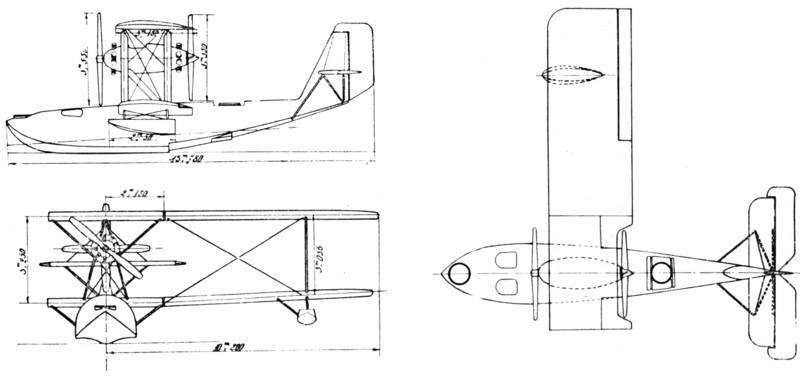
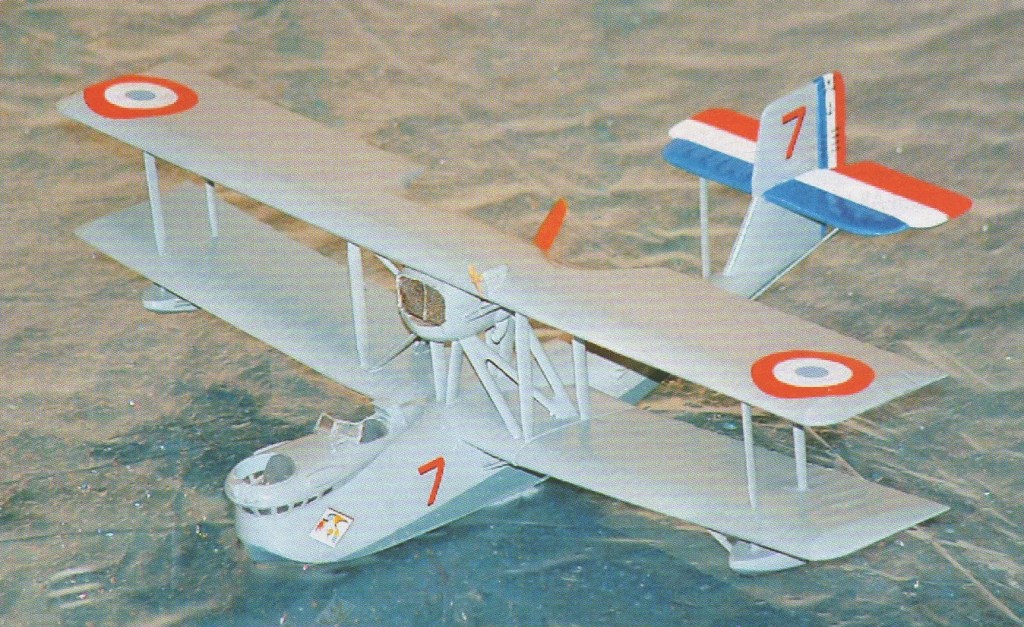
For shipborne observation/patrol, CAMS’ bay-windowed 37A first flew in 1926. About 150 were produced in the inter-war years. With its Lorraine 450hp broad arrow V12 and coarse pitch and small diameter pusher propeller it lasted longer than most with one example being operated by the Free-French from Tahiti. It could be operated from land strips when a wheeled main gear was attached, but was not capable of amphibious use since it could neither take off nor land on water in this configuration.
Built 1923-1926 originally for the Schneider Trophy race
Chantiers Aero-Maritimes de la Seine founded 1921, specializing in production of marine aircraft; technical director and chief designer from 1927 was Maurice Hurel. Best-known products were flying-boats; CAMS 33, built 1923-1926 originally for the Schneider Trophy race; CAMS 37 for shipborne observation/patrol; and the CAMS 51, 53 and 55 family, of which the CAMS 55 was a patrol bomber.
Company acquired in 1933 by Societe des Avions et Moteurs Henry Potez. Factories at Sartrouville and Vitrolles nationalized in 1937.
Les Mureaux, CAMS, and part of Breguet formed SNCAN in 1938.
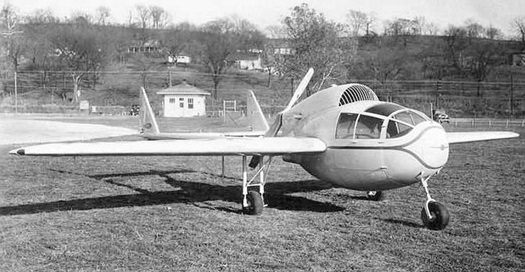
Designed and built in 1935 by Hayden Campbell in St. Joseph, Missouri, the Campbell F was made of all-magnesium construction and was powered by an 85 hp Ford V-8 automotive engine.The F model was equipped with a tricycle landing gear with steerable nosewheel.
Nicknamed ‘The Flying Easter Egg’, the aircraft was damaged in a demonstration flight and never repaired.
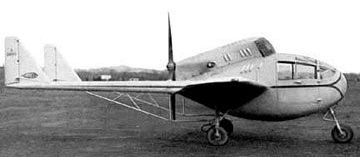
The goal of this side by side two-seater design was a cheap plane for tourism.
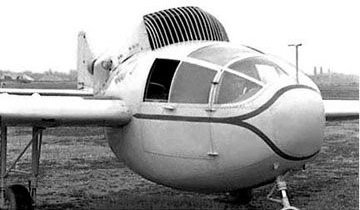
This aircraft was seen in a dismantled state in a barn south of Buffalo New York. Prior to that, it had been stored at the Hamburg, NY airfield on North Creek Road.
Engine: 85 hp Ford V-8
Wingspan: 36 ft
Length: 19 ft 4in
Max speed: 190 km/h
Seats: 2 side to side
St. Joseph
Missouri
USA
Circa 1935 airplane builder
The 1946 Cameron Aero Engine Corp C4-I-E1 was a 125hp 301ci 4-cylinder, air-cooled, inverted inline aero engine.
The 1928 Cameron Aero Engine Corp 100 was a 100 hp seven cylinder air-cooled radial aero engine.
The 1928 Cameron Aero Engine Corp 60 was a 60hp 4-cylinder, air-cooled, inverted inline aero engine.

