A six seat cabin monoplane which had corrugated alclad sheet covering for the fuselage, wing, and tail surfaces, pioneered by Hugo Junkers in Germany.
Inter-Wars
Crawford All-Metal Airplane Co
USA
Established in 1928 at Los Angeles, California, built all metal aircraft to special order. Production included a six seat cabin monoplane, designated Crawford 65, which had corrugated alclad sheet covering for the fuselage, wing, and tail surfaces, pioneered by Hugo Junkers in Germany.
Cranwell Light Aeroplane Club CLA.4A
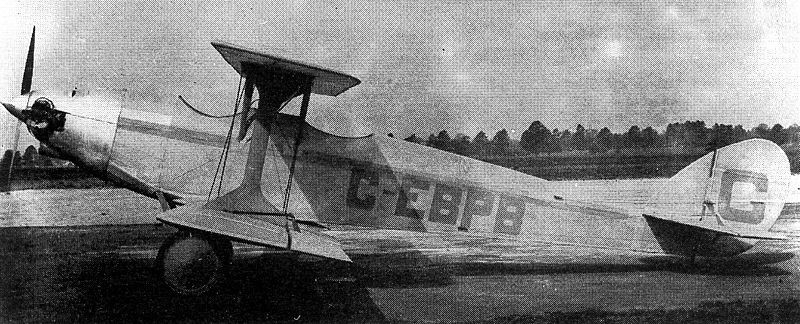
The Cranwell CLA.4 was for the 1926 Lympne light aircraft trials, as two-seat inverted sesquiplanes, powered by a Pobjoy P. The first aircraft, G-EBPC was started as a CLA.4 but completed as a CLA.4A, powered by a Bristol Cherub III.
The first of two built, G-EBPC, was flown from Cranwell in 1927, and by Comper at the trials but was withdrawn with a damaged landing gear. It was broken up at Heston in 1933.
The second aircraft, G-EBPB, was destroyed in a crash on 4 March 1927.
A group of students, unsatisfied with their flying hours at the Edmonton and Northern Alberta Flying Club, purchased a set of plans to build a Cranwell CLA.4 in 1927. Alf Want assembled the aircraft in his house basement, but then moved it to Blatchford Field for flight trials. It is the third and last aircraft of its kind, and is the oldest surviving airplane originally built in Edmonton.
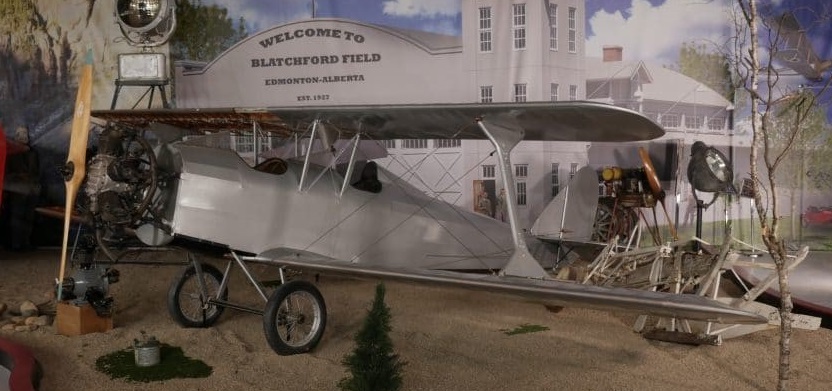
Cranwell CLA.4
Powerplant: 1 x Velie M-5, 41 kW)
Wingspan: 8.33 m
Length: 6.80 m
Maximum Speed: 105 km/h
Cruise Speed: 80 km/h
Range: 200 km
Crew: 1
Passengers: 1
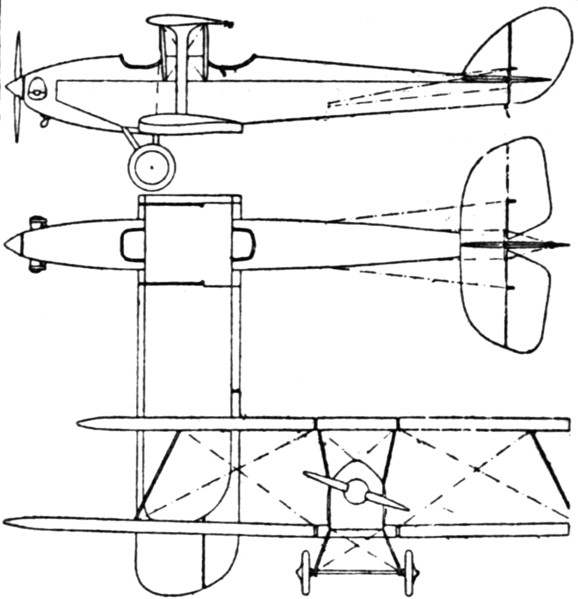
Cranwell Light Aeroplane Club CLA.3
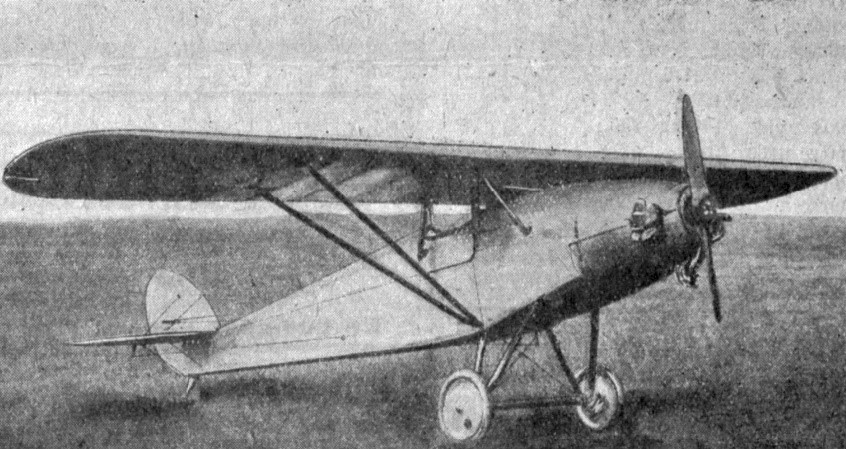
The Cranwell CLA.3 was designed to compete in the 1925 Lympne light aircraft trials, a high-wing braced monoplane powered by a Bristol Cherub engine.
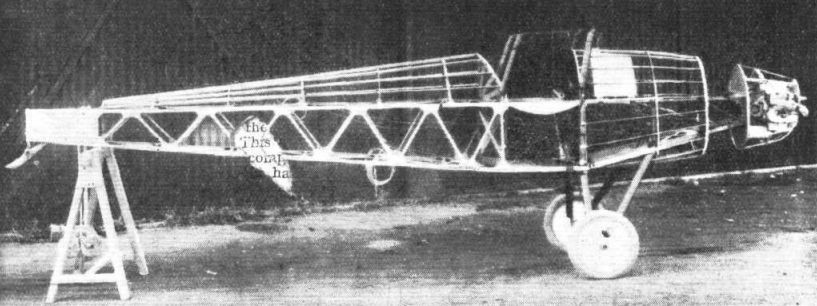
July 1925 saw the first flight of the CLA.3, registered G-EBMC.
It won the International Speed Race at Lympne when it achieved 86.92 mph. It was re-engined in 1926 with a Bristol Cherub III.
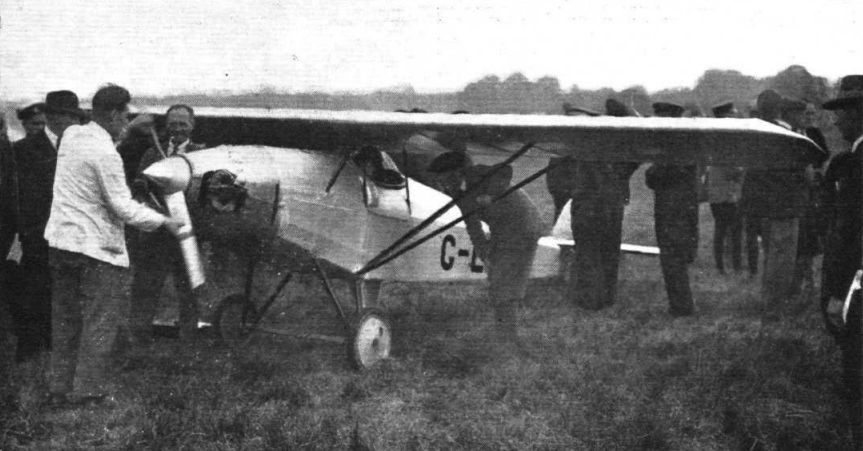
The CLA.3 was scrapped in 1929.
Engine: Bristol Cherub
Wingspan: 21.00 ft
Length: 18.06 ft
Cranwell Light Aeroplane Club CLA.2
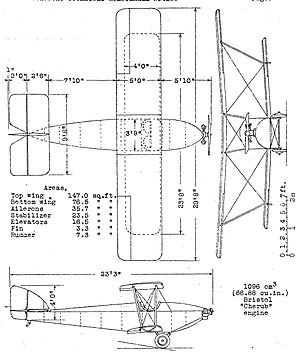
The Cranwell CLA.2 was a two-seat single-engined biplane designed and built for the 1924 Lympne light aircraft trials.
It was first flown at Cranwell at 14 September 1924 with a Bristol Cherub as G-EBKC, it went on to win the £300 Reliability Prize at Lympne.
After the light plane trials the CLA.2 went to RAF Martlesham Heath for evaluation but it was written off by an Air Ministry pilot. The Air Ministry compensated the club for the loss and this was used to fund the next project.
Engine: Bristol Cherub
Wingspan: 29.08 ft
Length: 23.03 ft
Cranwell Light Aeroplane Club
The Cranwell Light Aeroplane Club was formed in 1923 by staff and students of the RAF College Cranwell to design and build light aircraft. One of the members was Flight Lieutenant Nicholas Comper who became the Chief Designer. Comper and the club designed and built four aircraft with the last three types being flown.
The Cranwell CLA.1 (a single bay, single seater biplane) was the first attempt by the Club to design an aircraft but was never built. This was followed by the CLA.2, CLA.3, and CLA.4, which were built.
Nicholas Comper went on to form Comper aircraft.
Cramlington Aircraft Camcraft 1
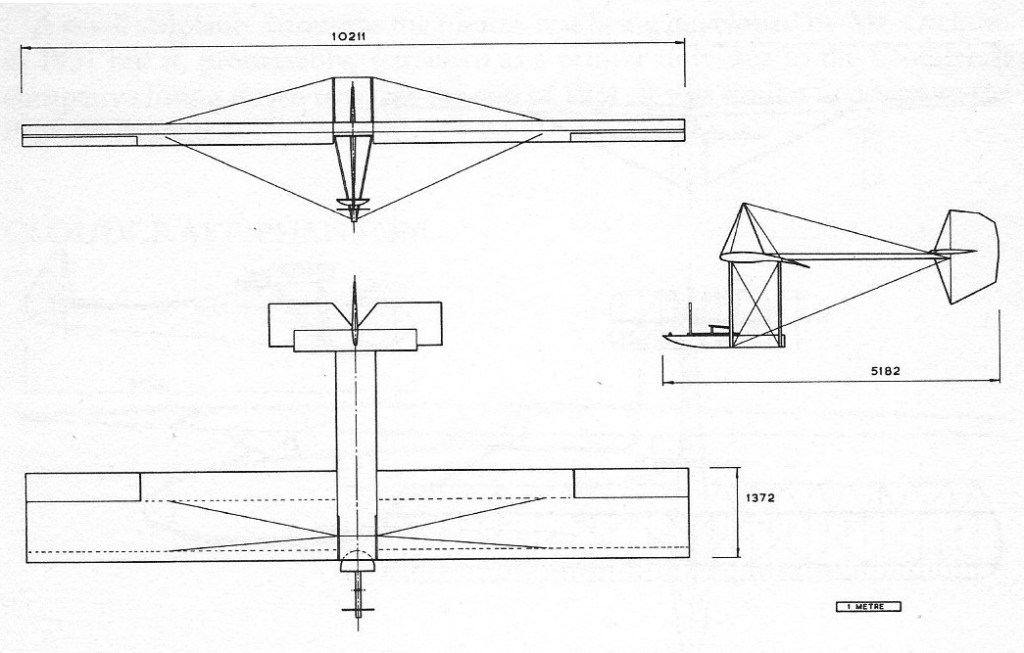
A single-seat primary glider designed and built by Cramlington Aircraft Ltd, Northumberland. Conventional wooden construction, it featured easy dismantlement. The fuselage consisted of a rigid boom to tail-unit. Originally designed with a wing chord of 5 ft, this was reduced to 4 ft 6 in as a cost reduction.
The undercarriage was a main skid only. The wing was wire braced with no flaps or airbrakes.
The price in 1930 was £55.
Specifications published in a 1930 ‘Sailplane and Glider’ gave a wingspan of 10.21 m / 33 ft 6 in, and length of 5.18 m / 17 ft 0 in.
Later specifications given were;
Wingspan: 10.41 m / 34 ft 2 in
Length: 5.58 m / 18 ft 3.5 in
Wing area: 14.21 sq.m / 153 sq.ft
Aspect ratio: 7.6
Empty weight: 63.5 kg / 140 lb
Seats: 1
Cramlington Aircraft Ltd
Cramlington
Northumbeland
UK
The directors were Lrslie Runcimam, President of the Newcastle and Teesside Gliding Club. And Miss Constance Leathart.
A few primary gliders of an original design were built by the company in 1930 and 1931 at Cramlington. The firm was principally a repair and service organisation, and it carried out all of the C of A work for the Newcastle Aero Club, but went out of business shortly after the Aero Club moved to Woolsington Aerodrome.
Cox-Klemen XA-1
Cox-Klemen produced two XA-1 prototype ambulance aircraft for U.S. Army.
Cox-Klemen XN-1/XS-2
Cox-Klemen supplied in 1923-25 six examples for USN of XN-1/XS-2 experimental twin-float scout Seaplanes intended for carriage aboard submarines.

