Engine; 1 x 482hp Bristol Jupiter VI Take-off weight; 1897 kg / 4182 lb Empty weight; 1173 kg / 2586 lb Wingspan; 12.37 m / 40 ft 7 in Length; 8.99 m / 29 ft 6 in Height; 3.12 m / 10 ft 3 in Wing area; 35.30 sq.m / 379.97 sq ft Max. Speed; 217 km/h / 135 mph Crew; 2 Armament; 2 x 7.7mm machine-guns, 200kg of bombs
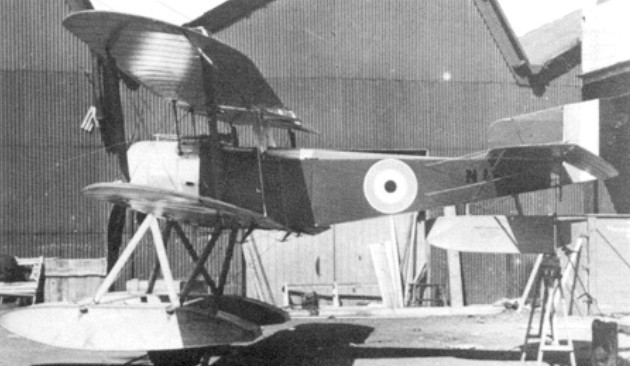
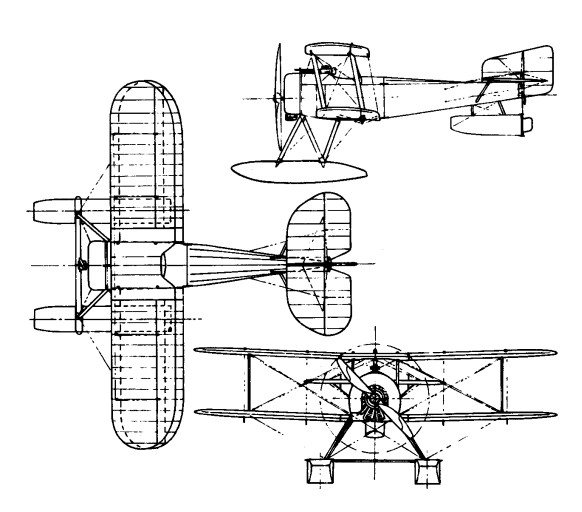
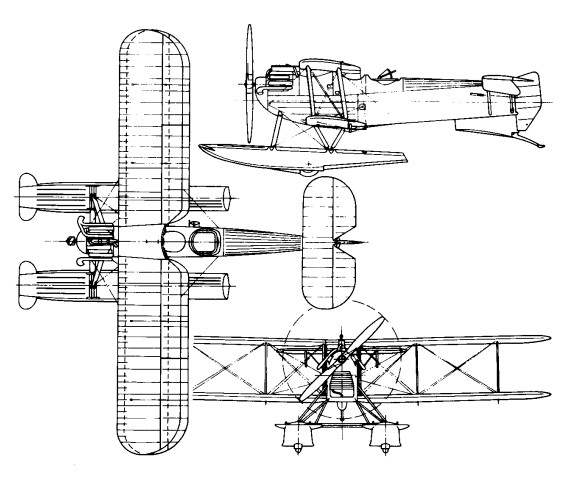
A total of 286 Sopwith Babies was built of which 195 were produced by Blackburn – and sometimes known as Blackburn Babies – 105 of the latter being fitted with the 130hp Clerget engine, and, of these, 40 were fitted (initially) to carry the Ranken dart and no gun armament. A more extensive modification of the Sopwith float fighter was the Fairey Hamble Baby.
The Fairey Hamble Baby had refinements such as full span flaps designed by Richard Fairey. A total of 180 were built.
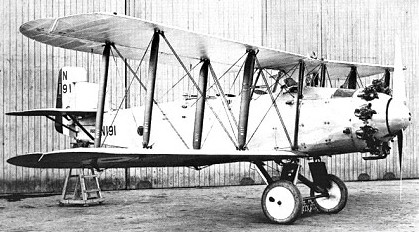
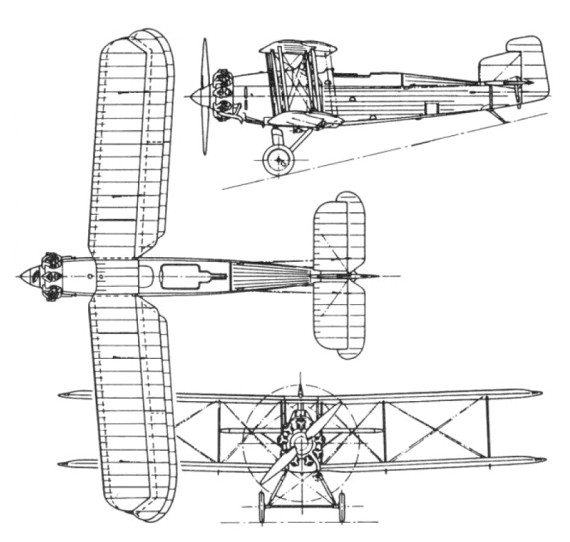
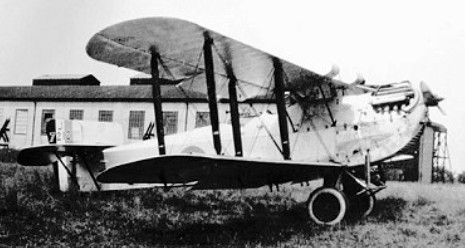
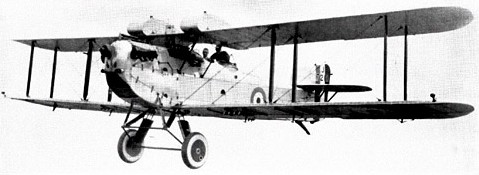
Developed from the Fairey Pintail amphibian of 1920, the Fawn was the first post 1918 designed light day bomber and reconnaissance aircraft to see RAF service. Intended as an army co-operation vehicle to replace the de Havilland 9A, the Fawn prototype, J6907, first flew in March 1923. After various modifications, including a longer fuselage, the design went into limited production, and the first production example appeared in January 1924, designated Fawn Mk II. This version entered RAF service, and eventually equipped Nos 11, 12, 100, 503 and 602 Squadrons.
Production amounted to 75 aircraft, made up of five prototype/pre-production aircraft, 50 350kW Napier Lion II-engined Fawn Mk IIs and 20 turbo-¬supercharged Lion VI engined Mk IIIs. The Mk III did not reach squadron use. Several were fitted with external side ladders and used for parachute dropping exercises and demonstrations at Henlow; while machines of 12 and 100 Squadrons participated in the 1925 and 1926 RAF air displays at Hendon, demonstrating ‘wing drill’.
Fawn III Engine; 1 x 470hp Napier Lion VI Span: 15.21 m (49ft 11 in) Length: 9.78 m (32ft l in) Height: 3.63 m (11 ft 11 in) Wing area: 51.10 sq.m / 550.04 sq ft Max take-off weight: 2649 kg / 5840 lb Empty weight: 1580 kg / 3483 lb Maximum speed: 183 km/h (114 mph) at 3048 m (10000 ft) Climb to 3048 m (10000 ft): 17 min 24 sec Service ceiling: 4220m (13850ft) Range: 1047 km / 651 miles Armament: 1 Vickers mg forward; 1 or 2 Lewis. mg rear cockpit External bombload to 209 kg (460 lb)
Fairey Fawn Mk. III Engine : Napier Lion II, 469 hp Length : 32.087 ft / 9.78 m Wingspan : 49.902 ft / 15.21 m Max take off weight : 5834.4 lb / 2646.0 kg Max. speed : 99 kts / 183 km/h Range : 564 nm / 1045 km Crew : 1+1 Armament : 2x MG 7.7mm, 209kg Bomb. ext.
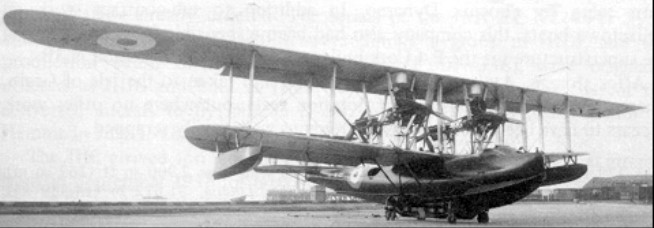
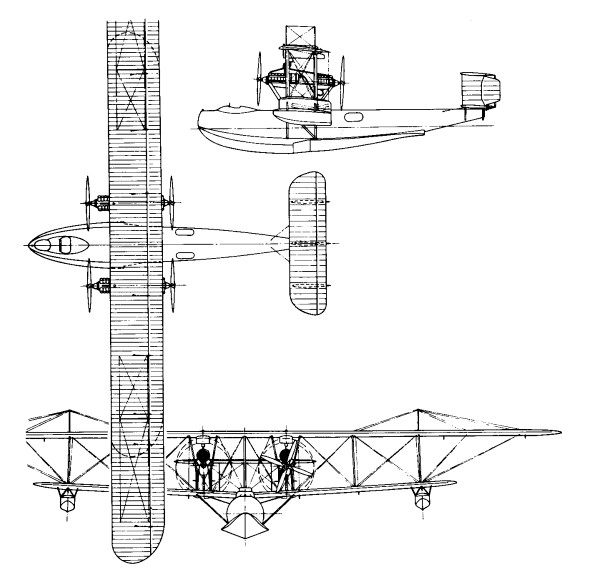
The Fairey N.4 was a 1920s British five-seat long range reconnaissance flying boat. Designed and built by the Fairey Aviation Company to meet an Admiralty requirement for a very large four-engined reconnaissance aircraft, it was the world’s biggest flying boat when it first flew in 1923. The first N.4 (named Atalanta) first flew in 1923 powered by four 650 hp (485 kW) Rolls-Royce Condor IA piston engines. The hull had been built in Southampton (by boat builders) and delivered to Lytham St. Annes for assembly and the complete aircraft was then dismantled and taken by road to the Isle of Grain for its first flight. The second N.4 Mk II (named Titania) included improvements and later variant Condor III engines. Titania was not flown straight away and was stored, not flying until 1925.
Engines: 4 × Rolls-Royce Condor III, 650 hp (485 kW) each Length: 60 ft 0 in (20.12 m) Wingspan: 139 ft 0 in (42.37 m) Wing area: 2900 ft2 (269.41 m2) Gross weight: 31612 lb (14339 kg) Maximum speed: 115 mph (185 km/h) Endurance: 9 hours 0 min Service ceiling: 14,100 ft (4300 m) Crew: 5 Armament 0.303in (7.7mm) Lewis machine-gun (in nose and beam positions) 1000lb (454kg) of bombs
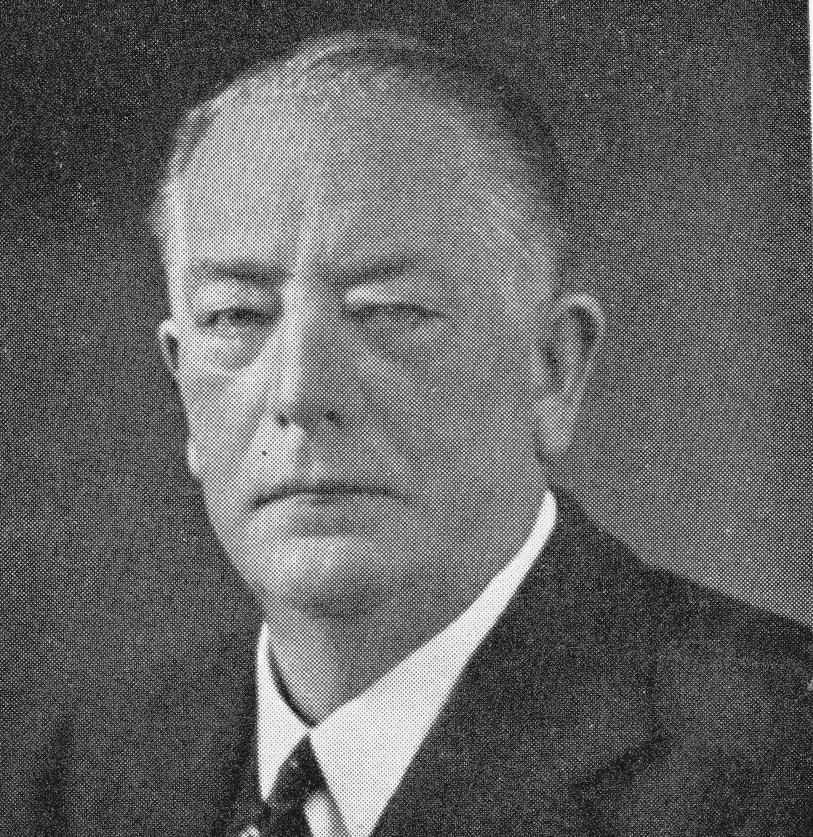
Founded by C R. (later Sir Richard) Fairey, initially to build 12 Short 827 seaplanes. Leased premises at Hayes, Middlesex, replaced by new factory 1917-1918. Became a public company March 5,1929 and the following year opened new airfield at Harmondsworth, later requisitioned and incorporated in site for London’s Heathrow Airport. Reorganized as holding company The Fairey Company Ltd. March 31,1959, aircraft manufacturing subsidiary becoming Fairey Aviation Ltd. and the Stockport plant Fairey Engineering Ltd. Fairey Aviation Ltd. merged with Westland Aircraft Ltd. in 1960. Britten-Norman (Bembridge) Ltd. acquired 1972. Fairey group into liquidation 1977; engineering activities acquired by National Enterprise Board; Britten-Norman operated by liquidator pending sale.
Company designs included F.2 twin-engined biplane fighter; camber-changing trailing-edge flaps introduced on Hamble Baby. Fairey III series introduced 1917; final model IIIF entered production 1926 and declared obsolete 1940. Fairey Hendon (1930) was the first British cantilever monoplane heavy bomber; Long-range Monoplane captured absolute distance record for Britain 1933. The famous Fairey Swordfish (“Stringbag”) torpedo bomber entered production in 1936; 2,392 were built by Fairey and Blackburn; it was the only biplane to remain in service throughout Second World War. Other famous aircraft included Battle light bomber, Fulmar fleet fighter, and Barracuda dive-bomber. Firefly name revived for Rolls-Royce Griffon-powered monoplane which entered FAA service in 1943, serving in Korea in 1950. First FAA aircraft to combine search and strike roles was the Gannet with Double Mamba coupled turbines; developed Gyrodyne convertible helicopter 1946; Jet Gyrodyne 1953; Rotodyne compound helicopter airliner 1957. Fairey Delta 2 research aircraft set world air speed record of 1,822km/h on March 10, 1956.
Sir Richard Fairey died at the end of 1956
Britten-Norman became Fairey Britten-Norman in 1974. Faiery Aviation joined Westland in 1961.
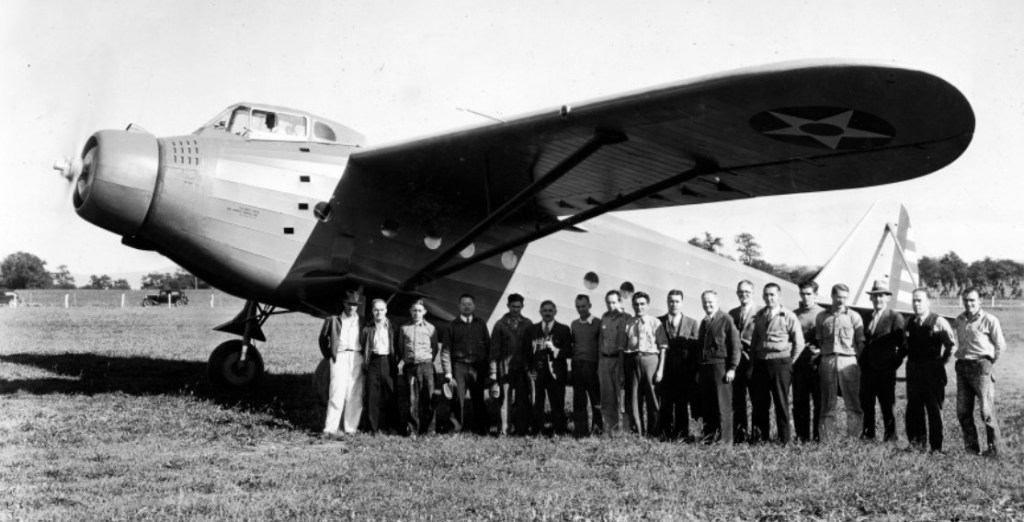
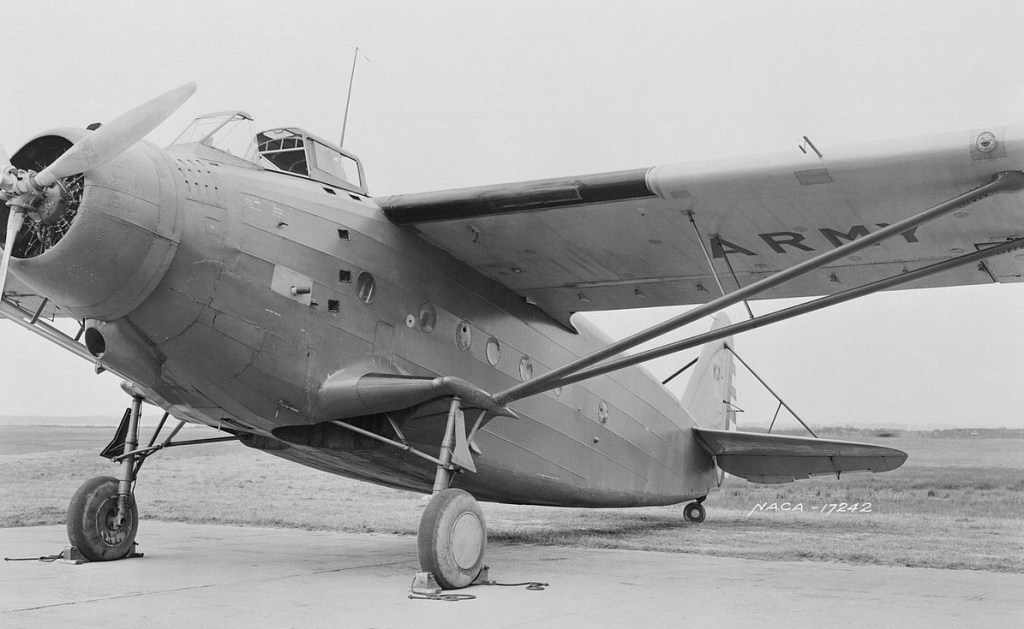
The Kreider-Reisner XC-31 or Fairchild XC-31 was an American single-engined monoplane transport aircraft of the 1930s designed and built by Kreider-Reisner. It was one of the last fabric-covered aircraft tested by the U.S. Army Air Corps.
Kreider-Reisner XC-31 – 34-026
The XC-31 was built with an aluminum alloy framework covered by fabric, and featured strut-braced wing and fully retractable landing gear, with the main gear units mounted on small wing-like stubs and retracting inwards. An additional novel feature was the provision of main cargo doors that were parallel with the ground to facilitate loading.
Designed as an alternative to the emerging twin-engined transports of the time such as the Douglas DC-2, it was evaluated by the Air Corps at Wright Field, Ohio, under the test designation XC-941, but rejected in favor of all-metal twin-engined designs.
XC-31 at Langley
Following evaluation by the USAAC, the XC-31 was transferred to NACA, which used it for icing studies at its Langley Research Center.
Powerplant: 1 × Wright R-1820-25, 750 hp (559 kW) Wingspan: 75 ft 0 in (22.86 m) Wing area: 802 sq ft (74.5 m2) Length: 55 ft 5 in (16.89 m) Height: 15 ft 10 in (4.83 m) Empty weight: 7,322 lb (3,321 kg) Gross weight: 12,750 lb (5,783 kg) Maximum speed: 154 mph (248 km/h, 134 kn) Cruise speed: 143 mph (230 km/h, 124 kn) Range: 775 mi (1,247 km, 673 nmi) Service ceiling: 15,000 ft (4,570 m) Crew: 1 (Pilot) Capacity: 15 passengers or 3,500 pounds (1,600 kg) of cargo
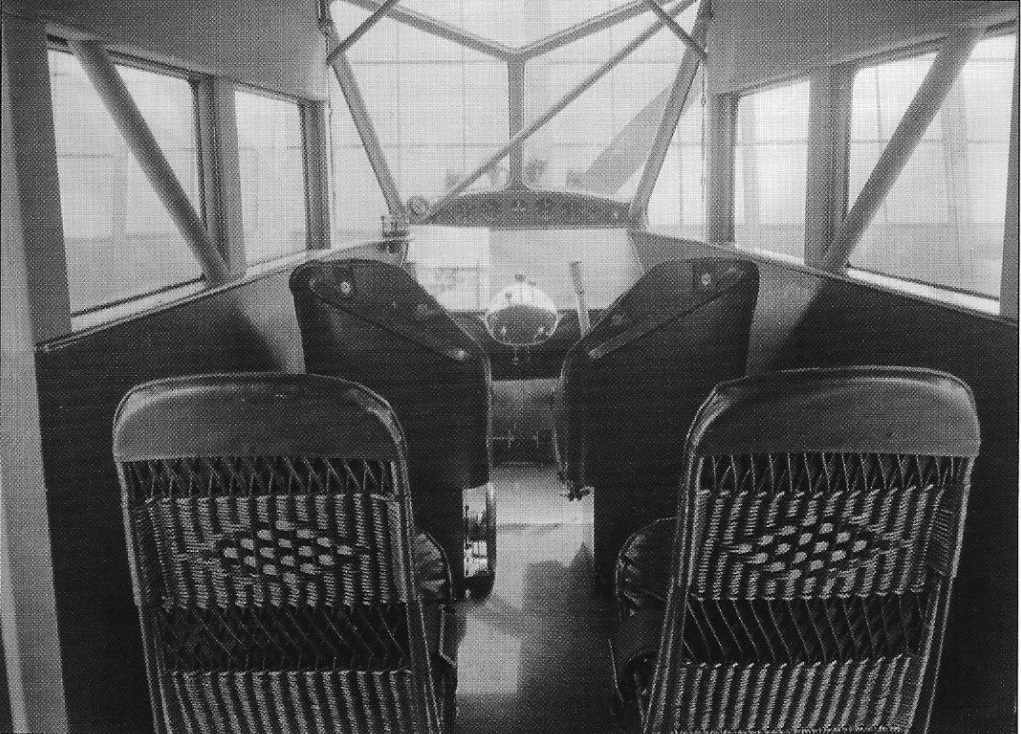
During 1934 the Fairchild company designed a business or executive aircraft with five seats, designated the Model 45. It first flew on 31 May 1935. The Model 45 was a low-wing cantilever monoplane with a conventional cantilever tail unit and a retractable tailwheel landing gear. The aircraft was powered by a 225 hp (168 kW) Jacobs L-4 radial engine and had a luxury five-seat interior as standard. Flight testing showed that the aircraft performed well, although it was described as sedate.
The company predicted that the Model 45 would have only limited market appeal in that form, therefore only the prototype was built.
Fairchild then upgraded the prototype with a larger engine, the Wright R-760 radial, for evaluation. In this configuration it was designated the Model 45-A. This configuration was placed in production, with about 16 units being completed.
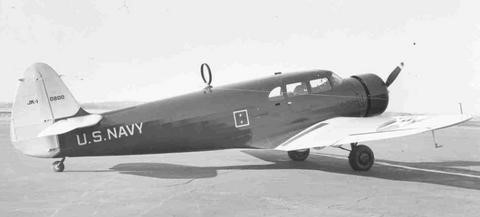
One aircraft was bought as an executive transport by the United States Navy as the JK-1. After the United States entered the Second World War, two aircraft were impressed into service with the United States Army Air Forces as the UC-88.
Fairchild JK-1
In 1997, Greg Herrick requested drawings of a Fairchild 45 tail section for an ongoing restoration project. The request was refused, citing the design was a trade secret. This led to a FOIA request, and lawsuit that was debated in the United States Supreme Court. The effort led to the “Herrick amendment” added to the FAA Air Transportation Modernization and Safety Improvement Act of 2012. The amendment released the ATC type certificate information for 1,257 aircraft first certified in 1927 through the beginning of World War II in 1939.
Variants:
45 One prototype Engine: 225 hp (168 kW) Jacobs L-4
45-A Production aircraft 16 built Engine: 320 hp (239 kW) Wright R-760 Wingspan: 39 ft 6 in (12.04 m) Wing area: 248 sq ft (23.04 m2) Length: 30 ft 1 in (9.17 m) Height: 8 ft 2 in (2.49 m) Empty weight: 2,512 lb (1,139 kg) Gross weight: 4,000 lb (1,814 kg) Maximum speed: 170 mph (274 km/h, 150 kn) Range: 650 mi (1,046 km, 560 nmi) Service ceiling: 18,700 ft (5,700 m) Crew: one Capacity: four passengers
JK-1 One 45-A for the United States Navy
UC-88 Two 45-As impressed into service with the United States Army Air Forces
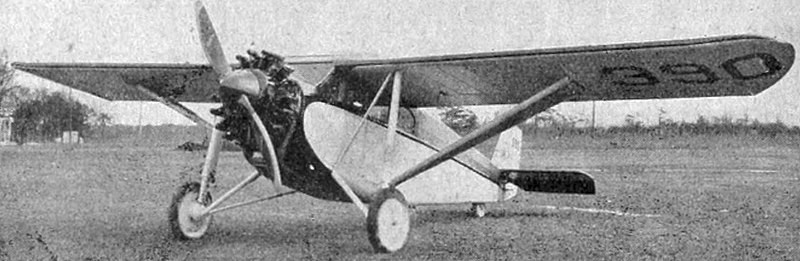
The Fairchild Model 41 Foursome was a light aircraft developed in the United States in the late 1920s and produced as the Model 42 Foursome. It was a conventional high-wing, strut-braced monoplane with fixed tailwheel undercarriage. The pilot and three passengers were seated within a fully enclosed cabin, and the aircraft generally resembled a scaled-down version of Fairchild’s successful FC-2 design.
Fairchild 41
Two prototypes were built as the Model 41 and Model 41A leading to the Model 42 production version which was built in a small series. This production version differed from the prototypes in having a redesigned, strut-braced empennage in place of the wire-braced unit of the earlier aircraft, and a more powerful version of the Wright Whirlwind powerplant.
Variants:
Model 41 Foursome First prototype, one built Engine: 220 hp (160 kW) Wright J-5 Seats: 4
Model 41A Foursome Second prototype, one built Engine: 300 hp (220 kW) Wright J-5 Seats: 4
Model 42 Foursome Production, six built and two converted from the 41 and 41A. Engine: 330 hp (250 kW) Wright J-6 Wingspan: 45 ft 6 in (13.86 m) Length: 30 ft 6 in (9.30 m) Maximum speed: 130 mph (210 km/h, 110 kn) Range: 700 mi (1,130 km, 610 nmi) Seats: 4