Fokker F.X / C-5 / RA-4

F.XA

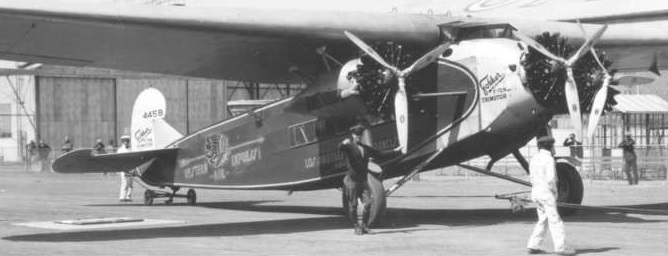
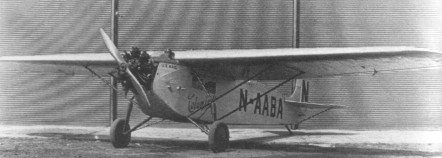
The F.X and its variants were developed and built in the Factory at Hasbrouck Heights under the guidance of the chief designer, Mr Alfred Gassner. In April 1927 the first F.X made its debut. Western Air was first to buy, with an order for three of these 12 seat airliners.

Fokker F-10 Western Air Express 1928.

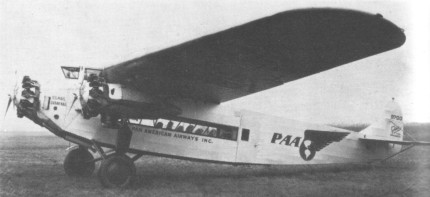
The Fokker F.XA was a bigger version of the 12 seater F.X airliner. It had seats for 14 passengers and was used on American routes. Pan American Airways flew F.XAs between Key West and Havana, Cuba, a route which included 100 miles over the sea.

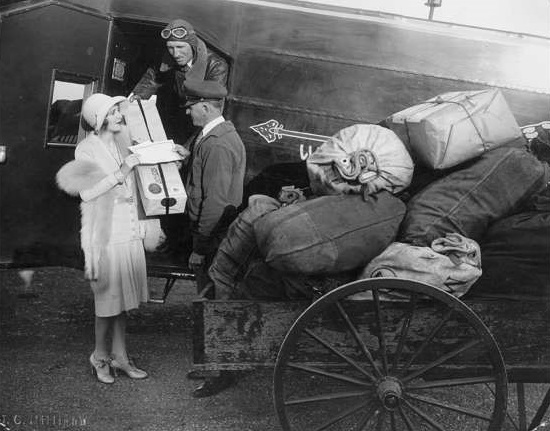
Fokker F-10 monoplane operated by Western Air Express.

The US Army used obtained one as the C 5 in 1927 and one flew with the USMC as the RA 4, also in 1927.

Fokker Aircraft Corp of America

USA
Antony Fokker’s Atlantic Aircraft Corporation was reorganized on September 16,1925, inheriting premises at Hasbrouck Heights, Teterboro, and the orderbook for the Noorduyn-designed Universal. Factory at Passaic, New Jersey, opened 1927. Glendale, West Virginia, factory opened August 1928. General Motors Corporation acquired a 40 pe cent holding May 1929; Fokker resigned July 1931.
Improved Super Universal six-seater introduced 1927; 123 built. Three-engined 12-passenger F.10 flown April 1927; 65 built, first three for Western Air Express, forerunner of TWA. Followed by 59 14-seat F.IOAs. Fokker 32, first US four-engined airliner, flown 1929, having 32 seats and powered by two pairs of Pratt & Whitney Hornet engines in tandem with tractor and pusher propellers; ten built. Military designs included 1929 0-27 observation aircraft, of which 14 built.

Fokker S-4

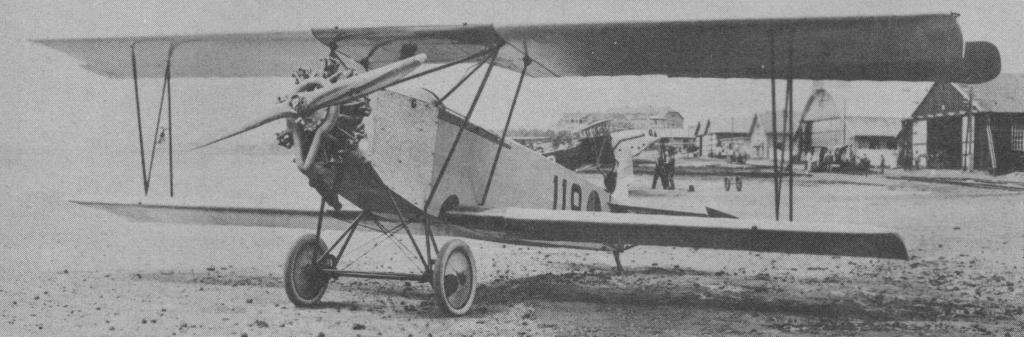
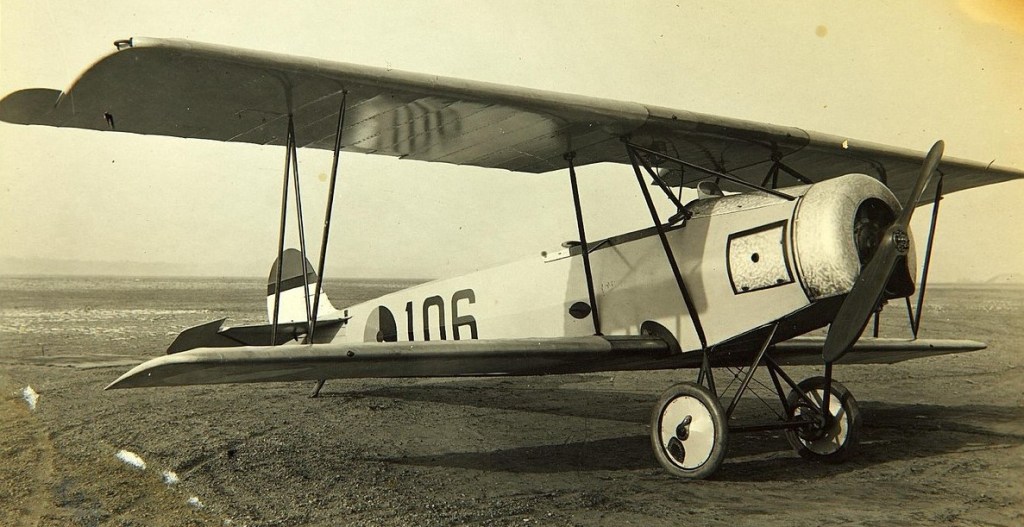
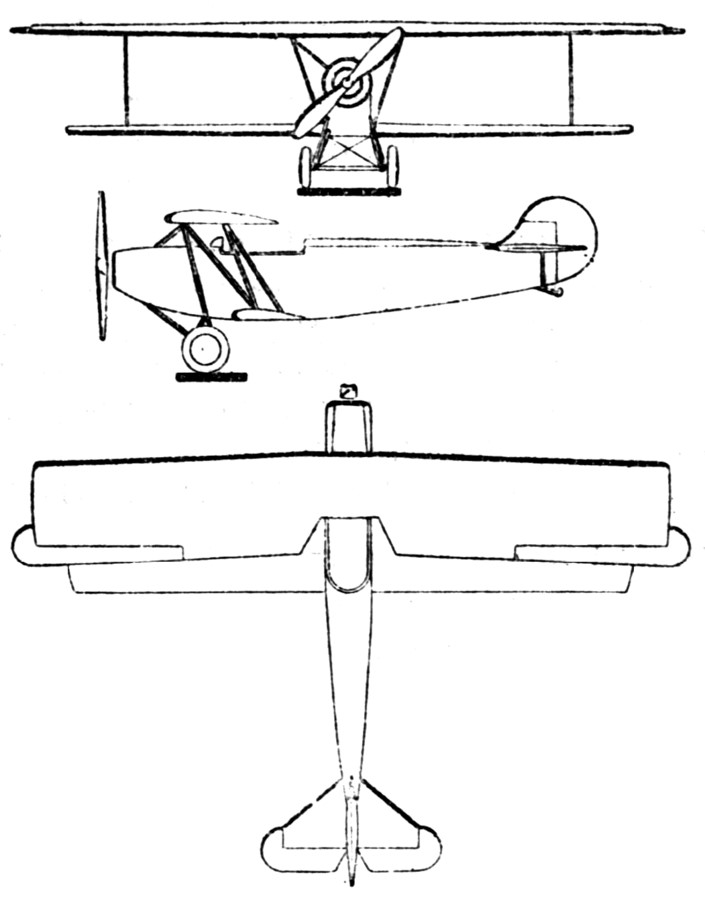
The Fokker S.IV was a military trainer aircraft produced in the Netherlands in the mid-1920s. It was a conventional, single-bay biplane with staggered wings of unequal span braced with N-struts, essentially a radial-engined development of the S.III. The pilot and instructor sat in tandem, open cockpits and the undercarriage was of fixed, tailskid type with a cross-axle between the main units.

The Royal Netherlands Army Aviation Group purchased 30 examples and used them right up to the German invasion of the Netherlands in 1940. On 14 May that year, a few surviving S.IVs escaped to France alongside some S.IX trainers, but never flew again.

The S.IV could be powered by a variety of engines in the 75–97 kW (100–130 hp) range, including 110 hp (82 kW) Siemens-Halske Sh 11, 110 hp (82 kW) Le Rhône 9J, 130 hp (97 kW) Bristol Lucifer, 130 hp (97 kW) Armstrong-Siddeley Mongoose, 110 hp (82 kW) Oberursel UR.II or the 130 hp (97 kW) Clerget 9B.

Fokker S.IV
Powerplant: 1 × Le Rhône 9J, 82 kW (110 hp)
Propeller: 2-bladed fixed pitch
Wingspan: 11.17 m (36 ft 8 in)
Wing area: 27.55 m2 (296.5 sq ft)
Length: 8.55 m (28 ft 1 in)
Height: 3.15 m (10 ft 4 in)
Empty weight: 650 kg (1,433 lb)
Gross weight: 1,000 kg (2,205 lb)
Maximum speed: 160 km/h (99 mph, 86 kn)
Stall speed: 65 km/h (40 mph, 35 kn)
Service ceiling: 4,000 m (13,000 ft)
Time to altitude: 1,000 m (3,300 ft) in 6 minutes
Wing loading: 36.29 kg/m2 (7.43 lb/sq ft)
Power/mass: 0.0830 kW/kg (0.0505 hp/lb)
Crew: 2
Fokker D.XXIII

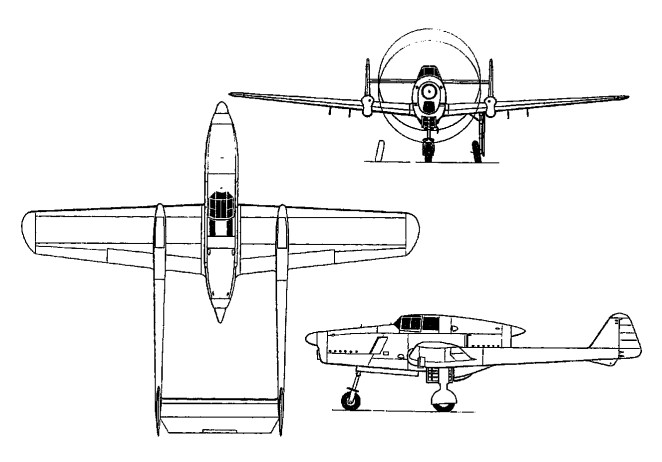
The D XXIII single-seat fighter push-pull prototype was powered by two 528hp Walter Sagitta I-SR engines and flying for the first time on 30 May 1939. Proving an attrac¬tion at the 1938 Paris Air Show, the maximum speed was 520 kph.
Versions of the D XXIII were also proposed with Hispano- Suiza 12Xcrs, Junkers Jumo 210G and Rolls-Royce Kestrel XV engines, and although all-metal construction was intended, the prototype was fitted with a wooden wing of greater thickness/chord ratio in order to expedite the test programme. Owing to various problems, including rear engine cooling, only four hours of flight testing had been completed when the invasion of the Netherlands brought the D XXIII development programme to a halt. The proposed armament comprised two 7.9mm and two 13.2mm FN-Browning machine guns.

Engines: two 528hp Walter Sagitta I-SR
Max take-off weight: 2950 kg
Empty weight: 2180 kg / 4806 lb
Wingspan: 11.50 m / 37 ft 9 in
Length: 10.20 m / 33 ft 6 in
Height: 3.80 m / 12 ft 6 in
Wing area: 18.50 sq.m / 199.13 sq ft
Max. speed: 525 km/h / 326 mph
Cruise speed: 390 km/h / 242 mph

Fokker T.IX

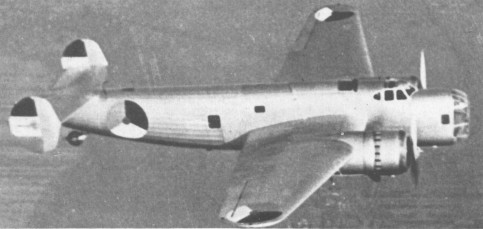
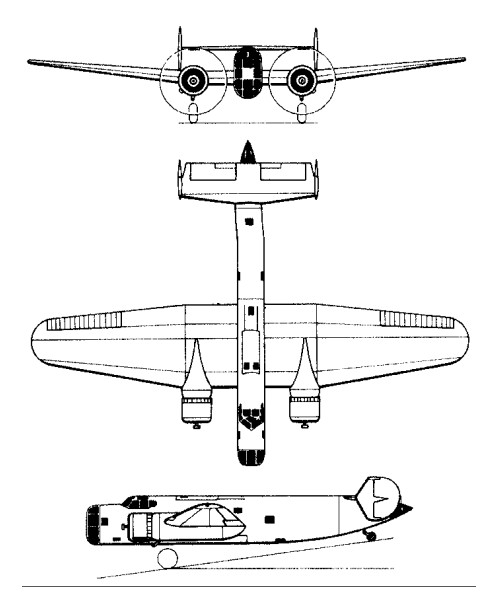
The Fokker T.IX was Fokker’s first all metal bomber and was designed to succeed the Martin bombers used by the Royal Dutch East Indies Army. In September 1939 the T.IX made its maiden flight. It had a maximum speed of 440 kph, an armament of three machine guns, and carried a 2,000kg bomb load. In May 1940 it fell into German hands, but they were only interested in its Bristol Hercules sleeve valve engines. Only the prototype was completed.

Fokker T.VIII

T.VIIIW

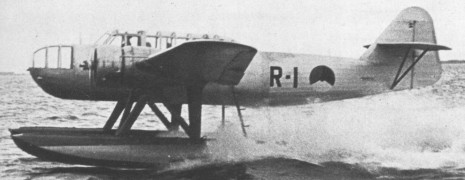
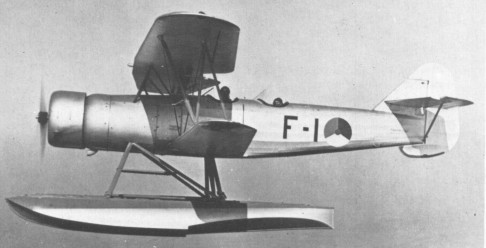
Designed to Netherlands naval air service specifications for a torpedo-bomber/reconnaissance aircraft suitable for home and the Netherlands East Indies service, the Fokker T.VIII-W floatplane was built in three versions. The T.VIII-Wg was of mixed wood and metal construction, the T.VIII-Wm was all metal and the T.VIII-Wc, a larger version of mixed construction.

Fokker T.VIII Article

An initial order for five aircraft was placed, and all were completed by June 1939, when a further batch of 26 was ordered, most of them intended as replacements for T.IVs in the East Indies, but none was delivered there.
A total of 36 T.VIII-Ws was built, these comprising 19 T.VIII-Wgs, five T.VIII-Wcs and 12 T.VIII-Wms, the difference of five being accounted for by a Finnish order which was not delivered. These were of the T.VIII-Wc variant which had a 1.83m longer fuselage, 2.01m increase in wing span, an additional 8.00sq.m of wing area, and power provided by 664kW Bristol Mercury XI engines. In the event, the Fokker factory was overrun by the Germans before completion of this order, but the aircraft were finished and subsequently delivered to Germany along with 20 ex-Netherlands navy aircraft. A one-off landplane variant, the T.VIII-L built for Finland, was also seized by the Germans.
Eight T.VIII-Ws had been flown to England along with other Dutch floatplanes on 14 May 1940, and on 1 June 1940 No. 320 (Dutch) Squadron RAF was formed at Pembroke Dock, to operate the T.VIII-Ws on convoy escort work. These aircraft carried RAF markings, plus a small Dutch triangle badge. Three of the aircraft were lost, and with no spares available the remaining aircraft were flown to Felixstowe for storage. They were joined by another in May 1941, when four Dutchmen escaped from Amsterdam and brought their T.VIII-W down on the sea near Broad-stairs. German navy operations with their group of T.VIII-Ws were confined mostly to patrol work in the Mediterranean.

T.8-Wg
Engine: 2 x Wright Whirlwind R-975-E3, 336kW
Max take-off weight: 5000 kg / 11023 lb
Empty weight: 3100 kg / 6834 lb
Wingspan: 18.0 m / 59 ft 1 in
Length: 13.0 m / 42 ft 8 in
Height: 5.0 m / 16 ft 5 in
Wing area: 44.0 sq.m / 473.61 sq ft
Max. speed: 285 km/h / 177 mph
Cruise speed: 220 km/h / 137 mph
Ceiling: 6800 m / 22300 ft
Range: 2750 km / 1709 miles
Armament: 2 x 7.9mm machine-guns, 605kg of bombs or one torpedo
Crew: 3
Passengers: 6

Fokker T.V

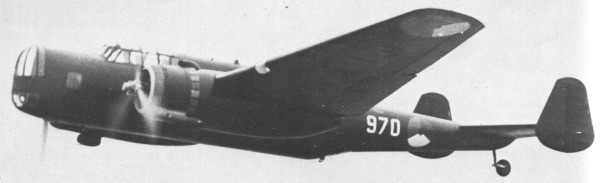
No T.V prototype was built, the first to fly on 16 October 1937 being one of a batch of 16 ordered for the Netherlands air force earlier that year. The aircraft went into service in 1938, with the only Dutch bomber squadron. The type was reasonably well protected by machine-guns and its bombload was carried internally.
All 16 aircraft had been delivered before the outbreak of hostilities, but on the day of the German invasion only nine were serviceable. They destroyed almost 30 German aircraft on the ground at Waal-haven airfield and make heavy attacks on the bridges over the Maas before being destroyed (two were shot down by Dutch gunners), and only one T.V survived at the time of the Dutch surrender.

Fokker T.5
Engines: 2 x Bristol Pegasus XXVI, 690kW
Take-off weight: 7235 kg / 15951 lb
Empty weight: 4640 kg / 10230 lb
Wingspan: 21.0 m / 68 ft 11 in
Length: 16.0 m / 52 ft 6 in
Height: 5.0 m / 16 ft 5 in
Wing area: 66.2 sq.m / 712.57 sq ft
Max. speed: 415 km/h / 258 mph
Cruise speed: 320 km/h / 199 mph
Ceiling: 7700 m / 25250 ft
Range: 1630 km / 1013 miles
Armament: 6 x 7.9mm machine-guns, 1000kg of bombs
Crew: 5