The prototype M-43 Hamilton was powered by a Wright J-4.
Engine: Wright J-4.
The prototype M-43 Hamilton was powered by a Wright J-4.
Engine: Wright J-4.
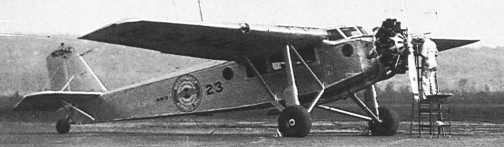
Designed by James S. McDonnell, circa 1927, the H-47 boasted the first passenger cabin heaters and toilet facilities.


Engine: Pratt & Whitney R-1690 Hornet, 550 hp.
Pax cap: 7.
Range: 675 miles.
Max speed: 138 mph.
Hamilton manufactured propellers and metal flying-boat hulls under subcontract in 1920s, before developing the all-metal, cantilever-winged Hamilton Metalplane in 1926.
Engine: Pratt & Whitney R-1340 Wasp.
Pax cap: 8.
Range: 600 miles.
Cruise: 115 mph.
Hamilton Metalplane Division of Boeing manufactured propellers and metal flying-boat hulls under subcontract in 1920s, before developing the all-metal, cantilever-winged Hamilton Metalplane in 1926. An airliner version followed in 1928, serving chiefly with Northwest Airways. Hamilton steel propellers were the company’s major innovation before merging with Boeing and United Aircraft Corporation in late 1928.
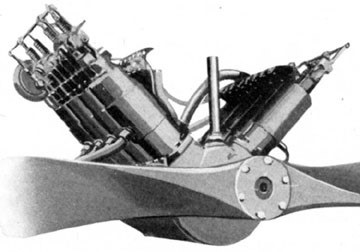
The circa 1920 Hamilton Vee was a water-cooled Vee configuration eight cylinder. The valves in cylinder heads with superimposed camshaft and operating mechanism.
Formed originally by Blohm und Voss in 1933. Aircraft production resumed 1956 with license manufacture of Nord Noratlas for Luftwaffe. Co-operated in license-production of Luftwaffe Lockheed F-104Gs and assisted with design work of Fokker F28 and Dornier Do 31E V/STOL project. HFB 320 Hansa Jet 6/11 -seat business jet first flew 1964.
Merged with Messerschmitt-Bolkow in 1969 to form MBB.

By 1928 the Halton Aero Club HAC.1 Mayfly had been converted from a biplane to a parasol monoplane and was renamed the Halton HAC.2 Minus. The lower wings were donated to the Clark Cheetah G-AAJK. There were other minor changes.
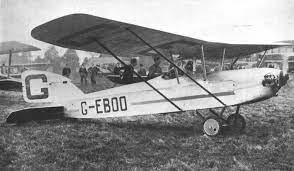
It was used again for air racing, being entered in the 1928 and 1928 King’s Cup Races.
The aircraft was dismantled at Halton in 1930.
Powerplant: 1 × Bristol Cherub III, 32 hp (24 kW)
Wingspan: 28 ft 6 in (8.69 m)
Lower wingspan: 22 ft 0 in (6.71 m)
Length: 22 ft 0 in (6.71 m)
Crew: one
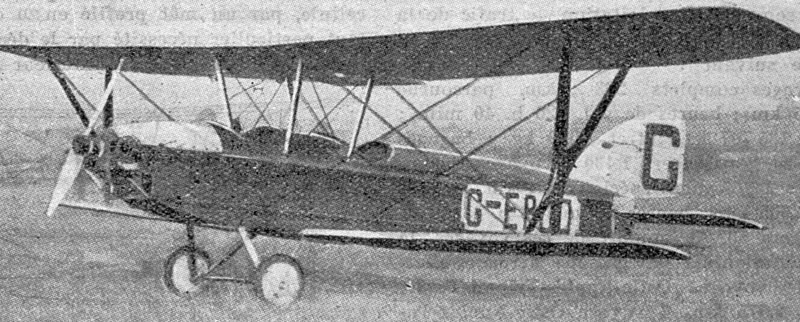
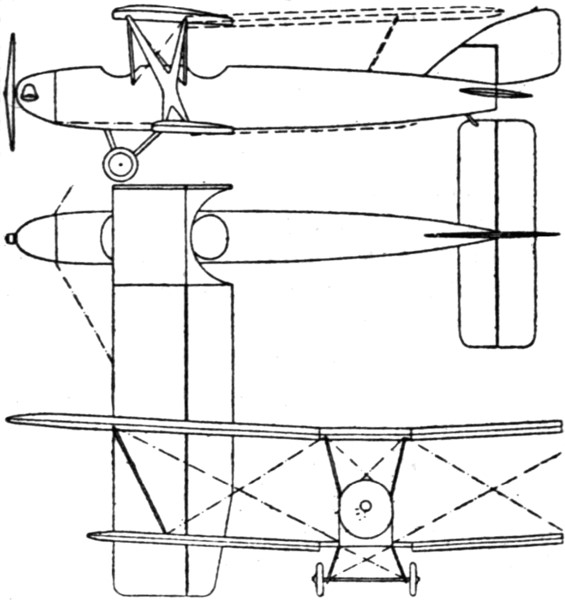
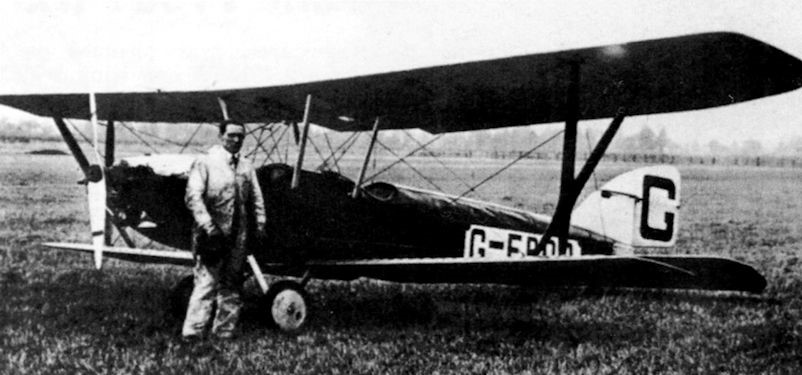
The Halton Mayfly was a British two-seat biplane designed by C.H. Latimer-Needham and built by the Halton Aero Club between 1926 and 1927.
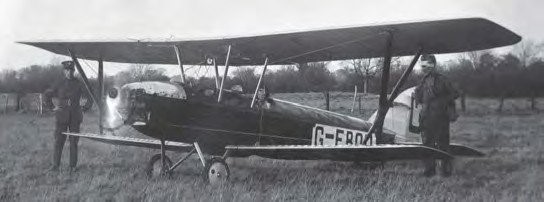
Registered G-EBOO and named the HAC.1 Mayfly it first flew on 31 January 1927.
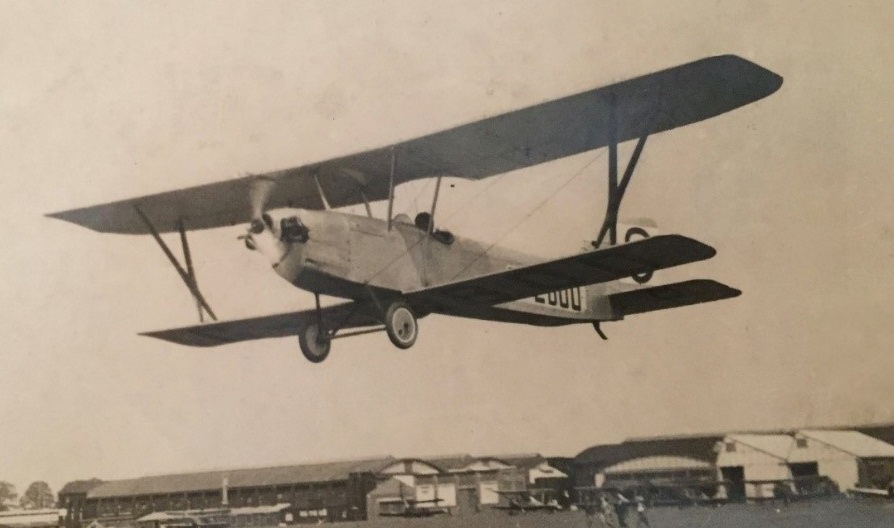
It was converted to a single-seater and was flown in a number of air races including the King’s Cup Race. It was entered in the 1926 Lympne light aircraft trials as No. 8 but failed to arrive in time for the elimination trials.
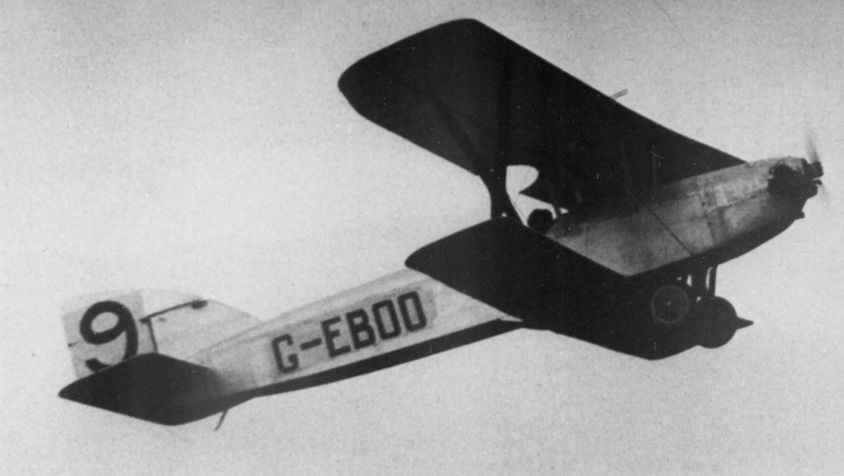
By 1928 the aircraft had been converted from a biplane to a parasol monoplane and was renamed the Halton HAC.2 Minus. The lower wings were donated to the Clark Cheetah G-AAJK.
Powerplant: 1 × Bristol Cherub III, 32 hp (24 kW)
Upper wingspan: 28 ft 6 in (8.69 m)
Lower wingspan: 22 ft 0 in (6.71 m)
Wing area: 195 sq ft (18.1 m2)
Length: 22 ft 0 in (6.71 m)
Empty weight: 480 lb (218 kg)
Gross weight: 920 lb (417 kg)
Maximum speed: 83.5 mph (134.4 km/h, 72.6 kn)
Cruise speed: 75 mph (121 km/h, 65 kn)
Crew: one / two
The 1928 Hallett H-526 was a 7-cylinder air cooled radial aero engine that produced 130hp from 526ci.
Inglewood CA.
USA
Bult the H-526 aero engine in 1928.

