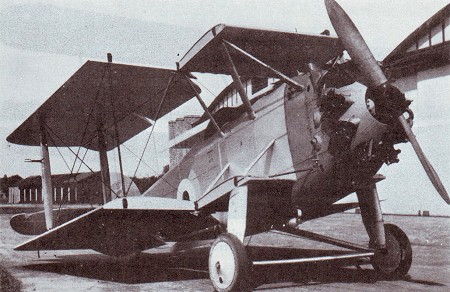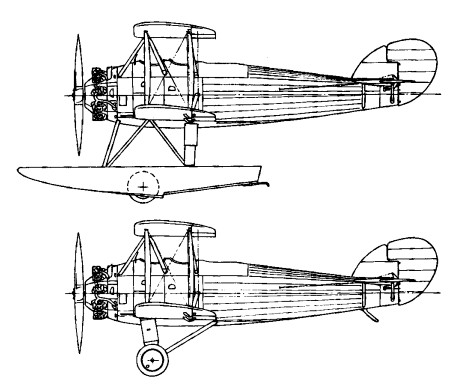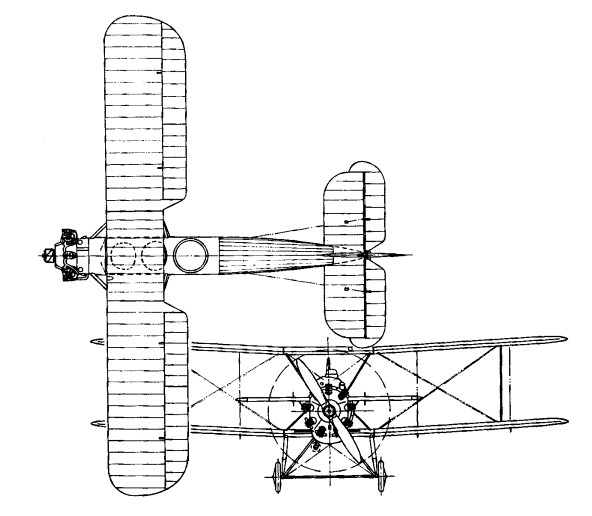
Hawker Cygnet

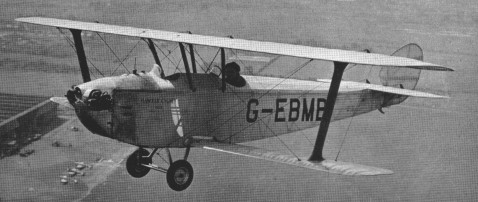
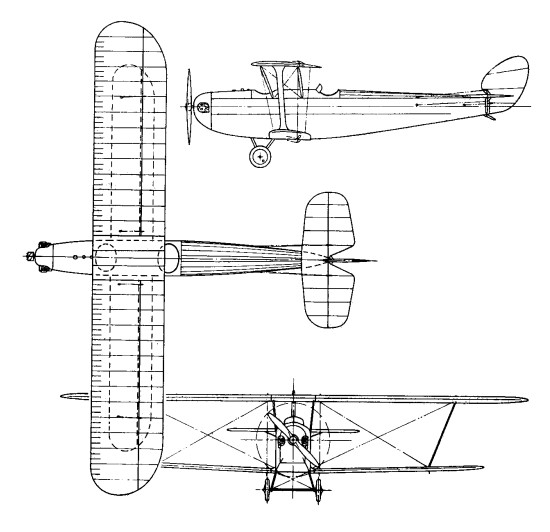
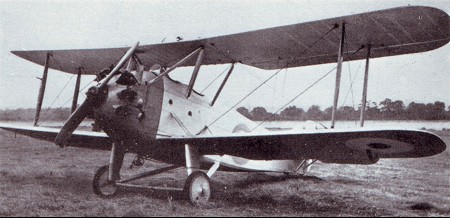
The Hawker Cygnet was Sydney Camm’s first design for Hawkers, and it was the company’s entry for the Light Aeroplane Competition organised by the Royal Aero Club in 1924, for which the Air Ministry offered prizes to the value of £3,000.

Two Cygnets, G EBMB and G EBJH, were built for the competition, with entry numbers 14 and 15. These were powered by 34 hp British Anzani and 34 hp ABC Scorpion engines respectively. It had drooping ailerons which can be wound down as flaps. But for valve trouble, No 14 might have won first prize, but the two Cygnets finished in 3rd and 4th places.

The next year EBMB won the 100 mile International Handicap Race at the R.Ae.C’s Lympne meeting, and in 1926 the Lympne Light Plane Competition brought the two Cygnets together once more, both now re engined with the 34 hp Bristol Cherub, and EBJH now belonging to the R.A.E. Aero Club. Flying as No. 6, EBMB, in the bands of P. W.S. Bulman, won the Daily Mail’s £3,000 first prize. EBJH came second.
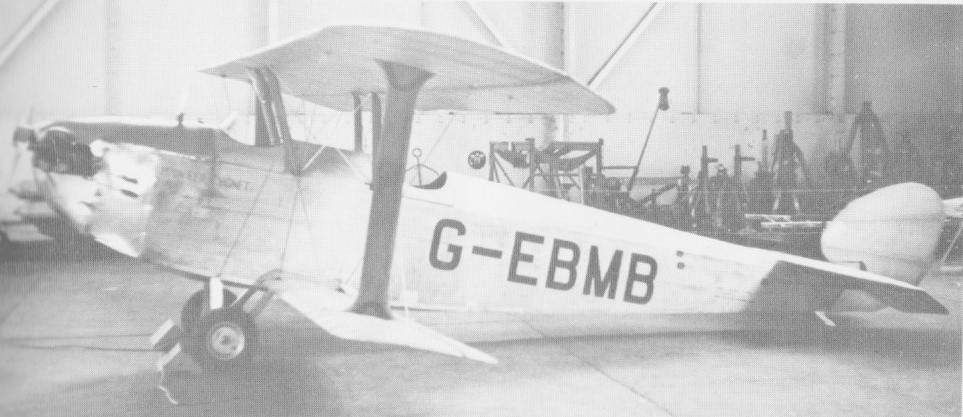
Following appearances at a number of subsequent events, including the 1927 Bournemouth Easter Meeting, EBMB was put into storage by Hawkers. After the Second War the Cygnet was completely restored, and from 1949 onwards it flew at several Royal Aeronautical Society Garden Parties.

EBMB, 1972, went on permanent display at the Royal Air Force Museum, Hendon.

Engine: 1 x Bristol Cherab III, 25kW / 36 hp
Max take-off weight: 431 kg / 950 lb
Empty weight: 169 kg / 373 lb
Wingspan: 8.53 m / 27 ft 12 in
Length: 6.22 m / 20 ft 5 in
Height: 1.78 m / 5 ft 10 in
Wing area: 15.33 sq.m / 165.01 sq ft
Max. speed: 132 km/h / 82 mph
Ceiling: 2715 m / 8900 ft
Seats: 2
Hawker

Sopwith started World War 1 building aircraft in a shed at Brooklands in Kingston and ended with an output of 90 ships a week at Kingston alone. Overnight it ended, so the busi¬ness had to liquidate and the Sopwith Company ended. Sopwith wanted to stay in aviation and couldn’t start a company with the same name. So he called the new company the Hawker Company, with a capital of 20,000 pounds.

In 1921 former Sopwith test pilot Harry Hawker took over the premises of the former Sopwith Aviation Company. Although he died that same year in a crash, the reestablished company began building a series of military aircraft, beginning with a single Duiker monoplane, followed by the Woodcock fighter.

Harry George Hawker, an Australian pioneer in aviation, won fame as a pilot and aircraft engineer during World War I. he founded the Hawker Engineering company, which became part of the Hawker Siddeley group; a leading British aircraft manufacturing company.

Hawker was born at South Brighton (near Moorabbin), in Victoria, Australia. He learned to fly in Britain in 1912, and soon became a leading test pilot. He was killed in an aeroplane crash near London in 1921.

Under the design leadership of Sydney Camm (later Sir), produced such aircraft as the Tomtit trainer biplane and the Horsley bomber/torpedo- bomber, Mk 1 versions of which were the last allwooden aircraft built by the company. Best known of all H. G. Hawker products were the Hart/Demon/Audax/Osprey two-seaters and the Fury single-seat fighter; all had entered production before the company reorganized and the name was changed to Hawker Aircraft Ltd. in 1933.
Following 1933, the concentrated on fighters, and the first production Hurricane, a monoplane development of the Fury, first entered service in late 1937. The Typhoon, initially none too successful, proved effective as a fighter-bomber and saw the peak of its development in the Tempest, Fury and Sea Fury which served with RAF and Fleet Air Arm during late 1940s and early 1950s, and with foreign air arms well into the 1960s. In early postwar period Hawker developed the Sea Hawk shipboard fighter, progressing to the Hunter, the single Mk 3 version of which, produced by modification of the original prototype, gained the world speed record at 1,170.96km/h in 1953. Such was the success of the Hunter that refurbished aircraft were later exported. Hawker’s greatest innovation was in the field of VTOL fighters, first with the experimental P.1127 Kestrel, which led to the Hawker Siddeley Harrier.

Scottish Aviation, British Aircraft Corp, and Hawker Siddeley Aviation joined British Aerospace in 1978.

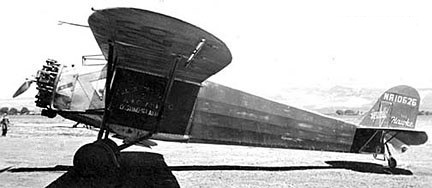
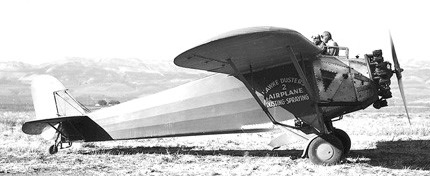
Hawke Dusters Duster / SJ

Hawke Duster NR10626

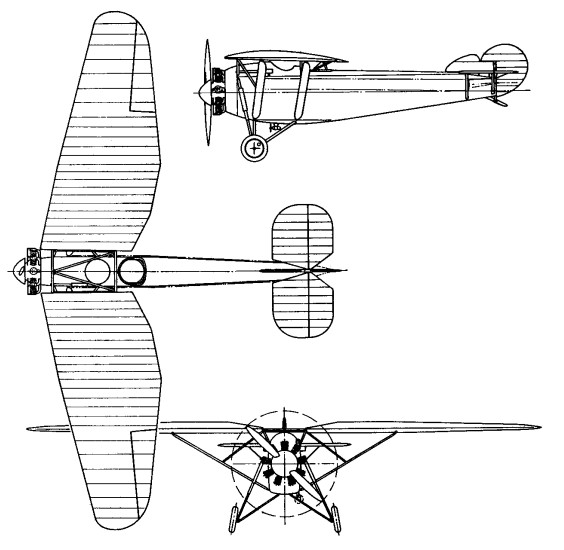
Designed by H Sherman Tharpe the Duster was modified from his 1929 Sierra BLW design and claimed to be the first airplane specifically designed as a duster (overlooking the Huff-Daland ag planes).

Hawke SJ

A single place monoplane, three were built: NR10609, NR10626 and NR10627.

Hawke SJ

NR10626 was scrapped in 1945 and the others were destroyed in crashes 1937 and 1945.

Engine: 220hp Wright J-5
Wingspan: 42’0″
Length: 30’6″
Useful load: 1225 lb
Hopper capacity: 1000 lb

Haufe Dale Hawk 2

Designed by Leland Hanselman and Walter Haufe, the wood and fabric Hawk first flew in 1939, making a 9:50 hr. flight in 1940. After storage during World War II it was rebuilt and continued to fly until donated in 1969 to the Experimental Aircraft Association Museum. No spoilers.

Wing span: 12.19m / 40ft
Wing area: 13sq.m / 140sq.ft
Empty Weight: 136kg / 300lb
Payload: 86kg / 190lb
Gross Weight: 222kg / 490lb
Wing Load: 17.08kg/sq.m / 3.5lb/sq.ft
MinSink: 0.91 m/s / 3.0 fps / 1.78kt
Airfoil: USA 35A
Aspect ratio: 12.5
Seats: 1
Built: 1

Harth 1920 glider

Circa 1920, Barvarian architect Freric Harth built a wing-pivoting arrangement into his hang glider and was able to fly for over twenty minutes above a flat plain, using only fluctuating horizontal currents to soar 600 feet above his take-off point. Harth could even turn his glider by using his wing levers in opposition.