Morane-Saulnier MS.225 / MS.226 / MS.227 / MS.278

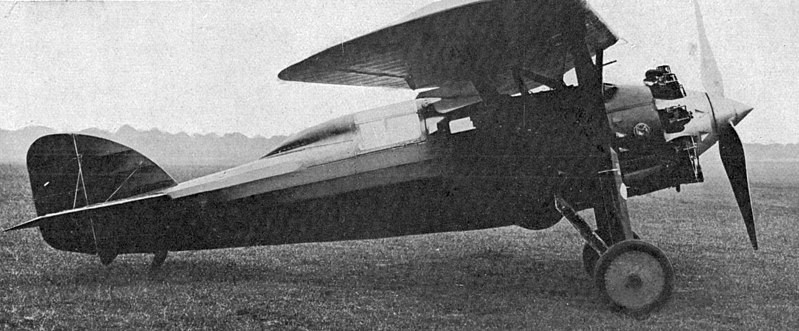
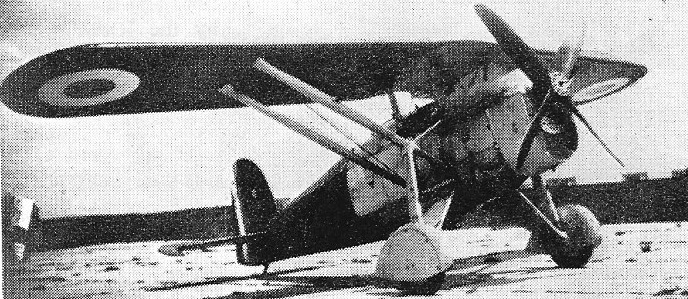
MS.227

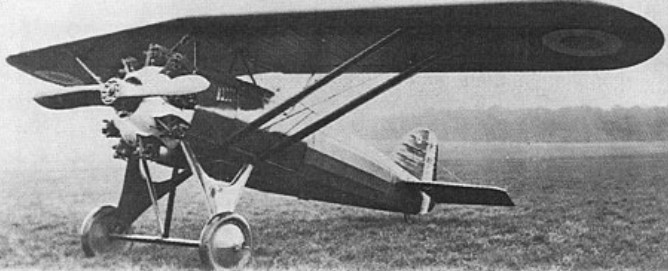
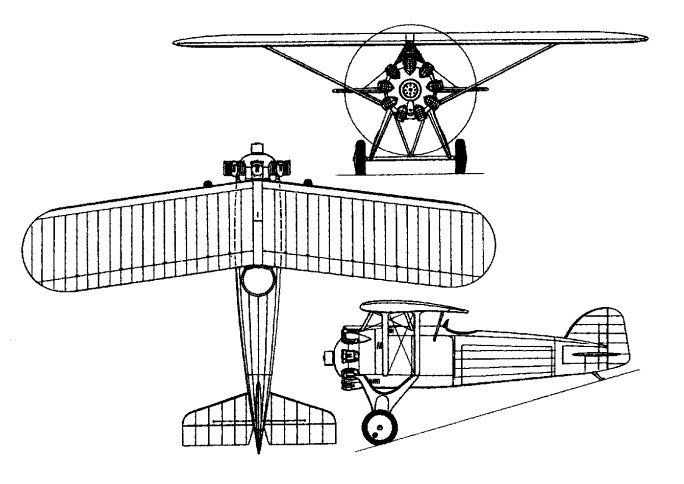
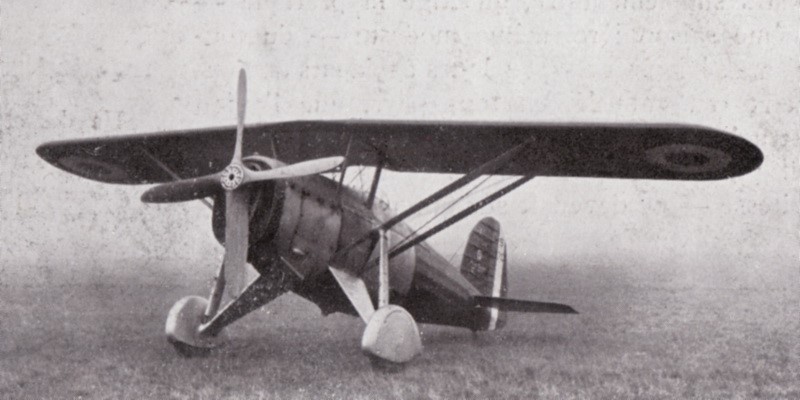
The Morane-Saulnier M.S.225 was a French fighter aircraft of the 1930s. It was produced in limited quantities to be used as a transitional aircraft between the last of the biplanes and the first monoplane fighters.

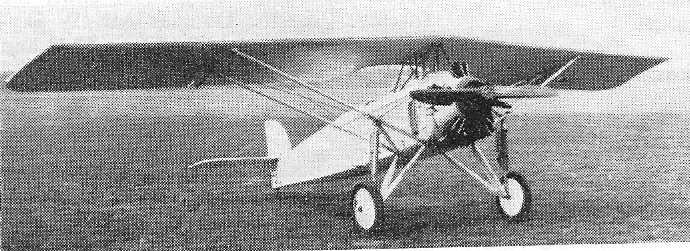
The M.S.225 was a parasol monoplane, with a wide fixed landing gear, and powered by a Gnome-Rhône 9Krsd radial engine, and having a circular fuselage.

The Morane-Saulnier M.S.225 was first shown in the form of a model at the Paris Air Show of 1932. After successful flight tests of the prototype in 1932, series production started at once.

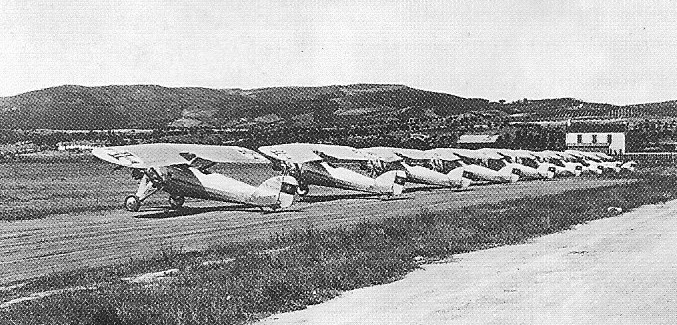
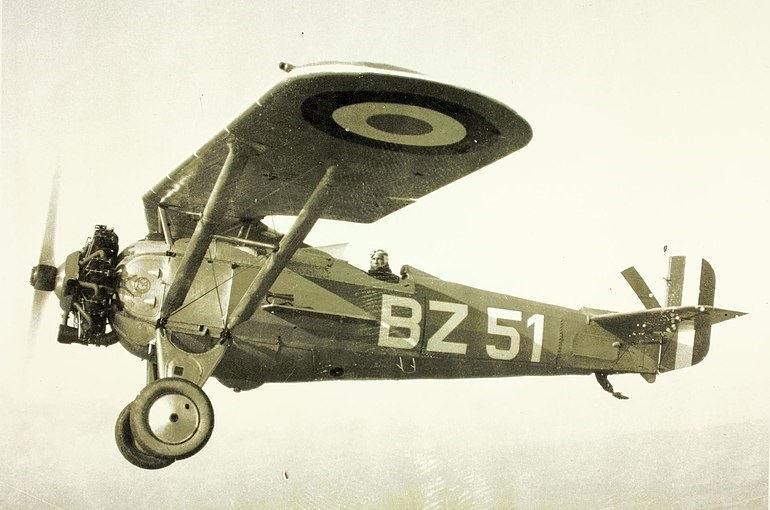
Classified in the category C.1 (single-seat fighter), 75 aircraft were produced. A total of 53 aircraft were delivered to the Air Force in November 1933. The M.S.225s of the Armée de l’Air served in the 7e Escadre de Chasse (7th Fighter Wing) at Dijon, and in two escadrilles of the 42e Escadre (42nd Wing), based at Rheims. They were withdrawn from front-line service between 1936 and 1937.

The Aéronavale received the first of the 16 aircraft it had ordered in February 1934. The aircraft also flew with the Aéronavale l’Escadrille 3C1, established in Marignane, this formation later transferring to the Air Force at the beginning of 1936, where it became Le Groupe de Chasse II/8.

Three were also sold to China.

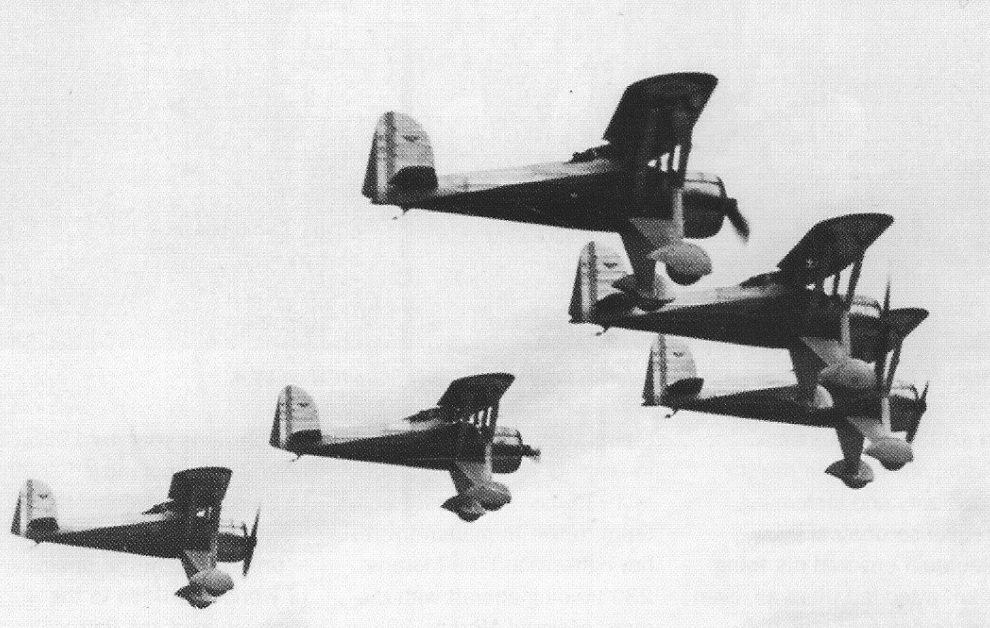
The Air Force Aerobatic Squadron based at Étampes used five modified M.S.225s, with a larger vertical stabilizer, while the last unit of the Air Force to operate this aircraft was the flying school based at Salon-de-Provence.

MS.226

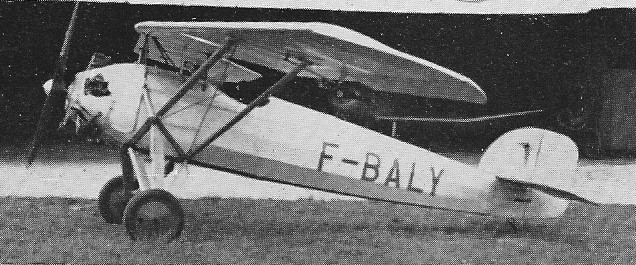
In 1932, Morane-Saulnier initiated study of a dedicated shipboard version of the M.S.225 fighter. Designated M.S.226 and powered by a similar Gnome-Rhone 9Kdrs to that of the shore-based fighter, the shipboard aircraft differed initially in having some structural strengthening, an arrester hook and naval equipment. Three prototypes were ordered in 1933, the first two being completed as M.S.226s and the third as the M.S.226bis which differed in having aft-folding wings. No series production of the M.S.226 was undertaken as the Marine Nationale considered the type to be conceptually obsolescent.

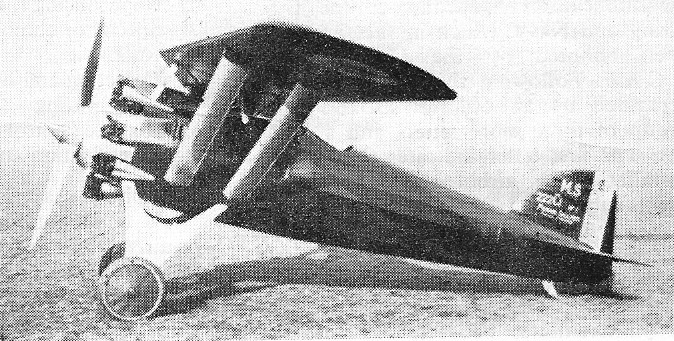
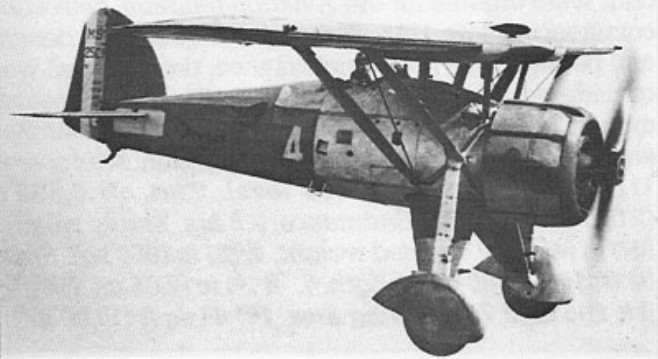
A variant used as test bench for the 515 kW (690 hp) Hispano-Suiza 12Xcrs engine, with a four-bladed propeller was designated M.S.227.
MS.227

At the outbreak of World War II, only 20 M.S.225s were still in flying condition, the majority of them being scrapped in mid-1940.

Variants:

M.S.225
Production variant
Engine: Gnome-Rhone 9Kdrs, 373 kW (500 hp)
Propeller: 2-bladed fixed-pitch wooden
Wingspan: 10.56 m (34 ft 8 in)
Wing area: 17.2 m2 (185 sq ft)
Length: 7.25 m (23 ft 9 in)
Height: 3.26 m (10 ft 8 in)
Empty weight: 1,154 kg (2,544 lb)
Gross weight: 1,590 kg (3,505 lb)
Maximum speed: 334 km/h (208 mph, 180 kn) at 3,850 m (12,631 ft)
Range: 700 km (430 mi, 380 nmi)
Service ceiling: 10,000 m (33,000 ft)
Rate of climb: 6.12 m/s (1,205 ft/min)
Time to altitude: 3,000 m (9,843 ft) in 5 minutes 42 seconds
Armament: 2 × 7.7 mm (.303 in) Vickers machine guns
75 built
Crew: 1

M.S.226
1933
arrestor hook
Engine: Gnome & Rhône 9Kdr
Wingspan: 10.56 m / 34 ft 8 in
Wing area: 17.20 sq.m / 185.14 sq ft
Length: 7.25 m / 23 ft 9 in
Height: 3.26 m / 10 ft 8 in
Max take-off weight: 1640 kg
Max. speed: 277 km/h / 172 mph
Ceiling: 7500 m / 24600 ft

M.S.226bis
1934
226 with folding wings

M.S.227
test bench for the 515 kW (690 hp) Hispano-Suiza 12Xcrs engine
four-bladed propeller.

M.S.278
Conversion of the M.S.225
Engine: 388 kW (520 hp) Clerget 14Fcs diesel
Morane-Saulnier MS.224 / MS.225

Shortly after the initiation of M.S.223 flight testing, the entire Jockey fighter concept was adjudged a failure and, with the inhibitions imposed by the chasseur leger programme removed, Morane-Saulnier developed a larger and heavier fighter, the M.S.224, which entered flight test in 1931. Based on experience with the preceding prototypes, the M.S.224 retained the mixed structure (dural spars and wooden ribs) of the earlier aircraft for the wing, mating this with a metal-and fabric covered dural fuselage, the ovoid cross section of which was widened to the near-circular. Wing area was increased by 1.00sq.m to 17.00sq.m, and loaded weight was raised to 1400kg. Powered by a Gnome-Rhone 9Asb, the M.S.224 attained 303km/h during trials.

MS. 225 1939

A modified version, the M.S.225, was adopted by the Aviation Militaire (to become the Armee de l’Air in 1934) as an interim fighter pending availability of more advanced aircraft meanwhile called for by the 1931 C1 programme. The M.S.225 differed from the M.S.224 primarily in having a fully-cowled Gnome-Rhone 9Kdrs engine of 500hp. Armed with two 7.7mm guns, 74 M.S.225s were delivered during 1933-34. Of these, 55 were supplied to the Aviation Militaire (one being fitted with a 690hp Hispano-Suiza 12Xcrs engine with a 20mm cannon mounted between the cylinder banks and flown as a test-bed under the designation M.S.227), 16 to the Marine Nationale and three were exported to China. The last M.S.225 fighters were phased out of first-line service during 1938.

Gallery

M.S.225
Max take-off weight: 1590 kg / 3505 lb
Empty weight: 1154 kg / 2544 lb
Wingspan: 10.56 m / 34 ft 8 in
Length: 7.25 m / 23 ft 9 in
Height: 3.26 m / 10 ft 8 in
Wing area: 17.20 sq.m / 185.14 sq ft
Max. speed: 334 km/h / 208 mph
Range: 700 km / 435 miles
Ceiling: 9500 m

Morane-Saulnier M.S.224-225

Morane-Saulnier MS.221 / MS.222 / MS.223

Retaining the basic airframe of the M.S.121, the M.S.221, which appeared in 1928 as a replacement contender in the Jockey programme, carried a similar twin-7.7mm gun armament, but was powered by the Gnome-Rhone 9Ae Jupiter nine-cylinder radial rated at 600hp, and weighed 46kg less. Both lighter and more powerful than competing Jockey entries, the M.S.221 was nevertheless at a disadvantage in level speed, which proved appreciably lower than those of other contenders. One of the two prototypes of the M.S.221 was accordingly fitted with a turbo-supercharged G-R 9As Jupiter developing its full 600hp at 3800m. At the same time, an attempt was made to reduce aerodynamic drag by redesigning the wing bracing. Redesignated M.S.222, this prototype was 25kg heavier, but climbed to 7000m in 12 min.

MS.222

The maximum speed of 267km/h at 3650m remained inadequate, however, and in a further attempt to reduce drag, the cross-axle type undercarriage was replaced by one of split-axle type, the modified aircraft flying in 1930 as the M.S.223.

Orders for the MS.233 came from 14 countries between 1934 and 1940.

MS.233s in Portugal

In the meantime, Morane-Saulnier had initiated a more fundamental redesign of the fighter as the M.S.224, and, in consequence, further development of the M.S.223 was discontinued.

Gallery

M.S.221
Max take-off weight: 1230 kg / 2712 lb
Empty weight: 915 kg / 2017 lb
Wingspan: 9.80 m / 32 ft 2 in
Height: 2.98 m / 9 ft 9 in
Wing area: 16.00 sq.m / 172.22 sq ft
Max. speed: 268 km/h / 167 mph

Morane-Saulnier MS.180 / MS.181 / MS.185 Avionette

MS.185 Avionette

The MS.180 and more powerful MS.181 were produced by Morane-Saulnier in 1930 for the flying schools of the Cie Francais d’Aviation. They were standard equipment for CFA flying schools for several years.

MS.181

The MS.185 is generally similar to the MS.181.

MS.181

MS.180
Engine: Salmson 9Ad, 40 hp

MS.181
Engine: Salmson 5Ac, 60 hp
Wingspan: 29 ft 6 in
Length: 19 ft 10 in
Empty weight: 630 lb
Loaded weight: 960 lb
Max speed: 88 mph
Cruise: 72 mph
ROC: 630 fpm
Range: 365 mi

MS.185 Avionette
Engine: Salmson 9Ad, 40 hp

Morane-Saulnier MS.129 / MS.130 / MS.131 / MS.132 / MS.133 / MS.134

The Morane-Saulnier MS.129 and its derivatives in the MS.130 series were a family of military trainer aircraft produced in France in the 1920s. They were conventional, parasol-wing monoplanes with open cockpits in tandem and fixed tailskid undercarriage. The initial version, the MS.129, was produced in small numbers for the Romanian Air Force and civil users, but the major production version was the MS.130, which equipped the French Navy and a number of foreign air arms.

The second MS.130 prototype won the 1929 Coupe Michelin, flown by Michel Detroyat with an average speed of 190 km/h (120 mph)

Morane-Saulnier MS.130 flown in the 1929 Coupe Michelin by Michel Détroyat.
MS.130

The MS.130 was further developed as the MS.230, and at least two MS.130s were later rebuilt to this new standard.

Operators of the MS.140 were Aéronavale and Aéronautique Militaire, Brazilian Air Force and Varig (15), Belgium (2), China, Guatemala, and Turkey. Romania operated MS.129, and the Portuguese Air Force operated 1 x MS.130 and 4 x MS.133.

Variants:

MS.129
initial production version
Engine: Hispano-Suiza 8Ab

MS.130
major production version
Engine: Salmson 9AB, 170 kW (230 hp)
Wingspan: 10.70 m (35 ft 1 in)
Wing area: 19.7 m2 (212 sq ft)
Length: 6.97 m (22 ft 10 in)
Height: 2.85 m (9 ft 4 in)
Empty weight: 793 kg (1,740 lb)
Gross weight: 1,149 kg (2,528 lb)
Maximum speed: 208 km/h (130 mph, 110 kn)
Range: 510 km (320 mi, 280 nmi)
Service ceiling: 5,000 m (16,000 ft)
Crew: Two, pilot and instructor
146 built

MS.130 Coupe Michelin
single aircraft for Coupe Michelin 1929

MS.131
MS.130 converted for US military attaché in Paris
Engine: 230 hp (170 kW) Lorraine 7Me
I converted

MS.132
for French Navy
Engine: Salmson 7Ac
5 built

MS.133
Engine conversion
Engine: Gnome-Rhône 5Kc
3 from MS.129, 1 from MS.130

MS.134
conversion of MS.130
Engine: Clerget 9B

Morane-Saulnier AI / MoS.27 / MoS.29 / MoS.30

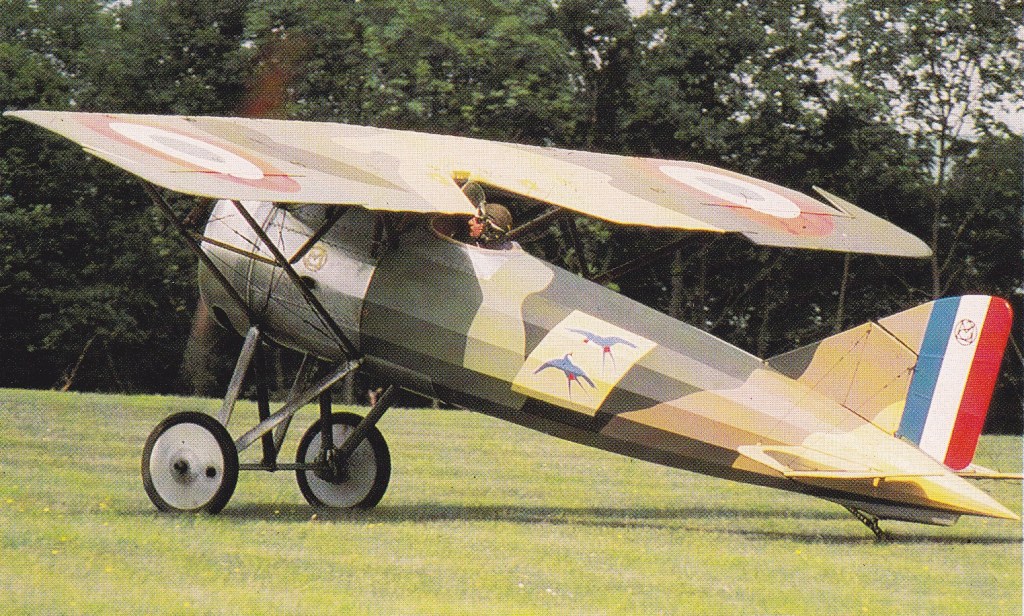
The type AI was a parasol monoplane with the wing on cabane struts and braced by parallel struts running from the outer wings to the landing gear attachment points on the lower fuselage.

The first flight was made in the summer of 1917, entering service at the beginning of 1918. Arrmament was one or two machine guns synchronised to fire through the propeller disc.

In May 1918 the type was withdrawn from front-line service after a number of structural failures and engine problems.

Morane-Sualnier tried to revive the fighter with a modified structure and a 150 hp / 112 kW Gnome rotary but further production was concentrated on two advanced trainer models without armament.

Total production exceeded 1200 and the AI was exported to Belgium, Great Britain, Japan, Switzerland, USA, and USSR.

A single-seat advanced trainer was flown by French pilot Alfred Fronval from 1921 through 1928. In August 1927 at the Zurich Meet, Fronval won over Germany’s Gerhard Fieseler in a Raab-Katzenstein with 110 hp Siemens, and Marcel Doret in his 300 hp Hispano-powered Dewoitine D-27.

Alfred Fronval’s A1

In February 1928 Fronval looped an AI 1,111 consecutive times in 4 hours 56 minutes over Villacoublay.

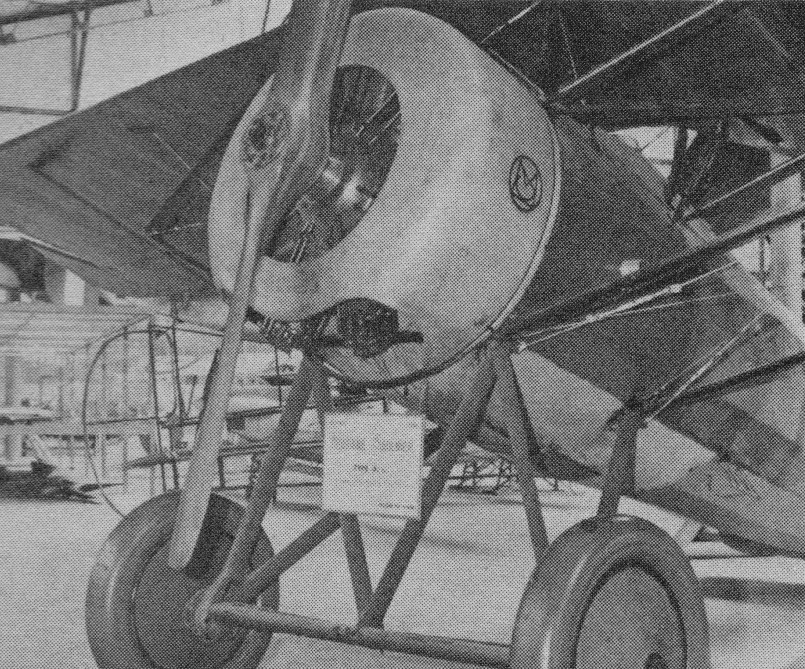
Alfred Fronval’s A1 was donated to the Musee d L’Air by Robert Morane.

A.1

Variants:

MoS.27
Fighter
Engine: Gnome Monosoupape 9N, 150 hp / 112 kW
Wingspan: 27 ft 11 in / 8.51 m
Length: 18 ft 6.5 in / 5.65 m
Height: 7 ft 10.5 in / 2.40 m
Wing area: 144.13 sq.ft / 13.39 sq.m
Empty weight: 928 lb / 421 kg
MTOW: 1431 lb / 649 kg
Max speed: 141 mph / 225 kph at SL
Climb to 13,125 ft / 4000m: 11 min 15 sec
Service ceiling: 22,965 ft / 7000m
Endurance: 1 hr 45 min
Armament: 1 x .303 / 7.7mm mg
Seats: 1

A-1
Engine: Clerget 9B-A, 120 hp
Wingspan: 27.91 ft
Length: 18.53 ft

MoS.29
Fighter
Armament: 2 mg

MoS.30
Trainer
Engine: Le Rhone 9Jb, 120hp/89 kW or Le Rhone 9Jby, 135hp/101 kW

MoS.30bis
Trainer
Engine: Le Rhone 9Jby, 90hp/67 kW

Morane-Saulnier

Société Anonyme des Aeroplanes Morane Saulnier
Societe d’Exploitation Etablissements Morane-Saulnier

Société Anonyme des Aeroplanes Morane Saulnier was established in 1911, by brothers Robert and Leon Morane and Raymond Saulnier at Puteaux, Seine, France.

Morane Article

Developed series of parasol-winged fighters and training aircraft, beginning with 1913 Type L or MS.3; principal production aircraft throughout 1920s and 1930s included MS.130, MS.230, and MS.315 two-seat trainers. Series of single-seat monoplane fighters introduced from 1935, including MS.406s built for French Air Force up to Occupation; development of basic design continued by Morane-Saulnier design bureau and derived MS.450 built by Dornier Werke AG in Switzerland as D-3802A.

Also built Fieseler Storch for Germans as MS.500 Criquet. After liberation developed MS.470 series of advanced trainers, several light aircraft and then MS.733 Alcyon basic trainer. MS.760 Paris introduced into French Air Force service in 1958. MS.880 Rallye touring aircraft first flown June 10,1959.

Societe D’exploitation Des Etablissements Morane-Saulnier was the provisional name for the Morane-Saulnier company after it had been acquired in 1963 by the Potez Group. MS760 Paris jet-propelled communications aircraft was developed further into 6-seat Paris III of 1964. Production also included Rallye-Club, Super-Rallye and Rallye Commodore, the latter first flown in February 1964 after formation of SEEMS.

Reorganized as Gerance des Etablissements Morane-Saulnier in May 20, 1965, subsidiary of Sud Aviation.

Montee Aircraft Company

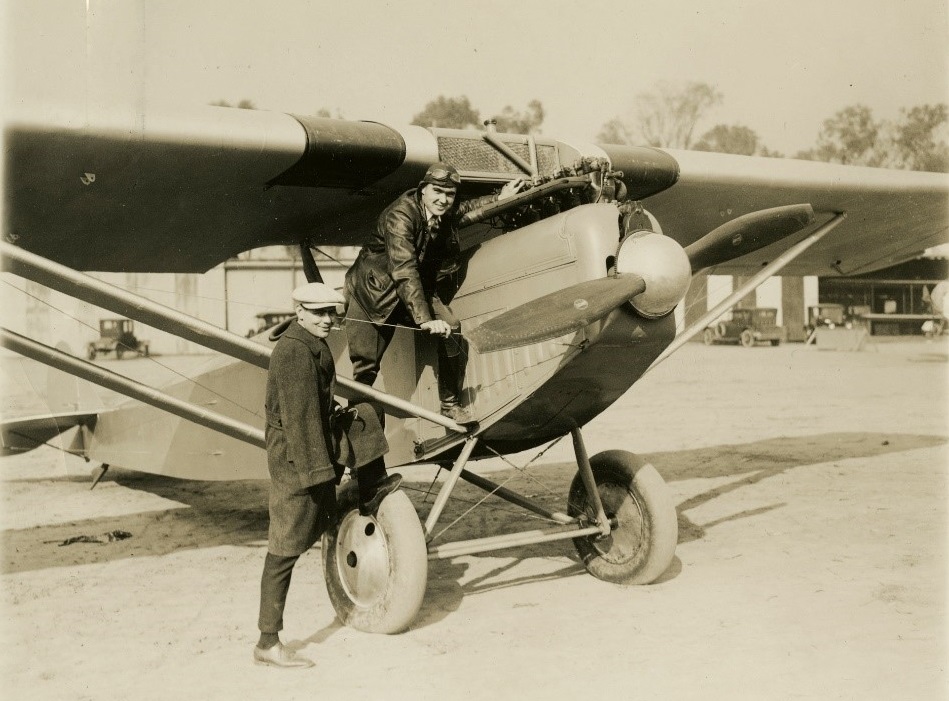
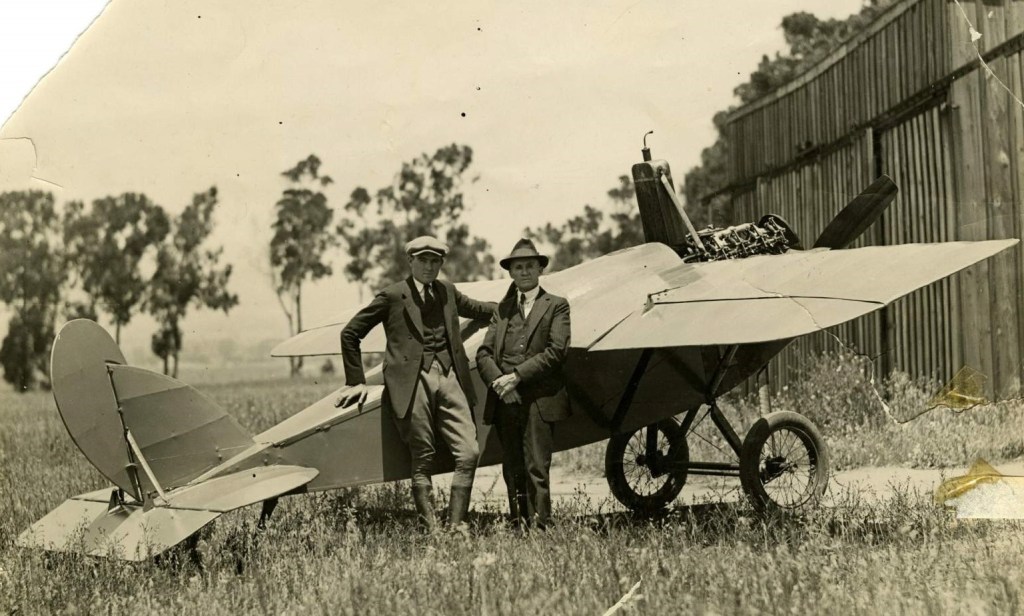
Formed by Kenneth W. Montee at Santa Monica, California, in early 1920s. Montee designed four-seat open cockpit monoplane, with Hall-Scott L-4 engine, in which he won second prize in “On to New York” race at 1925 National Air Races; he died in December 1926 while engaged on a mapping operation.

Kenneth Montee (left) and his father James “Jim” W. Montee (right)

An airplane builder circa 1925, Kenneth Montee built a number of scantly-documented creations.