Potez 56 / 560

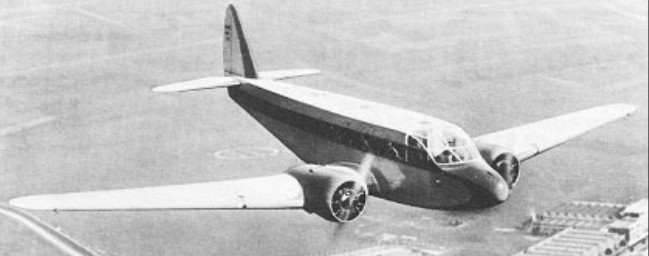
Designed by Louis Coroller as an executive transport, the prototype Potez 56 made its first flight on 18 June 1934. Largely of wood construction, the Potez 56 was a cantilever low-wing monoplane with a wing section based on that of the Potez 53 racer, and with a single fin and rudder. It had exceptionally clean lines, the main landing gear units retracting backwards into the nacelles of the two Potez 9Ab radial engines. There was accommodation for a crew of two in an enclosed cockpit, with a cabin for six passengers. Early tests confirmed that the Potez 56 had good flight qualities and was remarkably stable.

Series production included at least three Potez 561 aircraft, with variable-pitch propellers to improve take-off, aerodynamically refined engine nacelles and revised cockpit windows.

Military versions followed, for use in the carrierborne liaison, general utility, target tug, and twin-engine pilot training roles. Total production of all versions, military and civil, was 72, the final examples being two Potez 568 P.3 aircraft, the last of a batch that was completed at the time of the June 1940 armistice with Germany.

Potez 560
Engines: 2 x Potez 9Ab radial, 138kW
Max take-off weight: 2980 kg / 6570 lb
Loaded weight: 1910 kg / 4211 lb
Wingspan: 16.0 m / 53 ft 6 in
Length: 11.84 m / 39 ft 10 in
Height: 4.6 m / 15 ft 1 in
Wing area: 33.0 sq.m / 355.21 sq ft
Max. speed: 270 km/h / 168 mph
Ceiling: 6000 m / 19700 ft
Range: 650 km / 404 miles

Potez 54 / 540 / 541 / 542

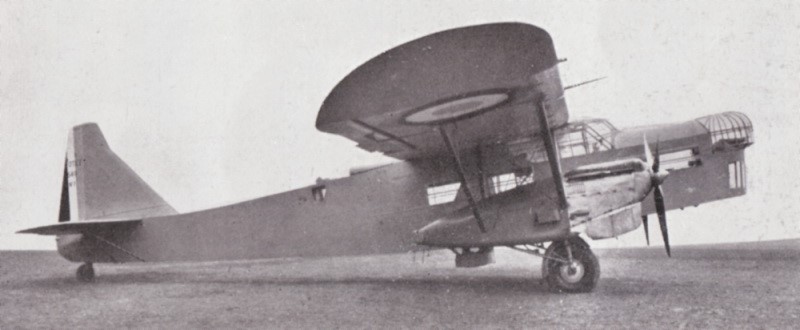
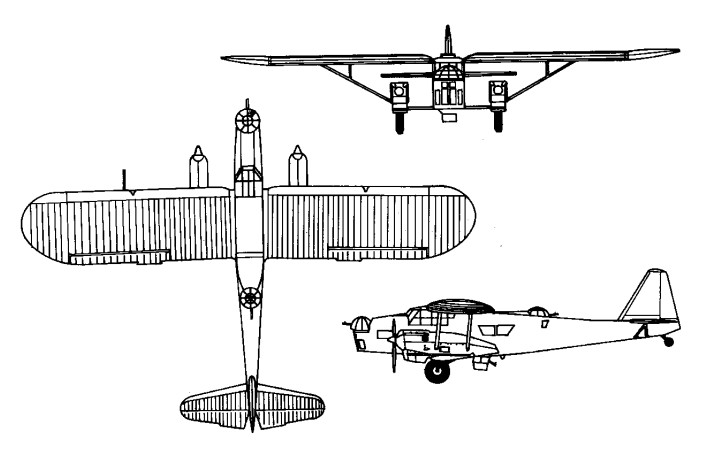
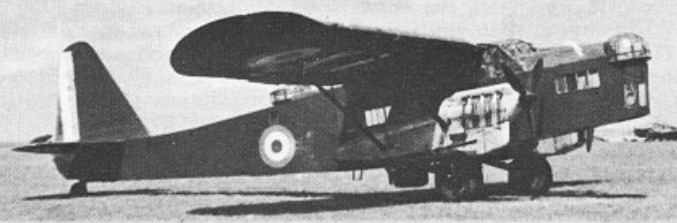
This two-engine aircraft was built as a private venture by the French Potez company to fulfill a 1932 specification for a new reconnaissance bomber. Designed by Louis Coroller, designated the Potez 54, it was intended as a four-seat aircraft capable of performing duties such as bomber, transport and long-range reconnaissance. The Potez 54 was a high-wing monoplane, of mixed wood and metal covering over a steel tube frame. The prototype had twin fins and rudders, and was powered by two 515 kW (690 hp) Hispano-Suiza 12Xbrs V-12 engines in streamlined nacelles, which were connected to the fuselage by stub wings. The main landing gear units retracted into the nacelles, and auxiliary bomb racks were mounted beneath the stub wings. There were manually-operated turrets at the nose and dorsal positions, as well as a semi-retractable dustbin-style ventral turret. The main landing gear units retracted into the nacelles, and bomb racks were mounted beneath the stub wings.

The Potez 54 M.4 category prototype flew for the first time on 14 November 1933 and during development, the original tailplane was replaced by a single fin and rudder, and in this form, the type was re-designated the Potez 540 and delivered to the Armee de I’Air on 25 November 1934.

Parallel with the Potez 540 were developed the Potez 541 prototype, powered by Gnome-Rhone 14Kdrs radials, and the Potez 542 with 537kW Lorraine Petrel engines.

All versions had defensive armament of manually-operated nose and dorsal turrets and a semi-retractable ventral ‘dustbin’ position; radio, oxygen, night and blind flying equipment were standard, and reconnaissance cameras could be carried.

A total of 192 Potez 540s were built.

The French Government declared on 25 July 1936 that it would not send arms to Spain, but its Air Minister, Pierre Cot, secretly permitted a consignment of aircraft to be dispatched. At the end of July, about 70 aircraft were sent across the border to Barcelona, including Potez 54 bombers and Dewoitine 371 fighters.

In early 1938, the Ilmavoimat / Maavoimat test team evaluated the Potez 540. Given the role that the aircraft was expected to fill, the evaluation was cursory and simply confirmed that the aircraft was completely unsuited to the intended role and should not be considered further. In point of fact, the evaluation team were highly annoyed that the French would even put the aircraft forward for consideration given the obvious unsuitability when evaluated against the requirements the Ilmavoimat had provided.

Their first combat was in the Spanish Civil War, where they were employed by the Spanish Republicans. In the late 1930s, these aircraft were becoming obsolete so they were withdrawn from reconnaissance and bombing duties and were relegated to French transport units. They were also employed as paratrooper training and transport aircraft. By September 1939 and the beginning of World War II, they had been largely transferred to the French colonies in North Africa, where they continued to function in transport and paratrooper service. Their role in even these secondary assignments was problematic given their poor defensive armament and vulnerability to modern enemy fighters. Following the French capitulation to Germany in June 1940, those Potez 540s still flying served the Vichy French Air Force mainly in the French overseas colonies. Most of these machines were retired or destroyed by late 1943

Potez 540
Engine: 2 x Hispano-Suiza 12Xirs / Xjrs, 515kW / 690 hp
Max take-off weight: 5950 kg / 13118 lb
Loaded weight: 3785 kg / 8345 lb
Wingspan: 22.1 m / 73 ft 6 in
Length: 16.2 m / 53 ft 2 in
Height: 3.88 m / 13 ft 9 in
Wing area: 76.0 sq.m / 818.06 sq ft
Max. speed: 310 km/h / 193 mph
Ceiling: 5182 m / 17000 ft
Range: 1250 km / 777 miles
Armament: 3 x 7.5mm MAC 1934 machine-guns
Bomb load: 4 x 225kg or 10 x 55kg
Crew: 4-7

Potez 540

Potez 43 / 430 / 431 / 432 / 433 / 434 / 435 / 436 / 437 / 438

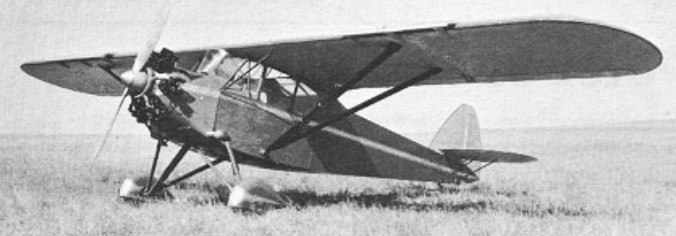
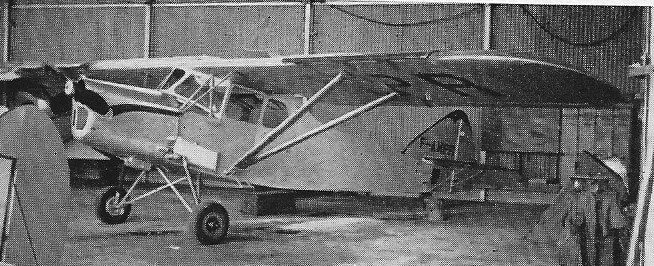
The success of the Potez 36 tourer led to development of the refined Potez 43, the prototype making its first flight in June 1932. It retained the strut-braced high wing which had characterised the P.36, but the span of the leading-edge slats was reduced to equal that of the ailerons and a refined fuselage was introduced with cabin accommodation for three. There was provision for wheel spats and the tail unit was revised.

The prototype and early production aircraft were powered by the Potez 6Ac engine, but later variants relied mainly on the Renault 4. Total production was 161, including a number built specifically for the Armee de I’Air for liaison and training.

Potez 431

Potez 431
Engine: 1 x Potez 6Ac, 100 hp
Wingspan: 37 ft
Wing area: 204 sq.ft
Length: 24 ft 5 in
Height: 7 ft 9 in
Empty weight: 1030 lb
Loaded weight: 1850 lb
Max speed: 106 mph
Cruise: 92 mph

Potez 434
Engine: 1 x de Havilland Gipsy Major, 120 hp

Potez 435
Engine: 1 x Renault 4 Pdi, 120 hp

Potez 436
Engine: 1 x Renault 4 POI, 140 hp

Potez 437
Engine: 1 x Renault 4 Pdi, 120 hp

Potez 438
Engine: 1 x Renault 4Pdi inline, 89kW
Max take-off weight: 840 kg / 1852 lb
Loaded weight: 560 kg / 1235 lb
Wingspan: 11.30 m / 37 ft 1 in
Length: 7.65 m / 25 ft 1 in
Height: 2.36 m / 8 ft 9 in
Wing area: 18.0 sq.m / 193.75 sq ft
Max. speed: 170 km/h / 106 mph
Ceiling: 5000 m / 16400 ft
Range: 700 km / 435 miles

Potez 439A
Engine: 1 x Potez 6Ba, 130 hp

Potez 37 / 39 / 390

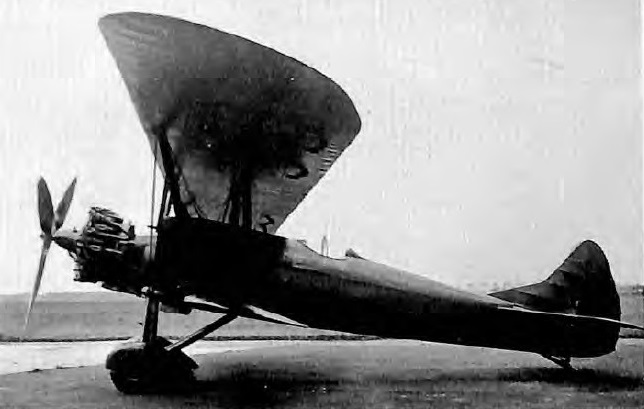
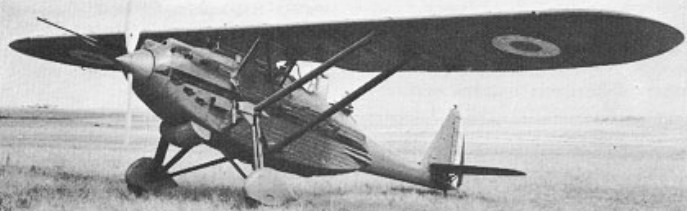
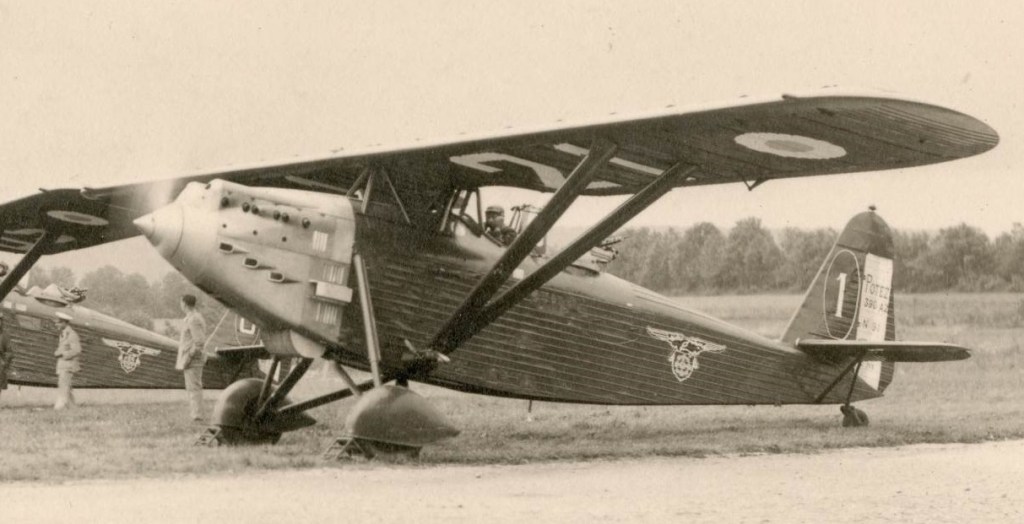
The Potez 39 was designed to a 1928 requirement for an aircraft to replace the Potez 25 and Breguet 19 machines then in service with the French Air Force in the A2 (Artillerie Biplace – two seat observation aircraft) role. The Potez 37 and Potez 39 appeared in 1930.

Both were two-seat braced parasol-wing monoplanes of all-metal construction, the former being intended for the fighter-reconnaissance role and having a rear fuselage which tapered into little more than a boom to give the gunner an improved field of fire. The prototype Potez 39 was designed for A.2 category observation role, and had a conventional fuselage and redesigned wings with elliptical tips. The Potez 37 was rejected for production, only two examples being built, but the Potez 39 showed great promise and was adopted by the Armee de I’Air.

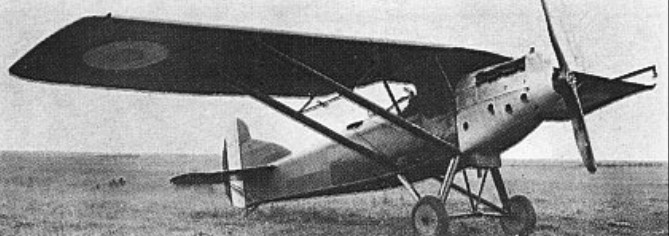
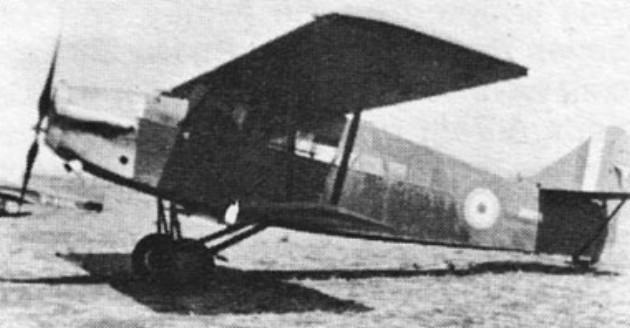
The Potez 39 was a parasol monoplane of all-metal construction, the first all metal Potez aircraft, with a tailwheel undercarriage. It was powered by a Hispano-Suiza 12H engine of 580 bhp (433 kW) as required by the specification. The crew of two sat in open, tandem cockpits, with the observer being armed with two Lewis guns on a ring mounting, and the pilot being armed with a single synchronised Darne machine gun, while light bombs could be carried in a small internal bomb-bay and on external racks. A fixed camera was fitted, operating through a hatch in the fuselage floor. The prototype flew in January 1930. Although the Breguet 27 was selected as the winner of the competition, both it and the Potez, which was runner-up, were chosen for production.

Compared to the Potez 25, of which over 2000 were ordered, production of the Potez 39 series was on a small scale, 100 Potez 390 aircraft being built for France and 12 Potez 391 variants, powered by a Lorraine-Dietrich 12H engine of 700 bhp, for the Peruvian Air Force.

The first production aircraft were delivered in 1934 but shortly afterwards, the Potez 39 began to be replaced by ANF Les Mureaux 117, Amiot 143 and Potez 540 aircraft ( in 1936).

Series Potez 390 and Potez 391 aircraft were subjected to various modifications during production and service, notably the introduction of a rudder with increased area, but they retained the basic features of the design, which included a divided fixed wide-track landing gear with wheel spats; streamlined Vee-struts supporting the wings; and glazed panels in the fuselage sides between the cockpits.

The Armee de I’Air received 232 P-390s and P-391s, the first unit to re-equip in early 1934 being the 34e Escadre, where they replaced Potez 25s. At the outbreak of the Second World War the Potez 39 remained in service with seven observation squadrons of the French Air Force, but these, along with the Breguet 27-equipped units, were withdrawn from the front in October 1939. The Potez 39 continued to serve in training units until the armistice of June 1940, at which time 41 remained in Metropolitan France. These aircraft were scrapped soon afterwards.

A number of prototype and development aircraft, including a floatplane, were tested but no further orders were received.

In early 1938, the Ilmavoimat / Maavoimat test team evaluated the Potez 39. Given that the aircraft was already being replaced in service in France, the evaluation was cursory and simply confirmed that the aircraft was obsolete and should not be considered further.

Potez 390 A.2
Engine: 1 x Hispano-Suiza 12Hb, 433kW
Max take-off weight: 2650 kg / 5842 lb
Loaded weight: 1492 kg / 3289 lb
Wingspan: 16.0 m / 53 ft 6 in
Length: 10.0 m / 33 ft 10 in
Height: 3.40 m / 11 ft 2 in
Wing area: 35.0 sq.m / 376.74 sq ft
Max. speed: 240 km/h / 149 mph
Ceiling: 7000 m / 22950 ft
Range: 700 km / 435 miles
Armament: 1 x 7.7mm + 2 x 7.7mm machine-guns
Bomb load: 120kg
Crew: 2
Potez 36

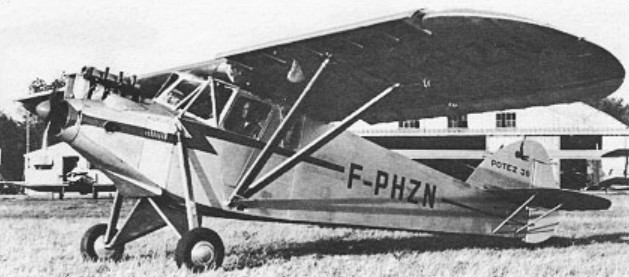
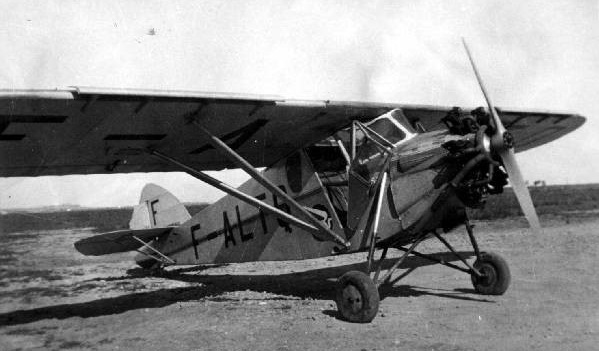
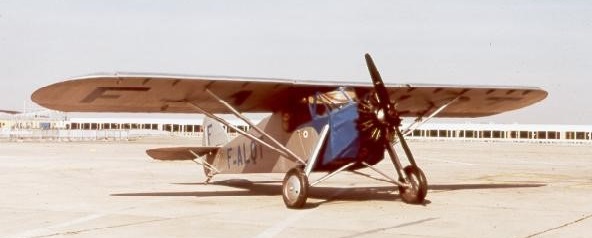
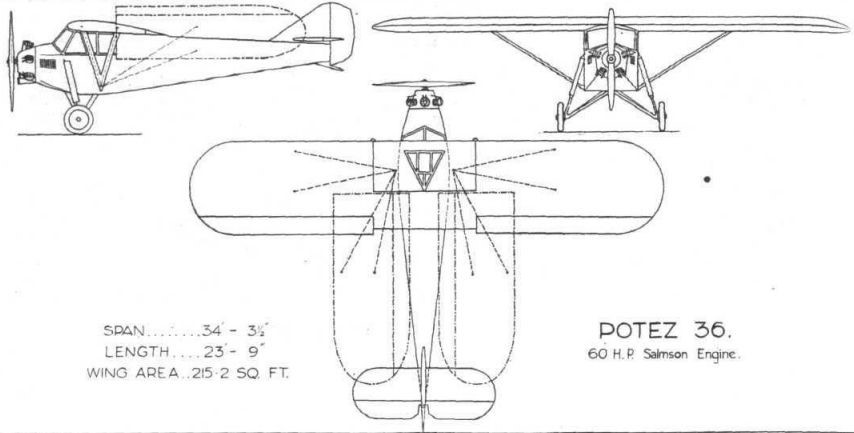
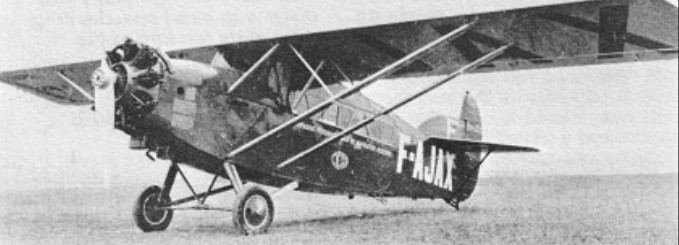
The Potez 36 was a French two-seat touring or sport high-wing braced monoplane designed by Coroller and Jarry and built by Potez at Meaulte, near Amiens in the Somme, and first flown in 1929. A braced high-wing monoplane, the Potez 36 had wide-track divided conventional landing gear, and its pilot and passenger were seated side-by-side in a fully enclosed cabin. Some of the aircraft had Potez-designed leading-edge slats produced a high safety factor, and its design also included folding wings, making it suitable for garage storage and easy to tow behind a car.

Potez 36/21 F-ALTQ 26 Apr 1935

The first serial Potez 36/3 was released in 1929. There were six manufactured without slats and with the Salmson 5Ac 60 hp engine. This was followed by several production versions.

Potez 36s proved a great success and some 300 were built for private owners and clubs between 1929 and 1933. Some were used by I’Armee de I’Air as scout/ liaison aircraft during the 1930s.

Gallery

Variants:

Potez 36
Prototype of the series powered by a 45 kW (60 hp) Salmson 5Ac radial engine.

Potez36/1
production version powered by a 52 kW (70 hp) Renault 4Pa; two built.

Potez 36/3
Prototype followed by six production aircraft with no slats, powered by a 45 kW (60 hp) Salmson 5Ac radial engine.

Potez 36/5
Variant with no slats but powered by a 71 kW (95 hp) Salmson 7Ac engine; five built, the first flew in August 1929.

Potez 36/13
Production version of the 36/5 but fitted with leading-edge slats, 96 built, the first few in June 1931.

Potez 36/14
Variant with a 71 kW (95 hp) Renault 4Pb engine and leading-edge slate and wheel brakes, 103 built. The last copy is on display in the suspended Albert Station, near Amiens. (F-PHZN since 1957, ex. F-MMEA No. 3207 of 1933)

Potez 36/15
Variant with a 75 kW (100 hp) Potez 6AC engine, 18 built 1931-32.

Potez 36/17
Variant with a 78 kW (104 hp) Cirrus Hermes IIB engine, two built in September 1931.

Potez 36/19
Variant with a 75 kW (100 hp) Renault 4Pci engine, two built in 1932.

Potez 36/21
Production variant with a 75 kW (100 hp) Potez 6Ac engine and wheels with balloon tyres, 29 built from November 1932.

Specifications:

Potez 36/3
Engine: 1 x Salmson 5Ac radial, 45kW / 60 hp
Wingspan: 10.45 m / 34 ft 3 in
Wing area: 20.00 sq.m / 215.29 ft2
Length: 7.50 m / 24 ft 7 in
Height: 2.45 m / 8 ft 0 in
Empty weight: 427 kg / 941 lb
Max take-off weight: 650 kg / 1433 lb
Max. speed: 150 km/h / 93 mph
Ceiling: 3600 m / 11800 ft
Range: 500 km / 311 miles
Seats: 2

Potez 36/14
Engine: 95 hp Renault 4Pb
Wingspan: 33 ft 3 in
Wing area: 215 sq.ft
Length: 25 ft 2 in
Height: 8 ft 1 in
Empty weight: 994 lb
Loaded weight: 1676 lb
Max speed: 93 mph
Time to 3280 ft: 9 min 30 sec
Absolute ceiling: 13,120 ft
Range: 431 mi

Potez 32 / 33

Potez 32

Derived from the Potez 29, the Potez 32 five-passenger transport or mail-plane retained the fuselage, tail unit and landing gear of its predecessor, but was a strut-braced high-wing monoplane. First flown in 1928, the prototype was followed by 54 production aircraft. An initial difference in comparison with the Potez 29 was the employment of a lower-powered, and thus cheaper and more economical, Salmson radial engine; later aircraft had the higher-powered Jupiter. The type was operated by CIDNA, Air Orient and Aeropostale, and 12 were exported to Canada.

The Potez 33 prototype, tested in March 1928, was a militarised version of the Potez 32 intended for liaison and observation, or as a trainer for pilots and observers. It had dual controls as standard, introduced large observation windows, and had a dorsal machine-gun position; light bombs could be carried.

Potez 33/2
Engine: 1 x Salmson 9Ab radial, 171kW
Max take-off weight: 1750 kg / 3858 lb
Loaded weight: 950 kg / 2094 lb
Wingspan: 14.50 m / 48 ft 7 in
Length: 10.15 m / 33 ft 4 in
Wing area: 35.0 sq.m / 376.74 sq ft
Max. speed: 190 km/h / 118 mph
Ceiling: 4500 m / 14750 ft
Range: 700 km / 435 miles
Armament: 1 x 7.7mm machine-gun

Potez 31

The Potez 31 was designed to meet the requirements of the 1925 C2 programme calling for a two-seat night fighter and diurnal reconnaissance-fighter. Not flown until 1929, and closely resembling the Potez 25M monoplane variant of the Potez 25 army co-operation biplane, the Potez 31 was a parasol monoplane of wooden construction with fabric covering. Embodying the facility developed for preceding types of accepting either Hispano- Suiza or Lorraine-Dietrich W-type water-cooled engines, the Potez 31 was tested with both the 500hp HS 12Mb and the 450hp L-D 12Eb. Armament consisted of two fixed forward-firing 7.7mm guns, two similar weapons on a flexible mount in the rear cockpit and a fifth gun firing through a hatch in the rear cockpit floor. Development of the Potez 31 was terminated with the discontinuation of the C2 programme.

Max take-off weight: 2130 kg / 4696 lb
Empty weight: 1270 kg / 2800 lb
Wingspan: 14.30 m / 47 ft 11 in
Length: 9.50 m / 31 ft 2 in
Height: 3.40 m / 11 ft 2 in
Wing area: 40.00 sq.m / 430.56 sq ft
Max. speed: 242 km/h / 150 mph

Potez 29

The prototype Potez 29, test-flown in 1927, was developed as a passenger-carrying version of the Potez 25. It had the same powerplant as the Potez 25 TOE and wings and landing gear of similar design, but introduced a new fuselage with an enclosed cockpit for the two-man crew and a cabin that seated five passengers as standard; the fuselage was deep and filled the entire gap between the upper and lower wings.

The Potez 29 was an immediate success and 29 entered service with civil air lines, principally the CIDNA company and the Yugoslav Aeroput; a number of variants appeared, differing mainly in their powerplant. A large number of the type went to the French Aeronautique Militaire.