Aero Designs Inc Pulsar / Super Pulsar / Pulsar 150 / TR-1 / Skystar Aircraft Pulsar /Pulsar Aircraft Pulsar / Tri-R Technologies Kis

Pulsar

Designed by Mark Brown, the 1985 Pulsar was based on Star Lite prototype N500SS.

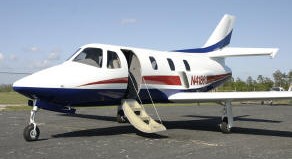
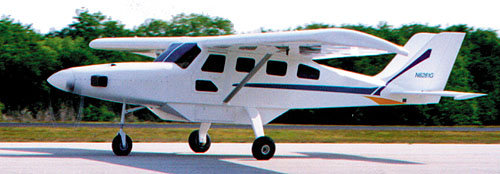
High Tech Composites (HTC) in Oxnard, California, USA, owned by Rich Trickle, produced composite structures for other aircraft manufactures before Rich designed the two-seat KIS TR-1 (KIS stands for “Keep It Simple”). Constructed with the assistance of Vance Jaqua and Martin Hollmann, the aircraft was first presented at the EAA event at Oskosh, Wisconsin, in July 1991
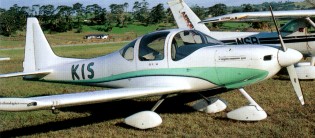
KIS TR-1

Subsequently HTC was renamed Tri-R Technologies and the composite kit plane was marketed to the homebuilt constructor. It could be fitted with a nose-wheel or tail-wheel landing gear, an 80 to 150 hp engine could be fitted, and for storage, the wings could be detached easily. The four-seat KIS Cruiser was also developed.

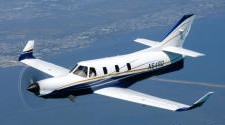
The KIS TD is the tail wheel version of TR-1, first flown in 1992.
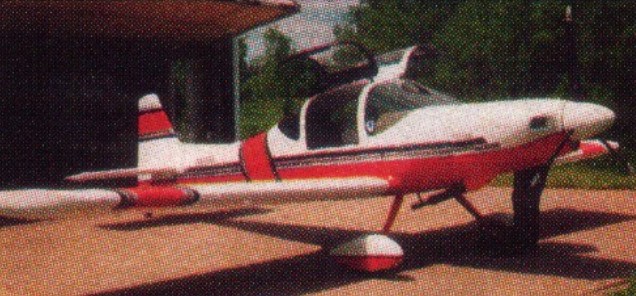
KIS TD

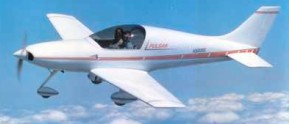
The Pulsar and Pulsar XP were designed by Mark Brown and offer great lightplane performance and economy in kit cost and operating expenses. These very popular kits are available in tailwheel or nosewheel configurations, and are easy to build and fly.

Equipped with fuel tanks in the wings, a composite spar and moulded wing skins, earlier models had a 1.5mm Finnish birch plywood/outer fibreglass matting covering foam ribs. Pulsar XP includes an in flight adjustable prop pitch option which increases 75% power cruise from 140 mph to 150 mph at 4 USG/hr, and was specifically designed for the Rotax 912. The first Pulsar XP was N912XP.

In 1996 the manufacturing rights for the Pulsar went from Aero Design to Skystar, which was then sold to become Pulsar Aircraft Corp. Pulsar Aircraft Corp. rescuing the Pulsar design from the original company’s bankruptcy. Pulsar Aircraft Corporation also keep the original legacy Pulsar design alive under the name of Pulsar XP.

Aircraft Spruce was a supplier of materials & components to Skystar for use in Pulsar kits.

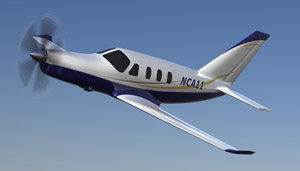
Designed by Mark Brown and Solly Melyon around the same lines as the Pulsar XP, the Super Pulsar 100 was introduced by Pulsar Aircraft Corporation in August 2001. A high performance sport airplane capable of cruising at speeds over 200 mph but yet docile and safe for low time pilots. Its 2500 fpm climb will leave you breathless and it’s docile and slow flight stability lets you land on short fields. The Super Pulsar was equipped with 38 gallon fuel capacity for seven hours of endurance and 1250 mile range.

In 2001 the Pulsar Aircraft Company (formed in 1999) acquired the design and production rights of Tri-R, while the latter still produced the composite parts. The two-seat KIS TR-1 was re-designated Pulsar 150, while the KIS TR-4 Cruiser became the Pulsar Super Cruiser. In 2005 all aircraft production was transferred to Ilopango, El Salvador.
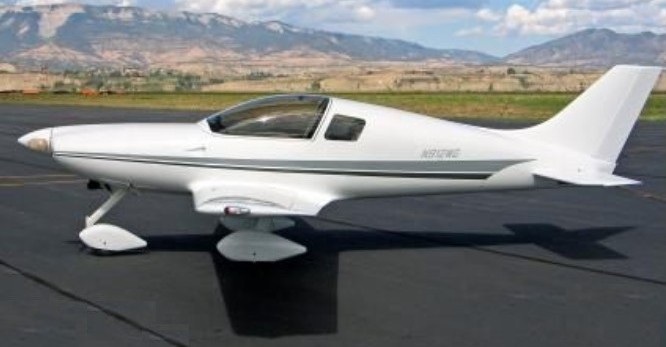
Aero Design Pulsar 3

Gallery

K150 / KIS TR-1
Engine: 100hp Aeromax
Wingspan: 23’0″
Length: 22’0″
Useful load: 700 lb
Max speed: 175 mph
Cruise: 160 mph
Stall: 52 mph
Range: 800 mi
Seats: 2
Taildragger or tri-gear
detachable wings

Pulsar
Engine: Rotax 582, 66 hp
Speed max: 160 mph
Cruise: 130 mph
Range: 500 sm
Stall: 45 mph
ROC: 1000 fpm
Take-off dist: 800 ft
Landing dist: 800 ft
Service ceiling: 15,000 ft
Fuel cap: 17 USG
Weight empty: 460 lb
Gross: 1000 lb
Height: 6.3 ft
Length: 19.5 ft
Wing span: 25 ft
Wing area: 80 sq.ft
Seats: 2
Landing gear: nose or tail wheel

Pulsar XP
Engine: Rotax 912, 80 hp
Prop: GSC Wood, 60 in
Speed max: 160 mph
Cruise: 140 mph
Range: 600 sm
Stall: 46 mph
ROC: 1200 fpm
Take-off dist: 800 ft
Landing dist: 800 ft
Service ceiling: 15,000 ft
Fuel cap: 2 x 10 USG
Useable fuel: 19 USG
Service ceiling: 15,000 ft
Weight empty: 630 lb
Gross: 1200 lb
Useful load: 533 lb
Wing Loading: 13.25 lb/sq.ft
Wing Power loading: 13.25 lb/hp
Height: 6.3 ft
Length: 19.5 ft
Wing span: 25 ft
Wing area: 80 sq.ft
Seats: 2
Landing gear: nose or tail wheel
Takeoff Roll: 800 ft
Landing Roll: 800 ft
Trim: Full electric
Brakes: Matco Hydraulic Disk

Super Pulsar 100
Engine: Pulsar Power Rotax , Jabiru, or Continental
Empty Weight: 340 kg / 750 lb
MTOW: 635 kg / 1400 lbs
Stall: 48 kt / 55 mph / 89 kmh
Cruise: 181 kt / 208 mph / 335 kmh
VNE: 191 kt / 220 mph / 354 kmh
Climb Ratio: 2200 ft/min / 11 m/s
Take-off dist (50ft obstacle): 500 ft / 152 m
Landing dist (50ft obstacle): 800 ft / 244 m

Pulsar Aircraft Corp Super Pulsar 100
Engine: Continental IO-240, 100 hp
Cruise: 165 mph
Range: 920 sm
Stall: 63 mph
ROC: 1700 fpm
Take-off dist: 600 ft
Landing dist: 800 ft
HP range: 100-125
Fuel cap: 38 USG
Weight empty: 820 lb
Gross: 1400 lb
Length: 20 ft
Wing span: 25 ft
Wing area: 80 sq.ft
Seats: 2
Cockpit width: 43 in
Landing gear: nose or tail wheel

KIS TR-1 / Pulsar 150
Engine: Continental IO-240, 125 hp
Speed max: 195 mph
Cruise: 170 mph
Range: 750 sm
Stall: 55 mph
ROC: 1100 fpm
Take-off dist: 1200 ft
Landing dist: 1300 ft
Service ceiling: 17,000 ft
HP range: 80-125
Fuel cap: 34 USG
Weight empty: 850 lb
Gross: 1450 lb
Height: 6 ft
Length: 22 ft
Wing span: 23 ft
Wing area: 88 sq.ft
Seats: 2
Landing gear: nose wheel

Pulsar Aircraft Corp Pulsar 150
Engine: Lycoming, 125 hp
Cruise: 175 mph
Range: 810 sm
Stall: 55 mph
ROC: 1500 fpm
Take-off dist: 750 ft
Landing dist: 1100 ft
HP range: 80-160
Fuel cap: 34 USG
Weight empty: 890 lb
Gross: 1450 lb
Length: 22 ft
Wing span: 28 ft
Wing area: 88 sq.ft
Seats: 2
Cockpit width: 42 in
Landing gear: nose or tail wheel

KIS TD
Engine: Lycoming O-235-C1B, 108 hp
HP range: 80-125
Speed max: 180 mph
Cruise: 165 mph
Range: 750 sm
Stall: 55 mph
ROC: 1300 fpm
Take-off dist: 600 ft
Landing dist: 1200 ft
Service ceiling: 17,000 ft
Fuel capacity: 21 USG
Weight empty: 812 lb
Gross: 1450 lb
Height: 6.17 ft
Length: 22 ft
Wing span: 23 ft
Wing area: 88 sq.ft
Seats: 2
Landing gear: tail wheel.

Pulsar II-912
Engine: Rotax 912, 80 hp
Speed max: 150 mph
Cruise: 150 mph
Range: 1000 sm
Stall: 49 mph
ROC: 1200 fpm
Take-off dist: 800 ft
Landing dist: 800 ft
Service ceiling: 15,000 ft
Fuel cap: 28 USG
Weight empty: 630 lb
Gross: 1200 lb
Height: 6.3 ft
Length: 19.5 ft
Wing span: 25 ft
Wing area: 80 sq.ft
Seats: 2
Landing gear: nose

Pulsar II-914 Turbo
Engine: Rotax 914 Turbo, 115 hp
Speed max: 180 mph
Cruise: 180 mph
Range: 900 sm
Stall: 49 mph
ROC: 2000 fpm
Take-off dist: 500 ft
Landing dist: 800 ft
Service ceiling: 17.500 ft
Fuel cap: 17 USG
Weight empty: 660 lb
Gross: 1200 lb
Height: 6.8 ft
Length: 20 ft
Wing span: 25 ft
Wing area: 80 sq.ft
Seats: 2
Landing gear: nose

Pulsar Aircraft Corp Pulsar III
Engine: Rotax 912, 80 hp
HP range: 80-120
Speed max: 150 mph
Stall: 50 mph
Cruise: 150 mph
Range: 810 sm
ROC: 1800 fpm
Take-off dist: 600 ft
Landing dist: 800 ft
Fuel cap: 28 USG
Weight empty: 650 lb
Gross: 1200 lb
Length: 20 ft
Wing span: 25 ft
Wing area: 80 sq.ft
Seats: 2
Landing gear: nose or tail

Skystar Aircraft Pulsar
Engine: Rotax, 80 hp
Wing span: 7.62 m
Wing area: 7.44 sq.m
MAUW: 544 kg
Empty weight: 280 kg
Fuel capacity: 106 lt
Max speed: 240 kph
Cruise speed: 225 kph
Minimum speed: 79 kph
Climb rate: 6.1 m/s
Seats: 2
Kit price (1998): $17,950

Tri-R Technologies Kis
Wing span: 7 m
Wing area: 8.1 sq.m
Engine: Continental / Lycoming
MAUW: 657 kg
Empty weight: 385 kg
Fuel capacity: 131 lt
Max speed: 280 kph
Cruise speed: 270 kph
Minimum speed: 88 kph
Climb rate: 5 m/s
Seats: 2
Fuel consumption: 22 lt/hr
Kit price (1998): $16,900

Kis
Engine: Limbach L2000, 80hp
Wingspan: 23’0″
Length: 22’0″
Useful load: 520 lb
Max speed: 150 mph
Cruise: 135 mph
Stall: 55 mph
Range: 600 mi
Seats: 2
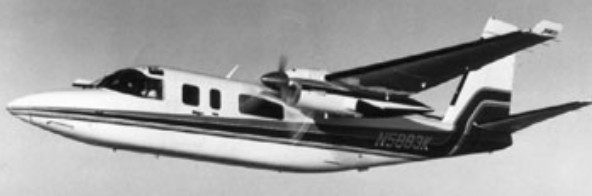
Aero Design & Engineering 840 / 980

In 1980, an increase in turboprop sales led by the Jetprop 980 and Jetprop 840. The former carries up to eight persons and is powered by Garrett TPE-3331-10-501K turboprops. It is characterized by a 309 knot cruise, a 3,176-pound useful load, 5.2 psi pressurization, and enough fuel for a mission-efficient range of 2,040 run with reserves. The 840, powered by twin Garrett TPE-331-5-254K turboprops, boasts speeds up to 290 knots and a maximum range of 1,780 nm with reserves. Rockwell-developed high-technology sound control permits an easy conversation level in the cabins of both aircraft. Standard and custom cabin appointments permit the owner to outfit the interiors with hideaway tables, beverage servers, reclining chairs, telephones, and stereo systems.
The numerical designations of the 840/980 denote maximum potential horsepower per side before derating to a common 700 shaft horsepower each. Both airplanes have Garrett TPE 331s: 10 on the 980 and 5 on the 840. The 980’s greater potential power translates into better climb above 10,000 feet, extra speed and a superior single engine ceiling.
Fuel on the 690B was housed in 22 bladders holding 380 gallons, but the 840/980’s Garretts are fed by a more uniform system. Capacity has gone up to 420 USG, and the wings are wet outboard of the nacelles. Bladders (10 of them) remain in the inboard sections. The new layout cuts refuelling time by two thirds, but at the cost of numerous inspection panels for access to the wet bays. The void left by removal of the fuselage tank on the 840/980 has allowed the baggage volume to be almost doubled to 75 cubic feet.
Absolute ceiling of the 980 is 39,900. The Commander 840 cruises at 267 knots at 31,000 ft. Maximum takeoff weight for the 290B, 840 and 980 is 10,325 pounds, but empty equipped weights for the new ones are down, by 295 pounds on the 840 (6,545 lb) and 255 on the 980 (6,585 lb). Rate of climb has changed little. On both engines, both new airplanes produce 2,840 fpm at sea level; with one dead at 5,000 feet, 900 fpm. Single engine ceiling, however, has risen on the 980 to 26,000 feet compared with 19,600 for the 690B and 20,400 for the 840.

AE-840
Engines: 2 x Garrett TPE-331-5-524K, 718 shp
Props: Dowty Rotol 3-blade, 106-in
Seats: 7/9
Length: 43 ft
Height: 15 ft
Wingspan: 52.1 ft
Wing area: 279 sq.ft
Wing aspect ratio: 9.8
Maximum ramp weight: 10,375 lbs
Maximum takeoff weight: 10,375 lbs
Standard empty weight: 6635 lbs
Maximum useful load: 3740 lbs
Zero-fuel weight: 8463 lbs
Maximum landing weight: 9675 lbs
Wing loading: 37 lbs/sq.ft
Power loading: 7.2 lbs/hp
Maximum usable fuel: 2848 lbs / 420 USG
Rate of climb sea level: 2,840 fpm
Certificated ceiling: 31,000 ft
Max pressurisation differential: 5.2 psi
8000 ft cabin alt @: 23,900 ft
Maximum single-engine rate of climb: 1003 fpm @ 115 kts
SE ROC 5,000 ft: 900 fpm
Single-engine climb gradient: 523 ft/nm
Single-engine ceiling: 21,050 ft
Maximum speed: 290 kts
Normal cruise @ 31,000ft: 269 kts
Fuel flow @ normal cruise: 378 pph
Endurance at normal cruise: 7 hrs
Max range with res: 1,780 nm
Stalling speed clean: 77 kts
Stalling speed gear/flaps down: 75 kts
Turbulent-air penetration speed: 180 kts
Baggage volume: 75 cubic feet
Takeoff distance (50ft): 1,830 ft
Landing distance (50ft): 2,050ft

AE-980
Engines: 2 x Garrett TPE-331-10-501K, 733 shp
Props: Dowty Rotol 3-blade, 106-in
Seats: 7/9
Length: 43 ft
Height: 15 ft
Wingspan: 52.1 ft
Wing area: 279 sq.ft
Wing aspect ratio: 9.8
Maximum ramp weight: 10,375 lbs
Maximum takeoff weight: 10,325 lbs
Standard empty weight: 6733 lbs
Maximum useful load: 3642 lbs
Zero-fuel weight: 8463 lbs
Maximum landing weight: 9675 lbs
Wing loading: 37 lbs/sq.ft
Power loading: 7 lbs/hp
Maximum usable fuel: 3176 lbs / 420 USG
Best rate of climb: 2777fpm
Certificated ceiling: 31,000 ft
Absolute ceiling: 39,900 ft
Max pressurisation differential: 5.2 psi
8000 ft cabin alt @: 23,900 ft
Maximum single-engine rate of climb: 982 fpm @ 115 kts
Single-engine climb gradient: 512 ft/nm
Single-engine ceiling: 24,850 ft
Maximum speed: 309 kts
Normal cruise @ 31,000ft: 295 kts
Fuel flow @ normal cruise: 444 pph
Endurance at normal cruise: 6.6 hrs
Stalling speed clean: 77 kts
Stalling speed gear/flaps down: 75 kts
Turbulent-air penetration speed: 180 kts
Takeoff distance (50ft): 1,830 ft
Landing distance (50ft): 2,150 ft
Baggage volume: 75 cu.ft

Commander 980
Engines: 2 x Garrett TPE 331 10, 980 shp
Props: Dowty Rotol 3 blade, 106 in. dia
TBO: 3, 000 hrs
Length: 43 ft
Height: 15 ft
Wingspan: 52 ft
Wing area: 280 sq. ft
Max ramp wt: 10,375 lbs
Max takeoff wt: 10,325 lb
Std empty wt: 6,298 lb
Max useful load: 4,027 lb
Max landing wt: 9,675 lb
Wing loading: 36.96 lb/sq.ft
Power loading: 7.22 lb/hp
Max usable fuel: 420 USG/2,814 lb
Max rate of climb, sea level: 2,840 fpm
Max rate of climb, 8,000 ft: 2,710 fpm
Max operating altitude: 31,000 ft
Single engine rate of climb, sea level: 1,010 fpm
Single engine climb gradient, sea level: 578 ft/nm
Single engine service ceiling: 26,000 ft
Max speed: 315 kts
Cruise, max cruise power at 31,000 ft: 300 kts
Fuel flow at max cruise power: 492 pph
Endurance at max cruise power, no res: 5.7 hrs
Stalling speed, clean: 77 kts
Stalling speed, flaps down: 75 kts
Turbulent air penetration speed: 184 kt

AeroConversions AeroVee 2.1

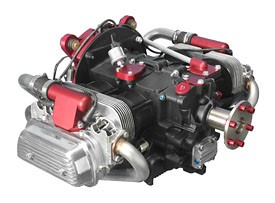
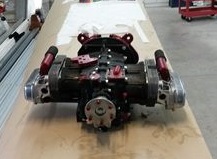
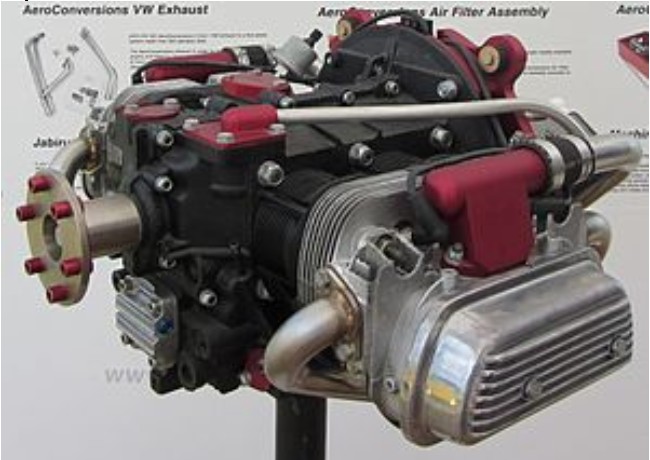
The AeroConversions Aerovee Engine is a kit-built horizontally opposed piston engine for homebuilt aircraft based on the Volkswagen air-cooled engine, first run in 2002.

The AeroVee engine is manufactured and marketed by AeroConversions, a part of Sonex Aircraft.

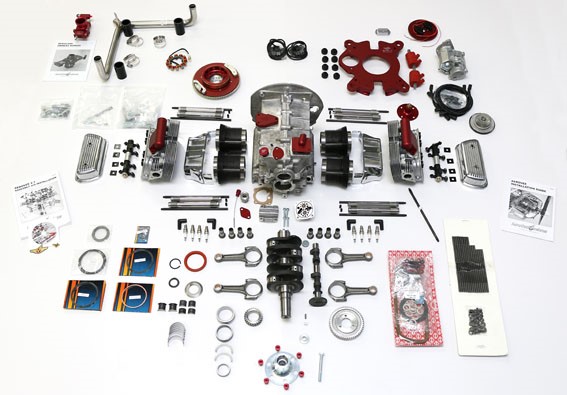
The AeroVee 2.1 is a complete VW Conversion Engine Kit Package, by AeroConversions. The AeroVee 2.1 package is a 2180 cc, 80 hp Aero-Engine that can be run on AvGas or Auto Fuel. All of the supplied components are brand-new, zero-time parts.

The AeroVee comes as a complete kit for self-assembly in approximately 12 hours, with the aid of an AeroVee Assembly and Installation Manual and an instructional DVD. The AeroVee DVD was available for purchase separate from the engine kit for those who wish to preview the project.

The AeroVee features dual ignition, using two spark plugs per cylinder and including four independent, solid-state ignition modules, all driven directly off the crankshaft/flywheel assembly. The AeroConversions secondary electronic ignition provides extremely reliable starting under the toughest conditions, while adding “dual-plus” ignition reliability by completing the AeroVee’s quadruple-redundent ignition system.

The AeroVee engine kit includes the AeroConversions ACV-CO7S (32mm) AeroInjector, providing maximized power and optimized fuel economy in a simple, reliable carburetor design.

AeroVee 2.1 Engine Kit

Features are;
A low-profile design for low-drag and streamlined cowl installations;
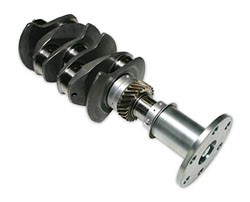
A shrink-fit prop hub with rounded keyway. Prop Hub/Crankshaft Assembly available Pre-Assembled as an optional kit upgrade;

Prop Hub Bolt Pattern

Light-weight aluminum Flywheel incorporates starter gear, 20 Amp alternator, and primary ignition magnet;
3 piece Intake Manifold including billeted aluminum Intake Elbows and stainless steel “V” Tube;
Aftermarket racing core parts, forged and nitrided wherever possible;
Zinc-plated steel parts and hardware for improved corrosion resistance
AeroVee-specific Sky-Tec “Flyweight” geared electric Starter.

Mount Bushings included with AeroVee Engine Kit.

Unit cost: $6,995 (2011)

Gallery

AeroVee 2.1
Type: 4-cylinder air-cooled horizontally opposed aircraft piston engine
Bore: 92mm
Stroke: 82mm
Displacement: 2180cc
Length: 24.25 inches
Width: 30 inches
Height: 21.875 inches
Dry weight: 152 lbs (Equipped with Nikasil Cylinders)
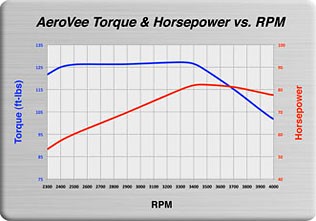
Power output: 80hp @ 3400rpm
Compression ratio: 8.0:1 with Avgas 7.0:1 with autogas

Continuous Horsepower: 80 hp @ 3400 RPM
Bore: 92 mm
Stroke: 82 mm
Displacement: 2180 cc
Compression Ratio: 8.0:1 for AvGas
7.0:1 for Auto Fuel
Oil Capacity: 2.75 US Quarts
Oil Type: SAE Multigrade 20/50 Conventional or Semi-Synthetic:
Firing Order: 1-4-3-2
Spark Plugs: Autolite MP4163 or equivalent
Carburetor: AeroInjector ACV-C07S
Starter: SkyTec Geared Starter
Alternator Output: 20 Amp
Weight: 160 lbs less oil and exhaust
Propeller Drive: 1:1
Prop Bolt Pattern: Qty 6, 5/16″ diameter @ 4″ Center
Prop Drive Bushings: 9/16″ diameter x 7/16″ long
Battery Required: 12v @ 20 Amp
Idle RPM: 700-900
Cruise RPM: 3200 +/- 200
Maximum RPM: 4000
Oil Temp Min: 160 degrees F
Oil Temp Max: 230 degrees F
Oil Pressure Min: 10 psi
Oil Pressure Max: 100 psi
Oil Pressure @ Cruise: 40-50 psi
CHT @ Cruise: 350-375 degrees F
CHT @ Climb (5 min): 420 degrees F
CHT Max: 450 degrees F
EGT Max: 1400 degrees F

Aerocomp Comp Air Jet

This pressurized single-engine jet is all carbon-composite fibre and is powered by 3,400-pound thrust AI-25 jet engine used in the L-39 Albatross and the Yak 40. The cabin (70×68-inches) can be configured in a variety of seating arrangements for up to 8 people. Cabin altitude of 10,000 feet is available at the aircraft’s maximum certified ceiling of 29,900 feet.

Engine: Al25 fanjet
Length: 35ft
Wingspan: 44ft
Wing Area: 297 sq.ft.
Empty Weight: 5900 lb
Gross Weight: 10,900 lb
Cruise: 375 mph
Rate of Climb: 2000 fpm
Stall Speed: 71 mph
Range: 1,270 nm
TO Dist: 2700 ft
Landing Roll: 2000 ft
Fuel Capacity: 450 USG
Seats: 8
Undercarriage: nose or tail
Kit price 2008: US$499,000

Aerocomp Comp Air 11

Engine: Honeywell TPE331-14GR, 1,650 hp @ SL or TPE331-10, 1000 hp @ SL
Prop: McCauley 5 blades constant speed, reversible 114″ diameter
Length: 38ft
Wingspan: 43ft
Height: 14.5ft
Cabin Width: 52in
Cabin Height: 56in
Seating Capacity: 6
Wing Area: 260 sq.ft
Wing Loading: 30 lb/sq.ft.
Aspect Ratio: 6
Cruise: 360 ktas
Stall Speed: 75 kts
Empty Weight: 4,400 lb
Gross Weight: 7,800 lb
Useful Load: 3,400 lb
Fuel Capacity: 400 USG
Fuel Consumption: 35 USG/hr
Maximum Range: 2,100 nm
ROC Solo: 8,000fpm
ROC Gross: 3,500fpm
G Loading: +4.3, -1.5
TO Dis MAUW SL: 900 ft
Ldg Roll (with Beta): 900 ft
Cross Wind Landing: 17 kias

Aerocomp Comp Air 10

Comp Air 10XL

The aircraft is a kit set, amphibious floatplane constructed from composite materials and powered by a Walter tur¬bine. Aerocomp claim that the aircraft can take off in only 250 feet (in 3-4 sec¬onds) with a full fuel load and five peo¬ple on board, climb at 2,000 ft/min and cruise at 160 knots (TAS). One of the air-craft’s more distinguishing features is its twin vertical stabilisers.
This aircraft can seat 8 adults, with room left over for baggage with inside cabin dimensions of 13 feet x 5 feet (9 feet available aft of the front seats). Powered by the 657 shp Walter M601D turboprop, it cruises between 175 and 200 mph TAS (depending on loading, altitude, power setting, etc).
The Comp Air 10 features modern all-composite construction, and is available in tricycle, tailwheel, or float configuration. Numerous options are available to custom-tailor this airplane to your own specifications.

Engine: Walter M601D, 657 hp
TBO: 1500 hr
Wingspan: 36 ft 6 in /11.4m
Length: 31 ft / 9.6m
Height: 8 ft 8 in
Wing area: 242 sq.ft.
Wing loading: 21.6 lb/sq.ft.
Pwr loading: 7.9-9.1 lb/hp.
MAUW: 5200-6000 lb
Empty wt: 2750-3150 lb
Useful load: 2450-3000 lb
Payload full fuel: 1300-2000 lb
Useable fuel: 120-180 USG
Undercarriage: Nose or tail
Wheel track: 110 in
Wheel size: 8.00×6
Seats: 8
Cabin doors: 3
Cabin width: 60 in
Cabin height: 53 in
Baggage cap: 300 lb
Prop: Avia CS. FR.
65% cruise: 175 mph
75% cruise: 192 mph
Range 65% cruise no res: 795 sm
Range 75% cruise no res: 672 sm
Fuel burn 65%:33 USG/hr
Fuel burn 75%:38 USG/hr
Endurance (30min res): 3.7 hr
Stall clean: 51-61 kts
Stall flaps: 46-54 kts
ROC: 800-2000 fpm
TO Ground roll: 250-500 ft
Landing ground roll: 700 ft

Aerocomp Comp Air 9

Engine: Honeywell TPE331-10 or TPE331-12, 1,000 hp @ sea level
TBO: 5400 hrs
Prop: Hartzell 4 blade 98in Constant Speed, reversible
Length: 38ft
Wingspan: 43ft
Height: 14ft
Cabin Width: 52in
Cabin Height: 51in
Seating Capacity: 6
Cabin Volume: 150 cu.ft.
Baggage Volume: 37 cu.ft.
Wing Area: 260 sq.ft
Wing Loading: 29 lbs./sq.ft. @ gross
Aspect Ratio: 6
Max Cruise: 250 ktas @ gross
Economy Cruise MTOW: 220 ktas
Stall Speed: 58 ktas. @ gross
Empty Weight: 4,300 lb
Gross Weight: 7,700 lb
Useful Load: 3,400 lb
Fuel Capacity: 300 USG.
Fuel Consumption: 40 USG/hr
Maximum Range: 1,500 nm
Rate of Climb Solo: 4,000fpm
Rate of Climb Gross: 2,800fpm
G Loading: +4.3, -1.5
TO Dist SL MAUW: 750 ft.
Landing Roll: 750 ft. (with Beta)
Cross Wind Landing: 17 kias.

Aerocomp Comp Air 8

Tapered wings for faster cruise are included as a standard feature on the Comp Air 8. The CA8 is intended as a high performance, fast-flying load-carrying utility airplane and, like all of Comp Air’s unique airplanes, optional floats are available for the Comp Air 8 Turbine.
The Comp Air 8 has 100% mass-balanced controls for high cruise speeds, has as standard specially reinforced (carbon fiber) over-size tail surfaces for stability and control, includes an aerodynamically efficient and optically corrected windshield, and includes flush-mounted landing gear and flush-fit thermopane doors. Total fuel capacity is determined by the builder, who has the option of installing fuel tanks capable of carrying up to 180 US gallons.
Owners have a useable range of 500 to 700 miles (with reserves), while carrying up to 6 adults at speeds over 200 mph. Optional 5200 lb or 5600 lb gross weight reinforcements are available. Tapered wings for faster cruise are included as a standard feature on the Comp Air 8.

Engine: Walter M 601D Turboprop, 657 eshp
Propeller: AVIA 3-blade, constant speed, feathering, with reverse
Wing Span: 33 ft
Length: 31 ft 6 in
Wing area: 237 sq.ft
Height: 9 ft
Fuel Capacity: 150 USG
Fuel Burn cruise: 35-37 gph Jet A
Gross Weight: 4800 lb
Gross option: 5200-5600 lbs.
Empty Weight: 2800-3100 lbs.
Useful Load: 2000 to 2500 lb
Seats: 6+2
Never Exceed (VNE): 229 mph IAS
Cruise altitude: 17,000 to 21,000 ft
Cruise speed at alt: 225 to 250 mph TAS
Range (with res): 500-700 miles
Takeoff Roll: 400-600 ft
Climb Rate: 1500-3000 fpm
Vso: 45-55 mph IAS
Cabin Width: 46 in (47.5-52in optional)

CA8SS52
Cruise 18,000 ft: 225-250mph TAS
Useful load: 2000-2500 lb
Climb rate: 1500-3000 fpm
Seats: 8