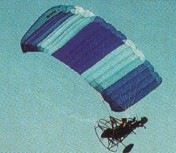
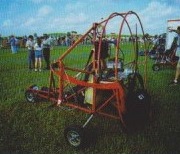
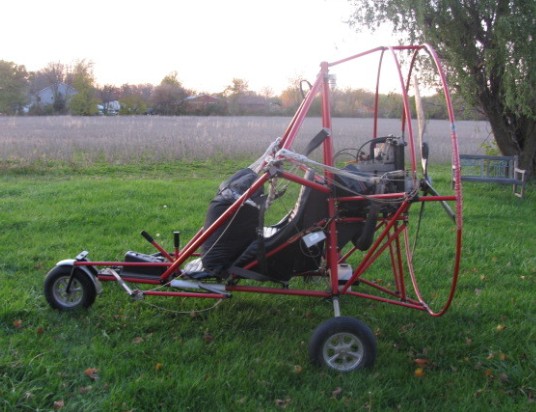
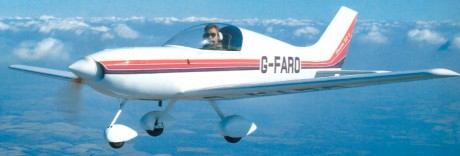
Manufactured in the US, the Dream Machine first flew in 1991. Options included the Rotax 503, instruments and instrument pod. The parachute is 1.1 oz ripstop nylon. Designed by Jack McCormack, the Buckeye is built from dural tubes bolted together.
It was offered as a single or two seater with various Rotax engines.
Dream Machine 503
The 1998 kit included the engine and propeller for US$13,429.08.
Dream Machine 582
Dream Machine 582 Engine: Rotax 582, 66 hp. Speed max: 30 mph. Cruise: 30 mph. Range: 60 sm. ROC: 700 fpm. Take-off dist: 150 ft. Landing dist: 100 ft. Service ceiling: 10,500 ft. Fuel cap: 6 USG. Weight empty: 300 lbs. Gross: 700 lbs. Height: 8 ft. Length: 9.43 ft. Wing span: 36.5 ft. Wing area: 500 sq.ft. Seats: 2. Landing gear: nose wheel.
Dream Machine 503 Empty weight: 123 kg Wingspan: 11.60 m Wing area: 46.5 sq.m Fuel capacity: 35 lt Engine: Rotax 503 DCDI, 52 hp Seats: 2 Max speed: 52 kph Cruise speed: 44 kph Min speed: 23 kph ROC: 2.5 m/sec Fuel burn: 16 lt/hr Kit price (1998): US$10,881
1995: 16111 Linden Rd, Argos, IN 46501, USA. Markets kits for single- and two-seat aircraft comprising ram-air parachute and powered trike, in Eagle and Dream Machine series.
Spain Offers kits to build the former German Jungmann two-seat aerobatic biplane using original Bucker/CASA Bu 131 jigs, plus Jungmeister single-seat aerobatic biplane.
The Freedom 28 won Grand Champion Reserve at Oshkosh 1986 and was still available in 1996. The airframe is all aluminium sheet metal with a steel undercarriage.
Top speed: 86 mph Cruise: 76 mph Stall: 27 mph Range: 138 sm Rate of climb: 950 fpm Takeoff dist: 150 ft Landing dist: 150 ft Service ceiling: 20,500 ft Engine: Hirth 2702, 40 hp HP range: 28-42 hp Fuel capacity: 5 USG Empty weight: 310 lb Gross weight: 560 lb Height: 6 ft Length: 18 ft Wing span: 28 ft Wing area: 112 sq.ft Seats: 1 Landing gear: tailwheel
1996: 475 E. 900 S., MS 67, Salt Lake City, UT 84111, USA Offers plans and partial kits to construct Freedom 40 single-seat cabin monoplane, and kits to construct Freedom Sport Utility four-seat STOL utility monoplane.
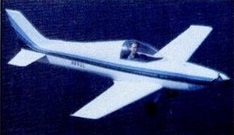
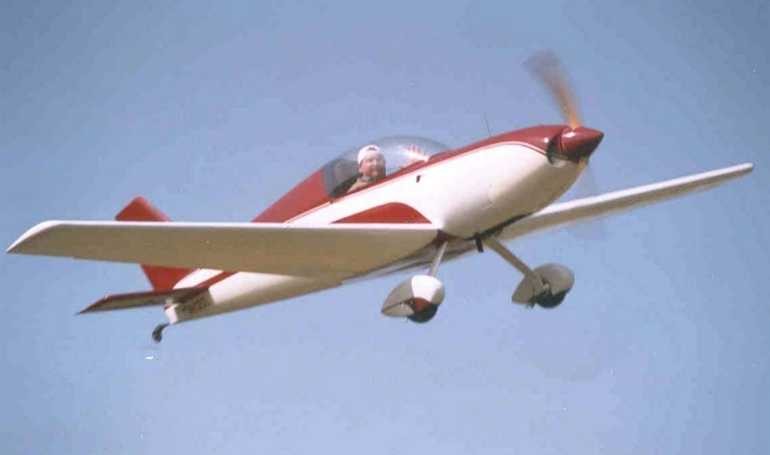
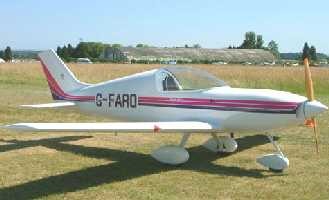
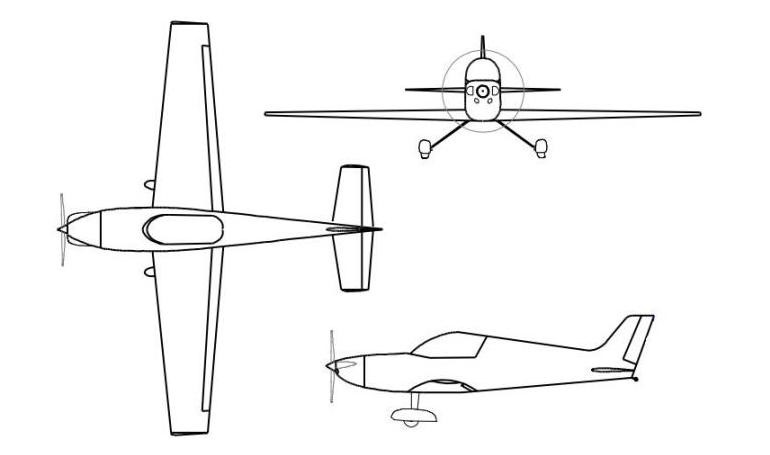
Mark Brown created this aircraft in the early 1980s. First flying on 17 May 1983, the original Star-Lite weighed 195 lb and achieved 110 mph with 20 hp. The 1983 price was $4000. Thirty-five were flying by February 1988.
One small single place machine providing 150 knot cruise on only 40hp caused minor sensation amongst would be constructors when it appeared in the marketplace around 1985. The Starlite was conceived by design engineer and computer buff Mark Brown as a sleek, easy to build runabout. Marketed in kit form, the package was complete with everything required with one exception, the trim colour, which the designer reasoned would remain the choice of the individual constructor.
Having grabbed everyone’s attention, the next from the Brown stable was the ¬two place Pulsar. Using a similar form of construction as the Starlite, the Pulsar has undergone extensive flight testing in preparation for release in kit form.
Built up from premoulded sandwich composite parts made of pre-pregnated fibreglass surrounding a structural foam core, the Pulsar fuselage halves come as moulded units epoxied together at joints consisting of internal flanges; no wet lay ups are required. Parts are simply taped together as the epoxy glue cures, then the tape is removed. Composite sandwich bulkheads are cut to shape, using full size templates, by the builder and are attached by fibreglass tapes and epoxy filler. Three bulkheads support the wings, seats and undercarriage. Construction simplicity is a feature of Mark Brown’s designs. Wing construction differs considerably from that of the fuselage, being substantially from wood. The mainspar, machined from aircraft spruce, has factory laminated tapered unidirectional fibreglass spar caps both top and bottom to reduce inboard bending. One inch thick, pre-cut, foam ribs are spaced eight inches apart and one sixteenth inch thick plywood is wrapped around and bonded to the structure to form the aerofoil. Each spar extends inboard and overlap inside the fuselage, pinned together and to the fuselage with five-eights shear pins, glider style. The tailplane is likewise removable, providing a road transportable/ confined storage aircraft. Modern epoxy adhesives and new flexible polyurethane finishes virtually eliminate the main disadvantages of wood built aircraft and, properly protected from moisture, the designer claims that the Pulsar will survive as long as full composite and aluminium counterparts.
Preliminary flight tests of the Pulsar, powered by a water cooled two stroke 64 hp Rotax 532, have demonstrated encouraging performance figures and fuel economy.
SL-1 Star-Lite Wing Span: 6.5 m Length: 5 m Height: 1.2 m MTOW: 200 kg Fuel Capacity: 19 ltr Maximum Speed: 104 kts Optimum Speed: 87 kts Take Off Distance: 244 m Landing Distance: 305 m Absolute Ceiling: 13,000 ft Optimum Ceiling: 10,000 ft Maximum Range: 340 NM Maximum Climb Rate: 800 ft/min Seats: 1
Ray Broome designed and built two ultralight aircraft in the late 1980s early 1990s based on the Resurgam parameters.
Number one was completed in 1987 as a landplane with a tricycle undercarriage although it was operated on floats for a time. The fuselage of the first aircraft was built solely from fibreglass. It was sold unregistered in 1991 and reconfigured as a taildragger and was still flying in NSW, Australia, as late as mid-2014.
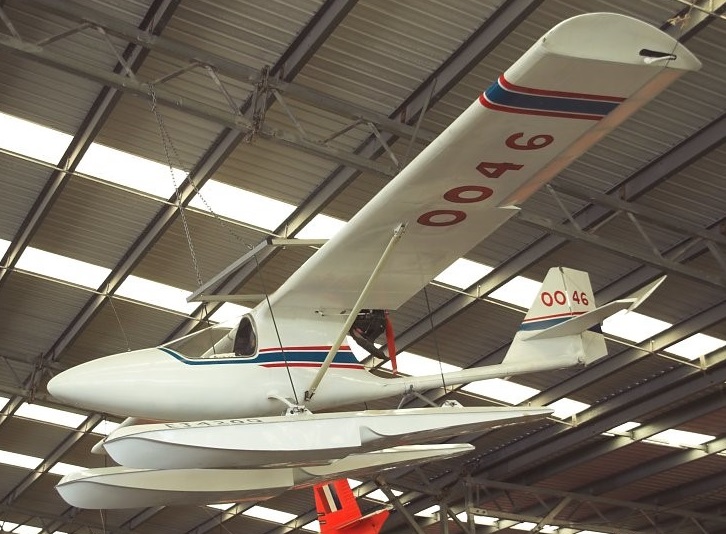
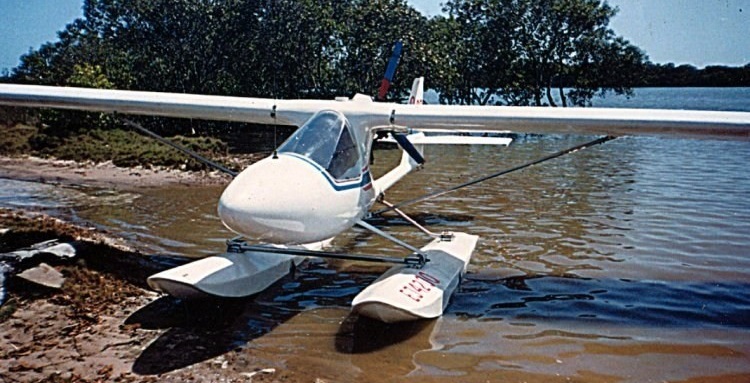
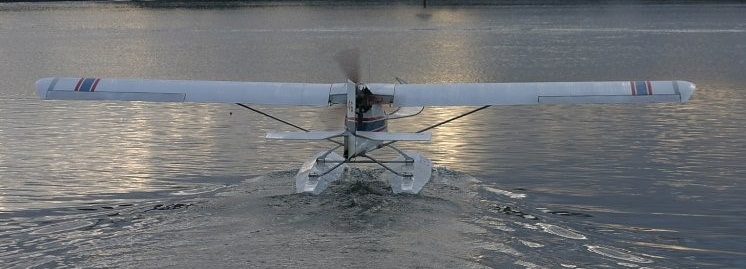
The second aircraft was built in 1992 and took up the registration 10-0046 C/N 2. It was always operated as a floatplane, mostly around the Moreton Bay area until 2008 by which time it had accumulated approximately 330 hours in service.
The fuselages of both aircraft were built on a mould taken from the front section of a damaged Club Libelle glider which inspired the name LeBeau. The composite was 6mm Kevlar foam sandwich. The rear fuselage is an aluminium tube with the tail sections having timber ribs on aluminium spars. The wings similarly have timber ribs with a double sided plywood main spar and plywood nose skin. Wing, rudder and tailplane are covered with Stits aircraft fabric painted in two-pack.
second aircraft
The floats are single skin fibreglass with plywood ribs and sealed flotation chambers. The engine is a 2-stroke, 4-cylinder Konig SD-570, rated at 28hp at 4200 rpm with a toothed belt reduction drive. The propellor is a 3 bladed ground adjustable in pitch. A third nose cone and fuselage was moulded but not taken any further.
second aircraft
The second aircraft was delivered by road to QAM Caloundra by the builder/donor Ray Broome.