Jim Maupin Ltd
1996: 24201 Rowel Ct, Tehachapi, CA 93561, USA.
1998: 24201 Rowel Court, PO Box 4300-37, CA 93561, USA
Builder of light gliders.
Jim Maupin Ltd
1996: 24201 Rowel Ct, Tehachapi, CA 93561, USA.
1998: 24201 Rowel Court, PO Box 4300-37, CA 93561, USA
Builder of light gliders.
In 1981, Maule installed an IO-540-W1A5D out front of the M-5 and began delivering the M-6, also available with EDO floats. Two years later the model would morph into the M-7 and in 1989, the M-8.
M-8-235
Undercarriage: conventional widegear
Produced: 1993-95
Engine: Lyc (I)O 540, 235 hp
TBO: 2000 hr
Prop: C/S
Wingspan: 32’11
Wingtip: Square
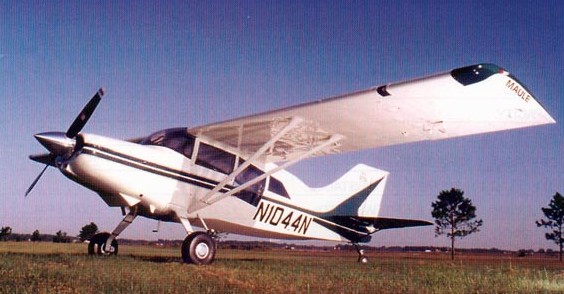
In 1981, Maule installed an IO-540-W1A5D out front of the M-5 and began delivering the M-6, also available with EDO floats. Two years later the model would morph into the M-7 and in 1989, the M-8. In 1991, the company experimented with a turbine Maule, installing an Allison 420 shp 250-B17-C and eventually offered the design in both taildragger and tricycle gear configurations. The family continues to create endless variations and improvements on the original airframe, with the original fuselage jig designed by founder B.D. Maule still in use in 1975.
Maule M-7 / MX-7 / MXT-7 Article
Maule Aircraft have fitted their utility aircraft with Allison 250-B17 engines to create two new models, the M-7 and MX-7. Initial performance estimates include a 196 mph cruise, a partly loaded takeoff distance of 400 feet and a gross weight climb of 3000 feet/minute.
Fuselage: 4130 Chromoly Steel truss structure
Covering: Ceconite (a synthetic fabric) covers the fuselage, tail, and tail control surfaces
Wing, Flap, Aileron: Aluminum Spar, ribs, and skin
Firewall: Stainless Steel
Engine Cowling: Fiberglass
Doors: Steel frame with aluminum skin
Instrument Panel: Aluminum
Aircraft Interior: Fully upholstered – standard vinyl/velour seats and trim, velour headliner
Fuselage and tail structures are powder-coated for corrosion resistance.
Wing lift struts are sealed and internally coated with oil.
Wings, flaps, and ailerons are primed inside and out for corrosion resistance.
Urethane primer and finish paint used to provide long-lasting beauty, protection, and flexibility for the Ceconite covering.
Optional Stainless Steel Kit – This kit provides SS bolts where approved. SS turnbuckles for elevator (Ref. SL#55), SS clevis pins for control surfaces
M-7-235C
Engine: Lycoming IO-540-WIA5, 235 hp
TBO: 2000 hr
Propeller: Const. spd.
Wing Span: 32 ft 11 in
Wing Area: 165.6 sq ft
Length: 23 ft 6 in
Height: 6 ft 4 in
Gross weight: 2500 lb
Empty weight: 1600 lb
Fuel: 73 USgal
Baggage capacity: 250 lb
Landing gear type: Conv./Fixed
Gear Width: 7 ft 10 in
Cruise speed 75% power: 124 kt
Cruise speed 65% power: 116 kt
Max range (w/ reserve) 75% power: 572 nm
Max range (w/ reserve) 65% power: 542 nm
Stall speed (gear, flaps down): 39 kt
Fuel consumption 75% power: 13 USgph
Fuel consumption 65% power:12.5 USgph
Flap Settings: -7, 0, 24, 40, 48 degs
Best Climb Speed: 90 mph
Best rate of climb: 1150 fpm
Service ceiling: 20,000 ft
Seats: 5
Cabin Width Front Seats: 42” shoulder, 37” hips
Cabin Width Pass. Seats: 38” shoulder, 34” hips
Cabin Width Rear Pass Seat: 33” shoulder, 28” hips
Cabin height: 37 in
Takeoff ground roll: 450 ft
Landing ground roll: 550 ft
M-7-260
Wing Span: 32 ft 11 in
Wing Area: 165.6 sq ft
Length: 23 ft 6 in
Height: 6 ft 4 in
Flap Settings: -7, 0, 24, 40, 48 degs
Best Climb Speed: 90 mph
Seats: 5
Cabin Width Front Seats: 42” shoulder, 37” hips
Cabin Width Pass. Seats: 38” shoulder, 34” hips
Cabin Width Rear Pass Seat: 33” shoulder, 28” hips
M-7-260C
Engine: Lycoming IO-540-V4A5, 260 hp
TBO: 2000 hr
Fuel type:100LL
Propeller: 78/79.5 Inch (2 Blade) 78/80 (3 Blade)
Landing Gear Configuration: Spring Gear
Wing Span: 32 ft 11 in
Wing Area: 165.6 sq.ft
Length: 23 ft 6 in
Height: 8 ft 4 in
Wing loading: 9.6 lb/sq. ft
Power loading: 15 lb/hp
Cabin Width Front Seats: 42” shoulder, 37” hips
Cabin Width Pass. Seats: 38” shoulder, 34” hips
Cabin Width Rear Pass Seat: 33” shoulder, 28” hips
Cabin height: 46 in
Cabin doors: 4
Baggage capacity: 170 lb
Seats: 5
Max ramp weight: 2500 lb
Gross Weight: 2500 Pounds
Landing weight: 2500 lb
Empty Weight: 1671 Pounds
Useful Load: 829 lb
Useful Fuel Capacity: 73 Gal.
Stall Speed (Full Flaps/1 Person/ 1/2 Fuel: 40 mph.
Rate Of Climb (1 Person/ 1/2 Fuel): 2000 fpm
Land at Gross Over 50′ Obstacle: 500 Feet
Best Climb Speed: 90 Mph.
Service Ceiling: 20,000 Feet
Fuel consumption 75% power: 15.0 USgph
Fuel consumption 65% power: 13.5 USgph
Range, Max (30 Minute Reserve): 782 Miles
Cruise (75% Power at Opt. Alt.): 166 Mph.
Landing gear type: Fixed/Conv
Wheel base: 7 ft 10 in
Wheel track: 15.8 ft
Wheel size, std: 7.00 x 6 in
Flap Settings: -7, 0, 24, 40, 48 degs
Takeoff ground roll: 250 ft
Takeoff over 50-ft. obstacle: 600 ft
Landing ground roll: 300 ft
Landing over 50-ft. obstacle: 500 ft
M-7-420
Wing Span: 32 ft 11 in
Wing Area: 165.6 sq ft
Length: 23 ft 6 in
Height: 6 ft 4 in
Flap Settings: -7, 0, 24, 40, 48 degs
Best Climb Speed: 90 mph
Seats: 5
Cabin Width Front Seats: 42” shoulder, 37” hips
Cabin Width Pass. Seats: 38” shoulder, 34” hips
Cabin Width Rear Pass Seat: 33” shoulder, 28” hips
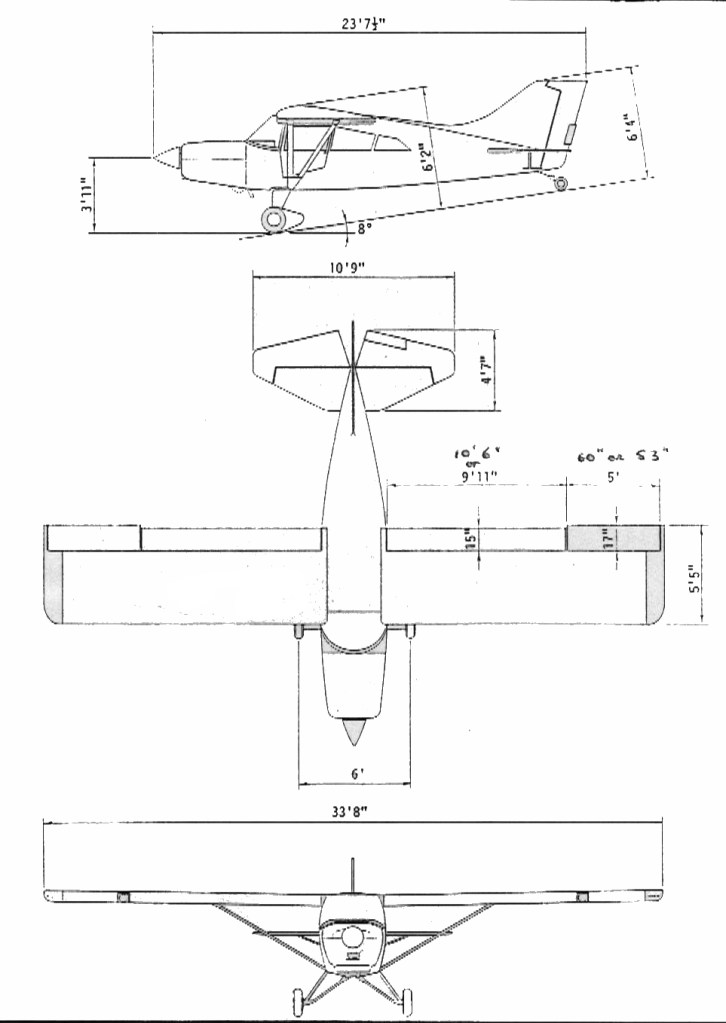
M-7-420AC
Wing Span: 33 ft 8 in
Wing Area: 169.2 sq ft
Length: 24 ft
Height: 6 ft 4 in
Gear Width: 7 ft 10 in
Flap Settings: -7, 0, 24, 40, 48 degs
Best Climb Speed: 90 mph
Seats: 5
Cabin Width Front Seats: 42” shoulder, 37” hips
Cabin Width Pass. Seats: 38” shoulder, 34” hips
Cabin Width Rear Pass Seat: 33” shoulder, 28” hips
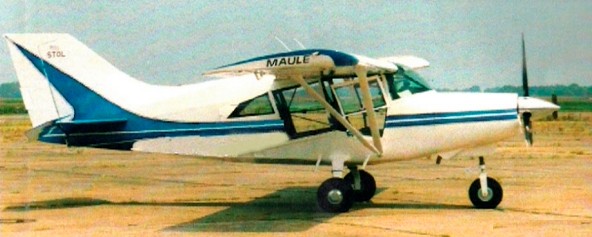
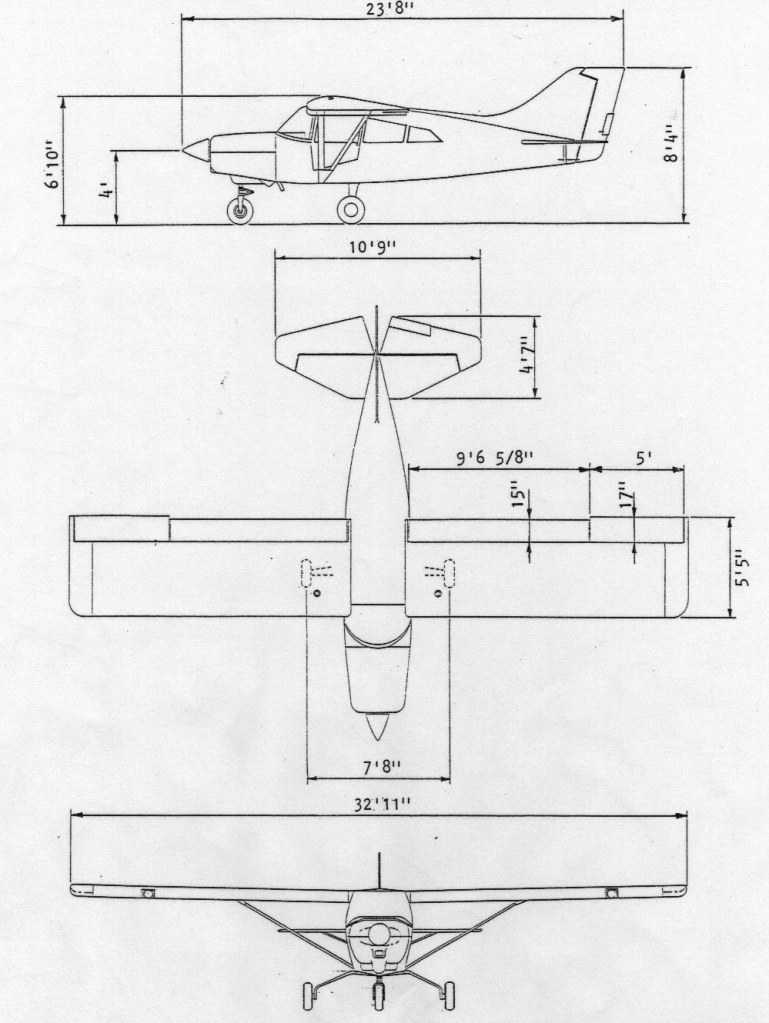
MT-7-235
Engine: Lycoming IO-540-W1A5D
Landing Gear Configuration: TriGear
Wing Span: 32 ft 11 in
Wing Area: 165.6 sq.ft
Length: 23 ft 6 in
Height: 8 ft 4 in
Cabin Width Front Seats: 42” shoulder, 37” hips
Cabin Width Pass. Seats: 38” shoulder, 34” hips
Cabin Width Rear Pass Seat: 33” shoulder, 28” hips
Seats: 5
Gross Weight: 2500 Pounds
Empty Weight: 1625 Pounds
Useful Load: 875 Pounds
Fuel Capacity: 70 Gal.
Stall Speed (Full Flaps/1 Person/ 1/2 Fuel: 40 mph.
Take Off (1 Person/ 1/2 Fuel): 200 Feet
Take Off at Gross Over 50′ Obstacle: 600 Feet
Rate Of Climb (1 Person/ 1/2 Fuel): 1700 fpm
Land at Gross Over 50′ Obstacle: 500 Feet
Best Climb Speed: 90 mph
Service Ceiling: 20,000 Feet
Fuel Consumption (65% Power): 12 USGPH
Range, Max (30 Minute Reserve): 850 Miles
Cruise (75% Power at Opt. Alt.): 160 mph.
Gear Width: 7 ft 8 in
Flap Settings: -7, 0, 24, 40 degs
MT-7-260
Engine: Lycoming IO-540-V4A5
Landing Gear Configuration: TriGear
Wing Span: 32 ft 11 in
Wing Area: 165.6 sq.ft
Length: 23 ft 6 in
Height: 8 ft 4 in
Cabin Width Front Seats: 42” shoulder, 37” hips
Cabin Width Pass. Seats: 38” shoulder, 34” hips
Cabin Width Rear Pass Seat: 33” shoulder, 28” hips
Seats: 5
Gross Weight: 2500 Pounds
Fuel Capacity: 73 USGal.
Stall Speed (Full Flaps/1 Person/ 1/2 Fuel: 42 Mph.
Take Off (1 Person/ 1/2 Fuel): 200 Feet
Take Off at Gross Over 50′ Obstacle: 600 Feet
Rate Of Climb (1 Person/ 1/2 Fuel): 1350 FPM (Gross)
Land at Gross Over 50′ Obstacle: 500 Feet
Best Climb Speed: 90 Mph
Service Ceiling: 20,000 Feet
Cruise (75% Power at Opt. Alt.): 167 Mph.
Flap Settings: -7, 0, 24, 40 degs
Best Climb Speed: 90 mph
MT-7-420
Engine: Allison 250-B17
Wing Span: 32 ft 11 in
Wing Area: 165.6 sq ft
Length: 24 ft 6 in
Height: 8 ft 4 in
Landing Gear Configuration: TriGear
Gear Width: 7 ft 8 in
Flap Settings: -7, 0, 24, 40 degs
Best Climb Speed: 90 mph
Seats: 5
Cabin Width Front Seats: 42” shoulder, 37” hips
Cabin Width Pass. Seats: 38” shoulder, 34” hips
Cabin Width Rear Pass Seat: 33” shoulder, 28” hips
Fuel Capacity: 85 US gal
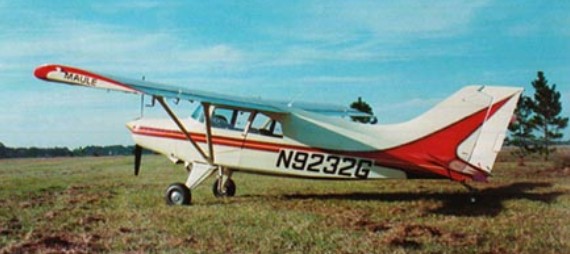
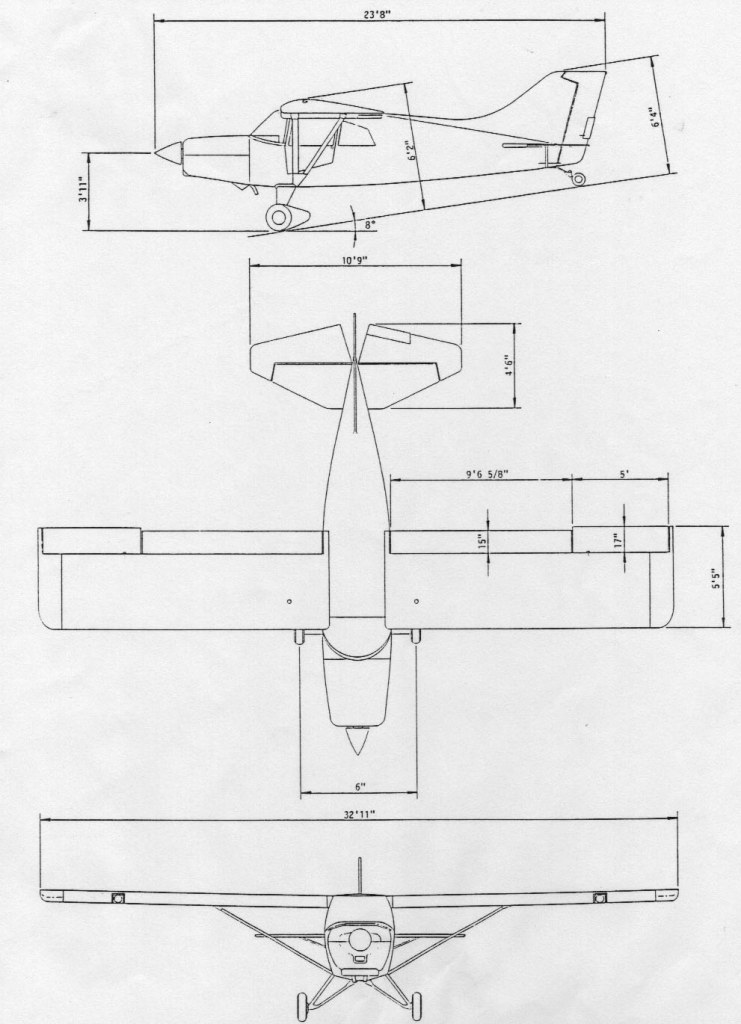
MX-7-160
Engine: Lycoming O-320-B2D
Propeller: Sensenich 74 Inch
Landing Gear Configuration: Oleo Strut Taildragger
Wing Span: 32 ft 11 in
Wing Area: 165.6 sq ft
Length: 23 ft 6 in
Height: 6 ft 4 in
Cabin Width Front Seats: 42” shoulder, 37” hips
Cabin Width Pass. Seats: 38” shoulder, 34” hips
Seats: 4
Gross Weight: 2200 Pounds
Empty Weight: 1330 Pounds
Useful Load: 870 Pounds
Fuel Capacity: 40 Gallons (70 optional)
Stall Speed (Full Flaps/1 Person/ 1/2 Fuel: 40 Mph.
Take Off (1 Person/ 1/2 Fuel): 600 Feet
Take Off at Gross Over 50′ Obstacle: 1180 Feet
Rate Of Climb (1 Person/ 1/2 Fuel): 825 FPM
Land at Gross Over 50′ Obstacle: 500 Feet
Best Climb Speed: 90 Mph.
Service Ceiling: 13,000 Feet
Fuel Consumption (65% Power): 8 USGPH
Range, Max (30 Minute Reserve): 540 Miles
Cruise (75% Power at Opt. Alt.): 135 Mph.
Gear Width: 6 ft
Flap Settings: -7, 0, 24, 40, 48 degs
MX-7-180A
Engine: Lycoming O-360-C1F/-C4F
Propeller: Sensenich 76 Inch
Landing Gear Configuration: Oleo Strut Taildragger
Wing Span: 32 ft 11 in
Wing Area: 165.6 sq ft
Length: 23 ft 6 in
Height: 6 ft 4 in
Cabin Width Front Seats: 42” shoulder, 37” hips
Cabin Width Pass. Seats: 38” shoulder, 34” hips
Seats: 4
Gross Weight: 2400 Pounds
Empty Weight: 1350 Pounds
Useful Load: 1050 Pounds
Fuel Capacity: 40 Gallons (70 optional)
Stall Speed (Full Flaps/1 Person/ 1/2 Fuel: 40 Mph.
Take Off (1 Person/ 1/2 Fuel): 550 Feet
Take Off at Gross Over 50′ Obstacle: 1150 Feet
Rate Of Climb (1 Person/ 1/2 Fuel): 920 FPM
Land at Gross Over 50′ Obstacle: 500 Feet
Best Climb Speed: 90 Mph.
Service Ceiling: 15,000 Feet
Fuel Consumption (65% Power): 9 USGPH
Range, Max (30 Minute Reserve): 500 Miles
Cruise (75% Power at Opt. Alt.): 140 Mph.
Gear Width: 6 ft
Flap Settings: -7, 0, 24, 40, 48 degs
MX-7- 180B
Engine: Lycoming O-360-C1F
Propeller: Sensenich 76″
Landing Gear Configuration: Oleo Strut Taildragger
Wing Span: 32 ft 11 in
Wing Area: 165.6 sq.ft
Length: 23 ft 6 in
Height: 6 ft 4 in
Cabin Width Front Seats: 42” shoulder, 37” hips
Cabin Width Pass. Seats: 38” shoulder, 34” hips
Seats: 4-5
Gross Weight: 2500 Pounds
Empty Weight: 1395 Pounds
Useful Load: 1105 Pounds
Fuel Capacity: 73 USGal.
Stall Speed (Full Flaps/1 Person/ 1/2 Fuel: 40 mph
Take Off (1 Person/ 1/2 Fuel): 300 Feet
Take Off at Gross Over 50′ Obstacle: 600 Feet
Rate Of Climb (1 Person/ 1/2 Fuel): 1200 FPM
Land at Gross Over 50′ Obstacle: 500 Feet
Best Climb Speed: 90 mph.
Service Ceiling: 15,000 Feet
Fuel Consumption (65% Power): 9 USGPH
Range, Max (30 Minute Reserve): 1095 Miles
Cruise (75% Power at Opt. Alt.): 145 Mph.
Gear Width: 6 ft
Flap Settings: -7, 0, 24, 40, 48 degs
MX-7-180AC
Wing Span: 32 ft 11 in
Wing Area: 165.6 sq ft
Length: 23 ft 6 in
Height: 6 ft 4 in
Gear Width: 7 ft 10 in
Flap Settings: -7, 0, 24, 40, 48 degs
Best Climb Speed: 90 mph
Seats: 4
Cabin Width Front Seats: 42” shoulder, 37” hips
Cabin Width Pass. Seats: 38” shoulder, 34” hips
MX-7-180C
Engine: Lycoming: O-360-C1F
Propeller: 76 Inch
Landing Gear Configuration: Spring Gear
Wing Span: 32 ft 11 in
Wing Area: 165.6 sq ft
Length: 23 ft 6 in
Height: 6 ft 4 in
Cabin Width Front Seats: 42” shoulder, 37” hips
Cabin Width Pass. Seats: 38” shoulder, 34” hips
Configuration: 4-5
Gross Weight: 2500 Pounds
Empty Weight: 1500 Pounds
Useful Load: 1000 Pounds
Fuel Capacity: 73 Gal.
Stall Speed (Full Flaps/1 Person/ 1/2 Fuel: 40 Mph.
Rate Of Climb (1 Person/ 1/2 Fuel): 1200 FPM
Land at Gross Over 50′ Obstacle: 500 Feet
Best Climb Speed: 90 Mph.
Service Ceiling: 15,000 Feet
Fuel Consumption (65% Power): 9 GPH
Range, Max (30 Minute Reserve): 1095 Miles
Cruise (75% Power at Opt. Alt.): 145 Mph.
Gear Width: 7 ft 10 in
Flap Settings: -7, 0, 24, 40, 48 degs
M-7-235
Engine: 235-hp Lycoming O-540-J3A5
Seat 4-5
Gross wt. 2,500 lb
Empty wt. 1,500 lb
Fuel capacity 40-70 USG
Cruise 148 kts
Stall 40 kts
Initial climb rate 1,350 fpm
Range 478 miles
Ceiling 20,000 ft
Takeoff distance (50′) 600 ft
Landing distance (50′) 600 ft
MX-7-235B
Wing Span: 32 ft 11 in
Wing Area: 165.6 sq ft
Length: 23 ft 6 in
Height: 6 ft 4 in
Gear Width: 6 ft
Flap Settings: -7, 0, 24, 40, 48 degs
Best Climb Speed: 90 mph
Seats: 4
Cabin Width Front Seats: 42” shoulder, 37” hips
Cabin Width Pass. Seats: 38” shoulder, 34” hips
M-7-235C
Engine: Lycoming: O-540-J3A5, O-540-B4B5, IO-540-W1A5
Propeller: 81/80 Inch (2/3 Blade)
Landing Gear Configuration: Spring Gear
Wing Span: 32.9 Feet
Wing Area: 165.6 Square Feet
Length: 23.5 Feet
Height: 6.3 Feet
Cabin Width: 42 Inches
Configuration: 5 Place
Gross Weight: 2500 Pounds
Empty Weight: 1600 Pounds
Useful Load: 900 Pounds
Fuel Capacity: 73 Gal.
Stall Speed (Full Flaps/1 Person/ 1/2 Fuel: 40 Mph.
Rate Of Climb (1 Person/ 1/2 Fuel): 1800 FPM
Land at Gross Over 50′ Obstacle: 500 Feet
Best Climb Speed: 90 Mph.
Service Ceiling: 20,000 Feet
Fuel Consumption (65% Power): 11 (IO) USGPH / 12 (O) USGPH
Range, Max (30 Minute Reserve): 935 Miles
Cruise (75% Power at Opt. Alt.): 160 Mph.
Gear Width: 6 ft
Flap Settings: -7, 0, 24, 40, 48 degs
MX-7-260
Wing Span: 32 ft 11 in
Wing Area: 165.6 sq ft
Length: 23 ft 6 in
Height: 6 ft 4 in
Gear Width: 7 ft 8 in
Flap Settings: -7, 0, 24, 40, 48 degs
Best Climb Speed: 90 mph
Seats: 4
Cabin Width Front Seats: 42” shoulder, 37” hips
Cabin Width Pass. Seats: 38” shoulder, 34” hips
M-7-420AC
Engine 420-shp Allison 250-B17-C turbine
Seat 5
Gross wt. 2,500 lb
Empty wt. 1,570 lb
Fuel capacity 85 USG
Cruise 168 kts
Stall 50 kts
Initial climb rate 2,800 fpm
Ceiling 20,000 ft
Takeoff distance (50′) 600 ft
Landing distance (50′) 500 ft
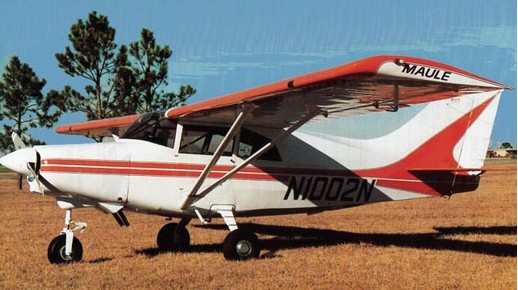
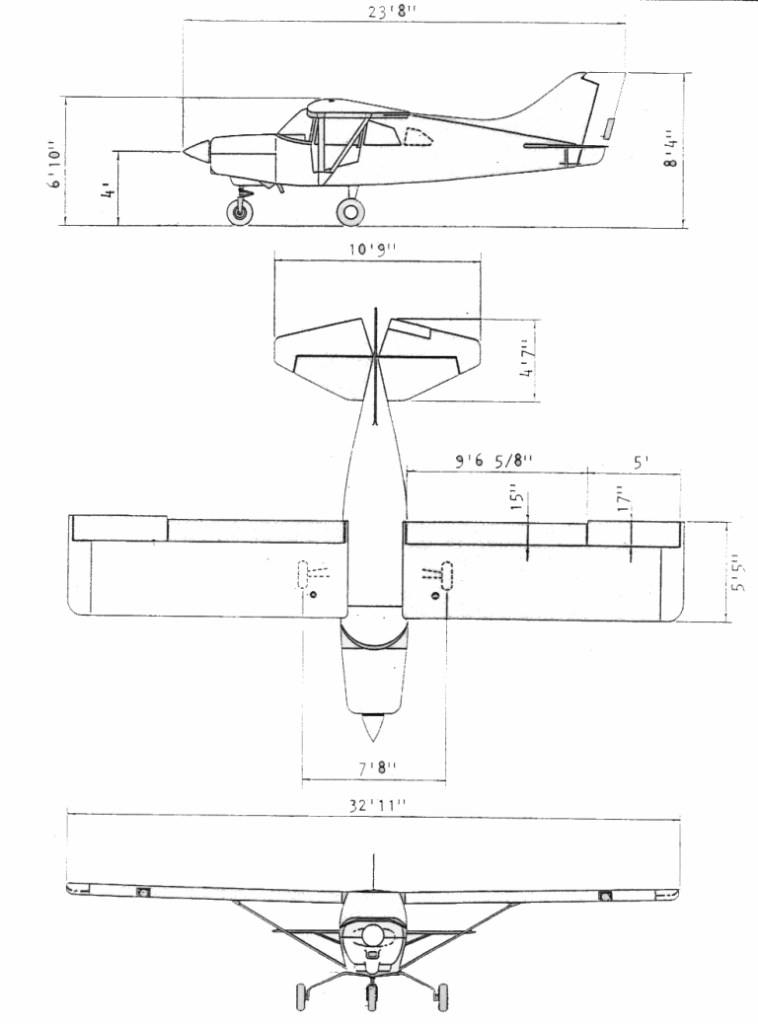
MXT-7-160
Engine: Lycoming O-320-B2D
Propeller: Sensenich 74 Inch
Landing Gear Configuration: TriGear
Wing Span: 32 ft 11 in
Wing Area: 165.6 sq ft
Length: 23 ft 6 in
Height: 8 ft 4 in
Cabin Width Front Seats: 42” shoulder, 37” hips
Cabin Width Pass. Seats: 38” shoulder, 34” hips
Seats: 4
Gross Weight: 2200 Pounds
Empty Weight: 1430 Pounds
Useful Load: 770 Pounds
Fuel Capacity: 43 USGallons (73 optional)
Stall Speed (Full Flaps/1 Person/ 1/2 Fuel: 40 Mph.
Take Off (1 Person/ 1/2 Fuel): 600 Feet
Take Off at Gross Over 50′ Obstacle: 1180 Feet
Rate Of Climb (1 Person/ 1/2 Fuel): 825 FPM
Land at Gross Over 50′ Obstacle: 500 Feet
Best Climb Speed 90 Mph.
Service Ceiling: 13,000 Feet
Fuel Consumption (65% Power): 8 USGPH
Range, Max (30 Minute Reserve): 585 Miles
Cruise (75% Power at Opt. Alt.): 130 Mph.
Gear Width: 7 ft 8 in
Flap Settings: -7, 0, 24, 40 degs
MXT-7-180
Engine: Lycoming O-360-C1F
Propeller: Sensenich 76″
Landing Gear Configuration: TriGear
Wing Span: 32 ft 11 in
Wing Area: 165.6 sq.ft
Length: 23 ft 6 in
Height: 8 ft 4 in
Cabin Width Front Seats: 42” shoulder, 37” hips
Cabin Width Pass. Seats: 38” shoulder, 34” hips
Seats: 4-5
Gross Weight: 2500 Pounds
Empty Weight: 1410 Pounds
Useful Load: 1090 Pounds
Fuel Capacity: 73 USGal.
Stall Speed (Full Flaps/1 Person/ 1/2 Fuel: 40 Mph.
Take Off (1 Person/ 1/2 Fuel): 300 Feet
Take Off at Gross Over 50′ Obstacle: 600 Feet
Rate Of Climb (1 Person/ 1/2 Fuel): 1200 FPM
Land at Gross Over 50′ Obstacle: 500 Feet
Best Climb Speed: 90 Mph.
Service Ceiling: 15,000 Feet
Fuel Consumption (65% Power): 9 USGPH
Range, Max (30 Minute Reserve): 1095 Miles
Cruise (75% Power at Opt. Alt.): 140 Mph.
Flap Settings: -7, 0, 24, 40 degs
MXT-7-180A
Engine: Lycoming O-360-C1F/-C4F, 180 hp
TBO: 2000 hr
Fuel type: 100LL
Propeller: Sensenich 76 Inch / 2-blade, CS Hartzell
Wing Span: 32 ft 11 in
Wing Area: 165.6 sq ft
Length: 23 ft 6 in
Height: 8 ft 4 in
Max ramp weight: 2500 lb
Gross weight: 2500 lb
Empty Weight: 1450 Pounds
Landing weight: 1528 lb
Useful load, std: 972 lb
Fuel Capacity: 43 USGallons (73 optional)
Payload, full std. fuel: 534 lb
Wing loading (lbs./sq. ft.): 15.1
Power loading (lbs./hp): 13.9
Cabin Width Front Seats: 42” shoulder, 37” hips
Cabin Width Pass. Seats: 38” shoulder, 34” hips
Seats: 4
Cabin doors: 2
Landing Gear Configuration: TriGear / Fixed
Stall Speed (Full Flaps/1 Person/ 1/2 Fuel: 40 mph / 35 kt
Take Off (1 Person/ 1/2 Fuel): 550 Feet
Take Off at Gross Over 50′ Obstacle: 1150 Feet
Rate Of Climb (1 Person/ 1/2 Fuel): 920 fpm
Land at Gross Over 50′ Obstacle: 500 Feet
Best Climb Speed 90 mph
Service Ceiling: 15,000 Feet
Fuel Consumption (65% Power): 9 USGPH
Fuel Consumption (75% Power): 10.3 USGPH
Range, Max (30 Minute Reserve): 535 Miles
Cruise (75% Power at Opt. Alt.): 135 mph / 126 kt
Gear Width: 7 ft 8 in
Flap Settings: -7, 0, 24, 40 degs
Takeoff ground roll: 300 ft
Takeoff over 50 ft. obstacle: 1100 ft
Landing ground roll: 500 ft
New price: US$173,900
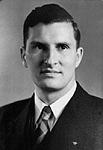
Belford D. Maule, or “B.D.”, as everyone knew him, was born November 4, 1911 in Old Fort, Ohio to farming parents. Not caring much for farm life, he left at the age of 15 to live in Salladasburg, PA. with an uncle and aunt who owned a garage and tea room. There he demonstrated his mechanical ability by building a tractor, and by motorizing an ice cream freezer and an ice saw, among other things.
B.D. joined the Army when he was 18 and was assigned to the 19th Airship Company at Langley Field, Virginia. While working on dirigibles, he found time to design and build his first airplane, a single seat midwing monoplane powered by a Henderson 27 HP motorcycle engine, known as the M-1. Starting with the airplane on floats, and later on wheels at the Salladasburg farm, B.D. taught himself to fly. (Regulations weren’t as strict in those days.)
Following his stint in the Army, B.D. moved back to Pennsylvania and became a family man, marrying June Aderhold in 1934. June and B.D. located in Jersey Shore, Pennsylvania and built their own home there in 1936. Note that Jersey Shore is not only June’s birthplace but is also midway between Lock Haven (Piper Aircraft) and Williamsport (Lycoming Aircraft Engines). This was an area in keeping with B.D.’s interest in aviation. B.D. went to work for Lycoming, and in 1939 designed and built “the Hummer”, a low cost mechanical starter for light aircraft. (Many airplanes did not have electrical systems back then.)
In 1940, the Maule family moved to Jackson, Michigan. Mechanical Products Company was formed to manufacture the Hummer starter (Piper and the Continental Engine Company had shown an interest). In 1941 the B.D. Maule Company was formed in Napoleon, Michigan to build a light aircraft tailwheel which B.D. had designed. The steerable, full-swiveling tailwheel, is still being manufactured by Maule, in an improved form. With the advent of World War II, the starter business waned, and tailwheels were in demand as well as subcontract work to support the war effort.
As a diversion during the latter part of the war, B.D. designed a man-powered glider with flapping wings, known as an ornithopter. He claims to be the first (and is probably the last) person to have successfully flown such a device.
In 1946, B.D. and June purchased a farm near Napoleon, Michigan. With the help of their two oldest children, they converted it to an airport. In the process, they had the dubious honor of leveling a dog race track which had been operated by Al Capone. The airport flourished, being used for flight training during the initial post-war aviation boom.
Maule Aircraft Corporation formed by B. D. Maule at Jackson, Michigan, to manufacture M-4 four-seat light aircraft; production transferred to Moultrie, Georgia, September 1968. The airplane manufacturing business that received its first FAA type certificate in 1961. Prototype flown September 8, 1961, produced as M-4 with 145 hp Continental engine, as M-4 Rocket with 210 hp Continental. M-4 Strata-Rocket with Franklin engine led to M-5-220C Lunar Rocket, flown 1 November 1971, while M-4 Rocket became M-5-210C; M-5- 235 with 235 hp Lycoming 0-540 engine also built. Current name Maule Air Inc., offering large range of four- and five-seat lightplanes for recreational and business uses in the M-7, MT-7 and MXT-7 series. Over 2,000 Maule aircraft built since 1961.
The Maules are built on the Air Force’s abandoned Spence Air Base, just east of Moultrie, Georgia. They had been building airplanes for years in Jackson, Michigan, when in 1972, a particularly severe winter convinced them to seek a warmer haven. Moultrie was looking for industry. The first production model, known as the Jetasen M-4 was delivered in April 1962. Then, as now, all Maules are constructed in Moutrie, Georgia.
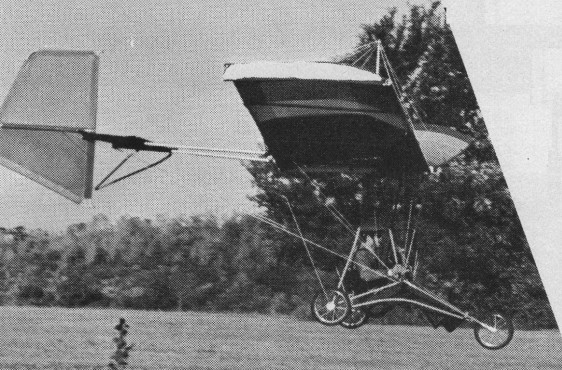
A monowing using weight shift and rudder control. The separate rudder is all flying and there are no ailerons, spoilers or wing warping to achieve roll. Construction is of aluminum tubing covered with dacron on the wings and tail surfaces. Power is a Yamaha mounted in pusher position forward of the wing. A 2:1 reduction unit turns a two-blade, wooden Ritz propeller. Fuel is carried in a plastic tank mounted above the wing. LANDING GEAR: Tricycle type shock mounted with spring action and a bicycle squeeze-type brake. The main and nose wheels are 16 inches in diameter.
In 1981 the complete MAC LST 400 sold for US$2995.
All MAC ultralites convert to floats in minutes. Mac un-breakable floats retailed for $495.00 and fit any ultralite
that has a main gear axle.
Each MAC. LST 400 series aircraft is built with 90% straight tubing joined with special fittings to allow faster assembly time, easier parts replacement and lower cost all around. Replacement parts consist of one straight tube to be cut and drilled to size. Special features are a spring shock system, sturdy all round construction. Simple engine mounting, quick folding for storage, all bags and covers included.
The MAC. MU-200 series is a sturdy constructed aircraft that has rear axle shock system, fashionable design with all the features of the 400 series. The MU-200 comes with or without the droop tips. The MU is fun, easy to fly and economic to own and operate.
The MAC. LST-300 series three axis control ultralight, everything before this was just a prototype. All the best features, design and prices. Conventional aircraft looks and operation. Just what the conventional pilot has been waiting for. A one place aircraft anyone can afford to fly. Electric start available in 40 H.P. models.
MAC
Wingspan, 32 ft
Wing area, 16.7 sq.ft
Aspect ratio, 7.1
Overall length, 16 ft
Empty weight, 165 lb
Usable payload (include fuel), 300 lb
L/D power-off glide ratio, 7:1
Cruise speed (85% power), 32 mph
Stall speed, 16 mph
Approach speed, 16 mph
Flair speed, 10 mph
Liftoff speed, 18 mph
Takeoff roll distance, 100 ft
Rate of climb, 300 fpm
Fuel capacity, 3 Usgal
Range at cruise, 75-100 mi
Engine displacement, 100cc, 15 hp
Static thrust, 120 lbs.
MU-215
15 hp
Cruise speed: 35-45 mph
Stall speed: 17-19 mph
Take off: 18-22 mph
Take off: 50-100 feet
Landing roll: 25-50 feet
Climb: 300-350 fpm
MU-230
30 hp
Cruise speed: 35-55 mph
Stall speed: 17-19 mph
Take off: 18-25 mph
Take off: 30-75 feet
Landing roll: 30-60 feet
Climb: 650-750 fpm
MU-240
40 hp
Cruise speed: 40-60 mph
Stall speed: 18-20 mph
Take off: 18-30 mph
Take off: 30-75 feet
Landing roll: 30-75 feet
Climb: 750 fpm
LST-315
15 hp
Cruise speed: 35-45 mph
Stall speed: 17-19 mph
Take off: 18-22 mph
Take off: 50-100 feet
Landing roll: 25-50 feet
Climb: 300-350 fpm
LST-330
30 hp
Cruise speed: 35-55 mph
Stall speed: 17-19 mph
Take off: 18-25 mph
Take off: 30-75 feet
Landing roll: 30-60 feet
Climb: 650-750 fpm
LST-340
40 hp
Cruise speed: 40-60 mph
Stall speed: 18-20 mph
Take off: 18-30 mph
Take off: 30-75 feet
Landing roll: 30-75 feet
Climb: 750 fpm
LST-415
15 hp
Cruise speed: 35-45 mph
Stall speed: 17-19 mph
Take off: 18-22 mph
Take off: 50-100 feet
Landing roll: 25-50 feet
Climb: 300-350 fpm
LST-430
30 hp
Cruise speed: 35-55 mph
Stall speed: 17-19 mph
Take off: 18-25 mph
Take off: 30-75 feet
Landing roll: 30-60 feet
Climb: 650-750 fpm
LST-440
40 hp
Cruise speed: 40-60 mph
Stall speed: 18-20 mph
Take off: 18-30 mph
Take off: 30-75 feet
Landing roll: 30-75 feet
Climb: 750 fpm
1981-2: 113 Sunrise Court, Ozawkie, KS 66070, USA.
Built the MAC UL
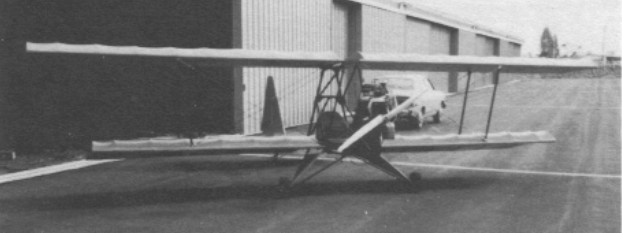
Single seat single engined biplane with three ¬axis control. Wings have unswept leading and trailing edges, and constant chord; conven¬tional tail. Wings braced by struts and transverse X cables; wing profile double ¬surface. Undercarriage has three wheels in tail dragger formation. Tailwheel steering. Aluminium tube framework. Engine mounted between wings driving tractor propeller.
Like the CCC, the PUP from Lyle Mathews is only sold as a set of plans. The PUP (Perfect Ultralight Plane) is a single seater biplane with its lower wing of shorter span than the top. The top wing is supported by a tubular framework which forms the cockpit and also acts as the mount for the tractor engine fitted in the nose of the PUP and on which the two triangular main¬ gear legs are mounted. The wings are sup¬ported by interwing struts and flying and landing wires in an X configuration, in the tradition of the old biplanes. The convention¬al tail and the steerable tail wheel are carried on a rectangular section, aluminium spar of 1 x 3 inch (25 x 76 mm). For simplicity the PUP has a metal structure built with gussets and pop rivets. The prototype formed its first flight at the beginning of 1983 using a Lloyd 22hp engine which Lyle Mathews then re¬placed with a Kawasaki TA440.
Plans cost $15 in the US and Canada, $20 elsewhere in 1982.
Engine: Kawasaki TA440, 38.5 hp
Propeller diameter and pitch 54 x 30 inch, 1.37 x 0.76 m
Power per unit area 0.26 hp/sq.ft, 2.9 hp/sq.m
Empty weight 248 lb, 112kg
Max take off weight 450 lb, 204kg
Payload 202 lb, 92kg
Wing span 24.0ft, 7.31 m
Constant chord 5.0 ft, 1.52 m
Sweepback 0 degs
Total wing area 143 sq.ft, 13.3 sq.m
Max wing loading 3.15 lb/sq.ft, 15.3 kg/sq.m
Max power loading 11.7 lb/hp, 5.3kg/hp
Cruising speed 40mph, 64kph
Stalling speed 28mph, 45 kph
Max climb rate at sea level 600 ft/min, 3.0 m/s.
Single seat single engined high wing mono¬plane. Wing has unswept leading and trailing edges, and constant chord; cruciforin tail. Undercarriage has three wheels in tricycle formation. Aluminium tube framework. En¬gine mounted below wing driving pusher propeller. Other details depend on builder’s specifications.
Lyle Mathews sells sets of plans of ultralights for homebuilders and this machine which he has designed himself leaves the choice of weight¬shift, hybrid or conventional control system to the constructor, depending on how he or she builds the control surfaces. Lyle Mathews’ CCC (Cross Country Cruiser) can be described as a high wing monoplane with a rectangular wing form and a cruciform tail with tricycle undercarriage; it uses ‘tradition¬al’ tube and fabric construction. It is intended to receive 15 to 30 hp range engines in pusher configuration, mounted on the rear tubes of the pilot frame. The plans are sold in the USA and Canada for $15 and in other countries for $20 in 1982. The data for each CCC depend on how the constructor has chosen to build the aircraft.
Engine: Lloyd, 22 hp
Wing span 34.0ft, 10.36m
Constant chord 5.0 ft, 1.52 m
Sweepback 0 degs
Total wing area 165 sq.ft, 15.3 sq.m
Wing aspect ratio 7.0/1
Empty weight 1691b, 77kg
Max level speed 52 mph, 83 kph
Cruising speed 35 mph, 56 kph
Stalling speed 22 mph, 35 kph
Max climb rate at sea level 350 ft/min, 1.7 m/s
Take off distance 90 ft, 27 m.
1982: Lyle Mathews, PO Box 3204, Mesa, Arizona 85205, USA.
Built the Mathews CCC and Pup LSA
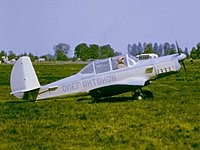
The aircraft is named Oleg Antonov in honour of the (now) Ukrainian designer.
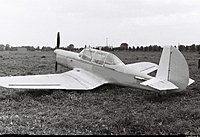
Completed in 1985 by L.F. Matenyak, the engine is a 105hp Walter Mikron-4.

