Northrop

In 1916, while working for the Loughead Aircraft Company (later Lockheed), he co-invented a process for making monoplane fuselages and helped design the F-1 flying boat. He became chief engineer at Lockheed in 1927 and built the Vega monoplane. With the help of designer Jack Northrop, Lockheed built the F1, but it was turned down by the Navy. In 1923 Northrop left to take a job with Donald Douglas, and later founded his own corporation.

Jack Northrop (1895-1981) was employed by United Aircraft and Transport Corporation. All went well until United decided Northrop should leave Burbank and join another United division. He remained in California to form a new company. In July 1929 Jack Northrop formed Northrop Aircraft Corp, as a division of United Aircraft and Transport Corporation and built the Alpha (first flown 1930), first all-metal stressed skin airplane, followed by the Beta 300 hp aircraft of 1931, first to exceed 200mph (322kmh).

New Northrop Corporation founded after split with United Aircraft and Transport Corporation, with Douglas Aircraft holding a majority shareholding.

Producing the Gamma high-speed mailplane in 1933 and other types. Northrop Corporation absorbed into Douglas 1937, and new independent Northrop Aircraft Inc established 1939 to concentrate on military projects, including the A-17 attack-bomber and P-61 Black Widow three-seat, twin-boom night fighter, first aircraft in this category to be ordered by USAAF. Northrop experiments with the tailless XP-56 interceptor led to a number of postwar flying-wing projects, culminating in eight jet engined YB-49 flying-wing bomber of 1947. The F-89 Scorpion all-weather fighter entered production two years later, serving USAF and Air National Guard Units until 1963.

Extending its activities into other fields, the company changed its name to Northrop Corporation in the year 1959. In May 1994 Grumman and Northrop merged to form Northrop Grumman Corporation.
Northrop’s final pre-merger production aircraft included the F-5E/F Tiger II lightweight tactical jet fighter/fighter trainer, developed with U.S. Government funding mainly for export as International Fighter Aircraft (first F-5E flown August 1972), derived from the 1959 N-156 prototype and early production F-5A/B Freedom Fighters built for supply under Military Assistance Programs. The T-38 Talon two-seat advanced trainer variant of N-156 for the USAF (first flown April 1959) went out of production in 1972 after 1,187 had been built, but these are being modernized to T-38C standard for redelivery from 1999 by Northrop Grumman. Northrop developed the YF-17 Cobra for competition against the Lockheed YF-16 for the USAF’s Lightweight Fighter Program, but lost and became principal subcontractor to McDonnell Douglas on a proposed carrier borne naval fighter derivative. This eventually entered production as the carrier- and land-based F/A-18 Hornet. Finally developed the B-2 Spirit subsonic strategic stealth bomber (first flown July 1989) for the USAF.
Two of the five main divisions of Northrop Grumman Corporation were Commercial Aircraft, to construct aerostructures and components for the commercial aircraft of other companies and engines, and Military Aircraft Systems, working on B-2 and all other Northrop Grumman aircraft production and modernization programs, and principal subcontractor to Boeing on Hornet. Delivered 21 B-2A Spirit stealth bombers, achieving initial operational capability with the USAF in April 1997 and full capability with the 715th Bomb Squadron in 1999. Undertakes F-5/T-38 modernization, F-14 work, EA-6B Prowler remanufacturing, production of E-2C Hawkeye in latest Hawkeye 2000 form (first flown April 1998; see Grumman entry for earlier development and production of E-2), and production of E-8C Joint STARS as joint USAF and U.S. Army co-operation program for an airborne surveillance and target acquisition system (first flown August 1995 for first production E-8C).

In 2000, Northrop Grumman is to sell its commercial aerostructures arm to the Carlyle Group for $1.2bn. NG was planning to specialise in the defence electronics and IT industries and its aerostructures business, which manufactures subassemblies for Boeing commercial aircraft, the C-17 and Gulfstream V, no longer fits the bill. Carlyle will rename the Dallas, Texas-based company Vought Aircraft and NG will reorganise its Integrated Systems and Aerostructures sector into the Integrated Systems Sector. NG, which recently acquired Comptek Reseach, has also cited expected decline in Boeing production schedules as one of the reasons for the sale. The Carlyle Group, however, has been active in the aero-manufacturing sector having purchased Textron’s aerostructures unit four years previous and buying out Gemini Air Cargo in 1999.
Northern Technologies Skycycle

Single seat/side by side two seat single en¬gined flex wing aircraft with weight shift control. Rogallo wing. Pilot suspended below wing in trike unit, using bar to control pitch and yaw/roll by altering relative positions of trike unit and wing. Undercarriage has three wheels in tricycle formation; glass fibre suspension on main wheels. Nosewheel steering independent from yaw control. Aluminium-¬tube trike unit, without pod. Engine mounted below wing driving pusher propeller. Alumi¬nium tubing to US 6061T6 specification, ano¬dized. AN bolts.

It does feature the inclusion of a clutch in its reduction drive, which uses gears rather than the normal belts. Engine is the Lloyd LS400 with electric start, battery and charging system and the trike unit is designed to accommodate either single or side by side dual seat.

Engine: Lloyd LS400
Main wheels diameter overall 20 inch, 51 cm
Seats: 1-2

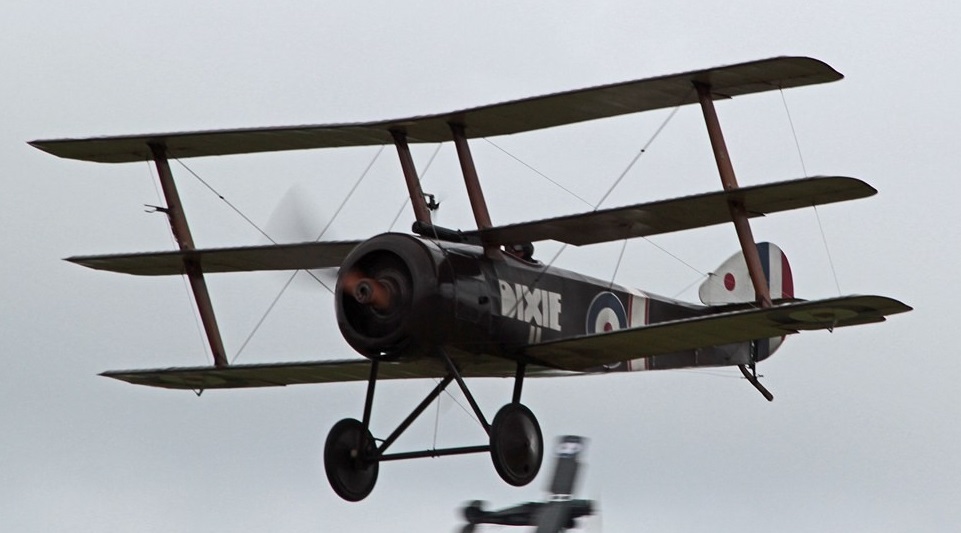
Northern Aeroplane Workshops Sopwith Triplane

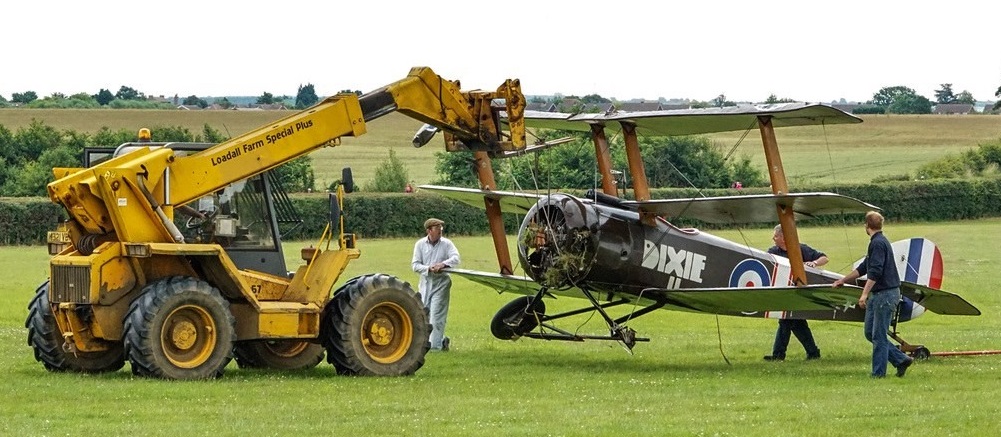
Shuttleworth Triplane “Dixie II” serial N6290 (G-BOCK), was built by the Northern Aeroplane Workshops from the original drawings, it was seen by the original owner of the Sopwith Aviation Company, Sir Thomas Sopwith, before his death in January 1989 aged 101. He was so impressed with the standard of work that he declared it to be a “late production” machine, rather than a replica, it sports an official Sopwith serial number plate on the engine cowl in recognition of this fact.

Wing span: 26 ft 6 in (8.07 m)
Length: 18 ft 10 in (5.73 m)
Height: 10 ft 6 in (3.20 m)
Weight empty: 1,101 lb (499 kg)
Maximum Speed: 117 mph (188 km/h)
Service Ceiling: 20,500 ft (6,248 m)
Endurance: 2 3/4 hours

Northern Aeroplane Workshops

Northern Aeroplane Workshops was set up to perpetuate some of the traditional skills in aeronautical engineering.

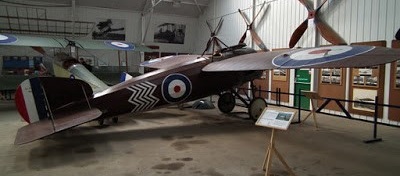
A non-profit organisation, members under professional guidance become involved in restoration of vintage aircraft and construction of replicas. The initial projects were Bristol M1C and Scout replicas, both sponsored by the Shuttleworth Trust.

North American Rotorwerks Pitbull

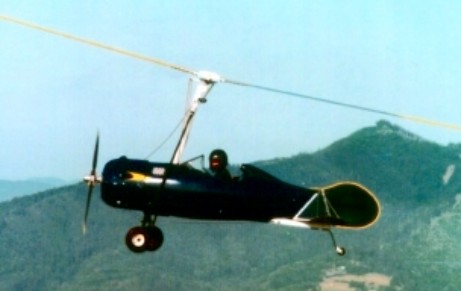
First flown in 1993, a front-engine design, the Pitbull, has modern, unique options like float capability. The predrilled, bolt-together frame cuts down construction time for the single-seat gyro that accepts a Subaru EA-81, a 48-hp Rotax 503 or a water-cooled 582.

The Pitbull can be partially or fully enclosed and its useful load ranges from 240 to 290 pounds. All models have double bearing rotorhead with one inch main shaft. 4130 chromoly gear and stainless steel rudder control rods. Rotor blades can be 23’6”-25’6” length, and 6.25”-8” chord.

Kit price list for the Pitbull:
Complete without engine, propeller or instruments 2001-9: $7900
Complete without engine 2001: $9900
Complete with engine in 2009- $11,900.

Engine: Rotax 447, 40 hp
Rotor Blades: Dragon Wings or Sport Copter
Height: 8 ft
Length: 13.5 ft
Width 5’10”
Empty weight: 253 lb
Gross weight: 523 lb
Fuel capacity: 5 USG
Max speed: 63 mph
Cruise: 58 mph
Min Speed 18-22 mph
Rate of climb: 900 fpm
Takeoff dist: 100 ft
Landing dist: 0-5 ft
Service ceiling: 10,000 ft
Seats: 1

Engine: Rotax 503 DCDI, 52 hp
Rotor span: 7 m
Blade area: 0.18 sq.m
MAUW: 250 kg
Empty weight: 130 kg
Fuel capacity: 25 lt
Seats: 1
Fuel consumption: 15 lt/hr

Norman Aviation Nordic

Nordic VI

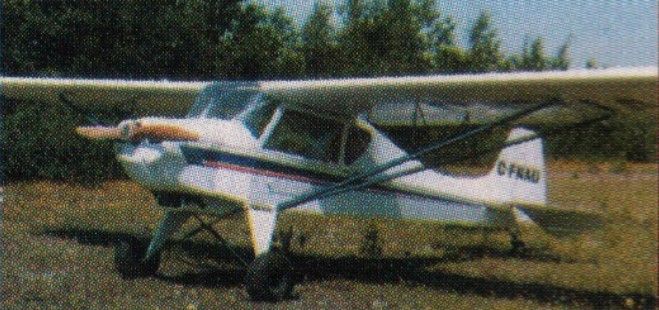
Designed by Jacques Norman, the fuselage is made from 4130 Chromoly steel and all parts are joined with high quality weldings. Wings are made of lightweight wood with full length I-beams as well as geodesic ribs. The material of choice for the skin is Ceconite 102, known for its resistance and fire retardant properties. One notable feature is the long range wing tank with a 16 gallon fuel capacity, and hydraulic brakes.

The maximum allowed weight in the category “Ultra-light advanced type” is 1058lbs for the Nordic VI-912 and 914. The maximum allowed weight in the experimental category is 1200lbs.

A two seater side-by-side, wheels, floats and skis were available. The landing gear is Titanium. Nordic 6 2009 Price was US$19895.

Nordic VI

Nordic II
Length: 19 ft
Height: 5.6 ft
Wingspan: 33.8 ft
Wing area: 154 sq.ft
Weight empty: 600 lbs
Maximum weight: 1058 lbs
Useful load: 438 lbs
Fuel capacity: 16 US
Optional fuel capacity: 20 USG
Maximum speed: 130 mph
Manouvering speed: 70-90 mph
Stall speed at full flaps: 35 mph
Maximum speed with flaps: 70 mph
Crusing speed at 75% power: 85 mph
Maximum climb rate: 600 fpm
Landing distance: 200′ ft
Take-off distance: 150 ft
Operating range: 400 mls
Ceiling: 10 000′ ft
Maximum cross wind: 25 mph
Cabin width: 39 in
Baggage weight: 60 lbs
Seats: 2

Nordic II
Engine: Subaru EA-81, 71 hp
HP range: 71-90
Length: 19 ft
Height: 5.6 ft
Wingspan: 33.8 ft
Wing area: 154 sq.ft
Weight empty: 620 lbs
Gross: 1058 lbs
Speed max: 100 mph
Cruise: 85 mph
Range: 340 sm
Stall: 35 mph
ROC: 600 fpm
Take-off dist: 150 ft
Landing dist: 300 ft
Service ceiling: 10,000 ft
Landing gear: tail wheel

Nordic VI
Engine: Subaru EA-81, 71 hp
HP range: 71-90
Height: 5.5 ft
Length: 19 ft
Wing span: 33 ft
Wing area: 154 sq.ft
Weight empty: 620 lbs
Gross: 1058 lbs
Fuel cap: 10 USG
VNE: 117 kt / 135 mph / 217 kmh
Speed max: 100 mph
Cruise: 90 mph
Range: 360 sm
Stall: 33 kt / 38 mph / 61 kmh
ROC: 500 fpm
Take-off dist: 200 ft
Landing dist: 350 ft
Service ceiling: 10,000 ft
Seats: 2
Landing gear: tail wheel

Nordic VI
Engine: Subaru EA81, 71 hp
Wing span: 10 m
Wing area: 15.5 sq.m
MAUW: 400 kg
Empty weight: 272 kg
Fuel capacity: 37 lt
Max speed: 210 kph
Cruise speed: 145 kph
Minimum speed: 61 kph
Climb rate: 2.5 m/s
Fuel consumption: 9.5 lt/hr
Seats: 2
Plan price (1998): Can$450
Kit price (1998): Can$7,750

Nordic VI-912
Engine: Rotax 912, 82 hp
Length: 20 ft 2 in
Height: 7 ft 1 in
Wing span: 33 ft 6 in ‘
Wing area: 152 sq.ft
Max speed: 110 mph
Weight empty: 586 lbs
Maximum weight: 1058 lbs
Useful load: 472 lbs
Fuel tank capacity: 16 USG
Cruising speed: 103 mph (5000 rpm)
Stall speed at full flaps: 34 mph
Stall speed without flaps: 42 mph
Range: 400 sm
Landing distance: 350 ft
Take-off distance: 250 ft
Ceiling: 10 000 ft
Maximum climb rate: 1100 fpm (solo)
Endurance: 5 hours
Loading limit: +6 / -4 G
Cabin width: 39 in
Baggage weight: 60 lbs
Baggage space: 9 cu.ft
Seats: 2

Nordic VI-914
Engine: Rotax 914, 100 hp
Length: 20.1 ft
Wing span: 29.6 ft
Wing area: 132 sq.ft
Empty weight: 594 lb
Gross weight: 1320 lb
Fuel capacity: 16 USG
Cruise: 110 mph
Stall: 38 mph
Range: 460 sm
Rate of climb: 2200 fpm
Takeoff dist: 150 ft
Landing dist: 300 ft
Cockpit width: 39 in
Landing gear: tailwheel

Nordic VI-914 Turbo
Engine: Rotax 914, 115 hp
Length: 20 ft 2 in
Height: 7 ft 1 in
Weight empty: 594 lbs
Maximum weight: 1058 lbs
Payload: 464 lbs
Fuel capacity: 16 USG
Cruising speed: 110 mph (5000 rpm)
Stall speed at full flaps: 34 mph
Stall speed without flaps: 42 mph
Maximum climb rate: 2200+ fpm (solo)
Landing distance: 350 ft
Take-off distance: 150 ft
Endurance: 4.5 hours / heures
Load limit: +6 / -4 G
Baggage weight: 60 lbs
Baggage space: 9 cu.ft
Seats: 2

Nordic VI-912-SW
Engine: Rotax 912, 80 hp
Length: 20.1 ft
Wing span: 29.6 ft
Wing area: 132 sq.ft
Empty weight: 582 lb
Gross weight: 1232 lb
Fuel capacity: 16 USG
Cruise: 115 mph
Stall: 38 mph
Range: 460 sm
Rate of climb: 1200 fpm
Takeoff dist: 250 ft
Landing dist: 350 ft
Seats: 2
Cockpit width: 39 in
Landing gear: Tailwheel

Norman Aviation International Inc.

Markets kit for the Karatoo J-6 two-seat monoplane (version of Anglin Karatoo), kit and plans for the two-seat Nordic II cabin monoplane, kit for the Nordic VI-912 two-seater, and kit for single-seat Nordic VII cabin monoplane.

Norman Aviation, owned by Jacques Norman, sold models, such as Nordic II and VI, ready to fly for less than Can$55,000. All necessary instruments for flight are included in the equipment. Pre-sale final testing includes 15 hours of test flight and each motor is carefully examined and tested to ensure maximum reliability. Delivery was usually within four to five months.

1995-8: Caste Postale 61032 Levis, Quebec, G6V 8X3 Canada.