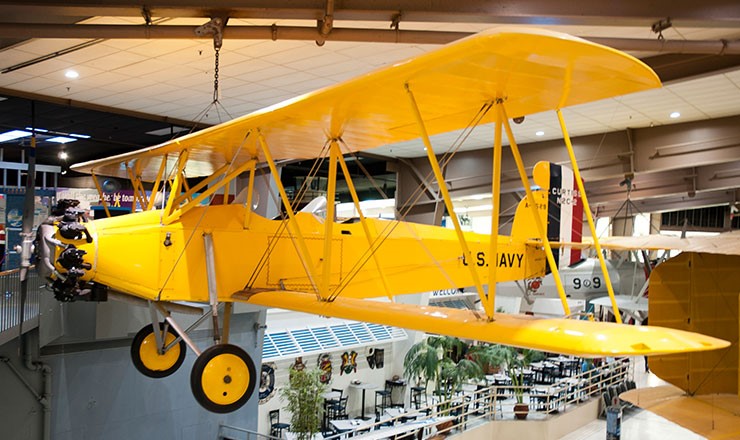
Curtiss Fledgling / Model 48 / Model 51 / N2C

A Curtiss N2C-2 at the National Museum of Naval Aviation

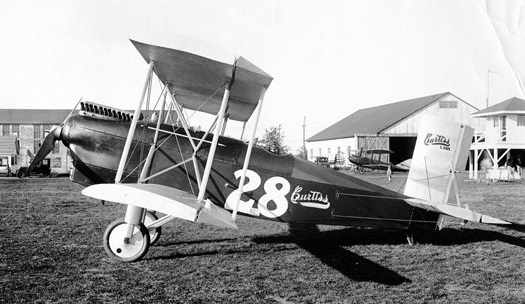
The Fledgling was designed by Theodore Paul Wright in response to a 1927 Navy requirement for a new primary trainer, and was selected after evaluation in competition with fourteen other submissions. The Fledgling was a conventional biplane design with two-bay, staggered wings of equal span braced with N-struts. The pilot and instructor sat in tandem, open cockpits, and the fixed tailskid undercarriage could be easily swapped for a large central pontoon and outrigger floats under the wings for seaplane training. The Navy ordered two batches of the Fledgling, each powered by different versions of the Wright Whirlwind engine, both of which were built under the Curtiss designation Model 48.

In 1928 Curtiss’ XN2C-1 Fledgling trainer was evaluated by the Navy and won the competition for a new primary trainer beating out 14 other competing designs. The original design was powered by the 165 horsepower Curtiss Challenger engine, but in ordering 31 of the aircraft, the Navy specified the 220 horsepower Wright Whirlwind engine in 30 of the aircraft, leaving one aircraft, the only one in naval service, to be powered by the unique Challenger engine that featured twin rows of six cylinders each.
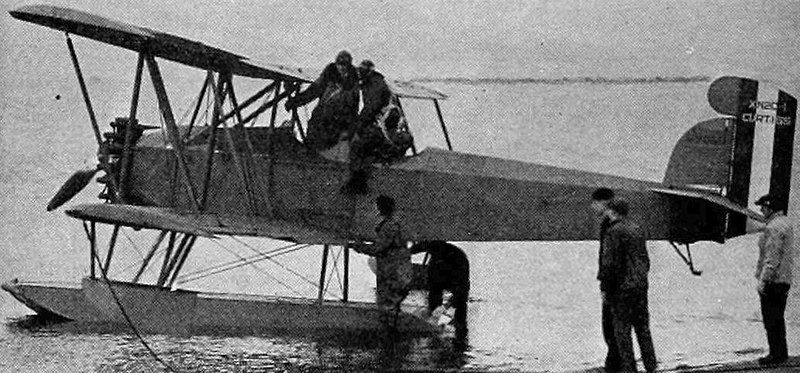
Curtiss XN2C-1 floatplane

In the United States Navy service they were known as the N2C. The Navy ordered 31 N2C-1s and 20 N2C-2 versions of the airplane. Though trainers, they were not assigned to Naval Air Station (NAS) Pensacola, but instead were operated by Naval Reserve units around the country. By the late 1930s, surviving N2Cs were modified with tricycle landing gear and turned into radio-controlled drones used as targets for anti-aircraft gunners. One drone was used to execute an attack on a target ship, a precursor of today’s anti-ship missiles.
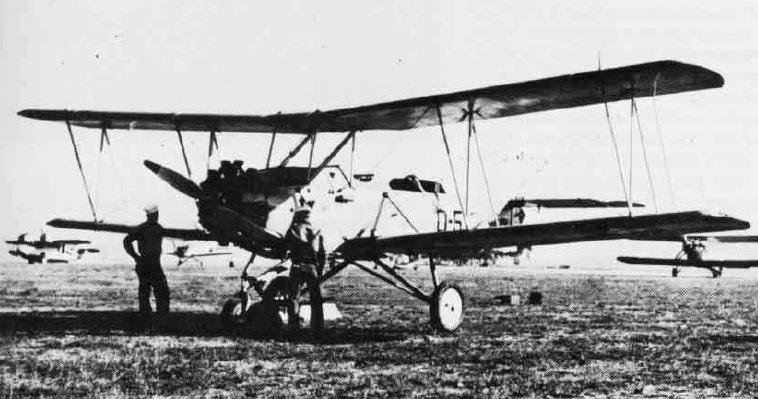
Curtiss N2C-2 NAF drone 1938-39

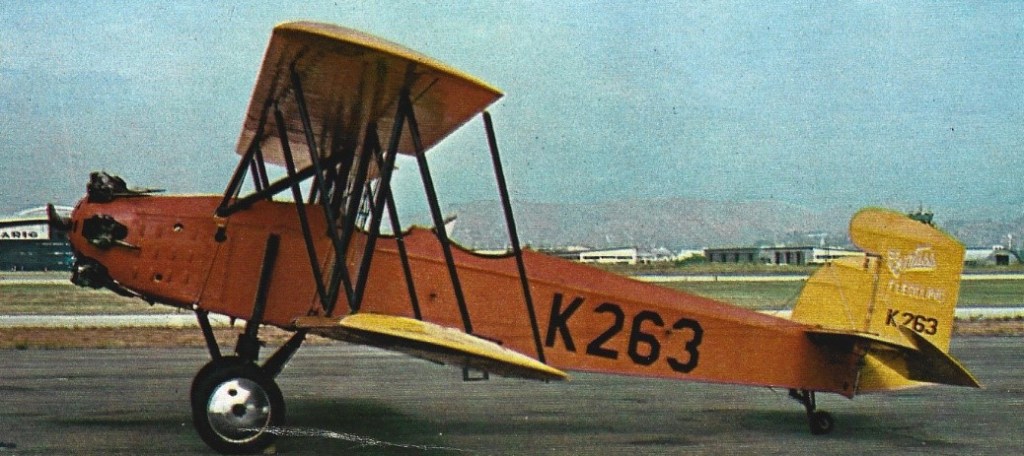
Believing the design to have commercial potential, Curtiss developed the Model 51 as a civil equivalent powered by the less powerful Curtiss Challenger engine. The company operated 109 of these aircraft in its own air taxi service, the Curtiss Flying Service during the 1930s. A number of these aircraft were experimentally fitted with the same Wright engines used in their military counterparts as the J-1 and J-2, but these were not produced in quantity.
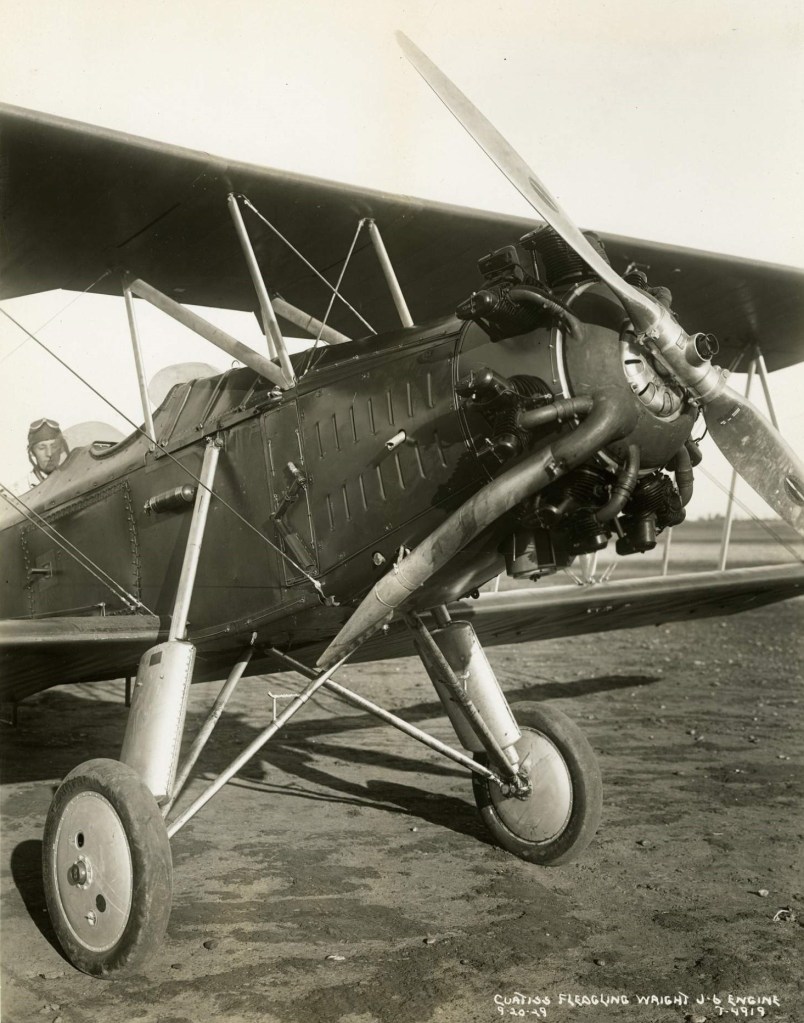
Curtiss Fledgling J-2 (Model 51) Wright Whirlwind J-6 Series

Another experimental variant, the reduced-wingspan Fledgling Junior was produced to the extent of a single prototype only.

First flying in 1927, about 160 of all models were built.
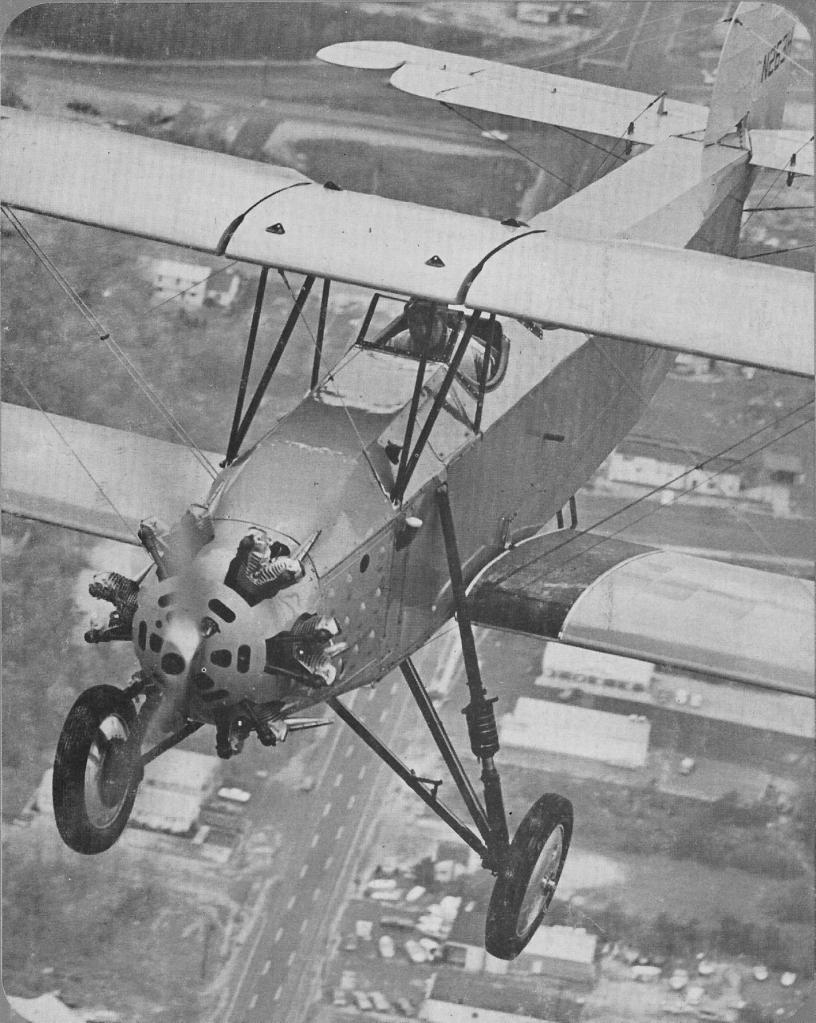
A number of Model 51s were exported to foreign military services for evaluation: four to Canada and one to Czechoslovakia, but these did not lead to any purchases. Curtiss also delivered at least seven N2C-1 kits to Turkey in 1933, as part of an agreement to produce the Curtiss Hawk Model 35 under licence in Turkey. These N2C-1s were used as trainers and liaison aircraft by the Turkish Air Force until 1945. At least one N2C-1 is thought to have been given to Iran as a gift from the Turkish Air Force.
Brasil

Variants:

Model 48
XN2C-1
Navy prototypes (3 built)
N2C-1
Navy version powered by Wright J-5 Whirlwind (31 built)
N2C-2
Navy version powered by Wright J-6-7 Whirlwind (20 built)

Model 51
Fledgling
commercial version with Curtiss Challenger engine (109 built)
J-1
commercial version with Wright J-6-5 Whirlwind engine (four converted)
J-2
commercial version with Wright J-6-7 Whirlwind engine built to N2C-2 standard (two converted)

Fledgling Junior
reduced wingspan version (one built)

Fledgling Guardsman
convertible civil-military challenger powered versions.

A-3
designation assigned by the United States Army Air Corp USAAC for use of the Fledgling as a radio-controlled target aircraft

Gallery

N2C-1
Engine: 1 × Wright J-5, 220 hp (160 kW)
Propeller: 2-bladed fixed pitch propeller
Wingspan: 39 ft 2 in (11.93 m)
Wing area: 365 sq ft (33.9 sq.m)
Length: 27 ft 4 in (8.33 m)
Height: 10 ft 4 in (3.14 m)
Empty weight: 2,135 lb (968 kg)
Gross weight: 2,832 lb (1,285 kg)
Maximum speed: 108.7 mph (175 km/h; 94 kn)
Cruise speed: 87 mph (140 km/h; 76 kn)
Range: 366 mi (318 nmi; 589 km)
Service ceiling: 15,100 ft (4,600 m)
Rate of climb: 695 ft/min (3.53 m/s)
Crew: 2
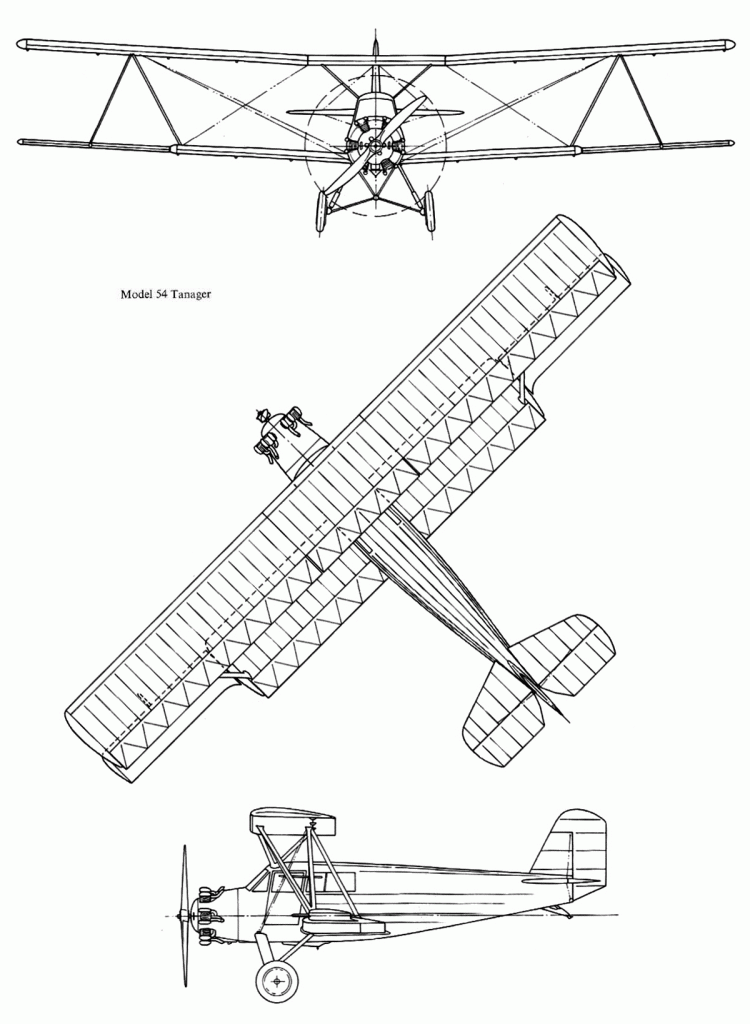
Curtiss 54 Tanager

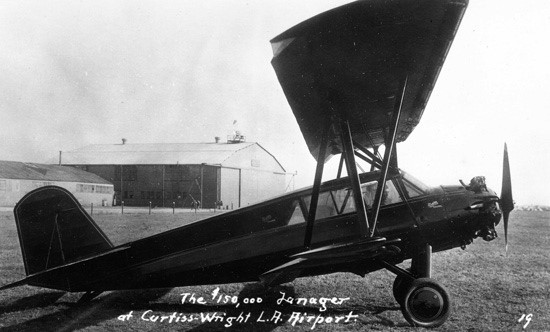
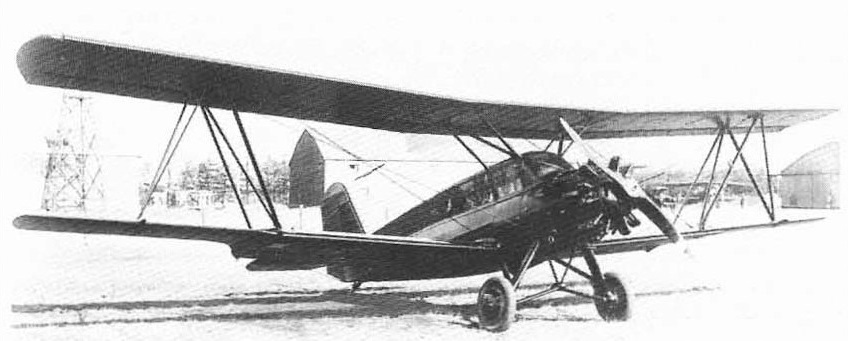
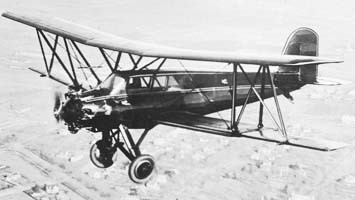
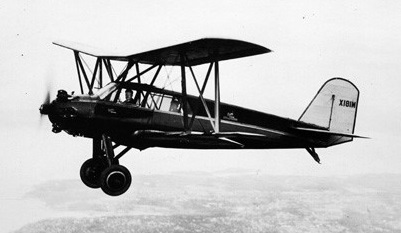
Designed by Robert R. Osborn and Theodore Paul Wright, the Curtiss Model 54 Tanager was an aircraft constructed in 1929 as Curtiss’ entry in the Guggenheim Safe Aircraft Competition organized by Daniel Guggenheim. The purpose of this competition was to create a civilian aircraft with a specific speed range, which allowed at low speeds to avoid accidents with a stall into a tailspin.

In accordance with the requirements of the competition, the minimum safe speed was to be 35 mph (56 km / h) but the requirements also indicated a maximum speed of at least 110 mph (177 km / h). Other specifications included a take-off distance from the starting point to a height of 35 feet (10 meters), not exceeding 500 feet (152 meters), the ability to carry two people for three hours and a payload of at least 5 pounds per horsepower (2, 26 kg / hp).

First flying on 12 October 1929, the Model 54 was a conventional biplane design with a highly streamlined fuselage with a closed cockpit that contained a pilot and two passengers. The wings were fitted with a variety of high-lift devices, including automatic leading edge slots on the upper wing, flaps that extended along the entire span of the upper wing, and “floating” ailerons on the lower wing that, in the absence of pilot input, automatically adjusted themselves parallel to the airflow over the wing. To ensure the possibility of flying at minimum speed, the rear edges of both wings were fully occupied by flaps, and the front edges were fully occupied by Handley Page automatic slats. These devices added 33% and 50% to the total lift coefficient, respectively. The combination of these devices gave the Tanager a stall speed of just 31 mph (50 km/h) and allowed it to land in only 90 ft (27 m). The main landing gear had a large shock absorber designed to absorb loads during rough landings and a reinforced fuselage frame in the cabin.

Only the Tanager and the Handley Page Gugnunc passed the qualifying round of the competition, and ultimately, the Tanager was to beat its rival by only one point to claim the $100,000 (£20,000) prize, the Gugnunc failing to achieve a minimum speed below 38 mph. Even before the competition was decided, however, Handley Page was suing Curtiss for the unlicensed use of the leading-edge slot. Curtiss claimed they were using the slots experimentally and would apply for a license for any commercial use. Curtiss counter-sued Handley Page for infringements of six of their patents in the Handley Page machine. They also cited a ruling that the British machine was not permitted to be imported into the US.

Following the competition, the only Tanager built was destroyed in a fire when sparks from its engine set the grass alight.

Gallery

Engine: 1 × Curtiss Challenger, 185 hp (138 kW)
Wingspan: 43 ft 10 in (13.35 m)
Wing area: 333 sq.ft (30.93 sq.m)
Length: 26 ft 8 in (8.12 m)
Height: 11 ft 4 in (3.45 m)
Empty weight: 1,958 lb (888 kg)
Gross weight: 2,841 lb (1,289 kg)
Maximum speed: 112 mph (180 km/h)
Cruise speed: 95 mph (153 km/h)
Service ceiling: 12,500 ft (8,810 m)
Rate of climb: 700 ft/min (3.6 m/s)
Range: 535 miles (861 km)
Crew: one pilot
Capacity: two passengers

Curtiss Twin JN / JN-5 / Model 1B

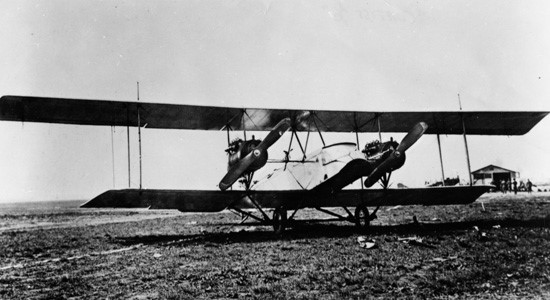
The Curtiss Twin JN (retrospectively called the Model 1B and also known as the JN-5) was an Experimental aircraft built by the Curtiss Aeroplane and Motor Company for the United States Army Air Service. It was a biplane, designed for observation missions.

Based on the successful Curtiss JN-4, the Twin JN used the same wing structure, but the wingspan was extended by enlarging the center section. Lateral control was achieved with the tail of a Curtiss R-4. The Twin JN was powered by a pair of 90 hp (67 kW) Curtiss OXX-2 engines located between the wings.

Eight were built in 1916, and one aircraft was evaluated by the United States Navy as a twin-float seaplane.

Engines: 2 × Curtiss OXX-2 water-cooled V-8, 90 hp (67 kW) each
Wingspan: 52 ft 9⅜ in (16.08 m)
Wing area: 450.3 ft2 (41.83 m2)
Length: 29 ft 0 in (8.83 m)
Height: 10 ft 8⅜ in (3.26 m)
Empty weight: 2,030 lb (921 kg)
Gross weight: 3,110 lb (1,411 kg)
Maximum speed: 80 mph (129 km/h)
Service ceiling: 11,000 ft (3,350 m)
Crew: two

Curtiss R-7

The Curtiss R-7 of 1916 was a long-wing version of the R-6 specially built for the New York Times. The long range landplane was built for an attempted to fly non-stop from Chicago to New York in 1916. It failed to complete the flight but still set an American distance record of 452 miles (727 km).

Fitted with long-span wings, it was similar to the R-3 and R-6, and powered by Curtiss V-2-3 engine. Only one was built.

Curtiss 76 / XA-14

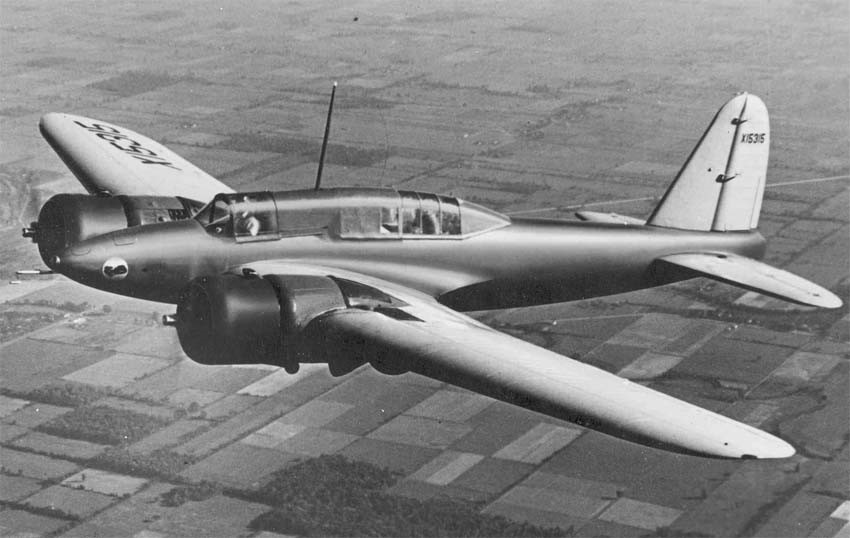
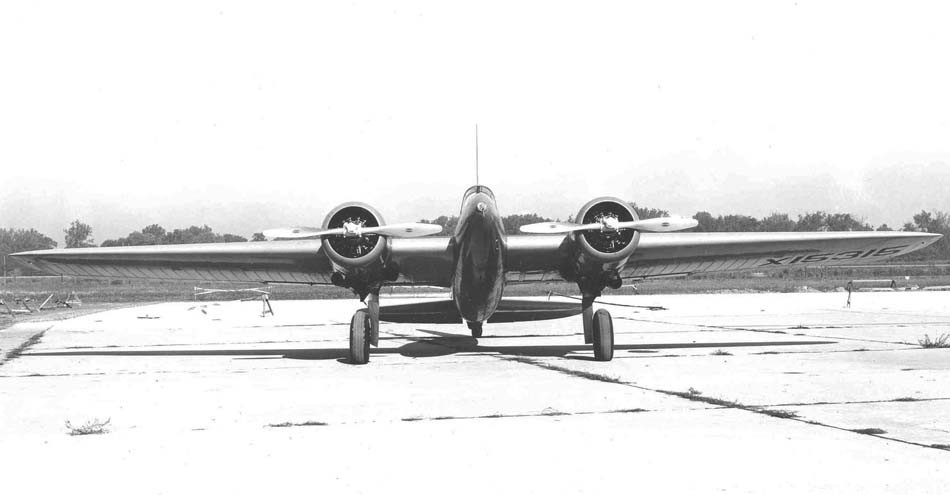
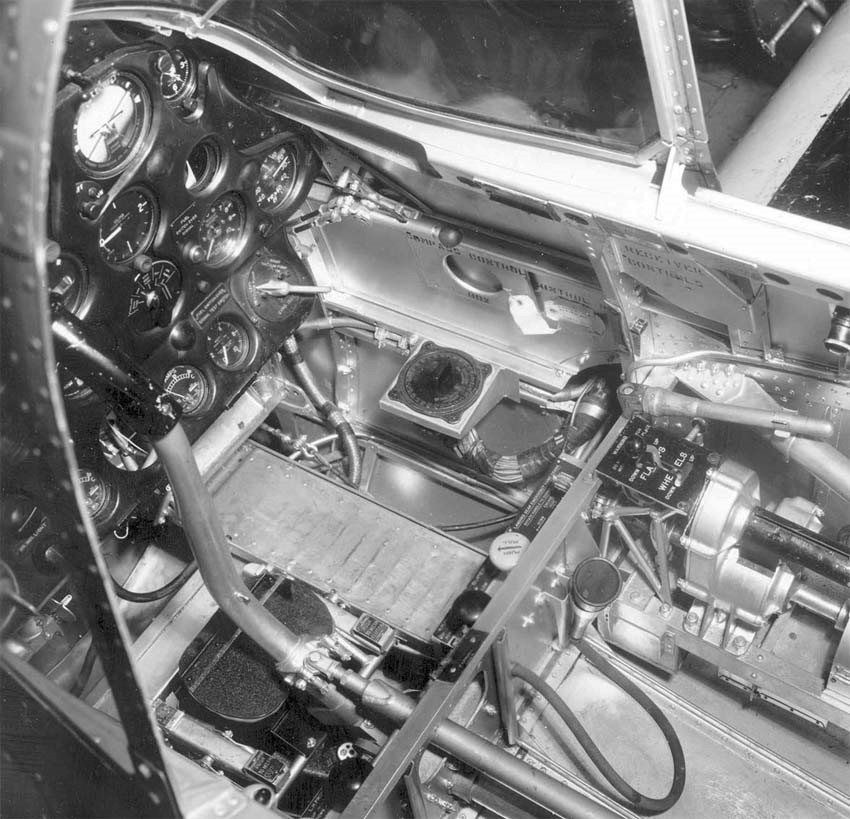
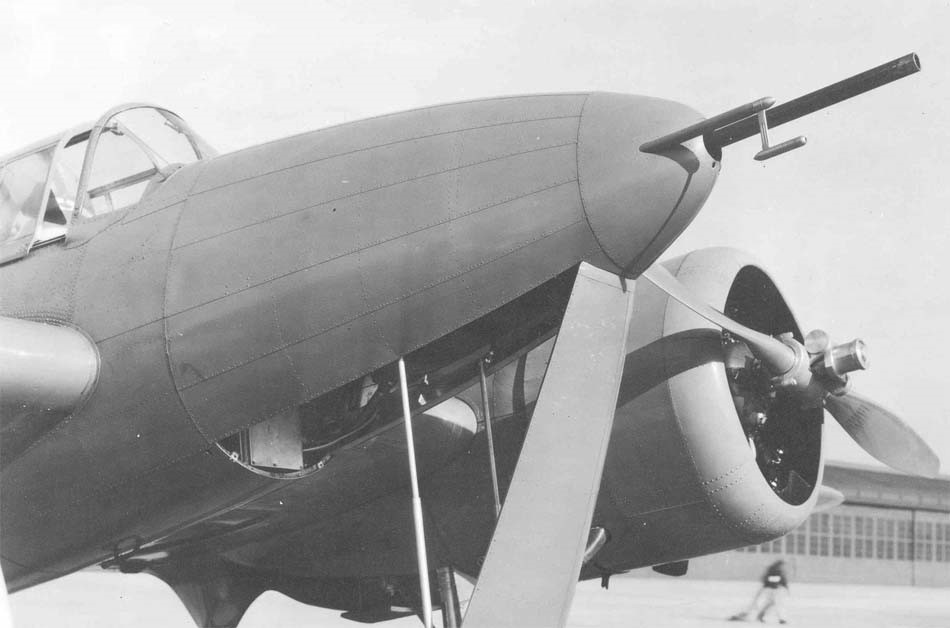
In 1934, Curtiss began work on a brand new twin-engined attack aircraft, which received the designation Model 76 and the name “Shrike”. Originally built as an in-house venture as the Curtiss Model 76, the 76 was of all-metal construction with an oval section semi-monocoque fuselage, described as “pencil slim” with a fabric covering of ailerons, rudder and stabilizers. The main landing gear retracted into the engine nacelles, the rear wheel also retractable

First flying on 17 July 1935, with the civil registration NX15314, the first multi-engine attack aircraft tested by the United States Army Air Corps at the Wright Field air base in Ohio, but in the fall it was returned to the company for improvements. Carrying a crew of two, it was as fast as the standard pursuit aircraft in service at the time.

The XA-14 was extensively tested, at one stage being fitted with a 37 mm (1.46 in) nose cannon. Powered by two experimental Wright XR-1510 radial engines, flight testing was sufficiently impressive that after the USAAC appraisal the Model 76 was returned to Curtiss and fitted with two 775 hp (578 kW) Wright R-1670-5 Cyclone engines with two-blade constant-speed propellers. This configuration was accepted by the Army with the designation XA-14 given to the sole example. It had standard Army markings with the serial number 36-146.

The Great Depression of 1929-1932 severely curtailed military allocations. The price of a single Wright engine was then $ 90,000, which was considered excessively expensive for mass construction.

On 23 July 1936, 13 pre-production versions, re-engined with two Wright R-1820-47 Cyclone twin-row radials with three-blade propellers, were ordered into production as the Y1A-18.

The only prototype XA-14 was initially planned to be used to set aviation records, but instead in June 1936 this aircraft was tested with a new 37-mm cannon (sometimes it was called YA-14). At the end of the year, it was dismantled for scrap after 158 hours of flight time.

Gallery

Engines: 2 × Wright R-1670-5 Whirlwind, 775 hp (578 kW) each
Wingspan: 59 ft 5 in (18.11 m)
Length: 40 ft 3 in (12.27 m)
Height: 10 ft 9 in (3.2.7 m)
Empty Weight: 3680 kg
Max takeoff weight: 11,750 lb (5,330 kg)
Maximum speed: 254 mph (221 kn, 409 km/h)
Cruising speed: 340 km / h
Range: 825 mi (717 nmi, 1,328 km)
Service ceiling: 27,100 ft (8,260 m)
Crew: two
Armament:
4 × .30 in (7.62 mm) M1919 Browning machine guns forward-firing
1 × .30 in (7.62 mm) machine gun aft-firing
650 lb (295 kg) bombs in internal bay

Curtiss K-6 / Kirkham-6

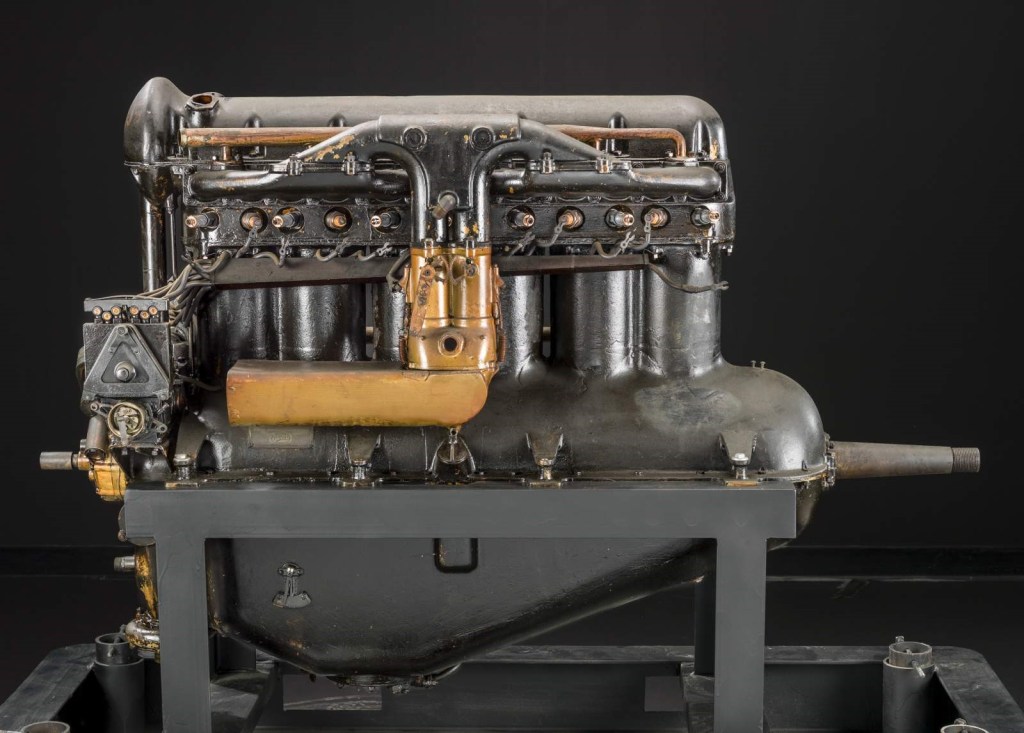
During 1917 and 1918, the water-cooled Curtiss K-6 (Kirkham-6) was designed under the direction of Charles B. Kirkham, an associate of Curtiss for a number of years who became the company’s Chief Engineer.

Following the K-12, a Curtiss competitor for the highly successful Hispano-Suiza engine, the K-6 was introduced as a six-cylinder vertical direct-drive engine using the same cylinder block and the same crankshaft dimensions. Closely following the design of the K-12, the K-6 used K-12 parts wherever possible. Three K-6 engines powered the 1919 tri-motor Curtiss Eagle II airliner.

Power rating: 112 kW (150 hp) at 1,700 rpm
Displacement: 9.38 L (572.54 cu in)
Bore and Stroke: 114 mm (4.5 in.) x 152 mm (6 in.)
Weight: 189.1 kg (417 lb)
Height 119.4 cm (47 in.)
Width 81.3 cm (32 in.)
Depth 168.9 cm (66.5 in.)

Curtiss 18 / MF / Seagull / MF-2

USCG Curtiss MF

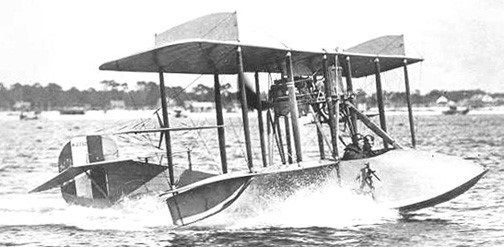
The 1916 Model 18 MF (Acronym was for “Modernized F”) was first powered by the 100hp Curtiss OXX-3. Later motors included 150hp K-6 and 400hp K-12.

Twenty-two were built; A2345-2350, A4403-4418, of which many were modified after WW1 by Cox-Klemin Co for civil use. Post-war production version became the Seagull.

No.124 had a Packard A for tests as MF-2.

Engine: 100hp Curtiss OXX-3
Wingspan: 49’9″
Length: 28’10”
Useful load: 638 lb
Speed: 72 mph
Range: 345 mi
Seats: 2

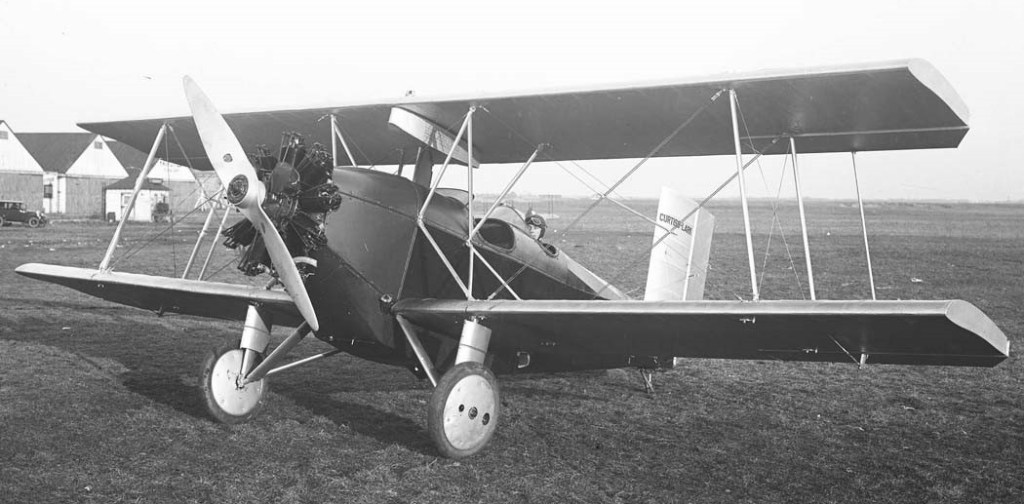
Curtiss 41 Lark

Curtiss Lark at the 1925 National Air Races

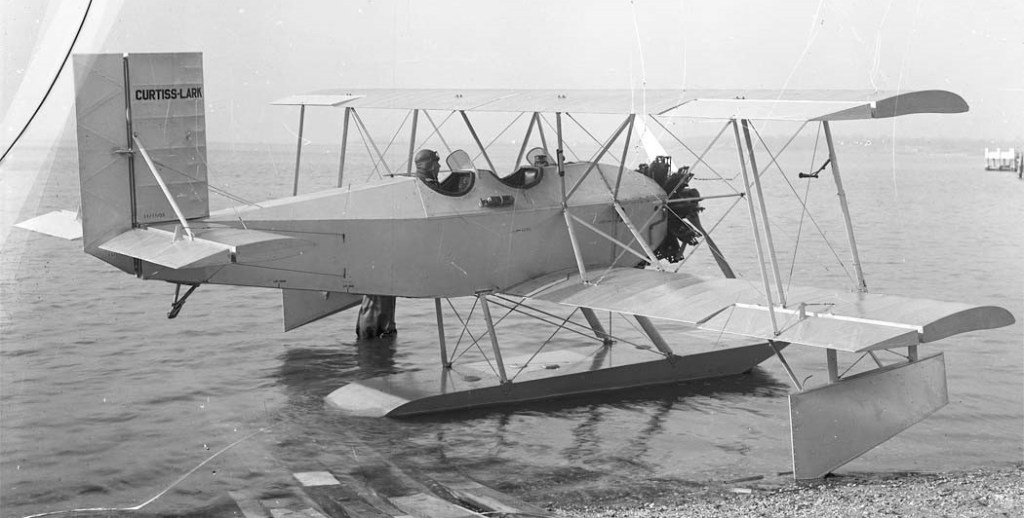
Developed in 1925, the Curtiss Model 41 Lark biplane was based on the Curtiss Carrier Pigeon, a purpose-built aircraft for airmail operations. The Lark also had a longer-span lower wing, similar to the Carrier Pigeon. Some models were converted to floatplane configuration with a central mounted pontoon and wing-mounted floats.

It was a four-seater biplane of a mixed design, equipped with a Curtiss C-6 engine with a power of 160 hp. The biplane was made of welded tube with fabric covering. It was available with three engine choices, the Curtiss C-6, the Wright J-4 Whirlwind, and the Wright-Hisso E. All four wing panels were interchangeable, giving the aircraft its unusual longer lower wings.

Lark with J-4 motor Whirlwind

A 200 hp Wright J-4 variant was tested for the United States Navy with two floats. This installation proved superior in performance to the Curtiss engined model. This version eventually became the basis for the Curtiss Fledgling series of aircraft.

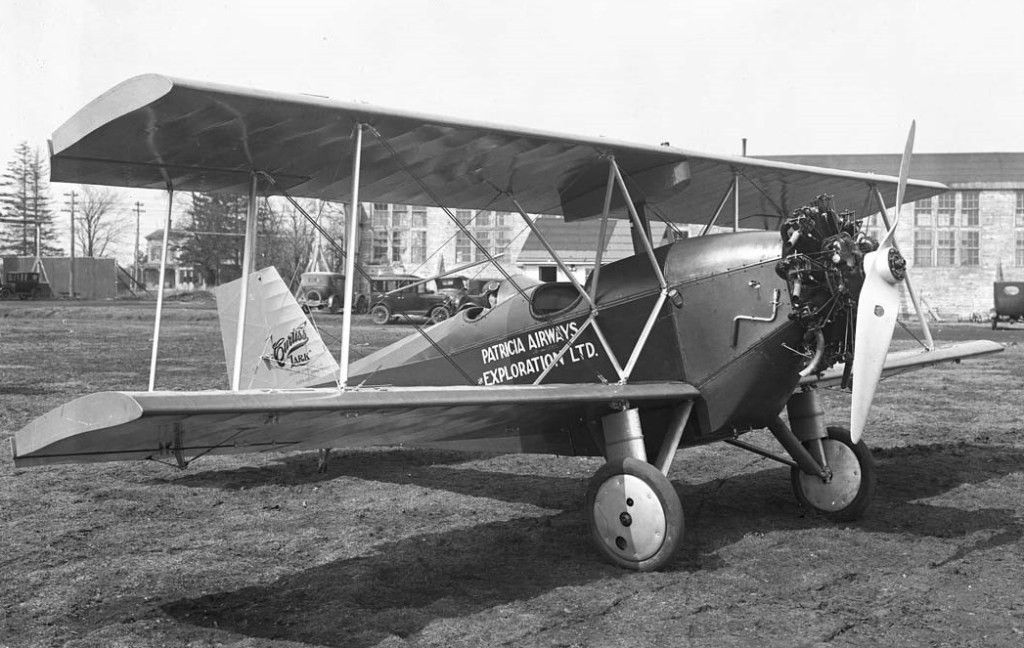
Patrica Airways operated a Lark for early bushplane operations. The aircraft flew with floats in warm weather, and skis in the winter. The aircraft was pressed into service as an early hearse once, with the cargo needing to be seated upside down in the open seat and secured with haywire.

Florida Airways operated a Curtiss Lark Miss Tallahassee on its CAM-10 U.S. airmail route between Miami and Atlanta. The aircraft was bought to take the place of two lost Stout 2-AT Pullman aircraft that could not operate out of the poorly prepared airstrips.

Colonial Air Transport owned the first Curtiss Lark C1052 which was one of the first aircraft to be registered using the new Underwriters Laboratories all-letter system (1921 to 1923). This Lark, a single place special mailplane, registered as N-AABC, was used on the CAM-1 U.S. airmail route.

Lark with Curtiss C-6 engine

One other was C1063.

Gallery

Engine: 1 × Curtiss C-6, 160 hp (120 kW)
Wingspan: 30 ft 7.5 in (9.335 m)
Wing area: 264.3 sq ft (24.55 sq.m)
Length: 22 ft 2.5 in (6.769 m)
Height: 8 ft 11 in (2.72 m)
Empty weight: 1,579 lb (716 kg)
Gross weight: 2,708 lb (1,228 kg)
Maximum speed: 99 kn; 183 km/h (114 mph)
Cruise speed: 84 kn; 156 km/h (97 mph)
Stall: 48 mph
Range: 382 nmi; 708 km (440 mi)
Ferry range: 330 nmi; 612 km (380 mi)
Absolute ceiling: 13,100 ft
Service ceiling: 12,500 ft (3,800 m)
Rate of climb: 860 ft/min (4.4 m/s)
Crew: one

Engine: Wright J-4 Whirlwind, 160 hp
Wing span: 9.34 m
Length: 6.77 m
Height: 2.72 m
Wing area: 24.55 sq.m
Empty weight: 692 kg
MTOW: 1228 kg
Maximum speed: 188 km / h
Cruising speed: 163 km / h
Range: 611 km
Rate of climb: 244 m / min
Ceiling: 3993 m
Crew: 1
Passengers: 3