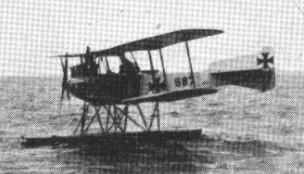
Friedrichschafen G.II

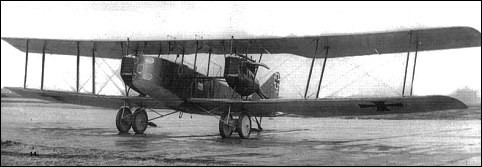
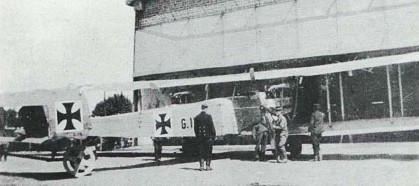
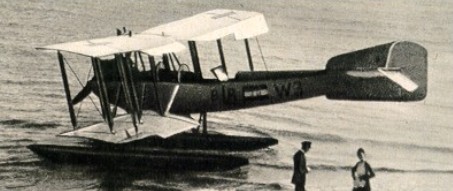
The prototype G.I was developed into the more powerful (149kW Benz Bz.IV) G.II in 1916.
With slightly shorter wings and a single fin/rudder tail unit, power came from twin 200 hp Benz Bz IV engines mounted between the wings and driving pusher propellers. Successfully passing its official trials, the G.II went into limited production.
Its offensive load of just 450kg and range were not adequate for major attacks on British and other strategic targets.
Span: 20.3 m (66 ft 7.25 in).
Length: 11.05 m (36 ft 3 in).
Endurance: 5 hrs.
Engines: 2 x 200 hp Benz Bz IV.
Armament: Bombload up to 1496 kg (3300 lb); 1 Parabellum machine gun in nose; 1 Parabellum machine gun in rear.
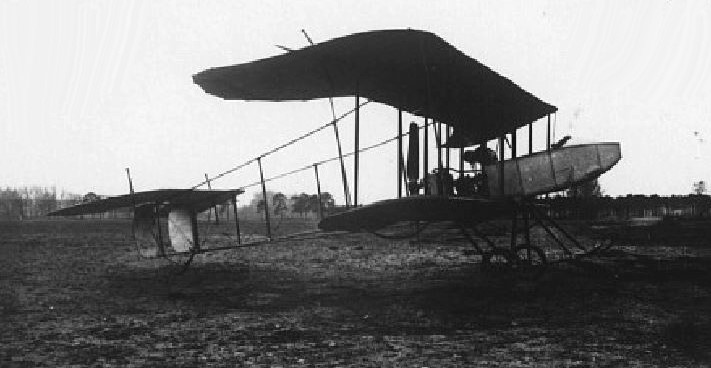
Friedemeyer & Evering 1911 biplane

A Farman copy but with Zanonia-shaped upper wing, designed by the young (15) Ernst Friedemeyer. It was built by Flugzeug-Baugesellschaft Osnabrück, Germany, in 1911. It was not very successful, and was destroyed in 1912.

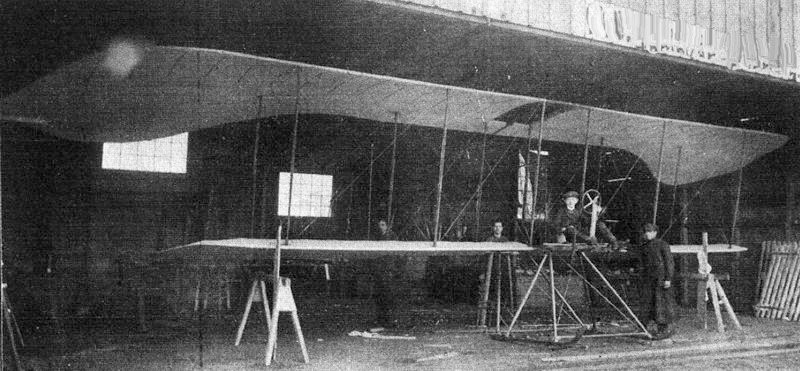
A biplane with Zanonia-inspired upper wings and short lower wings. One of two similar machines built at the Niederreinische Flugzeuganstalt, Hilsmann & Co in Holten, Germany. Made short flights.

Fresson Fr.FBI

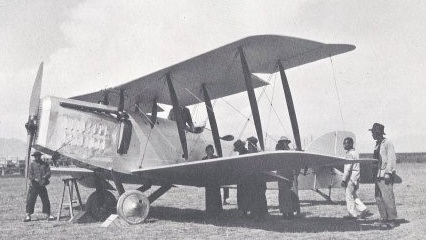
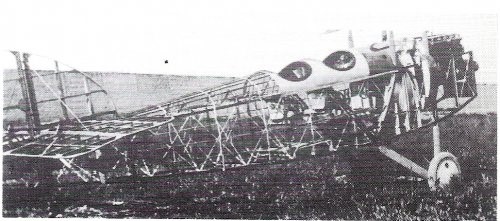
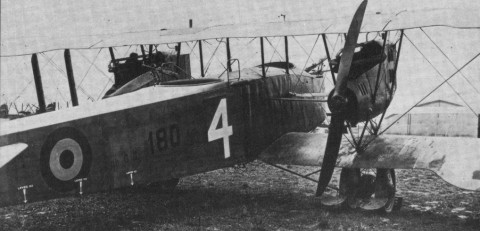
In 1924-25 Governor Yen, the Chinese Governor of Shansi Province, asked Fresson to establish an aircraft factory at Tai Yuan Fu, within the walls of the local Arsenal. This was in an area surrounded by warring local factions and was not particularly safe area to work.

Fresson began designing the Fr.FBI based on the Armstrong-Whitworth FK.8 design and ordered materials from the Aircraft Disposal Company in London. The design was drawn up in Shanghai and construction began in the spring of 1924.

The Fresson design called for two separate cockpits behind the main wings and had a revised Centre of Gravity. He was assisted in the build by a German aero engineer, and English maths expert who worked on the stress aspects and a Chinese carpenter called Loh.

Although built in the Arsenal confines, a separate airfield was built six miles north with an 800 metre runway for testing.

After several successful flights, passengers were carried. There was no further production of the type due to Civil unrest and Fresson returned to Britain to found Highland Airways in Britain.

Fresh Breeze Simonini

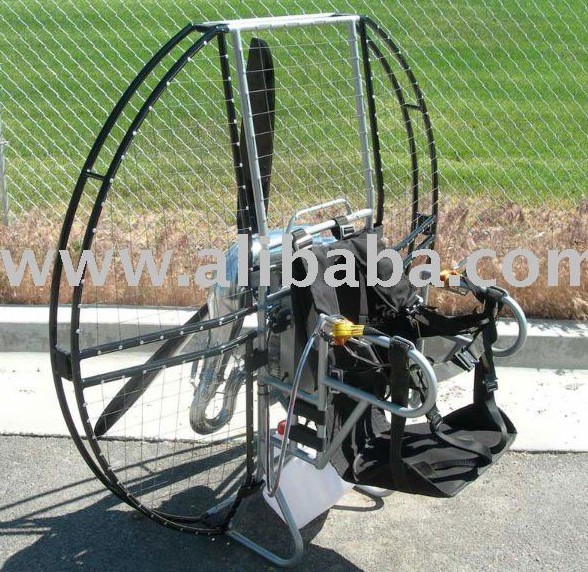
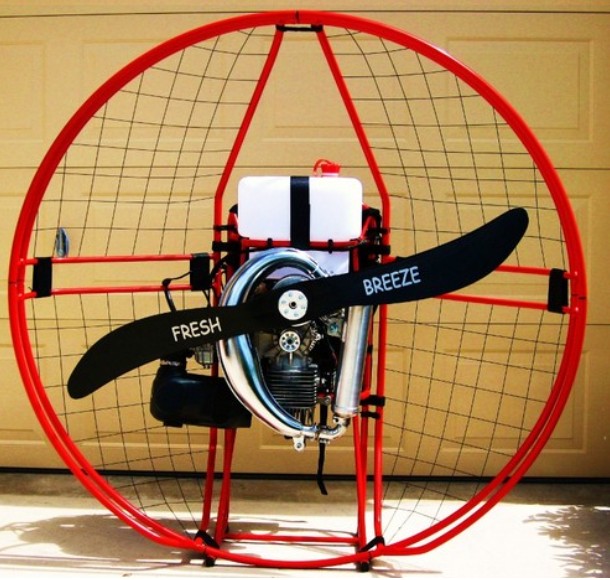
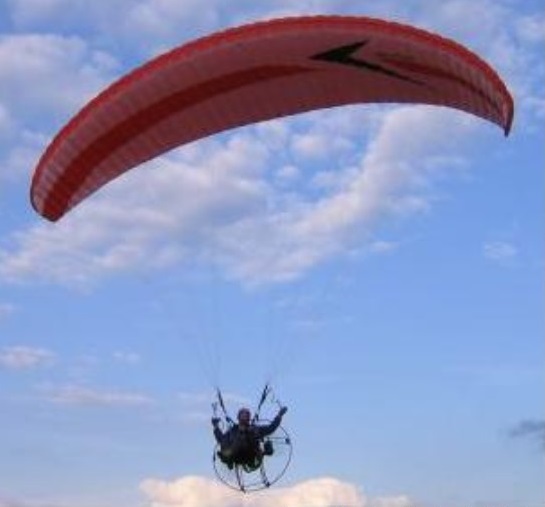
The German engineered Fresh Breeze Simonini Motor Unit will fly a pilot up to 250 lbs.
The 2010 Fresh Breeze Simonini 122 sold for US $1,500 – 1,700.
This paramotor is extremely versatile. It can be used for foot launched flight for heavy pilots.
Comfort bars under the arms increase the seat comfort particularly on long flights.
Vibrations felt by the pilot are noticeably decreased.
Movement of the engine on pilot’s back are greatly reduced.
Fast assembly without tools through Quickpin and Velcro.
The position of the starter knob makes restarting the Simonini very easy.
Now, you can specify a Double ring cage (DRC) instead a standard One ring cage (ORC).
The fuel tank allows flights up to 3 hours.
Aluminum cage & frame or choose high strength, light weight titanium with aerodynamic formed tubing for reduced air resistance (add $500).
Standard as pull start – optional electric start with alternator – charging the battery while the engine is running.
Now standard with the new improved performance Scimitar propeller.

Engine Simonini 202 cc, 24 hp @ 6000 rpm
Thrust 153 lbs
Cooling Air
Carb Bing or Walbro
Exhaust Resonator (tuned)
Starter Manual or Electric
Propeller 2-Blade Scimitar
Diameter 48″
Weight 62 lbs.
Tank 2.5 gallon, optional 4.5 gallon
Cage 4 part aluminium, single or double ring