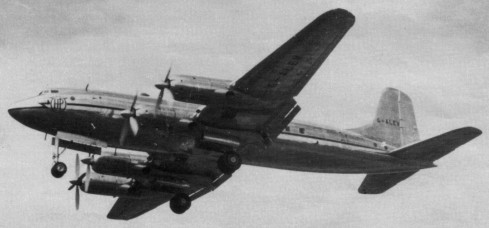
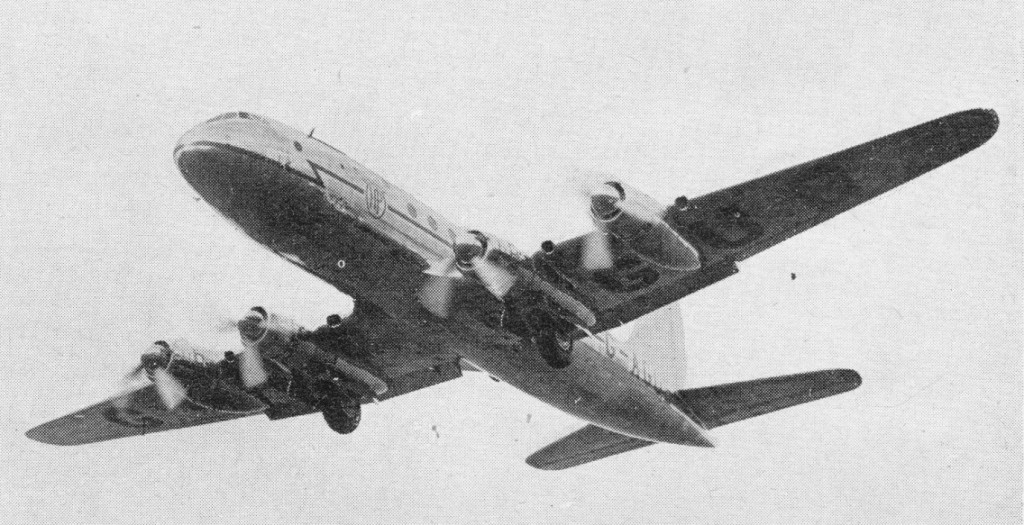
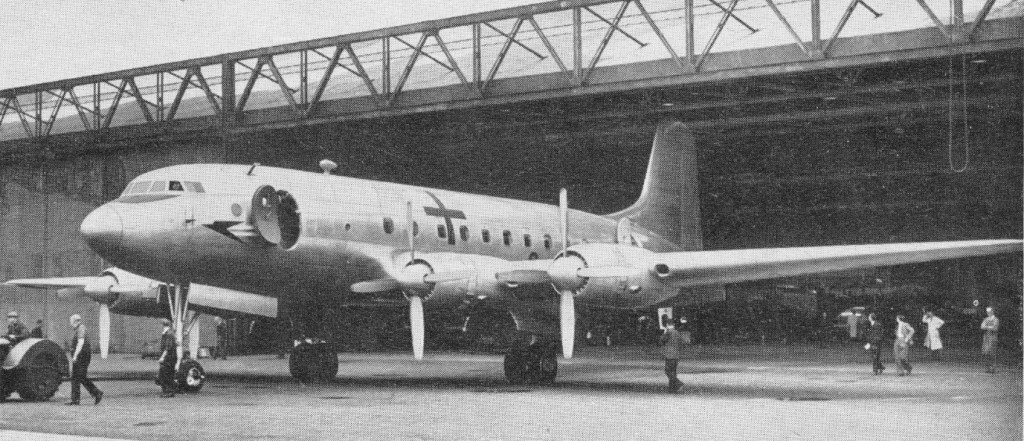
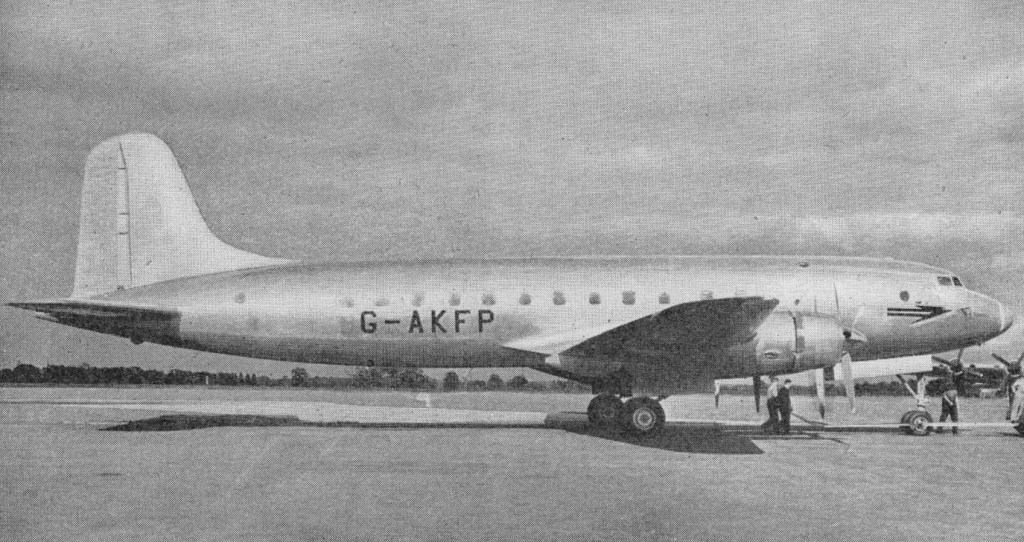
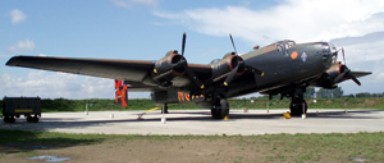
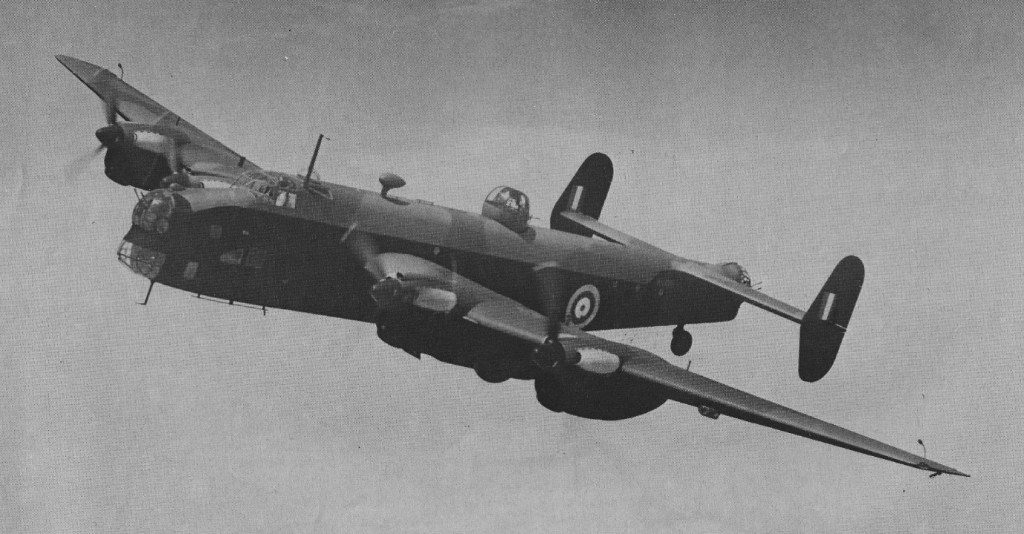
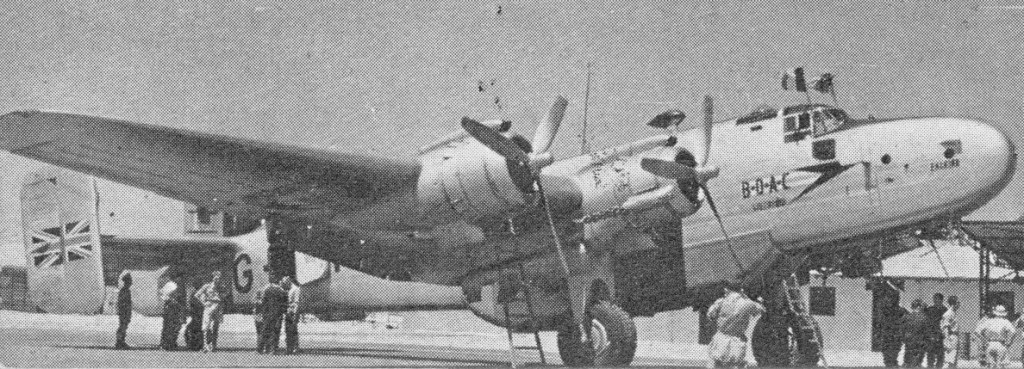
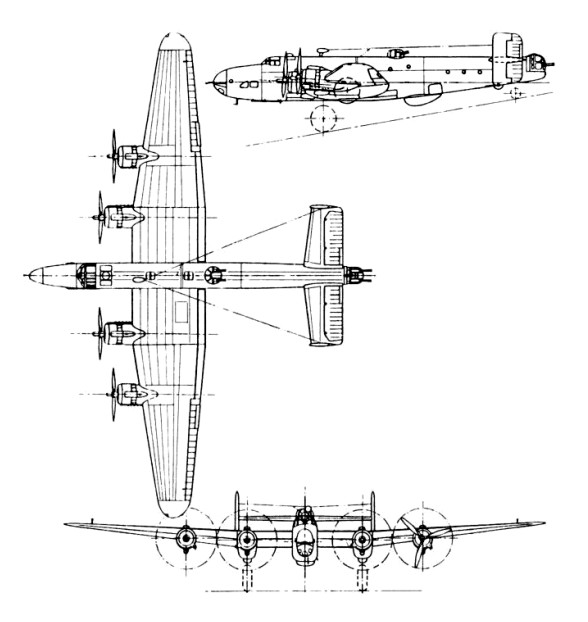
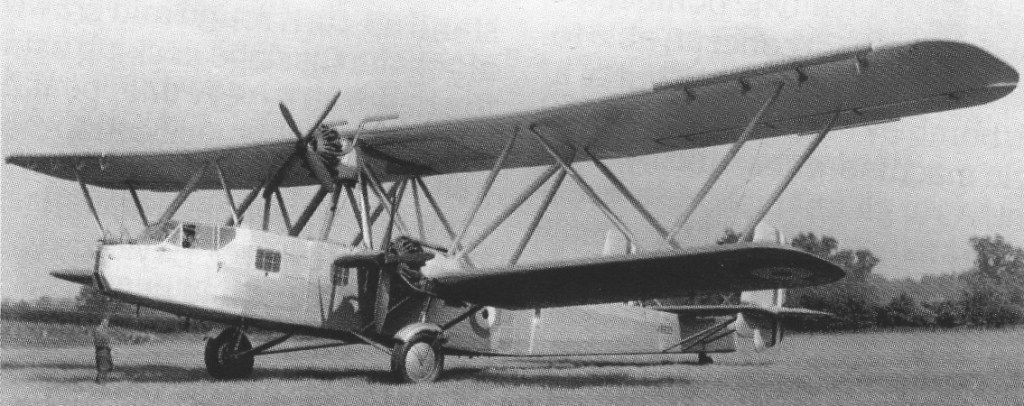
Designed during the Second World War for future peace time routes, the Hermes was dogged by misfortune and delays. The initial prototype of 1945 stalled and crashed, and it was not until August 1947 that the definitive Hermes 2 passenger version flew.
The Hermes 2 development aircraft had the tailwheel undercarriage of the Hastings but a lengthened fuselage.
On 19 March 1947 production was authorised for 25 pressurised HP.81 Hermes IVs for BOAC, with nose wheel.
Hermes 4
The Hermes IV was assembled in 73 days. Britain’s first large civil transport with a nosewheel, was pressurised, and held up to 63 passengers.
1948
The Hermes IV made its first flight from Radlett on 5 September 1948 in the hands of H.G. Hazelden. The first flight was for 75 minutes. A second flight was of about 4 hours.
Loss of the prototype dented confidence but Farnborough 1950 saw the Mk.5 second prototype G ALEV featuring slotted flaps, increased all up weight and a fuselage very high above the ground which necessitated what for the period were very high steps.
The Hermes 4 was the first British post-war airliner built to modern standards to go into service; 25 were delivered to BOAC for use on its Commonwealth routes, services beginning in August 1950. Normal accommodation was for 40 passengers, but alternative seating arrangements provided for a maximum of 74. Originally powered by four 1,565kW Bristol Hercules 763 radial engines, all were subsequently re-engined with 1,583kW Hercules 773s and were then known as Hermes 4As. It was replaced by Canadian C 4s in 1952.
Hermes IV Engines: 4 x Bristol Hercules 763, 1566kW / 2,100 hp Max take-off weight: 39000 kg / 85981 lb Empty weight: 25100 kg / 55336 lb Wingspan: 34.44 m / 113 ft 0 in Length: 29.51 m / 96 ft 10 in Height: 9.14 m / 29 ft 12 in Wing area: 130.80 sq.m / 1407.92 sq ft Max. speed: 563 km/h / 350 mph Cruise speed: 435 km/h / 270 mph Ceiling: 7470 m / 24500 ft Range: 3200 km / 1988 miles with 14,000 lb (6,350 kg.) payload Seats: 5 crew; 40 passengers
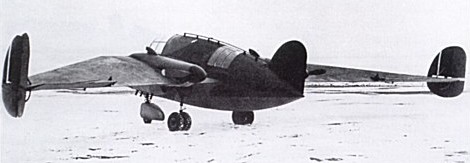
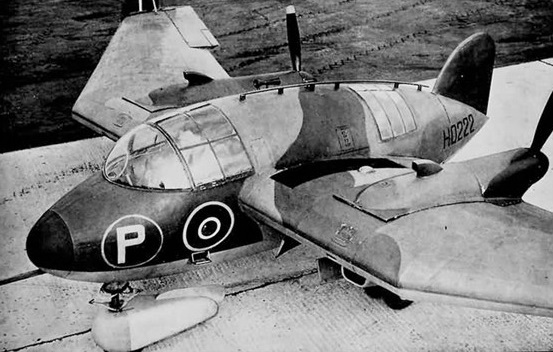
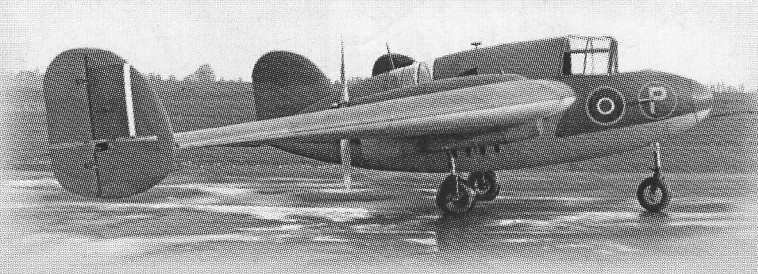
From 1936 Dr. Gustav Victor Lachmann concentrated on research with tailless aircraft, starting with the development of the H.P.75 Manx. This was completed in 1939, but Lachmann was interned for the duration of the war, and its development was completed by Godfrey Lee.
The airframe was built by Dart Aircraft of Dunstable, England; the aircraft was finished at Radlett, England. During taxi trials on 12 September 1942, the aircraft flew unintentionally at a height of 12 ft (3.66 m) and was subsequently damaged while landing.
Marked with the ‘Class B’ markings H-0222, the aircraft flew for the first time on 25 June 1943. Handley Page chief test pilot Fit Lt James Talbot flew the small H.P.75 for the first time at the company’s airfield at Radlett in Hertfordshire. Talbot reported that the H.P.75 flew well but had high drag owing to its fixed undercarriage. In 1945 it was designated H.P.75 for the first time.
After modification it flew again, but interest waned and it last flew on April 3, 1946. A total of 31 flights were made till 3 April 1946 (total flight time 17 hr 43 min) when the aircraft was stored and subsequently scrapped in 1952.
Engines: 2 x Gipsy Major Max take-off weight: 1800 kg / 3968 lb Wingspan: 12.2 m / 40 ft 0 in Length: 5.6 m / 18 ft 4 in Wing area: 23 sq.m / 247.57 sq ft Max. speed: 235 km/h / 146 mph
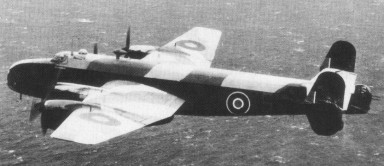
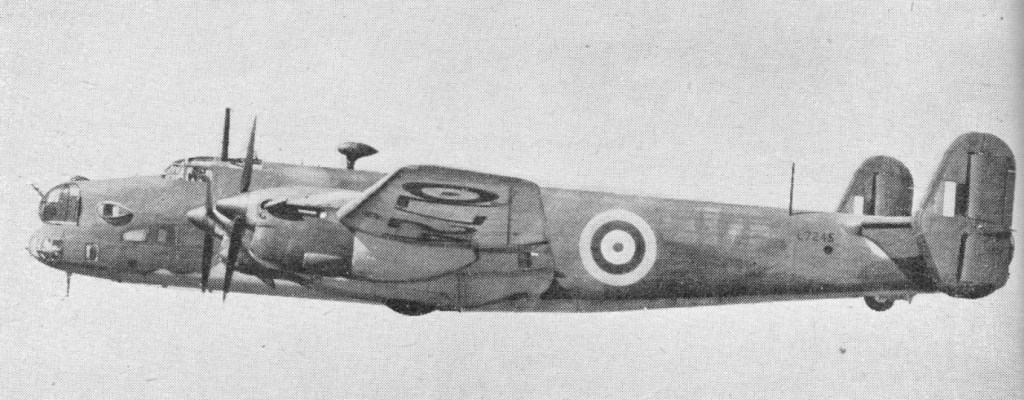
The four engined bombers, the Halifax, Stirling and Lancaster, all originated from a pre war Air Ministry specification. The Handley Page Halifax was first flown on 25 October 1939 from RAF Bicester with four “Merlin X” engines.
Originally designed for two Rolls-Royce Vulture engines, the Halifax eventually flew with four Roll-Royce Merlins.
Prototype with four Merlin 10 engines and no dorsal turret
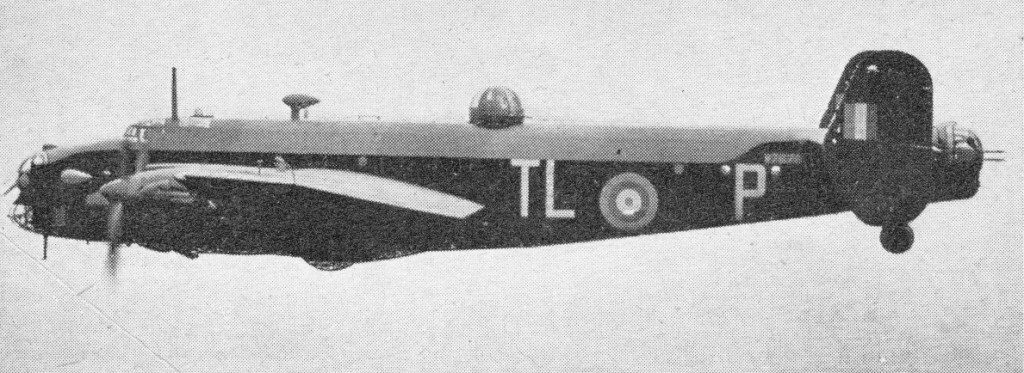
Entering production in 1939, it was the second British four-engined bomber to enter service in the Second World War, with 35 Squadron on 13 November 1940. The first Halifax raid by the squadron was against le Havre, France, on 10 March 1941. The Halifax was the first to bomb Germany when one took part in a raid on Hamburg on the night of 12-13 March 1941.
The Halifax shared with the Lancaster the major burden of Bomber Command’s night bombing campaign against Nazi Germany but the Halifax was used extensively on other duties including glider-tug, agent dropping transport and general reconnaissance aircraft in Coastal Command.
Halifax B.2 Srs.1A
The Halifax B.2 was powered by Merlin 20 and fitted with a Hudson dorsal turret, and the B.2 Srs.1A with a nose turret.
Halifax B.2 Srs.1A
The B.2 Srs.1A had the nose turret deleted and was fitted with a Defiant dorsal turret.
HP.66 Halifax M.6
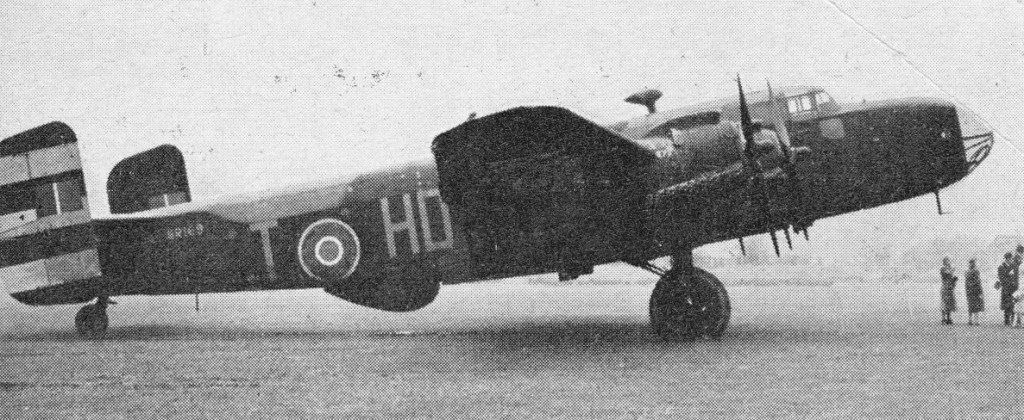
The Halifax Mk.6 was powered by Hercules 100 engines, had squared fins, H2S radar and increased span.
However, between 1941 and 1945 the Halifax made 75,532 bombing sorties and dropped 227610 tons (231300 tonnes) of bombs; more than a quarter of all bombs dropped on Germany by the Royal Air Force.
Handley Page Halifax II(III)
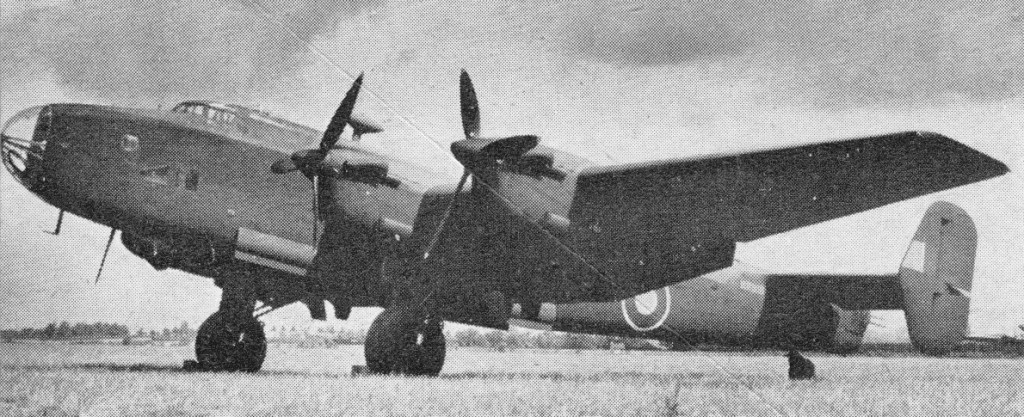
The Halifax I and II aircraft were powered by Rolls-Royce Merlin engines and the Halifax III was powered by Bristol Hercules engines. Apart from the role as a heavy bomber, the Halifax III and later versions also served in Coastal Command and in paratrooping and glider towing roles with the Airborne Forces.
Halifax II
Due to mounting losses on Bomber Command operations over Germany Halifax bombers were restricted to less hazardous targets from September 1943.
The Halifax was in the process of being replaced as a front line bomber in 1945 but it continued in service with Coastal and Transport Commands after the war. The last operational flight was made by a Coastal Command Halifax in March 1952 while operating from Gibraltar.
Halifax production totalled 6,178, including 4751 bombers.
During 1946-48 more than 90 Halifax were converted to civil transport Halton variants. The HP.70 Halton were derived from the Halifax C.8 for BOAC immediately after WW2.
Mk.II Engines: 4 x RR Merlin XX. Max speed: 282 mph Range: 1030 miles Crew: 7 Armament: 9 x .303 Browning mg Bomb load: 13,000 lb
Handley Page HP 57 Halifax B Mk III Engines: 4 x Bristol Hercules XVI, 1615 hp Length: 70.079 ft / 21.36 m Height: 20.735 ft / 6.32 m Wingspan: 98 ft 10 in , later 104 ft 2 in / 31.75 m Wing area: 1274.996 sq.ft / 118.45 sq.m Max take off weight: 65012.2 lb / 29484.0 kg Weight empty: 38245.7 lb / 17345.0 kg Max. speed: 245 kts / 454 kph Cruising speed: 187 kts / 346 kph Service ceiling: 23999 ft / 7315 m Cruising altitude: 20013 ft / 6100 m Wing loading: 51.05 lb/sq.ft / 249.0 kg/sq.m Range (max. weight): 895 nm / 1658 km Crew: 7 Armament: 9x cal.303 MG (7,7mm), 5897kg Bomb.
Engines: 4 x Bristol Hercules 100, 1325kW Max take-off weight: 24980-30845 kg / 55072 – 68002 lb Empty weight: 17500 kg / 38581 lb Wingspan: 31.8 m / 104 ft 4 in Length: 21.4 m / 70 ft 3 in Height: 6.3 m / 20 ft 8 in Wing area: 118.5 sq.m / 1275.52 sq ft Max. speed: 502 km/h / 312 mph Ceiling: 7310 m / 24000 ft Range w/max.fuel: 3540 km / 2200 miles Range w/max.payload: 2030 km / 1261 miles Armament: 9 x 7.7mm machine-guns, 6550kg of bombs Crew: 7
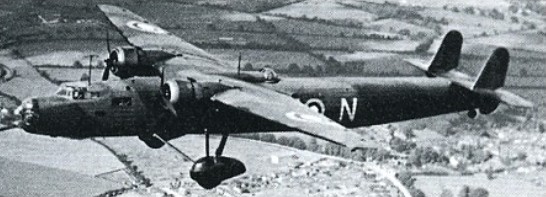
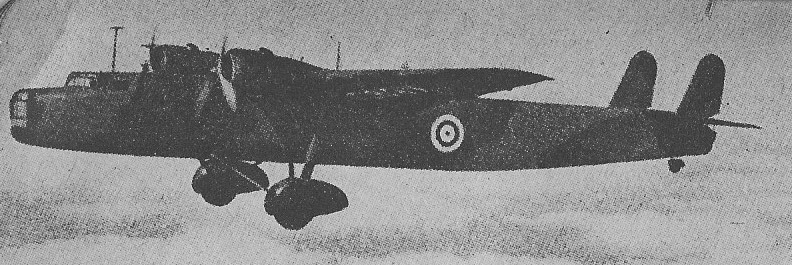
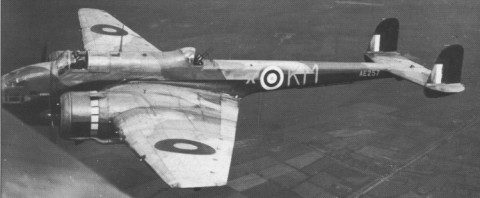
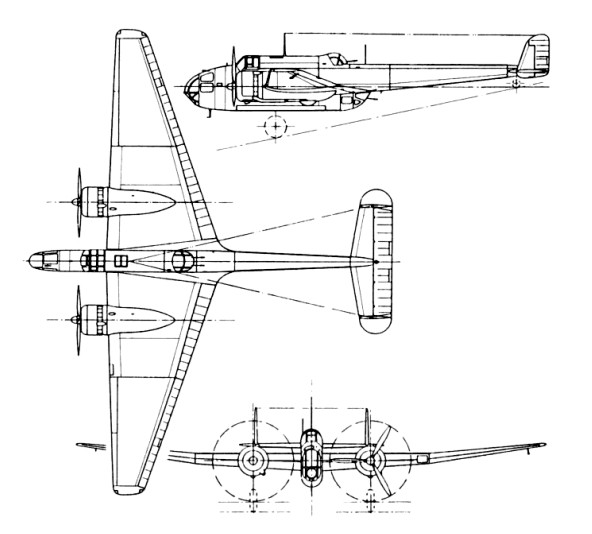
The Harrow was one of the RAF’s first monoplane bombers, and though never used in combat by Bomber Command it played a significant part in the training of bomber crews. The Harrow was based on the H.P.51 troop transport, and first flew on 10 October 1936 14 months after 100 had been ordered ‘off the drawing board’.
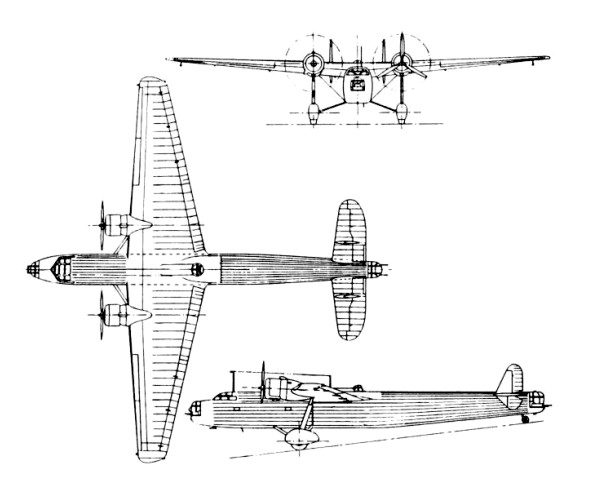
The Harrow bomber was a cantilever high-wing monoplane with a fixed divided-type landing gear and a twin fin and rudder-type tail unit. Enclosed accommodation was provided for a normal flight crew of four, who were also expected to man the nose turret, tail turret and mid-upper gun position.
The 38 Harrow Mk I bombers had the 619-kW (830-hp) Pegasus X radial, and were followed by the 62 Harrow Mk IIs with 689kW Pegasus XX engines and improved defensive armament. Production ended in December 1937, 11 months after the type had begun to enter service with No. 214 Squadron. By the time production ceased another four squadrons (Nos 37, 75, 115 and 215) had equipped with the type, and with some Whitley squadrons these formed Bomber Command’s main strength until well into 1939. At the outbreak of war the type was retired to the transport role and tested as an in-flight refuelling tanker circa 1939.
Engines: 2 x Bristol Pegasus XX, 690kW / 925 hp Wingspan: 26.95 m / 88 ft 5 in Length: 25.04 m / 82 ft 2 in Height: 5.92 m / 19 ft 5 in Wing area: 101.26 sq.m / 1089.95 sq ft Max take-off weight: 10433 kg / 23001 lb Empty weight: 6169 kg / 13600 lb Max. speed: 174 kts / 322 km/h / 200 mph at 10,000ft Cruise speed: 141 kts / 262 km/h / 163 mph Service Ceiling: 6950 m / 22800 ft Range: 1086 nm / 2010 km / 1249 miles Armament: 4 x 7.7mm / 0.303 machine-guns, 1360kg (3,000 lb) bombs Crew: 6
Gustav Lachmann took on the technical development of modern methods of aerodynamics and metal construction. His ideas were also incorporated into the H.P.52 Hampden.
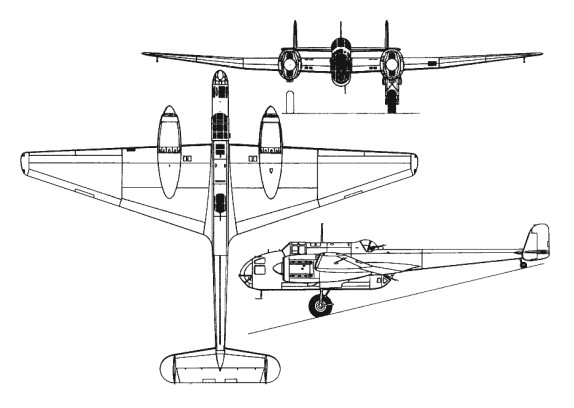
Built initially to Air Ministry Specification B.9/32, the Handley Page HP52 prototype, K4240, made its first flight on June 21, 1936.
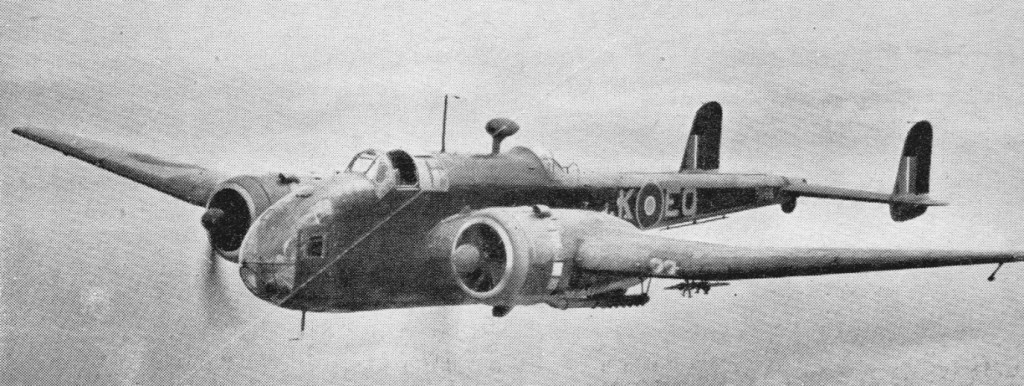
Of conventional all-metal stressed-skin construction, the Hampden’s thick-section mid-set monoplane wings tapered both in chord and thickness. Handley Page slots on the leading edge of the wing outer panels, plus trailing-edge flaps, made possible a low landing speed. Accommodation was provided for a crew of four. Accommodation was provided for a crew of four. The fuselage was on 36in wide at its widest point.
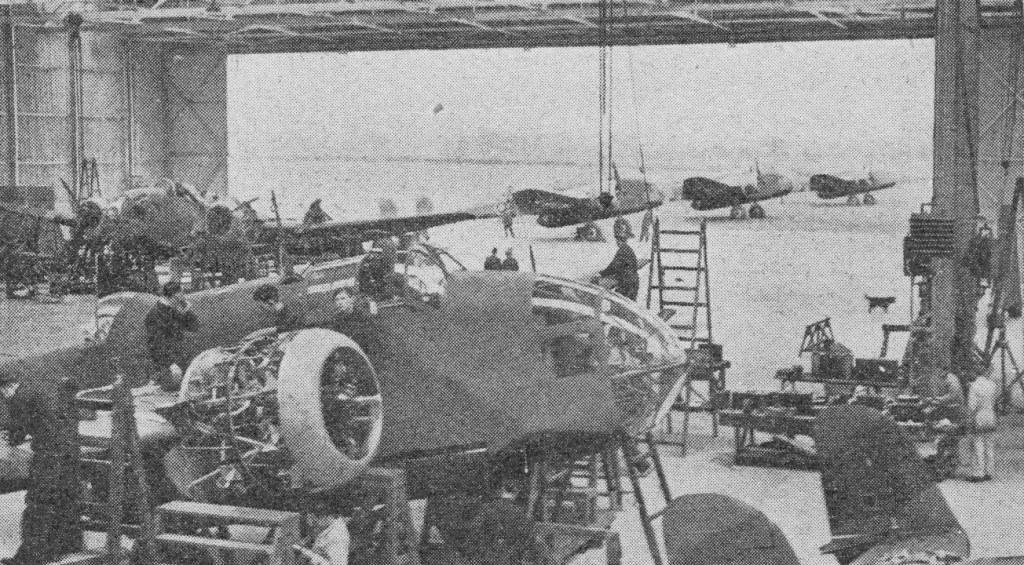
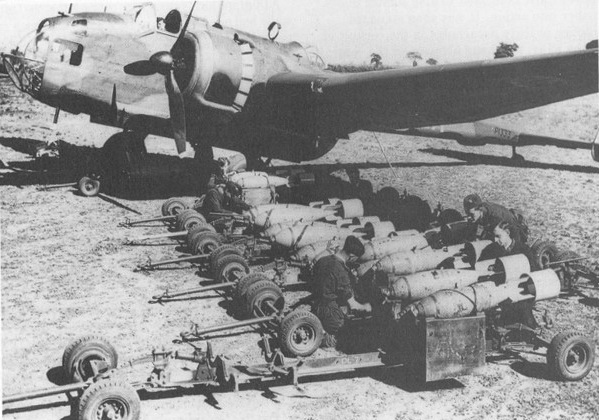
Seven weeks after the first flight, the design was put into production, and the first examples entered RAF service in the autumn of 1938, 49 Squadron being the first unit to fully reequip with the type. By September 3, 1939, the RAF possessed a total of 212 Hampdens (ten squadrons, including reserves) which represented almost 25% of Bomber Command’s offensive first-line bomber strength. Hampdens flew on operational sorties from the first day of the war, and during the first few months suffered high casualties in unescorted daylight bombing attacks against naval targets along the German coastline.
During operations, the Hampden proved to have serious deficiencies, particularly in its defensive armament, which consisted of five 0.303 inch machine guns. The fixed forward firing gun proved almost useless and the single guns in the nose, dorsal and ventral positions had limited transverse, leaving a number of blind spots. In addition, the cramped conditions led to crew fatigue on long flights, and it was almost impossible for crew members to gain access to each others cockpit in an emergency. Losses during early daylight raids were very heavy.
To improve the defensive armament, the dorsal and ventral positions were each fitted with twin Vickers K machine-guns. In addition, armor plate was installed and flame-damping exhaust pipes were fitted for night flying. Thus modified, the Hampden did useful work in Bomber Command’s night offensive from 1940 to 1942, taking part in the RAF’s first raid on Berlin and in the 1,000-bomber raid on Cologne.
Switching mainly to night bombing by early 1940, Hampdens became the chief exponent of ‘gardening’ sorties-sowing sea mines in enemy waters but continued to participate in Bomber Command’s nightly assault on Germany. In 1940 two Hampden crew members, Flight Lieutenant R A B Learoyd of 49 Squadron, and Sergeant John Harmah of 83 Squadron, were each awarded a Victoria Cross for valour during bombing operations.
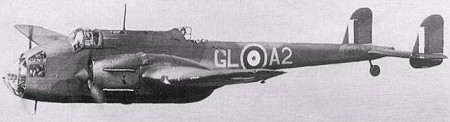
No.49 Sqn Hampden
Though obsolescent for its intended role as a medium day bomber, and poorly armed for self defence against more modern enemy fighters, the Hampden continued in first line operational service with RAF Bomber Command until September 1942. In three years of operations as a pure bomber, Hampdens flew a grand total of 16541 individual sorties, dropping almost 10000 tons of bombs on German targets. In the same period, however, 413 Hampdens and their crews were lost in action. On February 1, 1942, a total of eight Hampden squadrons, all in No 5 Group, Bomber Command, were operational, though by the end of the year they had all converted to Avro Manchesters or Avro Lancasters. Retired as a bomber, the Hampden saw a further year’s first line service as a torpedo bomber with Coastal Command, equipping at least four squadrons before finally being withdrawn from operational roles in December 1943.
A total of 1584 Hampdens and its stablemate, the Hereford, was built and delivered to the RAF, equipping a total of 21 squadrons at some period of the war. A further 160 were built in Canada.
Hampdens were produced by The English Electric Co.
Nicknamed variously as ‘Hambone’, ‘Flying Suitcase’ and ‘Ferocious Frying Pan’, the Hampden was nevertheless popular with its pilots, due to its near fighter manoeuvrability and excellent all round vision field from the high forward cockpit. Internally, its very restricted space created no little discomfort for other crew members, while its poor defensive armament, comprising a single hand held machine gun in the nose and single or twin machine guns in ventral and dorsal positions, belied the original description of the design in 1936 as a ‘fighting bomber’. Nevertheless, the Hampden and its contemporaries, the Bristol Blenheim, Vickers Wellington and Armstrong Whitworth Whitley, all outdated for modern warfare by 1940, had to soldier on as Bomber Command’s only weapons during the first three years of the 1939 45 war, until heavier, four engined replacements became available in ample quantities in late 1943.
HP.53 Hereford
The Hereford bomber was a Napier Dagger-engined version of the Hampden, ordered as a back-up at the same time as the first Hampden production contracts. The noisy new inline engines overheated on the ground and cooled too quickly and seized in the air. Even routine maintenance was more complicated than that required for the Hampden’s Pegasus radials. There were no performance advantages from the new engines. Only a very small number of Herefords saw action (in Hampden squadrons). The rest were relegated to training units, soon followed by the marginally better Hampen.
The Hereford was distinguishable from the Hampden by its longer engine cowlings and greater dihedral on the outer wings.
The Hereford and Hampden had a single-pilot cockpit with a sliding canopy, which was sometimes left open in flight for the ‘wind-in-the-hair’ feel.
A total of 1,432 Hampdens were built, 502 of them by Handley Page, 770 by English Electric and 160 in Canada by the Victory Aircraft consortium. Of the 160 built, 84 were shipped by sea to Britain, while the remainder came to Patricia Bay (Victoria Airport) B.C., to set up No.32 OTU (RAF). Due to heavy attrition from accidents, a number of “war weary” Hampdens were later flown from the U.K. to Pat Bay as replacements.
Victory Aircraft Hampden Engines: Two 1000 hp Bristol Pegasus XVIII engines Maximum speed: 254 mph (409 km/h) Empty weight: 11,780 lb (5,345 kg) Loaded weight: 18,756 lb (8,505 kg) Span: 69 ft 2 in (21.1 m) Length: 53 ft 7 in (16.3 m) Height: 14 ft 11 in (4.5 m) Wing area: 668 sq ft (62.1 sq m)
HP 52 Hampden Engines: 2 x Bristol Pegasus XVII, 746kW / 1000 hp Wingspan: 21.1 m / 69 ft 3 in Length: 17.0 m / 55 ft 9 in Height: 4.6 m / 15 ft 1 in Wing area: 62.0 sq.m / 667.36 sq ft Max take-off weight: 8510 kg / 18761 lb Empty weight: 5340 kg / 11773 lb Max. speed: 408 km/h / 254 mph Cruise speed: 350 km/h / 217 mph Ceiling: 6900 m / 22650 ft Range w/max.fuel: 3200 km / 1988 miles Range w/max.payload: 1400 km / 870 miles Armament: 4 x 7.7mm / 0.303 in machine-guns, 1800kg of bombs Crew: 4
Hampden B.Mk I Span: 21.08 m (69 ft 2 in) Length: 16.33 m (53 ft 7 in) Gross weight: 8508 kg (18760 lb) Maximum speed: 426 km/h (265 mph)
Hampden TB.1
Handley Page HP 53 Hereford Engines: 2 x Napier Dagger VIII, 986 hp / 746kW Length: 53 ft 7 in / 16.33 m Height: 14 ft 11 in / 4.55 m Wing span: 69 ft 2 in / 21.08 m Wing area: 668.014 sq.ft / 62.06 sq.m Max take off weight: 17803.2 lb / 8074.0 kg Weight empty: 11701.9 lb / 5307.0 kg Max. speed : 230 kts / 426 kph / 265 mph Cruising speed: 150 kts / 277 kph / 172 mph Service ceiling : 19,000 ft / 5790 m Wing load : 26.65 lb/sq.ft / 130.0 kg/sq.m Range w/max.payload: 1043 nm / 1931 km Crew : 4 Armament : 6x cal.303 MG (7,7mm), 1814kg Bomb.
Gustav Lachmann took on the technical development of modern methods of aerodynamics and metal construction, and went on to convert the H.P.43 biplane into the H.P.51, with a modern monoplane wing and aircooled engine nacelles. This led to the order for 100 of a production version, the H.P.54 Harrow.
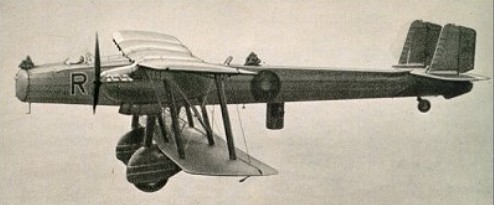
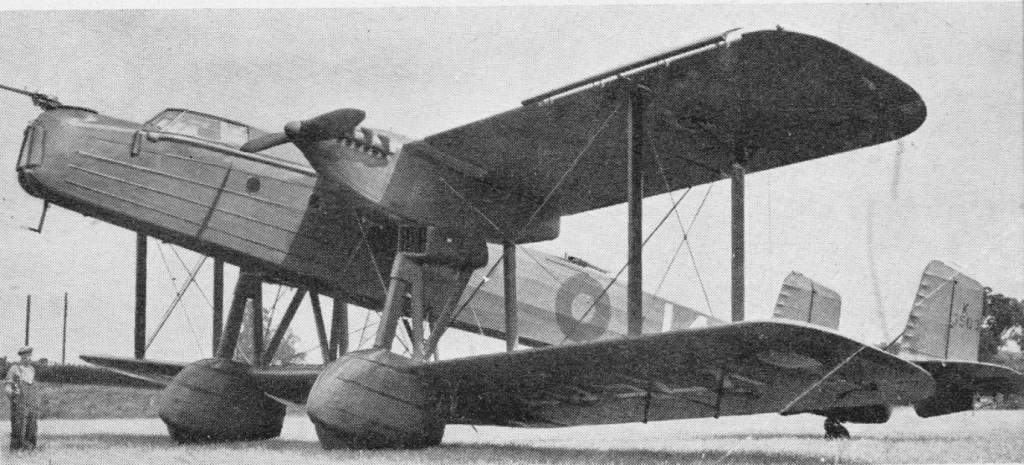
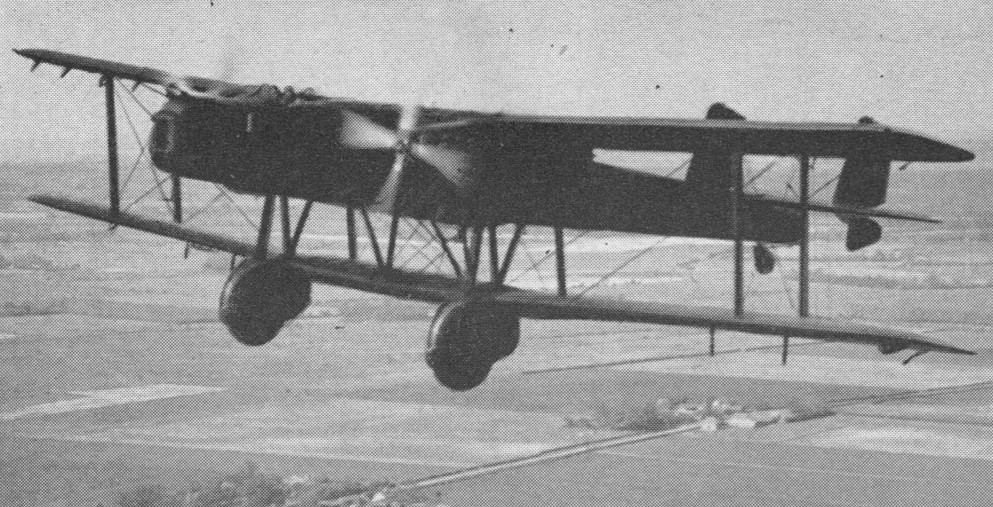
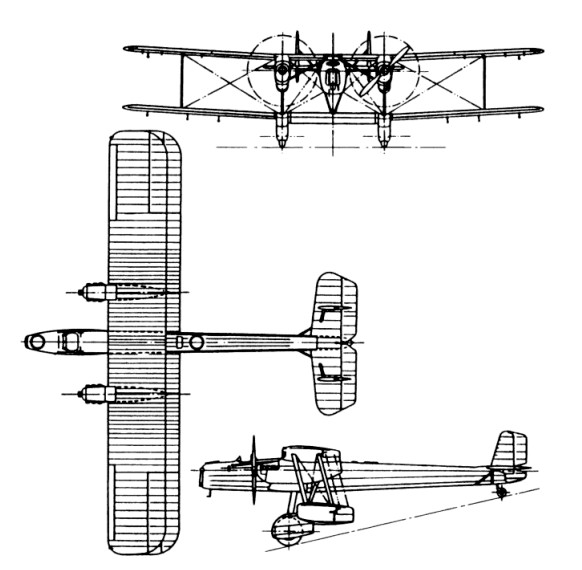
The Heyford was the RAFs last biplane heavy bomber, an unusual type with the fuselage attached to the undersurface of the upper wing and the centre section of the lower wing thickened for internal carriage of the bombload. The long main landing gear units were attached at their upper ends to the engine nacelles, while the wheel spats were attached at their rear to the lower-wing centre section. The Heyford prototype flew in June 1930, and production of 124 aircraft up to July 1936 comprised 38 Mk Is and Mk lAs, 16 Mk Is with de¬rated 391.2kW Rolls-Royce Kestrel VI engines, and Mk IIs and 70 Mk IIIs with fully rated 428.5kW Kestrel VI engines and four-blade propellers.
The Heyford was an equal-span biplane with staggered wings: the upper wing centre-section rested on top of the fuselage, while the lower was positioned well below the fuselage, connected to the under-fuselage by N-type struts. The inner interplane struts supported the engine mountings. Bombs of various sizes were carried inside the thickened centre-section of the lower wing, each bomb being carried in a separate cell closed by spring doors. The fixed landing gear comprised two large wheels faired into the lower wing. The nose and dorsal gun positions of the Heyford were equipped with Scarff mountings for their 0.303 in (7,7 mm) Lewis or Vickers guns. Of the three versions of the Heyford, the Mks I, II and III, the visible differences are primarily in detail, including such items as alternative wheel pants, three and four bladed propellers, and varying radiator intake designs. The main bomb load was housed in the thickened centre section of the lower wing. Additional bombs were carried on external racks. A total of 124 Heyfords were built, made up of 38 Mk I and IA, 1 intermediate Mk IA/II, 16 Mk II and 71 Mk III – including changes made from the original production orders.
The type entered service in November 1933 with No 99 Sqn at Upper Heyford, and equipped a total of 11 squadrons before being phased out from 1937, removed from first-line service in 1939 and finally declared obsolete in July 1941.
Heyford Mk IA Engines: 2 x Rolls-Royce Kestrel IIIS, 429kW/ 575 hp Span: 22.86m / 75 ft Length: 17.68m / 58 ft Height: 5.3 m / 17 ft 5 in Wing area: 136.6 sq.m / 1470.35 sq ft Empty weight: 4580 kg / 10097 lb Max T/O weight: 7666 kg / 16,900 lb Max. speed: 229 km/h / 142 mph at 13,000 ft Ceiling: 6400 m / 21000 ft Range: 1480 km / 920 miles with 726-kg (1,600-lb) bombload Armament: 3 x 7.7-mm (0.303-in) mg, 1588 kg (3,500 lb) bombs
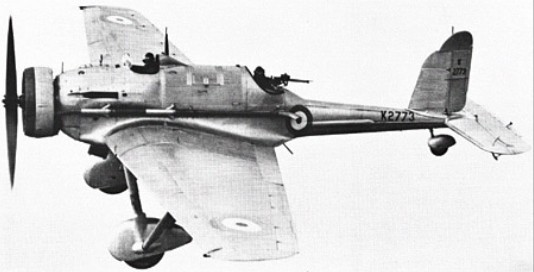
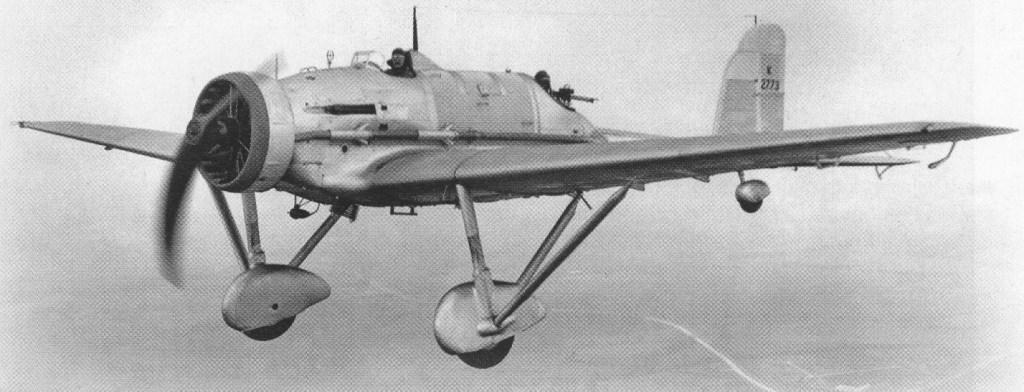
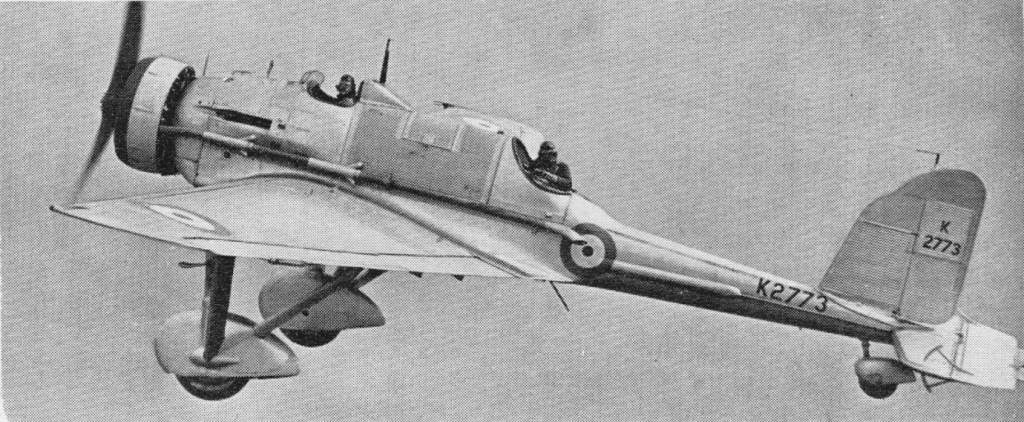
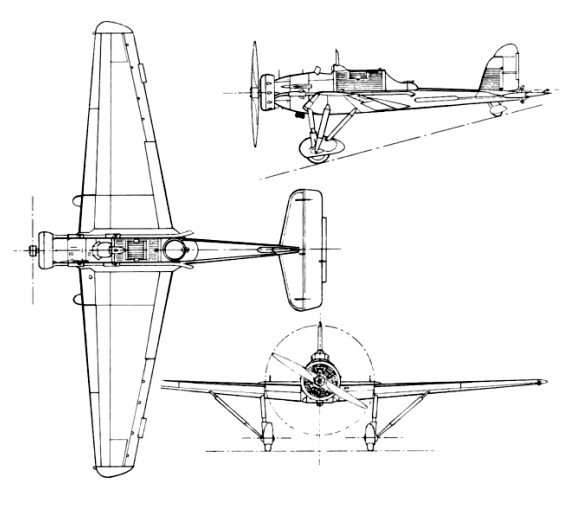
Air Ministry Specification G.4/31 called for a General Purpose aircraft, capable of level bombing, army co-operation, dive bombing, reconnaissance, casualty evacuation and torpedo bombing. The Vickers Type 253 won against the Fairey G.4/31, Westland PV-7, Handley Page HP.47, Armstrong Whitworth AW.19, Blackburn B-7, Hawker PV-4 and the Parnell G.4/31.
Gustav Lachmann took on the technical development of modern methods of aerodynamics and metal construction, resulting in the building and testing of the H.P.47. One prototype was built, first flown on 27 November 1933. No production was undertaken.
Engine: 1 x 660hp Bristol Pegasus III.M3 Max take-off weight: 4197 kg / 9253 lb Empty weight: 2434 kg / 5366 lb Wingspan: 17.68 m / 58 ft 0 in Length: 11.46 m / 37 ft 7 in Wing area: 40.69 sq.m / 437.98 sq ft Max. speed: 259 km/h / 161 mph Ceiling: 6066 m / 19900 ft Range: 886 km / 551 miles Armament: 2 x 7.7mm machine-guns, 2 x 227kg bombs or a torpedo Crew: 2
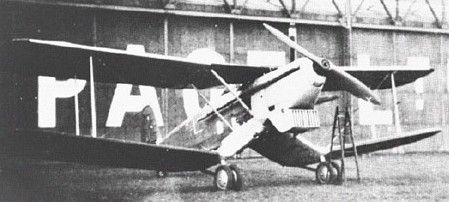
The HP46 was designed to specification M.1/30 for a two seat shipborne torpedo bomber. Powered by an 825 hp Rolls Royce Buzzard III, the HP 46 first flew on 25 October 1932.
The company spent more than £36,000, on the HP46, nearly twice the contract price, but it only flew 5 hr 30 min and was condemned as too dangerous for deck flying. In April 1936 it left Radlett by road for farnborough and was never seen again.
Engine: 1 x 825hp Rolls-Royce Buzzard IIIS Wingspan: 15.24 m / 50 ft 0 in Length: 12.01 m / 39 ft 5 in Wing area: 60.94 sq.m / 655.95 sq ft Max take-off weight: 4812 kg / 10609 lb Empty weight: 2838 kg / 6257 lb Max. speed: 225 km/h / 140 mph Armament: 2 x 7.7mm machine-guns, 1000kg of bombs or a torpedo Crew: 2
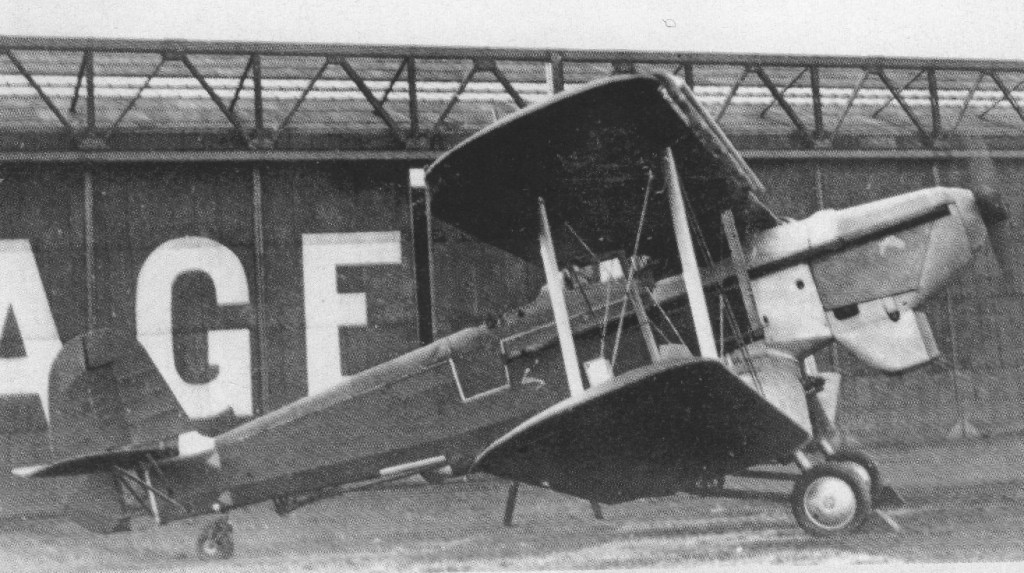
The HP.43 was tendered to specification C.16/28 for a three engined bomber / transport. Only one was built, J9833, with three uncowled Bristol Pegasus IM3 radial engines, and it first flew on 21 June 1932. It had heavy and badly harmonised controls and poor performance, and was converted into the HP.51 twin engined monoplane to C.26/31.
Derived from the Hanibal, it had the same wings, with a new fuselage.
Gustav Lachmann took on the technical development of modern methods of aerodynamics and metal construction, and went on to convert the H.P.43 biplane into the H.P.51, with a modern monoplane wing and aircooled engine nacelles. This led to the order for 100 of a production version, the H.P.54 Harrow.