Horizontec Halcón 1

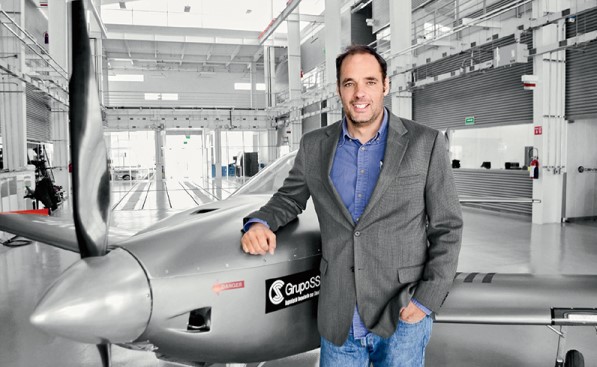
On 12 March, 2020, it was announced the Halcón 1 MSN 001 aircraft received the Certificate of Airworthiness from the Federal Civil Aviation Agency (AFAC), thus concluding a certification process under the experimental aircraft category.

The two-seater aircraft was built by Horizontec, a Mexican company dedicated to the design and development of aircraft supported by the National Center for Aeronautical Technologies (Centa).
More
On September 30th, 2017, the H1 made its first flight at the Queretaro Intercontinental Airport (AIQ), lasting approximately 30 minutes. Subsequently, in February 2018, the aircraft successfully completed 50 flight cycles necessary for Tipo approval, said Giovanni Angelucci, founding partner of Horizontec.

Horgan 1903 Flying Machine

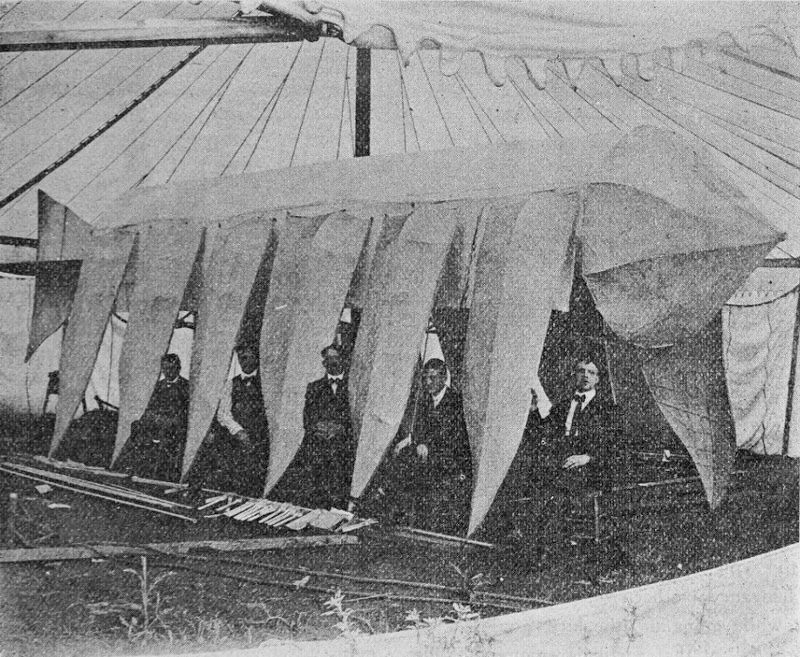
This unusual ornithopter was designed by William C. Horgan together with partners Theophilus Williams and M. Halsinger. It had six wings attached along each side of its five-foot diameter tubular fuselage, intended to make 90 beats per minute driven by a 3.5 hp vapour engine. The framework was made of aluminium and was claimed to weigh only 200 lbs, with the passengers intended to sit in a cage below the fuselage. The machine crashed during a test, putting an end to the Canadian-born Chicago inventor’s dreams of profitable passenger-carrying flights and his plans to participate in the 1904 St Louis Aeronautic Competition.

Hopfner HR.1434 / HR.14/34

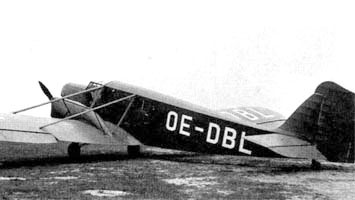
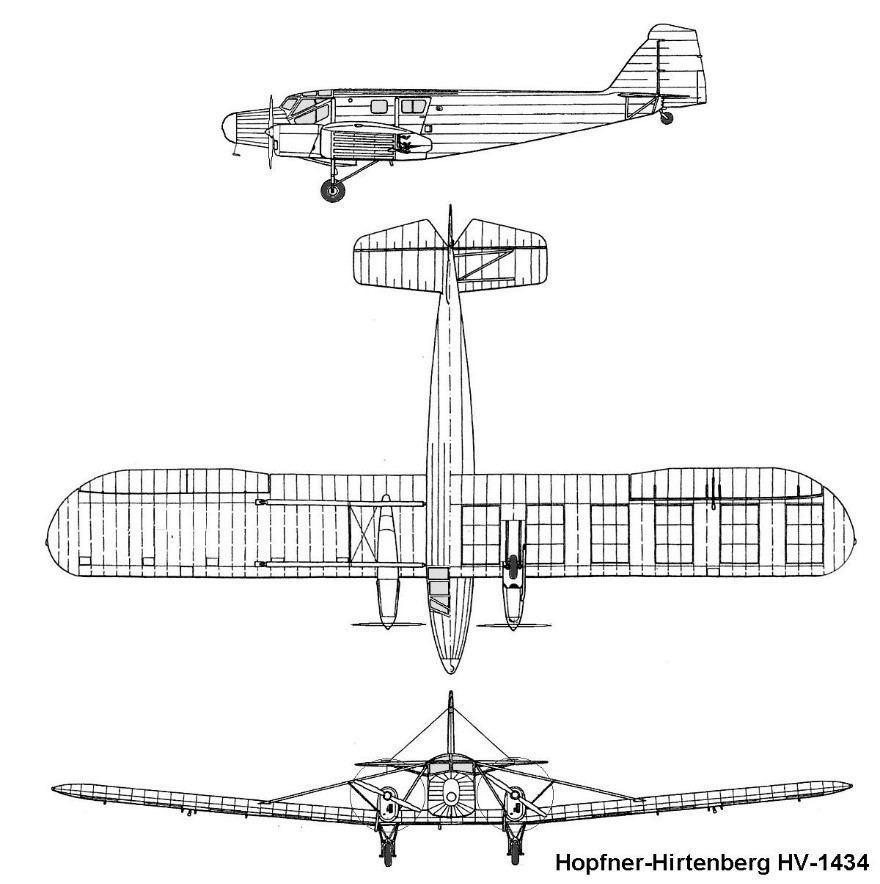
After the development of the transport high-level plan HV.12 / 34, designer Lampich started the design of the low-wing transport aircraft, designated Hopfner HR.14/34 (HR.1434) Werk.Nr 33. Despite not some similarity, it was a completely unique project. The only example of the aircraft was built by Flugzeugbau Hopfner GmbH at the Aspern Vienna airfield.

The retractable undercarriage was later modified as fixed.

The first flight of the aircraft prototype (registration number OE-DBL, D-OBDL later) took place on March 24, 1936. The aircraft was used (mainly for advertising purposes) until the spring of 1937.

Engine: 2 x de Havilland Gipsy Major, 120 hp
Wing span: 20.10 m
Wing area: 48.00 sq.m
Length: 11.77 m
Height: 2.84 m
Empty weight: 1754 kg
Normal take-off weight: 2300 kg
Maximum speed: 139 km / h
Cruise speed: 108 km / h
Service ceiling: 3166 m
Crew: 1-2
Passenger capacity: 5

Hopfner HM-1334 / HM.13/34 / Hirtenberg HM-1334 / HM.13/34

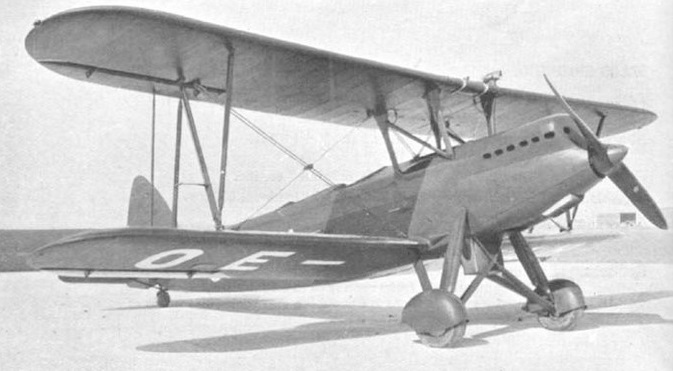
In 1934 Flugzeugbau Hopfner GmbH began building the Hopfner HM.1334 (HM.13/34). This was done on a purely private basis because there was no corresponding request from the Austrian Air Force.

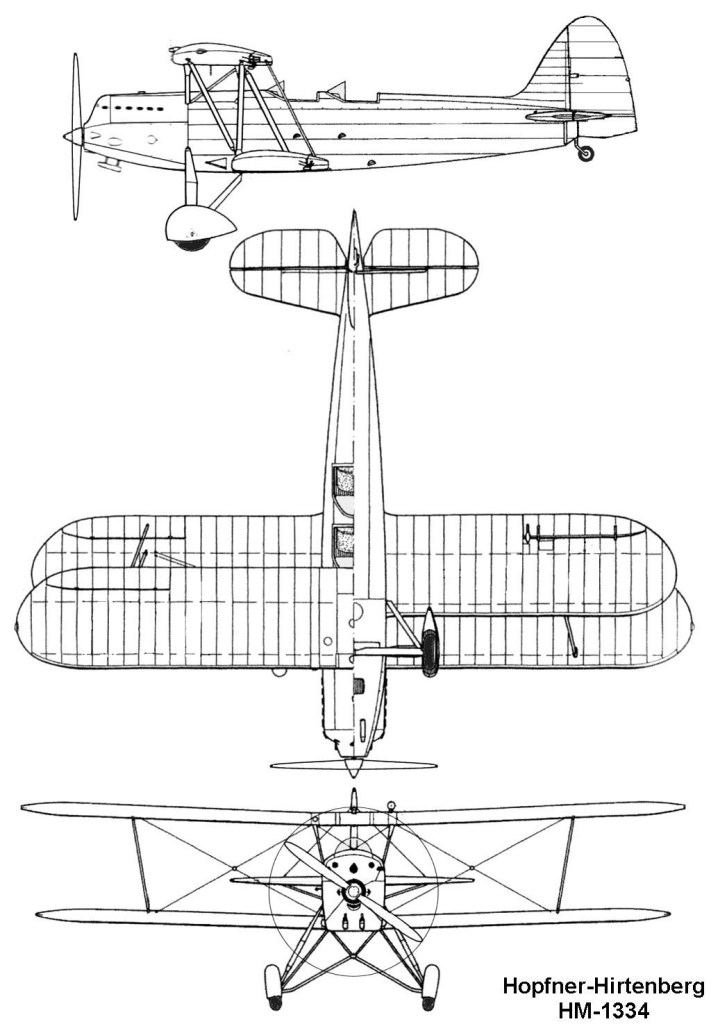
The machine was a two-seat, single-engine biplane in mixed construction with fixed tail wheel gear and normal tail. The fuselage consisted of a tubular steel structure covered with plywood and fabric around the stern. Only in the engine area were light metal sheets used.

The two open pilot seats were arranged one behind the other and had sloped windshields. As engine only a BMW VI with 750 HP was to be used, but there were procurement problems, so that Lampich had to resort to available Fiat A-20 series engines. As armament was a 7.9 mm machine gun Hotchkiss provided, installed in the upper wing and firing over the propeller circle. The biplane wings and the tail were wooden structures covered with plywood and fabric. All control surfaces were cloth-covered. The upper wing had a short wing center piece, which rested on each of two V-struts above the fuselage. The upper and lower wings were each connected by an N-strut and additionally with cables. The tailplane was supported by a strut to the fuselage. The undercarriage was on the engine frame of the fuselage and also backwards to the fuselage and the hull bottom. The wheel arches were aerodynamically shaped.

With the takeover of Hopfner by the Hirtenberger Patronen-, Zündhütchen- and Metallwarenfabrik AG in Hirtenberg, the semi-finished aircraft was brought to Hirtenberg, where it was completed in 1935 and received the designation HM.13/34 or HM.1334.

The first flight took place on June 6, 1935 and during the following flight testing there were no noteworthy incidents. The machine was then presented to the Austrian Air Force, but the interest was low, since several Fw 44J had been procured from Germany for fighter pilot training.

Finally, at the beginning of 1936, three machines were ordered by the Austrian Air Force (for Verwendungsgruppe B, Beanspruchungsgruppe II), which were delivered from the summer of 1936 and received the civil identifiers OE-FAH (factory number 52), OE-FEH (factory number 53) and OE-FIH (factory number 54). After the annexation of Austria to the German Reich in 1938, the three machines, like all Austrian military machines, were taken over by the Luftwaffe and passed on to fighter pilot schools in southern Germany.

The fate of HM.13/34 is unknown.

Hopfner / Hirtenberg HM.13/34
Engine: Fiat A-20, 410 hp (302 kW) max /
Continuous power: 355 hp (282 kW) at 3,000 m
Propeller: adjustable two-bladed wood
Propeller diameter: 2.50 m
Propeller disc: 4.91 m²
Wingspan upper: 10.21 m
Wingspan lower: 9,60 m
Upper wing dihedral: 2.33°
Lower wing dihedral: 2.66°
Wing area: 27.80 m²
Aspect ratio: 6.76
Wing chord: 1.08 m
Length: 8,45 m
Height: 3,03 m
Empty weight: 1,185 kg
Normal weight: 1,585 kg
Maximum TOW: 1,695 kg
Fuel tank capacity: 345 lt
Top speed SL: 258 km / h
Top speed at 3,000 m: 272 km / h
Cruise speed at 3,000 m: 245 km / h
Landing speed: 96 km / h
Ceiling: 6,000 m
Climb rate: 7.3 m / s
Time to 1,000 m: 2,4 min
Time to 3,000 m: 9.5 min
Range normal: 450 km
Maximum range: 600 km
Endurance: 2.5 hr
Wing loading: 60.97 kg / m²
Power load: 4.13 kg / hp (5.61 kg / kW)
Wheel track: 2,54 m
Crew: 1
Armament: 1 x 7.9 mm Hotchkiss machine gun / 500 rounds
Maximum bomb load: 40 kg
Hopfner HV.1234 / HV.12/34

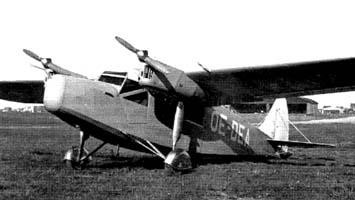
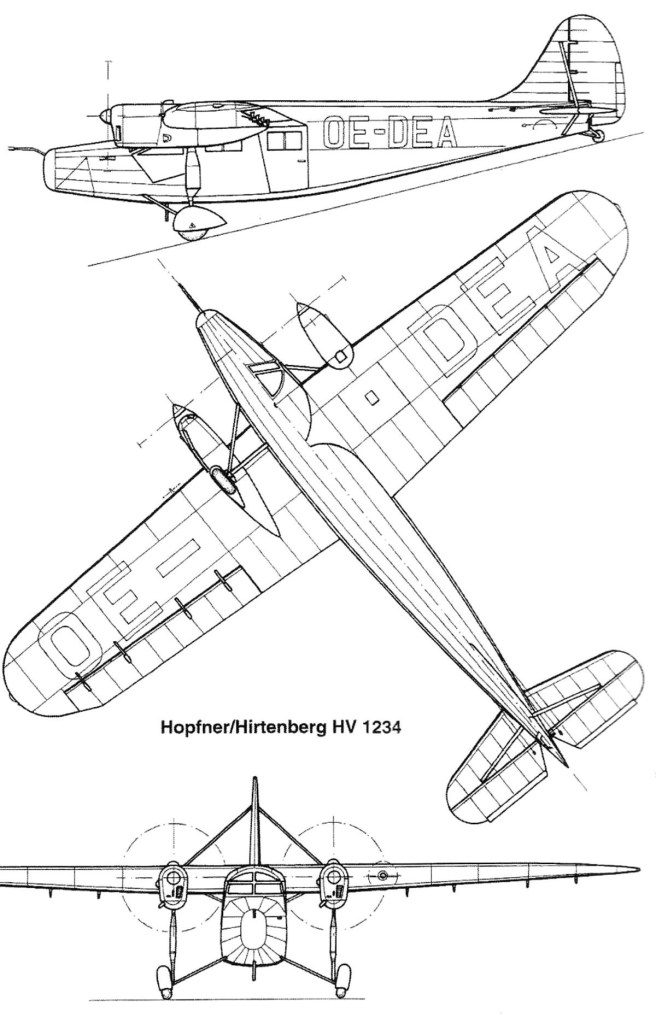
The Hopfner HV.12 / 34 (HV.1234) light transport aircraft was designed by Lampich by special order of Anton von Habsburg, Prince Lorraine. The aircraft became the first twin-engine transport aircraft of Flugzeugbau Hopfner GmbH.

The HV.1234 featured six-seat., with enclosed cockpits and fixed undercarriage. The spacious fuselage was a steel tube construction, which was covered with fabric in the front and back center area with plywood at the stern. The passenger cabin space offered seats for five passengers and was luxuriously equipped. The two spar wings and tail were wooden structures, which were covered with plywood and fabric. The rudder were fabric covered. The flanding gear was fixed to the wing spars, and went through the engine cowling and had two oil dampers. Against the bottom of the fuselage, it was connected, each with a V-strut.

The first flight of the prototype aircraft, registered A-150 werk.Nr 28, took place in August 1935 at Aspern. The flight characteristics were assessed as good and the HV.12/34 flew irregularly as a private aircraft, but also as a light transport aircraft.

The following year, the aircraft received the registration number OE-DEA. After the annexation of Austria in 1938, the registration number was changed to D-OEEA. Later it came to the Airborne Division of Hirtenberger Cartridge Factory AG. When war broke out, it should be used as a liaison aircraft for the Luftwaffe, but there were problems with the supply of spare parts for the engines and the HV.12/34 was taken out of service. The fate is unknown.

Only the one was built.

Engine: 2 x de Havilland Gipsy Major, 130 hp
Prop dia: 2.00 m
Prop disc: 3.14 sq.m
Wing span: 14.10 m
Wing area: 30.00 sq.m
Aspect ratio: 6.63
Dihedral: 1 deg
Length: 10. 40 m
Height: 2.70 m
Empty weight: 1100 kg
Normal take-off weight: 2000 kg
Max take off weight: 2160 kg
Fuel capacity: 210 lt
Maximum speed: 205 km / h
Maximum speed at SL: 186 km/h
Cruising speed: 175 km / h
Range: 950 km
Servce ceiling: 4800 m
Climb to 1000 m: 6.25 min
Climb to 3000 m: 25 min
Rate of climb: 2.8 m/sec.
Endurance: 6 hr
Crew: 1
Passengers: 5

Hopfner HS.528

HS.528a

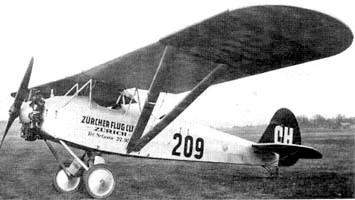
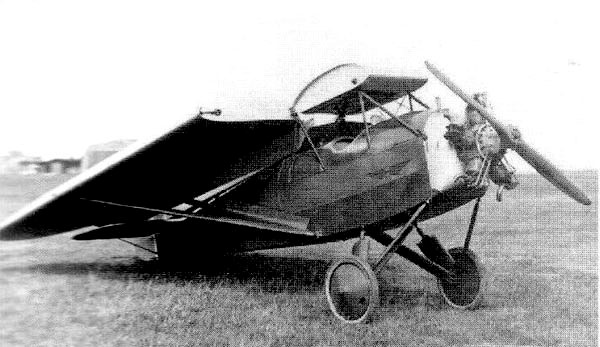
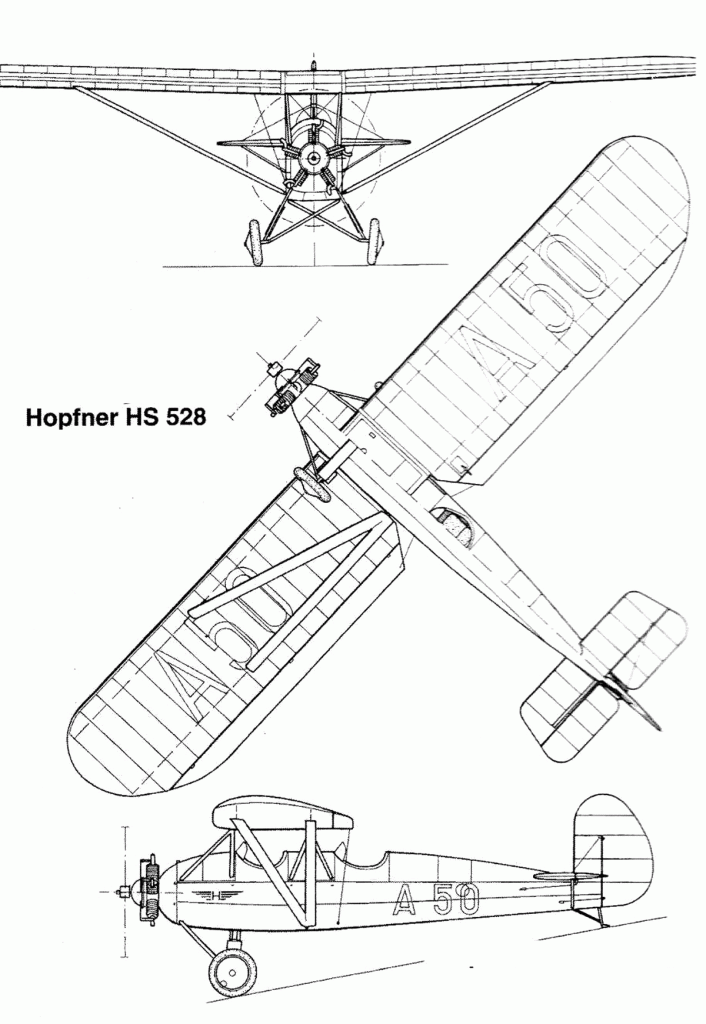
The Hopfner HS-5/28 was a conventional, parasol-wing monoplane utility aircraft built in Austria. It had seating for two occupants in tandem, open cockpits. The landing gear was of fixed, tailskid type with divided main units.

First flying in July 1928, two examples were built with Walter NZ60 engines as HS.528 (HS.5/28) A-50 and A-60 (later received the registration number OE-DLD). The aircraft flew until 1936 in Motorfliegergruppe Wien Nr. 51.

HS.528

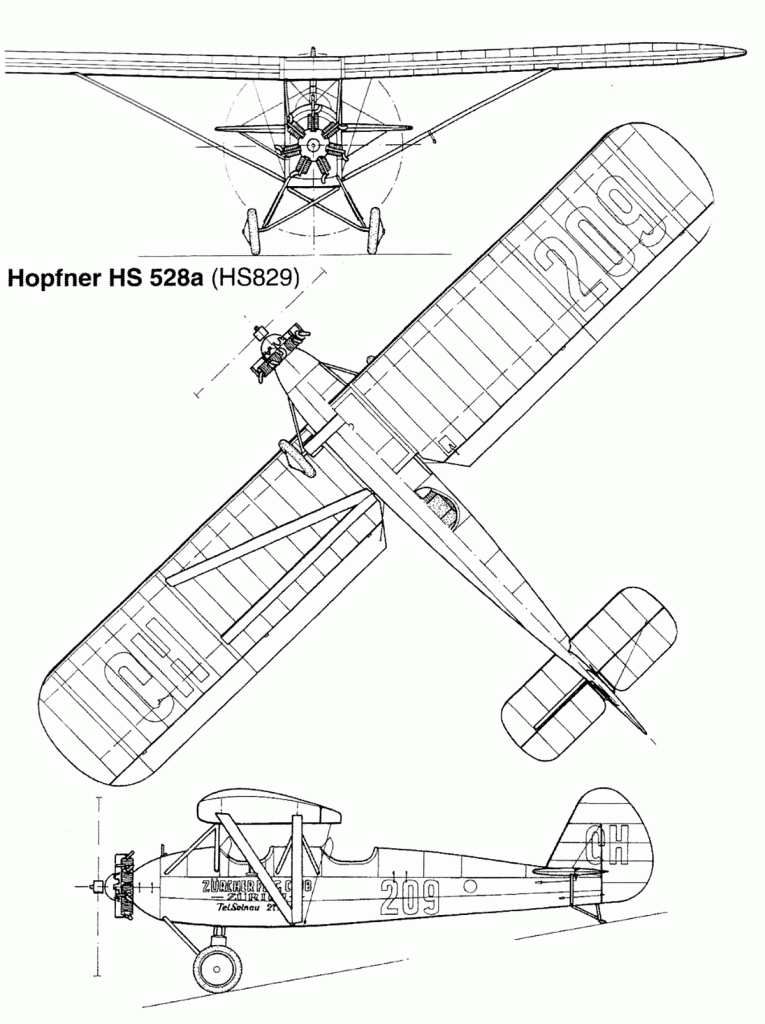
Following were two more with the more powerful NZ85, HS.528a (HS.5/28a), one rebuilt HS.528, for the Swiss aeroclub use. The first of the aircraft (the reconstructed A-50, the on-board number CH-231) was delivered to the customer in November 1928, and the second (CH-209) – in March next year. The latter was used until 1934 in the Zurich Aviation Club.

One HS.528a (HS.5/28a) was later 1 rebuilt as an improved version, the HS.829.

HS-5/28a
Engine: 1 × Walter NZ85, 63 kW (85 hp)
Wingspan: 11.26 m (36 ft 11 in)
Wing area: 18.5 m2 (199 ft2)
Length: 7.40 m (24 ft 3 in)
Height: 2.55 m (8 ft 4 in)
Empty weight: 400 kg (880 lb)
Gross weight: 650 kg (1,430 lb)
Maximum speed: 150 km/h (96 mph)
Range: 1,200 km (750 miles)
Crew: One pilot
Capacity: 1 passenger

Hopfner HS.8/29 / HS.829

HS.8/29

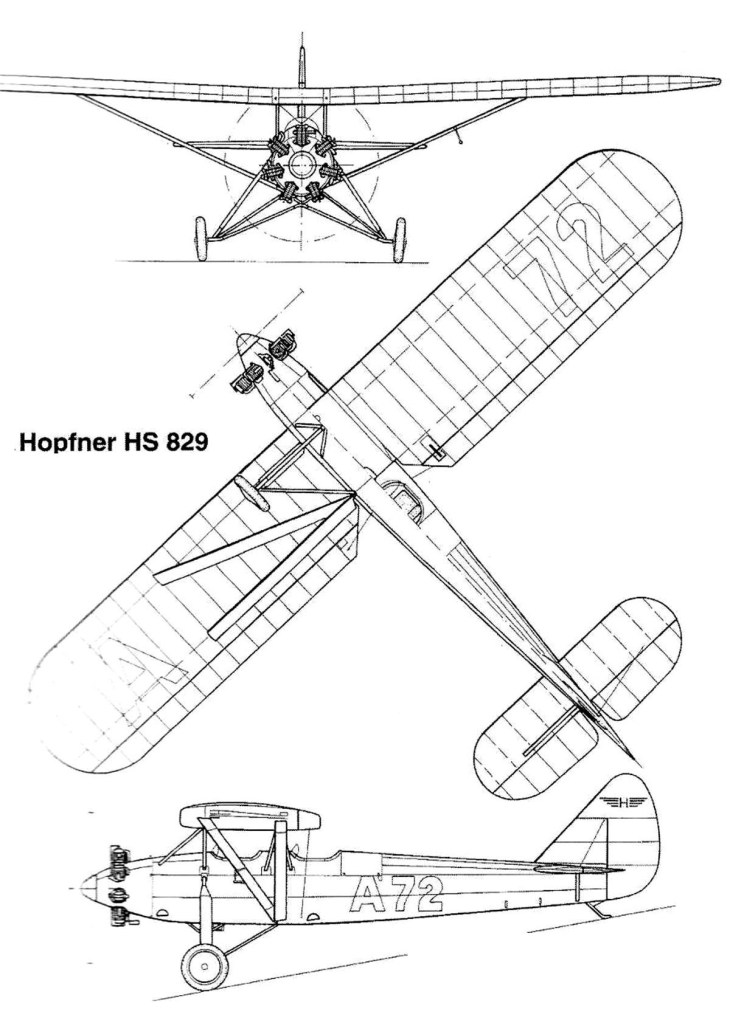
An improved version of the two-seater training / sports Hopfner HS.528 received the designation HS.829 and was equipped with a Walter motor of 85 or 110 liters capacity.

The HS-8/29 was a utility aircraft built in Austria in the late 1920s. It used a modernised version of its predecessor’s airframe, being a conventional, parasol-wing monoplane with seating for two occupants in tandem, open cockpits. The landing gear was of fixed, tailskid type with divided main units.

HS.8

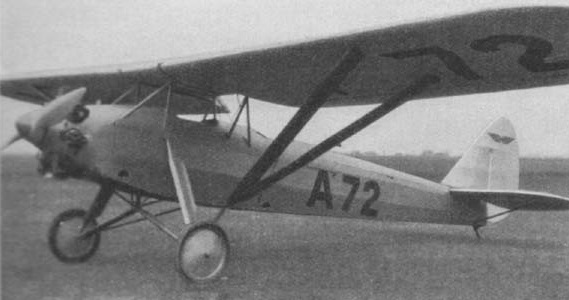
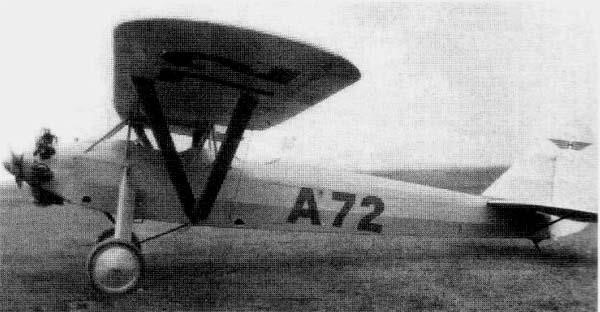
The prototype aircraft (A-72), equipped with a Walter NZ85 engine 85 hp, took off in 1929. After successful tests, a small batch of 5 aircraft equipped with a Siemens Sh 14A engine with 110 hp was produced. In 1930, another batch of 9 aircraft was ordered.

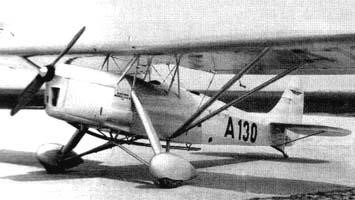
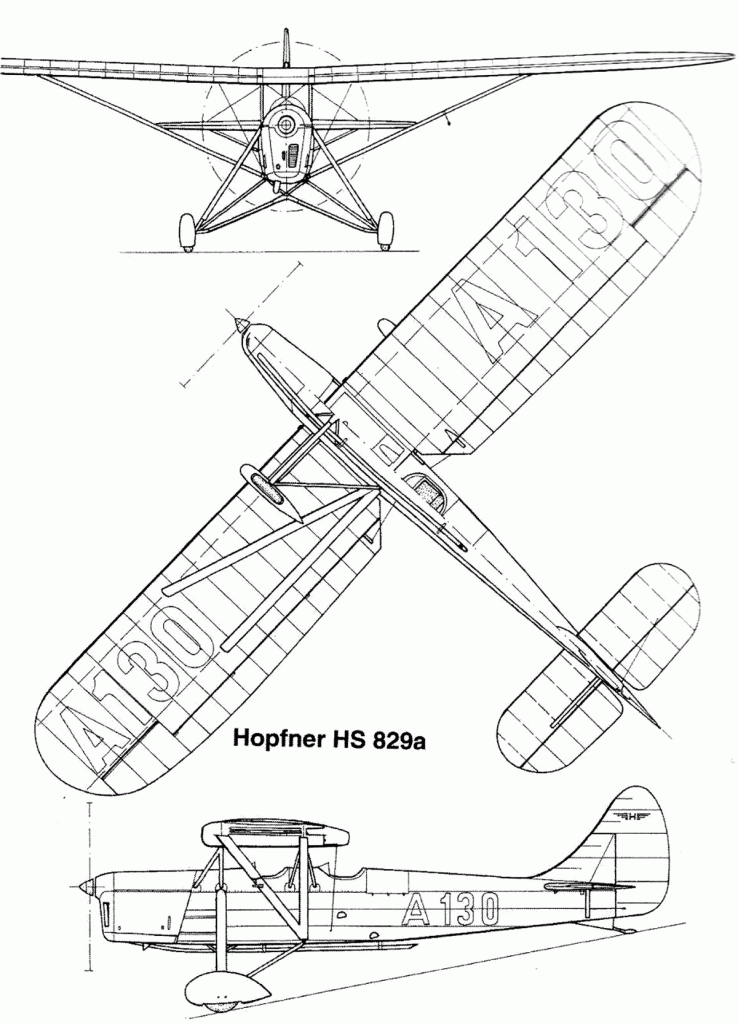
In 1932 a version of the airplane (A-130) was released with a de Havilland Gipsy III engine with 120 hp. The only example of the aircraft, designated HS.829a (HS.832), was transferred to the Austrian flying club, where it was used until February 1935.

Once again, the upgraded unit received the designation HS.932.

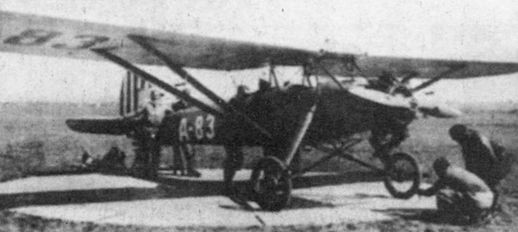
Hopfner HS.829 A-83 was operated in 1930 at the Tilag Fliegerschule Flight Training School in Graz.

Werk.Nr 21 Registration A-49, OE-DRH, D-ODDH was delivered to Max Olbrich. After “Anschluss” it was delivered to the Depot (Zeugamt) in Erding/Bayern and used for spare parts.

HS.829
Engine: Siemens Sh 14a, 110 hp
Span: 11.26 m
Wing area: 18.0 sq.m
Length: 7.70 m
Height: 2.40 m
Empty weight: 470 kg
Loaded weight: 763 kg
Max speed: 175 km/h
Cruising speed: 155 km/h
Range: 550 km
Crew: 2

HS 829