Kronfeld Drone / Super Drone / Planette / BAC Drone

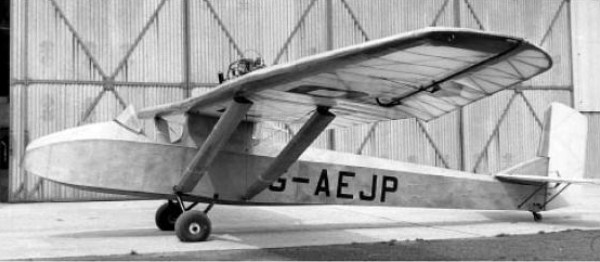
BAC Drone G-AEJP – 10 August 1936

The 1932 Planette was a powered development of the B.A.C.VII. A single-seater, four were built.

Kronfeld Drone Article

A further development was the single-seat, single engine Drone of 1935. A lightly laden high wing monoplane of 40 ft span, the Drone was devised by Charles Herbet Lowe-Wylde by fitting a motor-cycle engine to his sailplane. The idea was to give cheap training to pilots who had already gone solo. The pusher engine was mounted on top of the wing, behind the cockpit. Two were produced and two conversion were made.
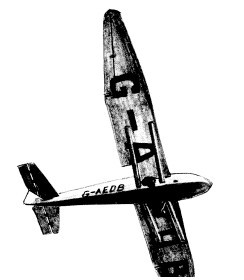
Drone

The BAC Drone was the production version of the Lowe-Wylde Planette and was first produced in 1933. B.A.C (1935) Ltd was formed in 1935 to take over production and development of the Drone.
BAC Drone

In 1935 twenty-five of the further developed Super Drone were produced, plus 1 conversion.

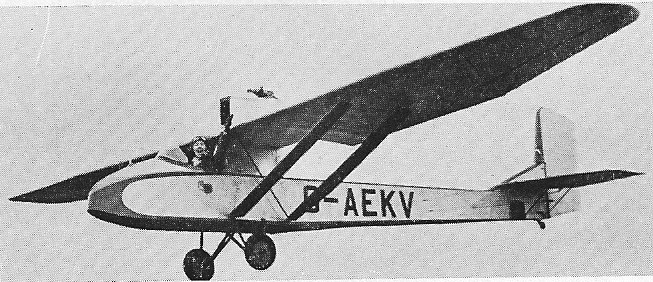
The final B.A.C.VII development was the Drone de Luxe of 1935. One was built and one conversion made.

Kronfeld Drone de Luxe G-AEKV

In 1936 Kronfeld built 20 Drone monoplanes.

In 1937 the Carden Ford 10 engine of 30 hp was fitted, along with the 32 hp Bristol Cherub 3.

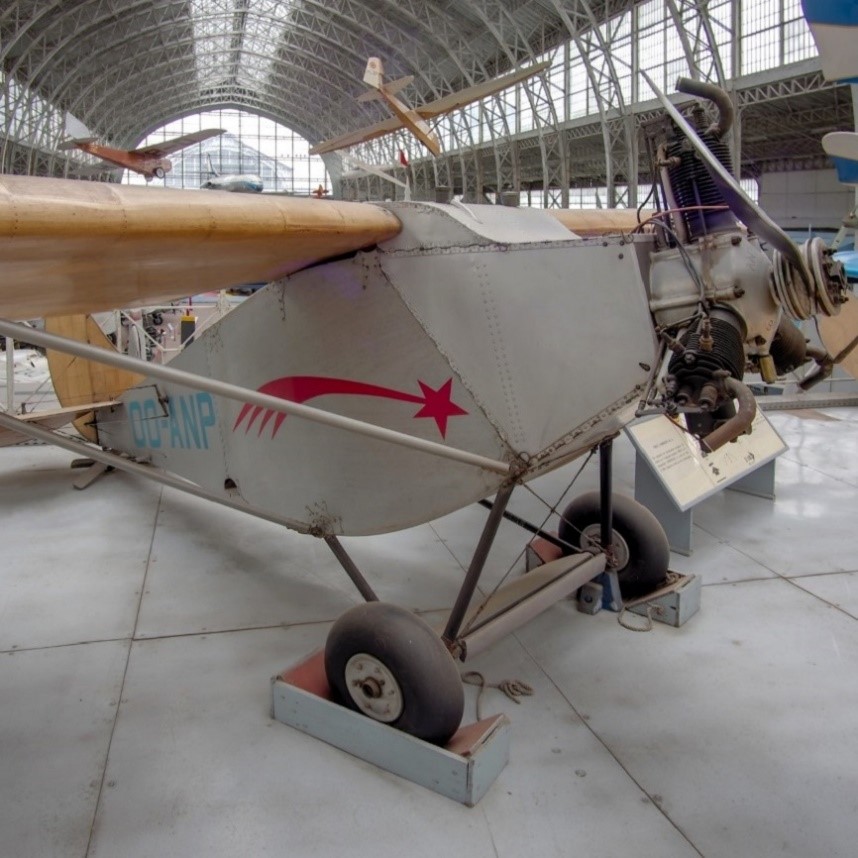
The Drone was also built under licence at Issy les Moulineaux in France by the Societe Francaise des Avions Nouvelles (SFAN), and at Ghent in Belgium by the Societe Gantoise des Avions sans Moteur.

British Aircraft Co Drone
Engine: Douglas Sprite 600cc
Span: 40 ft
Seats: 1
Max level speed: 73 mph
Cruise: 65 mph
Ceiling: 12,500 ft
Range: 340 miles
Price 1936: £295

BAC Drone
Engine: Carden Ford 10, 30 hp
Wingspan: 39 ft 8 in
Length: 22 ft
Height: 8 ft 4.5 in
Empty weight: 453 lb
Loaded weight: 670 lb
Max speed: 73 mph
Cruise: 65 mph
Range: 300 mi
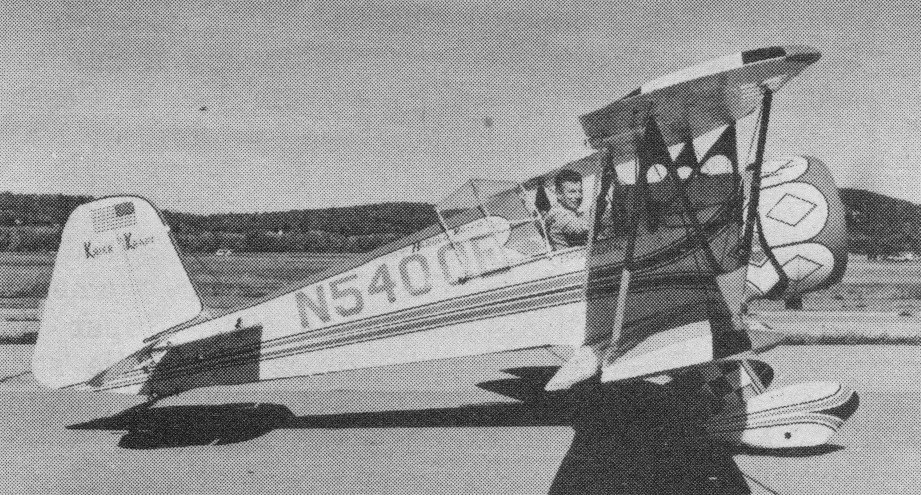
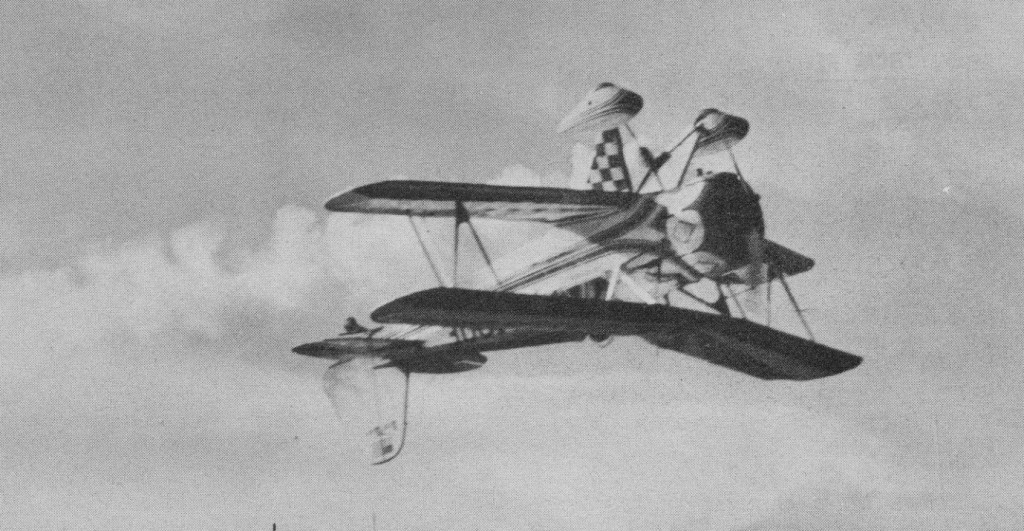
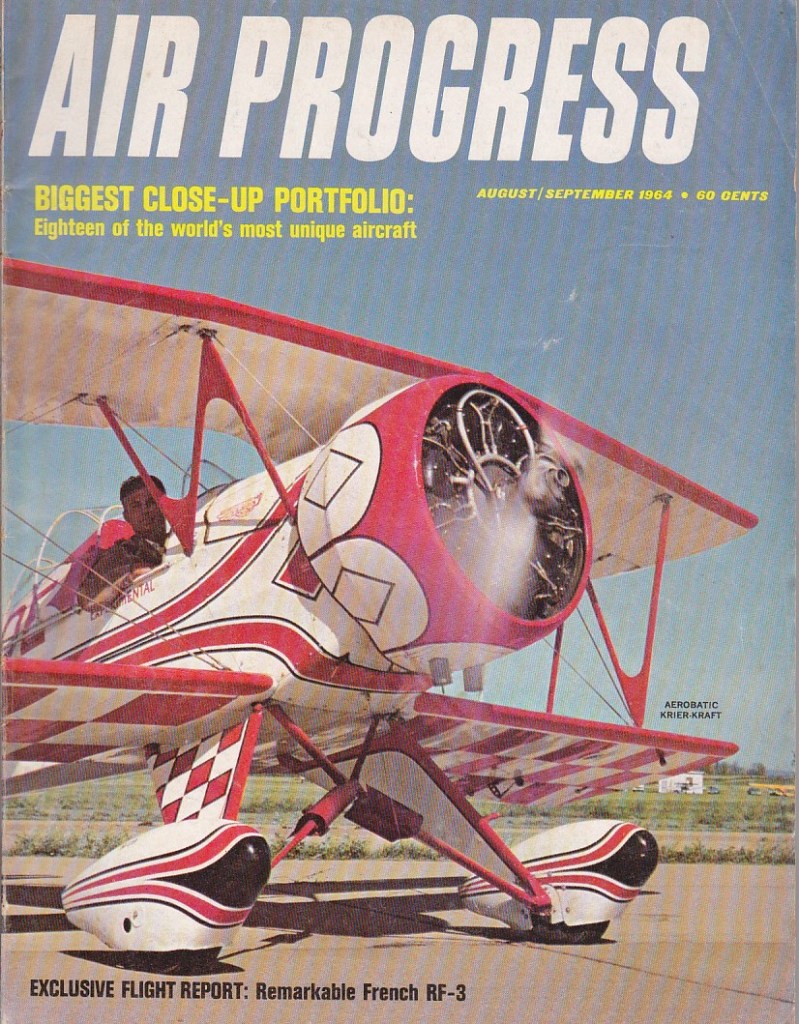
Krier-Kraft Acromaster

The 1964 Krier-Kraft Acromaster was an original aerobatic biplane built by Harold Krier, Wichita, Kansas, USA.

A performer for National Airshows, the Acromaster has a number of features to Bucker Jungmeister and Great Lakes and fully inverted engine and took nine months to build.

Engine: Warner 185J, 185 hp
Prop: Aeromatic 220-085
Wingspan both: 23 ft 8 in
Sweepback: 10.5 deg
Chord: 43 in
Length: 19 ft 8 in
Empty weight: 875 lb
Aerobatic weight: 1198 lb
Cruise: 120-125 mph

Kreß Flugapparat / Drachenflieger

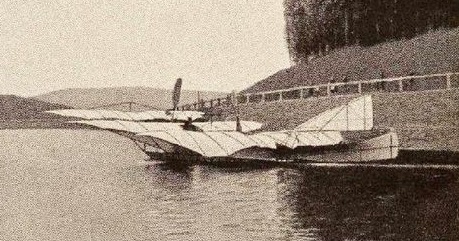
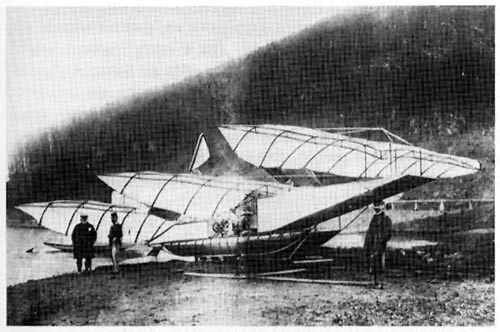
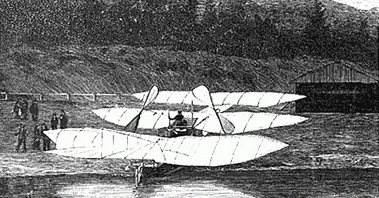
Also known as the Kreß (Kress) Drachenflieger, the Kreß Flugapparat 3-wing-in-tandem flying boat of 1901 was an effort of Austrian Wilhelm Kreß and only fell short of actually flying because of a too weak an engine.

Kreß himself, then already at advanced age, intended to test fly the machine on October 3, 1901 but the machine capsized and sank in the Wienerwaldsee-Untertullnerbach.

Kramme & Zeuthen KZ.X / SAI KZ.X

The SAI KZ X was a light aircraft produced in Denmark for army co-operation duties in the early 1950s. It was a strut-braced, high-wing monoplane of conventional design with fixed tailwheel undercarriage and was derived from the KZ VII.

First flown on 29 September 1951, deliveries to the Danish Army commenced in 1952, but by the summer of that year, two had already crashed.

The investigations of these crashes were conducted with technical assistance from Britain’s Royal Aircraft Establishment, but no underlying defect in the aircraft design was uncovered and the KZ X was returned to service. However, when two more crashes took place in 1954, the type was withdrawn from service. Of the 12 built, most KZ Xs were scrapped, with the only surviving example now in the Danmarks Flymuseum

Engine: 1 × Continental C145, 108 kW (145 hp)
Wingspan: 9.41 m (30 ft 11 in)
Wing area: 13.0 sq.m (140 sq.ft)
Length: 6.50 m (21 ft 4 in)
Height: 2.20 m (7 ft 3 in)
Empty weight: 529 kg (1,160 lb)
Gross weight: 860 kg (1,890 lb)
Maximum speed: 215 km/h (134 mph)
Range: 800 km (500 miles)
Service ceiling: 4,400 m (14,400 ft)
Crew: One, pilot
Capacity: 3 passengers

Kramme & Zeuthen KZ.VIII / SAI KZ.VIII

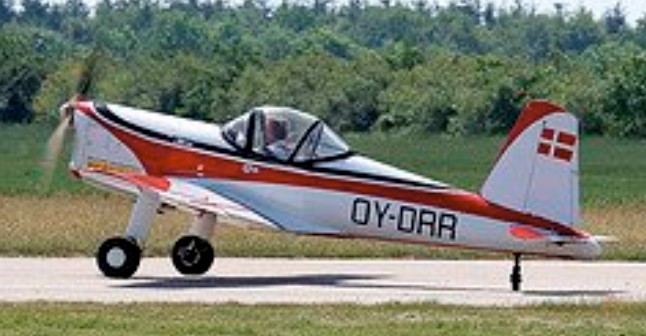
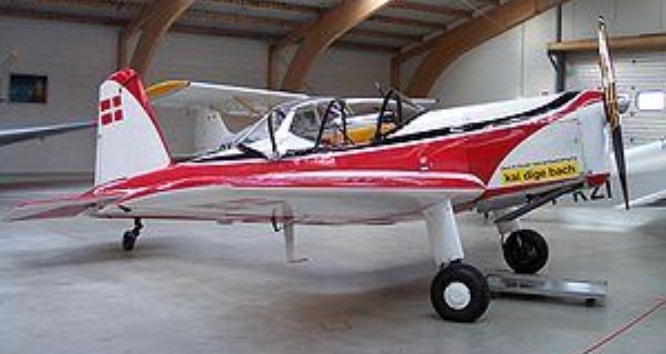
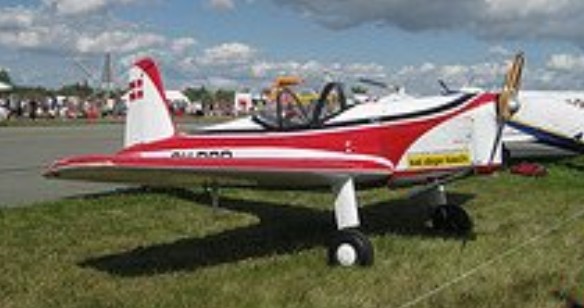
The SAI KZ VIII was an aerobatic sport aircraft first built by Skandinavisk Aero Industri in Denmark in 1949. It was a low-wing cantilever monoplane of conventional configuration with fixed tailwheel undercarriage and a single seat. The KZ VIII was custom-built by SAI for the Danish aerobatic display team Sylvest Jensen Luftcirkus, in which Peter Steen piloted the aircraft in some 50 performances in summer 1950. At the same time, a full set of parts for a second aircraft was produced, but this was not assembled until 1959.

A third machine has been built as a replica.

Gallery

Engine: 1 × de Havilland Gipsy Major, 108 kW (145 hp)
Wingspan: 7.20 m (23 ft 8 in)
Wing area: 8.6 sq.m (96 sq.ft)
Length: 19 ft 2 in
Height: 5 ft 11 in
Empty weight: 407 kg (895 lb)
Aerobatic weight: 1265 lb
Gross weight: 650 kg (1,430 lb)
Maximum speed: 300 km/h (190 mph)
Service ceiling: 5,000 m (16,400 ft)
ROC: 480 fpm
Crew: One, pilot
Loading: 12G