A 1947/48 30-seat twin-engined airliner with pressurized cabin.
Piston
Letov Š.50
A three-seat monoplane bomber prototype of 1938, powered by 2 x 430 hp 7-cyl Avia Rk-17 radials (optional 2 x Gnome-Rhône 14M).
Letov Š.46 / Š.146
Attack aircraft
Letov Š.39 / Š.139 / Š.239
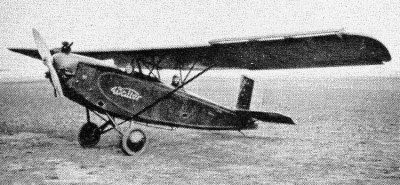
A two-seat, parasol monoplane sports plane (with HP slats) of 1931. After a prototype with a 36.8kW Orion LL-50 engine, 23 aircraft were built in 1934, powered by a 55 hp 3-cyl Walter Polaris radial engine.
An Š.139 development prototype (OK-ELA) of 1933 was powered by an 80 hp 7-cyl Pobjoy R radial.
Sixteen Š.239 developments were built, powered by an 85 hp 4-cyl Walter Minor 4. Ten went to flying clubs.
Engine: Walter Polaris, 40.5 kW / 55 hp
Propeller: two-blade wooden
Wingspan: 10,00 m
Length: 6,14 m
Wing Area: 14,00 m2
Empty Weight: 270 kg
Maximum Take-off Weight: 515 kg
Wing Loading: 36,8 kg/m2
Maximum Speed: 150 km/h
Cruise Speed: 130 km/h
Service Ceiling: 3300 m
Range: 480 km
Crew: 2-3
Undercarriage: fixed
Letov Š.38
A 1930 two-seat reconnaissance biplane, twin-finned, with gun turret. The twin-fins were transferable to the Š.328.
Letov Š.33
A 2- to 3-seat high-wing bomber, powered by a 790 hp W-12 Praga Asso 9-W. After a brief test hop, the aircraft was grounded for excessive vibration and replaced by Š.516.
Letov Š.32
A five-passenger high-wing monoplane tri-motor airliner of 1931. Power was by a 3 x 140 hp 14-cyl Walter Mars. Four were built.
The Š.328/528 series were reconnaissance/light bomber biplane developments of the Š.32.
Letov Š.231
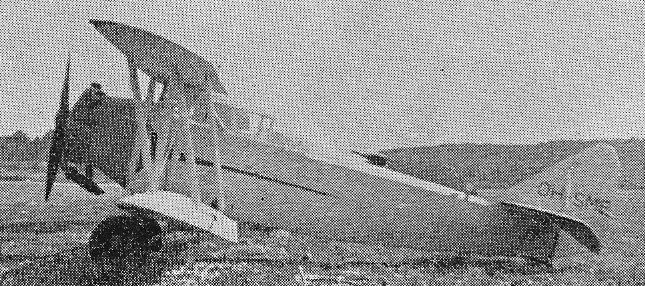
A 1933 development of the Š.31 with a new wing profile, the aircraft is open cockpit and radial engine with a separate exhaust collector ring and Townend ring cowling. Power was a 550 hp Bristol Mercury.
The single-bay wings have N-type interplane struts and centre section struts.
Only one prototype and 23 production examples were produced, and the Š.231 was briefly used by the 35th and 36th Squadrons of the 2nd Air Regiment of the Czechoslovak Air Force.
Characteristics being somewhat short of the desirable and an opportunity presenting itself to cut losses, the fighter was withdrawn, crated and shipped to Spain where circumstances were dictating a more generous attitude to the shortcomings of flying equipment. In Spain, it was assigned to the 2a Escuadrilla of the Grupo de Gaza nüm 71 of the Republican air arm. The operational career of the š -231 was to be less than outstanding in Spain, a number being lost in training accidents and lack of spares back¬ing resulting in something of a nightmare for the maintenance personnel.
The Czech-designed, Finnish-built S.231 Smolik OH-SME was fitted with an enclosed canopy.
Letov Š.31 / Š.131 / Š.331 / Š.431
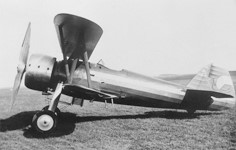
An all-metal single-engine, single-seat, biplane fighter/trainer of 1929. The Š.31 was based on S-20J with a 450 hp 9-cyl Walter Jupiter radial. Thirty-three were built.
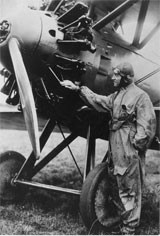
Variants:
Š.31A, Bristol Mercury (becomes S-231)
Š.131, 500 hp 9-cyl BMW Hornet, 3 built.
Š.331, prototype fighter, 1935 (sold to Spain), 880 hp 9-cyl Walter K-14 radial
Š.431, prototype fighter, 1936 (crashed on trials), 14-cyl AS Tiger III
Specifications:
S-131
Engine: 500 hp 9-cyl BMW Hornet
Wingspan: 9.8 m
Length: 7.15 m
Empty weight: 970 kg
Maximum speed: 292 kph
Climb to 5000m: 6 min 50 sec
Range: 450 km
Service ceiling: 10000 m
S-431
Engine: Armstrong Siddeley Tiger, 680 hp
Propeller: wooden two-blade
Wingspan: 10.06 m
Length: 7.9 m
Empty weight: 1310 kg
Top speed: 370 kph
Climb to 5000m: 6 min 58 sec
Service ceiling: 9500 m
Letov S.239
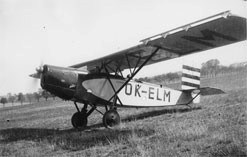
Wood-framed wings and tail-plane and fin covered by plywood, elevator and rudder by fabric. Fuselage steel-tube-framed, fabric-covered.
Letov S-239.16 (the 16th production S-239) was built in 1933. Ten were used by Flying Clubs and Masarykś Flying League units until March 15,1939.
An S-239 was powered by a British radial Pobjoy R engine. But the Pobjoy licence was not purchased and that reason for a Pobjoy-powered production of S-239s was not undertaken.
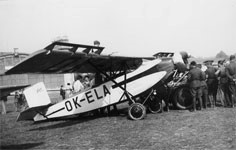
Engine: Walter Minor 4, 85 hp
Span : 10 m
Length: 6.14 m
Empty weight: 375 kg
Top speed: 174 kph
Climb to 1000 m: 5 min 16 sec
Range: 420 km
Crew: 2

