The D III introduced a revised and shallower fuselage over which the upper-wing centre section was supported on cabane struts, but only a few were built.
Piston
LFG Roland D.II
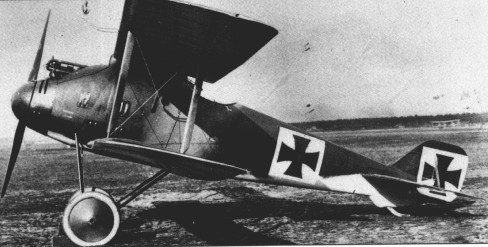
As a result of the success of the Roland C.II two-seater, Roland began building a single-seat fighter on the same lines. The resulting D.I first flew in July 1916, and after refinement became the D.II.
A single bay biplane, the two-spar wings, with fabric covering, had ailerons on the top wing only. The plywood covered wooden semi-monocoque fuselage with integral fin. The control surface were fabric covered steel tube.
The D II, which retained the same 119-kW (160-hp) Mercedes DIII engine but featured a number of drag-reducing revisions as well as a modified empennage. Armament wa on the top of the forward fuselage.
The D II began to enter service early in 1917, and was complemented by the D lIa with a more powerful 180 hp Argus engine.
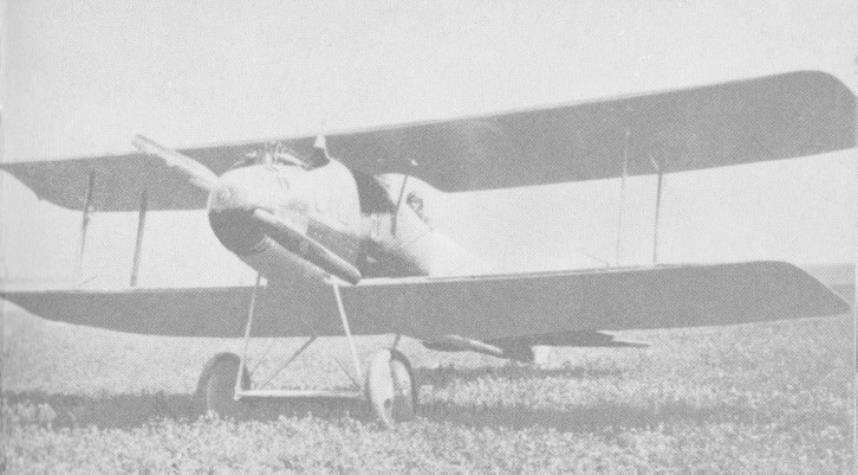
They were flown mainly on the quieter sectors of the Western Front and did not normally equip completely any squadrons. The D II and D la were not popular in service, pilots complaining about lack of vision and heavy controls.
About 300 were built.
D.II
Engine: Mercedes DIII, 119-kW (160-hp).
D.IIa
Engine: Argus As.III, 180 hp
Wing span: 29 ft 2.5 in
Wing area: 236.8 sq.ft
Length: 22 ft 9 in
Height: 9 ft 8 in
Empty weight: 1400 lb
MTOW: 1753 lb
Max speed: 112 mph at SL
Endurance: 2 hr
Armament: 2 x Spandau
LFG Roland D.I
The D I was in essence the C II two-seater scaled down as a single-seat fighter. The type was nicknamed Haifisch (shark) for its deep fuselage with the slightly swept upper wing attached directly to it. The D I first flew in July 1916, and was produced in small numbers. The D II began to enter service early in 1917, and was complemented by the D.Ia with a more powerful engine. The D II and D la were not popular in service, pilots complaining about lack of vision and heavy controls.
D.I
Engine: Mercedes DIII, 119-kW (160-hp).
D.Ia
Span: 8.94m (29ft 4in)
Length: 6.93m (22ft 9in)
Powerplant: l x Argus As.lll, 134kW (180 hp)
Armament: 2 x 7.92-mm (0.312-in) LMG 08/15 mg.
Max T/O weight: 795 kg (1,753 lb).
Max speed: 112.5 mph.
Operational endurance: 2 hr.
LFG Roland C.II
1915
Seats: 2
LFG Roland Taube
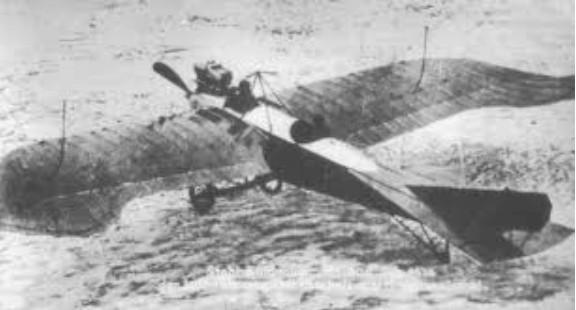
Reconnaissance and training aircraft, Germany, 1913
Engine: Argus As I, 99 hp
Length: 31.791 ft / 9.69 m
Height: 9.744 ft / 2.97 m
Wingspan: 45.505 ft / 13.87 m
Wing area: 387.504 sq.ft / 36.0 sq.m
Max take off weight: 1874.3 lb / 850.0 kg
Weight empty: 1323.0 lb / 600.0 kg
Max. weight carried: 551.3 lb / 250.0 kg
Max. speed: 62 kt / 115 km/h
Cruising speed: 54 kt / 100 km/h
Wing load: 4.92 lb/sq.ft / 24.0 kg/sq.m
Range: 162 nm / 300 km
Crew: 2
Leza-Lockwood AirCam
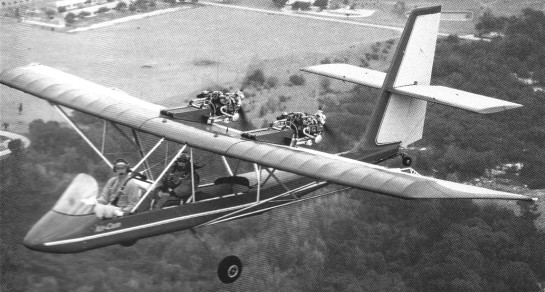
Air Cam probably never would have been built period had the Na¬tional Geographic Society not come call-ing, asking Lockwood about a camera-ship for an upcoming special on the Con¬go’s Ndoki Rain Forest. They weren’t pi¬lots, but they knew what they wanted: a two place airplane that could be outfitted with a relatively heavy motion picture camera, that could take off from an im¬provised one way strip carved out of the river bank, then fly some 70 miles into the jungle, loitering for hours over the canopy while the cinematographer cap¬tured never before seen footage of a for¬merly impenetrable land.
Within six months Lockwood had constructed the first Air Cam, an airplane that, while substantially different from the current model, had all the key elements in place. Chief among them were twin pusher engines mounted so close to each other that the loss of either one has minimal impact on the control-lability of the airplane. On the first air¬ plane, the engines were 65 horsepower two stroke Rotax 582s.
The construction of that first airplane was based on what Lockwood knew best, ultralight technology. In general, this consists of ladder construction wings with spars, battens and ribs made of aluminum tubing and covered with sailcloth. The fuselage was built out of steel (chromoly) tubing covered with aluminum, and the tail, of built up alu¬minum tubing. With wings that de¬tached easily for transport, the Air Cam was a design that would hopefully meet the challenges of life in the rain forest. In the fall of 1994 Lockwood had the Air Cam shipped to Africa for the mis¬sion. Flying in the remotest sections of Congo.
Lockwood started on an airframe redesign, making the now longer fuselage out of riveted built up aluminum con¬struction, just like Cessna does it. He made the vertical tail larger for even bet¬ter single engine performance (and to account for the possible addition of floats later on). He beefed up the cruci¬form tail (that placement, he says, optimizes the airplane’s slow speed han¬dling while maximizing its strength), and he stretched the wings, from 32 feet to 36 feet in span to carry both the addi¬tional weight of the new design and the larger, aluminum fuel tanks (29 gallons total). The redesign added only a bit of weight while maintaining or improving the airplane’s performance across the board.
It had taken Lockwood a couple of years and dozens of design changes to get to the point where he was happy, but by 1997 the tooling was complete, the computerized drawings were done, the suppliers were lined up and Lockwood pronounced that the airplane was ready.
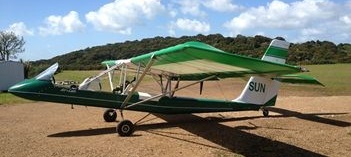
The quick build kit Leza AirCam aeroplane comes with a twelve-volume manual. Each volume covers a particular section of the aeroplane complete with exploded drawings designed on AutoCAD. The fuselage construction is an all-metal riveted monocoque, made up of preformed bulk¬heads, stringers and skins, with pre-located holes. The nose cone is a finished fibreglass moulding. and the windscreen is pre-cut Lexan. The wing centre section is all-metal. All other flying surfaces use pre-cut and drilled aircraft grade 6061 T-6 aluminium tubing and preformed aluminium ribs, covered by pre-sewn fabric envelopes. The constant chord swept tip wings are supported on a mixture of round section and faired centre section struts, with the flight loads taken to the bottom of the fuselage by long diagonal struts with centre jury struts. All controls are cable operated, in the case of the ailerons to bell cranks and then push rods. Large plain flaps are operated by a single electric screw jack. The elevator trim tab on the port side is also electrically operated. The big rudder has no trim tab. It is possible to remove the outer wings for transportation, but it is not a five minute job. The undercarriage has tapered spring steel legs, fitted with hydraulic disc braked wheels carrying 600A tyres. At the back, the tail wheel is a steerable and castoring Maule item. Power is usually supplied by two Rotax 582 water-cooled, two-cylinder, two strokes, or optionally, two Rotax 912S four stroke flat fours with water-cooled heads driving three-blade Warp Drive ground adjustable props. The 912 engines are un-cowled with the flush mounted radiators fed by NACA ducts on the underside of the wings. Each engine has a 14 US gallon tank in the wing with an auxiliary booster pump, electric primer, electric starter and an alternator. The fore and aft two seat cockpit has dual controls, the rear seat can be fitted with a single row of instruments. Behind the rear seat is a large open topped baggage bay, 24.75-in wide by 42-in long with tie down points. As this and the rear seat are close to the datum, loading has only small effect on C of G. Both fibreglass moulded seats can be ground adjusted fore and aft by re¬moving two pip pins. They are covered by padded fitted covers and were surprisingly comfortable. The front cockpit is roomy enough for large people and well laid out. Small pilots need a booster cushion to comfortably reach the pedals. The pedals rock to operate the brakes. There is no parking facility. The throttles are mounted on the left cockpit rim, along with a bank of weatherproof switches for ignitions, fuel pumps and primers. On the right side are all the switches for nay and landing lights. The instrument panel contains the flap and trim switches and the flap position indicator. There is room for basic flight instruments, a VHF com and a transponder. The centre console has all the circuit breakers, oil pressure, temperature and CHT gauges. As the cockpit rim is below your elbows, the visibility is truly magnificent in all directions, except for immediately underneath, and back and up where the wing intrudes.
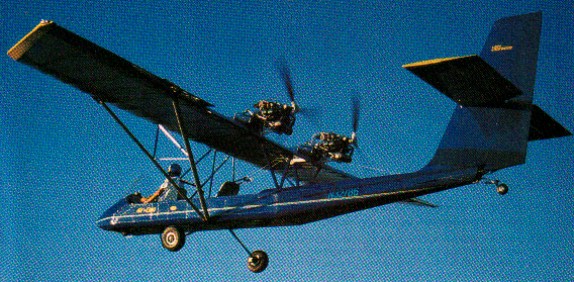
The first four customer built Air Cams were at Sun ‘n Fun in April of 1999. While the Air Cam is available with the two stroke 582s, almost every customer has asked for the 100 horse Rotax 912S engines.
Wing span: 36 ft 4 in.
Length: 27 ft 0 in.
Height: 8 ft 4 in.
Centre section width: 7 ft 0 in.
Track: 8 ft 6 in.
Stall: 34 kt / 39 mph / 63 kmh
Cruise: 78 kt / 90 mph / 145 kmh
VNE: 96 kt / 110 mph / 177 kmh
Empty Weight: 472 kg / 1040 lbs
MTOW Weight: 762 kg / 1680 lbs
Climb Ratio: 1500 ft/min / 8 m/s
Take-off distance (50ft obstacle): 300 ft / 91 m
Landing distance (50ft obstacle): 200 ft / 61 m
Engine: 2 x Rotax
Wing span: 10.97 m
Wing area: 19.23 sq.m
MAUW: 680 kg
Empty weight: 399 kg
Fuel capacity: 91 lt
Max speed: 161 kph
Cruise speed: 97 kph
Minimum speed: 61 kph
Climb rate: 6 m/s
Seats: 2
Kit price (1998): $38,500
Rotax 582
Engines: 2 x 64-hp Rotax 582 two-cylinder two stroke.
Props: Warp Drive composite three-blade with ground adjustable pitch.
Empty wt: 955 lb.
Gross wt: 1500 lb.
Fuel cap: 168 lb / 28 USG
Height: 7 ft 4 in
Length: 26 ft 8 in
Wing span: 36 ft
Wing area: 209 sq.ft
Seats: 2
Vne: 110 mph.
Top speed: 100 mph
Cruise: 50-80 mph.
Stall: 35 mph
Max range: 244 miles @ 66 mph.
Endurance @ 60 mph: 4 hrs.
Service ceiling: 19,500 ft
ROC MAUW: 1200 ft/min.
SE ROC: 200 ft/min.
T/O roll: 158 ft.
Ldg roll: 200 ft
Undercarriage: tailwheel
Rotax 912S
Engines: 2 x 100-hp Rotax 912S
Props: Warp Drive composite three-blade with ground adjustable pitch.
Length: 27ft.
Height: 8 ft 4in.
Wingspan: 36ft.
Aspect ratio: 6.4.
Wing area: 204 sq ft.
Wing loading: 8.23 lbs/sq ft.
Power loading: 8.4 lbs/hp.
Empty wt: 1040 lb.
Gross wt: 1680 lb.
Fuel cap: 168 lb / 29 USG
Usable fuel: 28 USG
Vne: 110 mph.
Maximum cruise speed: 85 mph.
Maneuvering speed: 77 mph.
Stall speed, flaps down: 39 mph
Endurance @30 % power 30 min res: 6.5 hrs.
Endurance @ 60 mph: 6 hrs.
Max range: 340 miles @ 70 mph.
Rate of climb, solo, 50% fuel: 2000 fpm
ROC MAUW: 1500 ft/min.
SE ROC: 300 ft/min.
Takeoff roll: less than 200 ft
Ldg roll: 300 ft.
Gear width: 8 ft 6 in
Seats: 2, tandem.
Lewann DD-1
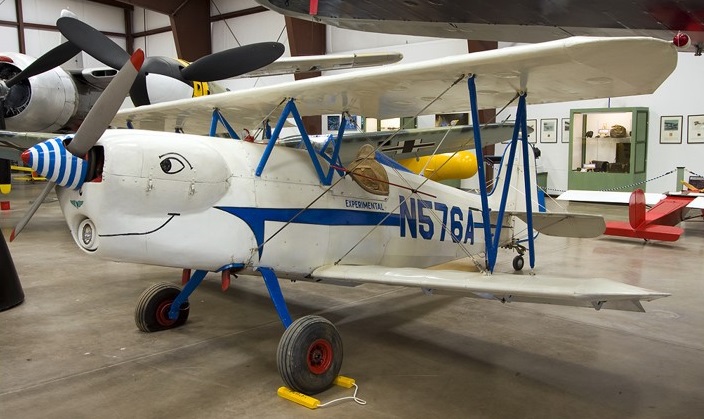
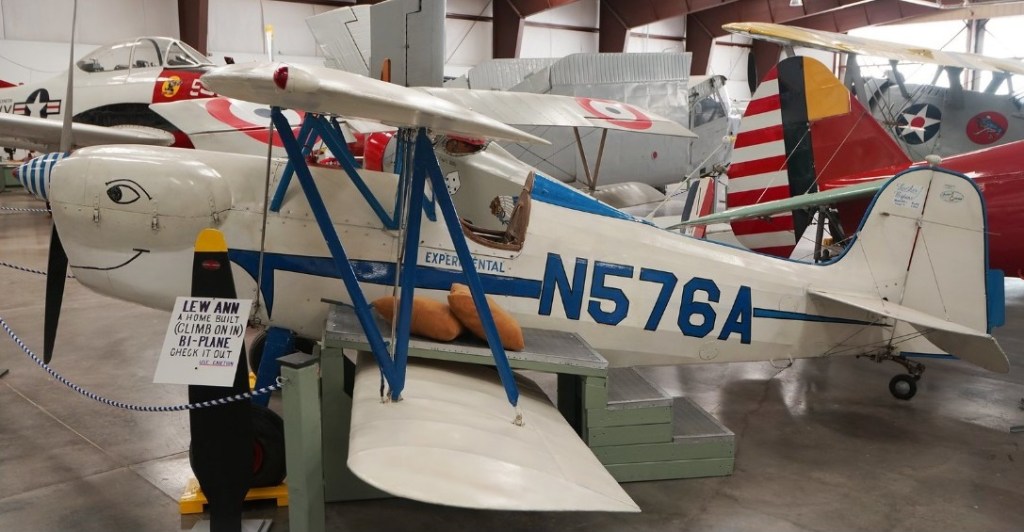
The Lewann DD-1 built in 1964 and registered N576A C/n 1 was in the Planes of Fame Air Museum at Valle Airport, AZ, USA in October 2017.
Levy-Biche LB 2 / Levasseur LB.2
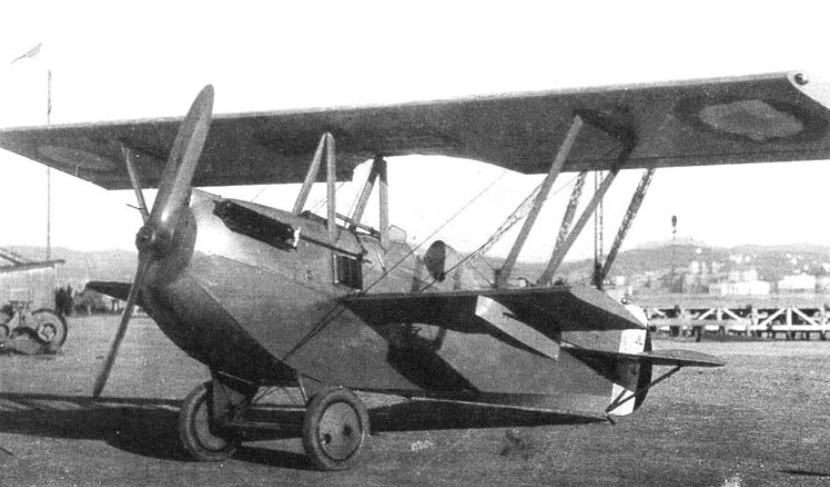
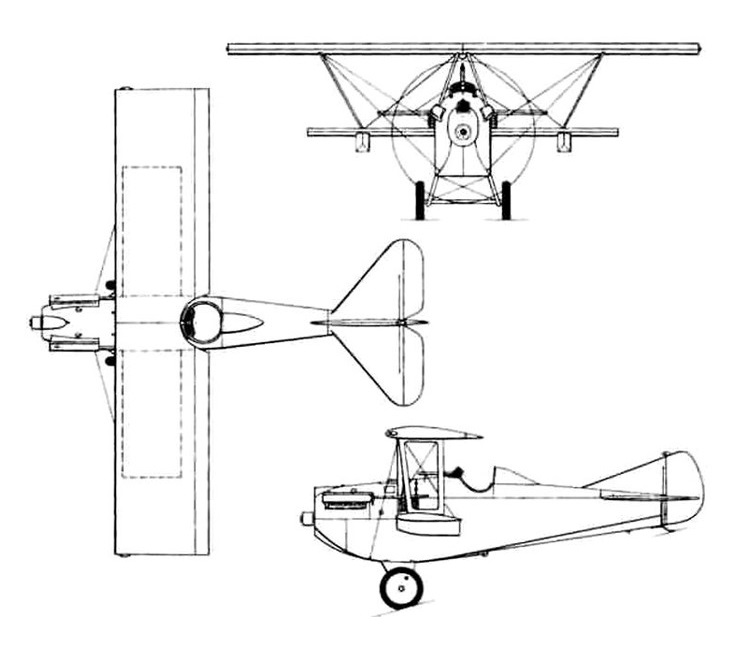
The Levy Biche LB.2 was a single seat French sesquiplane fighter aircraft designed to be used from aircraft carriers. With a watertight fuselage, jettisonable wheeled undercarriage and small under-wing floats, it could survive emergency sea touchdowns; it could also be fitted with seaplane type floats.
The LB.2 was designed as a shipboard fighter. It was a single bay sesquiplane, with outward leaning parallel pairs of interplane struts and wire cross bracing. The wings were strictly rectangular in plan, the lower plane smaller in both span and chord. The upper wing carried full span ailerons. Its flat sided fuselage was watertight and its belly deep; in emergency touchdowns at sea the undercarriage could be jettisoned with the aircraft stabilised with two small rectangular cross section, planing floats mounted on the lower wing underside below the interplane struts.
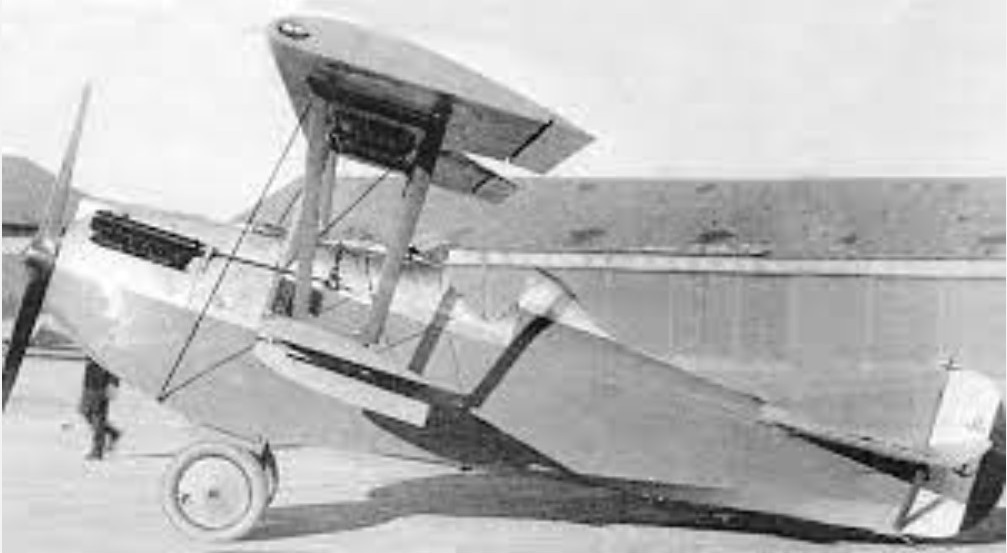
The LB 2 was powered by a 246 kW (330 hp) Hispano-Suiza 8Fe upright water-cooled V-8 engine. The upper wing was high above the fuselage on cabane struts and had a rounded cut-out in the trailing edge over the pilot’s open cockpit to enhance his view. He had a short, faired headrest. The fuselage tapered aft and had distinct narrow keel to enhance its water surface behaviour. The braced tailplane was wide chord and triangular in plan, carrying split elevators; the fin was also broad and triangular, with a deep, curved rudder that reached down to the bottom of the extreme keel, where there was a very small tailskid. The jettisonable main fixed conventional undercarriage structure had two short V-struts, supporting a wire cross braced single axle and mainwheels. Armament consisted of a pair of 7.7 mm (0.303 in) Vickers machine guns.
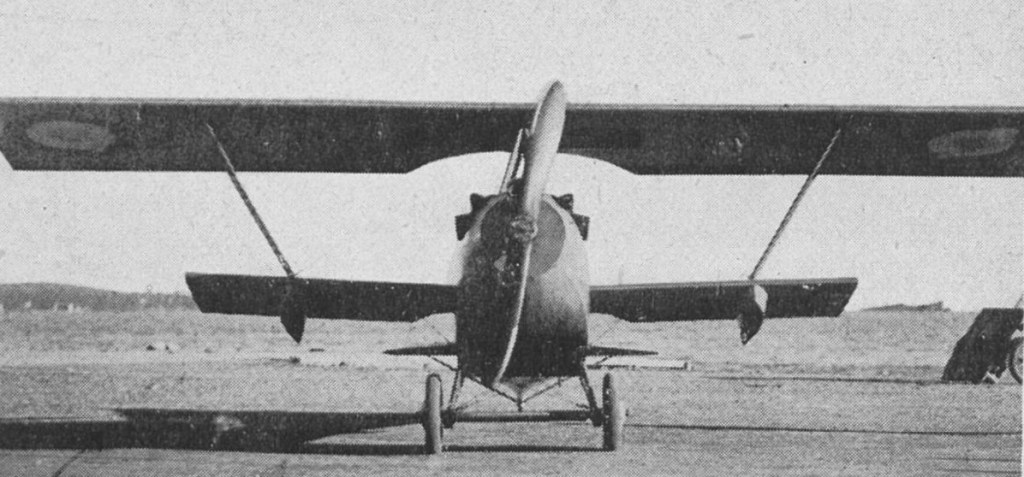
The first flight was in 1927 and by October that year it had also flown with seaplane style floats. Soon after, Constructions Aéronautiques J Levy became bankrupt and production rights were purchased by Etablissements P. Levasseur. The latter built twenty production aircraft during 1928-9, designated LB.2 AMBC.1, which served on the experimental French aircraft carrier Béarn, commissioned in May 1927, as well as from shore bases.
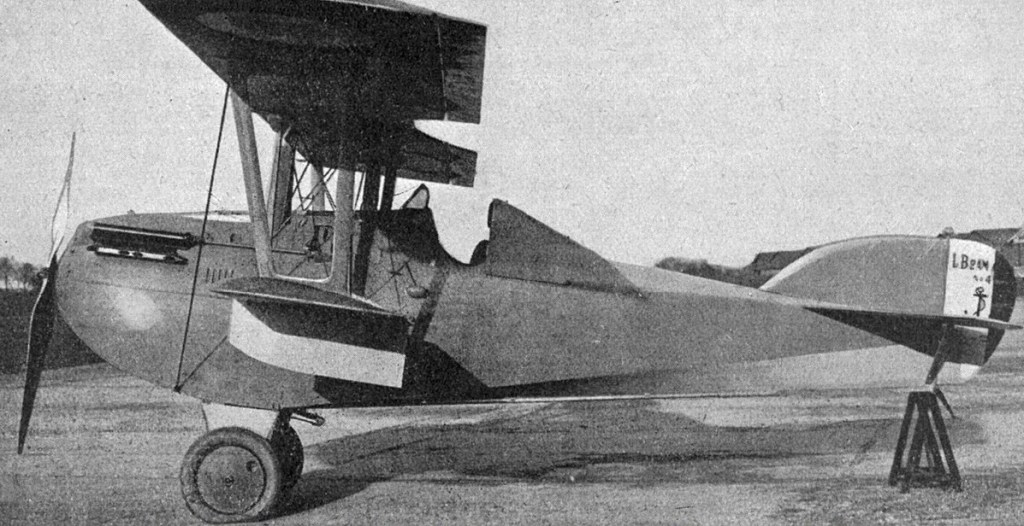
The LB.2 remained in service with French Naval Aviation until 1932, when they were replaced by Wibault 74 fighters.
Powerplant: 1 × Hispano-Suiza 8Fe, 250 kW (330 hp)
Propeller: 2-bladed fixed pitch
Wingspan: 10.40 m (34 ft 1 in)
Wing area: 24.00 m2 (258.3 sq ft)
Length: 7.525 m (24 ft 8 in)
Height: 3.488 m (11 ft 5 in)
Empty weight: 920 kg (2,028 lb)
Gross weight: 1,350 kg (2,976 lb)
Maximum speed: 219 km/h (136 mph, 118 kn)
Stall speed: 88 km/h (55 mph, 48 kn)
Time to 5,000 m (16,000 ft): 25 minutes
Wing loading: 55.4 kg/m2 (11.3 lb/sq ft)
Power/mass: 0.182 kW/kg (0.111 hp/lb)
Crew: One
Armament: 2× 7.7 mm (0.303 in) Vickers machine-guns
Levy-Lepen HB-2
Twelve Levy-Lepen HB-2 reconnaissance flying-boats were operated in France by the U.S. Navy, and three were taken to U.S.A.
Levi RL-6 Go-Plane
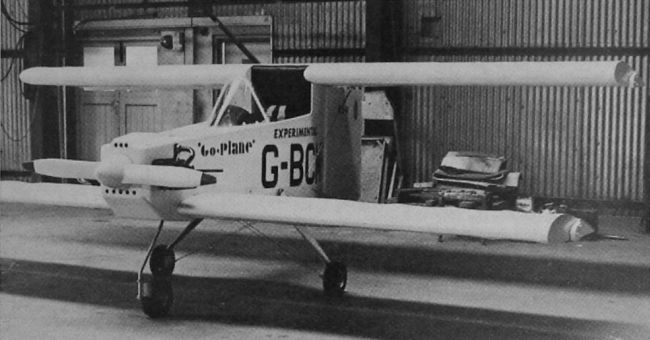
The Levi RL-6 Go-Plane is a single-seat tandem wing design with tricycle undercarriage. Either a double monoplane or a staggered biplane, with its rudder integrated into the fuselage but no tail, in the traditional sense, or tailplanes.
By the end of 1974 Renato Levi of Newport, Isle of Wight was conducting test on the RL-6 Go-Plane G-BCMF c/n EAA3678, at Bembridge. It was a Bembridge Airfield on 16 November 1974 for the purpose of its maiden flight. It was damaged beyond repair in the course of that on 16 November 1974.
The CAA cancelled the registration of G-BCMF on 5 December 1983.

