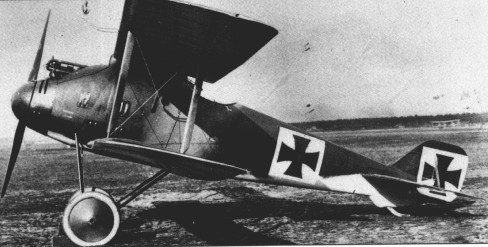
As a result of the success of the Roland C.II two-seater, Roland began building a single-seat fighter on the same lines. The resulting D.I first flew in July 1916, and after refinement became the D.II.
A single bay biplane, the two-spar wings, with fabric covering, had ailerons on the top wing only. The plywood covered wooden semi-monocoque fuselage with integral fin. The control surface were fabric covered steel tube.
The D II, which retained the same 119-kW (160-hp) Mercedes DIII engine but featured a number of drag-reducing revisions as well as a modified empennage. Armament wa on the top of the forward fuselage.
The D II began to enter service early in 1917, and was complemented by the D lIa with a more powerful 180 hp Argus engine.
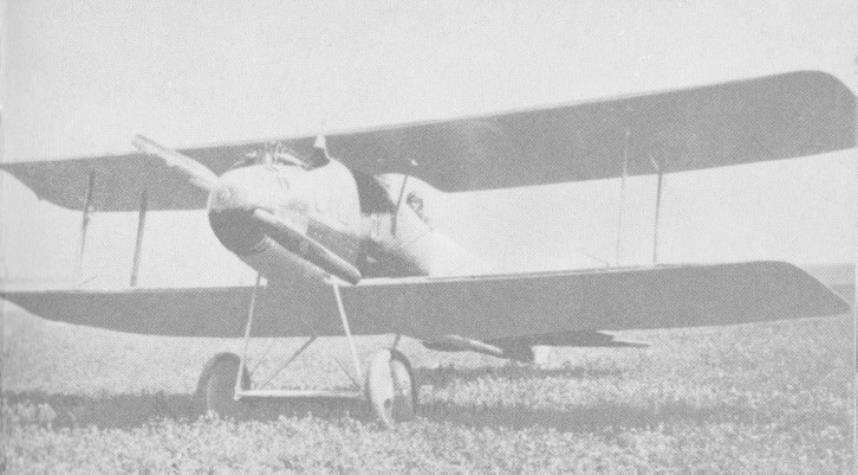
They were flown mainly on the quieter sectors of the Western Front and did not normally equip completely any squadrons. The D II and D la were not popular in service, pilots complaining about lack of vision and heavy controls.
About 300 were built.
D.II
Engine: Mercedes DIII, 119-kW (160-hp).
D.IIa
Engine: Argus As.III, 180 hp
Wing span: 29 ft 2.5 in
Wing area: 236.8 sq.ft
Length: 22 ft 9 in
Height: 9 ft 8 in
Empty weight: 1400 lb
MTOW: 1753 lb
Max speed: 112 mph at SL
Endurance: 2 hr
Armament: 2 x Spandau

