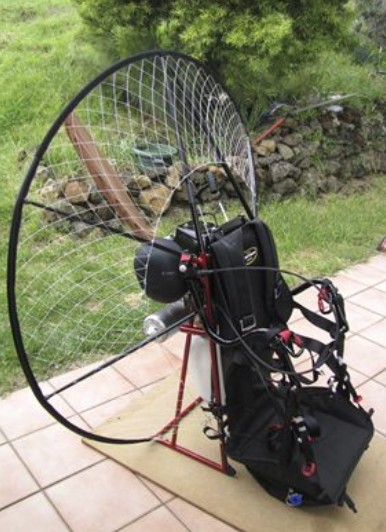
Miniplane Top 80

The Miniplane paramotor with Top 80 motor is made in Italy.
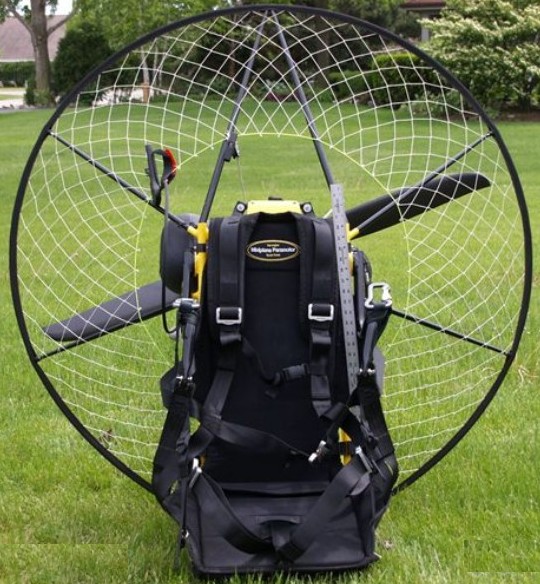
The Top 80 motor is in a breakdown lightweight chassis and cage, the whole package can break down into a sealed, lockable black plastic box.

The ABM chassis has low hang point cantilever bars making weightshift for turning and thermalling and launching easier. Weight is 19.9kgs.
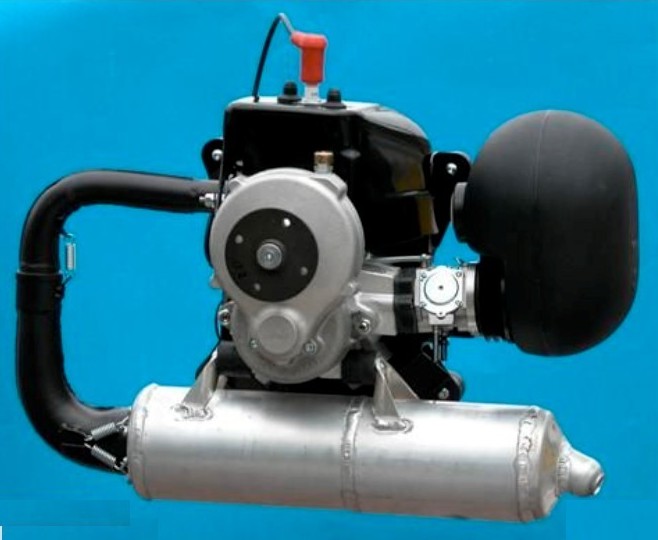
Two sizes: 65-90kgs and 85-100kgs.
CLASSIC high hang point PSF System
115 cm prop
125 cm cage diameter
18,8 Kg
Standard reductor : 21/71
Centrifugal clutch
Carbon prop 2 blade
Top80 motor 80cc
Pilot weight 90kg
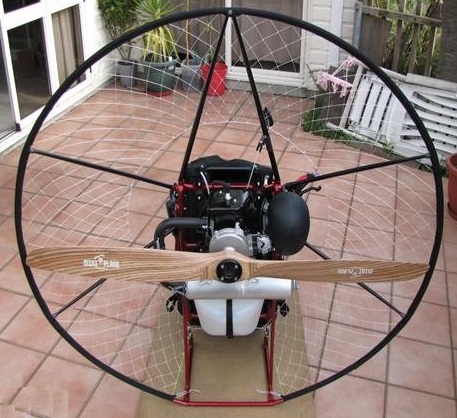
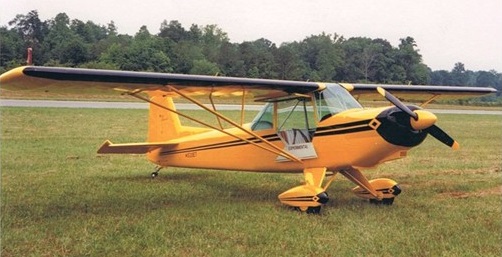
Mills Special

Mills Special (N520ET c/n JM-12)

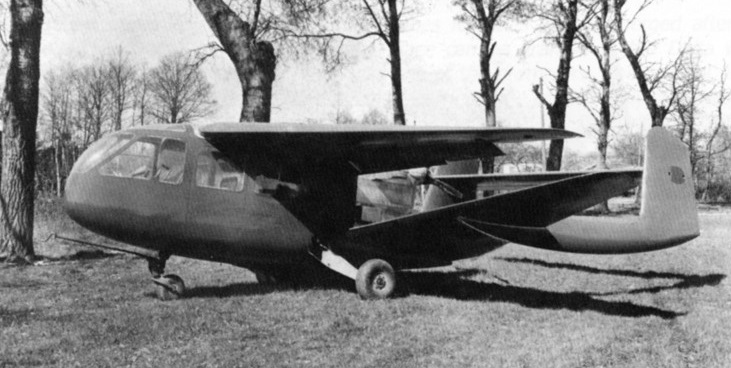
This original design high wing light plane was designed by Jerry Mills, who started the construction in 1978. After the death of designer the construction was continued by Edward J. Thomason and James Smith of Calhoun, Georgia, USA. Registered N520ET on May 9, 1994, the aircraft was first flown a year later, May 20, 1995. The one-of-a-kind single-seat aircraft, nicknamed Puddle Jumper, has a 150 hp Lycoming O-320-E2D engine, and features a mixed steel/aluminium (fuselage) and wood/fabric (wings) construction. On July 28, 2005, the aircraft was registered to Jack Hurdle of Senoia, Gerogia.

Mini-Hawk Tiger Hawk

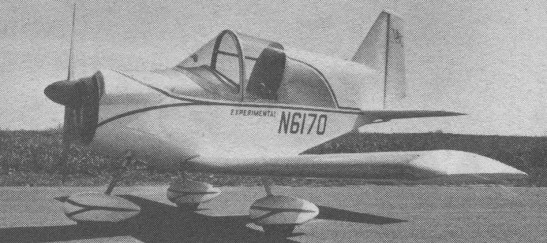
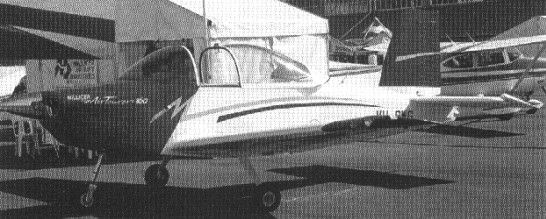
The Mini-Hawk combines the economy of the Volkwagen engine with that of detachable wings for towing or storage. Standard VW engines up to 67 hp can be used. The wings can be removed in under 10 minutes. Its all-metal construction is built around a configuration which includes low wings with trailing-edge flaps and seating for one under an enclosed canopy. The tricycle landing gear includes a steerable nosewheel, disc brakes and wheel fairings all around.

Gross Wt. 800 lb
Empty Wt. 525 lb
Fuel capacity 12 USG
Wingspan 18 ft
Length 13 ft 3 in
Engine 72-hp Revmaster Volkswagen
Top speed 175 mph
Cruise 160 mph
Stall 50 mph
Climb rate 1000 fpm
Ceiling 10,000 ft
Takeoff run 400 ft
Landing roIl 400 ft
Range 700 nm

Mines Dot Biplane 1909

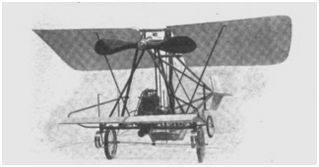
This Edward Mines curiosity was entered in the Doncaster (UK) Flying Meet, and made its debut there on the fifth day of the event (Wednesday, October 20, 1909). It attracted some media attention, unfortunately most of it negative. Promptly nicknamed the “coffee-stall”, its planes had a span of only fourteen feet and a chord of six feet. There was no tail, and the ruddering was by means of square ‘flaps’ fitted between the wings. This machine had an elevator in front of the top plane, and the bottom plane’s extremities were adjustable. Needless to say, it never flew. A photo exists of the Mines biplane in an earlier version, without the flaps between the wings.

Miller Lil’ Rascal

The “Lil’ Rascal” by Merle B. Miller began flight testing in early 1978. This biplane makes use of a steel-tube fuselage and tail section covered with Stits Poly-Fibre Dacron. The wings are constructed of spruce and plywood and are covered with same fabric. The landing gear is the nonretractable tailwheel type, and seating is for two persons in a side-by-side open cockpit. The standard 85-hp engine turns a fixed-pitch prop.

Gross Wt. 1100 lb
Empty Wt. 600 lb
Fuel capacity 12 USG
Wingspan 20 ft 8 in
Length 15 ft 3 in
Engine 85-hp Continental
Top speed est: 110 mph
Cruise est: 90 mph
Stall est: 58 mph