A four-seat single-engine cabin monoplane
Piston
Renard Epervier
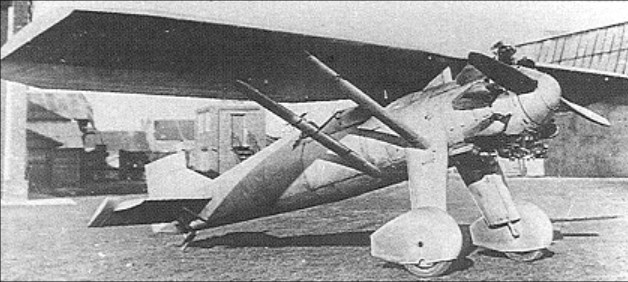
Designed by Georges and Alfred Renard to compete in a government-sponsored design contest, the Epervier (Sparrowhawk) single-seat all-metal fighter monoplane was intended for a 12-cylinder liquid-cooled Hispano- Suiza 12 J Vee-type engine. Unavailability of this power plant led to installation of a 480hp Gnome-Rhone Jupiter VI nine-cylinder radial in the first prototype, which was built by Stampe et Vertongen as the Epervier Type 2 and flown in 1928. The Epervier Type 2 carried an armament of two synchronised 7.7mm guns and was lost on 11 September 1928 after failing to recover from a flat spin.
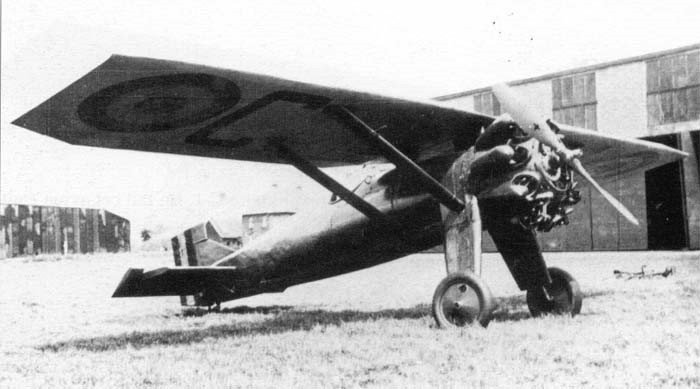
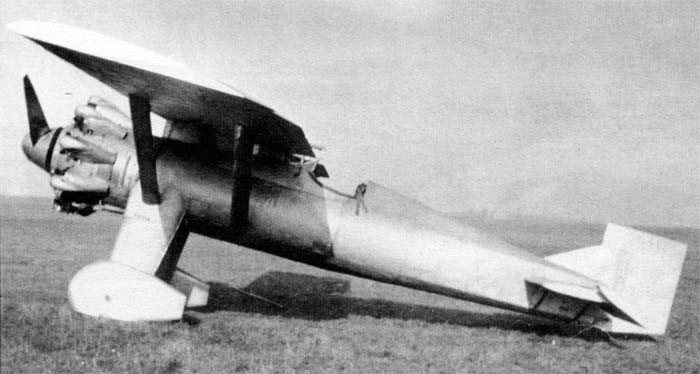
A second prototype, the Epervier Type 2bis, introduced revised streamlined fairings for the cantilever mainwheel legs, mainwheel spats and cylinder aft-fairings, and was built by SABCA (Societe Anonyme Beige de Constructions Aeronautiques) under contract for Alfred Renard. Since Alfred Renard was both chief designer for Renard and technical director of Stampe, it is hard to keep the two firms separate. Demonstrated early in 1930 in competition with various foreign types for an Aviation Militaire order, the Epervier Type 2bis was rejected in favour of the Fairey Firefly.
A further development of the basic design, the Epervier Type 3 powered by a 480hp Rolls-Royce “F” engine and utilising mixed construction and a redesigned wing, was studied under government contract, but was not built.
Type 2bis
Powerplant: 1 × SABCA Jupiter, 360 kW (480 hp)
Wingspan: 10.20 m / 33 ft 6 in
Wing area: 20.00 sq.m / 215.28 sq ft
Length: 7.00 m / 23 ft 0 in
Height: 2.76 m / 9 ft 1 in
Empty weight: 794 kg / 1750 lb
Max take-off weight: 1300 kg / 2866 lb
Wing loading: 62.5 kg/m2 (12.8 lb/sq ft)
Power/mass: 3.49 kg/kW (5.74 lb/hp)
Maximum speed: 273 km/h (170 mph, 147 kn)
Maximum speed at 4,000 m (13,000 ft): 265 km/h (165 mph; 143 kn)
Maximum speed at 5,000 m (16,000 ft): 261 km/h (162 mph; 141 kn)
Stall speed: 99 km/h (62 mph, 53 kn)
Service ceiling: 9,300 m (30,500 ft)
Practical ceiling; 8,600 m (28,200 ft)
Time to 4,000 m (13,000 ft): 8 minutes 30 seconds
Time to 5,000 m (16,000 ft): 12 minutes 35 seconds
Crew: 1
Guns: 2x synchronised fixed forward firing 7.7 mm (0.303 in) Vickers machine-guns

Renegade Light Sport Aircraft Falcon

In 2013, “Doc” Bailey of Renegade Light Sport Aircraft manufacturers the Renegade Falcon in Fort Pierce, Fla, a low wing, side-by-side seating, two-seat, all composite light sport aircraft, which was available in both a tricycle and taildragger. Price 2012: US$139,900 (Falcon LS 2.0 with IO-233).
Renegade Falcon LS 2.0
Engine: Lycoming IO-233, 124 hp
Renegade Light Sport Aircraft Carbon Pitts / Lil Rascal
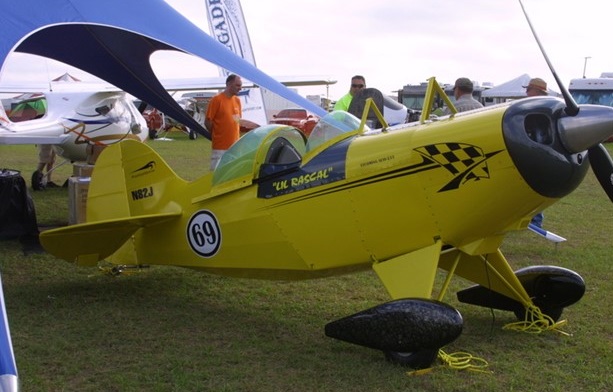
Renegade Light Sport LLC has put a carbon fiber spin on the aerobatic Pitts S1C from Steen Aero, and christened the plane the Renegade “Lil Rascal.” Previously known as the Carbon Pitts, Renegade was notified by Aviat that it held a trademark on the word “Pitts,” necessitating the name change. Renegade says this aircraft is right in line with Renegades’ business model of taking the best of the old dependable engines, airframes, and more, and putting the company’s modern, state-of-the art touch to the projects.
Renegade elected to drop the FK-12 Comet project and instead bring a proven airframe to the marketplace which conforms to the LSA, ASTM standards. Renegade says the Rascal has the best of the old S1C airframe however it’s is 4 inches wider, 6 inches longer in the cockpit, sporting a new all carbon fiber wing design, with full span ailerons, and complete carbon wing with no fabric what so ever. Both the top and bottom wings are all of a light-weight, extremely strong construction. Preliminary tests show the airplane is a 12 G machine, but Renegade restricts the G rating to 6 positive and 3 negative, the rating Lycoming puts on their new LSA specific inverted Christian Eagle oil system engine. The Rascal Sports comes standard with an all Glass Dynon 10″ Skyview digital G meter cockpit, and smooth leather interior.
The Lil Rascal series feature a 4130 welded chromoly steel fuselage, spring steel landing gear and are biplanes with 4 ailerons. The wings and many parts of the fuselage are going to be made from carbon to add strength and cut down on weight.
It has the Lycoming AEIO -233 engine, the first four of which made by Lycoming are in Renegades Hangar. The prop is the new ground adjustable Sensenich black on carbon.
The LSA-compliant Lil Rascal LS1 (single-seat) and LS2 (two-seat), are both models powered by the fuel-injected electronic-ignition Lycoming AE-IO-233 LSA engine. The all-U.S. built fully aerobatic birds will make weight to the LSA spec. Price: US$125,000. Both models will be certified as S-LSA.
LS1
Engine: Lycoming AE-IO-233
Empty weight: 650 lb
Cruises: 120 kt
Stall: 41 kt
Seats: 1
LS2
Engine: Lycoming AE-IO-233
Empty weight: 750 lb
Seats: 2
Renault 12R
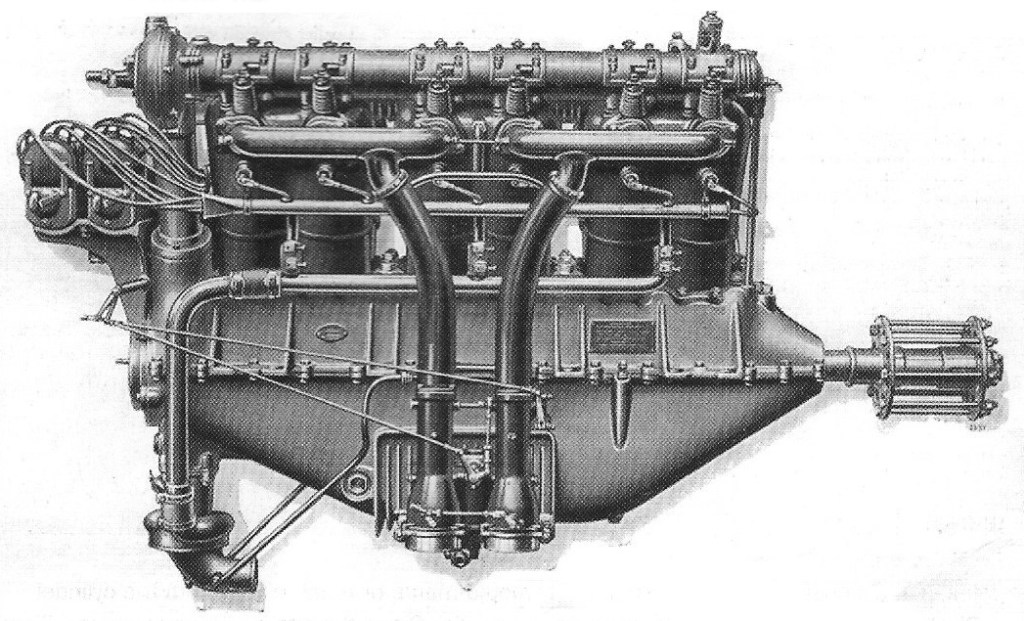
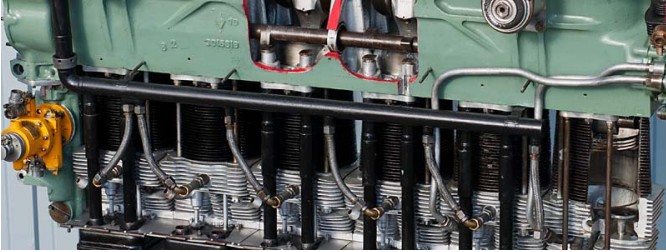
The 12R was developed by Renault in the 1930s, derived from the Renault Bengali, using the same construction techniques and being of essentially steel construction. It was based on the 4.46, a test engine developed by mounting two 6Q six-cylinder engines on the same crankshaft. The engine retained the bore and stroke of the smaller engine. The cylinders and pistons were made of forged steel and connected in pairs to an eight bearing crankshaft. The crankcase was made of aluminium alloy coated with magnesium. A centrifugal supercharger was mounted to the rear. The engine was produced in both right handed and left handed versions, the difference being the direction of propeller rotation.
Designed to be fitted to a range of aircraft, both civil and military, the engine was originally rated at 450 horsepower (340 kW) when first introduced in 1935. However, the majority manufactured, 290 out of a total production of 325, were the 500 hp (370 kW) 12Rc introduced in 1939. Of these, 120 powered the Caudron C.714 light fighter that served in World War II.
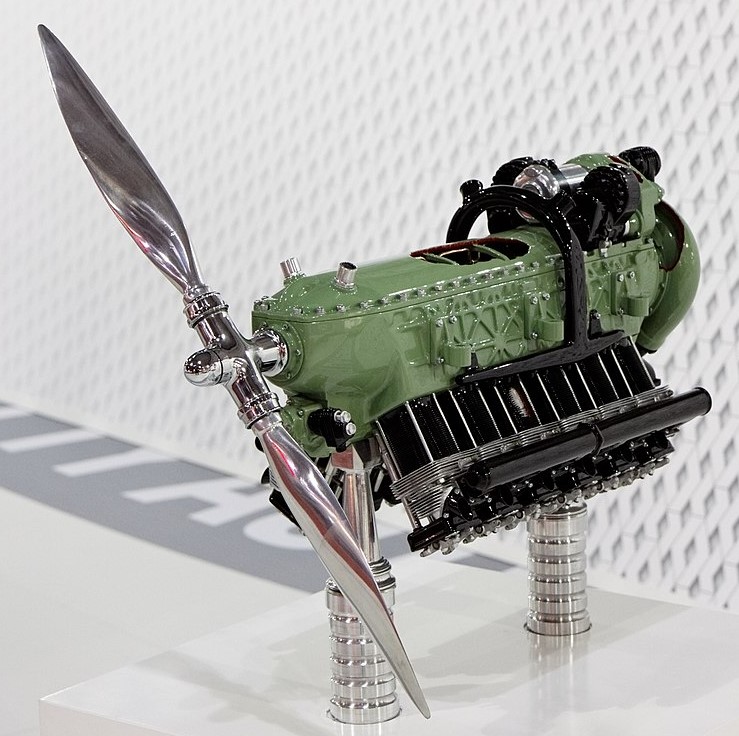
In addition to examples of the aircraft ordered the French Air Force, thirty-five were delivered to the Polish Air Force in France and a further six to the Finnish Air Force, although the latter were not used in combat.
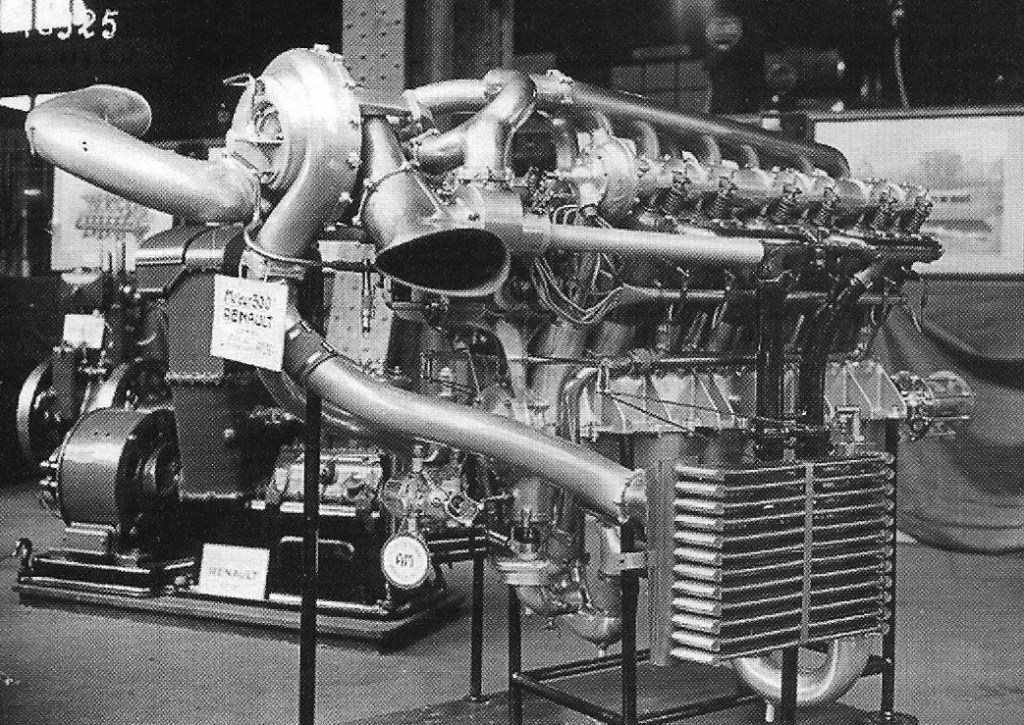
The engine was rated between 450 and 500 hp (340 and 370 kW), although a high performance version built for the sole Caudron C.712 racing special produced 730 hp (540 kW). More than one third of production went to power the Caudron C.714 light fighter that fought in the early stages of World War II for the French and Polish Air Forces.
The most powerful version was the 12R Spécial of 1937 which produced 730 hp (540 kW) at 3250 rpm and powered the single C.712 racing aircraft derived from the fighter.
Variants:
Renault 12R
450 hp (340 kW)
Renault 12Rb
470–480 hp (350–360 kW)
Renault 12Rc
500 hp (370 kW)
Renault 12Rm
480 hp (360 kW)
Renault 12Ro
450 hp (340 kW)
Renault 12R-00
Type: 12-cylinder, air cooled V12 engine
LH rotation
Bore: 120 mm (4.7 in)
Stroke: 140 mm (5.5 in)
Displacement: 19 L (1,159 in3)
Length: 2,072 mm (81.6 in)
Width: 680 mm (27 in)
Height: 929 mm (36.6 in)
Dry weight: 439 kg (968 lb)
Valvetrain: 2 x overhead valves per cylinder operated by pushrods
Supercharger: Single speed centrifugal compressor
Fuel type: 87 Octane petrol
Cooling system: Air-cooled
Take-off power: 500 hp (373 kW) at 2500 rpm
Cruise power: 300 hp (224 kW) at 2500 rpm at 4,000 m (13,123 ft)
Military power: 450 hp (336 kW) at 2100 rpm at 4,000 m (13,123 ft)
Compression ratio: 6.4:1
Fuel consumption: 225 g/(hp•h) (0.50 lb/(hp•h))
Oil consumption: 10 g/(hp•h) (0.022 lb/(hp•h))
Renault 12R-01
500 hp (370 kW) RH rotation
Renault 12R-02
500 hp (370 kW)
Renault 12R-03
500 hp (370 kW)
Renault 12R-09
500 hp (370 kW)
Renault 12R Spécial
730 hp (540 kW)
Renault 6Q
6Q10 Renault engine, six-cylinder in 1936
Renault 4P / Bengali 4
Charles Lindbergh’s Atlantic Ocean crossing in 1927 inspired Renault to enter the light aero-engine market to diversify the range of engines they offered. The resulting Renault 4Ps, aka Renault Bengali 4, with 115 mm (4.5 in) bore and 140 mm (5.5 in) stroke, delivered 95 hp (71 kW) and proved popular, later versions powering several record-breaking light aircraft with up to 150 hp (110 kW).
Developed by Charles-Edmond Serre, by 1931 the 6.3-litre 4Pdi had evolved to give 110 hp (82 kW) to 120 hp (89 kW), with the adoption of 120 mm (4.7 in) bore steel cylinder liners, aluminium alloy cylinder heads attached by long studs to the crankcase, Duralumin connecting rods and magnesium alloy crankcase.
In 1946 production of the Renault 4P-01 resumed at the SNECMA factory at Arnage, until 1949, with at least 762 engines manufactured.
Variants:
Renault 4Ps
The initial version with 115 mm (4.5 in) bore and 140 mm (5.5 in) stroke, delivered 95 hp (71 kW)
Renault 4Pa
Renault 4Pb
95hp / 135kg – Caudron Luciole
Renault 4Pbi
Inverted development of the Pb retaining the 115 mm (4.5 in) bore
Renault 4Pc
Further development of the Ps retaining the 115 mm (4.5 in) bore
Renault 4Pci
inverted 4Pc
Renault 4Pde
Renault 4Pdi
Inverted, introduced 120 mm (4.7 in) bore steel cylinder liners, aluminium alloy cylinder heads attached by long studs to the crankcase, Duralumin connecting rods and magnesium alloy crankcase. 110 hp / 150 kg – Hanriot 16, 120 hp / 155 kg – Caudron Phalène
Renault 4Pei
Inverted, rated at 150 hp (110 kW) for take-off, the 4Pei entered production before WWII
Renault 4Pgi
Inverted lower rated version, giving 105 hp (78 kW) for take-off, using 73-octane fuel.
Renault 4Po
Renault 4Poi
140 hp (100 kW) with fuel injection.
Renault 4P-01
Postwar production version of the 4Pei, rated at 145 hp (108 kW) for take-off.
Renault 4P-03
As the 4P-01 but with an inverted flight Zenith carburettor
Renault 4P-05
As for the 4P-03 but with a modified oil system
Renault 4P-07
As for the 4P-03 but with a modified carburettor
Renault MV-4
Licence production of a 152hp Renault 4P variant.
Applications:
ANF Les Mureaux 160T
Aubert Cigale
Boisavia Mercurey
Caudron C.193
Caudron C.232
Caudron C.270 Luciole
Caudron C.280 Phalène
Caudron C.480 Frégate
Caudron C.510 Pelican
Farman F.230
Farman F.281
Farman F.350
Max Holste MH.52
Hanriot LH.16
Hanriot H.180
Morane-Saulnier MS.341
Nord Norécrin
Potez 36/19
SABCA S.40
Stampe et Vertongen SV-4B
Sud-Est SE-2100
Sud-Est SE-2300
Sud-Est SE-2310
Specifications:
Renault 4P-01
Type: 4-cylinder naturally aspirated air-cooled inverted in-line piston aircraft engine
Bore: 120 mm (4.7 in)
Stroke: 140 mm (5.5 in)
Displacement: 6.3 L (380 cu in)
Length: 1,729 mm
Width: 480 mm
Height: 708 mm
Dry weight: 147 kg
Valvetrain: Pushrod-actuated, single intake and single exhaust valve per cylinder
Fuel system: 1x Zenith 601GS down-draught carburettor
Fuel type: 80 Octane petrol
Oil system: Pressure fed, 3.0 kg/sq.cm (43 lbf/sq.in), dry sump
Cooling system: Air
Power output:
145 hp (108 kW) at 2,450 rpm @ take-off
140 hp (100 kW) at 2,400 rpm @ sea-level normal
110 hp (82 kW) at 2,200 rpm @ sea-level cruise
Specific power: 17.15 kW/L (0.38 hp/cu.in)
Compression ratio: 5.8:1
Specific fuel consumption: 0.186 kg/kW/hr
Oil consumption: 0.005 kg/kW/hr
Power-to-weight ratio: 0.74 kW/kg
Renault 70 hp / Type WB
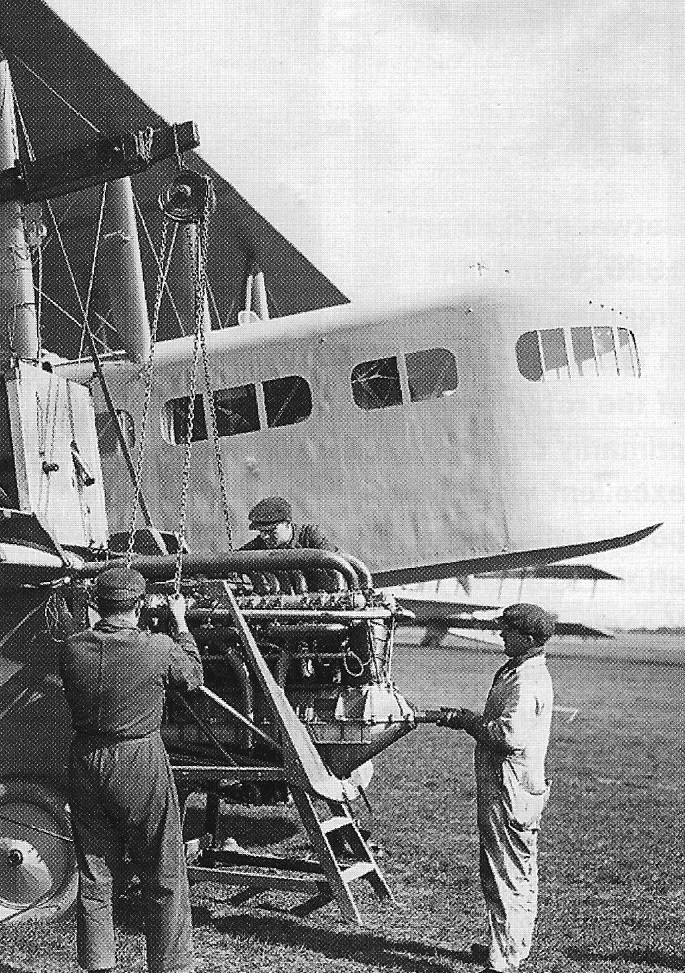
The Renault 70 hp or Type WB was a British V-8 aero engine that first ran circa 1913. The engine was manufactured by Renault Limited of West Brompton, London between August 1914 and December 1918, three other companies, including Rolls-Royce, also produced the engine. A variant known as the Type WC used an external oil pump as opposed to the internal pump of the Type WB.
The Renault V-8 engines were noted as inefficient but reliable, the inefficiency being mainly due to the excessively rich fuel/air mixture used to assist cooling. A total of 227 were built.
Applications:
Airco DH.1
Armstrong Whitworth F.K.2
Armstrong Whitworth S.S.27 airship
Blackburn Type E
Bristol B.R.7
Caudron G.3
Central Centaur IVA
Farman MF.7 Longhorn
Farman Shorthorn
Flanders F.4
HMA no.2 airship, short-lived modification
Royal Aircraft Factory B.E.2
Royal Aircraft Factory F.E.2
Royal Aircraft Factory R.E.1
White & Thompson Bognor Bloater
Specifications:
70 hp
Type: Inline air–cooled, upright, 90-degree, V-8 piston engine
Bore: 3.72 in (96 mm)
Stroke: 4.72 in (120 mm)
Displacement: 423.76 cu in (7 L)
Length: 45.5 in (1,156 mm)
Width: 29.8 in (757 mm)
Height: 32.8 in (833 mm)
Dry weight: 396 lb (180 kg)
Valvetrain: Single overhead exhaust valve, single side inlet valve per cylinder
Fuel system: Single carburettor
Fuel type: 40–50 octane petrol
Cooling system: Air-cooled
Reduction gear: 0.5:1, left hand tractor
Power output: 70 hp (52 kW) at 1,750 rpm (takeoff power)
Specific power: 0.17 hp/cu in (7.4 kW/L)
Compression ratio: 4.12:1
Power-to-weight ratio: 0.18 hp/lb (0.28 kW/kg)
Remos REMOS GX / NX

Remos of Germany continued in 2012 with three models of its GX line: the GX AVIATOR II, GXnES and GX eLite. A variety of standard features and options include Garmin aera 510 and GPSMAP696, Dynon SkyView EFIS, Dynon D100 and D120 EFIS and much more. 2012 prices range from $120,000 to $145,000, with many options.
GX
Engine: Rotax 912S, 100 hp
Propeller: Sensenich
Gross weight: 1320 lb
Empty weight, std: 670 lb
Useful load, std: 650 lb
Payload, full std. fuel: 518 lb
Fuel capacity: 22 lb
Wingspan: 30 ft. 6 in.
Overall length: 21 ft. 3 in.
Overall height: 7 ft. 5 in.
Wing area: 118 sq. ft
Wing loading: 11.2 lbs./sq. ft
Power loading: 13.2 lbs./hp
Seating capacity: 2
Cabin width: 46.8 in
Vso: 38 kt
Vne: 134 kt
Cruise speed: 113 kt
Max rate of climb: 1050 fpm
Takeoff over 50 ft. obstacle: 730 ft
Landing over 50 ft. obstacle: 760 ft
Remos G-4 Velocity

Stall: 34 kt / 39 mph / 63 kmh
Cruise: 124 kt / 143 mph / 230 kmh
VNE: 151 kt / 174 mph / 280 kmh
Empty Weight: 290 kg / 639 lbs
MTOW Weight: 472 kg / 1041 lbs
Climb Ratio: 1300 ft/min / 6.5 m/s
Glide Ratio: 17:1
Take-off distance (50ft obstacle): 450 ft / 137 m
Landing distance (50ft obstacle): 480 ft / 146 m

