Rose Peregrine RP-5

The RP-5 Peregrine N13NG c/n 101 was a 1998 biplane with a 150hp Lycoming O-320 engine.

It won the biplane class in 2003.

On 11 September 2007, the Rose Peregrine RP-5 biplane appeared to experience difficulties almost immediately after takeoff, at about 1745 local time. Witnesses say smoke billowed from plane at less than 100 feet after takeoff from Reno Stead Airport, practicing for the start of the 2007 Reno National Championship Air Races. The pilot, from Lemon Grove, Calif., was dead on impact. The Rose Peregrine was based at Montgomery Field in San Diego, and owned by David Rose. Rose was reportedly not the accident pilot.

Another example has been registered as a Peregrine 4 N111AY.

Rose Renegade / Mach-Buster

In 1999 David Rose bought Mach-Buster, a partially completed airplane whose design was based on high-speed aerodynamic research that had been performed at NASA Ames Research Center at Moffet Field, California.

After considerable time and effort to finish Mach-Buster, David, with Skip Holm and John Penney determined the design was not suitable for flight testing and abandoned the project. His mission is to step into an unlimited of his own design and compete.

The team then started from scratch and started developing a new design using computer modelling, analysis, and simulation methods. After mathematical modelling demonstrated their new technology would work, the team started cutting metal and welding.

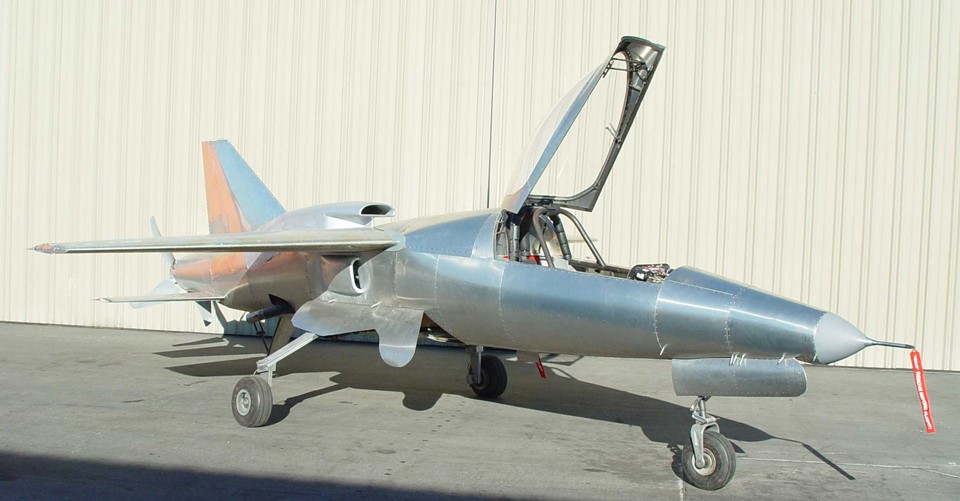
Crew chief Jerry Baer and machinist Eric Hereth started by jigging up a fuselage that uses 1-3/8” diameter Chrome-Moly tube, TIG welded together. The highly triangulated fuselage weighs 180 pounds bare. They fabricated a simple landing gear system that uses an Oildyne hydraulic power unit. The nose and main gear fold forward as they stow. This makes emergency gear extensions foolproof as the air stream pulls them down and locked in the event of a hydraulic system failure. Retraction is a little less than two seconds.

The new design has an aluminum skin. The team fabricated aluminum bulkheads that bolt to the fuselage and create the curves that define the fuselage shape. 6061-T6 panels were cut and shaped to fit in sections. After trial-fitting with Cleco fasteners, the panels were riveted permanently in place, or screwed down in case access to the interior was needed.

The all-carbon fiber wings (David has two sets). He has a wing that was designed for high-speed flight. Additionally, he has a flapped aluminium wing that is specially built to provide optimum performance while banking around the course at Reno. Both wings are bolt-on, and their incidence to the fuselage can be optimized.

The tail feathers were designed to balance the needs of slow flight while reducing drag at speed. The horizontal stabilizer was mounted low on the tail cone to avoid the effects of wing turbulence when the aircraft is at high angles of attack, such as during the landing phase.

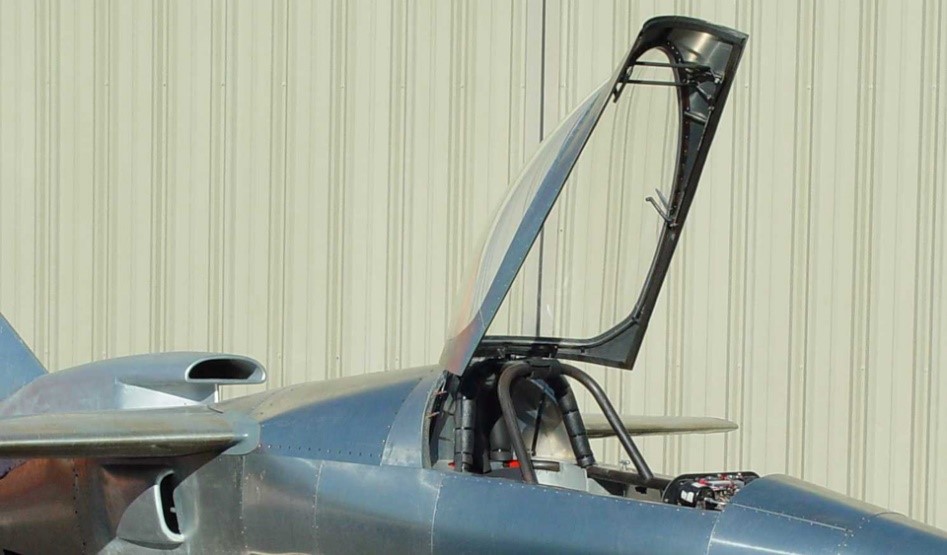
David initially brought home an F-16 canopy, but after a trial fit realized that it would be way too large for this fuselage. Fellow Reno racer Darryl Greenamyer paid a visit to the Renegade hanger one day and offered David one of his canopies that had been designed for his Unlimited racer, Shockwave. The new canopy still needed to be cut down, but fit perfectly after the trim job.

Renegade is not an aerobatic airplane, but high load banking and the occasional roll are necessary, so the team designed and built Renegade to handle positive 8 g’s and negative 4 g’s. The airframe loads were computer-analyzed using finite element analysis (FEA). Additionally, the wings were loaded using sand bags. They passed the test. Renegade’s empty weight came in at 2,300 pounds, with the gross weight topping out at 2,985 pounds.

The powerplant is a Pro-Stock style DRCE V-8 with a cast-iron block and large-valve aluminum heads. It sports a forged crankshaft, pistons, and connecting rods. The normally aspirated engine displaces 550 cubic inches and has a 13:1 compression ratio. A Peterson dry-sump system keeps the engine lubricated, while the dry-sump oil pan allows the engine to be located low in the fuselage.

The intake manifold is a Kinsler unit with a computer-controlled, Electromotive integrated fuel injection/ignition system. The water pump and mechanical fuel pumps are part of an accessory case that is cam-driven. A lightweight starter spins an 8-pound steel flywheel, and a fluid damper controls crank torsional vibration. The big V-8 is liquid-cooled; fresh air enters through side scoops mounted underneath each wing. Inside, twin radiators are mounted in a “V” configuration.

The engine is capable of a 7800-rpm redline, but David set the Electromotive’s rev limiter to 6800 rpm. At this rpm, the engine will produce 1,230 hp and 950 feet/pound of torque. At max horsepower, the cylinder’s “brake mean effective pressure” is 261 pounds per square inch.

A splined coupler drives a 5-inch diameter, 51-inch long, carbon-fiber drive shaft originally designed for offshore boat racing. The drive shaft terminates at a bearing carrier where the pusher prop is mounted. The prop is a four-blade design, custom made of carbon-fiber, and has a 48-inch diameter. The pitch is ground-adjustable. The prop underwent extensive load and vibration testing under the auspices of vibration specialist Dr. Tom Trozera, who safely spin-tested the prop to 18000 rpm. This resulted in a 2.6:1 safety factor above the prop’s redline of 6800 rpm. With a 35-degree blade angle (79-inch pitch) optimized for flight tests less than 300 mph, the prop efficiency should be about 74 percent, producing 1,560 pounds of thrust and a tip speed of Mach 1.33.

David and the team have calculated Renegade’s flight performance and the results should make for an easy flier. They estimate the take-off roll to be about 2,000 feet, with rotation coming at 100 Kts. Once airborne, the climb should be 3500+ feet per minute. Leveling out, Renegade should easily accelerate to 300 Kts.

Renegade is designed to race at Reno and should be able to achieve 430 Kts (495 mph) once all systems are fine-tuned. Approaches are made with full flaps at 135 Kts. Once the runway is made, Renegade should touch down at 95 Kts. A speed brake is deployed to help scrub off speed until the brakes take over. Renegade carries 85 gallons of fuel as this V-8 burns 105 gallons per hour. Never intended to be a cross-country flier, Renegade can fly at race speeds for 45 minutes. It was designed to be trailerable—the wing can be detached in less than 30 minutes.

Renegade meets all the Reno National Air Races Unlimited class rules. Because Renegade was not seen as a traditional Unlimited racer, Reno Air Racing Association officials had concerns but felt that if complete flight tests were successful, David would be invited to attend Reno’s Pylon Racing School.

Their proof of concept, Renegade, was built in less than a year.

Engine: Olds DRCE V-8 550 cui, 1,230 hp
Torque: 950
Engine Redline: 6800 rpm
Wing Span: 17 ft
Wing Area: 70 sq.ft
Empty Weight: 2,300 lbs
Gross Weight: 2,985 lbs
Fuel Capacity: 85 USgal
Wing Loading: 42.6 psf
Fuel Burn (full throttle): 105 gph
Top Speed (est.): 495 mph
Rate of Climb (est.): 3,500+ fpm
Stall Speed (est.): 103 mph
Seats: 1

Rose RP-4

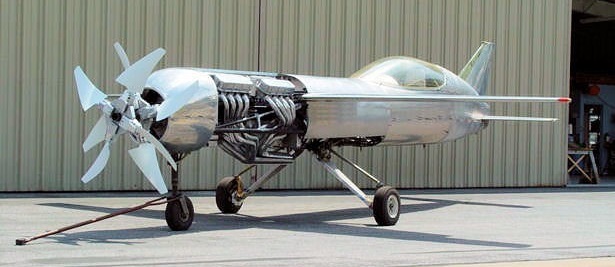
David Rose built the overpowered RP-4 for speed. The experimental counter-rotating propellers, inspired by a NASA project, run at 4800 rpm. Rose can connect both propellers directly to their engines without heavy reduction gearing. The props can change pitch for maximum efficiency at any speed. “It’s a drag-racer frame with skin on it to keep the wind out,” says Jerry Baer, a former pilot who helped Rose build RP-4.

Intended to compete in the Unlimited Class at the Reno Air Races, work began on the David Rose RP-4 project in 2005. Designed by Mr. Rose and built primarily be Eric Hereth, both of San Diego, at slightly over 4,600 pounds, 100 more than the minimum allowable, it was estimated that the racer would tour the course at upwards of 600 miles per hour, at least 100 mph faster than the then record holder.

Power is provided by two 600 cubic inch displacement V-8 engines designed originally for drag racing and, in that configuration, each is capable of producing as much as 2,500 horsepower (hp). Detuned to approximately 1200 hp. each, the engines were expected to withstand the rigors of running at full throttle for eight minutes, the time required to complete each heat at Stead Field in Reno.

The engines are mounted in tandem, each with its own independent systems, and each driving its own propeller. The engines are pressure-fed by two Pro-Charger F3-R centrifugal type superchargers with refrigerated intercoolers. The induction system is custom made from the 6” diameter throttle plate, to the attachment at the cylinder heads. The fuel is delivered by an electronic fuel injection system, also custom made for this application. Two-inch diameter stainless steel headers converge into collectors at the bottom of the fuselage exiting rearward and providing additional thrust in the process.

The contra-rotating propellers are reflective of those used in a ducted-fan experiment in the 1960s. Very efficient, but noisy, they split the job of delivering thrust and also cancel the negative torque reactions resulting from the P-factor, making such a high-power aircraft of small dimensions much more easily controlled.

The racer employs a unique engine cooling system. To eliminate any unnecessary parasitic drag on the fuselage, all scoops typically found in this type application are absent. Water from the engine cooling jackets is directed through the wings in parallel tubing, while the wings themselves are filled with water. Heat is transferred from the tubing into the water and heat from the water is transferred overboard through the wing skins. The wing will hold about 50 gallons of water adding about 400 pounds to the weight of the aircraft, which will help it reach the unlimited class weight limit.

All custom crafted by Eric Hereth, the fuselage is 31 inches in diameter with the canopy protruding 12 inches above its top line. It is constructed of welded chromoly tubing, stressed for over 10 g’s and covered in aluminum sheeting. Spinner to tail the aircraft measures 28 feet, with a wingspan of 20 feet and a cord length of four feet at the root. Wing area is 58 square feet, resulting in a wing loading of nearly 100 pounds per square foot.

A change in the rules instituted by the Reno Air Racing Association (RARA) prevented the racer from completing in the unlimited category, and as a result, work on the nearly completed aircraft was halted in 2012.

Romeo Ro 37 / Ro 45

In the early 1930’s, the Regia Aeronautica put out a requirement for a light reconnaissance aircraft and also a heavier reconnaissance aeroplane. The first should have a 350 km/h (190 knots/220 mph) maximum speed, five hours endurance, three machine-guns and a bomblets dispenser, armour, and the capability to operate from improvised airfields. The heavier one should have a 325 km/h maximum speed, at least 1,300 km (800 miles) endurance, 7,000 m (22,750 feet) ceiling, climb to 5,000m (16,000) in 19 minutes, three crew, five weapons, high wing and other details.

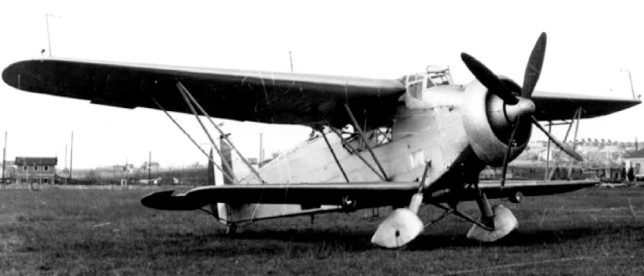
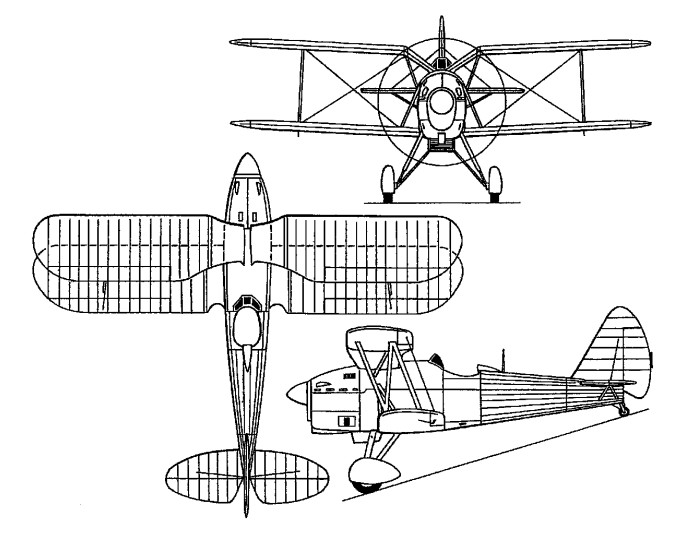
Ro.37 with Fiat A.30 inline engine

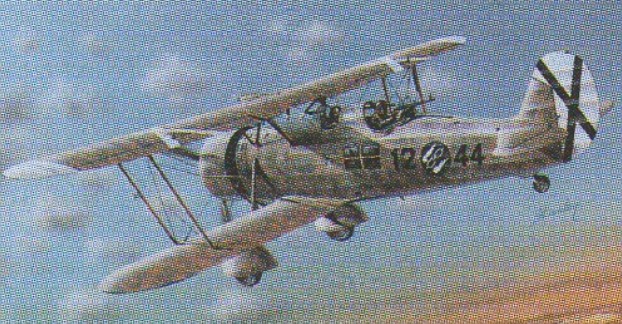
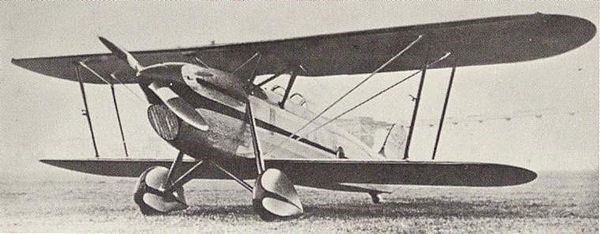
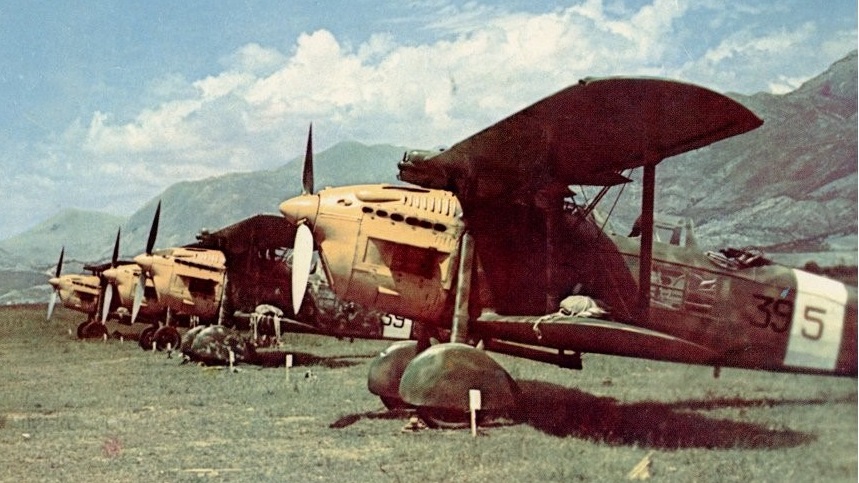
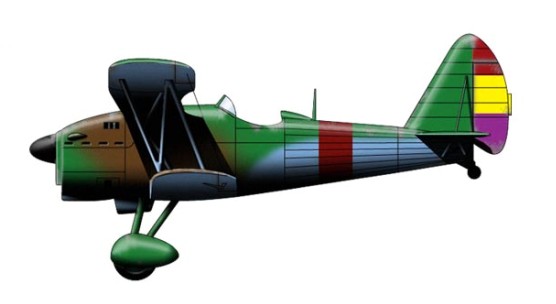
IMAM designed a new aircraft, the Romeo Ro.37, which first flew in 1933. The aircraft was an unequal-span single-bay biplane of mixed wood and metal construction. Its design included fixed tailwheel landing gear, all three wheels being provided with spats; a braced tail unit incorporating a variable-incidence tailplane; and accommodation for two in tandem enclosed cockpits, Power was provided by a 522kW Fiat A.30RA Vee engine of 560hp. It reached 300 km/h (162 knots). An improved Ro.37bis was developed subsequently, and this introduced an optional radial powerplant comprising either the Piaggio P. IX or P.X supercharged engine. The better reliability of this engine was considered more desirable and so this was the main version produced.

Both models proved popular for their day, with production of the Ro.37 and Ro.37bis exceeding 160 and 475 respectively. Ro.37 were exported (ten to Uruguay, sixteen to Afghanistan, fourteen to Hungary, eight to Austria, and one to Ecuador) and around 280 were in service with the Regia Aeronautica in 1940 in thirty squadrons.

IMAM also built a successor to the Ro.37, the Ro.45. This was an enhanced Ro.37 that first flew as a prototype on 10 December 1935. The 820 hp Isotta-Fraschini Asso XI.RC40 engine boosted maximum speed slightly to 217mph, increased the ceiling to 26,200 feet, and endurance to 1,398 miles. Destined for long-range reconnaissance and light bombing, it remained a single prototype.

The Ilmavoimat / Maavoimat evaluated both the Ro.37 and the single Ro.45 prototype but considered the design unsuitable for their overall requirement.

Ro.37 and Ro.37bis aircraft were involved in the Spanish Civil War from October 1936, when the first 10 arrived. Another 26 (possibly 58) went to this theatre and were used for many missions and tasks. They were used as assault aircraft, even though they were unarmoured. The results were satisfactory and some were even converted to a single-seat machine for use as attack fighters. The two-seat versions were used as heavy fighters, providing protection for S.81 bombers from Republican I-15s. It is not known if there were any air-to-air victories. They were also used extensively by the Regia Aeronautica during Mussolini’s invasion of Abyssinia between October 1935 and May 1936 and during the Italian occupation of that country until 1941. Some 275 Ro.37bis aircraft were in service with the Regia Aeronautica when Italy became involved in World War II, and these saw first-line service in the East and North African campaigns and in the Balkans. Some were in service up to 1943 and perhaps even later. They were very vulnerable, but in the war Italy did not have sufficient resources to produce a better observation aircraft, not even the Ro.63, a superior aircraft, similar to the Storch, but with more endurance. After withdrawal from first-line service they found a variety of uses, but all had been retired before Italy’s armistice with the Allies on 8 September 1943. The aircraft was produced until 1939 with a total of 569 (237 + 332bis) produced.

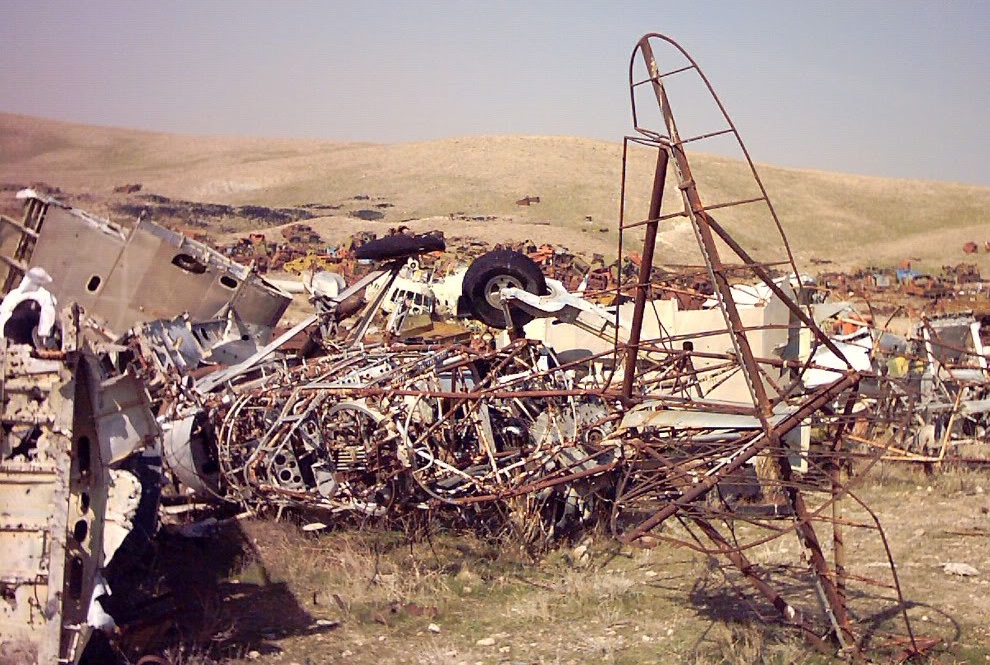
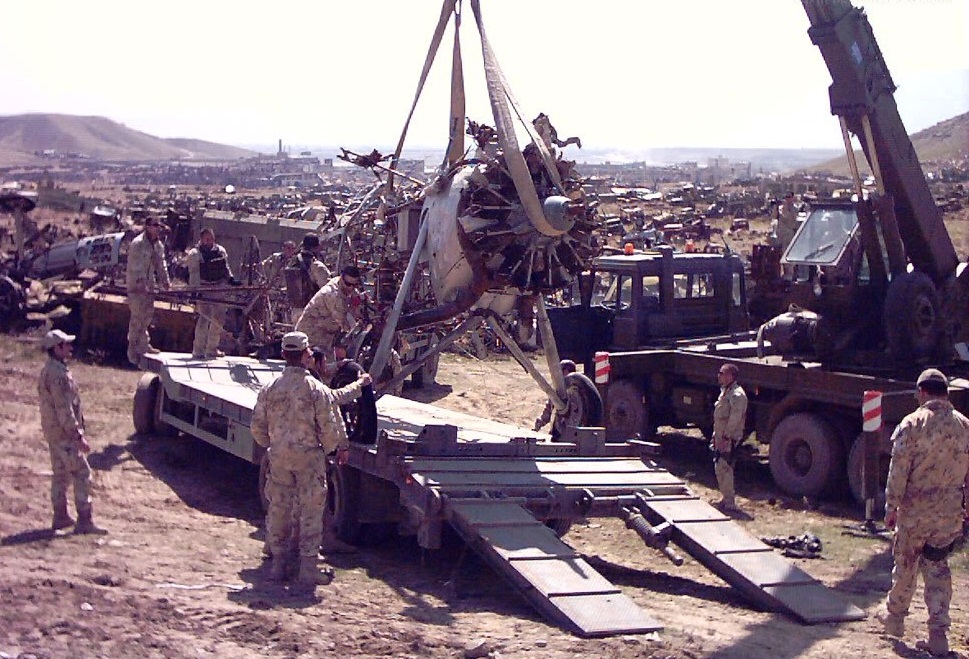
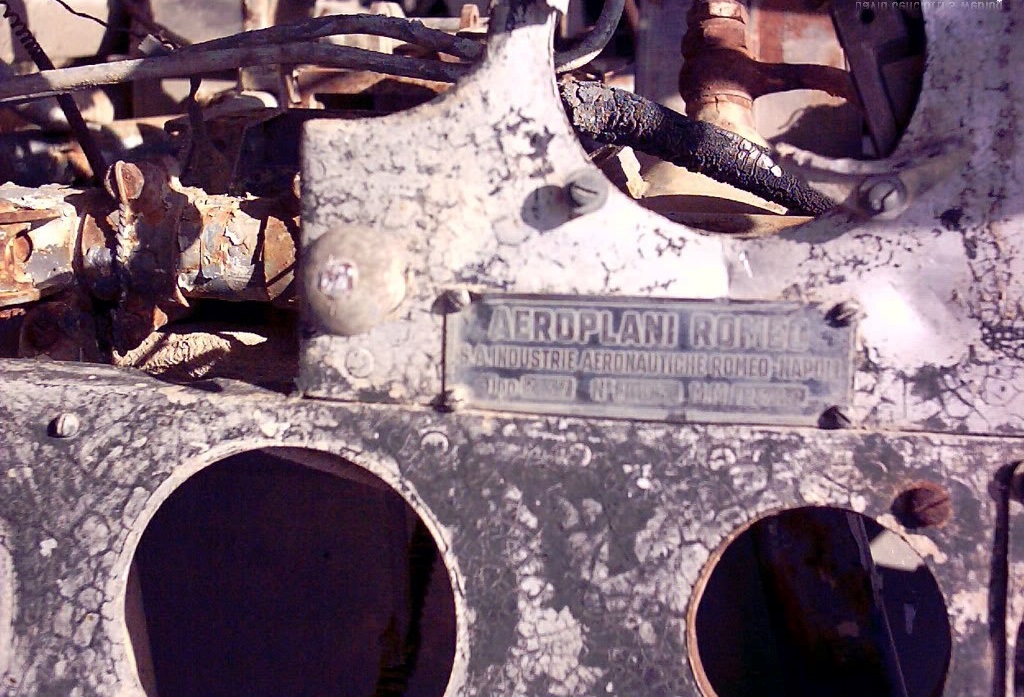
The remnants of the Ro.37’s sold to Afghanisatan were found northeast of Kabul by the Italian Army’s 132nd Artillery Regiment “Ariete”.

Of the 16 Ro.37bis sold to Afghanistan in 1938, 6 relics were recovered by an Italian / US team to the North East of Kabul and one of them is exhibited at Vigna di Valle Museum waiting to be completely restored.

Tom Martin, LTC of the US Army, was the garrison commander at the Kabul Military Training Center and “neighbor” to the Italian garrison at Camp Invicta. Their garrison commander, LTC Mauro D’ Ubaldi, and Martin became friends through mutual security needs and engineer projects. D’ Ubaldi approached Martin and asked if he would help his team come onto our site and remove from the boneyard the a plane. They also recovered wings and there were scraps of material with paint on some of the parts which showed the material and colors.

Ro.37
Crew: 2
Engine: Piaggio P.IX RC.40, 560 hp (418 kW)
Maximum speed: 205mph
Range: 696 miles
Service ceiling: 23,620 ft
Armament: three machine guns (two in nose / one flexible mount rear cockpit)
Bombload: 397 lb (180kg) of bombs (twelve x 15 kg bombs) on underfuselage racks

Romeo Ro.30 / IMAM Ro.30

IMAM proposed the IMAM Ro.30, an improved Ro.1 (the Ro.1 was actually a Fokker C.V built under license in Italy) with a defensive turret and better engine. Limited numbers were built but a larger order was rejected by the Regio Esercito and the aircraft was not chosen for mass production, being only capable of 200 km/h (110 knots), five hours endurance, a climb rate of 4,000 m (13,000 feet) in 20 minutes, and had three weapons.

Romano Ro 110

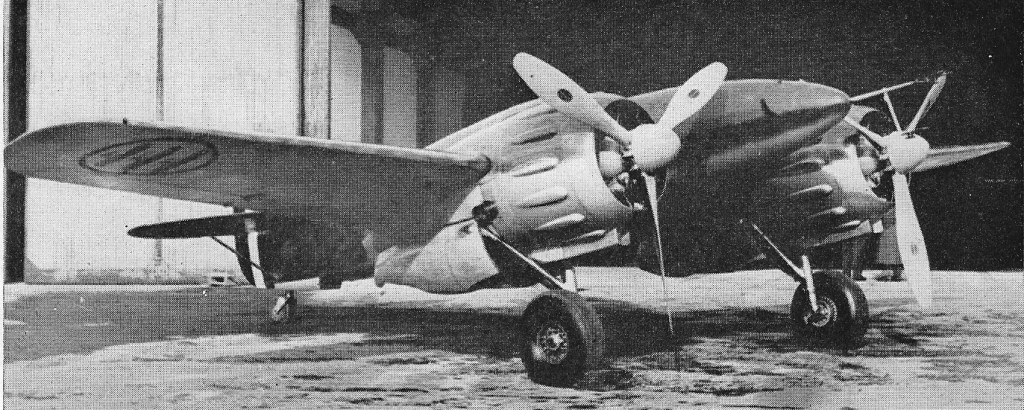
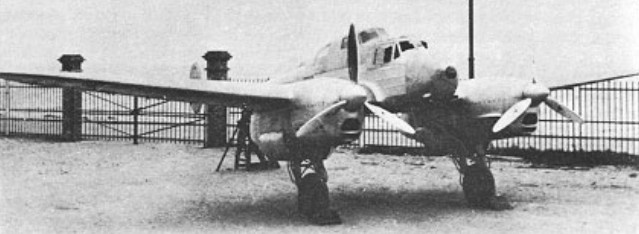
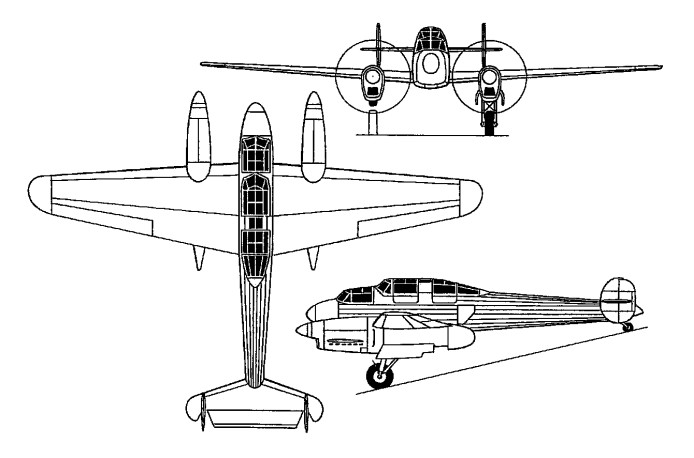
Designed for an October 1934 specification calling for a three-seat fighter to serve as an aerial command post for single-seat fighters, the R-110 was flown for the first time on 30 March 1938.

Of mixed construction, with plywood-covered wooden wings and a welded steeltube fuselage, the R-110 was powered by two 450hp Renault 12 Ro 2/3 12-cylinder air-cooled engines. Armament was two fixed 20mm cannon and a single 7.5mm machine gun on a flexible mount in the aft cockpit.

The R-110 was unusual in that the pilot and aircraft commander were seated behind separate vertically- staggered stepped windscreens. The competing Potez 630 had appeared in production form before the R-110 prototype entered flight test and further development of the latter was discontinued.

Max take-off weight: 3300 kg / 7275 lb
Empty weight: 2165 kg / 4773 lb
Wingspan: 12.80 m / 42 ft 0 in
Length: 9.66 m / 32 ft 8 in
Height: 3.37 m / 11 ft 1 in
Wing area: 24.00 sq.m / 258.33 sq ft
Max. speed: 470 km/h / 292 mph
Range: 1280 km / 795 miles

Romano R-110

Romano Ro 92

Apart from their contract for the R-83, the Spanish Republicans financed development as the R-92 of a version of the same design powered by an Hispano-Suiza 12Ycrs-l liquid-cooled 12-cylinder Vee engine rated at 900hp at 1900m. Similar to the R-83 apart from engine installation, an increase in vertical tail area, some local structural strengthening and the addition of a 20mm engine-mounted cannon to the armament, and in reverting to the gull configuration of the R-90, the R-92 prototype was apparently transported to a Sabena hangar at Evere, Brussels, for final assembly.

Euphemistically referred to as a “sportive plane” and assigned a Belgian civil registration, the R-92 was flight tested under the utmost secrecy by Jacques Lecarme of the French Centre d’Essais du Materiel Aerien (CEMA) before delivery to Barcelona in the summer of 1938. The subsequent fate of the sole example of the R-92 is unrecorded.

Wingspan: 8.88 m / 29 ft 2 in
Length: 7.63 m / 25 ft 0 in
Height: 3.10 m / 10 ft 2 in
Wing area: 21.00 sq.m / 226.04 sq ft

Romano R-92