Haseloh Gyroplane

Late 1950s

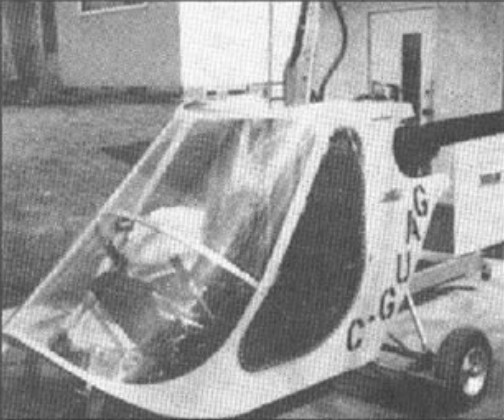
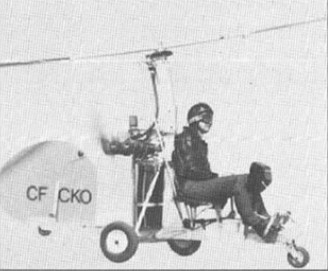
Mr. Haseloh has logged more than 2000 hours of flying time on his experimental “HASELOH” designed machines and has spent over 10,000 hours in the development of prototype gyroplanes of “ THE TYPE “ manufactured and sold by Rotary Air Force South Africa.

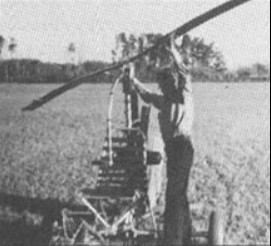
First Haseloh built gyroplane, 1954
Two place development, late 1970s.

1970 protptype with two part mast, and CW mounted shock mounted cheek plates.

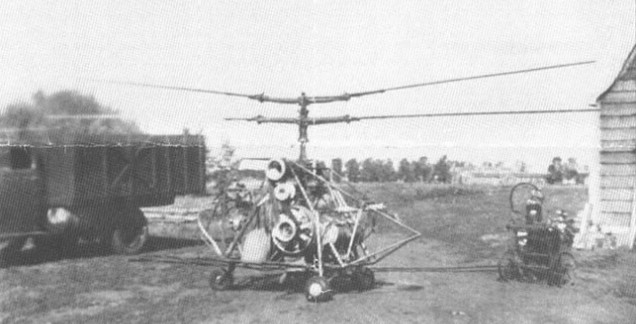
Haseloh Helicopter

The origins of Rotary Air Force South Africa. date back to 1943 when Bernard J. Haseloh hovered his first experimental helicopter at his shop in Ponoka, Alberta , Canada.

Mr. Haseloh was discouraged from building and testing amateur/experimental built helicopters, by the Government who felt that the technology for the power driven rotor system was too complex for the private individual.

To further complicate matters, at that time the Government had no regulations in place for amateur/experimental built helicopters.

Haseloh did have an experimental helicopter hovering in 1943.

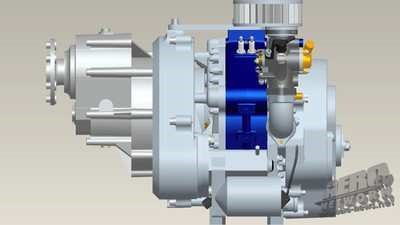
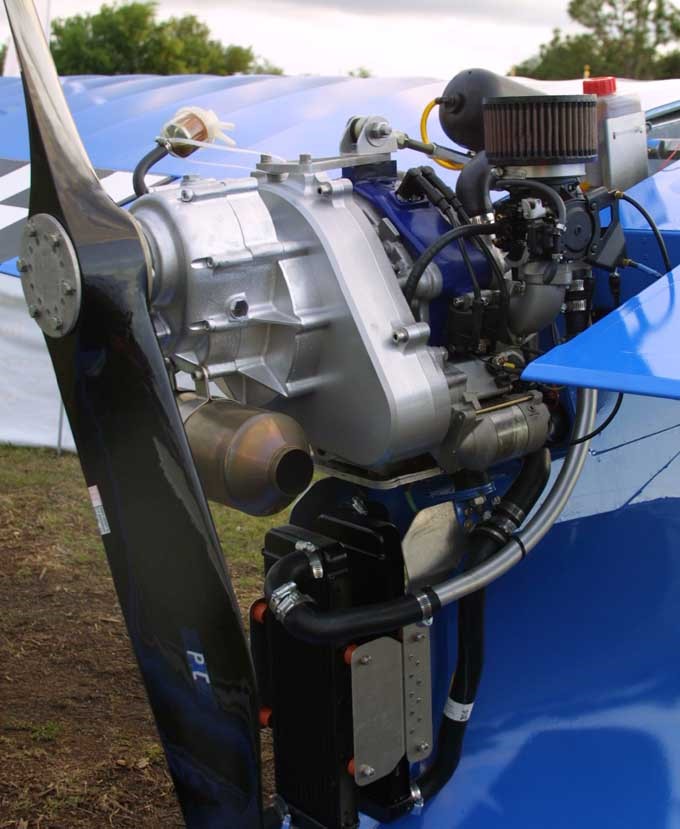
RotaMax Rotary Engines 650cc / 1300cc

Originally designed by Outboard Marine Corporation (OMC) between 1974 and 1984, it was rumored that they spent hundreds of millions of dollars to develop this engine. OMC originally had a 530cc single rotor air cooled engine that was installed in 15,000 snowmobiles made by Johnson and Evinrude in the early 1970s.

OMC spent a small fortune developing a rotary engine. At one point they had a team of over 40 engineers working to develop the engine but about the time they were about to start production on the engine the snowmobile industry fell on hard times and the project was put on the back burners.

RotaMax purchased the design, and has reintroduced it to the market. RotaMax was marketing the engine for Recreational, OEM, Transportation, Aviation, Marine, Aftermarket and Xtreme applications, which is where the name RotaMax originates from.

The unit was available in two configurations a 650cc single rotor of 75 hp which weighs 90 lbs and a 1300cc twin rotor unit putting out 150 hp and weighing 140 lbs. The RotaMax engine is all aluminum.

The ASTM LSA engines have a dual ignition system, and are fuel injected. The unit uses a spur gear reduction drive system with a 1.95 to 1 reduction ratio.

At Airventure Bill met Eric Barger of RotaMax Rotary Engines of Ohio, and he was so impressed with company and engine that he decided to use it in the Vampire. Since Airventure he has put over 40 hours of trouble free flying on the engine.

At Sebring he had the engine in his booth on static display. He also demonstrated the engine running in the Vampire. According to Bill the engine is very smooth, sounds a lot like a turbine, and is considerably more powerful than the Rotax 912 S.

Eric Barger President of RotaMax was at Sun N Fun showing a number of aircraft installations that are currently using the RotaMax rotary engine. These included Higher Class Aviation and their Hornet, Sadler Aircraft and the Sadler Vampire.

The RotaMax single rotor 650 cc, 65 HP engine will use between 3 and 4 gallons of fuel an hour, while the twin cylinder 1300 cc engine uses 4 to 6 gallons per hour, again this will vary with the type of application the engine is being used in.

All of the RotaMax aircraft engines are equipped with dual ignition systems. The single cylinder engine was only available in a carbureted version, with the twin cylinder 1300 cc engine being fuel injected.

The RotaMax 1300 cc twin rotor engine has a top RPM of 4750, with cruise RPM being 4250.

A unique feature of the RotaMax engine is that it uses a “lost oil system.” Regular 30 weight oil is injected into the engine, and is burned off in the combustion cycle. This means you do not have an oil pan, you do not require any oil changes, no oil filter, and no waste oil to dispose of.

The RotaMax engines came with a standard charging system of 32 amps but an optional unit of 45 amps is available. The engine uses an oil bath spur gear reduction drive, with ratios from 1.9 to 2.7 available. RotaMax was developing belt drive systems to fit various applications. A number of exhaust systems were being developed, all of the systems are made from stainless steel due to the higher exhaust heat that the engine produces.
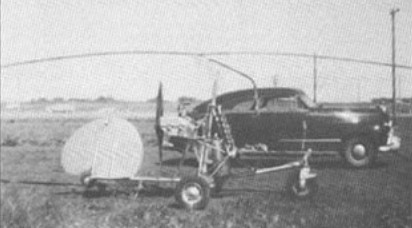
Rost Apparat I

The first aeroplane of bicycle mechanic and dealer Gottlieb Rost and his brother, a conventional tractor monoplane, was tested in February 1910 at Scheinberg in Harburg near Hamburg, Germany. It was followed by refined versions later during the year, but although it was flown several times it was considered underpowered.

Rossi Ghost

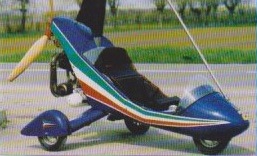
Designd by Paolo Rossi, the Rossi Ghost is mated to either Hazzard or La Mouette Ghost wings. Engine options include the Rotax 582 and a four stroke HKS. Single and two seat versions were available.

Empty weight: 128 kg
Wing span: 9.56 m
Wing area: 12.9 sq.m
Fuel capacity: 46 lt
Engine: Rotax 503, 52 hp
MAUW: 350 kg
Seats: 2
Max speed: 135 kph
Cruise speed: 110 kph
Minimum speed: 53 kph
Climb rate: 5 m/s
Fuel consumption: 10 lt/hr
Price (1998): 6 800 000 L

Rossier-Kunkler Hochdecker

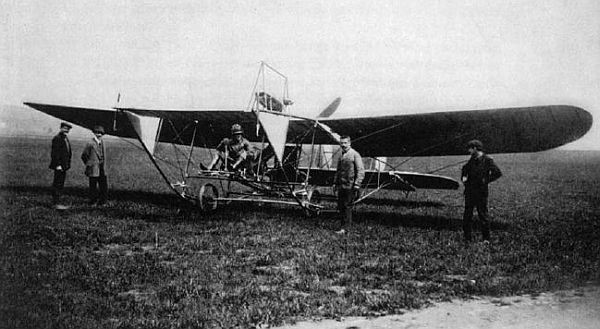
High-wing pusher monoplane powered by an opposed 4-cylinder Oerlikon engine rated to 45 hp. Henri Kunkler, born in St.Gallen 1886, was one of the young aviators in Switzerland. He flew since 1911 (Blériot) and in 1912 he completed his own monoplane that he built with his mechanic Rossier. Rossier obviously played an important role in the design but was neither financier, owner or pilot. The first noteworthy adventure with that machine was the cross-coutry flight from St-Gallen to Dübendorf on 4. September 1912 (ca. 60km in 12:30h with two emergency landings). Kunkler flew this craft until he gave the controls to Ernst Rech in May 1913, who would take part at the Meeting in Olten. He decided to move the plane by a cross-country flight but lost control in strong winds and crashed to his death.

Rossel-Peugeot 1910 Monoplane

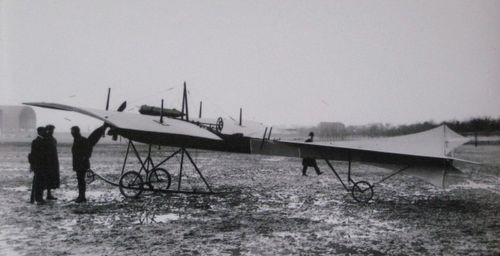
Rossel-Peugeot Monoplane of 1910

Frédéric Rossel, while already working for Peugeot a few years, and with car sales figures depressed at this time, turned his interests to aviation and convinced the Peugeot Brothers to form the “Société Anonyme des constructions aériennes Rossel-Peugeot”. Built by the Reggy frères, who also furnished the propeller, the monoplane was powered by a 50 hp Gnôme rotary engine. The first flight was piloted by Jules Goux – in 1913 the first Frenchman to win the Indianapolis 500 motorcar race – but just 5 minutes into the air the machine lay wrecked on the ground, with Goux unhurt.

Rose Parakeet / Hannaford Bee

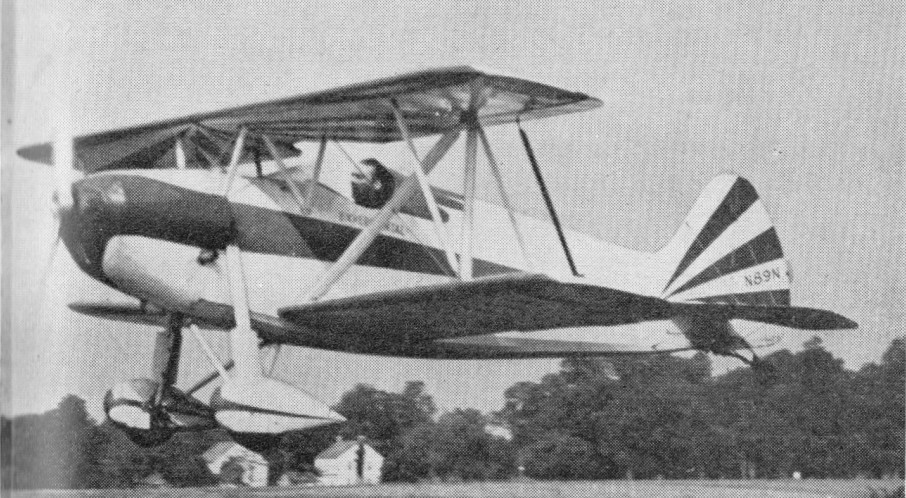
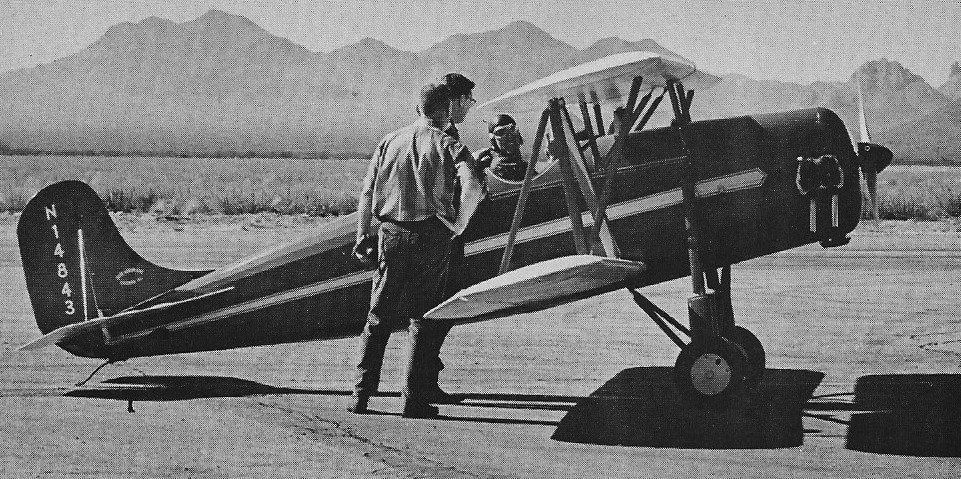
As flying began to recover from the depression, the little Rose Parakeet appeared in 1934. This was built by the Rose Aeroplane & Motor Co. of Chicago, Illinois. Powered with the new (and relatively expensive) 37-hp Continenal A.40 flat-four engine, it drew heavily on the layout of the old Lincoln Sport but incorporated welded steel-tube fuselage and tail construction and greatly modified wing rigging. The airfoil was a Rose design, nearly symmetrical. In spite of winning an ATC, only eight were built before the venture folded.

After acquiring in 1948 the manufacturing and marketing rights to the prewar Rose Parakeet single-seat sports biplane from Rose Aeroplane & Motor Company, Hannaford Aircraft Co offered production versions of the airplane with 40- 85hp engines. The design reappeared in the post-World War II homebuilt boom as the “Hannaford Bee,” the plans for which were available to the homebuilders. With 65-to 90-hp engines, the Bees, and some refurbished Parakeets became very suitable sport planes.

The design was revived in 1969 by Doug Rinehart, who used a 100-hp Continental 0-200 engine and intended to make the new Parakeet an ATC’d model for the general aviation market. The market did not accept it.

Replica:
Westphal Rose Parakeet

Gallery

Parakeet
Engine: Continental, 80-90 hp
Wingspan: 20 ft
Wing area: 116 sq.ft
Length: 17 ft
Empty weight: 550 lb
Gross weight: 860 lb
Wing load gross: 7.2 lb/sq.ft
Wing load 777lb aerobatic: 6.6 lb/sq.ft
Pwr load Gross: 9.5 lb/hp
Pwr load aerobatic: 8.5 lb/sq.ft
Top speed: 135 mph
Cruise: 120 mph

Parakeet
Engine: Lycoming, 125 hp
Wingspan: 20 ft
Length: 17 ft
Cruise: 135 mph