Ruschmeyer MF-85

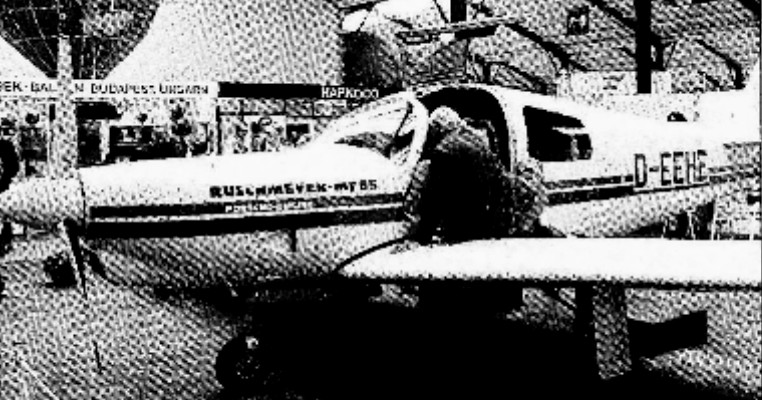
Debuted at Hannover 1987, the Ruschmeyer MF.85 prototype, D-EEHE, was built over three years by Horst Ruschmeyer’s fix based operation. The MF.85 is a composite four seat aircraft, planned to be offered with 180, 212, or 245 hp. Price was planned to be DM245,000 to DM325,000 (excluding avionics). The type could be specified as fixed undercarriage or retractable.

The prototype (V001 D-EEHE) flew with a 212 hp Porche PFM.3200N with a three bladed MTV.9 constant speed propeller engine on 8 August 1988, piloted by Horst Ruschmeyer.

V002 (D-EERO) flew on 23 September 1990, and V003 (D-EERH) on 12 February 1992.

The unavailability of the Porche PFM powerplants led to the development of the Textron Lycoming powered R 90.

Rusavia Polikarpov U-2

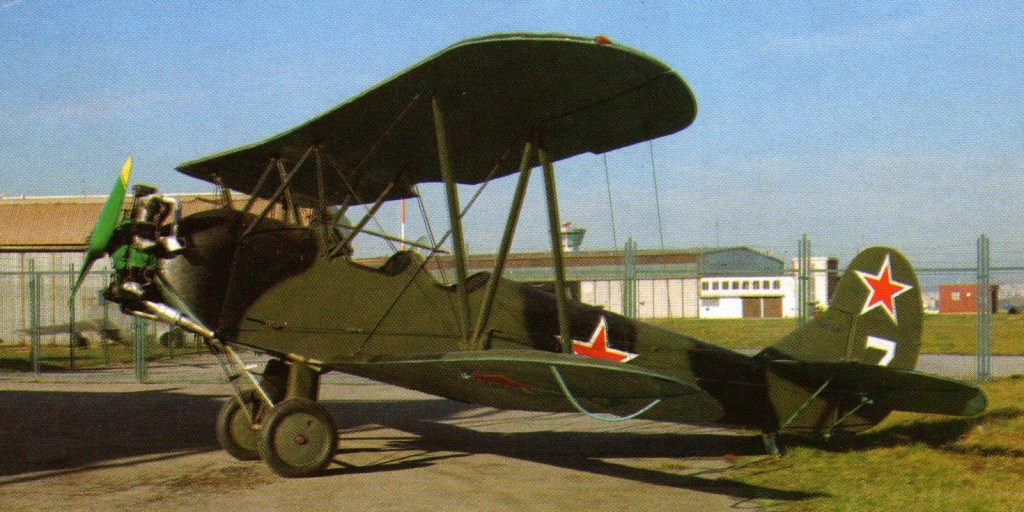
During the first flights in 2004, the Shvetsov M-11FR radial was damaged and needed to be overhauled. Albatros Aviation Services carried out the recent engine rebuild, using many hard-to-find original parts.

Slovak Republic-based Polikarpov U-2 replica ‘White 7’ (OM-LML) took to the air again after the engine overhaul on October 11, 2007. This machine was built by Rusavia in Moscow and was gifted to the Museum of Aviation collection at Kosice by Russia in August 2004.

Rupel Flying Machine

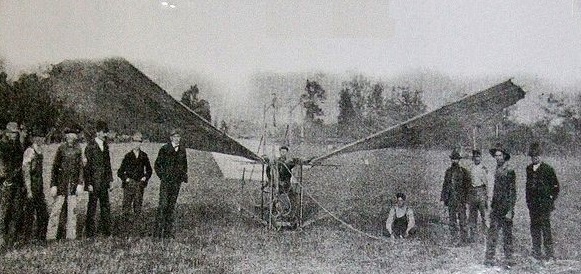
Albert Rupel in his Flying Machine

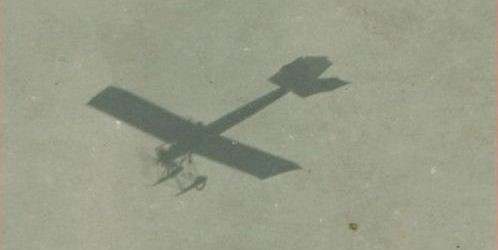
This machine was tested in October 1904, pulled by an automobile, but when the car reached a moderate speed the plane lifted, but a gust of wind tipped a wing so that the wheels on the opposite side were crushed. As a substitute, ordinary boards like skis were used, but then the car stalled without getting the plane off the ground, so horses had to be used. A team of draft horses pulled the rope and caused the plane to soar as high as the tree tops. Its builder Albert Rupel of Indianapolis, Indiana died of lockjaw less than a year later after stepping on a nail, before he could test it with a proper engine.

Rumpler C.IV / 6B 2 / Pfalz C.I

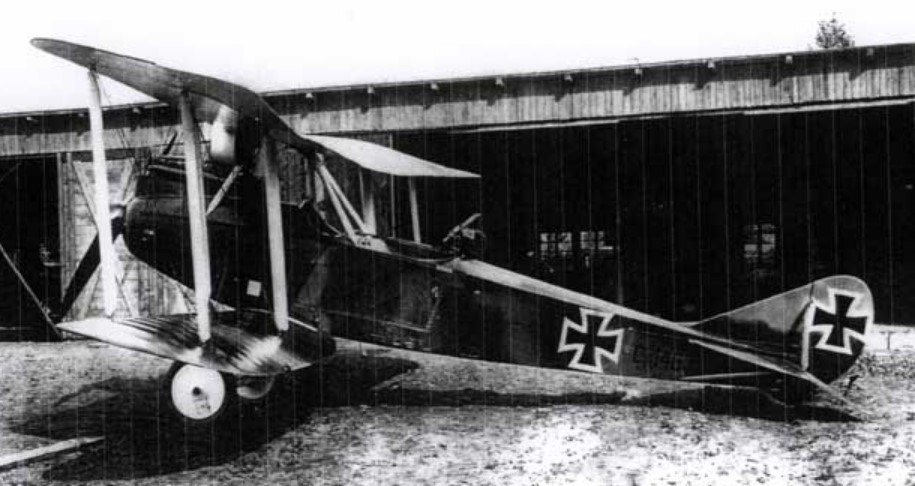
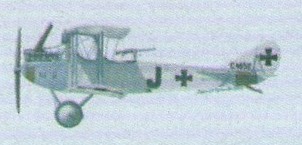
The Rumpler C.IV was a German single-engine, two-seat reconnaissance biplane. It was a development of C.III with different tail surfaces and using a Mercedes D.IVa engine in place of the C.III’s Benz Bz.IV. The Rumpler 6B 2 was a single-seat floatplane fighter variant with a 120 kW (160 hp) Mercedes D.III engine built for the Kaiserliche Marine (Imperial Navy).

For a two-seater reconnaissance aircraft, Rumpler C.IV had an excellent performance, which enabled it to remain in front-line service until the end of World War I on the Western Front, as well as in Italy and Palestine. Its exceptional ceiling allowed pilots to undertake reconnaissance secure in the knowledge that few allied aircraft could reach it.

300 aircraft were licence-built by Pfalz Flugzeugwerke as the Pfalz C.I, differing in ailerons on all four wings. From February 1917 they were renamed Rumpler C.IV (Pfal).

Replica
Slingsby T.58 Rumpler C.IV

Rumpler C.IV
Powerplant: 1 × Mercedes D.IVa, 190 kW (260 hp)
Propeller: 2-bladed fixed-pitch
Wingspan: 12.66 m (41 ft 6 in)
Wing area: 33.5 m2 (361 sq ft)
Length: 8.41 m (27 ft 7 in)
Height: 3.25 m (10 ft 8 in)
Empty weight: 1,080 kg (2,381 lb)
Gross weight: 1,530 kg (3,373 lb)
Maximum speed: 171 km/h (106 mph, 92 kn) at 500 m (1,640 ft)
Endurance: 3½-4 hr
Service ceiling: 6,400 m (21,000 ft)
Crew: 2 (pilot and observer)
Guns: 1 × fixed, 7.92 mm (.312 in) LMG 08/15 and 1 × 7.92 mm (.312 in) Parabellum MG14 machine gun
Bombs: 100 kg (220 lb)
Rumpler Wassertaube

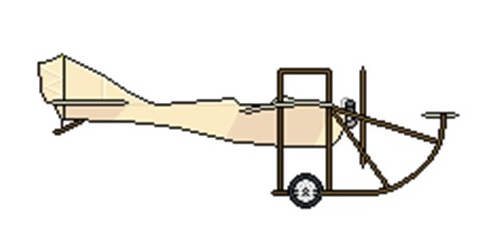
Sea based training aircraft, Germany, 1911

Length : 32.808 ft / 10.0 m
Wingspan : 49.213 ft / 15.0 m
Wing area : 387.504 sq.ft / 36.0 sq.m
Max take off weight : 1808.1 lb / 820.0 kg
Weight empty : 1323.0 lb / 600.0 kg
Max. weight carried : 485.1 lb / 220.0 kg
Max. speed : 49 kts / 90 km/h
Cruising speed : 43 kts / 80 km/h
Wing load : 4.72 lb/sq.ft / 23.0 kg/sq.m
Range : 92 nm / 170 km
Engine : Argus 100 PS, 99 hp
Crew : 2

Rudlicki R-I

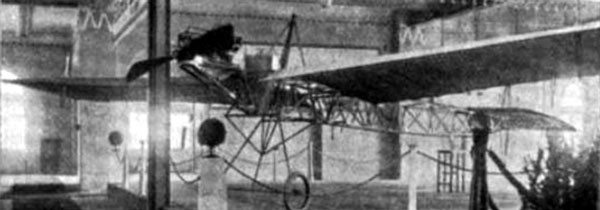
Shortly before the outbreak of the Great War, student Jerzy Rudlicki (who later become known aircraft designer), after building several successful gliders 1912-1913 designed an aircraft named R-I. Its construction commenced with support of the Aero Club of Odessa (where Rudlicki resided at that time), which supplied Anzani engine. When the war erupted the plane was nearing completion and was therefore requisitioned by the Russian military which finalized the construction and made several (3 or 4) flights on it (before the plane crashed due to engine failure).

Span: 29’6″
Length: 29’6″
Weight: 320 lbs