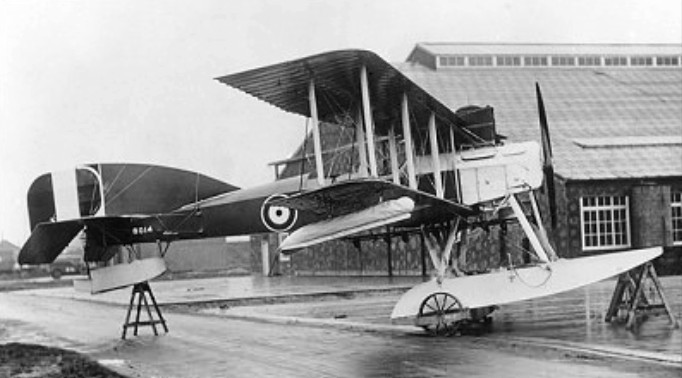
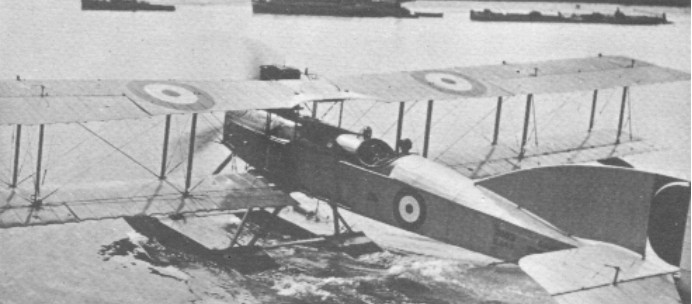
Short S.5 Singapore I / S.19 Singapore III

Singapore I

The Singapore III reconnaissance and coastal patrol flying-boat was basically the production version of the earlier Singapore II, itself developed from the twin Buzzard-engined Singapore I of 1926.
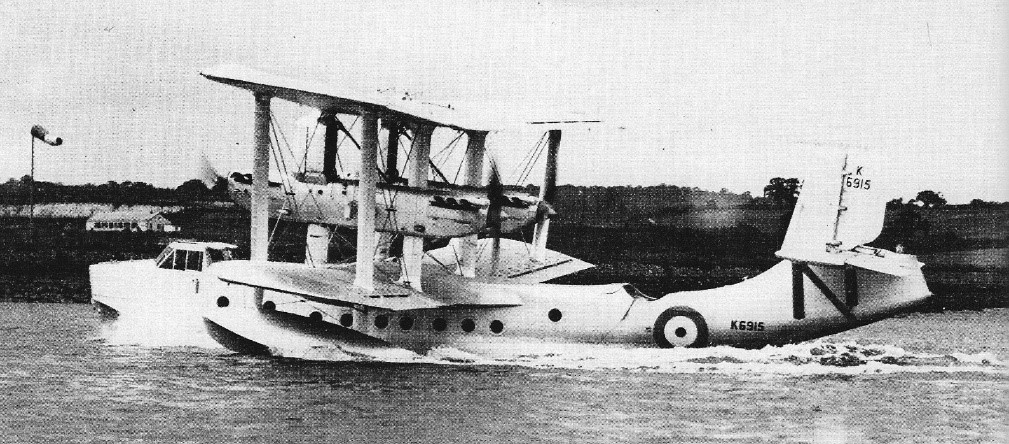
Singapore III

The huge biplaned Singapores entered service with the RAF in 1934. Built with a deep, well faired beamy hull constructed of duralium, the boat had a good seaworthy reputation and was quite maneouvrable on the water. While the book claimed a cruise of 105 knots, RNZAF crews seldom watched the wave tops go past at more than 80 knots. The endurance was some six and half hours at around a thousand feet, the low altitudes being little hindrance as the primary observation device in those early days was the Mark One eyeball.

Singapore III

Thirty-seven Singapore IIIs were delivered to the RAF, entering service in the spring of 1935. The last few aircraft were withdrawn in late 1941, when they were transferred to the Royal New Zealand Air Force. Powered by four 730 hp Roll Royce Kestrel VIII/IX glycol cooled engines mounted in two tandem pairs between the fabric covered wings.

Gallery

Short S 19 Singapore III
Engines: 4 x Rolls-Royce Kestrel VIII/IX, 418kW/ 560 hp
Wingspan: 27.43 m / 90 ft 0 in
Length: 23.16 m / 76 ft 0 in
Height: 7.19 m / 24 ft 7 in
Wing area: 170.38 sq.m / 1833.95 sq ft
Max take-off weight: 12475 kg / 27503 lb
Empty weight: 8355 kg / 18420 lb
Max. speed: 126 kt / 233 km/h / 145 mph
Cruising speed: 91 kt / 169 km/h Ceiling: 4570 m / 15000 ft
Range: 869 nm / 1610 km / 1000 miles
Crew: 6
Bomb load: 2000 lb / 907kg
Armament: 3 x .303 MG (7,7mm) Lewis mg

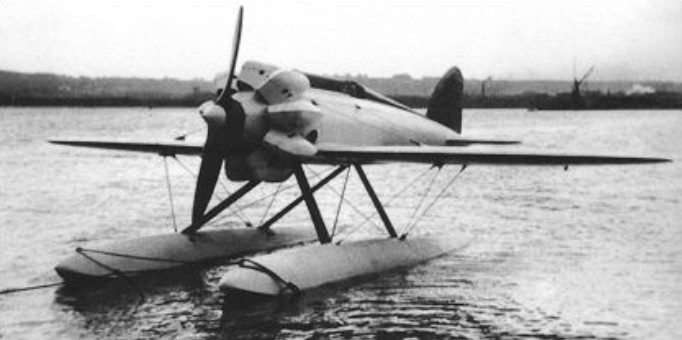
Short S.19 Singapore III

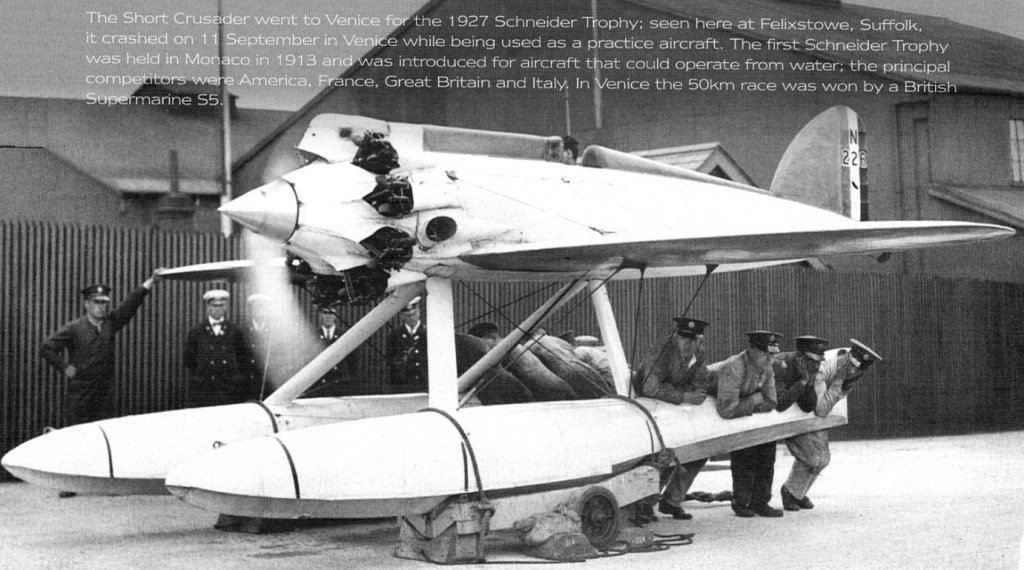
Short-Bristow Crusader

Public pressure resulted in the British government’s return to funding Schneider trophy entries from the public purse, and the 1927 entries were sponsored around two different engine types. The Bristol Mercury engine design was placed under the guidance of Colonel W.A. Bristow, who subsequently subcontracted airframe detail design of this low-wing, wooden racing floatplane to Short. The Crusader was not as fast as its Supermarine S.5 counterparts that won the race in Italy, but it travelled to the event as a back-up aircraft. Unfortunately, it was written off in an accident. Although not a landmark aircraft, the Crusader was important in developing the Mercury engine, a key component of 1930s British flying boats.

Engine: 1 x 810hp Bristol Mercury 9-cylinder air-cooled radial
Wingspan: 8.07 m / 27 ft 6 in
Length: 7.62 m / 25 ft 0 in
Max take-off weight: 1227 kg / 2705 lb
Max. speed: 435 km/h / 270 mph
Crew: 1
Passengers: 1

Short S.3b Chamois

One prototype flown in 1927. No production.

Engine: 1 x 425hp Bristol Jupiter 9-cylinder air-cooled radial
Wingspan: 13.74 m / 45 ft 1 in
Length: 9.17 m / 30 ft 1 in
Wing area: 40.88 sq.m / 440.03 sq ft
Max take-off weight: 1911 kg / 4213 lb
Empty weight: 1235 kg / 2723 lb
Max. speed: 187 km/h / 116 mph
Ceiling: 4450 m / 14600 ft
Armament: 1 x Lewis gun, 2 x 50kg bombs
Crew: 2

Short Silver Streak

Designers began metal construction although Britain tended to redesign biplanes of the wood era in metal. An exception was Oswald Short’s Silver Streak of 1920. An all-metal ‘monocoque’ structure with a duralumin stressed skin fuselage and wings, but this method was not generally adopted until the 1930s.

Engine: One 240 hp Siddeley Puma
Length 26.4 ft (8.04 m)
Wing span 37.5 ft (11.43 m)
Weight empty 1,865 lb (846 kg)
Cruise speed: 90 mph (145 kph)
Range: 450 miles (725 km)
Seats: 1

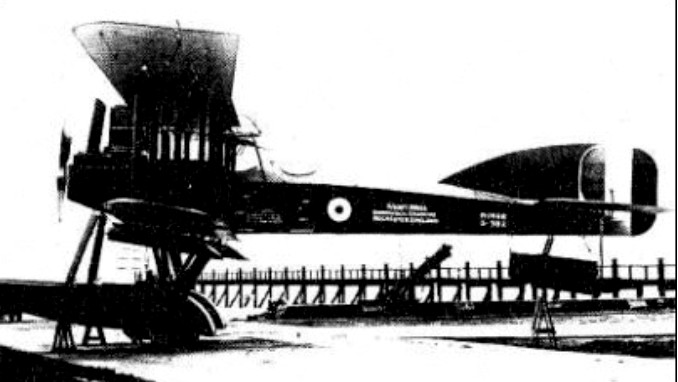
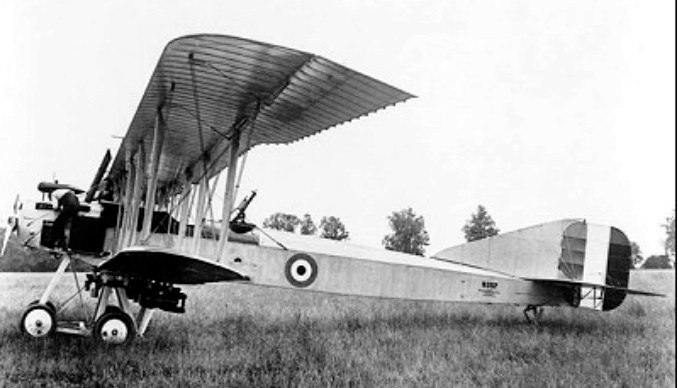
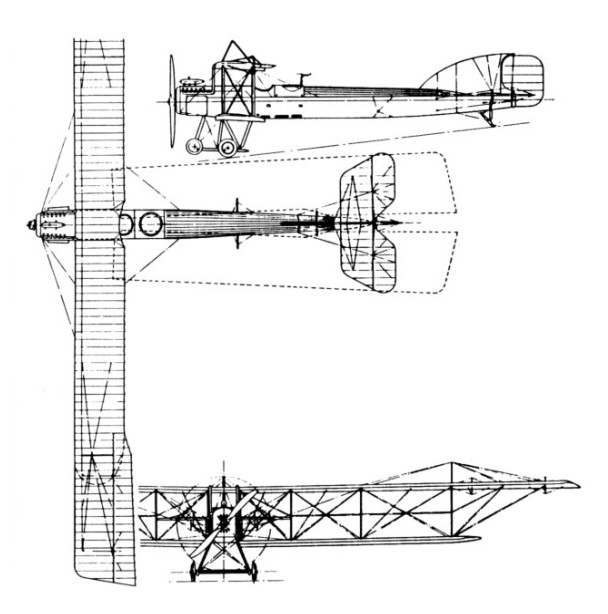
Short Bomber

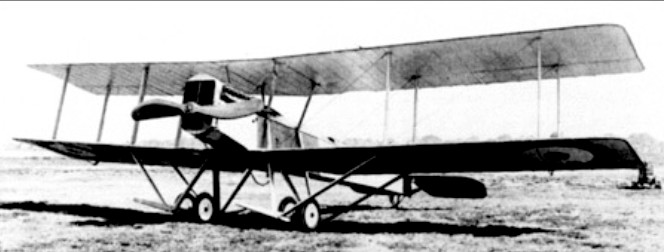
Basically a 1915 landplane version of the Short 184 powered normally by a 186kW Rolls-Royce Eagle III engine and featuring a four-wheel main landing gear.

Eighty-two production aircraft were built for the RNAS out of 110 ordered, some of which were later transferred to the RFC and one was presented to the French government.

Engine: 1 x 225hp Sunbeam or 1 x 250hp Rolls-Royce (Eagle)
Max take-off weight: 3087 kg / 6806 lb
Empty weight: 2270 kg / 5005 lb
Wingspan: 85 ft 0 in
Length: 13.72 m / 45 ft 0 in
Height: 4.57 m / 15 ft 0 in
Wing area: 80.83 sq.m / 870.05 sq ft
Max. speed: 124 km/h / 77 mph
Ceiling: 3231 m / 10600 ft
Armament: 1 x 7.7mm machine-gun, 6 x 30kg bombs

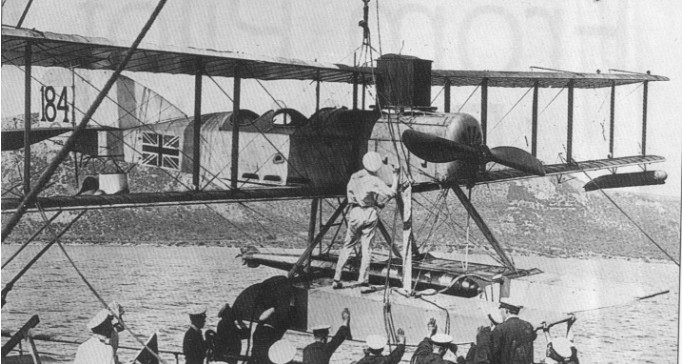
Short 184 / 225

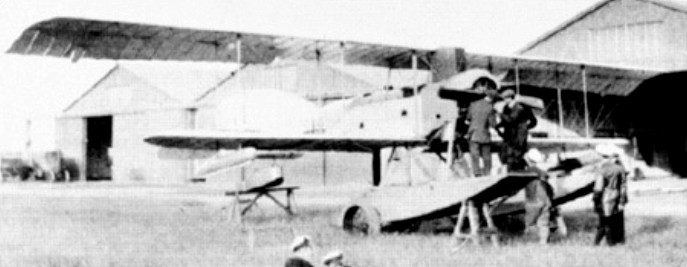
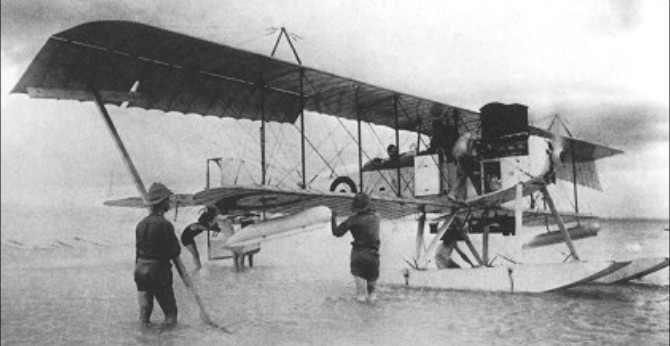
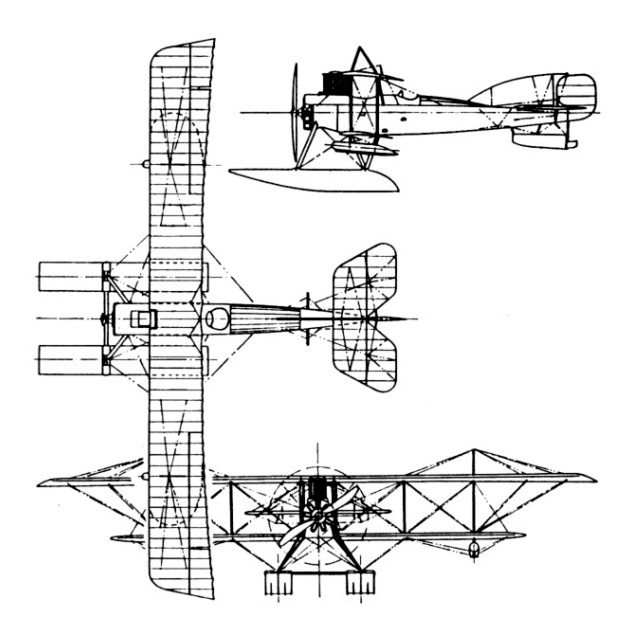
A three bay biplane with two spar wooden wngs and wooden fuselage, all fabric covered. Conventional control surfaces with ailerons on all four wings. There were two main, flat bottomed, floats with a small float at each wingtip and under the tail. The wings folded for storage.

First entering service with the RNAS in early 1915, the Short 184 had a long career and remained fully active until the Armistice – more than 900 being completed. Its initial power plant of a 167kW / 225 hp Sunbeam gave rise to the often quoted designation Short 225. Several different engines were fitted during the production run.

The 184/225 was the first aircraft to sink a ship by torpedo when it attacked a Turkish troopship during the Gallipoli campaign.

This naval aircraft was the only floatplane to take part in the battle of Jutland in 1916, when one was used for reconnaissance. An official letter written to Messrs Short Bros with regard to the work performed by a Short 184 in spotting enemy ships during the Battle of Jutland in May 1916 stated: ‘ . . . the flight made by Flight Lieut Rutland, with Assistant Paymaster Trewin, as observer, which Sir David Beatty praises so highly, was carried out on a 225hp Short Seaplane.’

A number of Short 184s were taken on charge post-war by other countries.

At its Norwich factory Mann, Egerton & Co built 12 Short 184 or Mann, Egerton Type A seaplanes

Gallery

Engine: One 225 hp / 194kW Sunbeam Maori
Length 40.6 ft. (12.37 m)
Wing span 63.5 ft (19.35 m)
Height: 4.11 m / 14 ft 6 in
Wing area: 63.92 sq.m / 688.03 sq ft
Weight empty 3,703 lb (1,679 kg)
Max take-off weight: 2433 kg / 5364 lb
Max speed: 88 mph (142 kmph)
Ceiling 9,000 ft (2,740 m) fully loaded
Endurance 2.75 hr
Seats: 2
Armament: One 7.7mm machine gun, in rear cockpit
Bombload: One 14 in: (35 cm) torpedo, or 520 lb. (240 kg.) bombs

Engine: One Sunbeam 260 hp
Wing span 63 ft 6 in (19.35 m)
Wing area: 63.92 sq.m / 688.03 sq ft
Length 40 ft 7.5 in (12.37 m)
Height: 4.11 m / 13 ft 6 in
Weight empty 3,703 lb (1,679 kg)
Max take-off weight: 2433 kg / 5364 lb
Max speed: 88 mph (142 kmph) at 2000 ft
Service ceiling 9,000 ft (2,740 m) fully loaded
Endurance 2.75 hr
Armament: One 7.7mm machine gun, in rear cockpit
Bombload: One 14 in: (35 cm) torpedo, or 520 lb. (240 kg.) bombs
Seats: 2