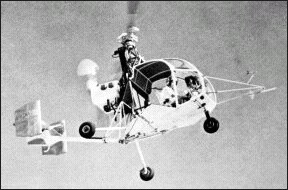
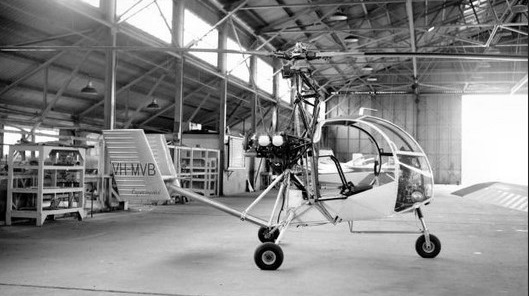
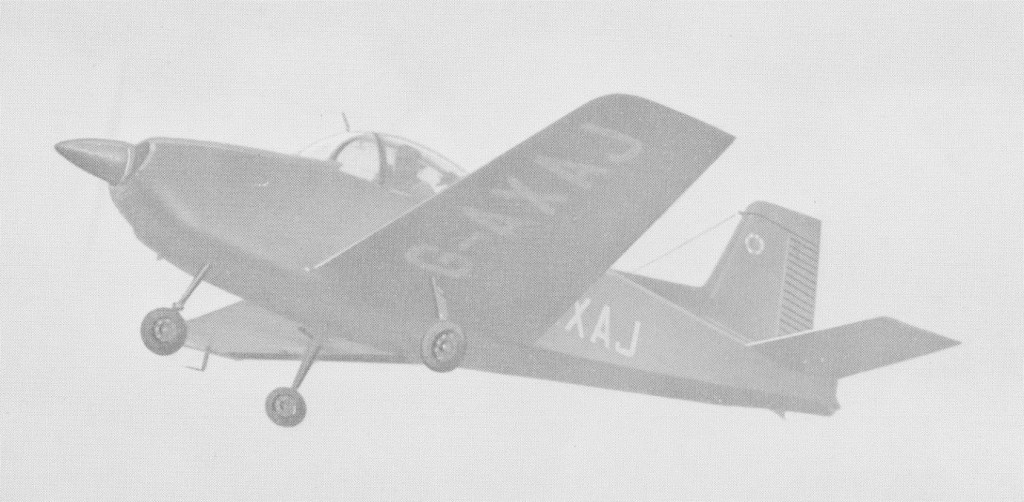
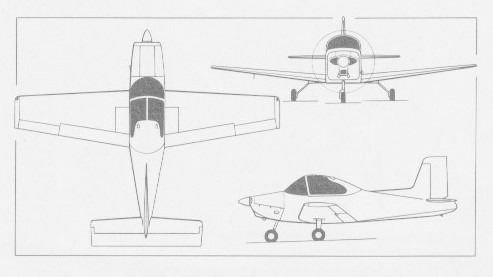
Victa’s aviation division designed a small two-seat gyroplane, the Model 67. The prototype, which was designed by John Blackler, was registered VH-MVB c/n 1 and flew in May 1962. With a tricycle undercarriage, twin-fin tail unit and a two-blade main rotor with a pusher propeller driven by a 160hp Lycoming engine, the prototype logged 150 flights and 20 hours of test flying time, but was abandoned due to financial constraints in 1966.
Engine: Lycoming O-320-A, 160 hp Top speed: 153km/h
The possibilities of developing a four-seat variant of the Airtourer was mooted in Australia and Henry Millicer designed the CT/2 Aircruiser. A completely new design, a prototype, VH-MVR, was built and flown on 17 July 1966. The Aircruiser was powered by a 210 hp Continental IO-360-D and featuring a roomier four-seat cockpit.
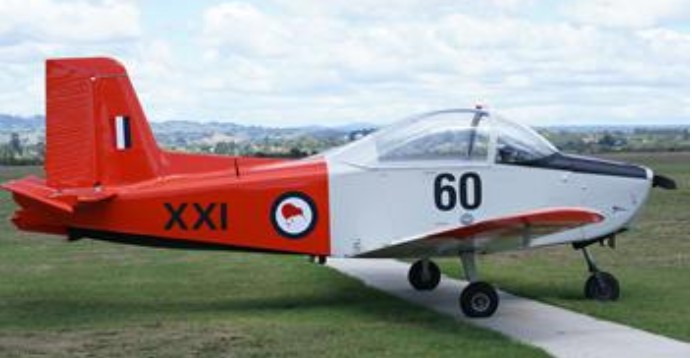
However Australian Government approval for levies on imported US light aircraft was not obtained and the project was shelved. The Aircruiser option on the Aircruiser was taken up in 1969 across the Tasman by Aero Engines Services Ltd in company with the production jigs and became ZK DAH, grandfather of today’s CT/4C. The aircraft arriving in New Zealand in December of that year.
In response to a 1953 Royal Aero, Club competition for a club trainer to replace the biplane Tiger Moth, aeronautical engineer Henry Millicer entered a winning design for a side by side, enclosed cabin, aircraft powered by a 65hp Continental A65 engine.
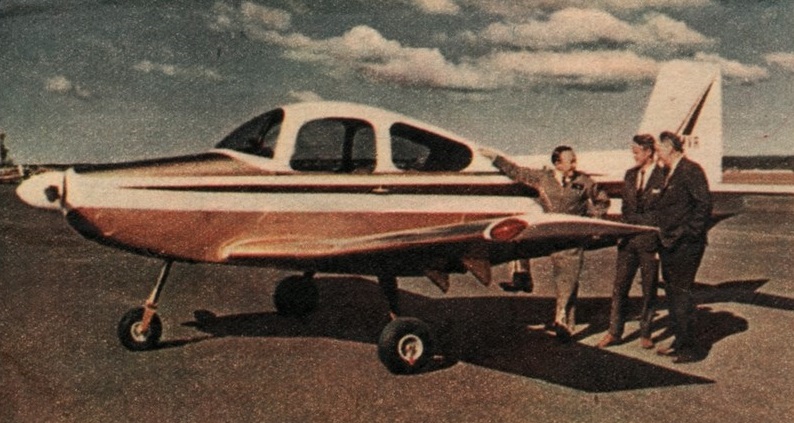
A wooden prototype was constructed as VH FMM and first flew on 31 March 1959. Victa Consolidated Industries became interested and re-engined VH-FMM with a 90 hp Continental engine. While this aircraft was on a demonstration tour of New Zealand work on an all-metal Airtourer 100 was underway. The all metal Airtourer VH MVA was flown on 12 December 1961 and, following type certification on 4 July 1962 (the first Australian light aircraft design to be so approved), was put into production as the all metal Airtourer 100 and T2. Two versions of this fully aerobatic two-seater were available, powered by 100 hp Continental O-200-A and 115 hp Lycoming O-235-C1BB engines.
The first production model was VH-MVC.
T3A
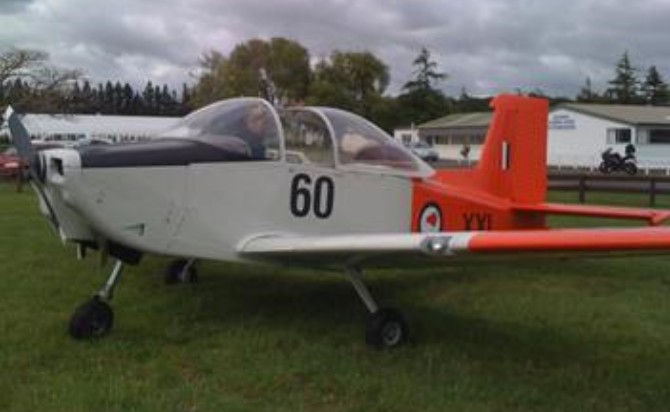
After producing 167 aircraft Victa closed down and during 1967 all production rights were sold to Aero Engine Services Ltd of Hamilton. Three partially built Victa Airtourers were completed before production of AESL aircraft. They immediately continued production and built a further 80 examples and developed the 130 hp T3A. New Zealand’s very first home grown Airtourer ZK COZ (c/n 501) became airborne off Hamilton airport in October 1967. Progressively more horse powered T3, T4, and T5 variants were developed.
Victa 100s were often later converted to V115 standard or, by AESL, to Airtourer T3A (130-hp engine).
AESL re-designated the model numbers and product line, with the Airtourer 100 becoming the T1 before being dropped from production (although one was later re-manufactured from Victa c/n 50 to AESL c/n 556), and the 115 became the T2. The T3, powered by a 130 hp Continental, was a field modification with only one produced from new; the 150 became the T4, and the T5 was a 150 fitted with a constant-speed propeller.
Finally came the 150 hp Lycoming powered T6/24. Which featured a 24-volt electrical system in place of the earlier 12-volt system. The last examples of the T6 were fitted with a 160 hp engine.
In 1968 designed and built the first 150 hp T6/24 Super 150 Airtourer. A total of 80 were built in all. The T6-24 differed in having a larger engine, constant speed prop, electric flaps and trim.
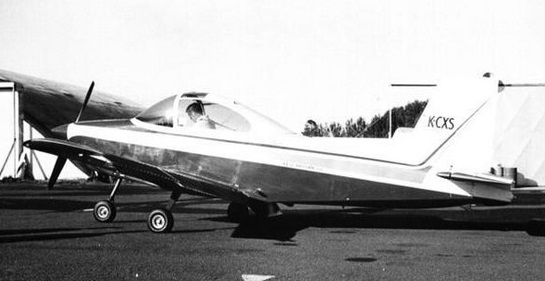
AESL Airtourer 150 ZK-CXS
Following evaluation flying of the prototype Airtourer at Wigram, the Royal New Zealand Air Force saw the potential of this locally produced aircraft as a primary trainer. Four T6/24s were ordered in October 1969 and entered service in May and June 1970 as NZ1760 to NZ1763. The aircraft were used by the RNZAF until 1993 when they were retired and sold by tender.
The Glos-Air assembly line of Airtourers included 115s c/ns 525, 528, 529, 530, 531 and 533, 150s c/ns 535, 539, 540-549 and 550 in July 1971 with 535 flying as G-AZBE on July 19. These were imported from New Zealand for completion and assembly at Staverton.
The Airtourer has been out of production since 1973, the last two flying in 1973. The line was shut down, the jigs placed into storage until, as with ZK DAH in 1979, Australian interests purchased the hardware and the rights to build the aircraft back in Australia. The Australian Airtourer Association provides spares for its members and Airtourers still flying worldwide.
AT115 Engine: Lycoming O-235-C2A, 115 hp Prop: fixed pitch
T2 Engine: Lycoming O-235-C1B, 115 hp Wing span: 7.92 m Length: 6.33 m Cruising speed@65% pwr: 115 mph / 185 kmh Fuel consumption @ 65% power: 32 lb/hr Endurance @ 65% power: 5.45 hr Stalling speeds (clean/flaps down): 58-52 mph / 93-83 kph Useful load: 505 lb / 229 kg Max. ROC: 900 fpm / 274 m/min Accommodation: Pilot and one passenger
T3A Engine: Rolls Royce/Continental O-240A, 130 hp Prop: fixed pitch Wing Span: 21 ft 6 in (6.55 m) Length: 21 ft 6 in (6.55 m) Height: 6 ft 10 in Maximum Speed: 142 mph (230 kph) Range: 710 miles (1140 km) Service Ceiling: 14,000 ft (4264 m) Load factor: +6 -3 G Fully aerobatic
T4 Engine: Lycoming 0-320-E2A, 150 hp Prop: fixed pitch Wingspan: 26 ft 0 in / 7.92 m Length: 21 ft 5 7/8 in / 6.55 m Cabin length: 5 ft 8 in / 1.73 m Cabin width: 3 ft 6 in / 1.07 m Cabin max height: 4 ft 2 in / 1.27 m Baggage space: 8 cu.ft / 100 lb / 0.23 cu.m / 45 kg Empty weight equipped: 1165 lb / 528 kg MTOW: 1750 lb / 793 kg Max cruise 4000 ft / 1220 m: 122 kt / 140 mph / 225 kph Max ROC SL: 980 fpm / 299 m/min Service ceiling: 15,500 ft / 4725 m Range max fuel: 542 nm / 625 mi / 1005 km Seats: 2 side by side
T5 Engine: Lycoming 0-320-E1A, 150 hp Prop: Constant speed
T6/12 Engine: Lycoming 0-320-E1A, 150 hp Prop: Constant speed
T6/24 Super 150 Engine: Lycoming 0-320-E1A, 150 hp Prop: 2 blade fixed pitch Prop diameter: 6 ft 0.5 in / 1.82 m Wingspan: 26 ft 0 in / 7.93 m Length: 21 ft 6 in / 6.55 m Height: 7 ft 0 in / 2.13 m Wheel track: 9 ft 0 in / 2.75 m Empty weight: 1120 lb / 508 kg Useful load: 630 lb / 286 kg Fuel capacity: 29 Imp.Gal / 35 USG / 132 lt Max level speed: 150 mph / 242 kph / 130 kt at SL Cruising speed@ 65% pwr: 125 mph / 201 kmh Fuel consumption @ 65% pwr: 44 lb/hr Endurance @ 65% pwr: 3.9 hr Cruising speed@ 75% pwr: 145 mph / 234 kmh / 125 kt at 4000 ft Stalling speeds (clean/flaps down): 58-52 mph / 93-83 kmh Useful load: 500 lb / 227 kg Max. ROC: 980 fpm / 299 m/min Best climb speed: 92 mph / 149 kph / 80 kt Service ceiling: 18,000 ft / 5480 m Max range: 505 miles / 803 km / 438 nm Max payload range: 375 mi / 605 km / 326 nm TO dist 50 ft: 1200 ft / 365 m Approach speed: 80 mph / 129 kph / 70 kt Ldg from 50 ft: 860 ft / 263 m Aerobatic load: +6 / -3 Seats: 2 Price 1970: £5750 / $13,800
The Vickers Vanncock was designed to meet the Air Ministry Specification B.19/27 calling for a long-range night bomber.
Only one prototype was built, J9131, but it was twice modified and given new type numbers.
The Vanncock Mk.I, Type 150, was powered by two Rolls-Royce Kestrels and fitted with single-bay outer wings.
The Vanncock Mk.II, Type 195, was re-engined with two Bristol Pegasus I,M.3s and had a three-bay wing. The four-seat Mk.II had an AUW of 16,000 lb, span of 76 ft 6 in, and length of 60 ft 4 in.
The final Type 255 reverted to two-bay wings of increased area, retaining the Pegasus engines.
Following the first Lympne trials held in 1923 for single-seat motor-gliders, the Air Ministry organised a similar event in 1924, this time for low-powered two-seat aircraft. The engine capacity limit was set at 1,100 cc. and, as before, the wings had to fold for easy transport and storage.
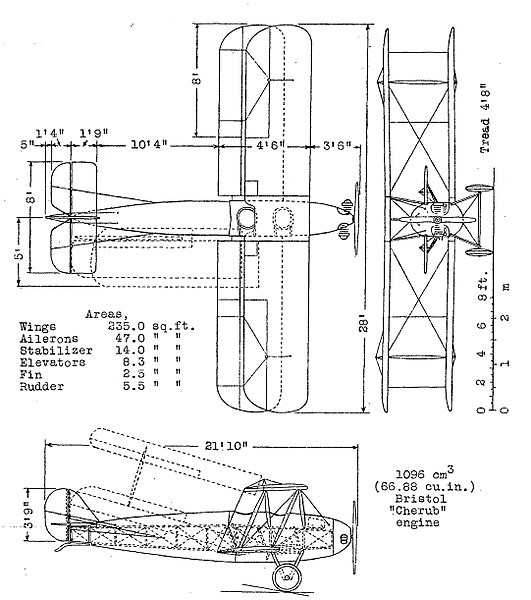
The Vickers Type 98 Vagabond was Vickers’ entrant for the second Lympne light aircraft competition, held in 1924. Designed by R.K. Pierson, it was a single-bay, wire-braced biplane with wings of constant chord except towards the rounded trailing tips. The wings had equal span and carried marked stagger. There were ailerons on both upper and lower wings, with flaps inboard on the lower wings which could be folded to assist wing-folding. The pilot and passenger sat in open cockpits, the latter under the upper wing. The pilot’s upward view was enhanced by a small cutout in the trailing edge of the top wing. The fuselage had a more rounded cross-section than that of the earlier Viget, Vickers’ single-seat entry to the 1923 competition, extending a little below the lower wing. The 32 hp (24 kW) Bristol Cherub III flat twin engine was mounted in a smooth nose with the finned cylinders exposed for air cooling. The horizontal tail was similar to that of the Viget, but the fin and rudder were much more rounded. Because of the stagger, the mainwheels were in front of the lower wing, braced to the lower fuselage logeron aft to the front wing spar and forward to a point roughly below the upper wing leading edge.
A most unusual feature of the Vagabond was the method of longitudinal trimming. Rather than changing the angle of the tailplane with respect to the fuselage, the whole rear part of the fuselage was hinged just ahead of the lower wing’s trailing edge. This was controlled via a handwheel between the two cockpits; the rear fuselage was raised at the start of a landing descent to increase drag and slow the aircraft.
Early flight trials, with H.J.Pain as pilot revealed a need to stiffen the engine mountings. When this was done, the Vagabond, now fitted with a three-cylinder 1,095 cc Blackburne Thrush radial engine flew well enough at Lympne, but was eliminated in the preliminary rounds. The trials took place between 29th September and 4th October 1924.
Nevertheless, the aircraft and engine performance were improved once it had been eliminated from the main event and it subsequently took part in the 100-mile Grosvenor Challenge Cup Race, which was won by Bert Hinkler flying the Avro Avis.
Only one Vagabond, registered as G-EBJF on 1 July 1924 was built. It was deregistered on 24 January 1928.
Powerplant: 1 × Bristol Cherub III, 32 hp (24 kW), later 1,095 cc Blackburne Thrush Wingspan: 28 ft 0 in (8.53 m) Wing area: 235 sq ft (21.8 m2) Width: 10 ft 0 in (3.05 m) (width wings folded) Length: 21 ft 10 in (6.65 m) Empty weight: 527 lb (239 kg) Gross weight: 887 lb (402 kg) Maximum speed: 77 mph (124 km/h, 67 kn) Crew: 1 Capacity: 1 passenger
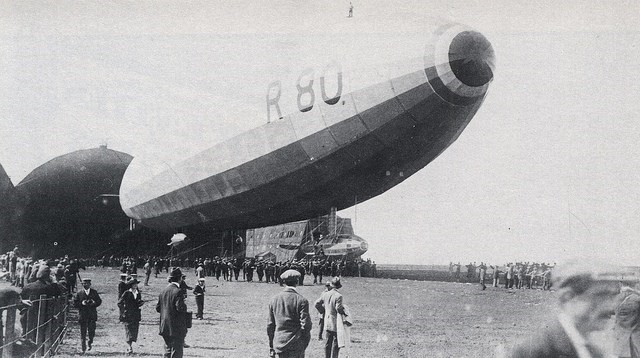
Circa 1921 was the R80; the only example of the Small R33 Class. She was the last rigid to be planned before World War One ended. Measuring 534 ft in length, 70 ft in diameter, with a volume capacity of 1,250,000 cu ft she was fitted with four 250hp Wolsey Maybachs giving a maximum speed of 65mph. R80 was designed by Barnes Wallis and built by Vickers. When at Pulham decisions were reached that she was too small to be a lot of commercial use, and was laid up there after only 73 hours flying time. She was finally broken up in 1924.
R80 Length: 534 ft Diameter: 70 ft. Volume capacity: 1,250,000 cu ft. Engines: four 250hp Wolsey Maybachs. Maximum speed: 65mph.
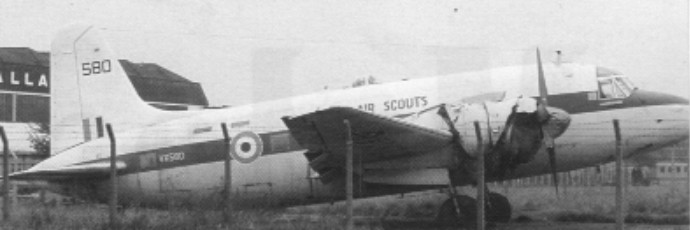
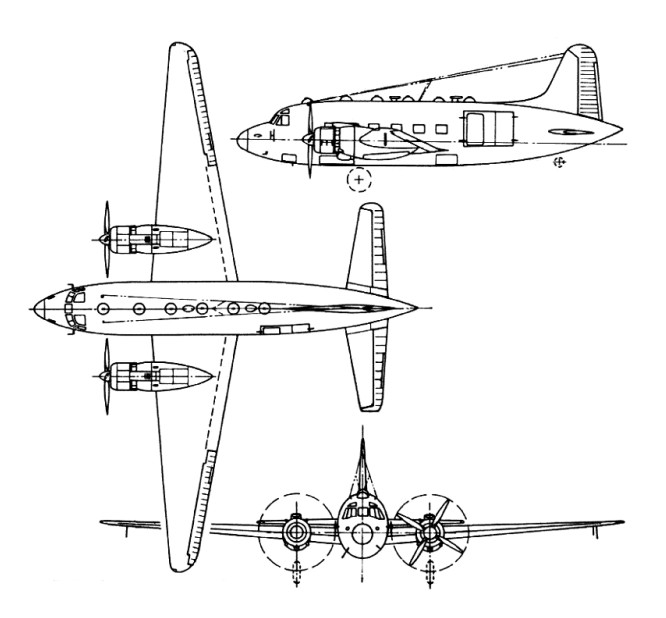
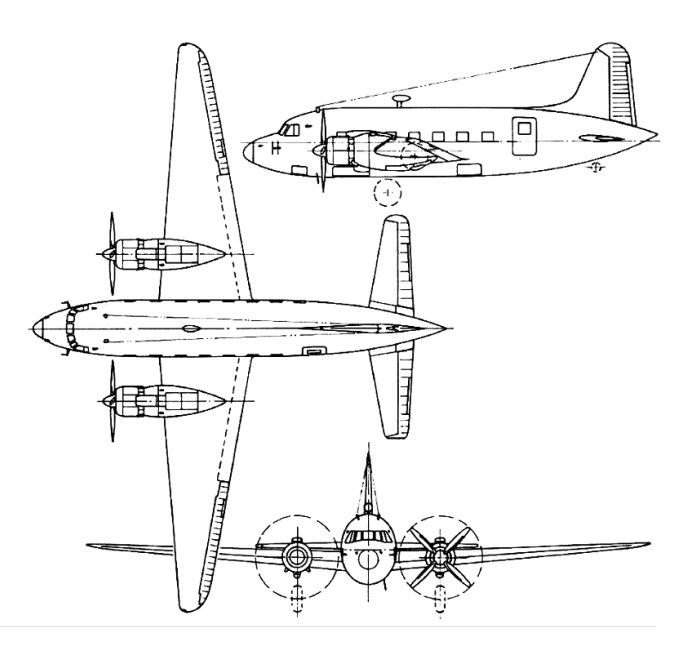
The Valetta was a military transport aircraft, the prototype of which flew for the first time on 30 June 1947. The C.I was the standard RAF version for use by Airborne Forces; could be used in various roles, such as troop-carrying, freighting, paratroop-carrying, supply-dropping and as an ambulance. The C.2 was a special VIP version for 9 to 15 passengers. The T.3 was designed specifically for use as a navigational flying classroom. A number of T.3s were later converted into T.4s with radar fitted in an extended nose. Production totalled 260 aircraft. Power was provided by two 1,472kW Bristol Hercules 230 radial engines.
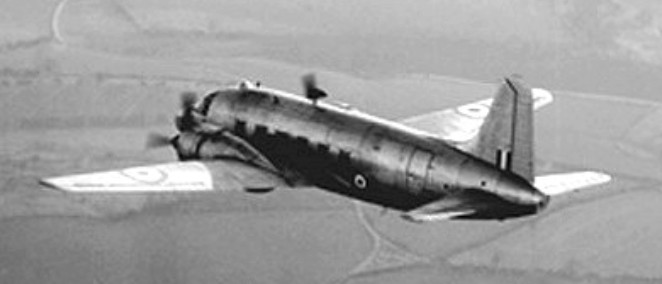
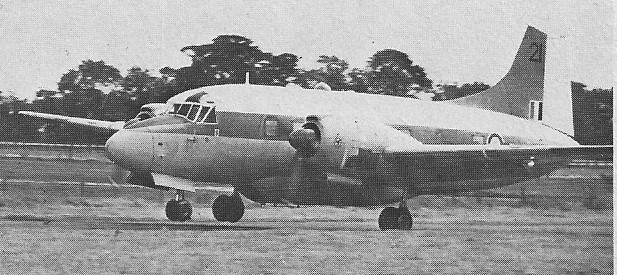
The Varsity general-purpose aircrew trainer retained the general characteristics of the Valetta C.I, but had a tricycle landing gear and a slightly longer fuselage. For bomb-aiming training, a bomb bay and bomb-aiming station were provided in the form of a pannier fitting against the fuselage underbelly.
The prototype type 648 first flew in July 1949 and type 668 Varsity T.ls went into service with the RAF in 1951. A total of 163 were built.
Varsity T.1
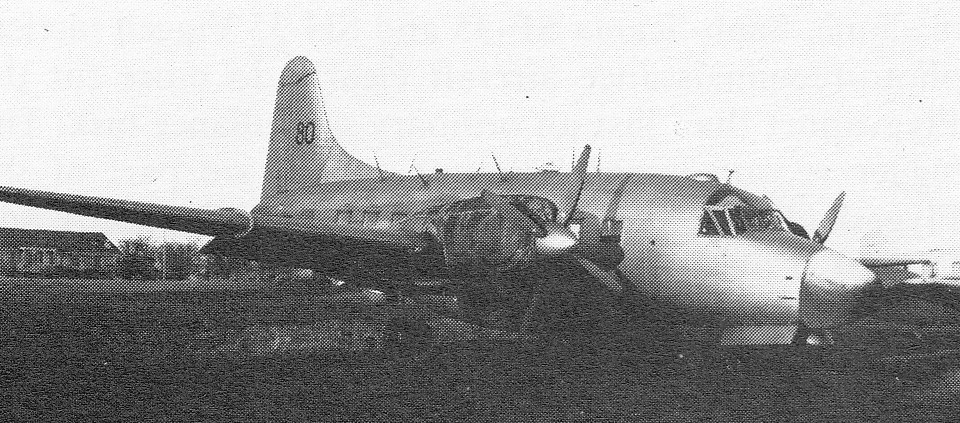
When the Swedish Air Force purchased a Vicker Varsity in the 1950s it was said it would be employed on high-altitude radio trials. It flew COMINT missions until 1973, festooned with antennas. It is now in a Swedish Air Force museum near Linköping.
Swedish COMINT Varsity
A Vickers Varsity was experimentally fitted by Napier with two Eland turboprops.
Vickers 648 Varsity Engine : 2 x Bristol Hercules 264, 1923 hp Length : 67.487 ft / 20.57 m Height : 23.917 ft / 7.29 m Wingspan : 95.571 ft / 29.13 m Wing area : 974.142 sq.ft / 90.5 sq.m Max take off weight : 37507.1 lb / 17010.0 kg Weight empty : 27044.3 lb / 12265.0 kg Max. speed : 250 kts / 463 km/h Cruising speed : 208 kts / 385 km/h Service ceiling : 28707 ft / 8750 m Wing load : 38.54 lb/sq.ft / 188.0 kg/sq.m Maximum range : 2300 nm / 4260 km Range : 2300 nm / 4260 km Crew : 2
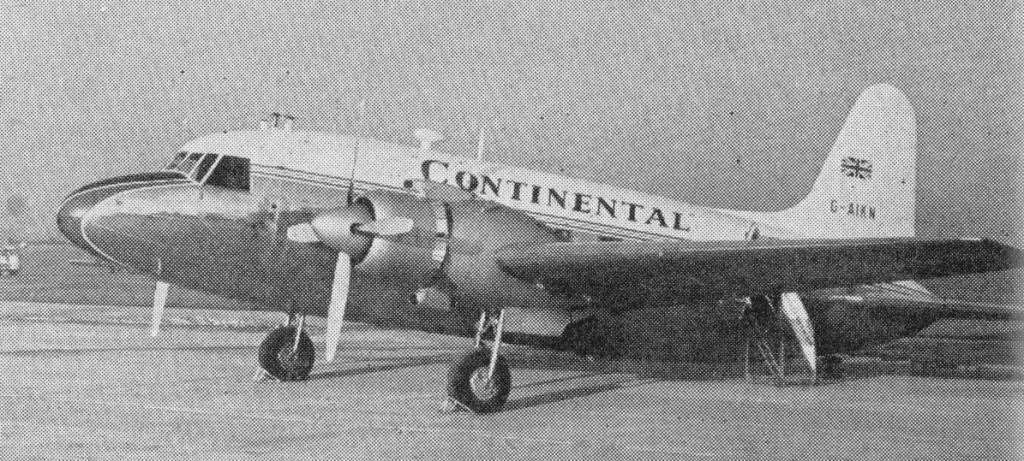
The Viking was a twin-engined 24-27-seat transport and was the first completely new post-World War II airliner to fly in the world. For speed and cheapness parts of the Wellington bomber were used, particularly in the wings. The fuselage, of stressed skin construction, was new.
British European Airways operated a fleet of 49 on its European network and total production was 163. BEA aircraft were modified to allow them to carry up to 34 or 38 tourist-class passengers when required. Four also flew with the Queen’s Flight.
On 1 September 1946 the first Viking joined the British European Airways (BEA) fleet. BEA were to eventually operate 75 Vikings, fitted for 21 passengers.
In December 1946, the Vikings were grounded due to the icing up of control surfaces. After extensive modifications to the elevators and de-icing system, the Vikings were back in the air the following April.
On 30 October 1954 two farewell flights marked the retirement of BEA Vikings and the last commercial service from RAF Northolt.
Engines 2 x 1,690 hp Bristol Hercules Length 65.1 ft (19.8 m) Wing span 89.25 ft (27.2 m) Weight empty 22,910 lb (10, 400 kg.) Seats: 2 crew and 21 passengers Cruise speed 210 mph (340 kph) Ceiling 22,000 ft (6,700 km) fully loaded Range 1,875 miles (3,000 km)
Viking IB Engines: 2 x Bristol Hercules 634, 1260kW Max take-off weight: 15354 kg / 33850 lb Empty weight: 10546 kg / 23250 lb Wingspan: 27.2 m / 89 ft 3 in Length: 19.86 m / 65 ft 2 in Height: 5.94 m / 20 ft 6 in Wing area: 81.94 sq.m / 881.99 sq ft Cruise speed: 338 km/h / 210 mph Ceiling: 7240 m / 23750 ft Range w/max.payload: 837 km / 520 miles Crew: 3-4 Passengers: 21-38
The final attempt by Vickers to develop a fighter for the RAF began in 1939 with a design for a twin-engined heavy fighter featuring an armament of a 40mm Vickers cannon in a dorsal turret. As the Type 414, this corresponded with the requirements of Specification F.22/39 for a 400 mph (644 km/h) two-seat fighter. The aircraft was to carry four 20-mm cannons, with the possibility of later mounting two 40-mm cannons.
Under a design team led by Rex Pierson, Vickers-Armstrongs Ltd. (Vickers) had been working on a fighter with a single flexibly-mounted 40-mm cannon installed in the aircraft’s nose. The twin-engine aircraft was powered by Rolls-Royce Griffon engines and met the requirements of F.6/39, aside from its armament. Vickers met with the Air Ministry in April 1939 to discuss the aircraft’s potential. The Air Ministry was sufficiently impressed and issued Specification F.22/39 that covered the Vickers fighter, which carried the internal designation Type 414. Specification F.6/39 was subsequently cancelled in November 1939.
Turret development began in a Wellington test-bed but, in the course of 1940, the requirement was changed via Specification F.16/40, to emphasise high-altitude performance, as there were growing fears that the Luftwaffe would be able to launch operations over Britain at altitudes beyond the capabilities of existing RAF fighters. A more conventional armament of 20mm cannon was adopted in the revised Vickers 420 design to the new specification, but further changes were called for in Specification F.7/41, including a pressure cabin.
Two Type 414 prototypes were ordered on 30 August 1939, and they were assigned serial numbers R2436 and R2437. After inspection of the Type 414 mockup in early February, the Air Ministry inquired about the possibility of installing several 20-mm cannons in place of the single 40-mm cannon. Vickers responded with aircraft proposals incorporating eight 20-mm cannons or two 40-mm cannons.
Vickers designated the fighter with 20-mm cannons as the Type 420. Two cannons were positioned in the aircraft’s nose, and three were on each side of the cockpit. Vickers and the Air Ministry discussed the Type 420 in June 1940, and Specification F.16/40 was issued for the aircraft’s development. The Type 420 was given a high priority, and an order for two prototypes was expected. The order for two Type 414 prototypes was still in place. However, the Type 420 took precedence, and work on the Type 414 slowed substantially.
In early January 1941, the Air Ministry requested a design change to reduce the number of 20-mm cannons to six. At the same time, Vickers had designed a high-altitude fighter that used many components from the Type 420. The high-altitude aircraft was armed with four 20-mm cannons and powered by two Rolls-Royce Merlin engines. The Air Ministry was interested in Vickers’ proposal, as they felt there was an urgent need for a heavily armed, high-altitude fighter aircraft to intercept high-altitude German bombers that were expected in the skies over Britain. However, high-altitude German bombing raids were never undertaken en masse and did not present a significant threat to Britain during World War II.
In March 1941, work on the Type 414 was stopped completely, and discussions with Rolls Royce commenced regarding the acquisition of Merlin engines. In May 1941, Vickers detailed the specifics of the high-altitude aircraft, which it had designated as Type 432. The Vickers response to this final requirement was Type 432, completely re-stressed and with an armament of six 20mm cannon in a ventral blister. The original contract for the Type 414/420s was cancelled in 1941 and a new one substituted for two Type 432s. Design work on the Type 432 continued, resulting in the switch to a single-seat cockpit placed in the nose of the aircraft and six 20-mm cannons installed in a ventral fairing. Each cannon had 120 rounds of ammunition. The Air Ministry ordered two Type 432 prototypes on 9 September 1941, and the aircraft would be built to the new Specification F.7/41. The two Type 432 prototypes were issued serial numbers DZ217 and DZ223.
As finally built, the Type 432 was the first Vickers aircraft of wholly stressed-skin construction of stressed-skin aluminum panels that were flush-riveted to the closely-spaced circular structures that made up the airframe, and it made use of a so-called “lobster-claw” design for the wing torsion box, in which heavy-gauge skin had a thickened section to house the span wise spar booms, giving a profile shaped like a lobster claw so that conventional wing spars and ribs were omitted. Fabric covered the aft section of the wings and the aircraft’s control surfaces. The fuselage was a streamlined tube and the coolant radiators for the engines were buried within the wing. The pilot was accommodated in a relatively small, self-contained pressure cabin, his head being enclosed by a small, double-glazed dome, or “bubble”, which hinged to one side for access and egress.
The Type 432 mockup was inspected in late December 1941, and the first prototype, DZ217, was built throughout 1942. The aircraft was built at Foxwarren, a special Vickers dispersal site for experimental work near Brooklands in Surrey, England. The site did not have an airfield, so the Type 432 was disassembled and transported to Royal Aircraft Establishment Farnborough for its first flight.
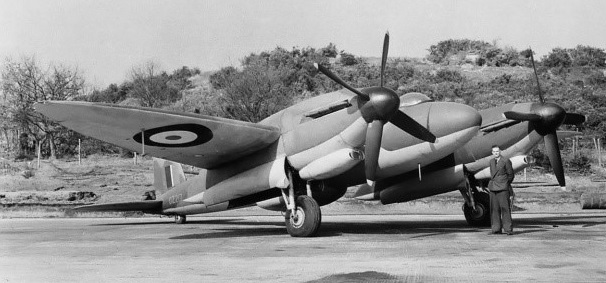
The Vickers Type 432 prototype DZ217 appears shortly after its completion at Foxwarren.
Powered by two Rolls-Royce Merlin 61 12-cylinder Vee-type engines rated at 1520hp (1,178 kW) at 23,500 ft (7,163 m), the first prototype Type 432 was flown on 24 December 1942, piloted by Tommy Lucke, initial trials revealing serious handling difficulties on the ground, the aircraft snaking while taxying and necessitating 3 in (76 mm) aft movement of the mainwheels to correct the bad tracking. The impossibility of making a three-point landing was only rectified by replacement of the Irving-type ailerons with surfaces of Westland type and alteration of tail settings. The competitive Westland Welkin was ordered into production and the second prototype of the Vickers fighter, the Type 446, was cancelled on 1 May 1943 before completion. This decision was not made official until 1 May 1943.
The first prototype was retained by Vickers for test purposes until the end of 1944. The estimated maximum speed of 700km/h at 8535m was never attained as the Merlin 61 engines did not run satisfactorily above 7010m.
The sole Type 432 aircraft continued to fly occasionally until November 1944. Some efforts were made throughout the aircraft’s existence to improve its handling and flight qualities, as the Type 432 was noted as having heavy controls. Only 28 flights were made, and the aircraft was never submitted for official trials or tested to its maximum performance. Additionally, the 20-mm armament and the pressurized cabin were never installed. Although the Type 432 exceeded 400 mph (644 km/h) in a slight dive, the highest speed obtained in level flight was 380 mph (612 km/h), recorded on 14 May 1943. One of the factors that limited flight testing was that the Merlin engines installed in the Type 432 did not run well above 23,000 ft (7,010 m). Since the Type 432 had no future as a production aircraft, the performance issues of its Merlins were never fully investigated.
The entire Type 432 program was cancelled at the end of 1943.
Aircraft observers were a regular fixture during World War II, keeping an eye out for any enemy action in the skies over Britain. The rarely-seen and oddly-shaped Type 432 was only listed as “AP1480” in the recognition handbooks. This non-descript designation led the spotters to dub the Type 432 as the “Tin Mossie” on account of the aircraft’s resemblance to the wooden de Haviland Mosquito.
Engines: Rolls-Royce Merlin 61, 1520hp Wingspan: 17.34 m / 56 ft 10 in Length: 12.38 m / 40 ft 7 in Height: 4.19 m / 13 ft 9 in Wing area: 40.97 sq.m / 441.00 sq ft Fuel capacity: 506 USG / 421 Imp gal / 1,914 lt Max take-off weight: 9148 kg / 20168 lb Empty weight: 7427 kg / 16374 lb Top speed est: 320 mph (515 km/h) at sea level Top speed est: 435 mph (700 km/h) at 28,000 ft (8,534 m) Top speed est: 400 mph (644 km/h) at 40,000 ft (12,192 m) Cruise speed est: 400 mph (644 km/h) at 29,500 mph (8,992 m) Service ceiling: 43,500 ft (13,259 m) Initial climb rate: 2,750 fpm (14.0 m/s Range: 2400 km / 1491 miles