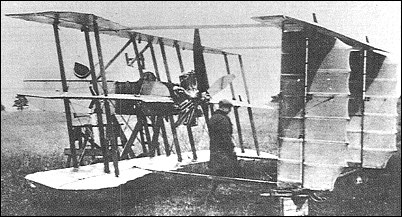
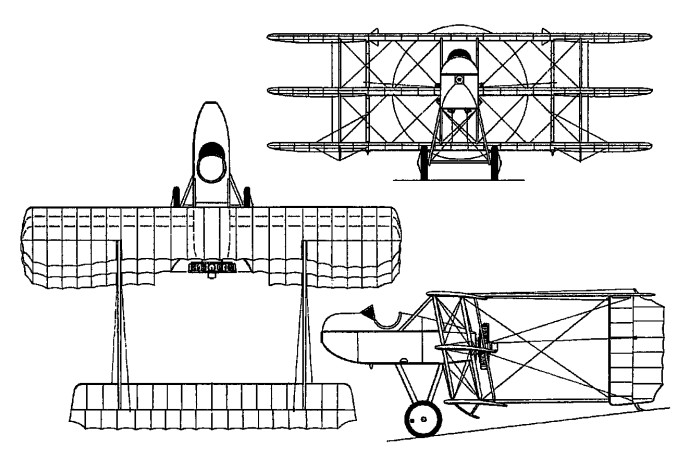
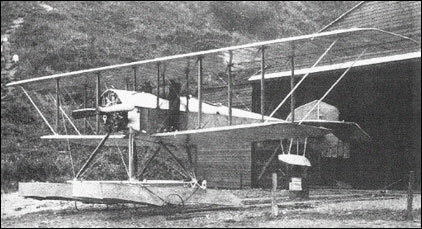
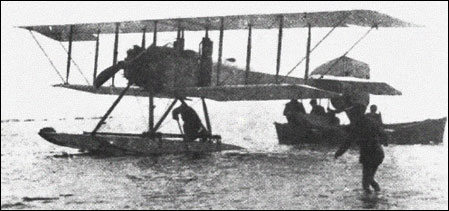
Designed by Harris Booth, the Blackburn single-seat fighter triplane was also intended to carry a single Davis two-pounder quick-fire recoilless gun firing from the nose of the nacelle and was conceived for the anti-Zeppelin role. With a fabric-covered airframe, the triplane was initially flown early in 1917 with a 100hp Clerget 9Z nine-cylinder rotary engine driving a four-bladed propeller. The Clerget was soon replaced by a Gnome Monosoupape nine-cylinder rotary of 100hp driving a two-blade propeller and the triplane was accepted by the Admiralty on 20 February 1917, but was struck off charge as unsatisfactory four weeks later, on 19 March.
Take-off weight: 680 kg / 1499 lb Empty weight: 458 kg / 1010 lb Wingspan: 7.31 m / 23 ft 12 in Length: 6.53 m / 21 ft 5 in Height: 2.59 m / 8 ft 6 in Wing area: 20.53 sq.m / 220.98 sq ft Max. speed: 145 km/h / 90 mph
Engine: 2 x 150hp Sunbeam Nubian or 190hp Rolls-Royce water-cooled in-line engine Take-Off Weight: 3904 kg / 8607 lb Empty Weight: 2651 kg / 5844 lb Wingspan: 22.81 m / 74 ft 10 in Length: 14.02 m / 45 ft 12 in Height: 5.13 m / 16 ft 10 in Wing Area: 81.75 sq.m / 879.95 sq ft Max. Speed: 156 km/h / 97 mph Ceiling: 3353 m / 11000 ft Armament: 2 x 7.7mm machine-guns, 4 x 100kg bombs or a torpedo
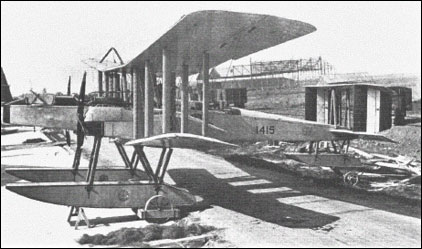
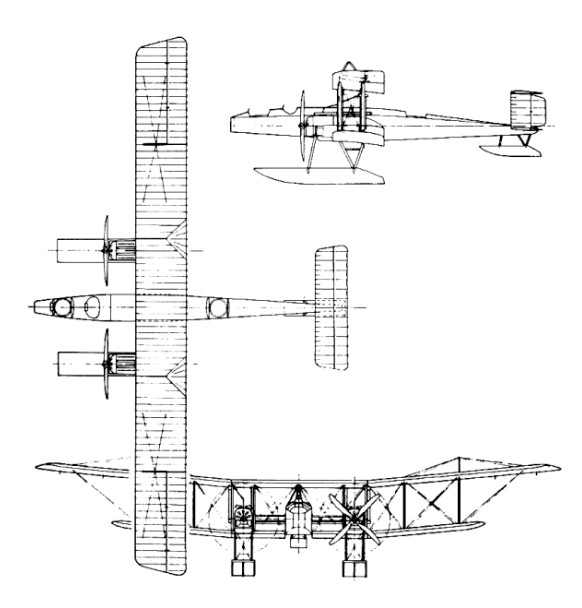
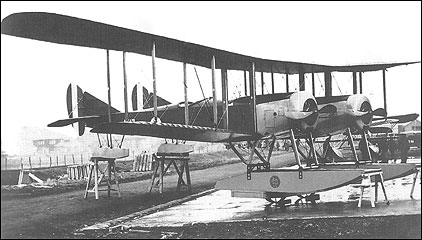
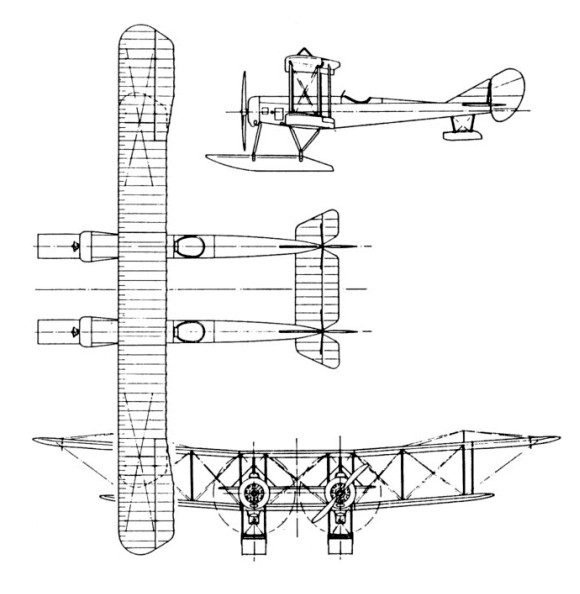
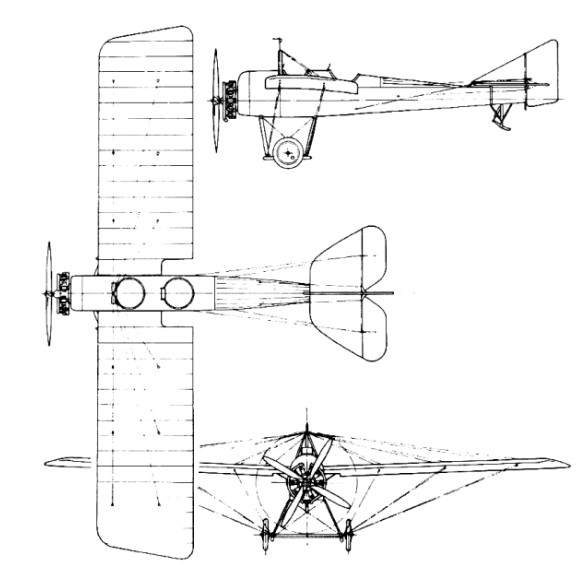
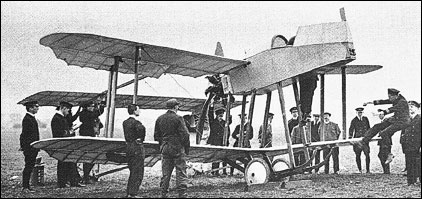
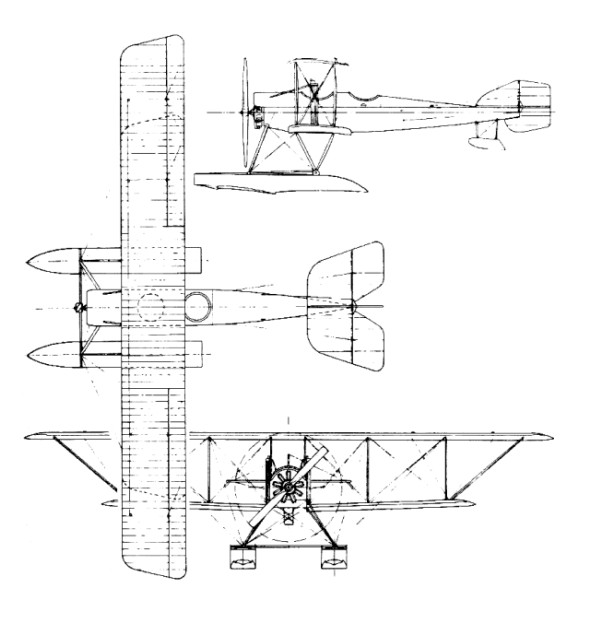
The 1915 Blackburn TB was a long-range twin-engined anti-Zeppelin floatplane. Technically a fighter. This was Blackburn’s first twin-engined aircraft (TB standing for Twin Blackburn), but the rear fuselages and tails came from the BE.2c, then being licence-produced by Blackburn. Designed for a pair of 150hp Smith radial engines, the TB was built with 100hp Gnome Monosoupapes giving a third less power. Its war load was 32kg of steel incendiary darts. The TB’s were to climb above enemy airships where the observer would throw the darts at them in the hope of causing and igniting a fatal gas leak. The TB had no other armament.
Engine: 2 x 100hp Gnome Monosoupape rotary engines Take-Off Weight: 1588 kg / 3501 lb Wingspan: 18.44 m / 60 ft 6 in Length: 11.13 m / 36 ft 6 in Height: 4.11 m / 13 ft 6 in Max. Speed: 138 km/h / 86 mph Crew: 2
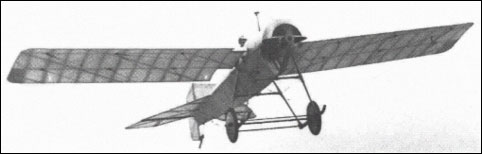
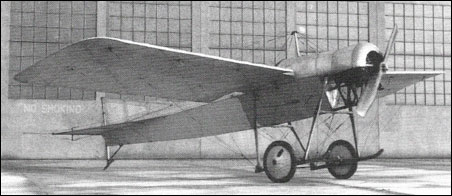
The White Falcon was built by Blackburn during 1915 for the personal use of their test pilot, W. Rowland Dring. It was a mid-wing, wire braced monoplane with open cockpits for pilot and passenger, powered by an uncowled 100 hp (75 kW) Anzani radial engine driving a four-blade 9 ft (2.74 m) diameter propeller. The wings were of parallel chord and generally like those of the Improved Type I, though 1 ft (31 cm) greater in span, similarly wire braced to an inverted ‘V’ kingpost and to the undercarriage. The wing warping wires also ran via the kingpost. The White Falcon initially used a standard B.E.2c undercarriage (Blackburn’s were one company manufacturing these aircraft during the war) but this was replaced later with a simpler structure without skids. The fuselage was a standard Blackburn Warren girder structure, though of square rather than triangular cross-section. The decking was rounded. The tailplane was like that of the Improved Type I, and the fin and rudder formed a neat triangular shape with a vertical trailing edge.
It has been suggested that it was used by Dring to communicate with RNAS stations that had received Blackburn built B.E.2c machines, and to collect their delivery pilots. In the winter of 1916-17 it wore RAF roundels but no serial number. Rowland Dring died in a B.E.2c crash in Leeds on 12 May 1917.
Engine: one 10-cylinder Anzani radial, 100 hp (75 kW) Crew: 1 Capacity: pilot and one passenger Length: 26 ft 11.25 in (8.21 m) Wingspan: 39 ft 6 in (12.04 m) Wing area: 209 sq ft (19.4 sq.m)
1915 Harris Booth of the Admiralty (or A.D.) designed this anti-airship fighter for naval use. Although of conventional wood and fabric construction, the fuselage nacelle was attached to the top wing rather than the bottom. This gave the pilot/gunner an excellent all-round view but contributed nothing to stability. The Scout (unofficially called the Sparrow) was intended to carry a Davis two-pounder recoilless gun, but the structure wasn’t up to such a weapon. An ordinary Lewis gun was fitted instead. The ability of a single man to fly the aircraft, load, fire and reload these heavy guns was always doubtful. RNAS pilots found the Scout was overweight with extremely poor handling. The Admiralty accepted it, but got rid of it as unsatisfactory within a month.
Engine: 1 x 100hp 9-cylinder Gnome Monosoupape rotary engine Wingspan: 10.18 m / 33 ft 5 in Length: 6.93 m / 22 ft 9 in Height: 3.12 m / 10 ft 3 in Max. speed: 135 km/h / 84 mph Crew: 1
Developing precious designs, Blackburn built a two-seat version designated Type I, the first of these flying in August 1913. Powered by an 80-hp (60-kW) Gnome rotary engine, the Type I carried out a considerable amount of flying before another Type I followed. A single-seater with the same engine, and in turn an ‘Improved Type I’ appeared. It, too, saw much use, and was rebuilt eventually as a floatplane trainer with an Anzani engine for the Northern Aircraft Co. at Lake Windermere. Many pilots of the Royal Naval Air Service received their basic training on this ‘Land/Sea Monoplane’, before it was written off on 1st April 1916
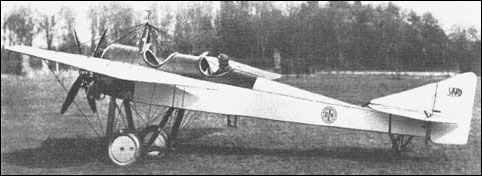
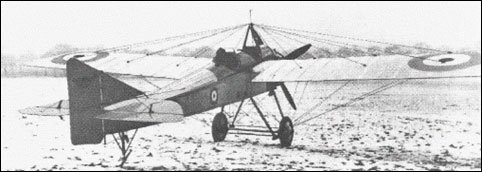
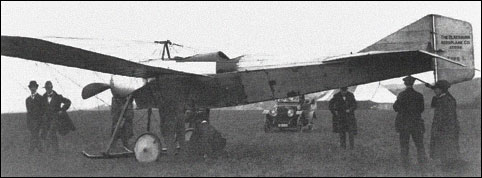
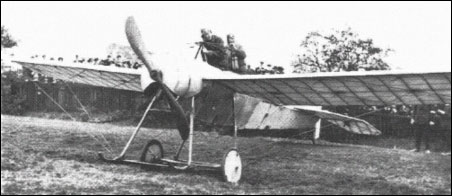
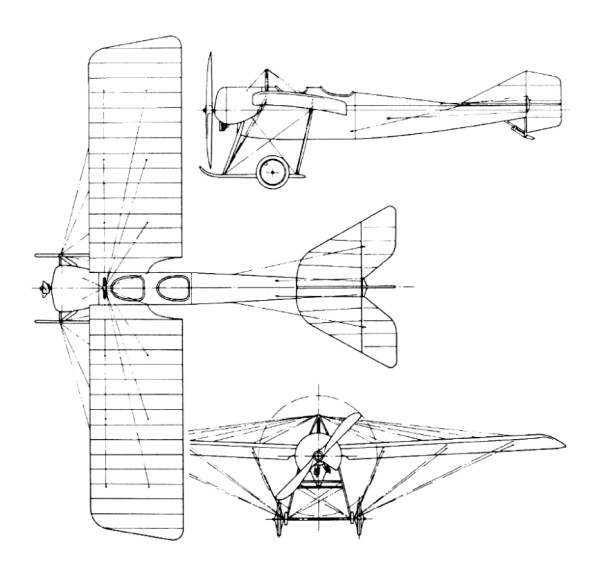
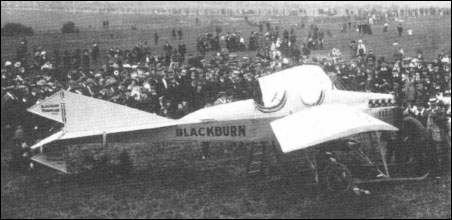
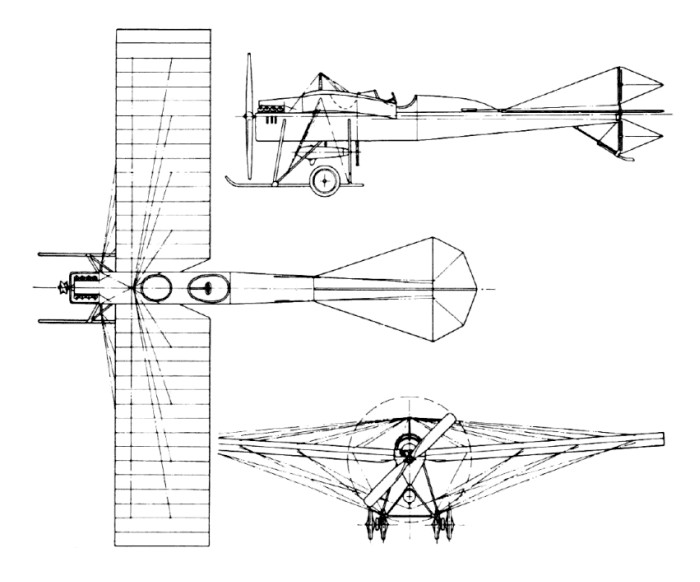
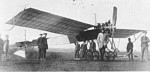
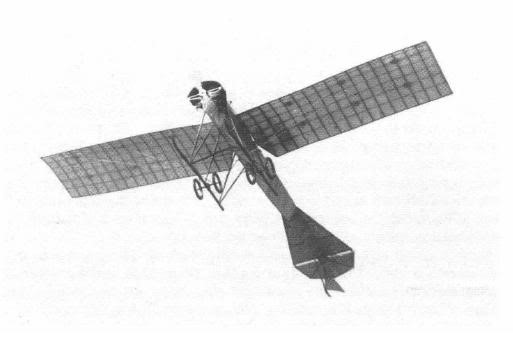
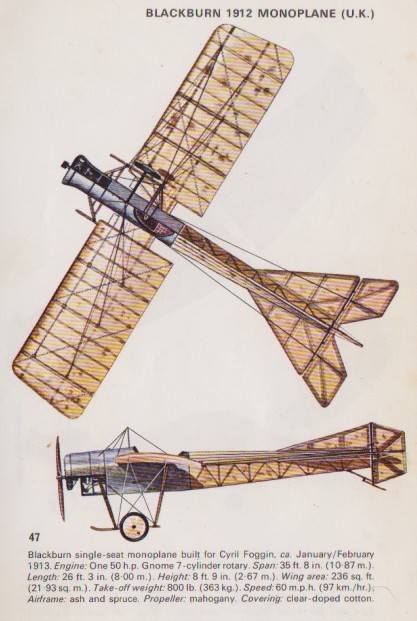
Following the Blackburn Type Es, Robert Blackburn’s next design was the Single-Seat Monoplane sometimes refered to as the Blackburn Type D, built for Cyril Foggin in 1912. A wooden, fabric-covered single-seat monoplane which, for the first time, Blackburn fitted a rudder bar in preference to his “triple steering column”. The aircraft first flew late in 1912. Some modifications followed in time: the engine cowling was extended into a semicircular shape to discourage the discharge of smoke and hot oil from the rotary into the cockpit; the wing tips were slightly rounded; and the crook-shaped skids were replaced by ones of ‘hockey stick’ form. First flown in 1912, it was powered by a 50-hp (37-kW) Gnome rotary engine and accumulated a considerable number of flying hours before it was almost destroyed in a crash of 1914.
Blackburn used the Type D for a series of demonstration flights from Lofthouse Park, situated between Leeds and Wakefield, from March to May 1913. He also flew to neighbouring towns: to Stamford, dropping leaflets; to Harrogate, where he landed; and on three successive days in late July to York, carrying bundles of the Leeds-printed Yorkshire Post. Foggin sold the aircraft on to Montague Glew, who crashed it in 1914 on the family farm at Wittering, where the remains lay untouched until discovered by Richard Ormode Shuttleworth in 1938. Restoration was undertaken at Old Warden, flying again on 17 September 1947. Although only a single example was built, it has the distinction of being the oldest airworthy British aircraft.
Nine months before competitive trials were scheduled on Salisbury Plain, Robert Blackburn built two monoplanes with the designation Type E. The first completed, in April 1912, was a single-seater powered by a 60-hp (45-kW) Green inline engine, built for Lieutenant W. Lawrence, for use in India. That idea did not come to fruition. The other Type E two-seater, built for the War Office trials, was completed in June 1912, and was powered by a 70-hp (52-kW) Renault ‘V’ engine, which proved too heavy for flight. Blackburn then went on to his next design, The Single-Seat Monoplane.
The need to train pilots led Blackburn to develop a larger, two-seat monoplane, which he christened Mercury. The Mercury was the third aircraft built by Robert Blackburn at the factory in Leeds. Powered by a 50hp (37 kW) Isaacson radial engine, it was a two-seater and flew early in 1911 flying from the beach at Filey with the newly formed Blackburn Flying School. The new machine, sometimes known in retrospect as the Mercury I, joined the Second Monoplane at the Blackburn Flying School.
The Mercury I was displayed at the Olympia Aero Show in March 1911.
In May 1911, it flew from Filey to Scarborough and back in 19 minutes at an average speed of 50 mph, reaching an altitude of 1200 feet. This aircraft crashed the next day when the engine seized and the propeller flew off.
Interest had been aroused in the Mercury and orders were received for eight aircraft. The first two, known under the designation Mercury II, were single-seaters, each with a 50-hp (37-kW) Gnome rotary and were built for the Daily Mail Circuit of Britain contest, which offered £10,000 in prize money. The first machine was lost in a take-off accident, while the second, being converted to a two-seater, and later being revised as a school machine with wings of greater span and receiving the designation of Type B. Of the remaining six Mercurys, the first (Mercury Passenger Type or Mercury III) had a 60-hp (45-kW) Renault engine, the second a 50-hp (37-kW) Isaacson engine, the third, fourth and fifth machines were powered by the 50-hp (37-kW) Gnome rotary, and the sixth had an Anzani engine of similar power.
Blackburn Mercury III, 50 hp Gnôme rotary engine, as flown by Jack Brereton at Filey in May 1912
Reported in November 1911, Hurbert Oxley had the new Blackburn passenger machine out. This is fitted with a Renault motor and had just been completed. He made one or two straight flights, taking the pupils as passengers, at its first appearance. Next day he was again out trying the same machine. Several short flights were made with passengers. The estimated speed of this machine is 65 mph when fully loaded.
The Renault engined Mercury crashed at Filey in December 1911, killing an instructor and passenger.
Other Blackburn Monoplanes were built for private owners and examples were shown at the Olympia Aero Shows in 1911 and 1914, and also took part in the Daily Mail sponsored Circuit of Britain Race in 1911.
1913 Blackburn two-seater tractor monoplane
Constructor number 725 was built in 1912 for Cyril Foggin. Stored at Wittering by Francis Glew until 1938 it was again stored during WW2 In 1947 it was restored to flying condition.
c/n 725
Mercury I Engine: 1 x 50 hp Isaacson Wing span: 38 ft 4 in Length: 33 ft Gross weight: 1000 lbs Max speed: 60 mph Number built: 1
Mercury II Engine: 1 x 50 hp gnome Wing span: 32 ft Length: 25 ft Gross weight: 750 lbs Max speed: 80-85 mph Number built: 1
Mercury III Engine: 1 x 60 hp Renault Wing span: 38 ft 4 in Length: 33 ft Gross weight: 800 lbs Max speed: 85-90 mph Number built: 9
c/n 725 Engine: Gnome, 50 hp Wingspan: 32 ft 1 in Length: 26 ft 3 in All up weight: 900 lb Max speed: 60 mph