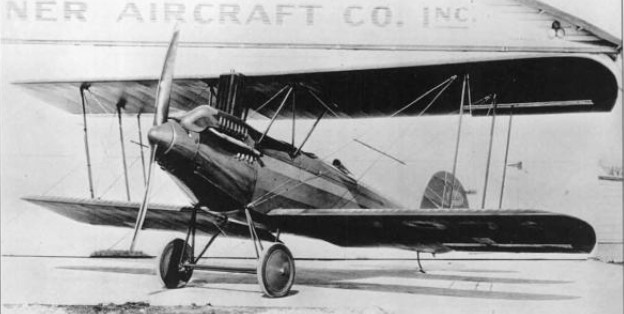
Following the original Challenger, the C-2 launched Kreider-Reisner as a legitimate aircraft manufacturer.
Following the original Challenger, the C-2 launched Kreider-Reisner as a legitimate aircraft manufacturer.
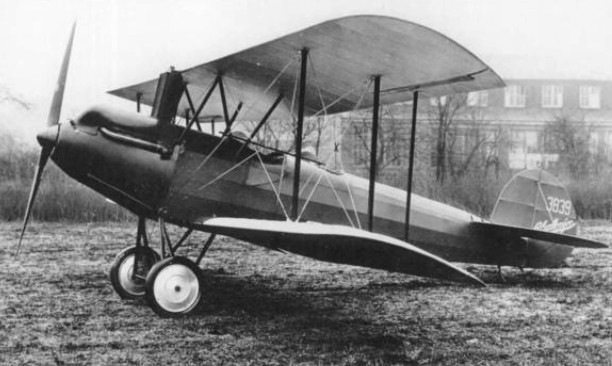
In 1926 Kreider-Reisner built a Challenger, designated the KR-31, a three seat biplane. The open cockpit plane was used for sport flying, using the cheap Curtiss OX-5 (or other) engine
The original Challenger flew in a promotional tour in 1927.
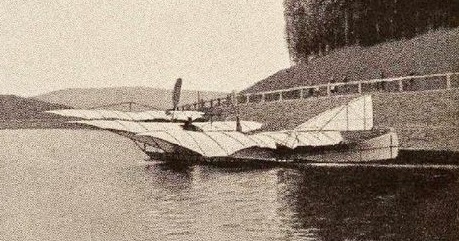
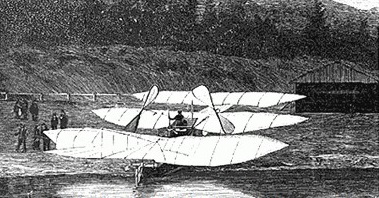
Also known as the Kreß (Kress) Drachenflieger, the Kreß Flugapparat 3-wing-in-tandem flying boat of 1901 was an effort of Austrian Wilhelm Kreß and only fell short of actually flying because of a too weak an engine.
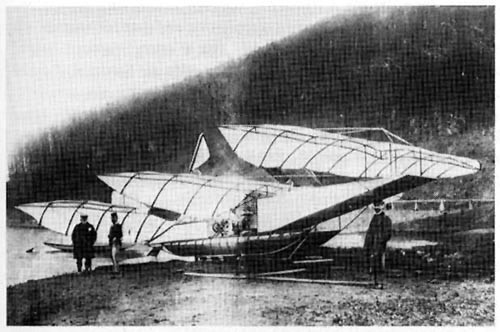
Kreß himself, then already at advanced age, intended to test fly the machine on October 3, 1901 but the machine capsized and sank in the Wienerwaldsee-Untertullnerbach.
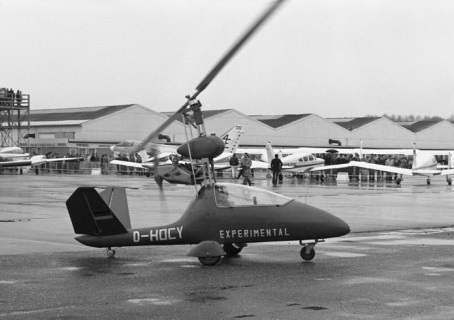
Ikarus 3
Empty weight: 25 kg
Engine: Hirth, 22 hp
Prop diameter: 107 cm
Fuel capacity: 5 lt
Price 1998: DM 6,700
Ikarus 5
Empty weight: 27 kg
Engine: König, 24 hp
Reduction: 1.17-1
Prop diameter: 110 cm
Fuel capacity: 10 lt
Price 1998: DM10,600
Certification: vz
Martin Rüter’s (of Roll Flight) earlier designs were taken over by Krampen (1998).
1998:
Kluser Weg 16
D 52525 Waldfeucht-Haaren
Germany
Power pack builder

The SAI KZ X was a light aircraft produced in Denmark for army co-operation duties in the early 1950s. It was a strut-braced, high-wing monoplane of conventional design with fixed tailwheel undercarriage and was derived from the KZ VII.
First flown on 29 September 1951, deliveries to the Danish Army commenced in 1952, but by the summer of that year, two had already crashed.
The investigations of these crashes were conducted with technical assistance from Britain’s Royal Aircraft Establishment, but no underlying defect in the aircraft design was uncovered and the KZ X was returned to service. However, when two more crashes took place in 1954, the type was withdrawn from service. Of the 12 built, most KZ Xs were scrapped, with the only surviving example now in the Danmarks Flymuseum

Engine: 1 × Continental C145, 108 kW (145 hp)
Wingspan: 9.41 m (30 ft 11 in)
Wing area: 13.0 sq.m (140 sq.ft)
Length: 6.50 m (21 ft 4 in)
Height: 2.20 m (7 ft 3 in)
Empty weight: 529 kg (1,160 lb)
Gross weight: 860 kg (1,890 lb)
Maximum speed: 215 km/h (134 mph)
Range: 800 km (500 miles)
Service ceiling: 4,400 m (14,400 ft)
Crew: One, pilot
Capacity: 3 passengers
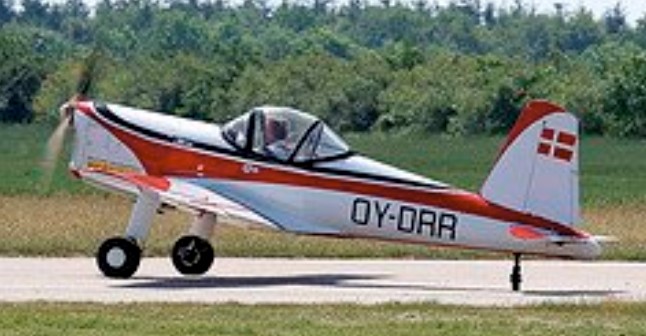
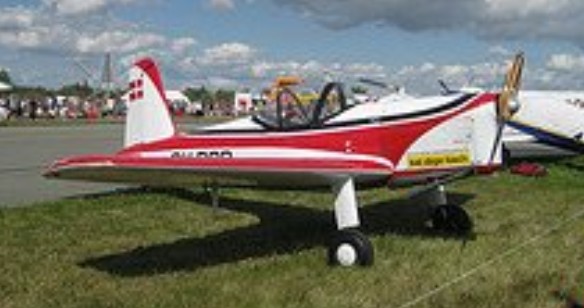
The SAI KZ VIII was an aerobatic sport aircraft first built by Skandinavisk Aero Industri in Denmark in 1949. It was a low-wing cantilever monoplane of conventional configuration with fixed tailwheel undercarriage and a single seat. The KZ VIII was custom-built by SAI for the Danish aerobatic display team Sylvest Jensen Luftcirkus, in which Peter Steen piloted the aircraft in some 50 performances in summer 1950. At the same time, a full set of parts for a second aircraft was produced, but this was not assembled until 1959.
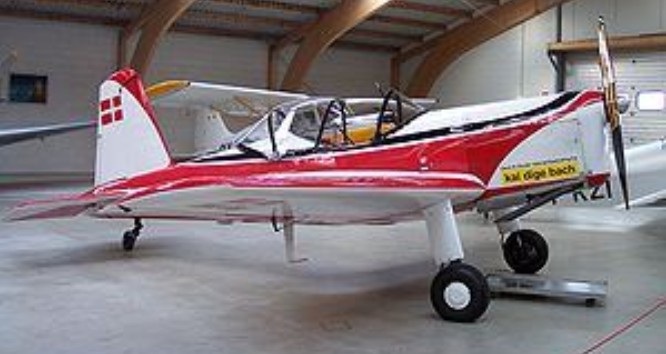
A third machine has been built as a replica.
Engine: 1 × de Havilland Gipsy Major, 108 kW (145 hp)
Wingspan: 7.20 m (23 ft 8 in)
Wing area: 8.6 sq.m (96 sq.ft)
Length: 19 ft 2 in
Height: 5 ft 11 in
Empty weight: 407 kg (895 lb)
Aerobatic weight: 1265 lb
Gross weight: 650 kg (1,430 lb)
Maximum speed: 300 km/h (190 mph)
Service ceiling: 5,000 m (16,400 ft)
ROC: 480 fpm
Crew: One, pilot
Loading: 12G
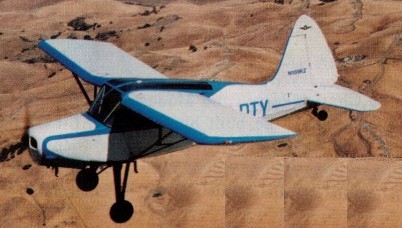
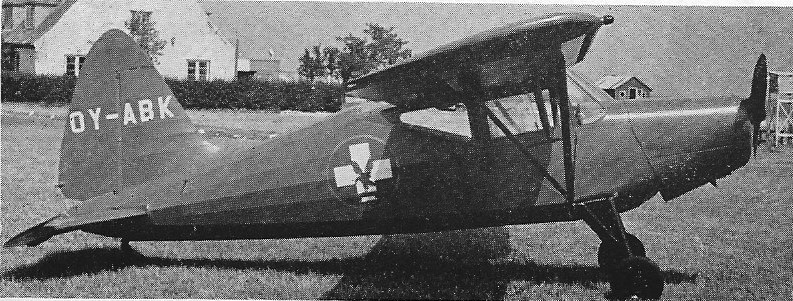
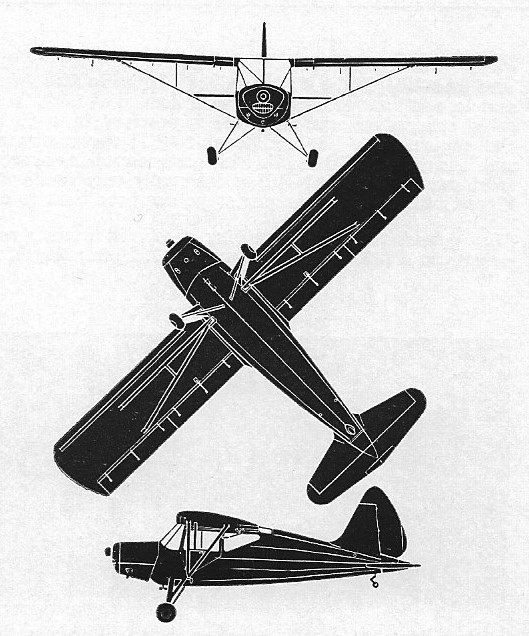
Designed by Viggo Kramme and Karl Gustav Zeuthen, the SAI KZ VII Lærke (Danish: “Lark”) was a light utility aircraft built in Denmark shortly after the Second World War. Based on the SAI KZ III air ambulance, the KZ VII was a strut-braced, high-wing monoplane of conventional design with an enclosed cabin for four seats. The wings were made of wood, although covered mainly in fabric.
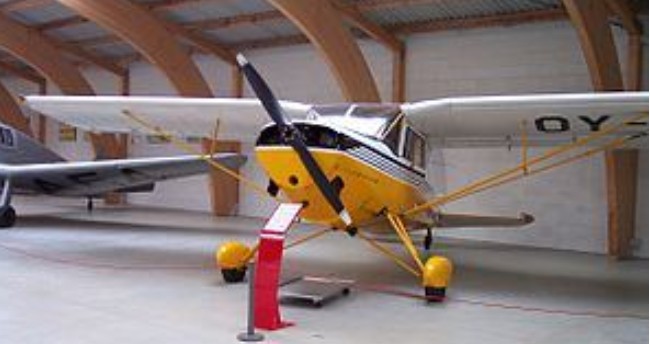
First flown on 11 November 1946, fifty-six aircraft were built by Skandinavisk Aero Industri, and another 22 partially completed aircraft were destroyed in a factory fire in 1947. The Danish Air Force operated 10 of the type as trainers between 1950 and 1977.
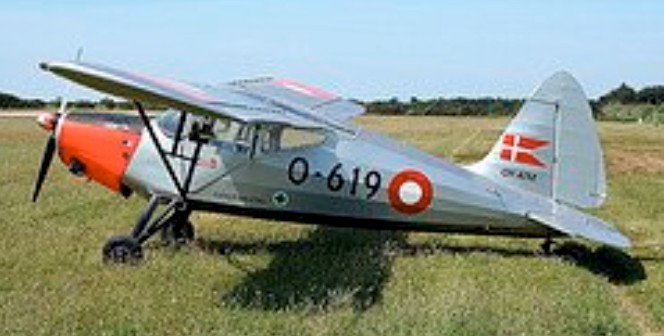
Seven were supplied to Switzerland with 145 hp Continental C-145-2 engines with Aeromatic constant-speed airscrews.
Engine: 1 × Continental C125, 93 kW (125 hp)
Wingspan: 9.60 m (31 ft 6 in)
Wing area: 13.0 sq.m (140 sq.ft)
Length: 6.56 m (21 ft 6 in)
Height: 2.10 m (6 ft 11 in)
Empty weight: 464 kg (1,022 lb)
Gross weight: 867 kg (1,911 lb)
Maximum speed: 200 km/h (125 mph)
Cruising speed: 185 km/h (115 mph)
Range: 725 km (450 miles)
Service ceiling: 4,115 m (13,500 ft)
Rate of climb: 2.8 m/s (590 ft/min)
Crew: One, pilot
Capacity: 3 passengers
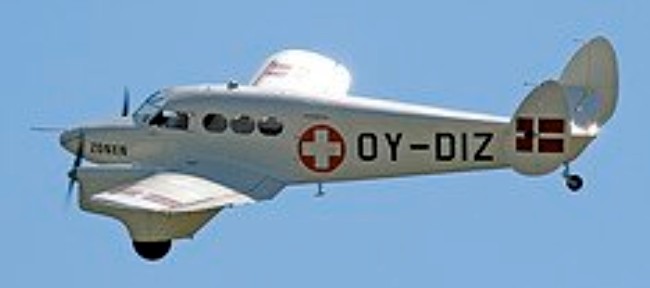
Designed by Viggo Kramme and Karl Gustav Zeuthen, the SAI KZ IV was a light twin-engined aircraft first built by Skandinavisk Aero Industri in Denmark in 1944 for use as an air ambulance. First flown on 4 May 1944.
It was a conventional, low-wing cantilever monoplane with twin tails, mounted on the ends of the horizontal stabiliser. Power was provided by two engines mounted in nacelles on the wings that also housed the main units of the fixed, tailwheel undercarriage. The cabin could hold two stretchers, two medical attendants, and a flight crew of two.
A single machine, registered OY-DIZ, was built during the war, with a second aircraft registered OY-DZU being built and flown in 1949. That same year, the OY-DIZ was christened with the name Folke Bernadotte in honour of the Swedish count who had used this very aircraft to make a diplomatic visit to Germany to negotiate for the release of Danish prisoners in German concentration camps near the end of the war. This aircraft is now the “flagship” of the Danmarks Flymuseum collection, having been restored to its original wartime configuration and markings following a career as a utility aircraft in England and a crash in 1979. The second aircraft was actively operational until the mid 1960s.
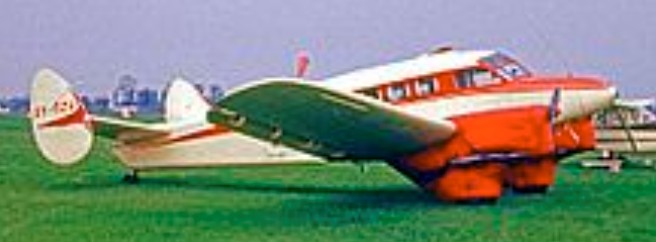
Engines: 2 × de Havilland Gipsy Major, 108 kW (145 hp)
Wingspan: 16.00 m (52 ft 6 in)
Wing area: 29.0 sq.m (312 sq.ft)
Length: 9.80 m (32 ft 2 in)
Empty weight: 1,378 kg (3,302 lb)
Gross weight: 2,100 kg (4,620 lb)
Maximum speed: 215 km/h (134 mph)
Range: 850 km (530 miles)
Service ceiling: 4,500 m (14,800 ft)
Crew: Two pilots
Capacity: Two stretchers and two attendants

