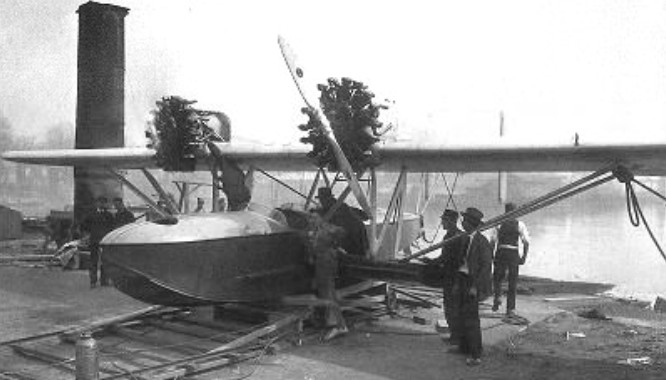
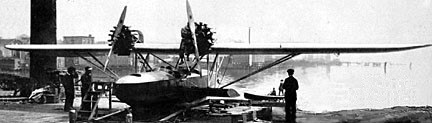
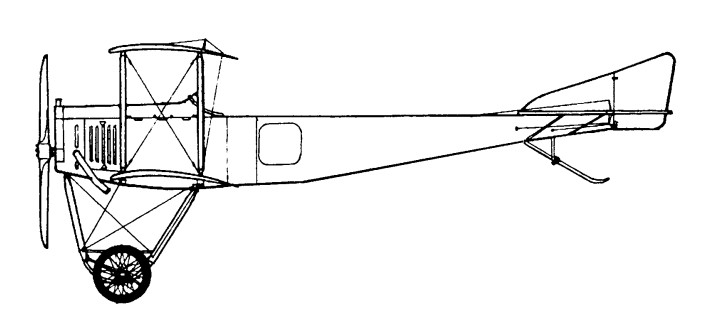
Sikorsky’s first attempt to build an amphibian, the six-seat S-34 NX883, flew in 1926. During a test flight in November 1927, piloted by Capt. Collier and with Igor Sikorsky as observer, it developed engine trouble while flying low over water and sank after forced landing. The two men were rescued and taken ashore by motor boat.
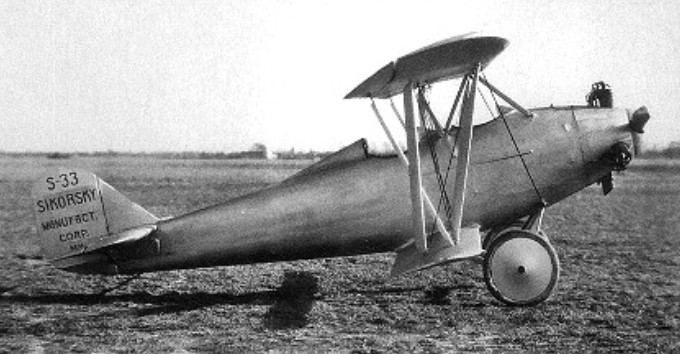
Two S-33 Messengers were built, the first in 1926 as a racing aircraft with a 60hp Wright Gale aircooled engine, the second in 1927 as a two-seat utility aircraft with a 60hp Lawrence. The racer was flown by Al Krapish, one of the company’s earliest employees and a passenger on the first unhappy flight of the S-29A. It spanned 9.75m and had a speed of 165km/h.
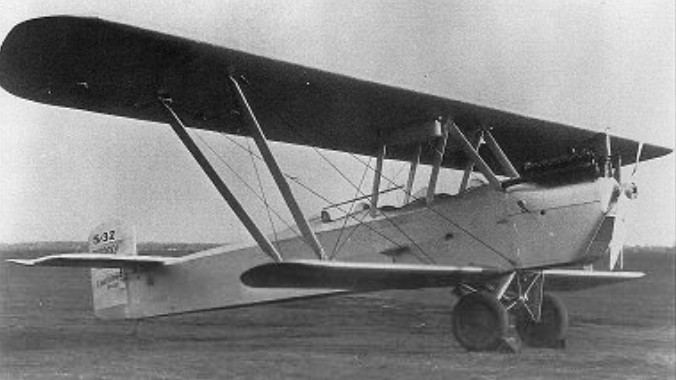
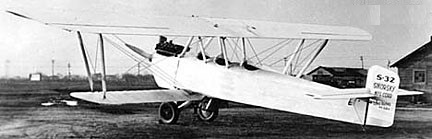
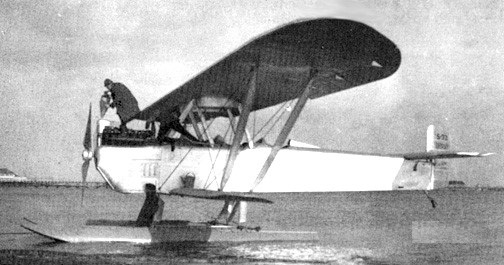
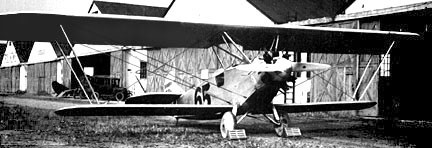
The 1925 one-off S-32 was a large fabric-covered metal biplane, with a 400hp Liberty engine, built for the Andean National Corporation, a subsidiary of Standard Oil Company, for extra-heavy duties in Colombia.
It carried the pilot in the rear cockpit and two pairs of passengers in the forward cockpits. In landplane form it had a top speed of 215km/h and endurance of more than four hours, but was flown mainly on floats.
Sikorsky S-32 on floats
Engine: 400hp Liberty 12 Wingspan: (upper) 58’4″ / 17.78m Wingspan (lower): 38’0″ Length: 36’0″ Maximum weight: 2450 kg Useful load: 2100 lb Max speed: 133 mph Stall: 40 mph Ceiling: 16,000′ Seats: 5
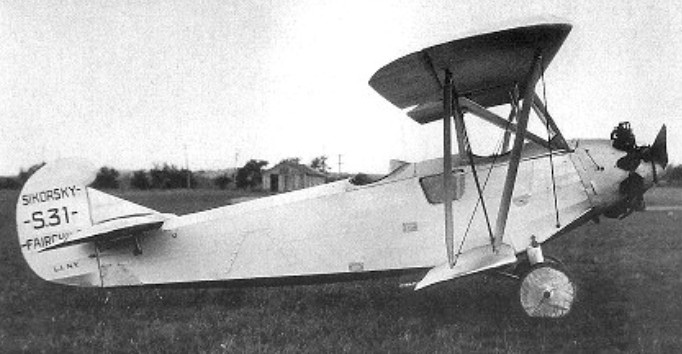
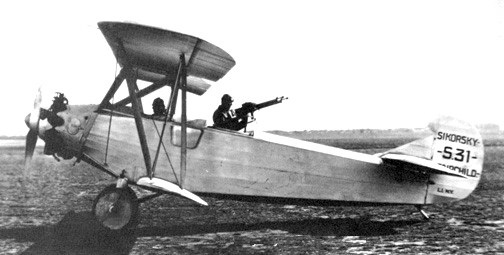
The 1925 five-seat S-31, with a 200hp Wright J-4 Whirlwind engine, was used by the Fairchild Company for aerial photo-mapping work in South America.
Up to four passengers, or photographic equipment, could be carried in the semi-closed centre cabin.
During flight testing, the S-31 climbed to 4680m in 47 minutes with a pilot, two passengers and fuel for four hours of flying.
The sole example built was shown in a publicity photo shows it with a machine-gunner in the rear cockpit, suggesting plans for a military export version.
The 1925 S-30 design for a light transport and mail aircraft was advertised as a ten place cabin biplane, powered by two 200hp Wright J-4. The useful load was to be 1800lb, range 500 miles, at 100 mph. The airplane was never built.
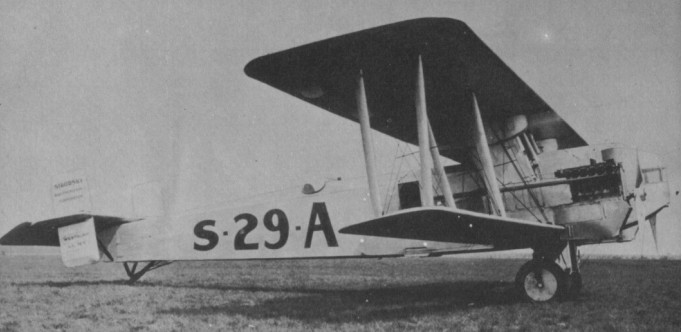
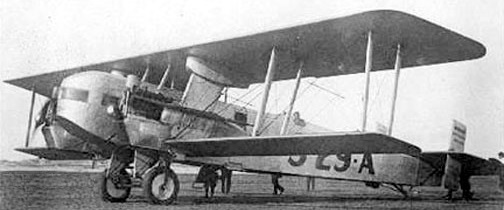
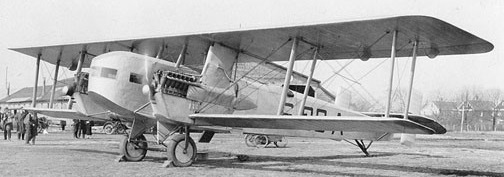
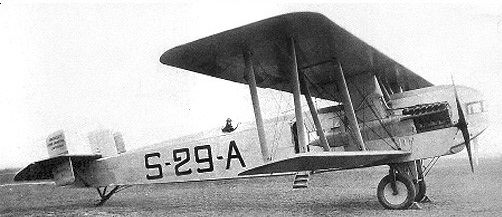
In New York, Sikorsky formed a small company and started to build the S-29-A, a twin-engined 14 passenger and freight carrier. With $5,000 finance from the great pianist and composer Sergei Rachmaninoff the S-29-A was completed. The suffix “-A” denoted “Made in America,” as 28 previous S-numbers were all built and utilized in Russia. First Sikorsky built in the US, originally had 220hp Hispano-Suizas
With Hisso engines
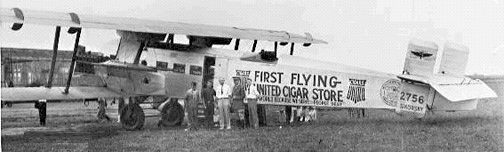
Rachmaninoff accepted the position of first vice-president of the struggling corporation. The engines were old, some of the parts from junkyards. On 4 May 1924 a take-off was attempted. With too many loyal passengers the aircraft flew, but crashed. The aircraft was rebuilt repowered with Liberty 12 engines.
With Liberty Engines
It was owned by Roscoe Turner and made many long-distance flights in the East and Midwest 1925-27, was even used to deliver two grand pianos.
In 1928, Howard Hughes bought the S-29A for use in his epic film “Hell’s Angels”. To simulate a First World War German Gotha bomber, he painted it black, with Maltese cross insignia and with machine-guns above the mid-fuselage cockpit, at side hatches and above and below the nose. In the film, the aircraft is seen to spin down and crash. Few of the viewers realized that the pilot had parachuted to safety, but that the man releasing the smoke trail from the rear fuselage had not known that the S-29A was out of control and died when it slammed into the ground.
S-29-A Engines two 400hp Liberty 12 Wingspan: 69’0″ Length: 49’10” Useful load: 4225 lb Max speed: 115 mph Cruise: 100 mph Stall: 56 mph Ceiling: 12,300 ft Seats: 16
In August 1913 a military Voisin biplane broke up in the air over the airfield and its engine fell onto the Grand. Sikorsky subsequently redesigned the aircraft as the Ilya Muromets which was even bigger. Its wing span was 10 ft greater than that of Le Grand and it weighed 10,000 lb.
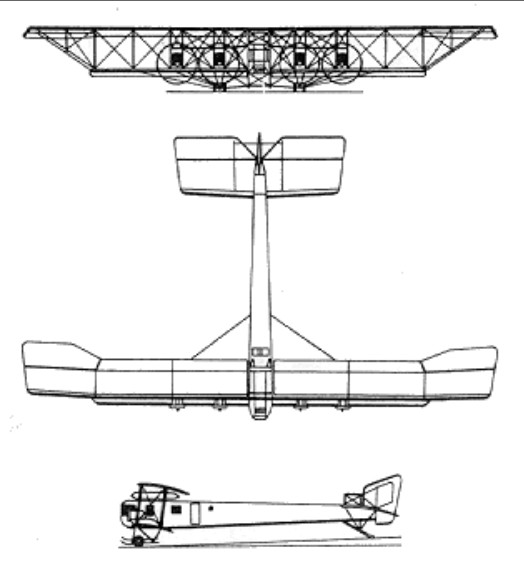
A four bay biplane with braced extensions of upper wings. With two spar wooden wings and wooden fuselage, all fabric covered, ailerons were fitted to the top wings.
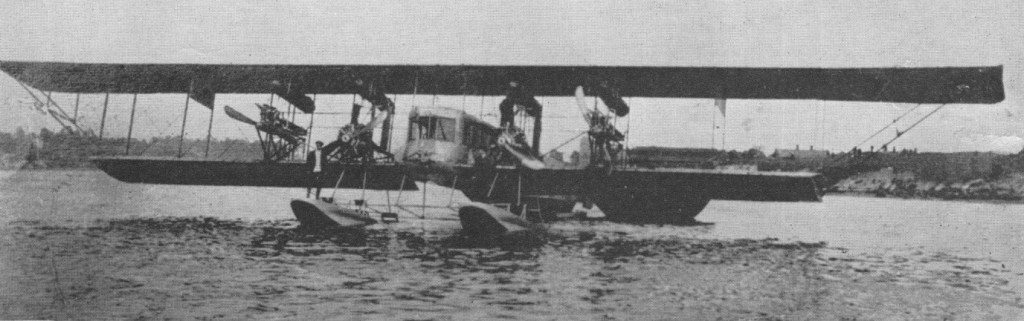
The first flight of Ilya Mourometz No. 1, in January 1914, was made with a skid undercarriage. On 11 February 1914 this machine set a new world record by carrying aloft 16 people and a dog. A familiar picture of it shows the big biplane landing with two fur-coated passengers taking a stroll along its fuselage top promenade. Five months after the first flight, it flew several times as a seaplane.
With the threatened outbreak of hostilities ten were purchased by the Russian Army for military trials.
The Ilya Muromets went into production as a heavy bomber for the Imperial Russian Air Service Eskadra Vozdushnykh Korablei (Squadron of Flying Ships) built at the Russo-Baltic Wagon Works. Seventy three were built, and few of these production aircraft were identical, improvement and developing being continuous, and short engines meant they were flown with a variety of powerplant which, in some cases, involved a mix of engines on one aircraft.
The first version used in combat was the Type B, with Salmson engines of 135-200 hp and an armament of only two machine guns. The largest of the series was the Type IMYe2, with a wingspan of 34.50m and a gross weight of 7,000kg.
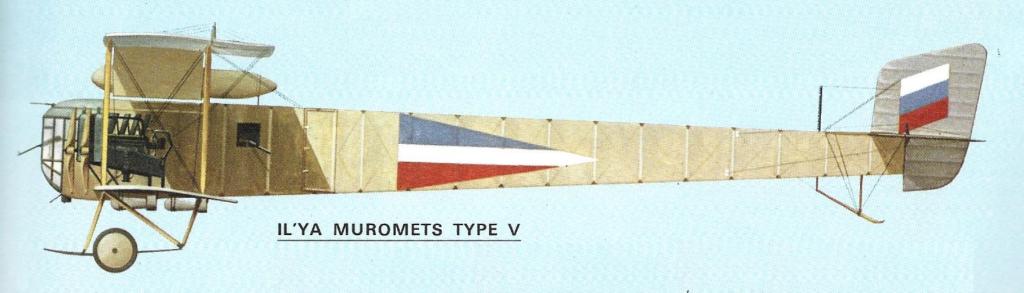
After experimenting with various types of armament and bomb racks it was found to be too slow and with limited altitude for offensive purposes. Sikorsky designed a lighter version, the Il’ya Muromets Type V, and deliveries of these began in early 1915.
They were so effective on more than 400 bombing raids against Germany and Lithua¬nia in 1915 that Great Britain and France sought permission from Czar Nicholas II to produce the design under licence, though nothing came of the scheme before the 1917 Russian Revolution sent Sikorsky fleeing to the United States.
They made 400 successful raids for the loss of only one aircraft, shot down by German fighters after it destroyed three of the enemy aircraft.
Engines: 4 x Argus, 100 hp Wingspan: 30.9/22.0 m / 101 ft 5 in / 72 ft 2 in Length: 17.1 m / 56 ft 1 in Wing area: 148.0 sq.m / 1593.06 sq ft Max take-off weight: 5100 kg / 11244 lb Max. speed: 110 km/h / 68 mph Range: 600 km / 373 miles Armament: 8 machine-guns, bombs Crew: 10
Ilya Muromets E Engines: 4 x Renault, 200 hp Props: 2 blade Wingspan: 102 ft 8 in Wing area: 20050 sq.ft Length: 59 ft 8 in Empty weight: 10,600 lb MTOW: 17,600 lb Max speed: 85 mph at 5000 ft’ Endurance: 4 hr Armament: up to 7 mg Bombload: 1000-1500 lb
Sikorsky IM-W Ilya Muromet Engine: 4 x Argus, 138 hp Length: 56.102 ft / 17.1 m Wingspan: 97.769 ft / 29.8 m Wing area: 1345.5 sq.ft / 125.0 sq.m Max take off weight: 9812.3 lb / 4450.0 kg Max. speed: 67 kts / 125 km/h Service ceiling: 12139 ft / 3700 m Wing loading: 7.38 lb/sq.ft / 36.00 kg/sq.m Endurance: 5 h Crew: 5 Armament: 3-7x MG, 700kg Bomb.
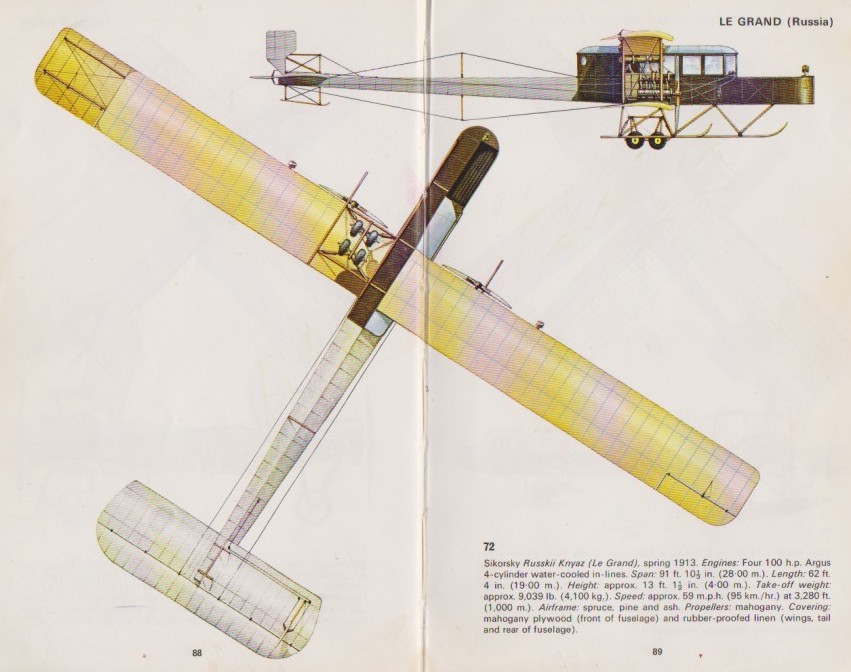
In 1912 Igor Sikorsky began construction of an aircraft with a wingspan of 28 m (92 ft) it was at that time by far the largest heavier than air craft to fly; the first to have four engines; the first with a fully enclosed passenger cabin; and the first designed specifically as an airliner.
Officially known as Russkii Vitiaz (Russian Knight), the big biplane was dubbed the Grand or Bolshoi before its first flight on 13 May 1913. The Grand weighed 4080 kg (8000 lb) and was powered by four 100 hp water cooled Argus engines arranged initially in tandem pairs, but after the first ten minute test flight the two rear mounted engines were moved outboard on the wings. In June 1914, Sikorsky piloted the 10,000-1b. S-22 named Ilia Mourotz on a 1,600mi. round trip from St. Petersburg to Kiev.
Czar Nicholas II inspected LeGrand with Sikorsky in the summer of 1913.
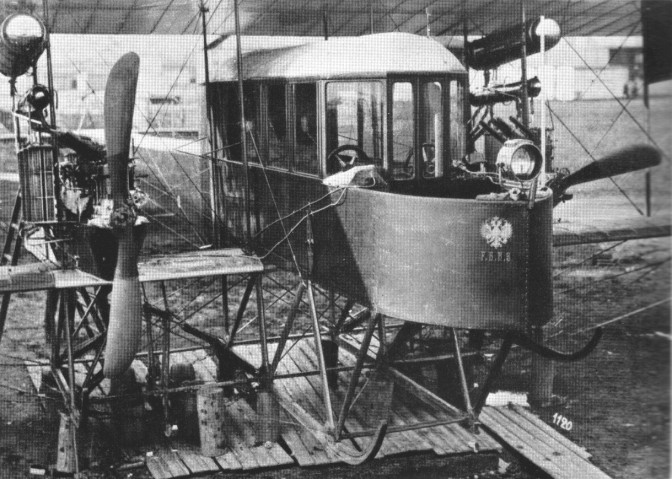
Numerous difficulties were encountered in the design and construction; there were no wheels of adequate size to support the Grand, so a 16 wheel bogie undercarriage had to be built. The cabin incorporated some novelties. At the front was a large open balcony with a searchlight mounted on a gimbal; next came the cockpit with dual controls for two pilots; behind this was the passenger cabin, luxuriously appointed with four seats, sofa, table, washroom and wardrobe.
The Grand flew well and subsequently made 53 flights including a record breaking duration flight of 1 hour 53 minutes with eight people aboard on 2 August 1913. Later that month a military Voisin biplane broke up in the air over the airfield and its engine fell onto the Grand. Sikorsky subsequently redesigned the aircraft as the Ilya Muromets.
Engines: 4 x 100 hp Argus four cylinder in line piston Wing span: 91 ft 10.25 in (28.00 m) Length: 62 ft 4 in (19.00 m) Gross weight: approx. 9,039 lb (4,100 kg) Max. speed: approx. 59 mph (95 km/h) at 3,280 ft (1,000 m) Accommodation: Crew of 2 + 8 passengers Typical endurance: 1 hr 45 min
The S-3, S-4, and S-5 followed in quick succession, each a refinement of its predecessor, and each adding to Sikorskys’ piloting experience.
Finally, by the summer of 1911, in an S-5 with a 50-horsepower engine, Sikorsky was able to remain in the air for more than an hour, attain altitudes of 1,500 feet (450 metres), and make short cross-country flights. This success earned him International Pilot’s License Number 64.
Span: top 39’4″ bottom 29’6″ or 27’11” Length: 27’11” or 26’3″ Weight loaded: 970 lb Speed: 78 mph