Aero Designs Inc Pulsar / Super Pulsar / Pulsar 150 / TR-1 / Skystar Aircraft Pulsar /Pulsar Aircraft Pulsar / Tri-R Technologies Kis

Pulsar

Designed by Mark Brown, the 1985 Pulsar was based on Star Lite prototype N500SS.

High Tech Composites (HTC) in Oxnard, California, USA, owned by Rich Trickle, produced composite structures for other aircraft manufactures before Rich designed the two-seat KIS TR-1 (KIS stands for “Keep It Simple”). Constructed with the assistance of Vance Jaqua and Martin Hollmann, the aircraft was first presented at the EAA event at Oskosh, Wisconsin, in July 1991
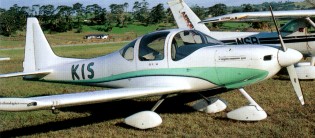
KIS TR-1

Subsequently HTC was renamed Tri-R Technologies and the composite kit plane was marketed to the homebuilt constructor. It could be fitted with a nose-wheel or tail-wheel landing gear, an 80 to 150 hp engine could be fitted, and for storage, the wings could be detached easily. The four-seat KIS Cruiser was also developed.

The KIS TD is the tail wheel version of TR-1, first flown in 1992.
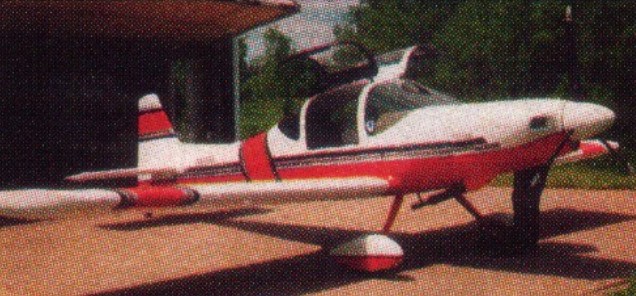
KIS TD

The Pulsar and Pulsar XP were designed by Mark Brown and offer great lightplane performance and economy in kit cost and operating expenses. These very popular kits are available in tailwheel or nosewheel configurations, and are easy to build and fly.

Equipped with fuel tanks in the wings, a composite spar and moulded wing skins, earlier models had a 1.5mm Finnish birch plywood/outer fibreglass matting covering foam ribs. Pulsar XP includes an in flight adjustable prop pitch option which increases 75% power cruise from 140 mph to 150 mph at 4 USG/hr, and was specifically designed for the Rotax 912. The first Pulsar XP was N912XP.

In 1996 the manufacturing rights for the Pulsar went from Aero Design to Skystar, which was then sold to become Pulsar Aircraft Corp. Pulsar Aircraft Corp. rescuing the Pulsar design from the original company’s bankruptcy. Pulsar Aircraft Corporation also keep the original legacy Pulsar design alive under the name of Pulsar XP.

Aircraft Spruce was a supplier of materials & components to Skystar for use in Pulsar kits.

Designed by Mark Brown and Solly Melyon around the same lines as the Pulsar XP, the Super Pulsar 100 was introduced by Pulsar Aircraft Corporation in August 2001. A high performance sport airplane capable of cruising at speeds over 200 mph but yet docile and safe for low time pilots. Its 2500 fpm climb will leave you breathless and it’s docile and slow flight stability lets you land on short fields. The Super Pulsar was equipped with 38 gallon fuel capacity for seven hours of endurance and 1250 mile range.

In 2001 the Pulsar Aircraft Company (formed in 1999) acquired the design and production rights of Tri-R, while the latter still produced the composite parts. The two-seat KIS TR-1 was re-designated Pulsar 150, while the KIS TR-4 Cruiser became the Pulsar Super Cruiser. In 2005 all aircraft production was transferred to Ilopango, El Salvador.
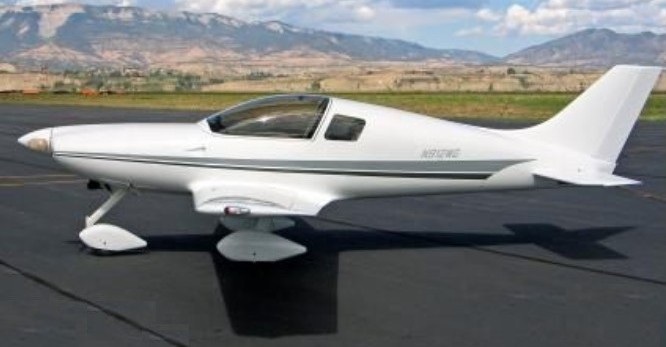
Aero Design Pulsar 3

Gallery

K150 / KIS TR-1
Engine: 100hp Aeromax
Wingspan: 23’0″
Length: 22’0″
Useful load: 700 lb
Max speed: 175 mph
Cruise: 160 mph
Stall: 52 mph
Range: 800 mi
Seats: 2
Taildragger or tri-gear
detachable wings

Pulsar
Engine: Rotax 582, 66 hp
Speed max: 160 mph
Cruise: 130 mph
Range: 500 sm
Stall: 45 mph
ROC: 1000 fpm
Take-off dist: 800 ft
Landing dist: 800 ft
Service ceiling: 15,000 ft
Fuel cap: 17 USG
Weight empty: 460 lb
Gross: 1000 lb
Height: 6.3 ft
Length: 19.5 ft
Wing span: 25 ft
Wing area: 80 sq.ft
Seats: 2
Landing gear: nose or tail wheel

Pulsar XP
Engine: Rotax 912, 80 hp
Prop: GSC Wood, 60 in
Speed max: 160 mph
Cruise: 140 mph
Range: 600 sm
Stall: 46 mph
ROC: 1200 fpm
Take-off dist: 800 ft
Landing dist: 800 ft
Service ceiling: 15,000 ft
Fuel cap: 2 x 10 USG
Useable fuel: 19 USG
Service ceiling: 15,000 ft
Weight empty: 630 lb
Gross: 1200 lb
Useful load: 533 lb
Wing Loading: 13.25 lb/sq.ft
Wing Power loading: 13.25 lb/hp
Height: 6.3 ft
Length: 19.5 ft
Wing span: 25 ft
Wing area: 80 sq.ft
Seats: 2
Landing gear: nose or tail wheel
Takeoff Roll: 800 ft
Landing Roll: 800 ft
Trim: Full electric
Brakes: Matco Hydraulic Disk

Super Pulsar 100
Engine: Pulsar Power Rotax , Jabiru, or Continental
Empty Weight: 340 kg / 750 lb
MTOW: 635 kg / 1400 lbs
Stall: 48 kt / 55 mph / 89 kmh
Cruise: 181 kt / 208 mph / 335 kmh
VNE: 191 kt / 220 mph / 354 kmh
Climb Ratio: 2200 ft/min / 11 m/s
Take-off dist (50ft obstacle): 500 ft / 152 m
Landing dist (50ft obstacle): 800 ft / 244 m

Pulsar Aircraft Corp Super Pulsar 100
Engine: Continental IO-240, 100 hp
Cruise: 165 mph
Range: 920 sm
Stall: 63 mph
ROC: 1700 fpm
Take-off dist: 600 ft
Landing dist: 800 ft
HP range: 100-125
Fuel cap: 38 USG
Weight empty: 820 lb
Gross: 1400 lb
Length: 20 ft
Wing span: 25 ft
Wing area: 80 sq.ft
Seats: 2
Cockpit width: 43 in
Landing gear: nose or tail wheel

KIS TR-1 / Pulsar 150
Engine: Continental IO-240, 125 hp
Speed max: 195 mph
Cruise: 170 mph
Range: 750 sm
Stall: 55 mph
ROC: 1100 fpm
Take-off dist: 1200 ft
Landing dist: 1300 ft
Service ceiling: 17,000 ft
HP range: 80-125
Fuel cap: 34 USG
Weight empty: 850 lb
Gross: 1450 lb
Height: 6 ft
Length: 22 ft
Wing span: 23 ft
Wing area: 88 sq.ft
Seats: 2
Landing gear: nose wheel

Pulsar Aircraft Corp Pulsar 150
Engine: Lycoming, 125 hp
Cruise: 175 mph
Range: 810 sm
Stall: 55 mph
ROC: 1500 fpm
Take-off dist: 750 ft
Landing dist: 1100 ft
HP range: 80-160
Fuel cap: 34 USG
Weight empty: 890 lb
Gross: 1450 lb
Length: 22 ft
Wing span: 28 ft
Wing area: 88 sq.ft
Seats: 2
Cockpit width: 42 in
Landing gear: nose or tail wheel

KIS TD
Engine: Lycoming O-235-C1B, 108 hp
HP range: 80-125
Speed max: 180 mph
Cruise: 165 mph
Range: 750 sm
Stall: 55 mph
ROC: 1300 fpm
Take-off dist: 600 ft
Landing dist: 1200 ft
Service ceiling: 17,000 ft
Fuel capacity: 21 USG
Weight empty: 812 lb
Gross: 1450 lb
Height: 6.17 ft
Length: 22 ft
Wing span: 23 ft
Wing area: 88 sq.ft
Seats: 2
Landing gear: tail wheel.

Pulsar II-912
Engine: Rotax 912, 80 hp
Speed max: 150 mph
Cruise: 150 mph
Range: 1000 sm
Stall: 49 mph
ROC: 1200 fpm
Take-off dist: 800 ft
Landing dist: 800 ft
Service ceiling: 15,000 ft
Fuel cap: 28 USG
Weight empty: 630 lb
Gross: 1200 lb
Height: 6.3 ft
Length: 19.5 ft
Wing span: 25 ft
Wing area: 80 sq.ft
Seats: 2
Landing gear: nose

Pulsar II-914 Turbo
Engine: Rotax 914 Turbo, 115 hp
Speed max: 180 mph
Cruise: 180 mph
Range: 900 sm
Stall: 49 mph
ROC: 2000 fpm
Take-off dist: 500 ft
Landing dist: 800 ft
Service ceiling: 17.500 ft
Fuel cap: 17 USG
Weight empty: 660 lb
Gross: 1200 lb
Height: 6.8 ft
Length: 20 ft
Wing span: 25 ft
Wing area: 80 sq.ft
Seats: 2
Landing gear: nose

Pulsar Aircraft Corp Pulsar III
Engine: Rotax 912, 80 hp
HP range: 80-120
Speed max: 150 mph
Stall: 50 mph
Cruise: 150 mph
Range: 810 sm
ROC: 1800 fpm
Take-off dist: 600 ft
Landing dist: 800 ft
Fuel cap: 28 USG
Weight empty: 650 lb
Gross: 1200 lb
Length: 20 ft
Wing span: 25 ft
Wing area: 80 sq.ft
Seats: 2
Landing gear: nose or tail

Skystar Aircraft Pulsar
Engine: Rotax, 80 hp
Wing span: 7.62 m
Wing area: 7.44 sq.m
MAUW: 544 kg
Empty weight: 280 kg
Fuel capacity: 106 lt
Max speed: 240 kph
Cruise speed: 225 kph
Minimum speed: 79 kph
Climb rate: 6.1 m/s
Seats: 2
Kit price (1998): $17,950

Tri-R Technologies Kis
Wing span: 7 m
Wing area: 8.1 sq.m
Engine: Continental / Lycoming
MAUW: 657 kg
Empty weight: 385 kg
Fuel capacity: 131 lt
Max speed: 280 kph
Cruise speed: 270 kph
Minimum speed: 88 kph
Climb rate: 5 m/s
Seats: 2
Fuel consumption: 22 lt/hr
Kit price (1998): $16,900

Kis
Engine: Limbach L2000, 80hp
Wingspan: 23’0″
Length: 22’0″
Useful load: 520 lb
Max speed: 150 mph
Cruise: 135 mph
Stall: 55 mph
Range: 600 mi
Seats: 2
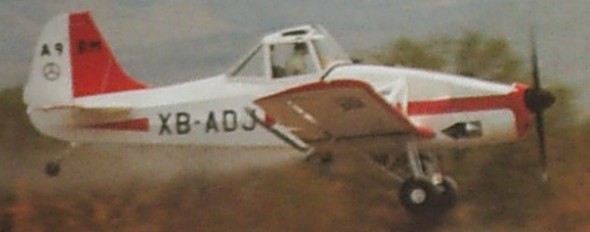
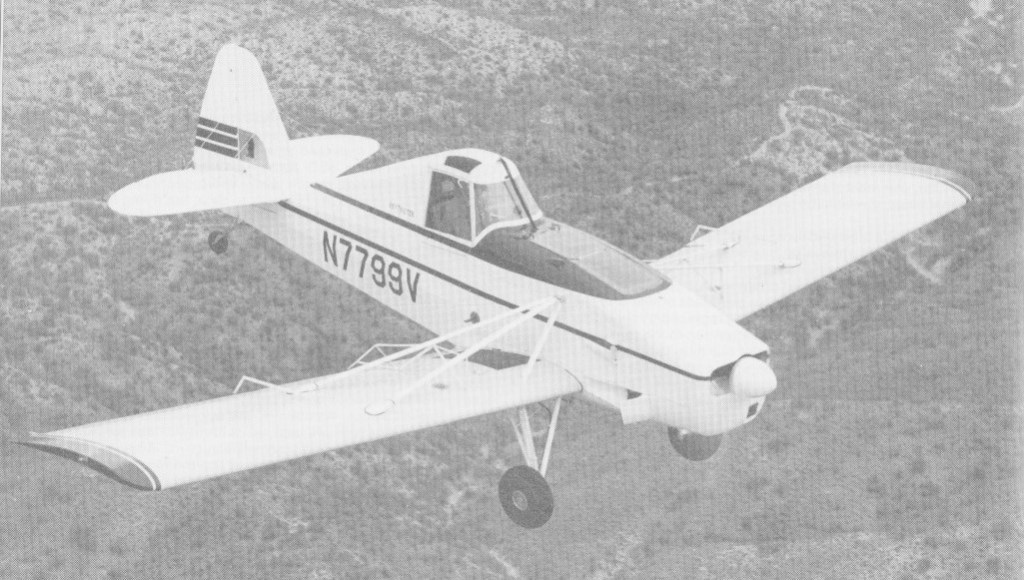
Aero Design & Engineering Quail Commander / A9B-M Quail / Sparrow Commander / Aeronautica Agricola Mexicana SA (AAMSA) Quail Commander / A9B-M Quail / Sparrow Commander

A9B-M Quail

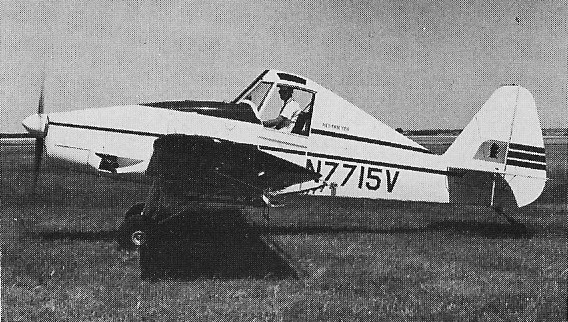
With an agreement between Industrias Unidas SA of Mexico and Rockwell International, Aeronautica Agricola Mexicana SA (AAMSA) was formed in 1971 to take over from Rockwell manufacture of the Aero Commander Quail Commander and Sparrow Commander agricultural aircraft. They had identical airframes but differed mainly by engine fit. The Sparrow Commander was powered by a 235 hp (175 kW) Lycoming O-540-B2B5 engine, while the Quail was fitted with the more powerful IO-540 engine. Both the Sparrow Commander and Quail Commander were available with liquid spray or dust disperdsal gear, or with a quick change combination dust or spray unit. Production of both types ended in the USA in 1970.

Sparrow Commander

Construction of the Sparrow Commander continued in Mexico, as the AAMSA Sparrow. Only very small numbers had been built by 1975, when production was terminated. Only spares were manufactured in Mexico by AAMSA.

Manufacture then switched to the Quail Commander in 1971, designated A9B-M Quail. 101 A9B were built in Mexico, and by January 1982 26 A9B-M had been built.

Quail Commander

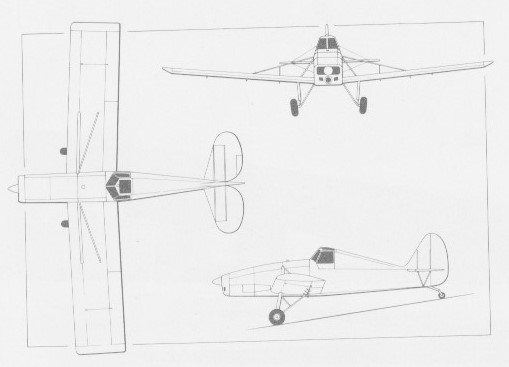
The Quail was a braced low-wing monoplane of composite construction. Its wings were based on wooden spars, with metal leading-edge skins and the remainder of the structure fabric covered; fuselage and tail unit were steel tube structures with fabric covering. The wings are Clark Y airfoil. The non-retractable tailwheel had shock absorbtion. The engine had a fixed pitch or optional variable-pitch propeller. The Quail had an enclosed cabin with a steel-tube overturn structure, cable cutters on the landing gear and windscreen, a cable deflector between the canopy and the tail fin, and proivision for avionics and night flying equipment. A 22.5 cu.ft (0.64 cu.m) glassfibre/polyester chemical hopper was fitted as standard with a capacity of 170 USG (643 lt) of liquid or 1200 lb (545 kg) of dry powder chemicals.

The Quail was manufactured in component form at the Industrias Unidas industrial complex at Pasteje in Mexico for assembly and marketing by its associated Aircraft Parts and Development Corp. in Laredo, Texas. By 1978 43 Quails had been built.

Quail Commander

Sparrow Commander
Engine: Lycoming O-540-B2B5, 235 hp (175 kW)
Wingspan: 34 ft 9 in / 10.59 m
Length: 23 ft 6 in / 7.16 m
Empty weight: 1600 lb / 726 kg
Max payload: 1400 lb / 635 kg
MTOW (Agricultural): 3400 lb / 1542 kg
Max cruise 75% / 3000 lb / 1260 kg: 91 kt / 105 mph / 169 kph
Max ROC SL (Agricultural): 650 fpm / 198 m/min
Service ceiling (Agricultural): 14,000 ft / 4265 m
Range max cruise (Agricultural): 260 nm / 300 mi / 483 km
Seats: 1
Hopper capacity: 22.5 cu.ft / 0.64 cu.m / 170 USGal / 643 lt

NA Rockwell Quail Commander
Engine: Lycoming IO-540-G1C5, 290 hp.
Wing span: 34 ft 9 in / 10.59 m
Length: 23 ft 6 in / 7.16 m
Height: 7 ft 7 in / 2.31 m
Max TO weight: 3600 lb / 1633 kg
Max level speed: 120 mph / 193 kph
Hopper capacity: 210 USG / 795 lt
Ag payload: 1600 lb /726 kg

AAMSA A9B-M Quail
Engine: Avco Lycoming IO-540-K1A5, 300 hp.
Wing span: 34 ft 9 in / 15.76m
Length: 24 ft 0 in / 10.89m
Height: 7 ft 8 in / 3.48 m
Wing area: 182 sq.ft / 16.91 sq.m
Empty weight: 1800 lb / 816 kg
MTOW: 3800 lb / 1724 kg
Payload: 1600 lb / 725 kg
Max level speed: 120 mph / 193 kph / 104 kt
Normal operating speed: 90-100 mph / 145-161 kph
ROC: 850 fpm / 259 m/min
Service ceiling: 16,000 ft / 4875 m
Range 50%: 300 sm / 483 km / 260 nm
Hopper capacity: 28.5 cu.ft / 0.81 cu.m / 210 USG / 795 lt

Quail Commander

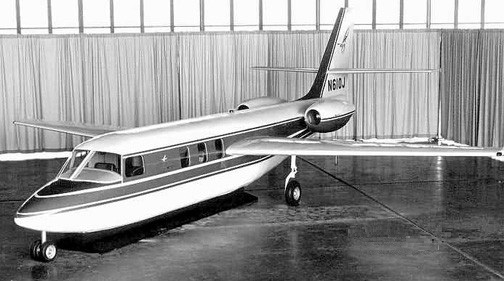
Aero Design & Engineering Jet Commander 1121

In 1960 the first production Jet Commander flew (GE CJ610 engines) and was sold to the Japanese newspaper chain Ashai.
When North American and Rockwell merged in 1967, the Justice Department insisted that the new firm divest itself of Rockwell’s rights to the Jet Commander. The Government felt that common ownership of two bizjet designs the Commander and North American’s existing Sabreliner – would give North American Rockwell a dominance on the market. For a variety of reasons (the Sabreliner’s origin as a military project was mentioned most frequently), the Government decreed that the Commander must go.
The entire project, including tooling, was bought by Israeli Aircraft Industries. The Aero Commander introduced Model 1121, was modified to become the Israel Aircraft Industries 1123 and in 1976 was offered by IAI with Garrett turbofan engines as the 1124 Westwind and its successor, the Westwind 1.

Aero Design & Engineering 840 / 980

In 1980, an increase in turboprop sales led by the Jetprop 980 and Jetprop 840. The former carries up to eight persons and is powered by Garrett TPE-3331-10-501K turboprops. It is characterized by a 309 knot cruise, a 3,176-pound useful load, 5.2 psi pressurization, and enough fuel for a mission-efficient range of 2,040 run with reserves. The 840, powered by twin Garrett TPE-331-5-254K turboprops, boasts speeds up to 290 knots and a maximum range of 1,780 nm with reserves. Rockwell-developed high-technology sound control permits an easy conversation level in the cabins of both aircraft. Standard and custom cabin appointments permit the owner to outfit the interiors with hideaway tables, beverage servers, reclining chairs, telephones, and stereo systems.
The numerical designations of the 840/980 denote maximum potential horsepower per side before derating to a common 700 shaft horsepower each. Both airplanes have Garrett TPE 331s: 10 on the 980 and 5 on the 840. The 980’s greater potential power translates into better climb above 10,000 feet, extra speed and a superior single engine ceiling.
Fuel on the 690B was housed in 22 bladders holding 380 gallons, but the 840/980’s Garretts are fed by a more uniform system. Capacity has gone up to 420 USG, and the wings are wet outboard of the nacelles. Bladders (10 of them) remain in the inboard sections. The new layout cuts refuelling time by two thirds, but at the cost of numerous inspection panels for access to the wet bays. The void left by removal of the fuselage tank on the 840/980 has allowed the baggage volume to be almost doubled to 75 cubic feet.
Absolute ceiling of the 980 is 39,900. The Commander 840 cruises at 267 knots at 31,000 ft. Maximum takeoff weight for the 290B, 840 and 980 is 10,325 pounds, but empty equipped weights for the new ones are down, by 295 pounds on the 840 (6,545 lb) and 255 on the 980 (6,585 lb). Rate of climb has changed little. On both engines, both new airplanes produce 2,840 fpm at sea level; with one dead at 5,000 feet, 900 fpm. Single engine ceiling, however, has risen on the 980 to 26,000 feet compared with 19,600 for the 690B and 20,400 for the 840.

AE-840
Engines: 2 x Garrett TPE-331-5-524K, 718 shp
Props: Dowty Rotol 3-blade, 106-in
Seats: 7/9
Length: 43 ft
Height: 15 ft
Wingspan: 52.1 ft
Wing area: 279 sq.ft
Wing aspect ratio: 9.8
Maximum ramp weight: 10,375 lbs
Maximum takeoff weight: 10,375 lbs
Standard empty weight: 6635 lbs
Maximum useful load: 3740 lbs
Zero-fuel weight: 8463 lbs
Maximum landing weight: 9675 lbs
Wing loading: 37 lbs/sq.ft
Power loading: 7.2 lbs/hp
Maximum usable fuel: 2848 lbs / 420 USG
Rate of climb sea level: 2,840 fpm
Certificated ceiling: 31,000 ft
Max pressurisation differential: 5.2 psi
8000 ft cabin alt @: 23,900 ft
Maximum single-engine rate of climb: 1003 fpm @ 115 kts
SE ROC 5,000 ft: 900 fpm
Single-engine climb gradient: 523 ft/nm
Single-engine ceiling: 21,050 ft
Maximum speed: 290 kts
Normal cruise @ 31,000ft: 269 kts
Fuel flow @ normal cruise: 378 pph
Endurance at normal cruise: 7 hrs
Max range with res: 1,780 nm
Stalling speed clean: 77 kts
Stalling speed gear/flaps down: 75 kts
Turbulent-air penetration speed: 180 kts
Baggage volume: 75 cubic feet
Takeoff distance (50ft): 1,830 ft
Landing distance (50ft): 2,050ft

AE-980
Engines: 2 x Garrett TPE-331-10-501K, 733 shp
Props: Dowty Rotol 3-blade, 106-in
Seats: 7/9
Length: 43 ft
Height: 15 ft
Wingspan: 52.1 ft
Wing area: 279 sq.ft
Wing aspect ratio: 9.8
Maximum ramp weight: 10,375 lbs
Maximum takeoff weight: 10,325 lbs
Standard empty weight: 6733 lbs
Maximum useful load: 3642 lbs
Zero-fuel weight: 8463 lbs
Maximum landing weight: 9675 lbs
Wing loading: 37 lbs/sq.ft
Power loading: 7 lbs/hp
Maximum usable fuel: 3176 lbs / 420 USG
Best rate of climb: 2777fpm
Certificated ceiling: 31,000 ft
Absolute ceiling: 39,900 ft
Max pressurisation differential: 5.2 psi
8000 ft cabin alt @: 23,900 ft
Maximum single-engine rate of climb: 982 fpm @ 115 kts
Single-engine climb gradient: 512 ft/nm
Single-engine ceiling: 24,850 ft
Maximum speed: 309 kts
Normal cruise @ 31,000ft: 295 kts
Fuel flow @ normal cruise: 444 pph
Endurance at normal cruise: 6.6 hrs
Stalling speed clean: 77 kts
Stalling speed gear/flaps down: 75 kts
Turbulent-air penetration speed: 180 kts
Takeoff distance (50ft): 1,830 ft
Landing distance (50ft): 2,150 ft
Baggage volume: 75 cu.ft

Commander 980
Engines: 2 x Garrett TPE 331 10, 980 shp
Props: Dowty Rotol 3 blade, 106 in. dia
TBO: 3, 000 hrs
Length: 43 ft
Height: 15 ft
Wingspan: 52 ft
Wing area: 280 sq. ft
Max ramp wt: 10,375 lbs
Max takeoff wt: 10,325 lb
Std empty wt: 6,298 lb
Max useful load: 4,027 lb
Max landing wt: 9,675 lb
Wing loading: 36.96 lb/sq.ft
Power loading: 7.22 lb/hp
Max usable fuel: 420 USG/2,814 lb
Max rate of climb, sea level: 2,840 fpm
Max rate of climb, 8,000 ft: 2,710 fpm
Max operating altitude: 31,000 ft
Single engine rate of climb, sea level: 1,010 fpm
Single engine climb gradient, sea level: 578 ft/nm
Single engine service ceiling: 26,000 ft
Max speed: 315 kts
Cruise, max cruise power at 31,000 ft: 300 kts
Fuel flow at max cruise power: 492 pph
Endurance at max cruise power, no res: 5.7 hrs
Stalling speed, clean: 77 kts
Stalling speed, flaps down: 75 kts
Turbulent air penetration speed: 184 kt

Aero Design & Engineering 720 Alti-Cruiser

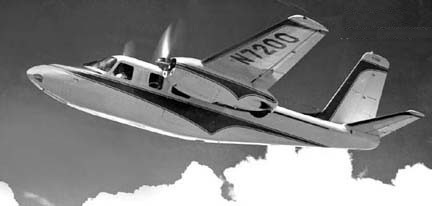
Alticruiser prototype N7200

In 1958 the first pressurised Aero Commander was produced as the 720 Alti-Cruiser. An improved 680-E as the world’s first certificated, pressurized, non-airline business plane.

With extended wing, refrigerated air conditioning, Lear autopilot, they sold for $183,750.

With a pressurisation differential of only 2.3 psi and a loss of 300 lbs of payload compared to the non-pressurised version, the 680E, the 720 model was a flop in the marketplace with only thirteen sold. Production of the 720 ceased in 1960.

Engines: 2 x GSO 480-B1A6, 340hp
TBO: 1,400 hr
Wingspan: 47’0″
Length: 35’5″
Useful load: 2600 lb
Max speed: 255 mph
Cruise: 226 mph
Stall: 71mph
Range: 1550 mi
Ceiling: 25,360′
Seats: 4-6

Aero Design & Engineering 695A / 1000

Design changes within the 1000 enabled greater interior space without changing the exterior fuselage dimensions. Cabin length was increased 2.9 feet and the cabin floor lowered nearly four inches to give a cabin height of 4.8 feet. A heavier structure was required all round to take the higher differential and the bottom exterior fuselage skins, replacing the floor of the former pressure vessel, were strengthened. Two aspects highlighted by the changes are the requirement to keep the rails extending the passenger steps clean and the now curved rear pressure bulkhead. The cleanliness of the rails prevents any damage to the seals and resultant loss of cabin pressure. In the 1000 the rear pressure bulkhead is curved, with the rearmost point being almost 3 feet further aft; the additional area accommodating the flushing toilet, small (100 lb maximum) baggage area and refreshment centre.

695A / 1000
Engines: 2 x AiResearch TPE 331-10-501K, 820 SHP.
MTOW: 11,200 lb
Press diff: 6.7 psi.
Max SL alt: 15,900 ft

Aero Design & Engineering Turbo Hawk / 681 Turbo Commander / 690 / Grand Commander / Esquire

690B

The Turbo Commander first appeared in 1965 as a pressurized version of the Grand Commander. Power was supplied by twin 605-shp AiResearch turboprop engines, each driving a three-blade constant-speed reversible-pitch propeller. This model became known as the Turbo Hawk and was built until 1971 when it was replaced by the Turbo Commander 681B, another pressurized version similar to the Shrike Commander, with 717-shp powerplants. The 690 Turbo Commander first flew on 3 March 1969. The North American Rock¬well Turbo Commander 690 was certificated at a gross weight of 10,250lb/4,650kg, in 1972, a payload improvement of 340lb, 155kg. Announcing the increase, the manufacturer stated that the 690, fully equipped, can carry seven people and full fuel tanks giving a range of 1,790 statute miles.

Turbo Commander 681B

In 1964 Aero Commander offered to fit oversize panoramic cabin windows to their Grand Commander at an extra cost of $6000.

The Turbo Commander cabin can be pressurized to 5.2 psi and the operational ceiling is 31,000 feet. Interior temperature is controlled by a high-volume climate system, and heated windshields provide maximum visibility in all weather conditions. The Turbo Commander is also certified for flight into known-icing conditions, and all deicing equipment is standard. While the 690A is just minutes slower that most business jets on a 900- to 1,000-mile business trip, fuel consumption is about 50% less.

The combination of reversible props, tough landing gear, high-wing, and 14-inch prop clearance are custom-tailored for short, rough landing strips. Engines that are flat-rated from 840 shp, to a nominal 700 shp help the 690A climb directly to the best cruise altitude without lengthy step climbing.

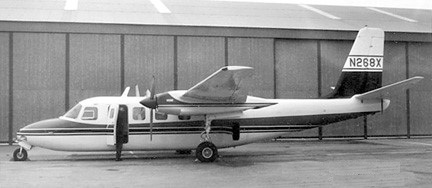
Aero Commander 681B N9004N

The 690B was offered in the Executive I and Executive II models. Many features that are usually considered optional are standard equipment in the Executive I, including avionics and cabin accommodations. The Executive II was for owners who wanted to select their own avionics and interior appointments.

After hit¬ting a high of 50 airplanes in 1974, produc¬tion waned, and production was reduced by 1978. Rockwell offered the Shrike in an Esquire version. It was a deluxe model that fea¬tured opulent interiors. The only options in an Esquire II are Rajay turbocharging and air conditioning. Complete deicing, a super plush interior, prop synchro¬nizer, everything from the radar in the nose to the DeVore Tel Tail lighting of the vertical fin is standard equipment. Price, 1978: $329,500.

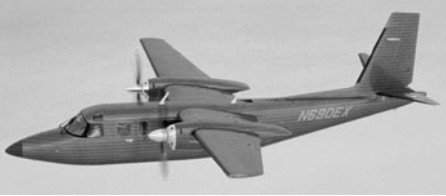
690EX

Turbo Hawk
Engine: 2 x AiResearch turboprop 605-shp
Gross weight: 9,400 lb
Prop: 3-blade constant-speed reversible-pitch
Empty weight: 5,783 lb
Fuel capacity: 286-337 USG
Top speed: 290 mph
Cruise speed: 280 mph
Stall speed: 94 mph
Initial climb rate: 2,025 fpm
Ceiling: 25,000 ft
Range: 1,094 sm
Takeoff dist (50ft): 1,975 ft
Landing dist (50ft): 1,200 ft
Seats: 8-10

681B
Engines: 2 x AiResearch TPE 331-43BL 605-shp
Wingspan: 44 ft 0.75 in / 13.43 m
Length: 42 ft 11.74 in / 13.10 m
Empty weight: 5,647 lb / 2561 kg
MTOW: 9,400 lb / 4265 kg
Fuel capacity: 286-337USG
Top speed: 290 mph
Max cruise speed: 278 mph / 241 kt / 447 kph
Stall speed: 94 mph
Initial climb rate: 2,007 fpm / 612 m/min
Service ceiling: 25,600 ft 7800 m
Range std fuel 21,000ft/6400m 221kt/254mph/409kph: 1,062 sm / 922 nm / 1709 km
Range max fuel 21,000ft/6400m 221kt/254mph/409kph: 1,315 sm / 1141 nm / 2116 km
Takeoff dist (50′): 2,016 ft
Landing distance (50′): 1,200 ft
Seats: 8-9
Baggage capacity: 500 lb / 227 kg

690A
Engines: 2 x Garrett, 700shp
TBO: 3000hr
Max cruise: 285mph
Econ cruise: 250mph
Stall: 77mph
Fuel cap: 2573lb
Service ceiling: 33,000ft
SE service ceiling: 19,700ft
ROC: 2849fpm
SE ROC: 893fpm
Min field length: 1666ft
Payload with full fuel: 1252lb
Max range: 1767sm
Pressurisation diff: 5.2psi
High speed range: 1234sm
Max payload: 1573lb
Range max payload: 748sm
Seats: 9.
Gross wt: 10,300lb
Equipped empty wt: 6475lb
Useful load: 3285lb

690B
Engines: 2 x Garrett/AiResearch TPE 331 5 251K, 700 shp.
TBO: 3,000 hrs
Props: constant speed, three blade, reversible.
Length: 44 ft. 4 in
Height: 14 ft 11 in
Wingspan: 46 ft 8 in
Wing area: 266 sq ft
Wing loading: 38.82 lb/sq.ft
Power loading: 7.37 lb/shp
Empty wt: 6,840 lb
Max TO weight: 10,250 lb
Useful load: 3,535 lb
Payload with full fuel: 962 lb
Max ramp wt: 10,375 lb
Usable fuel cap: 384 USG/2,573 lb
Max landing wt: 9,675 lb
Max rate of climb: 2,821 fpm.
SE ROC: 878 fpm.
Operational ceiling: 31,000 ft
SE service ceiling: 19,600 ft
Stalling speed, clean: 82 kts
SE climb gradient 115 kts (Vy): 460 fpm
Max cruise at 18,000 ft: 286 kts
Duration at max cruise: 4.37 hrs
Stalling speed, full flaps: 77 kt
Long range cruise 31,000 ft: 250 kts.
Top speed: 30 mph
Duration at long range cruise: 6.55 hrs.
Pressurization differential: 5.2 psi
10,000 ft. cabin at: 27,000 ft
Seats: 7-10
Takeoff distance (50ft): 1,666 ft
Landing distance (50ft): 2,084 ft

Shrike
Engine: 2 x Lycoming IO-540-E1B5, 290 hp.
Seats: 7
Wing loading: 26.47 lb/sq.ft
Pwr loading: 11.63 lb/hp
Gross wt: 6750 lb
Empty wt: 6735 lb
Equipped useful load: 1769 lb
Payload max fuel: 854 lb
Range max fuel/cruise: 671nm/3.8hr
Ceiling: 19,400 ft
Range max fuel /range: 813nm/5.1hr
55% cruise: 161 kt
Vmc: 65 kt
Stall: 59-68 kt
1.3 Vso: 77 kt
ROC: 1340 fpm
SE ROC: 266 fpm @ 94 kt
SE ceiling: 6,500 ft
Min field length: 1915 ft
Fuel cap: 915 lb

Esquire II
Engines: 2 x Lycoming IO 540 E1B5, 290 hp
Propeller: three blade, constant speed, 80 in. dia.
TBO: 1,400 hrs
Length: 36 ft. 10 in
Height: 14 ft. 6 in
Wingspan: 49 ft. 6 in
Wing area: 255 sq.ft
Wing loading: 26.47 lb/sq.ft
Power loading: 11.63 lb/hp
Seats: 6
Empty weight: 5,136 lb
Useful load: 1,614 lb
Payload with full fuel: 628 lb
Gross weight: 6,750 lb
Usable fuel capacity: 156 USG/936 lb
Maximum speed: 187 kts
Service ceiling: 19,400 ft
Maximum rate of climb: 1,340 fpm
Single engine ROC: 266 fpm
SE service ceiling: 6,500 ft
Duration at max cruise: 4.8 hrs
Stalling speed, clean: 68 kt
Stalling speed, full flaps: 59 kt
SE climb gradient at 93 knots (Vy): 171 ft/nm.
Max cruise, 75% power at 9,000 ft: 176 kts

690 Turbo Commander
Engines: 2 x 700hp TPE-331-5-251K

Aero Design & Engineering 685 / 680FL / Courser Commander

The Rockwell Commander 685 was a turbocharged high-performance piston-powered airplane designed to meet the business requirements of room and speed normally found in propjet aircraft. The seven to nine place 685 is powered by twin turbocharged 435-hp Continental engines with Hartzell constant-speed full feathering three-blade props. It can cruise at speeds of 255 mph at 24,000 feet. Its cabin can be arranged in no less than 12 different ways and can maintain sea level cabin pressure at altitudes up to 9,000 feet (4.2 psi differential). The Commander’s high wing, sturdy landing gear, and 75 knot stall speed allow it to operate from short unimproved strips. With 322 gallons of fuel, the 685 has a range of 1,731 miles with a 45-minute reserve. Its simple fuel system requires no crossfeeding. All fuel feeds into a central fuselage tank.

The 685 / 680FL, Courser Commander (ATC 2A4) first flew on 29 December 1962. It sold only in small numbers and was cancelled in late 1969.

Aero Commander 680FL N68X

685
Engines: 2 x Continental GTSIO-¬520-K, 435hp
MAUW: 9000 lbs.
Gross weight: 9,000 lb
Empty weight: 6,021 lb
Fuel capacity: 250-322 USG
Seats: 9
Top speed: 279 mph.
Cruise speed: 256 mph
Stall speed: 86 mph
Initial climb rate: 1,490 fpm
Range: 976-1,284 sm
Ceiling: 27,500 ft
Takeoff dist (50ft): 1,943 ft
Landing distance (50ft): 2,312 ft

Twin Commander 685A
Gross weight: 11,200 lb
Empty weight: 7192 lbs
Useful load: 4008 lb
Seats: 9
Rate of Climb: 2802 fpm
Rate of Climb, SE: 985 fpm
Max Cruise Speed, FL290: 303 kts

680FL, Courser Commander
Engines: 2 x 320hp Lycoming GSO-540-B1A/-B1C
Wingspan: 49’6″
Length: 35’1″
Seats: 5-7

685 / 680-FL
Engines: 2 x 435hp Lycoming GTSIO-520F
Wingspan: 49’3″
Length: 41’6″
Cruise speed: 225 mph
Stall: 85 mph
Range: 1160 mi
Seats: 4-6

Aero Design & Engineering 680

680F

Appearing circa 1970, the Aero Commander was under ATC 2A7 and A3SW.

Aero Commander 680

Two civil 680 went to the USAF as U-4B, 55-4647 and 55-4648, and four to Army, 56-4023 to 56-4026, later becoming U-9C.

The US Army tested electronics systems with the one NL-26D, 57-6531, and tested side-looking radar (SLAR) with RL-26D 57-6183 and 57-6184, plus three modified from L-26C. They later became NL-9D and RU-9D. Two more were built, but destroyed in pre-delivery accidents.

Aero Commander 680 Super in production in late 1955.

The Aero Commander 680-E (ATC 2A4) appeared in 1958.

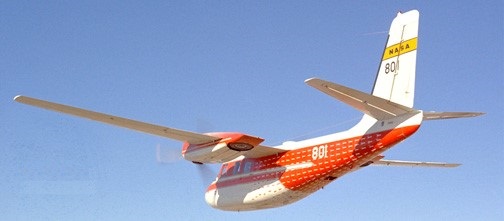
Aero Commander 680F NASA801

The 680F first appeared in 1964.

First flown on 31 December 1964, the first turbo-prop Commander, the 680T, appeared in 1966. The 680T was to all intents and purposes, a turbine-engined edition of the pressurised Grand Commander, the nine seat 680FLP.

The 1967 680V featured picture windows and clamshell gear doors.

The 680W appeared in 1968.

The 1969 680T Turbo II, Hawk Commander ATC (2A4) was priced at $369,500.

680
Engines: 2 x 290hp Lycoming IO-540
Wingspan: 34’3″
Length: 34’10”
Useful load: 2075 lb
Max speed: 260 mph
Cruise speed: 250 mph
Stall: 77 mph
Range: 1400 mi
Ceiling: 22,000′

680-E
Engines: 2 x 320hp Lycoming GSO-480B-A6
Wingspan: 49’6″
Length: 35’1″
Gross wt: 7500 lb
Max speed: 255 mph
Cruise speed: 226 mph
Stall: 85 mph
Range: 1400 mi
Seats: 4-6

680F
Engines: 2 x Lycoming IGSO 540, 380 hp.
TBO: 1,200 hr.

680T
Engine: 2 x 575hp AiResearch TPE-331 (605hp TPE-331-43 in 1965)

680T Turbo II, Hawk Commander
Engines: 2 x 500hp Garret AiResearch TPE-331
Wingspan: 44’0″
Length: 43’0″
Useful load: 3935 lb
Max speed: 290 mph
Cruise speed: 268 mph
Stall: 94 mph
Range: 1490 mi
Ceiling: 25,600′
Seats: 7-9

680V
Engines: 2 x TPE-331-43BL
Gross wt: 9400 lb

681B Turbo Commander
Wingspan: 44’1″
Length: 42’11”
Max speed: 390 mph
Cruise speed: 278 mph
Range: 1315 mi

MR.RPM Turbo 800 / Aero Commander 680F
Engines: 2 x Lycoming IO-720-B1A, 400 hp
Seats: 7
Wing loading: 31.4 lb/sq.ft
Pwr loading: 10 lb/hp
Max TO wt: 8000 lb
Empty wt: 4841 lb
Equipped useful load: 2800 lb
Service ceiling: 31,000 ft
Payload max fuel: 1462 lb
75% cruise: 226 kt
Range max fuel/ 75% cruise: 980 nm/4.3 hr
55% cruise: 200 kt
Range max fuel / 55% cruise: 1130 nm/ 5.7 hr
Vmc: 78 kt
Stall: 67-76 kt
1.3 Vso: 87 kt
ROC: 1390 fpm
SE ROC: 262 fpm @ 100 kt
SE ceiling: 14,800 ft
Fuel cap: 1338 lb
Min field length: 1972 ft

MR.RPM Turbo 800L / Aero Commander 680FL
Engines: 2 x Lycoming IO-720-B1A, 400 hp
Seats: 8-11
Wing loading: 33.3 lb/sq.ft
Pwr loading: 10.6 lb/hp
Max TO wt: 8500 lb
Empty wt: 5541 lb
Equipped useful load: 2600 lb
Service ceiling: 31,000 ft
Payload max fuel: 1262 lb
Vmc: 78 kt
Range max fuel/ 75% cruise: 980 nm/4.3 hr
Stall: 72-75 kt
Range max fuel / 55% cruise: 1130 nm/ 5.7 hr
1.3 Vso: 94 kt
75% cruise: 226 kt
55% cruise: 200 kt
ROC: 1250 fpm
SE ROC: 201 fpm @ 100 kt
SE ceiling: 12,800 ft
Min field length: 2350 ft
Cabin press: 3.2 psi
Fuel cap: 1338 lb

L-26C
1956 civil 680
Engines: 2 x 320hp supercharged Lycoming GSO-480B
Wingspan: 44’0″
Max speed: 255 mph
Cruise: 198 mph
Range: 1500 mi
Ceiling: 22,900′

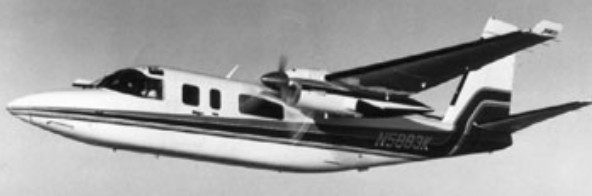
Aero Design & Engineering 500 / 520 / 560 / 580 / Shrike Commander / L-26

Commander 500S

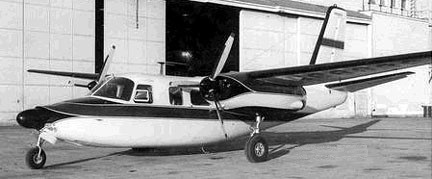
The first of the Commander twins was the 1958 model 500 with 230hp Lycoming O-540 engines. In 1960 the model 500A with Continental IO-470-M engines, redesigned nacelles, structural mods, new landing gear, and higher gross weight, was introduced. Both operated under 6A1.

Aero Design & Engineering 500 / 520 / 560 / Shrike Commander Article

The 500 was developed into the six seat Aero Commander 520 (the 520 indicating the total horsepower), certificated January 30,1952 and selling forty-three in that same year of production. From 1956 USAF and Army version of 520, 560, and 680 were designated L-26. All redesignated U-9 in 1962.

Approximately 150 model 520 were built. The 520 sold for $45,000, $66,000 in 1954. An upgrading of the powerplants followed in 1954, from the 260 hp Lycoming GO-435 engines of the Commander 520 to the 295 hp Lycoming GO-480 engines of the 560 in 1954. Gross weight lifted by 500 lbs to the 6,000 of the Commander 560 vertical tail surfaces were slightly swept. Approximately 150 model 560A were built with swept vertical tail, increased gross weight, and structural mods.

Three civil 520 went to the US Army, 52-6217 to 52-6219, as YL-26, later becoming U-9B.

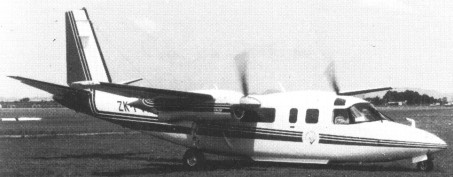
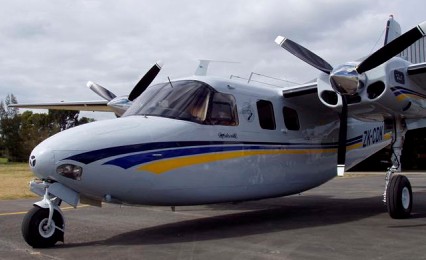
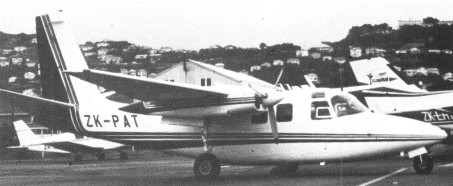
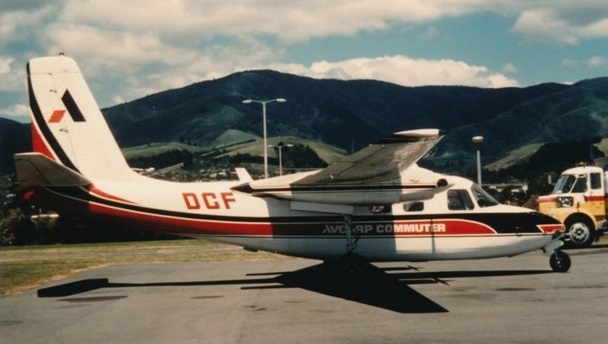
Aero Commander 500A ZK-DCF

The 1960 model 500B, also under 6A1 featured Lycoming IO-540-B1A5 engines and a gross weight of 6750 lb.

Aero Commander 500B N9384R

President Eisenhower took office and refused to use the “Independence”, Harry Truman’s airplane, as his Air Force One. Instead, he ordered a Lockheed Constellation as his primary aircraft. But for short trips into and out of his farm grass strip near Gettysburg, PA, the President needed something to operate from the short and unimproved landing area. Helicopters were not yet reliable enough. Driving took too long and snarled traffic. He told his chief pilot, Col. William Draper, to conduct an evaluation. His mission was to find a plane to go back and forth to the farm, and to make other short trips. The Colonel chose one of the most popular executive transports of the day, the Aero Commander 560A, and the Air Force ordered several for the President’s use. The Air Force designated the planes the L-26. Himself a pilot, Ike often took the controls of the Aero Commander, enjoying the opportunity to fly.

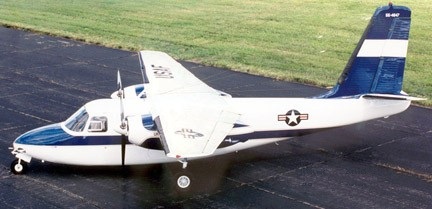
The fourteen U-4B (redesignated from L-26B) plus two L-26C (55-4647 and 55-4648) were the first lightplanes to earn the designation “Air Force One” and painted in the now standard blue-and-white color scheme.

Aero Commander U-4B 55-4647

A fleet of six Commander L-26’s were assigned to the White House and used exclusively by President Eisenhower, Vice President Nixon, Cabinet and government officials, Secret Service, family and White House staff. This aircraft, 55-4638, was one of those original six. Two more were added a year later with turbocharged engines and assigned exclusively for Presidential use. This plane was used daily in the famous Gettysburg Airlift in 1955 and 1956, as well as the Greenbriar Airlift that hauled Ike along with the President of Mexico to North Carolina. Another seven L-26 aircraft were based in the Washington DC area and assigned to military units.

The sole USAF YL-26A 55-3815 of 1955 was a civil 560, later becoming U-4A.

A total of 34 L-26B were produced from 1952. Fourteen went to USAF; 55-4634 to 55-4646, and 57-1791, later becoming U-4B.

Approximately 70 model 560E were built with wingtip extensions and gross weight increase.

95 of the Aero Commander 500 were built.

The Aero Commander 500A and 500B later known as 500U, then Shrike Commander.

Shrike Commander

The 560F was a 1960 model.

The 1968 500S (6A1) incorporated more powerful engines, a redesigned pointed nose, some structural strengthening, pilot’s door and other equipment changes. Engines can be run at full throttle without restriction. All fuel tanks are interconnected, so no tank selection or cross-feeding is required. One-engine flight is managed without any particular fuss.

The 1964 500-U / Shrike Commander / Shrike Esquire (6A1) was the only twin in its class approved for limited aerobatics, as demonstrated by Bob Hoover in tours. Base price was $103,950.

Shrike Commander Pilot Bob Hoover

One distinguishing feature of the Rockwell Shrike is its eyebrow windows for improved cockpit visibility. The Shrike was certified in the utility category partly because the landing gear was designed for use on aircraft nearly twice the Shrike’s gross weight making landings on unimproved airstrips easy. The Shrike Commander 500S production was terminated 1980.

Gallery

500
Engines: 2 x Lycoming O-540-A1A6, later -A2B, 230-hp
Seats: 6
Gross wt: 6,000 lb

500
Engines: 2 x Lycoming, 250-hp
Seats: 5-7
Gross wt: 6,000 lb
Empty wt: 3,850 lb
Fuel capacity: 156 USG
Top speed: 218 mph
Cruise speed: 205 mph
Stall speed: 63 mph
Initial climb rate: 1,400 fpm
Ceiling: 22,500 ft
Range: 1,100 sm
Takeoff distance (50ft’): 1,250 ft
Landing distance (50ft): 1,350 ft

500A
Engines: 2 x Continental IO-470, 260 hp
Seats: 6-7
Gross wt: 6,250 lb
Empty wt: 4,255 lb
Fuel capacity: 156 USG
Top speed: 228 mph
Cruise: 218 mph
Stall: 62 mph
Initial climb rate: 1,400 ft
Ceiling: 22,500 ft
Range: 1,225 sm
Takeoff distance (50ft): 1,210 ft
Landing distance (50): 1,150 ft

Colemill Super 300 / Aero Commander 500A
Engines: 2 x Continental IO-520-E, 300 hp
Seats: 7
Wing loading: 25.6 lb/sq.ft
Pwr loading: 10.9 lb/hp
Max TO wt: 6530 lb
Empty wt: 4200 lb
Equipped useful load: 1971 lb
Payload max fuel: 1035 lb
Range max fuel/ 75% cruise: 1148 nm/4.9 h.
75% cruise: 205 kt
Vmc: 85 kt
Stall: 72 kt
1.3 Vso: 94 kt
ROC: 1800 fpm
SE ROC: 290 fpm @ 101 kt
SE ceiling: 6,700 ft
Min field length: 2200 ft.
Fuel cap: 936 lb.

500B
Engines: 2 x Lycoming IO-540-B1A5, 290 hp.
TBO: 1,200 hr.
Gross weight: 6750 lb

500S
Engines: 2 x Continental, 290 hp.

Shrike Commander
Engines: 2 x Lycoming IO-540-E1B5, 290-hp
Wing span: 49 ft 0.5 in / 14.95 m
Length: 36 ft 9.75 in / 11.22 m
Gross wt: 6,750 lb / 3062 kg
Empty wt: 4,608 lb / 2090 kg
Top speed: 215 mph
Cruise speed 75% 9000ft/2745m: 203 mph / 176 kt / 326 kph
Stall speed: 68 mph
Initial climb rate: 1,340 fpm / 409 m/min
Range at 178 kt / 205 mph / 330 km, 45min res: 798 miles / 698 nm / 1525 km
Service ceiling: 19,400 ft / 5913 m
TO dist (50ft): 1,915 ft
Landing distance (50ft): 2,235 ft
Fuel capacity: 156 USG
Seats: 4-7
Cabin length: 10 ft 7.5 in / 3.24 m
Cabin width: 4 ft 4 in / 1.32 m
Cabin height: 4 ft 5 in / 1.35 m
Cabin capacity: 177 cu.ft / 5.01 cu.m / 500 lb / 227 kg

500U
Engines: 2 x Lycoming O-540-A1A6, later GO-480-C1B6, 290-hp
Wingspan: 49’1″
Length: 36’7″
Gross wt: 6,750 lb
Empty wt: 4,635 lb
Fuel capacity: 156 USG
Top speed: 230 mph
Cruise speed: 215 mph
Stall speed: 68 mph
Ceiling: 19,400 ft
Initial climb rate: 1,340 ft
Range: 1,230 sm
Takeoff distance (50ft): 1,375 ft
Landing distance (50ft): 1,235 ft
Seats: 4-7

520
Engines: 2 x Lycoming GO-435-A, 260 hp
Wingspan: 43’10”
Length: 32’0″
Useful load: 1318 lb
Max speed: 181 mph
Cruise: 165 mph
Stall: 56 mph
Range: 700 mi
Seats: 8

560
Engines: 2 x Lycoming GO-480, 295 hp
Span: 44 ft
Wing area: 242 sq.ft
Length: 34 ft 2.5 in
Height: 14 ft 9 in
MAUW: 6000 lb

560A
Engine: 270 hp Lycoming GO-480-B
Span: 44 ft
Wing area: 242 sq.ft
Length: 34 ft 2.5 in
Height: 14 ft 9 in
Empty weight: 3970 lb
Loaded weight: 6000 lb
Max speed: 209 mph at SL
Cruise: 200 mph at 10,000 ft
ROC: 1400 fpm
Range: 1048 mi
Seats: 5-7

580-E
1957
Engines: 275hp Lycoming GO-480D.

560F
Engines: 2 x Lycoming GSO-540, 340 hp.

YL-26 / U-9B
1952 Civil 520
Engines: 2 x 260hp Lycoming GO-435C

YL-26A
Civil 560

L-26B / U-4B
1952 Civil 560-A
Engines: 2 x 270hp supercharged Lycoming GSO-480
Wingspan: 49 ft
Length: 36 ft 9 in
Height: 14 ft 6 in
Range: 1,078 mi

Shrike Commander
560A