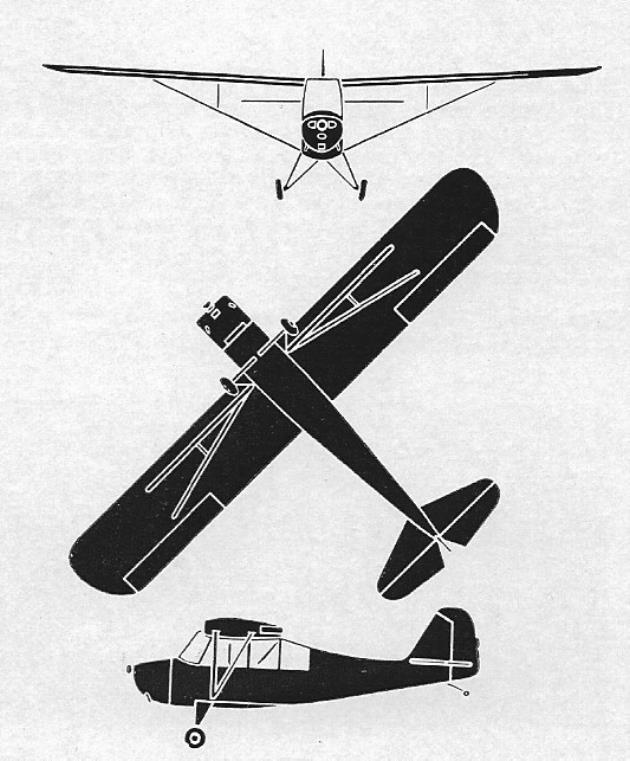
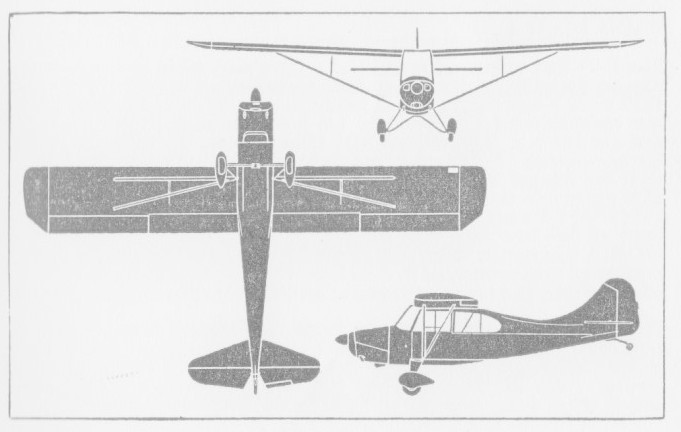
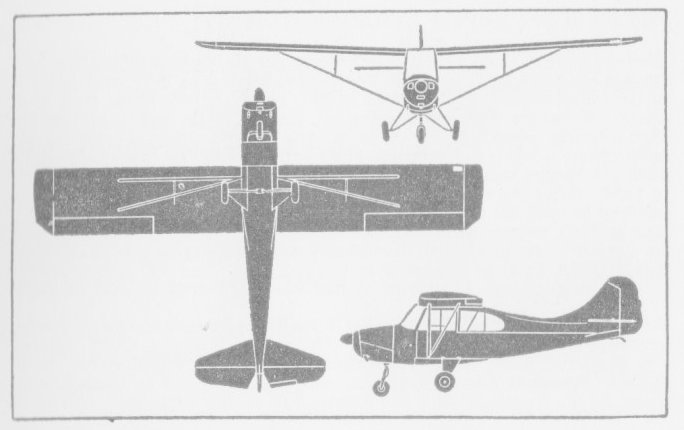
Two undergraduate engineers of the University of Michigan, Corwin Denny and Karl Schakel, with the Aeronautical Products Corporation of Detroit, Michigan, have designed and built a helicopter. Both of the designers left the corporation, but work progressed on the helicopter they initiated. First flown April 1944, during preparations for a trial flight, was damaged, and was rebuilt. The Denny and Schakel helicopter is a single, main-rotor machine with an auxiliary tail rotor for torque correction. The main rotor is 9m in diameter and is powered by a ninety-horsepower engine. The gross weight is reported to be approximately 540kg. It has a fixed tricycle landing gear. Built of welded-steel tubular construction, this helicopter is a single-seater with enclosed cabin. The pilot sits behind the engine, which is mounted in the nose. A long shaft extends under the pilot’s seat and is geared to the vertical shaft of the rotor. It was not put into production.
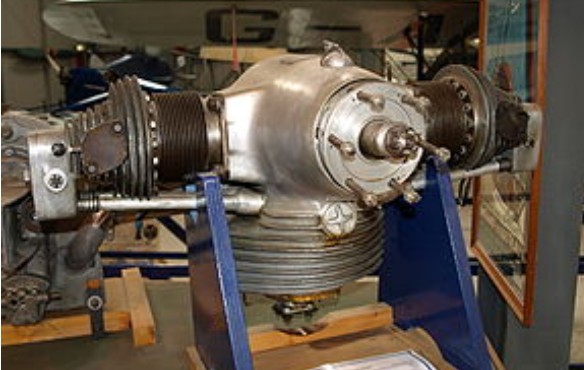
The E-113 was a small flat-twin, air cooled, piston engine developed by Aeronca for use in some of their light aircraft. First run in 1936, it was a development of the E-107.
Originally fitted with a single ignition system, this was uprated to dual ignition when changes in FAA regulations made this mandatory in 1939. By that time, however, both the engine and the aircraft that it powered were facing obsolescence. Altogether, some 1,800 examples were built by Aeronca and JA Prestwich (under licence as the JAP J-99).
Variants
E-113A Standard production model delivering 36-45 hp (26.85 – 33.56 kW) ATC 71
Aeronca-JAP J-99 The E-113-C was license built in England as the Aeronca-JAP J-99 by J A Prestwich Limited (JAP) and powered several British aircraft types, differing from the E-113 by being fitted with dual ignition.
O-113 Engines fitted to impressed aircraft were given the designation O-113.
Applications E-113:
Aeronca C-3 Aeronca K Welch OW-6M
J-99:
Aeronca 100 Aeronca 300 Britten-Norman BN-1 Currie Wot Dart Kitten Hants & Sussex Herald Heath Parasol Hillson Praga Luton Minor Peterborough Ely Slingsby Motor Tutor Taylor J.T.1 Tipsy Junior
Specifications E-113 Type: 2-cylinder air-cooled horizontally opposed aircraft piston engine Bore: 4.25 in (107.95 mm) Stroke: 4 in (101.6 mm) Displacement: 113.49 in³ (1.86 L) Dry weight: 118 lb (54 kg) Power output: 36-40 hp (26.9-29.8 kW) at 2,400-2520 rpm Compression ratio: 5.1:1
The Aeronca E-107 was one of the first low-cost reliable engines of the post-World War I era. A flat-twin aircraft engine designed by Ray Poole and Robert Galloway, the E-107 first ran in 1929.
The E-107A was a production engine designed to replace a Morehouse engine on the first prototype of the Aeronca C-2. The first five were produced without cooling fins on the crankcase. A Winfleld Model 5 carburetor was standard for the engine. The E-107 was replaced by the uprated E-113 engine based on the same design.
The major application for the E-107 was powering the Aeronca C-2. Number built: 115
Variants
E-107 Standard production engine
E-107A The E-107A was produced for Aeronca by the Govro-Nelson Company of Detroit, Michigan.
O-107 Designation given to engines fitted to impressed aircraft
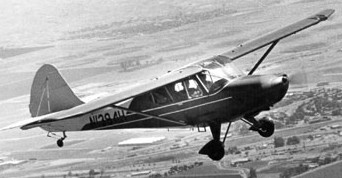
Top of the Aeronca line was the 4-seat 15AC Sedan, (built 1948-1951) a high-wing monoplane powered by a 145 hp Continental. The last civilian airplane to be produced by the Aeronca Manufacturing Corp., the 15AC Sedan (ATC 802), was also Aeronca’s first four-seater airplane. A prototype (NX/NC39800) appeared in 1947, and production began in 1948. The Sedan soon became a familiar sight at civilian fields. It featured an all-metal construction with a metal-skinned single-spar wing and fabric-covered, welded, steel-tube fuselage. Optional Franklin 165 hp engines were fitted into a few 15AC Sedans. Another option put the Aeronca on floats, and that version was called the S15AC.
Aeronca 15AC Sedan
The final production test flight took place on 23 October 1951, piloted by Earl Balon, after 561 had been built.
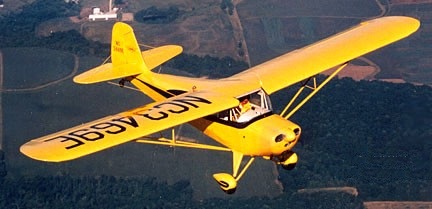
After World War II, the Chief was introduced as the Model II AC, and a float version (11ACS / S11AC). It was a variation of the Model 7 Champion and differed primarily by having increased fuselage width to permit side-by-side seating and a lowered cowling line for better visibility. The wings and engine are identical to and interchangeable with those of the Champion.
The IIAC was powered by a 65 hp Continental. The Model II BC, and a float version (11BCS / S11BC) was also powered by an 85-hp Continental.
Aeronca 11AC NX3469E
A further improvement on the Chief was designated the II CC Super Chief, and a float version (11CCS / S11CC) and was powered by an 85-hp Continental with a higher gross weight, and wider c/g range. It featured new balanced elevator surfaces to meet new trim requirements called for in the Civil Air Regulations. Its cruise speed was 95 mph, and its climb rate was 600 fpm. The 11AC Chief was built from 1947 to 1951.
11CC Super Chief
Aeronca sold the Super Chief Model 11 type certificate to E. J. Trytek of Syracuse, NY. Though Mr Trytek did not manufacture any airplanes, but he did license Hindustan Aircraft of India to build the Chief as the HUL-26 ‘Pushpak’. 154 ‘Pushpaks’ were built from 1958 to 1968.
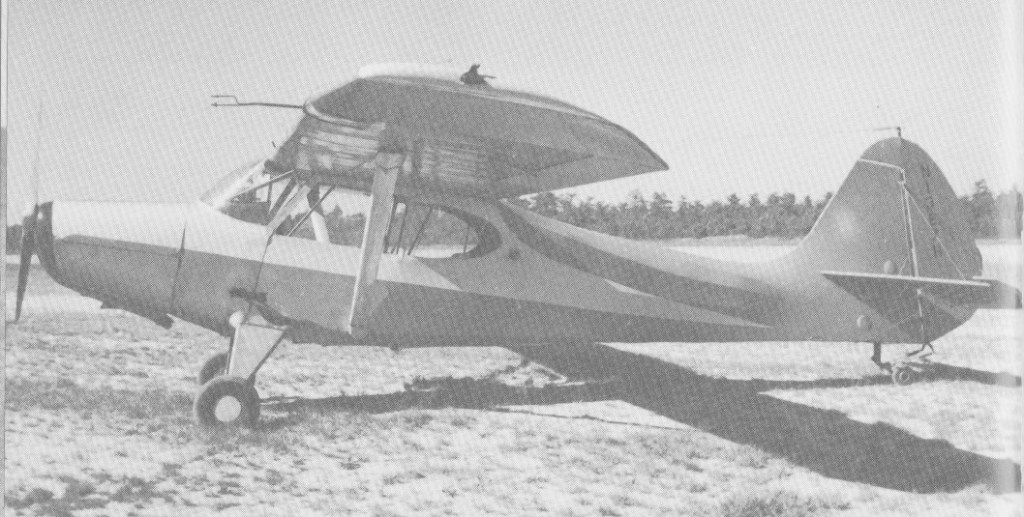
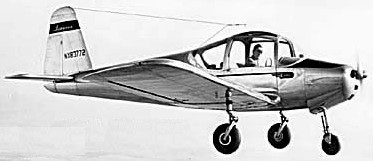
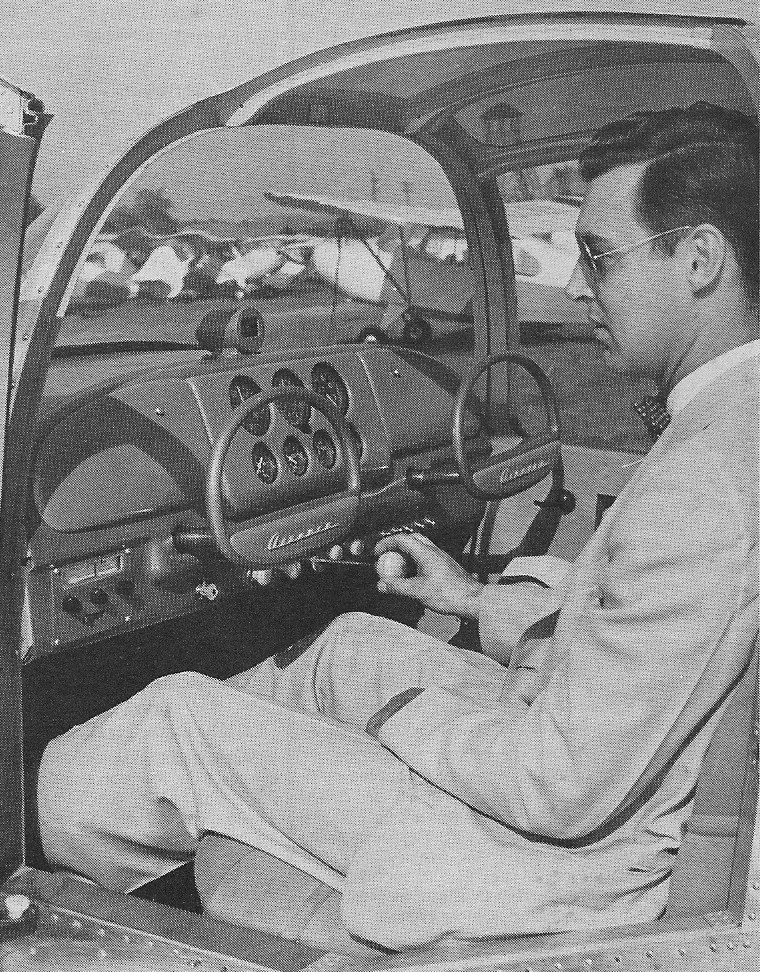
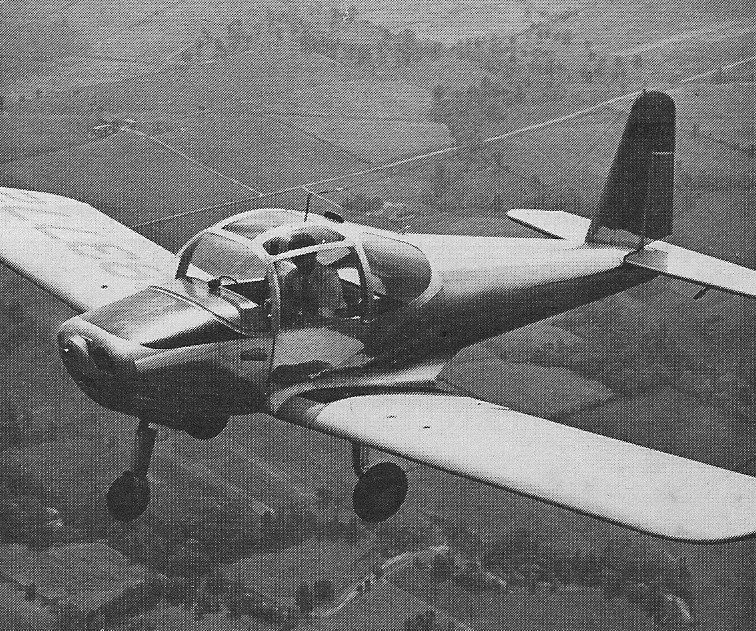
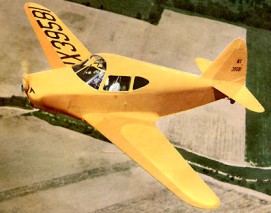
Designed by Edward Burn, the single model 9 Arrow of 1943, NX39581, was destroyed in a test flight after propeller failure.
The aircraft had featured a manual undercarriage retraction.
Engine: Franklin 4AC, 90hp Wingspan: 29 ft 11 in Length: 19 ft 9 in Max speed: 135 mph Cruise speed: 120 mph Stall speed: 50 mph Undercarriage: retractable
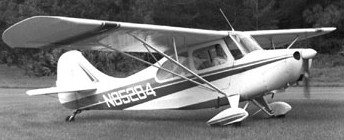
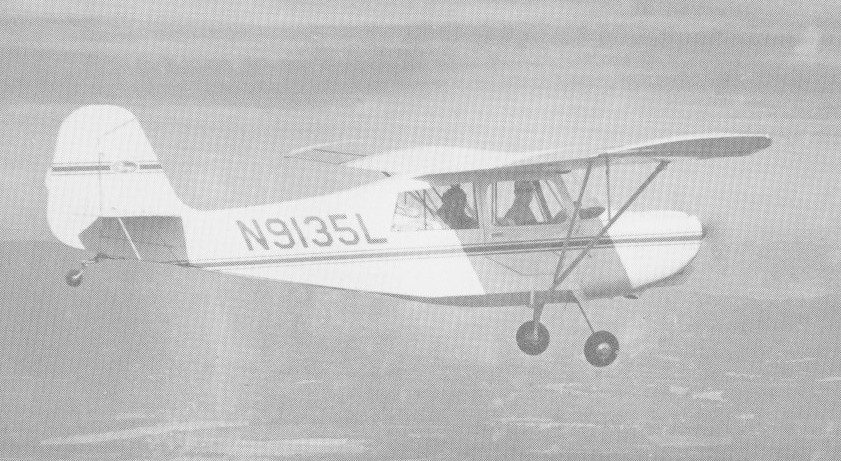
The Aeronea 7AC Champion, predecessor of the Citabria, was a derivative of the prewar Aeronca Tandem Trainer version of the Chief series. The original Champ, which first flew on 29 April 1944 piloted by Lou Wehrung, was powered by a 65-hp Continental engine and designated the 7AC. The basic 7AC Champion (7200 built) two-seater offered direct competition against the J-3 Cub. Most had a 65 hp engine but later models had 85 and 90 hp engines. The company built over 10,000 Champions and over 600 Army liaison derivatives between 1946 and 1951. The design proved to be popular, and Aeronca increased the plane’s power rating to 85 hp before the Champion Aircraft Corp. acquired the tooling and rights to the design in 1951. Variations included the Chief (1947) and Super Chief (1948).
Aeronca 7AC N85004
The 1944 7AC and 7ACS Champion (ATC 759) were designed by Raymond F Hermes. First flown on 29 April 1944, piloted by Lou Wehrung, 7,200 were built, those for the USAAF as L-16.
7ACS, or S7AC, was the floatplane version. The 7AC first sold for $2,095, $2,395 in 1947 with 65 hp Continental engine.
The design was revived in 1954 as Champion Citabria, later Bellanca Citabria.
The 7BCM Champion of 1947 featured “No-bounce” gear, a reinforced fuselage and other refinements. 509 were built, all of which went to USAAF as the L-16A; prototype (NX3124E). The 7CCM Champion of 1948 (ATC 759) featured the larger 90hp Continental C-90-8F (O-205-1), a larger dorsal fin, and wing tanks. 125 were built, plus 100 for the USAAF as L-16B. The 1948 7DC, 7DCM, 7DCS Champion (ATC 759, 168 built) had the dorsal fin and larger tail. 7DCM was the Farm Wagon (with wood-lined cargo bin); the 7DCS / S7DC was the float version with a ventral fin. They were priced $2,510-2,665.
Aeronca 7CCM
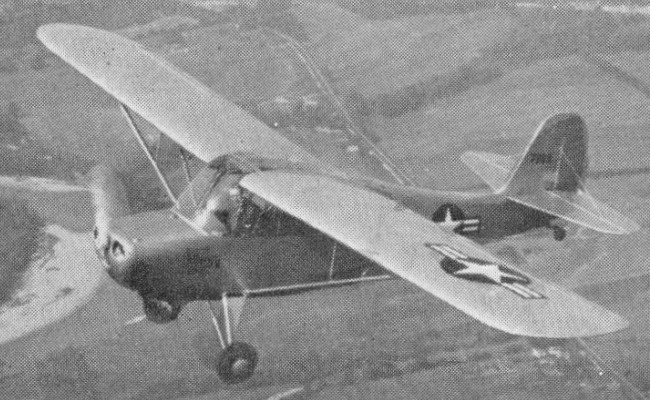
The military version first ordered by the U.S. Army was the L-16A with 85 hp Continental C85-12 engine. 509 were delivered; 47-788 to 47-1296, of which 376 were initially slated for National Guard units, and were been followed by 100 L-16B’s, 48-424 to 48-523, with 90h.p. Continental C-90-12F engines and dorsal fin. All are two-seaters for observation and liaison.
Aeronca L-16A
The 7EC, 7ECS Champion (ATC 759) of 1949 was the first Aeronca to offer a starter and generator. The 7ECS (or S7EC) was float version. Priced at $2,695 this became the Champion 7EC in 1955.This design appeared liberally modified in the 1958 Hindustan Aeronautics HAL-26 Pushpak 90hp trainer.
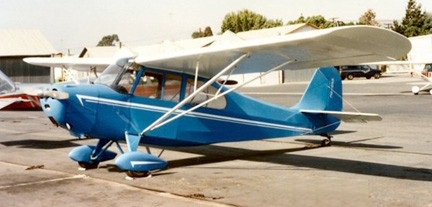
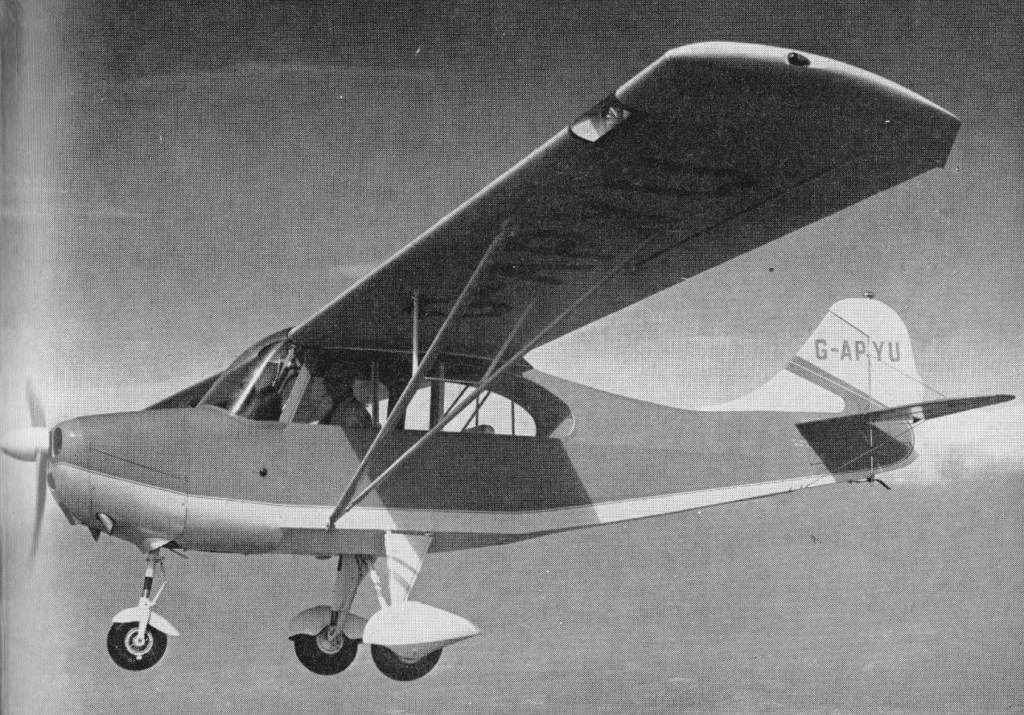
The Champion Tri Traveller two seat touring aircraft was developed from the Aeronca Model 7 Champion in 1955. In production were the 90 hp Model 7EC Traveller with a tailwheel undercarriage and the 7FC Tri Traveller with a nosewheel undercarriage. In 1959 the company delivered 274 aircraft. All up weight of the Tri Traveller is 1,500 lb, and it cruises at 108 mph over a range of 560 miles. One 7FC Champion protoype was built in 1949.
First Tri-Traveler on the British register
A three-seat version of the Tri-Traveller with a 140 hp Lycoming O-290-D2B engine was designated 7GC Sky-Trac.
Production began in February 1957 and continued with minor refinements until 1964 when production tapered off in favor of the 7ECA, a further improved version of the original airframe. The tri gear 7FC followed the 7EC, both followed by the aerobatic Citabria which continued in production in 1988.
The Champion Aircraft Corp was formed in 1954 to manufacture the former Aeronca 7EC Champion which was produced by Aeronca until 1950. The first Champion-built 7EC Traveller was completed in February 1955, and the 7GCB, is basically similar but has an increased wingspan, more powerful engine and high-lift flaps. A three-seat version, the 7GC Sky-Trac (140 hp Lycoming O-290-D2B), was ntroduced in 1958.
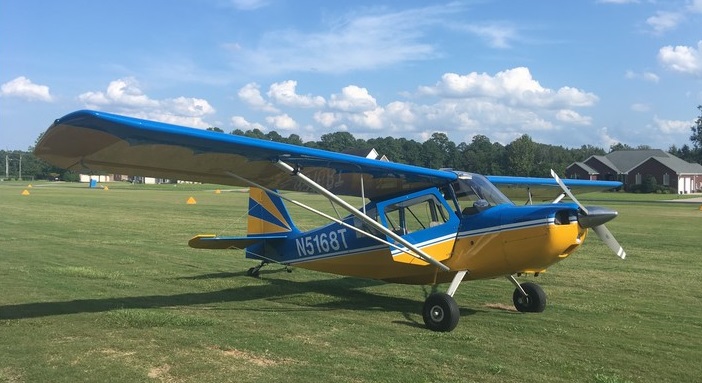
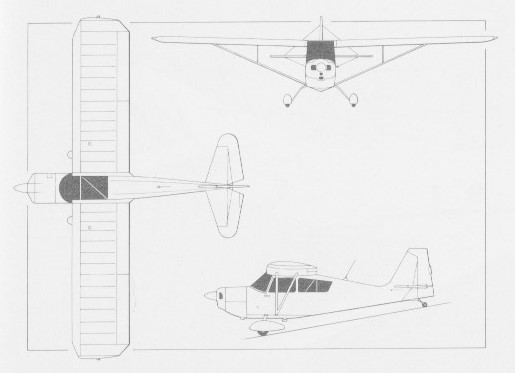
The Citabria versions of the post-war Aeronca 7AC Champion were introduced in 1964 by Champion Aircraft. From the manufacturing line at Bellanca’s Osceola, Wisconsin plant. The Champion Model 8KCAB Decathlon is a close cousin to the Bellanca Citabria, the principle difference being its symmetrical NACA 1412 wing section, 2.5 foot shorter span, reinforced front spar, stronger, more closely spaced ribs and constant speed prop. Both planes come with 150 hp Lycoming IO 320 engines capable of prolonged inverted flight. The Citabria is approved for + 5 Gs and 2 Gs.
Champion Aircraft Corp 7GCBC
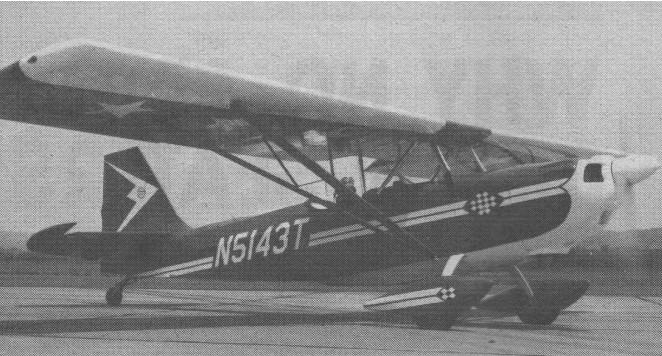
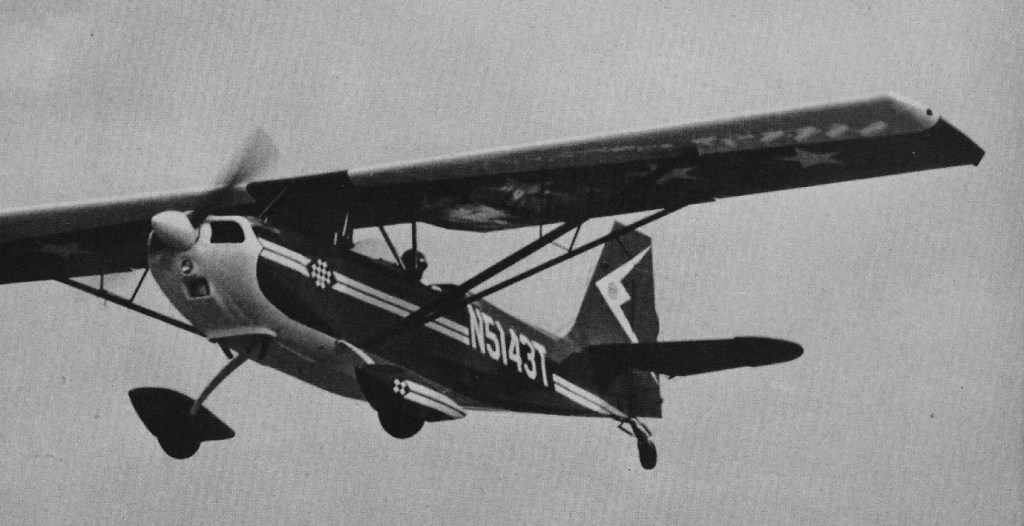
In 1968 Champion Aircraft Corp. came out with a 200-hp single-seat open cockpit version of its popular Citabria aerobatic two-seater for the pilot who wanted better aerobatic capability, but found no customers.
In 1970 production was taken over by Bellanca Aircraft.
Bellanca 7ACA
When ACA acquired the type certificate and restarted production in 1994 of the 7ECA, 7GCAA, and 7GCBC (using the Aurora, Adventure and Explorer names) they used a new metal spar wing with a 100 pound gross weight increase to 1750 pounds for the 7ECA and 7GCAA and a 150 pound increase to 1800 pounds for the slightly longer spanned and flap equipped 7GCBC.
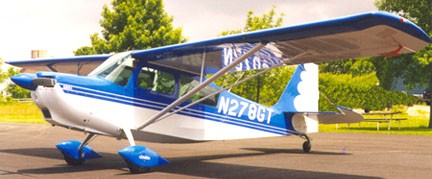
ACA 7ECA N278GT
The 1994 7GCBC Citabria Explorer sold for $69,900 base (1998), $78,900 base (2000). Thirty-eight were sold by the end of 1997.
The 1995 7ECA Citabria Aurora (ATC 759) with electrical system sold for $59,900 base (1998), $66,950 base (2000). Eleven were sold by the end of 1997.
The 1997 7GCAA Citabria Adventure sold for $66,900 base (1998), $75,900 base (2000). Three were sold by the end of 1997.
1967 7KCAB with new ACA metal spar wings courtesy Larry in NC
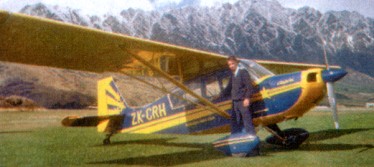
The Citabria Pro, designated Model 8KCAB, was specifically designed for advanced sportsman aerobatic competition. The Pro utilises the bottom truss structure and tail of the akro Citabria, but from there on is new. The wing is built up with a wood spar, aluminium ribs, and fibreglass tips, all fabric covered. The Airfoil is NACA 1412. There is a 20 USG tank located in each side, plus a header tank in the fuselage. The fuselage employs a tubular structure with an aluminium top forward section, the entire body is also Ceconite covered, then painted with Durepox. Nose is of fibreglass. The Citabria Pro is classed as an unlimited aerobatic aircraft with G limits of +6 and -5.
Citabria Pro Model 8KCAB
Many older Citabrias have been updated with the new metal spar wings and have received the same gross weight increase.
7AC Engine: Continental A65-8, 65 hp Wing span: 37 ft 6 in/ 11.43 m Length: 25 ft 3 in / 7.7 m Height: 7 ft / 2.13 m Empty weight: 1150 lb / 522 kg Gross weight: 2050 lb / 930 kg Max speed: 129 mph / 208 kph Max range: 450 mi / 724 km Service ceiling: 12,400 ft / 3780 m
Bellanca 7ACA Champ Engine: Franklin 2A-120-B, 60 hp Wingspan: 35 ft 1.5 in / 10.71 m Length: 21 ft 9.5 in / 6.64 m Empty weight: 750 lb / 340 kg MTOW: 1220 lb / 553 kg Cruise 75% pwr: 72 kt / 83 mph / 133 kph Max ROC SL: 400 fpm / 122 m/min Range max fuel: 260 nm / 300 mi / 483 km Seating: 2 tandem Baggage: 40 lb / 18 kg
7ACS / S7AC Champion 1944 (ATC 759) floatplane version Engine: Continental C-65-8, 65hp Wing span: 35 ft 2 in Length: 21 ft 6 in Payload: 510 lb Max speed: 95 mph Cruise speed: 85 mph Stall speed: 38 mph
L-16A Engine: Continental O-190-1, 85hp Span: 35 ft. 2 in Weight; 1,450 lb. Speed: 110 m.p.h. Number built: 509 [47-788/1296], of which 376 were initially slated for National Guard units.
Champion 7FC Tri-Traveller Engine: 95 hp Continental C90-12F Wingspan: 33 ft 5 in Length: 21 ft 8 in Height: 8 ft 8 in Wing area: 165 sq.ft Empty weight: 968 lb Max loaded weight: 1450 lb Max speed: 135 mph Cruise: 75%: 108 mph ROC: 900 fpm Range econ cruise: 500 mi Service ceiling: 12,000 ft
Champion 7GCB Challenger Engine: 150 hp Lycoming O-320-A2B Wingspan:34 ft 5.5 in Length: 22 ft 1 in Height: 6 ft 10.5 in Wing area: 170.22 sq.ft Empty weight: 1050 lb Normal loaded weight: 1650 lb MTOW: 2325 lb Max speed: 125 mph Cruise 75%: 115 mph at 8000 ft ROC: 1145 fpm Service ceiling: 17,500 ft Max range: 630 mi
1994 ACA 7GCBC Citabria Explorer Engine: 160hp O320-B2B Length: 22’2″ Useful load: 550 lb Max speed: 132 mph Cruise: 128 mph Stall: 46 mph Range: 385 mi Ceiling: 15,500′
7FC Champion 1949 Engine: Continental C-90-12F, 90hp Tricycle gear version of 7EC: 1 prototype.
Champion 7GCAA Engine: Lycoming O-320-A2B, 150 hp Wingspan: 33 ft 5 in / 10.19 m Length: 22 ft 8 in / 6.91 m Empty weight: 1037 lb / 470 kg MTOW: 1650 lb / 748 kg Max cruise75% 8000 ft /2440m: 109 kt / 125 mph / 201 kph Max ROC SL: 1120 fpm / 341 m/min Service ceiling: 17,000 ft / 5180 m Range max cruise 39 USG fuel: 465 nm / 537 mi /865 km Seats: 2 tandem Baggage capacity: 110 lb /45 kg
7GCAA Adventurer Engine: 1 x Lycoming O-320-A2D, 150 hp. Seats: 2. Wing loading: 10 lb/sq.ft. Pwr loading: 11 lb/hp. Gross wt: 1650 lb. Empty wt: 1120 lb. Equipped useful load: 500 lb. Payload max fuel: 290 lb. Range max fuel/75% pwr: 381nm/3.4hr. Range max fuel / 55% pwr: 494 nm/ 4.8 hr. Service ceiling: 17,000 ft. 75% cruise: 112 kt. 55% cruise: 104 kt. Stall, clean: 36 kt. 1.3 Vso: 57 kt. ROC: 1120 fpm. Min field length: 755 ft. Fuel cap: 210 lb.
1997 7GCAA American Champion Adventure Engine: Lycoming O-320-B2B, 160 @ 2700 @ SL TBO hours: 2000 Fuel type: 100LL Propeller: Sensenich Fixed Max ramp weight (lbs.): 1650 Max landing weight (lbs.): 1650 Gross weight (lbs.): 1650 Empty weight, std. (lbs.): 1170 Useful load, std. (lbs.): 480 Payload, full std. fuel (lbs.): 270 Usable fuel, std. (USgals.): 35 Oil capacity (qts.): 8 Wingspan: 33 ft. 5 in. Overall length: 22 ft. 1 in. Height: 6 ft. 10 in. Wing area (sq. ft.): 165 Wing loading (lbs/sq. ft.): 10 Power loading (lbs/hp.): 10.3 Wheel track (in.): 78 Wheel size (in.): 6.00 x 6 Seating capacity: 2 Cabin doors: 1 Cabin width (in.): 29 Cabin height (in.): 48 Baggage capacity (lbs.):100 Max level speed (knots): 120 Cruise speed (kts) 75% power: 115 Cruise speed (kts) 65% power 111 Cruise speed (kts) 55% power 102 Max range (with reserve) (nm) 75% power: 414 Max range (with reserve) (nm) 65% power: 445 Max range (with reserve) (nm) 55% power: 530 Fuel consumption (USgph) 75% power: 8.5 Fuel consumption (USgph) 65% power: 7.6 Fuel consumption (USgph) 55% power: 6.1 Stall speed (kts.): 47.5 Best rate of climb (fpm): 1270 Service ceiling (ft.): 17,000 Takeoff ground roll (ft.): 360 Landing ground roll (ft.): 400
7GCB Challenger
7GCBA Agricultural
7GCBC Citabria Engine: 1 x Lycoming O-320-A2D, 150 hp. Seats: 2. Wing loading: 9.7 lb/sq.ft. Pwr loading: 11 lb/hp. Gross wt: 1650 lb. Empty wt: 1150 lb. Equipped useful load: 470 lb. Payload max fuel: 260 lb. Range max fuel/75% pwr: 378nm/3.4hr. Range max fuel / 55% pwr: 489 nm/ 4.8 hr. Service ceiling: 17,000 ft. 75% cruise: 111 kt. 55% cruise: 103 kt. Stall: 30-35 kt. 1.3 Vso: 39 kt. ROC: 1145 fpm. Min field length: 567 ft. Fuel cap: 210 lb.
7HC DX
Bellanca Citabria 7KCAB Engine: 1 x Lycoming IO-320-E2B, 150 hp. Seats: 2. Wing loading: 10 lb/sq.ft. Pwr loading: 11 lb/hp. Gross wt: 1650 lb. Empty wt: 1140 lb. Equipped useful load: 480 lb. Payload max fuel: 270 lb. Range max fuel/75% pwr: 381 nm/3.4 hr. Range max fuel / 55% pwr: 494 nm/ 4.8 hr. Service ceiling: 17,000 ft. 75% cruise: 112 kt. 55% cruise: 104 kt. Stall: 36 kt. 1.3 Vso: 47 kt. ROC: 1120 fpm. Min field length: 755 ft. Fuel cap: 210 lb. Undercarriage: fixed tailwheel.
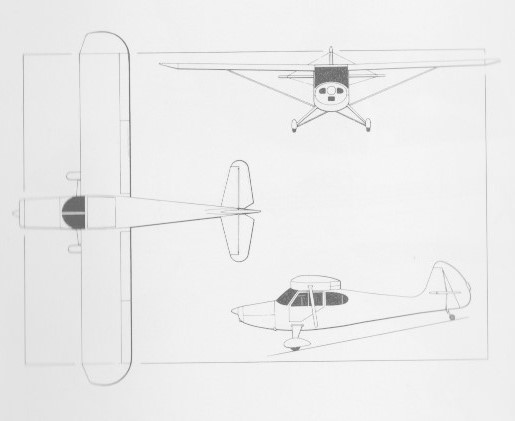
The 1942 model 6 was planned as a metal-framed replacement for the KCA Chief. Development cut off by the war and it was reportedly cut up for scrap. Only one was built (NX34484).
Engine: Continental C-75, 75hp Wing span: 35 ft 0 in Length: 22 ft 8 in