Three-engined transport biplane, the wings of which were cantilevered outboard of struts near fuselage.
Engines – Power
AVIS III / AVIS IV

Developed in parallel with the AVIS II and entering flight test shortly afterwards in 1935, the AVIS III was powered by a 550hp Manfred Weiss-built Gnome- Rhone 9Krsd Mistral nine-cylinder radial engine driving a three-bladed adjustable-pitch Hamilton Standard propeller. Unlike the preceding AVIS fighters which were of all-metal construction, the AVIS III had wooden wings with a combination of plywood and fabric skinning, and four prototypes were laid down. The AVIS III demonstrated improved characteristics, but lacking the agility of the Fiat CR.32, which was meanwhile evaluated by the Legilyi Hivatal and adopted for service, it was not ordered into production. The armament of the AVIS III was two 7.62mm Gebauer machine guns, and one of the four prototypes was completed with minor modifications as the AVIS IV.
AVIS III
Engine: 1 x 700hp Weiss/Gnome Rhone 9Krsd
Wingspan: 9.50 m / 31 ft 2 in
Length: 7.80 m / 26 ft 7 in
Height: 3.20 m / 11 ft 6 in
Wing area: 20.20 sq.m / 217.43 sq ft
Max take-off weight: 1380 kg / 3042 lb
Empty weight: 1210 kg / 2668 lb
Max. speed: 310 km/h / 193 mph
Cruise speed: 256 km/h / 159 mph
Ceiling: 6500 m / 21350 ft
Range: 400 km / 249 miles
Crew: 1
Armament: 2 x 7.62mm mm

AVIS II
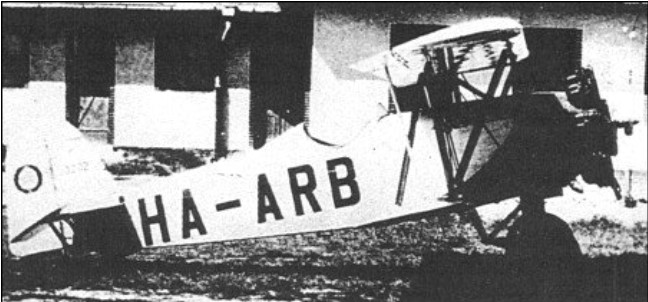
The poor results achieved with the AVIS I fighter prompted Prof Abody-Anderlik and his team to redesign the aircraft despite the decision of the Legilyi Hivatal to acquire 21 Fiat CR.20bis fighters from Italy. While retaining the Jupiter VI engine, the redesigned fighter, the AVIS II, featured a slimmer, slab-sided fuselage, redesigned vertical tail surfaces, narrower interplane bracing struts and increased gap. Empty weight was reduced by 100kg and, after initial trials, the engine was enclosed by a Townend ring. The AVIS II commenced flight test early in 1935, but still proved overweight and lacking in the agility demonstrated by contemporary foreign fighters. The planned armament of twin 7.62mm Gebauer guns was never fitted. Development was abandoned in favour of the higher-powered AVIS III.
Engine: 1 x 420hp Weiss Jupiter VI
Wingspan: 9.00 m / 30 ft 6 in
Length: 7.80 m / 26 ft 7 in
Height: 2.90 m / 10 ft 6 in
Wing area: 21.20 sq.m / 228.19 sq ft
Take-off weight: 1320 kg / 2910 lb
Empty weight: 1110 kg / 2447 lb
Max. speed: 300 km/h / 186 mph
Range: 500 km / 311 miles
AVIS I

During the course of 1931, the Central Repair Workshops at Szekesfehervar-Sosto began construction of the AVIS (Anderlik-Varga-Iskola-Sport) aircraft, ostensibly a single-seat trainer and sports aircraft, but, in fact, a fighter intended for use by the Legtiyi Hivatal (Aviation Department), the clandestine Hungarian air arm. An all-metal, single-bay, staggered biplane designed by Prof Elöd Abody-Anderlik, Laszlo Varga, Istvan Liszt and Deszo Fridrik, the first aircraft, the AVIS I, was completed and flown in 1933. Powered by a 420hp Manfred Weiss-built Jupiter VI nine-cylinder radial, intended armament being twin synchronised 7.62mm Gebauer machine guns, the AVIS I proved seriously underpowered, prompting major redesign as the AVIS II. The sole example of the AVIS I was eventually delivered to the flying school at Szombathely where it was to serve until 1936.
AVIS I
Crew: 1
Engine: 1 x 420hp Weiss Jupiter VI
Wingspan: 9.00 m / 30 ft 6 in
Length: 7.50 m / 25 ft 7 in
Height: 3.40 m / 11 ft 2 in
Wing area: 21.20 sq.m / 228.19 sq ft
Max take-off weight: 1480 kg / 3263 lb
Empty weight: 1260 kg / 2778 lb
Max. speed: 280 km/h / 174 mph
Cruise speed: 233 km/h / 145 mph
Ceiling: 5200 m / 17050 ft
Range: 320 km / 199 miles
Armament: 2 x 7.62mm mg
AviPro Aircraft / R&B Aircraft Co / Bearhawk Aircraft Bearhawk / Bearhawk Companion
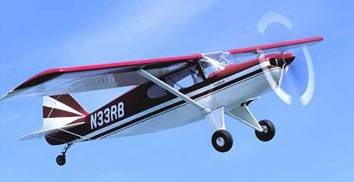
Designed by Robert Barrows of Fincastle, Virginia, the Bearhawk is a 2 or 4-place design. The design parameter were for a heavy hauling BIG airplane with a good cruise speed and economical operation. Short field performance is excellent with the large flaps. The Bearhawk prototype Bearhawk N6890R is powered by a Lycoming 0-360 (170 hp) set up to burn auto fuel.
The Bearhawk was designed as a personal project by Barrows to carry aircraft engines for delivery as freight for his engine rebuilding business in 1995. It features a strut-braced high-wing with an enclosed cabin accessed by doors, fixed conventional landing gear and a single engine in tractor configuration.
The aircraft fuselage is made from welded steel tubing covered in doped aircraft fabric, while the wings are made from aluminum sheet. Its 33 ft (10.1 m) span wing employs a NACA 4412 mod airfoil, has an area of 180 sq ft (17 m2) and mounts flaps. The aircraft’s recommended engine power range is 150 to 260 hp (112 to 194 kW) and standard engines used include the 180 hp (134 kW) Lycoming O-360 and 250 hp (186 kW) Lycoming O-540 four-stroke powerplants. Construction time from the supplied kit is 1200 hours.
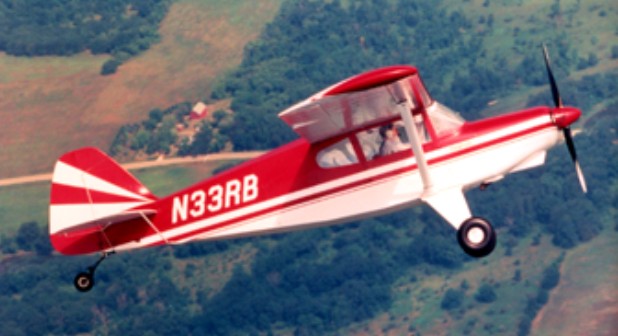
With a 52 inch cargo door, the Bearhawk has a 12 inch C of G envelope. The painted 4130 tube fuselage is ready for covering, giving an actual builders’ time of 850-1200 hours. The all metal wings are 90% factory riveted, with solid rivets. Useful load ranges from 1,000-1,300 pounds and can carry four adults and full fuel. The back seat can be removed resulting in a huge cargo area with unobstructed access. Not only does the back seat have its own door, but also the door combines with the cargo door to allow a six-foot loading area.
The Bearhawk has an all metal wing with a fabric covered steel tube fuselage and tail feathers. The modified 4412 airfoil combined with big flaps and a long, all metal wing offer the best combination for short field take off and landings. A Cessna windshield, modified lift struts, and the fiberglass nose bowl are some airframe components that need not be built by the homebuilder. The builder time is estimated at 1500-2000 hrs. The Bearhawk kit plane is available in a “quick build” kit. Some Bearhawk owners have put the big tundra tires on their airplanes, and operate on the remote landing spots used by bush pilots in Alaska.
The Bearhawk useful load (depending on engine and builder finish out) ranges from 1100-1500 lbs. The 50 USgallon main fuel tanks can be filled and four full sized adults carried with room left over for 250 lbs of baggage or cargo.
The back seat can be removed resulting in a huge cargo area with unobstructed access. Not only does the back seat have its own door, but the back door combines with the cargo door to allow a six foot loading area. In addition, the back seat can be flipped around and mounted with the seat facing aft. This moves the CG of the rear seat passengers 8 or 9 inches forward.
The two prototype Bearhawks (180 hp & 260 hp) have accumulated well over 1000 hours of flight time. There are at least two Bearhawks built by builders with over 700 hours on them.
Introduced in 1995, plans were offered for sale and over 1400 sets of plans have been sold. By November 2012 66 examples had been registered in the United States with the Federal Aviation Administration and seven with Transport Canada. There are over 100 Bearhawks flying in the USA and around the world. The kit only price in 2011 was US$35,295.
The plans are now included at no additional cost with the purchase of a full Quick Build kit for the Bearhawk or Patrol.
If less than a full QB kit is purchased, then the plans must be bought from R & B Aircraft (Bob Barrows).
The Bearhawk can be built from plans alone, built from a Quick Build kit made by Bearhawk Aircraft, or some combination of the above. According to Bob Barrows, the QB kit can save up to 70% or more of the time required to build.
The price in 2014 was $295 US for the four place Bearhawk plans. Get a description of the plans or purchase plans online at http://mybearhawk.com/bearhawkplans.html
If less than a full Quick Build kit is purchased, then the plans must be bought from R & B Aircraft (Bob Barrows). The plans are now included at no additional cost with the purchase of a full Quick Build kit for the Bearhawk or Patrol.
The Patrol version can be built from plans alone, built from a Quick Build kit made by Bearhawk Aircraft, or some combination of the above. According to Bob Barrows, the QB kit can save up to 70% or more of the time required to build.
The price is $280 US for the Patrol plans, and can be paid with a money order, US personal check, Canadian Postal Money Order (US $), or international money order (US $).
Get a description of the Patrol version plans or purchase plans online at http://mybearhawk.com/patrolplans.html
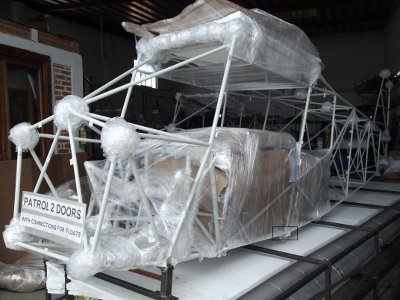
Float plane flying customers suggested putting doors on both sides of the Patrol instead of just the right hand side door to allow more flexibility while docking in windy conditions,. In addition, they requested the fuselages come from the factory with the rear float attach fittings already welded in place. With these suggestions became the Patrol SP (Sea Plane). This model incorporates those two approved design changes; along with some structural strengthening by using thicker wall tubing above the rear float attach fittings. The price of this full Patrol SP Quick Build kit was US$39,700 in 2014.
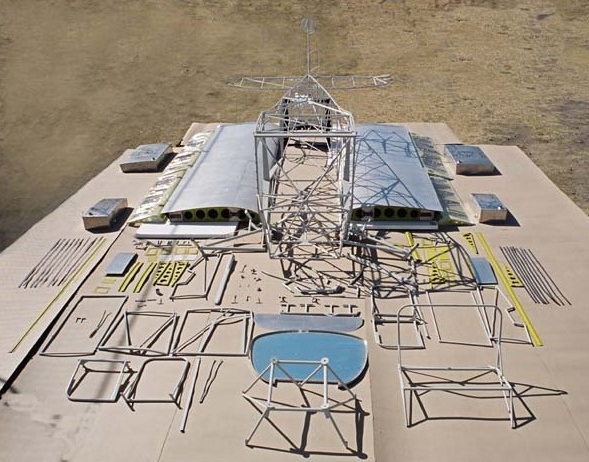
Prices and contents of the Full Bearhawk kits and components (2014):
Full Bearhawk Quick Build fuselage – $23,025
Includes everything that comes with the Bearhawk Quick Build Kit
BASIC FUSELAGE $11,600
The basic fuselage structure complete, but with only the most important attach fittings finish welded on. These are:
Wing attach fittings
Wing Strut Fittings
landing gear attach fittings
wing strut attach fittings
and the tail surfaces attach fittings.
A straight, true fuselage finish welded. Unpainted because there are many parts that still need to be welded on.
Bearhawk Quick Build Wings – $18,475
Includes everything that comes with the Bearhawk Quick Build Kit
WING COMPONENT KIT $7,250
Ribs formed (includes all wing, flap, aileron ribs)
All spars primed, assembled and finished
Patrol kit pricing (2014)
Basic QB Kit – $30,825
(Some welding required)
Includes: Quick-build Wing Kit – Basic Fuselage Kit
Deluxe QB Kit – $39,105
(No welding required)
Includes: Quick-build Wing Kit – Deluxe Fuselage Kit
Quick-Build Wing Kit – $17,305 These wings are sold in an advanced level of completion. The top skin is completely finish riveted. The forward edge of the bottom skin is finish riveted to the bottom flange of the main spar, and aft of the main spar the bottom skin is drilled and dimpled as are the ribs the bottom skin is riveted to. The bottom skin is pop riveted (with a few pops) for shipment. Spars and all spar parts are alumi-prepped, alodined, and primered with MIL-P-23377E strontium chromate epoxy primer. Wing skin interiors and all ribs are primered with Zinc Chromate. Steel parts in the wings are primered with epoxy primer and top coated with MIL-C-22750D epoxy paint. Quick Build wings come with ailerons and flaps 90% finished, but still requiring fabric covering. Fuel tanks are included,but must be installed.
Basic Fuselage – $15,500 Welding required. Includes finish welded fuselage frame (unpainted) and motor mount, all major fittings are welded in place, tabs, sheet metal and minor fitting to be done by builder, landing gear, control stick assembly, rudder pedals and flap controls are finished. Horizontal stabilizer, elevator and rudder are finish welded.
Deluxe Fuselage – $21,800 No welding required by builder. The fuselage and all fittings are completed, sand-blasted and epoxy primed. All steel parts are coated with the epoxy primer and top coated with MIL-C-22750D epoxy paint. Sheet metal is included; cut and ready to be assembled, but may require some trimming. Door and frames, seat frames and the fiberglass nose bowl are included.
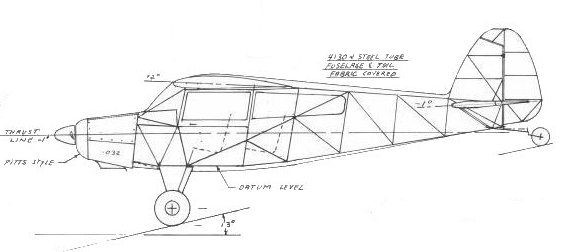
Builders of the Bearhawk can purchase the plans and can purchase some sub-kits or components.
The two-place side-by-side Bearhawk Companion aircraft is derived from the tandem Bearhawk Patrol wings and four-place Bearhawk 5 fuselage. The aircraft features flush rivet aluminium wings, a steel tube fuselage, and an Airfoil shaped empennage. The fuselage is slightly shorter than the Model 5.
The first flight of the Bearhawk Companion was announced in early 2021.The first flight was performed by the aircraft builder, Dave Lenart of Vermont, USA. It was built from a manufactured kit.
The Companion handles and performs much like the narrower Patrol.
Variants:
Bearhawk
Four seat model with a cabin 42.5 in (108 cm) wide and a gross weight of 2,700 lb (1,225 kg), with 75 reportedly completed and flown by December 2011.
Patrol
Two-seats in tandem model with a cabin 32 in (81 cm) wide and a gross weight of 2,000 lb (907 kg), with three reportedly completed and flown by December 2011.
Specifications:
Engine HP range 150-260 hp
Wing span 33 ft.
Wing Area 180 sq. ft.
Length 23 ft 6 in
Empty Weight 1150-1350 pounds
Gross weight 2500 pounds (2700 pounds on floats)
Useful Load 1350-1150 pounds
Fuel Capacity 50 USG (standard) 68 USG (optional, w/aux tanks)
Vne 175 mph IAS
Cruise Speed (62% 260 hp) 150 mph TAS
Cruise Speed (180 hp) 135-140 mph TAS
Landing Speed 40 mph IAS
Takeoff Roll 200-500 ft
Rate of Climb @ gross 1,500-1,700 fpm
Range @ 65% est. 650 mi.
Range @ 50% est. 900 mi.
Cabin Width 42 in.
Cabin Length 9 ft 8 in. (firewall to back of back of baggage area)
Engine: Lycoming O-360, 170 hp
HP range: 150-260
Wing Span: 33 ft.
Wing Area: 180 ft.
Length: 23 ft. 6 in.
Height: 7 ft
Empty Weight: 1190 lbs.
Gross Weight: 2500 lbs.
Fuel cap: 55 USG
Top Speed (VNE): 175 mph
Cruise Speed: 120-150 mph
Landing Speed: 40 mph
Take Off Roll: 250-600 ft.
Range (55 gal @ 60%): 800 miles
Stall: 40 mph
ROC: 1500 fpm
Range: 800 sm
Service ceiling: 15,000 ft
Cabin Width: 42 in.
Cabin Length (Firewall to the end of baggage area): 9 ft. 8 in
Cockpit width: 30 in
Landing gear: tail wheel
Seats: 4
Engine: 180 hp.
Hp range: 150-260
Useful load: 1300 lb
Cruise 60% pwr: 134 mph
Cruise 75% pwr: 145 mph
Stall: 40 mph
Bearhawk
180hp
Wing span: 33 ft
Wing Area: 180 sq. ft
Length: 23 ft. 6 in
Empty Weight: 1150-1550 lb
Gross weight: 2500 lb
Gross weight w/floats: 2700 lb
Useful load: 1100 lb
Vne: 175 mph, IAS
Cruise 60% pwr: 135 mph
Cruise 75% pwr: 145 mph
Touchdown speed: 40 mph
Range std tanks: 650-800 mile
Range aux tanks: 850-1000 mile
Range @ 65% est: 650 mi.
Range @ 50% est: 900 mi.
Fuel std: 50 US gals
Length: 9 ft 8 in
Takeoff Roll: 200-500 ft
Rate of Climb @ gross: 1,500-1,700 fpm
Cabin Width: 42 in
Cabin Length: 9 ft 8 in
Cargo door: 52 in
CG envelope: 12″
Seats: 4
Engine: Lycoming O-540, 250 hp.
Hp range: 150-260
Length: 23.5 ft
Wingspan: 33 ft.
Wing area: 180 sq.ft.
Empty wt: 1400 lbs
Mtow: 2500 lbs.
Useful load: 1100 lb
Seats: 4
Fuel cap: 50 USG
Cockpit width: 42.5 in
Landing gear: tailwheel
Cruise 62% pwr: 150 mph
Cruise 75% pwr: 160 mph
Stall: 40 mph
Std Range: 650-800 sm
Opt Range: 850-1000 sm
ROC: 1700 fpm
TO dist: 400 ft.
Ldg dist: 350 ft
Bearhawk
Engine: 1 × Lycoming O-540, 250 hp (190 kW)
Propeller: 2-bladed constant speed
Length: 23.5 ft (7.2 m)
Wingspan: 33 ft (10 m)
Wing area: 180 sq ft (17 m2)
Airfoil: NACA 4412 mod
Empty weight: 1,400 lb (635 kg)
Gross weight: 2,700 lb (1,225 kg)
Fuel capacity: 50 U.S. gallons (190 L; 42 imp gal)
Cruise speed: 155 mph (135 kn; 249 km/h)
Stall speed: 40 mph (35 kn; 64 km/h)
Range: 625 mi (543 nmi; 1,006 km)
Rate of climb: 1,700 ft/min (8.6 m/s)
Wing loading: 15 lb/sq ft (73 kg/m2)
Crew: one
Capacity: three passengers
Bearhawk
250 hp
Wing span: 33 ft
Wing Area: 180 sq. ft
Length: 23 ft. 6 in
Empty Weight: 1150-1550 lb
Gross weight: 2500 lb
Gross weight w/floats: 2700 lb
Useful load: 1300 lb
Vne: 175 mph, IAS
Cruise 62% pwr: 150 mph
Cruise 75% pwr: 160 mph
Touchdown speed: 40 mph
Takeoff dist: 400 ft at 2,500 lb
Range std tanks: 650-800 mile
Range aux tanks: 850-1000 mile
Fuel std: 50 US gals
Fuel aux: 72 USgals
cargo door: 52 in
CG envelope: 12″
Takeoff Roll: 200-500 ft
Rate of Climb @ gross: 1,500-1,700 fpm
Range @ 65% est: 650 mi.
Range @ 50% est: 900 mi.
Cabin Width: 42 in
Cabin Length: 9 ft 8 in
Seats: 4
Bearhawk Patrol
Engine: 115 hp to 210 hp
Top speed: 165 MPH
Cruise Speed: 140 MPH
Landing Speed: 35 MPH
Take-Off Roll (Gross Wt.): 250 ft
Range (55 gal. @ 35%): 900 miles
Empty Weight: 950+ lb
Gross Weight (Utility Stds.): 2,000 lb
Wing Span: 33 ft
Wing Area: 180 sq. ft
Length: 22 ft 8 in
Height (3 pt.): 6 ft 4 in
Cabin Width: 32 in
Cabin Length: 9 ft 5 in
Bearhawk Companion
Engine: Lycoming O-360, 180 hp
Payload: 1070 lb
Cruise: 145 mph
Fuel capacity: 50 USG
Airfoil: Riblett
Stall clean: 42 kt IAS
Stall w/flap: 38 kt IAS
Bearhawk Heavy Hauler / 4 place
Engine: up to 260 hp
150+ mph
Useful load: 1350 lb
Cabin width: 42 in
Landing speed: 40 mph
Avions Fairey Firefly
An Anglo Belgian fighter aircraft, the original Felix engined Firefly I was a private venture single seat biplane fighter first flown on November 12, 1925. Although it was much faster than contemporary RAF fighters top speed 302 km/h (188 mph) it did not go into production, but an improved all metal version, the Firefly IIM, was entered for an RAF fighter competition in 1929. Apart from its construction, this differed considerably from the Mk I, having a pronounced stagger to the wings, much improved interplane and landing gear struts, modified vertical tail surfaces, redesigned turret with the stowing cradle for a ventral radiator (instead of wing mounted), and a more powerful engine (480 hp Rolls-Royce Kestrel IIS) in an aerodynamically cleaner cowling. A 0.303 in (7.7 mm) Vickers machine gun was mounted in each side of the fuselage, forward of the cockpit, to fire forwards through the propeller disc.
The Mk IIM lost the RAF competition to the Hawker Fury, but in a home based competition, against strong continental opposition, it proved superior to all its rivals and was the only one of them to demonstrate a terminal velocity dive. As a result, in 1930 Belgian’s Aeronautique Militaire ordered 45 (later increased to 88), of which all but the first 25 were manufactured by Fairey’s Belgian subsidiary at Gosselies. Deliveries began in late 1931 and were completed during 1933. Although they were no longer in first line service at the outbreak of the Second World War, about 50 were still on charge in May 1940 when Germany invaded Belgium, and took part in the brief fighting which followed. Most of the Fireflys that survived this period succeeded in escaping to France.
Fairey in Britain also built one Firefly Mk III/IIIM, a carrier version with bigger area wings, strengthened fuselage, catapult and arrester gear, bomb racks, and provision for floatplane landing gear. This competed unsuccessfully for a Royal Navy order against the Hawker Nimrod, but was later used as a practice floatplane by the 1931 RAF Schneider Trophy team. Two other Firefly IIMs were converted to Firefly IVs with 758¬hp Hispano Suiza 12 Xbrs engines.
Firefly IIM – Span: 9.60 m (31 ft 6 in). Length: 7.52 m (24 ft 8 in). Gross weight: 1490 kg (3285 lb). Maximum speed: 282 km/h (175 mph).
Firefly IV
Engine: 758¬hp Hispano Suiza 12 Xbrs
Avions de Transport Regional ATR72

The ATR72, a stretched development of the ATR42 (the fuselage had grown by 4.5 metres to provide space for up to 74 seats), was launched in January 1986 and first flew on 27 October 1988. Significant changes from the ATR-42 (apart from the fuselage stretch) include Pratt and Whitney Canada PW 124-B turbo props with roughly 20 percent more power than the PW 120 of the ATR-42, wingspan extended by 2.48 metres (although the whole of the wing outboard of the nacelles has been simplified and improved), and greater use of composites.
French certification was achieved in September 1989, by which time five aircraft were flying. The first customer delivery, to KarAir in Finland, was made exactly a year after the first flight.
By May 1995,152 ATR-72’s had been firmly ordered or delivered. Construction of the ATR-42 and ATR-72 is on a common assembly line at Toulouse. The ATR72 fuselage and tail is manufactured in Italy, the wings, undercarriage and engine cowlings in France, the engines in Canada, and propellors in the USA.
The ATR72-212A designation being a marketing ploy and rating commonality of Mount Cook Airline for the ATR72-500. The 212A model being certified on 14 January 1997.

ATR72
Engines: 2 x Pratt & Whitney Canada PW 124/2 turboprops , 2,400 shp (1 790 kW).
Wing span: 88 ft 9 in (27,05m).
ATR72 200
Engine: 2 x PWC PW123/PW126
ATR72-210
Engines: 2 x Pratt & Whitney Canada PW127, 2475 shp.
Seats: 66.
ATR72-212
ATR72-212A
Engines: 2 x Pratt & Whitney Canada PW127F, 2750 shp.
Props: 6 blade Hamilton Standard/Ratier-Figeac 568F composite.
Length: 27.166 m.
Wing span: 88 ft 9 in (27,05m).
Height: 7.65 m.
MTOW: 22,500 kg (49,603 lbs).
MLW: 22,350 kg (49,273 lbs).
Max zero fuel wt: 20,300 kg (44,753 lbs).
Max payload: 7450 kg (16,424 lbs).
Seats: 66. Range: 942 nm.
TO field length: 1290m (4232 ft).
Ldg field length: 1067 m (3500 ft).
Max cruise: 278 kts.
Operating ceiling: 25,000 ft.
ATR72-500
Avions de Transport Regional ATR42
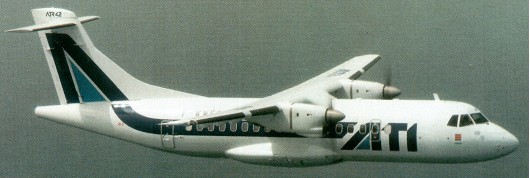
Both Aerospatiale in France, and Aeritalia in Italy, had developed proposals in the late 1970’s for twin turboprop 38/40 seat aircraft. Both companies were looking for partners to further develop the concepts and eventually, in July 1981, a joint venture consortium, ATR, was formed. The new project was designated the ATR 42, the 42 indicating the number of seats at 81 cm pitch. The initials ATR stand for Avion de Transport Regional/ Aereo daTransporto Regionale/ Regional Transport Aircraft. The type made its first flight in August 1984 and was certificated in September 1985. The launch customer was Air Littorial, a French regional opera¬tor, which began operating the type in the following December. The ATR 42 300 (the higher weight version) accommodates a maximum of 50 passengers, but a more typical layout is for 46 passengers. In addition to the generous overhead lockers, baggage compartments are provided both behind the flightdeck and in the rear fuselage. The aircraft is powered by two Pratt and Whitney Canada PW120s, flat rated at 1800shp and driving Hamilton Standard four bladed composite propellors. The ATR 42 structure makes extensive use of composites, particularly Keviar/Nomex sandwich for the wing and tail leading edges, wing and undercarriage fairings, and fuselage tail cone. Carbon/Nomex sandwich is used for the rudder, elevators, flaps, and engine nacelles, and carbon monolithic structure is used for the ailerons and outer wing panels. using experience gained with the Airbus, the flight deck is EFIS equipped. Subsequently the consortium has developed the ATR 72, a stretched version of the ATR 42 which uses the same wings and tail but uprated engines.
Avions de Transport Regional ATR42 Article
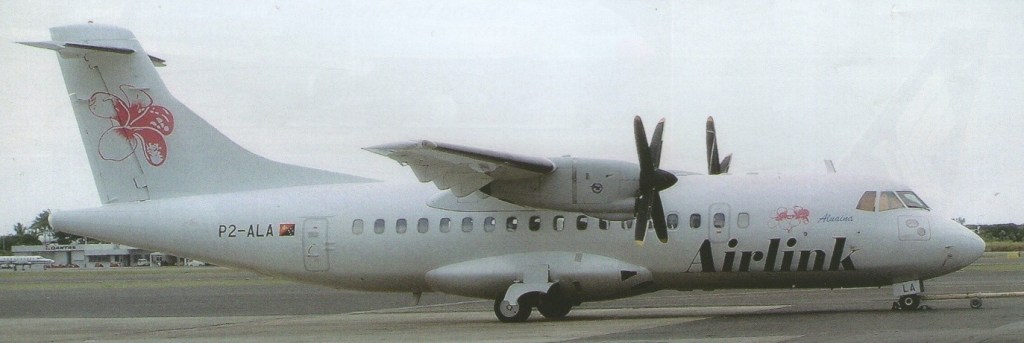
As at May 1995, 286 of these aircraft had been ordered or delivered. ATR42F freighter. The ATR42-500 first flew in September 1994.
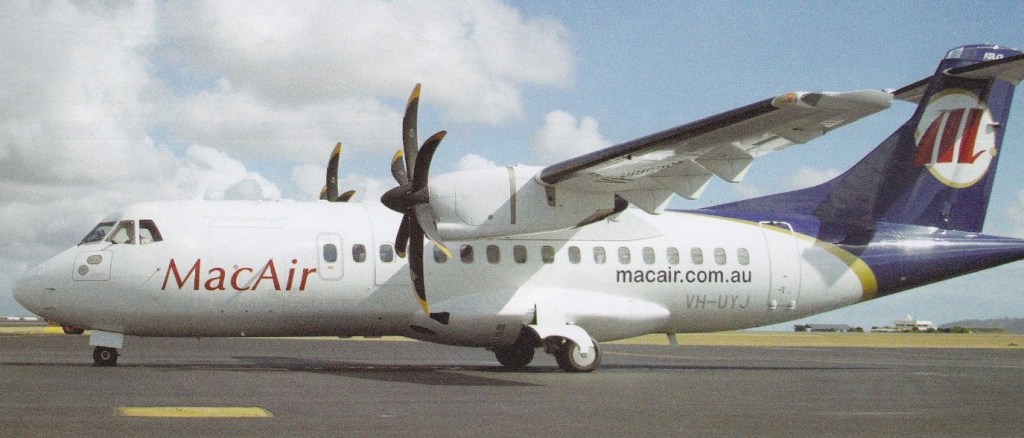
The ATR 42-600 pre-series aircraft (F-WWLY c/n 811) completed its maiden flight on 4 March 2010 from Toulouse Blagnac Airport in southern France. The two-hour flight included tests of the Pratt & Whitney PW127M turboprops, the balance of the propellers, the new avionics, hydraulic and electrical systems.
The ATR 42-600 will undertake a 75hour flight test campaign. Many of the systems are the same as used in the ATR 72-600, which began its 150-hour flight test programme in July 2009. To March 2010 ATR had orders for five 42-600s and 54 72-600s.
ATR42-300
Engines: 2 x Pratt & Whitney PW120.
Pax cap: 46.
ATR-42R
Engine: 2 x P&W PW 120 turboprop.
Installed pwr: 2680 kW.
Span: 24.6 m.
Length: 22.7 m.
Wing area: 54.5 sq.m.
Height: 7.586m.
Empty wt: 9937 kg.
MTOW: 15,750 kg.
Payload: 4530 kg.
Cruise speed: 470 kph.
Initial ROC: 490 m / min.
Ceiling: 7650 m.
T/O run (to 15m): 660 m.
Ldg run (from 15m): 560 m.
Fuel internal: 5700 lt.
Range/payload: 2535 km with 4000 kg.
Capacity: 44 pax.
ATR42-400MP
ATR42-500
Engines: 2 x Pratt & Whitney PW127E.
Pax cap: 46-50.
Avionnerie Lac St. Jean Cyclone
Quebec’s Avionnrie Lac St-Jaen marketed an exact replica of the 1954 Cessna 180 as the Cyclone 180 kit plane. The Cyclone 180 can be completed to replicate a CE-170, CE-180 or CE-185.
Cyclone
Engine: Continental, 230 hp.
HP range: 145-350.
Speed max: 170 mph.
Cruise: 158 mph.
Range: 870 sm.
Stall: 37 mph.
ROC: 1300 fpm.
Take-off dist: 250 ft.
Landing dist: 950 ft.
Service ceiling: 17,700 ft.
Fuel cap: 65 USG.
Weight empty: 1700 lbs.
Gross: 3000 lbs.
Height: 7.5 ft.
Length: 26 ft.
Wing span: 38 ft.
Wing area: 185.7 sq.ft.
Seats: 4.
Landing gear: nose or tail wheel.
Super Cyclone
Engine: Continental, 300 hp.
HP range: 300-350.
Speed max: 175 mph.
Cruise: 165 mph.
Range: 1000 sm.
Stall: 37 mph.
ROC: 1500 fpm.
Take-off dist: 250 ft.
Landing dist: 650 ft.
Service ceiling: 17,700 ft.
Fuel cap: 90 USG.
Weight empty: 1800 lbs.
Gross: 3500 lbs.
Height: 7.5 ft.
Length: 26 ft.
Wing span: 38 ft.
Wing area: 185.7 sq.ft.
Seats: 2.
Landing gear: nose or tail wheel.
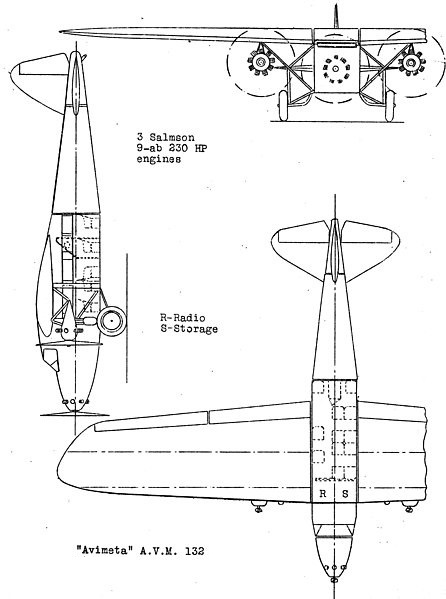
AVIMETA AVM 132
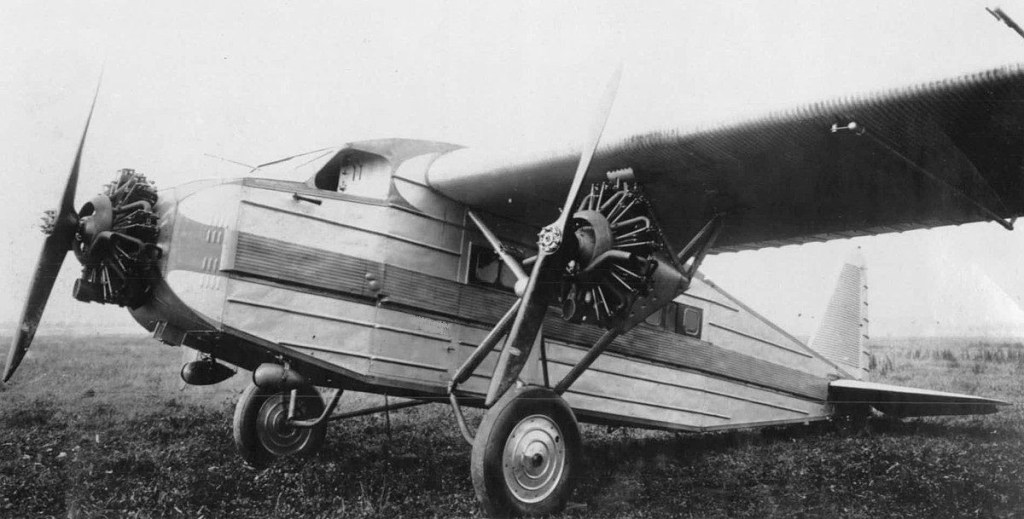
The Aviméta 132 was a three-engined monoplane transport for eight-passengers designed and built by Aviméta (Société pour la Construction d’Avions Métallique ).
The Aviméta 132 was a high-wing monoplane with a fixed conventional landing gear, powered by three uncowled 230 hp (172 kW) Salmson 9Ab radial air-cooled piston engines. Fuel tanks were built into the wings, fitted with jettison valves to empty the tanks in an emergency. The enclosed cockpit sat two crew with a cabin for eight passengers.
First flying in 1927, it was intended to build both a day and night version but only one aircraft was built and it did not enter production. It was the first French all-metal aircraft but only one aircraft was built.
Engines: 3 × Salmson 9Ab, 170 kW (230 hp) each
Wingspan: 21.8 m (71 ft 6 in)
Wing area: 752 sq.m (8,090 sq ft)
Length: 14.3 m (46 ft 11 in)
Height: 3.75 m (12 ft 4 in)
Empty weight: 2,700 kg (5,952 lb)
Gross weight: 10,850 kg (23,920 lb)
Maximum speed: 180 km/h (112 mph; 97 kn)
Cruise speed: 170 km/h (106 mph; 92 kn)
Range: 900 km (559 mi; 486 nmi)
Service ceiling: 3,750 m (12,300 ft)
Time to altitude: 2,000 m (6,600 ft) in 19 minutes
Wing loading: 68.5 kg/sq.m (14.0 lb/sq ft)
Power/mass: 0.1054 kW/kg (0.0641 hp/lb)
Crew: 2
Capacity: 8 passenger