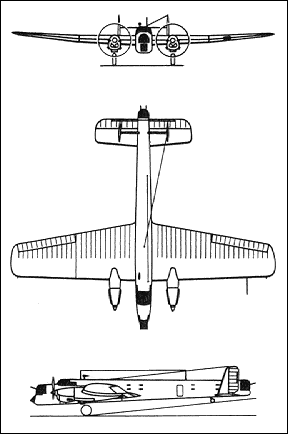
The XLB-2 (officially prefixed Atlantic-Fokker or Atlantic (Fokker)) of 1927/28 was the first twin-engined US Air Corps monoplane bomber. The type not adopted despite Fokker’s experience with large civil monoplanes.
2 Engines
LACAB GR.8
In 1934 the company began construction to official specifications of the LACAB GR.8 twin-engined multi-seat fighter sesquiplane.
The first flight of the LACAB GR.8 prototype Belgian twin-engined multi-role combat biplane aircraft took place on 2 June 1936. Only one was built.
Astra Flanders
Airship, France, 1917
Length: 295.276 ft / 90.0 m
Width of hull: 54.134 ft / 16.5 m
Contained volume: 572184 cu.ft / 16200 cu.m
Max. speed: 50 kts / 93 km/h
Engine: 2 x Renault, 247 hp
Astra AT 1 Flanders
Airship, France, 1916
Length: 223.097 ft / 68.0 m
Width of hull: 47.572 ft / 14.5 m
Contained volume: 222516 cu.ft / 6300 cu.m
Max. speed: 40 kts / 75 km/h
Engine: 2 x Renault, 158 hp
Astra Adjutant Reau
Airship, France, 1911
Engines: 2 x Brasier, 118 hp
Length: 284.449 ft / 86.7 m
Width of hull: 45.932 ft / 14.0 m
Contained volume: 316114 cu.ft / 8950 cu.m
Max. speed: 28 kts / 52 km/h
Arnason Global 3
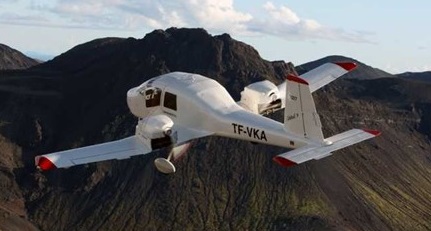
All metal 3 seat light twin designed by Kristjan Arnason of Reykjavik, Iceland.
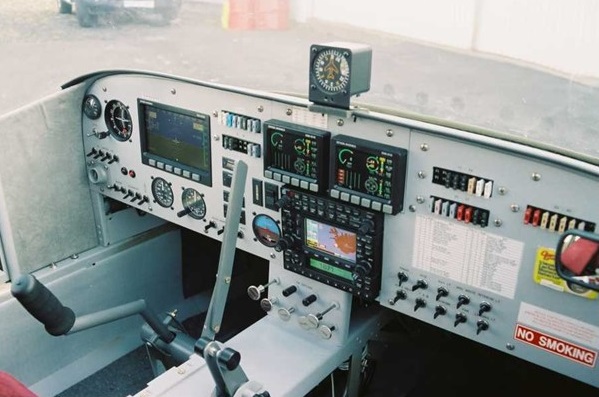
Avionics include Garmin 430 WAAS with world wide database. EFIS Dynon D-100 and engine instruments on two Dynon D-10. Two independent electrical systems and all switches double throw, so that power for each item can be taken from left or right electrical system. Switch is provided to interconnect the batteries for engine starting.
Registered TF-VKA, the Global 3 first flew on June 6, 2008.
Building plans include 59 A1 drawings (33×23 in) and were available for $990 including shipping.

Engine: 2 x Jabiru 2200
Prop: 2 x Sensenich
Cruising speed: 115 knots
Rate of climb: 1100 fpm
Service ceiling: 15,000 ft
Max. gross weight: 1770 lbs
Range: 800 nautical miles 45 min. res
Armstrong Whitworth Sinaia / Siddeley-Deasy Sinaia
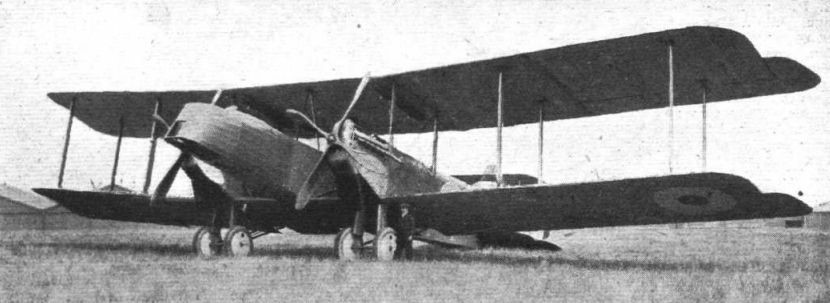
The Sinaia was the third and last aircraft design produced by the team led by John Lloyd and F.M.Green at Siddeley-Deasy before they were rebadged by merger as the Sir W. G. Armstrong Aircraft Company. By the time it flew on 25 June 1921 this change had taken effect. It was designed to meet an Air Ministry requirement for a day bomber.
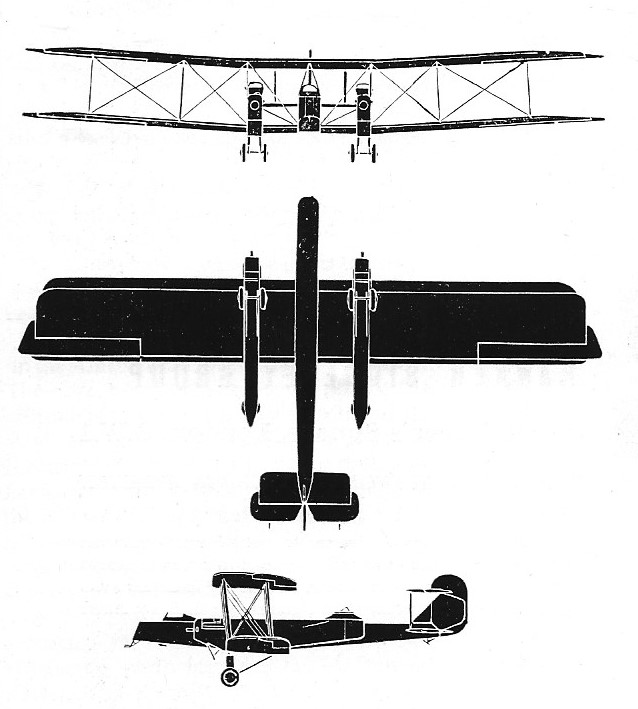
A large twin-engined biplane, its engines were in nacelles mounted on the top of the lower wings and these nacelles were extended rearwards and upwards. Each extension housed a gunner’s cockpit at its extremity, fitted with a gun ring. From these positions the gunners would have been able to defend both sides of the bomber independently.
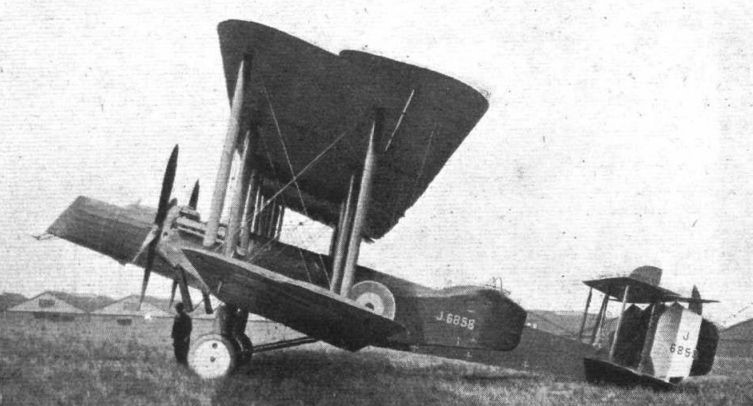
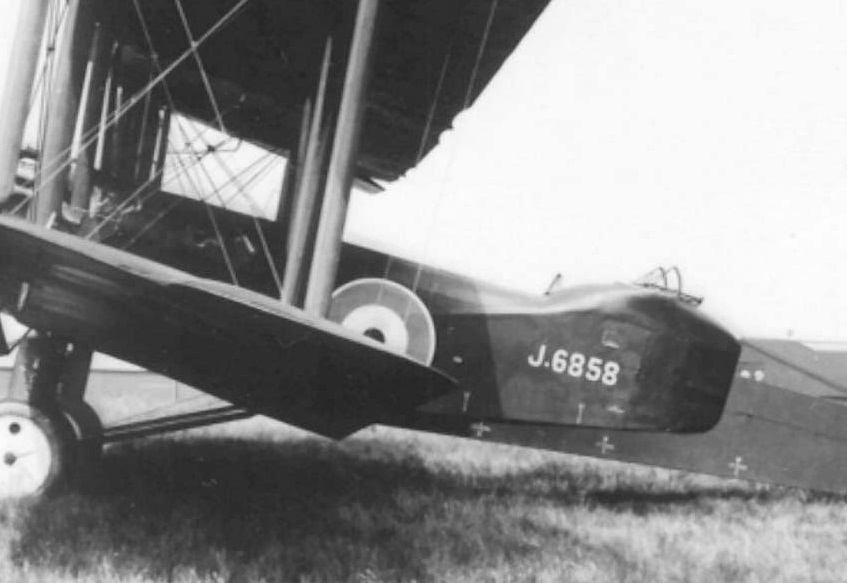
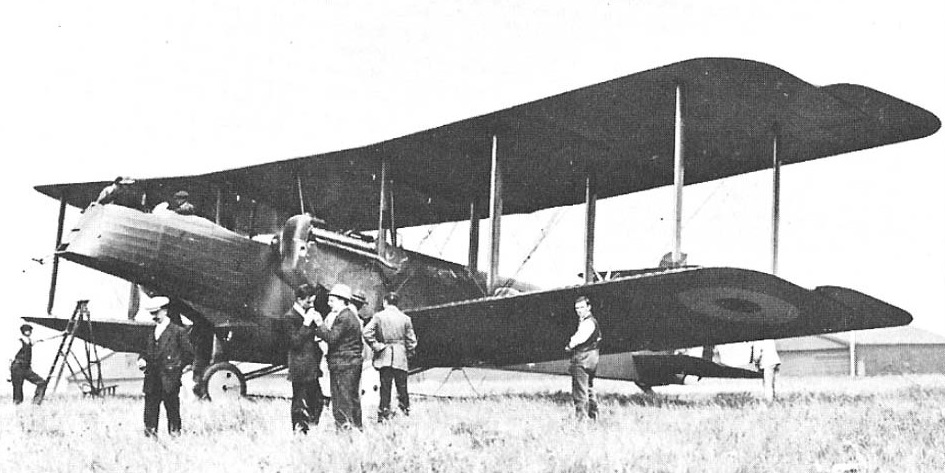
The Sinaia was a three bay (with struts to the upper wings from the engine nacelles) biplane. The wings carried no stagger and were of equal span, though the lower wing was narrower. There were horn balanced ailerons on all wings. The empennage was of biplane configuration with a balanced elevator on the upper plane and containing three balanced rudders. The square section fuselage placed the pilot’s cockpit well forward of the engines and a third gunner’s position in the extreme, slanted nose. A two-wheeled main undercarriage unit was mounted under each engine.
The Sinaia was powered by two 500 hp Siddeley Tiger water-cooled engines, a new V-12 design produced by combining two straight-6 Siddeley Pumas onto a single crankshaft. This little-tested powerplant proved unreliable and frequent problems with it interrupted the flight trials of the Sinaia.
Two examples were ordered by the Air Ministry but only one, J6858, was completed. By October 1921 the airframe was showing signs of structural problems and the only Sinaia ever built was taken out of use.
Type 103 Sinaia
Powerplant: 2 × Siddeley Tiger V-12, 500 hp (370 kW) each
Wingspan: 86 ft 10 in (26.47 m)
Wing area: 1,823 sq.ft (169.4 sq.m)
Gross weight: 16,000 lb (7,260 kg)
Crew: 4
Armstrong Whitworth AW.52G / AW.52
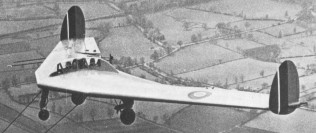
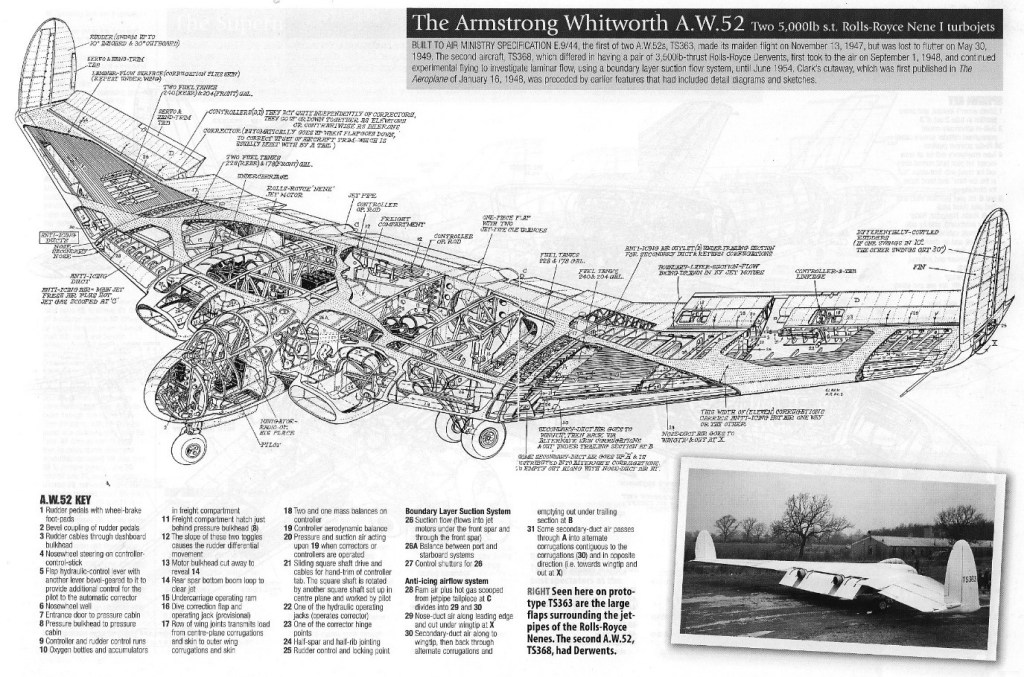
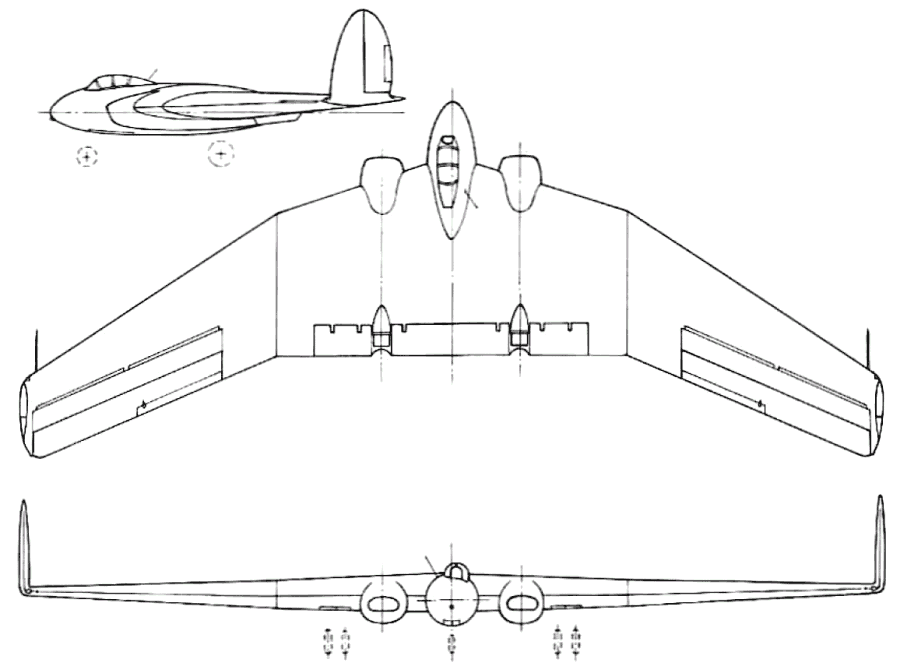
The Armstrong Whitworth A.W.52 was a flying wing type that was also intended to evaluate a configuration for a transport aeroplane with six jet engines. The basic design was validated in the A.W.52G glider.
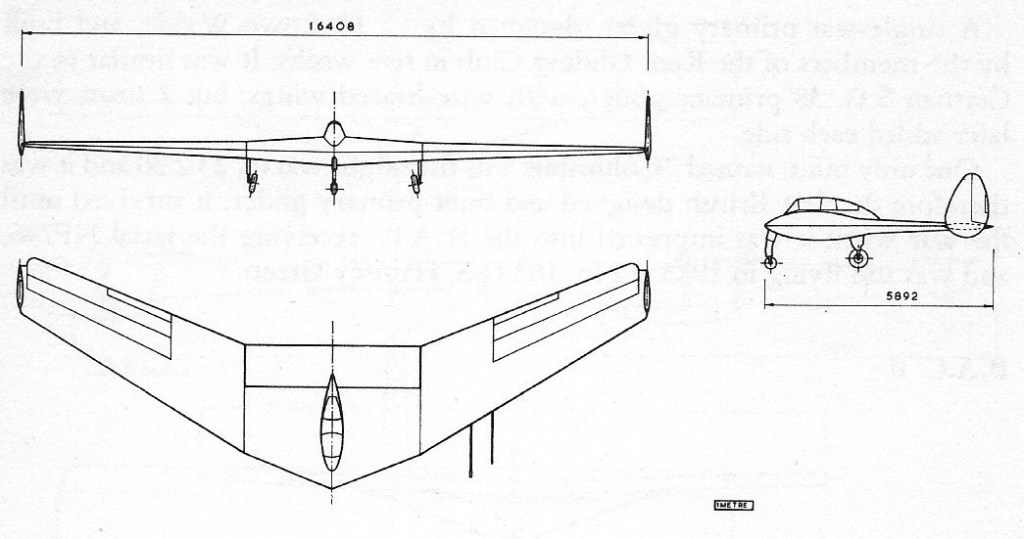
The AW.52G was of conventional construction, but covered with “Plymax” material (1/16in ply and 22 SWG “Alclad” light alloy sheet). No airbrakes were fitted, but a central trailing-edge flap. The undercarriage was tricycle. Only one, RG324, was built. After testing was completed it remained at the company office until burnt in the mid-sixties.
The first of two A.W.52s with two 5000-lb (2268-kg) thrust Rolls-Royce Nene turbojets flew on 13 November 1947.
The first prototype, TS363, was lost in May 1949, its pilot being the first in the UK to use a Martin-Baker ejection seat in an emergency.
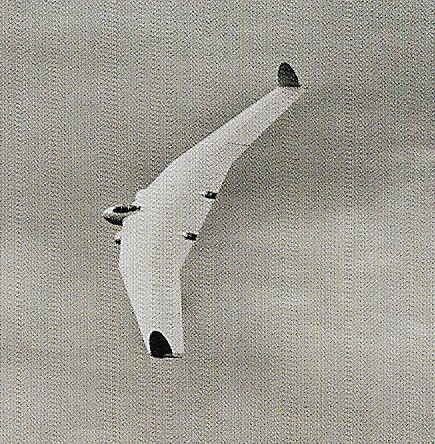
A second prototype, powered by Rolls-Royce Derwents, was destroyed early in its flight test programme.
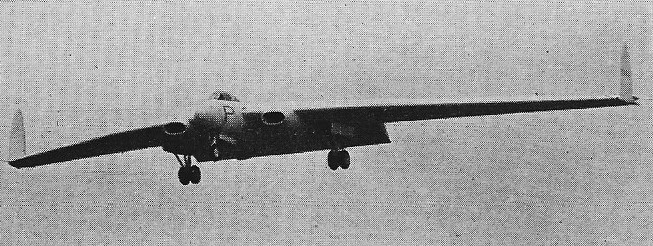
Although benefits were possible with such aircraft, financial problems finally curtailed the programme in 1950.
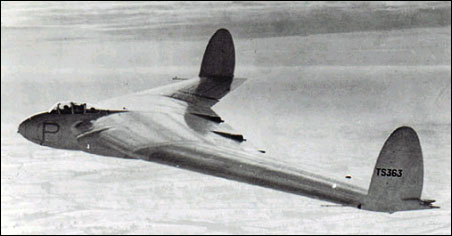
Engines: 2 x 2270kg Rolls-Royce Nene
Wingspan: 27.43 m / 90 ft 0 in
Wing area: 122.07 sq.m / 1313.95 sq ft
Length: 11.38 m / 37 ft 4 in
Height: 4.39 m / 14 ft 5 in
Take-off weight: 15490 kg / 34150 lb
Empty weight: 8917 kg / 19659 lb
Max. speed: 805 km/h / 500 mph
Range: 2414 km / 1500 miles
ROC: 4800 fpm
AW.52G
Wingspan: 16.40 m / 53 ft 10 in
Length: 5.89 m / 19 ft 4 in
Wing area: 41.14 sq.m / 443 sq.ft
Aspect ratio: 6.58
Wing section: NACA 2017
Empty weight: 2017 kg / 4451 lb
AUW: 2720 kg / 6000 lb
Max speed: 402 kph / 250 mph
Landing speed: 104 kph / 65 mph
Armstrong Whitworth AW.41 Albemarie
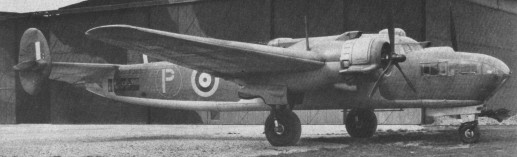
With a possible shortage of light alloys Air Ministry Specification B.9/38 for a twin engined medium bomber, was issued. This required that the aircraft was to be of simple construction, using materials other than light alloy wherever possible. AWA’s chief designer, John Lloyd, and his team were able to submit the initial proposals for their project, the AW.41, to the Air Ministry in February 1938. These initial proposals were for a mid wing monoplane of 61ft 8in span powered by two Rolls Royce Merlin engines and capable of carrying the normal bomb load of 1,500 lb for a range of 1,500 miles cruising at 320 mph at 20,000ft. The sole defensive armament consisted of a four gun power operated turret in the tail. From the outset the AW.41 was to have a retractable tricycle undercarriage. The construction of the airframe was to have been almost exclusively of wood and steel.
The project was changed to meet Specifica¬tion B.18/38 for a twin engined reconnaissance bomber. The design study to meet B.18/38, although using the same type of construction, was very different to the original concept. The wing span was increased to 67ft and the Rolls Royce Merlins were replaced by Bristol Hercules XI radial engines driving three bladed de Havilland constant speed hydromatic airscrews.
On August 18, 1938, Contract 816726/38 was placed with AWA for the manu¬facture of two prototypes.
Construction of the two prototypes was transferred to AWA’s factory at Hamble, and it was provisionally planned that the ensuing production would he undertaken at the new “shadow” factory being built at Yeadon, near Leeds. The plan for Yeadon was abandoned and in November 1939, production contract No B40671/39 for 198 aircraft was placed with Gloster Aircraft at Brockworth. A second contract, No B53250/39 for a further 800 aircraft, was placed with Gloster on January 30, 1940. Shortly after this the Hawker Siddeley Group formed a new com¬pany at Brockworth, A. W. Hawkesley Ltd, to be responsible for the assembly of the AW.41, which by then had been named the Albemarle.
The first prototype, P1360, com¬menced taxiing trials at Hamble on March 18, 1940, and AWA’s chief test pilot, F1t Lt C. K. Turner Hughes, continued the trials of P1360 on March 20, when, after satisfactorily completing the taxiing tests, he carried out a series of straights before taking P1360 off on its maiden flight.
Retraction of the undercarriage was carried out for the first time during the second flight on April 5.
The company’s flight trials showed take off performance to be unsatisfactory and in July and August 1940, P1360 was grounded while the wings were modified, increasing the span by 10ft to 77ft.
In September an A&AEE crew from Boscombe Down started the official performance and handling trials. During a flight on September 30 the pilot became lost and was compelled to make a forced landing in a small field. This was successfully accomplished with only minor damage to the air¬craft.
October was to see further modifica¬tions to P1360, when the areas of the fins and rudders were increased. On November 16 the machine was delivered to the A&AEE at Boscombe Down for continuation of its official trials. It was during a flight from Boscombe Down on February 4, 1941, that a portion of plywood upper skin broke away from the port mainplane. The noise and effect of this led the pilot to believe that the aircraft was having engine trouble, so he immediately shut down the port engine. As a result the aircraft broke away into a spin from which the pilot was unable to recover. He ordered his two observers to abandon the aircraft, and the first cleared the aircraft safely, but the “D” ring of the other’s parachute caught in the fuselage, the observer finding that he was suspended by his harness from the fuselage. The parachute released and developed over the tailplane, acting in an anti spin role and enabling the pilot to regain control.
Unaware of the drama being enacted behind him, the pilot found that he could control the aircraft if he did not allow the speed to fall below 30 or 40kt above stalling speed. With this knowledge the pilot decided to make a wheels up landing, still unaware that his observer was suspended below the fuselage. Just prior to landing, and when he was some 6 to 8ft above the ground, the observer released himself and fell to the ground. Although seriously injured, he survived, the pilot completed his wheels up landing with only minor injuries to himself, although the aircraft was totally destroyed in the ensuing fire.
The second prototype, P1361, first flew on April 20, 1941, continued the flight test programme. This machine also had the 77ft span wing, and was the only Albemarle to be fitted with the ventral power operated turret.
Production problems were caused by over 1,000 sub-contractors who lacked aircraft experi¬ence but were to manufacture all the details and sub assemblies required for the Albemarles. The technical problems with the prototype, particularly the increased wing span, required many of the jigs to be rebuilt.
Only two Albemarles, the prototypes, had flown by June 1941, the first 200 were not completed until March 1943, and production ceased with the completion of the 602nd Albemarle in March 1945. Although contracts were placed for 1,000 Albemarles, this quantity was reduced to 602, including the two prototypes, in June 1943, when it was decided that the facilities at Brockworth were required for Meteor production.
In 1941 the Albemarle programme was investigated by a Select Com¬mittee on National Expenditure, chaired by Sir John Wardlow Milne. The Committee issued its report on August 20, 1941, and it concluded that the Albemarle was not value for money, calling for immediate and urgent reconsideration of the programme.” It is interesting to note that an Albemarle airframe, less engines and equipment, cost £24,950, compared with £19,159 for a Lancaster.
The Prime Minister, Winston Churchill, was concerned about the Committee’s findings, and on August 26, 1941, asked the Secretary of State for Air to provide him with the current views and intentions of the departments involved with the Albemarle. Explanations from the Air Staff and the Ministry of Aircraft Production, defending the Albernarle and their decisions made in regard to it, did not appear to satisfy Churchill, and it apparently took a letter from Lord Beaverbrook on October 12 to finally reassure him. In his letter, Beaverbrook advised that the Alhemarle would be useful for short-range work, and would supplement the Wellingtons in attacks on invasion ports, for bombing in France and for bombing in the event of an invasion. He also explained that the tooling was practically complete at a cost of over £1,500,000, and that more than 75 per cent of the raw materials had been delivered and 50 per cent of the details manufactured.
Deliveries of production aircraft from Brockworth commenced in September 1941, although it was not until June 1942 that monthly deliveries exceeded double figures, with 14 air¬craft being delivered. The first 32 production aircraft were completed as B.Mk.1’s, but the delays had already rendered the Albemarle obsolete as a bomber, and consequently no further aircraft were completed as such, all subsequent machines being produced as glider tugs or special transports.
Projects to cater for any shortage of Hercules engines that may have arisen were the Mk.III with Merlins and the Mk.IV with Wright GR2600 Double Cyclone engines. Cyclones were installed in Mk.I P1406, and a single GTIV, V1760, was completed. The Merlin installation was not proceeded with.
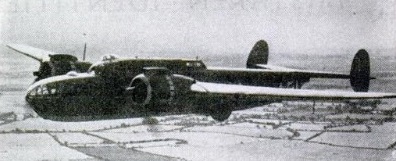
Albemarle I V1599 was experimentally fitted with a long travel undercarriage by AWA during 1943. This was to enable it to fly directly on to the ground without the necessity of a flare out before touch down. Flight testing commenced on November 8, 1943, but it did not prove to be a complete success because the undercarriage oleos failed to compress sufficiently under drag load during flight.
600 Albemarles were produced between 1941 and 1943.
It was widely used as a glider tug, although it suffered from overheating through sustained high power at low airspeed.
There were many GT (general transport) and ST (special transport) versions, some equipped with four gun dorsal turrets (a few had a two gun belly turret) or twin manually aimed dorsal guns. Most could carry freight, paratroops or special equipment. The first ST.I and GT.I entered RAF service in mid-1942 and early 1943 respectively, and subsequent versions brought the total number of Albemarles built to 600.
One batch was supplied to the Soviet Union.
The Albemarle took part in the invasion of Sicily to which they were used to tow support gliders into action. Additionally, the aircraft took part in the D-Day invasion landings of June 1944 (again as glider tugs) and served with airborne elements during the airdrops over Arnhem campaign to end the war before Christmas.
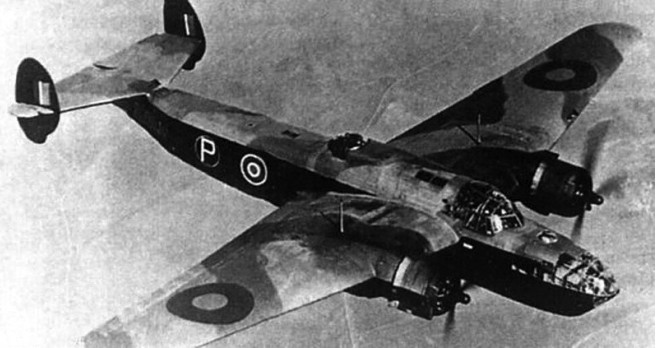
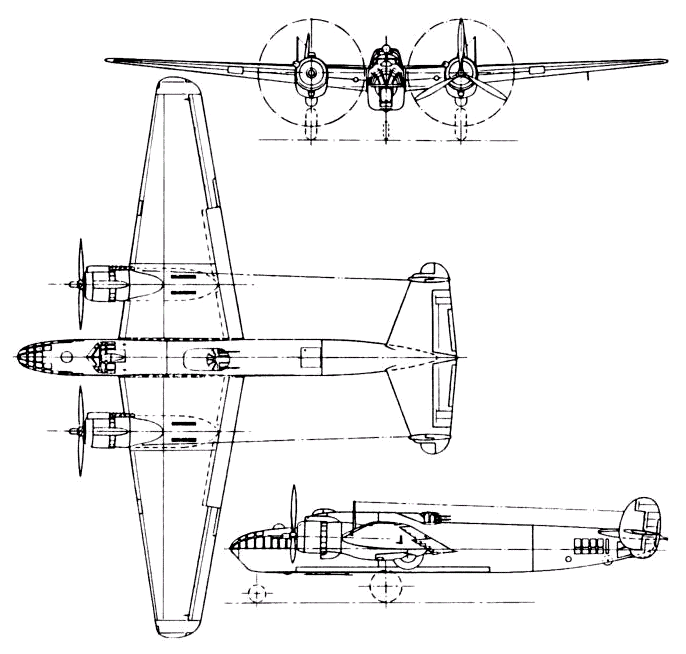
Armstrong Whitworth AW 41 Albemarle
Engine: 2 x Bristol Hercules XI, 1568 hp
Length: 59 ft 11 in / 18.26 m
Height: 15 ft 7 in / 4.75 m
Wingspan : 77.00 ft / 23.47 m
Wing area : 803.533 sqft / 74.65 sqm
Max take off weight : 22603.5 lb / 10251.0 kg
Max. speed : 230 kts / 426 km/h
Cruising speed : 148 kts / 274 km/h
Service ceiling : 17995 ft / 5485 m
Wing load : 28.09 lb/sq.ft / 137.00 kg/sq.m
Range : 1130 nm / 2092 km
Crew : 4
Armament: 2x cal.303 MG Vickers “K” (7,7mm)
Armstrong Whitworth AW.38 Whitley
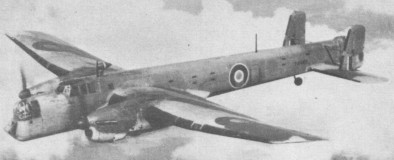
Air Ministry Specification B.3/34 called for a bomber that could carry a bomb load of 2000 lbs for 1250 miles at a height of 15,000 feet at a maximum speed of 225 mph. As the RAF’s existing hangar doors were little more than 100 feet wide, putting a firm limit on the aircraft’s wingspan which was only 84 feet but with a wide chord and thick wing section. There were four contenders to build to specification B.3/34 with Armstrong Whitworth becoming the chosen company. The A.W.38 (which was later named Whitley after the airfield and works near Coventry) contained design features that had previously been tested by the company in the A.W.23 transport/bomber. The new light alloy wing construction consisting of a basic torsion box of web corrugated vertically, and spanwise gave it strength aided by an internal bracing of steel struts.
Armstrong Whitworth Whitley Article
The prototype Whitley, K4856, was first flown on March 17, 1936. With increasing urgency for the RAF to re-equip and after an original order for 80 aircraft, a second order for 240 Whitleys was signed on 13 May 1936, two months after the prototype’s first flight.
The second prototype and 34 Mk I production aircraft which followed were all powered by two 592.5kW Armstrong Siddeley Tiger IX radial engines. The first production Whitley, K7183, was delivered in the early months of 1937, with the second aircraft, K7184, being flown direct on March 9 from Baginton to No 10 Squadron, which was then equipped with Handley Page Heyfords.
The original design had no wing flaps but later flaps – with a maximum deflection of 60o – were incorporated.
With a wing area of over 1,200 square feet and a high angle of attack, the type had superb lift, but the original power plants – 795 hp Armstrong Siddeley Tiger IX air cooled radials – left the early Marks of Whitley under-powered. Half way through the first production batch, after 34 aircraft had been completed, the Whitley 1 was superseded by the Mk II version in which the 795 hp Armstrong Siddeley Tiger IX engines were replaced by 845 hp Tiger VIII engines incorporating a two speed supercharger.
The Mk III would appear shortly after the initial batch, introducing a Nash & Thompson ventral gun position that was retractable.
The need for still more performance and greater reliability resulted in a decision to adopt 1,745 hp Rolls Royce Merlin Xs for the Mk IV. The first Merlin powered example flew on February 11, 1938. A subvariant of the Mk IV would appear with a newly-configured powered tail turret housing quad 7.7mm machine guns.
The first Mark V came off the line on 28 August 1939 and production of this Mark lasted four years and accounted for 90 percent of the total number of type built; over 2,000 in all.
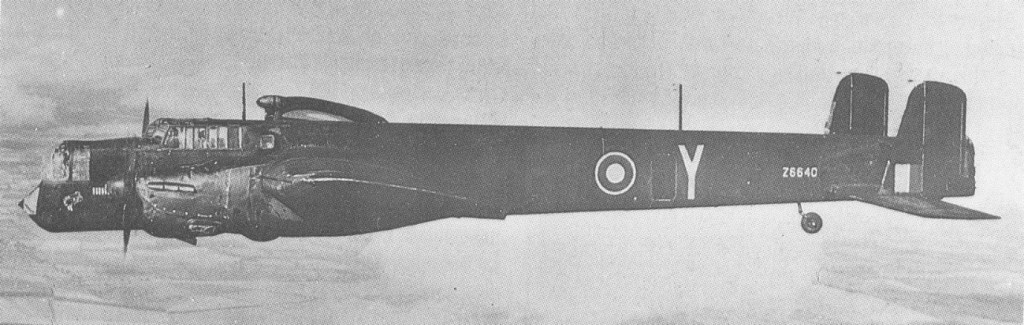
At the outbreak of the Second World War almost all of the Whitley Is and IIs had been withdrawn from operational status as heavy bombers, although seven squadrons (Nos 10, 51, 58, 77, 78, 97 and 102) were equipped with the Mk IIIs, IVs or Vs.
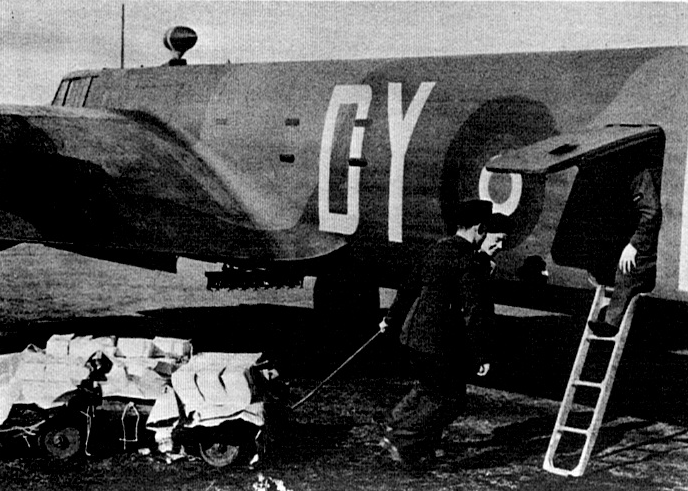
After the introduction of four engined bombers such as the Halifax, Stirling and Lancaster during 1940 41 Whitleys continued bombing operations over Germany until April 1942 the last raid taking place on April 29 30 to Ostend.
At the end of the war the type was still in service for training and other miscellaneous duties.
The Whitley was responsible for the first bombing raid on Germany, in May 1940; the first bombing raid on Italy, in June 1940; and the first paratroop operation over Southern Italy, in February 1941.
The last Whitley built, LA951, was retained by the Armstrong Whitworth company on its completion in 1943. It was used for general test and experimental flying, one of its main tasks being to act as a tug for the A.W.52G glider. Four years later, in March 1949, LA951 was withdrawn from service and dismantled.
Whitley Mk I
Engines: 2 x Armstrong Siddeley Tiger IX, 795 hp / 592.5kW
Whitley Mk II
Engines: 2 x Armstrong Siddeley Tiger VIII, 845 hp
Whitley III
Engines: 2 x Armstrong Siddeley Tiger VIII, 920 hp.
Max speed: 215 mph
Cruise speed: 177 mph
Range: 1300 mi
Whitley IV
Engines: 2 x Rolls-Royce Merlin, 1030 hp
Wingspan: 84 ft 0 in
Length: 70 ft 6 in
Max speed: 245 mph
Cruise: 215 mph
Normal range: 1250 mi
Max range: 1800 mi
Whitley V
Engines: 2 x Rolls-Royce Merlin X, 840kW / 1,145hp
Wingspan: 25.6 m / 84 ft 0 in
Length: 21.5 m / 72 ft 6 in
Height: 4.6 m / 15 ft 1 in
Wing area: 114.4 sq.m / 1231.39 sq ft
Maximum Take-off weight: 12800 kg / 28219 lb
Empty weight: 8770 kg / 19335 lb
Wing load : 29.52 lb/sq.ft / 144.0 kg/sq.m
Fuel cap: 837 Imp.gal.
Max. speed: 357 km/h / 222 mph
Cruise speed: 297 km/h / 185 mph
Rate-of-Climb: 938ft/min (286m/min)
Op. Ceiling: 5360 m / 17600 ft
Service ceiling: 26,000 ft / 7,925m
Range w/max.fuel: 2600 km / 1616 miles
Range w/max.payload: 760 km / 472 miles
Armament:
1 x 7.7mm machine gun in nose turret
4 x 7.7mm machine guns in tail turret
Bombload: 7,000lb / 3150kg
Crew: 4-6