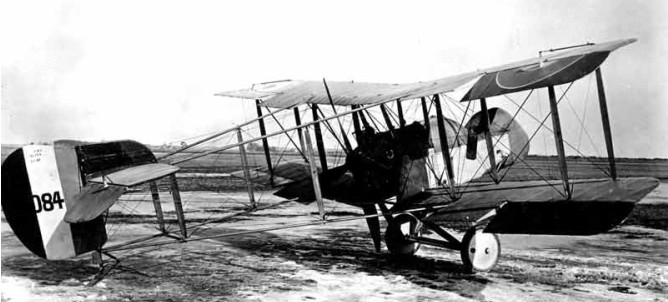
Airco DH 2

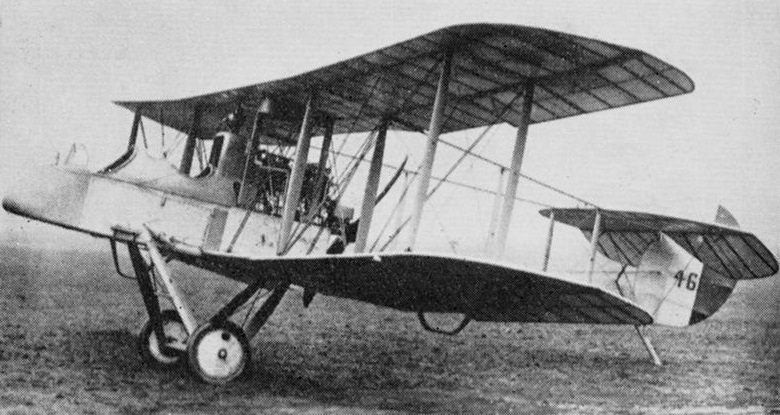
A conventional two ¬bay biplane of pusher configuration, the fuselage was curved along the front and top surfaces with slab sides and a flat underside – and held the armament, pilot, controls, fuel and engine. The pilot sat in an open-air cockpit “tub”. A single machine gun was fitted to the front of the fuselage. Fuel was held directly aft of the pilot in one tank, and ahead of the engine, the latter mounted to the extreme end of the fuselage rear with a two-blade wooden propeller. Wings were in a two-bay with parallel struts additionally held by cabling. Both upper and lower wings sported slight dihedral. The empennage tapered off to become a single vertical tail fin with a high-mounted horizontal plane affixed. The undercarriage was fixed in place and featured two large main landing gear wheels attached to the fuselage underside. The rear of the aircraft was supported by a simple tail skid.

Armament consisted of a single semi-trainable .303 Lewis type machine gun fed by a 47-round drum magazine. The machine gun could be mounted within three pre-set positions, allowing the pilot to fix the weapon at advantageous angles of fire. This proved highly impractical once in action. These three pre-set positions became largely ignored as most pilots soon learned to fix the machine gun in place and aim the entire aircraft at the intended target instead. Major Lance Hawker produced a fixed clip and even revised the gunsight for improved accuracy by allowing for leading of the target. Once enacted, the new clip and gunsight – along with the fixed machine gun – lessened the pilot’s workload substantially.

The prototype first flying in 1915, it began powered by a 100 hp Gnome Monosoupape engine. After trials in Britain, the prototype was issued to No 5 squadron RFC in France for further testing by July of 1915, but was destroyed following enemy action on August 9, 1915.

The D.H.2 was considered worthy of series production and initial deliveries began in late 1915 to No 24 Squadron, which was sent to France in February 1916 with 12 D.H.2s as the first ever British squadron to be equipped with single seat fighters.

With its small speed range and sensitive controls the D.H.2 caused some handling problems for pilots initially, but it was accepted as a highly manoeuvrable little fighter.
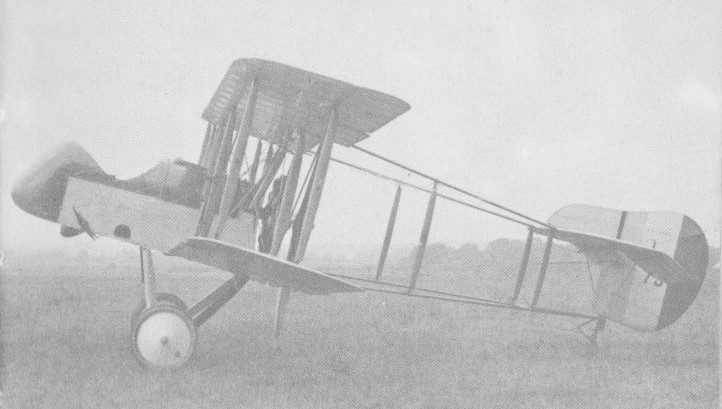
Modifications were made to the nose of the nacelle; the ammunition was carried in drums on external racks on each side of the cockpit; and the revised fuel system comprised a gravity tank fitted either under or on top of the upper mainplane on the port side. Production models retained the Gnome engine, as comparative trials with a 110 hp Le Rhone 9J powerplant revealed that this gave an inferior performance.

At least one DH.2 fell to German guns, but within time, she formed the ranks of No. 24 Squadron who first netted an aerial victory with a DH.2 on April 2nd, 1916. The DH.2 essentially became the Royal Flying Corps (RFC) first “true” dedicated fighter platform.

The first Imperial German Monoplane was downed by a DH.2 on April 25th, 1916. In June alone, DH.2 pilots racked up a further 17 enemy aircraft. A further 15 were counted in August and another 15 were netted in September. Ten more enemy aircraft were tallied in November.

Along the Western Front, the DH.2 had met her match by the new breed of German and Austro-Hungarian fighter by December 1916. On December 20th, 1916, five out of six DH.2s were lost in one aerial fight against just five Albatros D.III series fighters. Phasing out of the D.H.2 began in France in March 1917, though D.H.2s serving in Palestine with No 11 Squadron, and with No 47 Squadron and a joint RFC/RNAS squadron in Macedonia, had a slightly longer service life. Two were evaluated at Home Defence stations in Britain in 1917 but were unable to cope with the Zeppelin raiders.

No fewer than 100 DH.2s were retained on the British mainland to help train a new generation of fighter pilot, where they served until 1918. By the fall of 1918, the DH.2 was officially retired from any active service with the RFC.

The RFC remained the sole operator of the DH.2. She served within squadrons No.5, No.11, No.17, No.18, No.24, No.29, No.32, No.41, No.47 and No.111.

In total 453 D.H.2 were built.
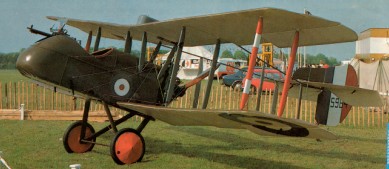
Replica:
Mason DH 2

Airco DH.2
Engine: 1 x Gnome Monosoupape, 100hp
Wing span: 8.61 m / 28 ft 3 in
Length: 7.68m / 25 ft 2½ in
Height: 2.91 m / 9 ft 6½ in
Wing area: 23.13 sq.m / 249 sq.ft
Empty weight: 423 kg / 943 1b
Loaded weight: 654 kg / 1,441 lb
Fuel capacity: 26.3 gallon
Maximum level speed at sea level: 150 km/h / 93 mph / 81 kt
Maximum Range: 249 miles / 400km
Endurance: 2 hours 45 minutes
Rate-of-Climb: 545ft/min / 166m/min
Climb to 1830m /6,000ft: 11 minutes
Service Ceiling: 14,000 ft / 4270 m
Armament: 1 x 7.62mm forward-firing Lewis machine gun on flexible mount.
Crew: 1
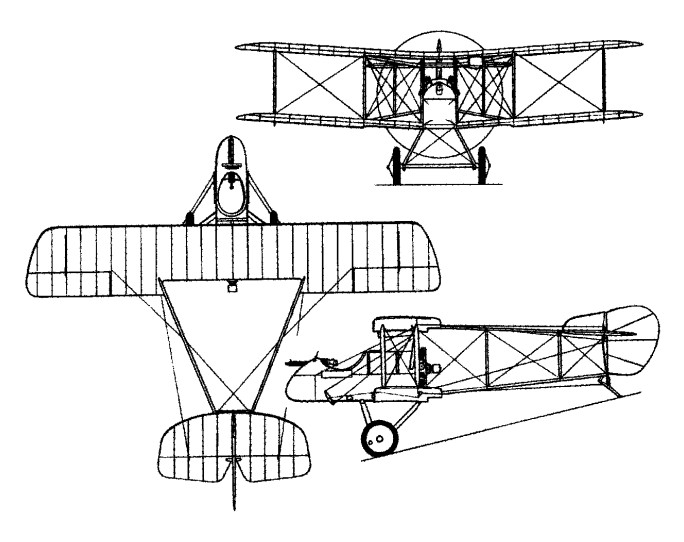
Airco DH.2
Engine: 1 x Le Rhone 9J, 110 hp
Wing span: 8.61 m / 28 ft 3 in
Length: 7.68m / 25 ft 2½ in
Height: 2.91 m / 9 ft 6½ in
Wing area: 23.13 sq.m / 249 sq.ft
Empty weight: 455 kg / 1004 1b
Loaded weight: 702 kg / 1547 lb
Maximum level speed at sea level: 143 km/h / 92 mph
Maximum Range: 249 miles / 400km
Endurance: 2 hours 45 minutes
Rate-of-Climb: 545ft/min / 166m/min
Climb to 1830m /6,000ft: 11 minutes
Service Ceiling: 14,000 ft / 4270 m
Armament: 1 x 7.62mm forward-firing Lewis machine gun on flexible mount.
Crew: 1

Airco DH.2
Engine: 1 x Clerget 9Z, 110 hp
Wing span: 8.61 m / 28 ft 3 in
Length: 7.68m / 25 ft 2½ in
Height: 2.91 m / 9 ft 6½ in
Wing area: 23.13 sq.m / 249 sq.ft
Empty weight: 428 kg / 943 1b
Maximum take-off weight: 654 kg / 1,441lb
Maximum level speed at sea level: 150 km/h / 93 mph / 81 kt
Maximum Range: 249 miles / 400km
Endurance: 2 hours 45 minutes
Rate-of-Climb: 545ft/min / 166m/min
Climb to 1830m /6,000ft: 11 minutes
Service Ceiling: 14,000 ft / 4270 m
Armament: 1 x 7.62mm forward-firing Lewis machine gun on flexible mount.
Crew: 1
Airco DH 1

Geoffrey de Havilland was hired by the Airco firm in June of 1914 as lead designer and began developing the Airco “DH.1”. The DH.1 was a two-seat reconnaissance scout biplane fitted with a water-cooled inline engine in a “pusher” arrangement.

Geoffrey de Havilland piloted the prototype DH 1 fighter and reconnaissance aircraft on its first flight in early 1915. A two seat pusher biplane with the observer in the front cockpit, which also housed a forward firing machine gun, the DH 1 was powered by a 70 hp Renault engine, instead of the originally specified 120 hp Beardmore powerplant and the War Office ordered 49 examples. Appearing at the beginning of 1915, it was tested by Geoffrey de Havilland. Airco was fully committed to building Farman aircraft and employed a sub-contractor, Savages Ltd of Kings Lynn, but because of their inexperience, production of the DH.1 was delayed. An order for 100 was placed with Savages of Kings Lynn and production models differed from the prototype in having dual controls, a modified nacelle, reinforced brac¬ing wires and a simplified undercarriage.

Beardmore engines eventually became more plentiful and with this engine the type was designated DH.1A. With an all up weight increase of nearly 136 kg (300 lb), including a 10% additional fuel load, it was 13 km/h (8 mph) faster than the DH 1 and had a more rapid rate of climb.

At the end of 1915, the first five DH.1s off the production line had been alloated to training units. The remainder of the first batch were fitted with the 120 hp Beardmore and re-designated DH.1a.

Six DH.1a from the first batch saw service in the Middle East, and a further 44 were assigned to Home Defence units. No 14 Squadron had six DH1As which were operational in Palestine from the summer of 1916 on escort duty. The second batch of 49 was again built by Savages Ltd, but only 73 of the total number saw service with RFC units. Some survived in Britain until 1918, but all had been withdrawn from service before the Armis¬tice.

DH 1
Engine: Renault, 70hp
Span: 12.50 m / 41 ft 0 in
Length: 8.82 m / 28 ft 11.25 in
Height: 3.4 m / 11 ft 2 in
Empty weight: 615 kg / 1354 lb
Loaded weight: 927 kg / 2044 lb
Maximum speed: 132 km/h / 80 mph
Ceiling: 4114 m / 13,500 ft
Endurance: 4 hr

DH 1A
Engine: Beardmore, 120hp
Span: 12.50 m / 41 ft 0 in
Length: 8.82 m / 28 ft 11.25 in
Height: 3.4 m / 11 ft 2 in
Empty weight: 1610 lb / 730 kg
Loaded weight: 2340 lb / 1061 kg
Maximum speed: 144 km/h / 90 mph
Ceiling: 4114 m / 13,500 ft
Endurance: 4 hr

DH 1A
Engine: Austro-Daimler, 120hp
Span: 12.50 m / 41 ft 0 in
Length: 8.82 m / 28 ft 11.25 in
Height: 3.4 m / 11 ft 2 in
Empty weight: 1610 lb / 730 kg
Loaded weight: 2340 lb / 1061 kg
Maximum speed: 144 km/h / 90 mph
Ceiling: 4114 m / 13,500 ft
Endurance: 4 hr

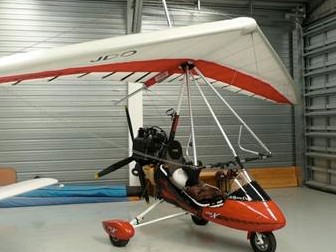
Airborne Windsports X Series / Outback / Redback

Redback 503

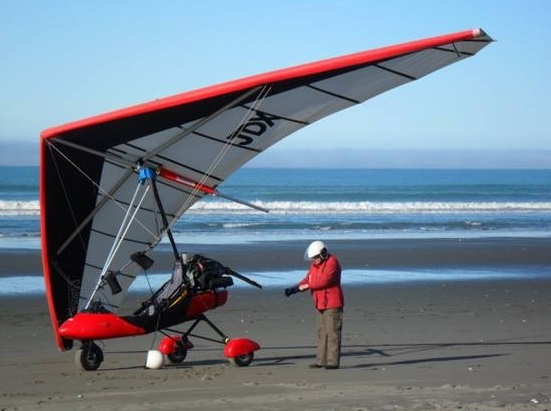
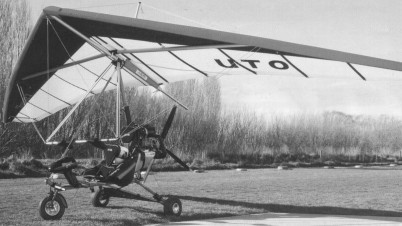
The 65 hp Rotax 582 DCDI powered X-Series Outback was originally designed for rugged Alaskan conditions, the big tundra tire option with the Wizard 3 wing (also available with the Streak 2B) giving amazing landing options. The Outback in this configuration also makes a hang glider or banner tug. Floats are available for this model in some countries where certification allows.
The X-Series Outback is available with the slower Wizard-3 wing or the faster Streak-2B wing. The Outback S comes with the Streak 2B wing in place of the Wizard 3. All other features and options are the same.
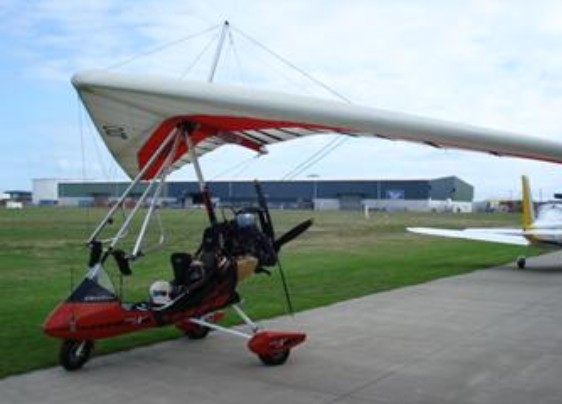
The X-Series Redback is based on the Edge X model, but is the basic version which comes with less equipment, allowing a higher load. It utilises the Wizard II wing and a four blade Aerofibre prop. The 50 hp Rotax 503 DC powered Redback is a very capable two seater trike with the tundra undercarriage option available. A low cost package, this trike offers simplicity and light weight allowing for a higher pilot passenger weight.

Flying the Airborne Windsports Redback

The Wizard-3 wing is an all-rounder with short field landing capability and is often used for towing hang gliders. The Wizard-3 coupled with the X-Series Redback microlight makes for an excellent aerial photography platform, as it offers the pilot and passenger less restricted views than fully faired Airborne microlights.
The X-Series Redback is Australian Civil Aviation Safety Authority Approved and tested to 6g positive and 3g negative under strict government control.

Outback Wizard
Vne (IAS): 54 kts / 62 mph
Manoeuvring speed (IAS): 54 kts / 62 mph
Trim Speed (middle hole) (IAS): 30-36 kt / 35-41 mph)
Stall Speed Power Off knots (IAS)
23-28 kt / 27-33 mph
Take Off Safety Speed (IAS): 31-37 kt / 36-43 mph
Nominated approach speed (IAS): 31-37 kt / 35-43 mph
Maximum Level Speed (IAS): 50 kt / 57 mph
Max Cross wind: 11-14 kt / 12-16 mph
Climb Rate at take off safety speed: 430 fpm
Cruising Speed Fwd CG knots (IAS)
40-45 kt / 46-52 mph
Sink Rate at cruising speed: 450 fpm
Sink Rate at Vne: 904 fpm
Glide Ratio: 10:1
Take Off Distance: 240 m / 787 ft
Landing Distance: 210 m / 689 ft
Min airstrip length: 310 m / 1017 ft
Max wind operating conditions: 20 kt /23 mph
Wing weight: 45 kgs / 99 lb
Trike empty weight: 118 kg / 260 lb
Empty weight: 165 kg / 363.7 lb
Max. take off weight: 401 kg / 884 lb
Wing span: 9.96 m
Wing area: 17.6 sq m
Aspect ratio: 5.6:1
Nose angle: 121 degs
No. of seats: 2
Fuel tank capacity: 44 lt / 11.62 gallons

Redback
Engine: Rotax 503
Vne Knots (IAS): 54 kt / 62 mph
Manoeuvring speed Knots (IAS): 54 kt / 62 mph
Trim Speed (middle hole) (IAS): 30-36 kt / 35-41 mph
Stall Speed Power Off (IAS): 23-28 kt / 27-33 mph
Take Off Safety Speed knots (IAS)
31-37 kt / 36-43 mph
Nominated approach speed knots (IAS)
31-37 kt / 35-43 mph
Maximum Level Speed (IAS): 50 kt / 57 mph
Max Cross wind: 11-14 kt / 12-16 mph
Climb Rate at take off safety speed: 430 fpm
Cruising Speed Fwd CG (IAS): 40-45 kt / 46-52 mph
45 (52 mph)
Sink Rate at cruising speed: 450 fpm
Sink Rate at Vne: 904 fpm
Glide Ratio: 10:1
Take Off Distance: 240 m / 787 ft
Landing Distance: 210 m / 689 ft
Min airstrip length: 310 m / 1017 ft
Max wind operating conditions: 20 kt / 23 mph
Wing weight: 45 kg / 99 lb
Trike empty weight: 118 kg / 260 lb
Total empty weight: 165 kg / 363.7 lb
Max. take off weight: 401 kg / 884 lb
Wing span: 9.96 m
Wing area: 17.6 sq m
Aspect ratio: 5.6:1
Nose angle: 121 degs
No. of seats: 2
Fuel tank capacity: 44 lt / 11.62 gallon

Airborne Windsports X-series Classic

Classic trike / Streak 2 wing

Based on the Edge X base the X-Series Classic is a proven reliable and robust aircraft. Powered by the Rotax 582 65hp DCDI engine, the X-Series Classic offers the comfort of the fibreglass fairing, electric start and oil injection as standard features.
The Airborne X-Series Classic is quality built in accordance with Australian Civil Aviation Authority regulations.

X-Series Classic
Engine: Rotax Bombardier 912 UL 2, 80 hp
Reduction Ratio: 2.43:1
Prop: Bos3 68X58_SL ground adjustable 68 in
Pitch: 20 +/- 0.5 deg @ radius of 24″
MTOW: 450 kg / 992 lb
Ultimate load: +6g / -3g
Flight limits: +4g / -0g
Total max crew weight: 200 kg / 440 lb
Pilot weight Front: 55-100 kg / 121-220 lb
Pilot weight Rear: 0-100 kg / 0-220 lb
Empty weight: 260 kg / 573 lb
Wing Span: 9.97m / 32.7 ft
Wing Area: 13.5 sq m / 146 sq ft
Aspect Ratio: 6.6
Wing Weight: 50 kg / 110.23 lb
Overall Height: 3.65 m / 11.98 ft
Trike Width: 1.91 m / 6.27 ft
Trike Length: 2.745 m / 9.01 ft
Wheel Track: 1.7 m / 5.58 ft
Wheel Base: 1.89 m / 6.20 ft
Trike Height: 2.53 m / 8.30 ft
Cockpit Width: 0.7 m / 2.30 ft
Wing (Packed) Length: 5.6 m / 18.37 ft
Wing Length (Short Packed): 4.2 m / 13.78 ft
VNE: 85 kt / 157 kph / 98 mph
Cruise: 65 kt / 120 kph / 75 mph
Stall: 35 kt / 65 kph / 40 mph
Best Climb Rate: 825 ft/min / 4.2 m/sec
Best Climb Speed: 49 kt / 91 kph / 57 mph
Take off Distance to 50 ft: 247 m / 810 ft
Landing Distance from 50ft: 325 m / 1066 ft
Descent Rate 54 kt: 770 ft/min / 3.9 m/sec
Fuel Capacity: 70 lt / 18.5 USG
Range @ Cruise: 702 km / 436 sm
Maximum usable fuel 67 liters or 17.7 US Gal

XTC-912 / Cruze
Engine: Rotax Bombardier 912 UL 2, 80 hp
Propellor: Bos3 68X58_SL ground adjustable
Prop Diameter: 68″
Pitch: 20 +/- 0.5 deg @ radius of 24″
Reduction Ratio: 2.43:1
VNE: 73 kt / 135 km/hr / 84 mph
Cruise Speed @ MTOW: 50kts / 92km/hr / 57mph
Stall Speed @ MTOW: 33kts / 61km/hr / 38mph
Best Climb Rate(49 kt) @ MTOW: 976ft/min / 5.0m/sec
Take off Distance 50 ft: 210m / 689ft
Landing Distance @ MTOW from 50ft: 306m / 1004 ft
Descent Rate 54knots @ MTOW: 597 ft/min / 3.0 m/sec
Fuel Capacity: 70 lt / 18.5 USG
Max usable fuel: 67 lt / 17.7 US Gal
Range @ Cruise: 650 km / 403 miles
MTOW: 450 kg / 992 lb
Ultimate load: +6g / -3g
Flight limit: +4g / -0g
Max crew weight: 200 kg / 440 lb
Pilot weighs (Front seat): 55-100 kg / 121-220 lb
Pilot weights (Rear seat): 0-100 kg / 0-220 lb
Empty weight: 260 kg / 573 lb
Wing Span: 9.97 m / 32.7 ft
Wing Area: 14.4 sq m / 155 sq ft
Aspect Ratio: 6.6
Wing Weight: 51 kg / 112 lbs
Height: 3.65 m / 11.98 ft
Trike Width: 1.91 m / 6.27 ft
Trike Length: 2.745 m / 9.01 ft
Wheel Track: 1.7 m / 5.58 ft
Wheel Base: 1.89 m / 6.20 ft
Trike Height: 2.53 m / 8.30 ft
Cockpit Width: 0.7 m / 2.30 ft
Wing (Packed) Length: 5.6 m / 18.37 ft
Wing Length (Short Packed): 4.2 m / 13.78 ft

XT582 / Cruze
Engine: Rotax Bombardier 582 U L DCDI mod 99, 64.5 hp
Propeller: Bos3 68X58_SR ground adjustable 68″
Pitch: 19 +/- 0.5 deg @ radius of 24″
Reduction Ratio: 3.47:1
VNE: 73 kt / 135 km/hr / 84 mph
Cruise Speed: 50 kt / 92 km/hr / 57 mph
Stall Speed: 33 kt / 61 km/hr / 38 mph
Best Climb Rate(49 knots) @ MTOW: 721 ft/min / 3.7 m/sec
Best Climb Speed: 45 kt / 83 km/hr / 52 mph
Take off Dist 50 feet: 216 m / 216 m / 708 ft
Landing Distance 50 ft: 252 m / 252 m / 826 ft
Descent Rate 54knots @ MTOW: 597 ft/min / 3.0 m/sec / 597 ft/min
Fuel Capacity: 70 lt / 18.5 gal
Unusable fuel: 3 lt / 2kg
Range @ Cruise: 440 km / 272 miles
Max usable fuel: 67 lt / 17.7 US Gal
MTOW: 450 kg / 992 lb
Ultimate load @ MTOW: +6g / -3g
Flight limits @ MTOW: +4g / -0g
Max crew weight: 200 kg / 440 lb
Pilot weight (Front seat): 55-100 kg / 121-220 lb
Pilot weight (Rear seat): 0-100 kg / 0-220 lb
Max empty weight: 257 kg / 567 lb
Wing Span: 9.97 m / 32.7 ft
Wing Area: 14.4 sq m / 155 sq ft
Aspect Ratio: 6.9
Wing Weight: 51 kg / 112 lb
Overall Height: 3.65 m / 11.9 ft
Trike Width: 1.91 m / 6.3 ft
Trike Length: 2.85 m / 9.3 ft
Wheel Track: 1.7 m / 5.6 ft
Wheel Base: 1.89 m / 6.2 ft
Trike Height: 2.53 m / 8.3 ft
Cockpit Width: 0.7 m / 2.3 ft
Wing (Packed) Length: 5.6 m / 18.4 ft
Wing Length (Short Packed): 4.2 m / 13.8 ft

Classic Trike Base
Empty weight: 118 kg
Max. take off weight: 401 kg
Airframe: Aluminium Tube
No. of seats: 2
Fuel tank capacity Edge X: 44 lt
Minimum useable fuel Edge X Series: 37 litres
Edge X Classic
Classic / Streak 2B Wing
Wing weight: 49 kg
Aircraft total empty weight: 167 kg
Max. take off weight: 401 kg
Airframe: Aluminium Tube multi-sleeved
Wing span: 9.97 m
Wing area: 15.0 sq.m
Aspect ratio: 6.6:1
Nose angle: 130 degs
No. of seats: 2
Fuel tank capacity Edge X: 44 lt
Minimum useable fuel Edge X Series: 37 lt

Classic / Wizard 3 Wing
Wing weight: 47 kg
Aircraft total empty weight: 165 kg
Max. take off weight: 401 kg
Airframe: Aluminium Tube multi-sleeved
Wing span: 9.96 m
Wing area: 17.6 sq.m
Aspect ratio: 5.6:1
Nose angle: 121 degs
No. of seats: 2
Fuel tank capacity Edge X: 44 lt
Minimum useable fuel Edge X Series: 37 lt

Airborne Windsports XT

XT-912 Tourer

The XT-912 Tourer is a flexwing microlight which uses the Streak or Cruze wing. The Streak-3 is the faster of the two wings with a hands-off trim speed of 56-60 knots compared to the Cruze with a trim speed of 47-52 knots. With the large capacity 70 litre fuel tank there is a potential range of 702 kilometres (436 miles) and optional dual rear disc brakes deliver stopping power for tight landing fields. The Skydat GX2 glass panel digital instrument features full engine and flight management readouts.
The XT can be set up easily by one person. The mast folds independently of the motor. A gas strut is used to help lift the wing onto the trike base and requires little effort.
High quality Fournales oleopneumatic rear shock absorbers are used on the rear, and the front uses double action adjustable shock absorbers. The XT comes standard with carb heating.
The XT-582 Tourer features all the refinements of the XT-912 base with the lower cost 582 Rotax 65hp dual ignition dual carburettor (DCDI) engine. The XTC-582 comes standard with the Cruze wing. The Cruze has a fully faired control frame with a trimmer control.The enclosed battens make for a super clean traing edge.
The 582 Tourer coupled with the Cruze wing has a faired aerodynamic control frame with trimmer control. The trimmer can be set to allow the aircraft to fly at set speeds within an 8 knot range. This feature is standard on all Streak-3 and Cruze wings. The Rotax 582 engine delivers a hands off cruise speed of around 52 knots with the Cruze wing. With XT seating and 70 litre fuel tank the XT-582 Tourer makes for a great cross country microlight. The 6” wheels allow the XT-582 Tourer to handle rough airstrips and dual rear disc brakes are available as an option.
Designed for flying around Australia and Alaska, the XT-912 Tundra with a Rotax 912 80hp is a rugged microlight that can handle extra rough or sandy terrain. Equipped with a faired cockpit, there is an optional tall windscreen for the XT-912 Tundra.
The XT-912 Tundra can be matched up with a variety of wings including the Merlin, Cruze and Streak-3. The wider wheel spats help the trike base track better with the faster Streak-3 wing. Powered by the Rotax and with optional dual rear disc brakes the XT-912 Outback has more than enough power for normal and towing flight.
The standard Skydat GX2 digital instrumentation features full engine and flight management with fuel flow and accumulated fuel usage in an easy to read glass panel.
The XT can be set up easily by one person. The mast folds independently and a gas strut is used to help lift the wing onto the trike base and requires little effort.
The XT-912 Outback standard features include the Rotax 912 Four Stroke 80hp, 70 litre fuel tank, a larger and more comfortable seat, larger instrument binnacle with room for extra instrumentation plus windscreen, optional Duratuff Bolly 3 blade propeller, and Tundra undercarriage standard.
The 912 XTOutback is Australian Civil Aviation Safety Authority Approved and tested to 6g positive and 3g negative under strict government control.
With all the refinements of the XT-912 base with the lower cost 582 Rotax 65hp dual ignition dual carburettor (DCDI) engine, the XTC-582 Tundra comes standard with the Cruze wing and big 6”x 8” Tundra Tires on 6” rims. The Cruze has a fully faired control frame with a trimmer control. The enclosed battens make for a super clean traing edge. The XT-582 Tundra coupled with the Cruze wing allows a hands off cruise speed of around 52 knots. State of the art digital instrumentation is standard with the Skydat GX2. It features full engine and flight management with fuel flow and accumulated fuel usage in an easy to read glass panel.

Airborne Windsports Edge

Edge XT

The Edge trike unit was offered circa 1998 with a wing of the same name; a double surface design.

Edge / Edge

The Airborne Windsports Edge XT-912 microlight is manufactured in Australia and designed to British Civil Airworthiness Requirements Section S – Small Light Aeroplanes (BCAR-S).
The microlight type was issued with a Type Certificate, Number VA513, by the Australian Civil Aviation Safety Authority on 16 December 2004.

Edge X

Gallery

Edge 582E / Executive
Engine: Rotax 582, 54 hp
Speed max: 82 mph
Cruise: 57 mph
Range: 200 sm
Stall: 32 mph
ROC: 1500 fpm
Take-off dist: 75 ft
Landing dist: 100 ft
Service ceiling: 18,000 ft
Fuel cap: 10 USG
Weight empty: 400 lb
Wing span: 33.46 ft
Wing area: 167 sq.ft
Seats: 2
Landing gear: nose wheel

Edge X
Engine: Rotax 503, 46 hp
Speed max: 62 mph
Cruise: 45 mph
Range: 200 sm
Stall: 32 mph
ROC: 1500 fpm
Take-off dist: 75 ft
Landing dist: 75 ft
Service ceiling: 18,000 ft
Fuel cap: 12.7 USG
Weight empty: 407 lb
MTOW: 882 lb
Wing span: 33.3 ft
Wing area: 164 sq.ft
Seats: 2
Landing gear: nose wheel

Edge X 582

Edge / Edge
Empty weight: 171 kg
Wing span: 10.14 m
Wing area: 15.2 sq.m
Fuel capacity: 46 lt
Certification: Aust.
Engine: Rotax 582 DCDI, 64 hp
MAUW: 401 kg
Seats: 2
Max speed: 120 kph
Cruise speed: 93 kph
Minimum speed: 55 kph
Climb rate: 3.8 m/s
Fuel consumption: 12 lt/hr
Price (1998): Aust$19,272

Airbet Girabet

The Airbet Girabet is a family of Spanish autogyros, designed and produced by Airbet of Barcelona. They are all supplied as complete ready-to-fly-aircraft. The Girabet family of designs all feature a single main rotor, tricycle landing gear and Rotax two-stroke and four-stroke engines mounted in pusher configuration. The aircraft fuselage is made from curved steel and aluminum tubing and mounts a cruciform tail. All rotor blades and other dynamic components are built by the company in-house. All models fit pre-rotators to shorten take-off distances.

The Classic model, assembled, sold for €16,500 in 2011.

Variants:

Girabet Classic
Original single seat model, powered by a 50 hp (37 kW) Rotax 503 twin cylinder, air-cooled, two-stroke, dual-ignition powerplant. Its 7.30 m (24.0 ft) diameter rotor has a chord of 21 cm (8.3 in). The aircraft has an empty weight of 118 kg (260 lb) and a gross weight of 230 kg (510 lb), giving a useful load of 112 kg (247 lb). The company also offers a custom-built trailer for ground transportation and home storage.

Girabet 582
More powerful single seat model, powered by a 64 hp (48 kW) Rotax 582 twin cylinder, liquid-cooled, two-stroke, dual-ignition powerplant. Its 7.30 m (24.0 ft) diameter rotor has a chord of 21 cm (8.3 in). The aircraft has an empty weight of 120 kg (260 lb) and a gross weight of 230 kg (510 lb), giving a useful load of 110 kg (240 lb). Take-off roll with the pre-rotator is 20 m (65.6 ft).

Girabet 2
Side-by-side configuration two seat model intended for use as a trainer, powered by a 100 hp (75 kW) Rotax 912S four cylinder, air and liquid-cooled, four-stroke, dual-ignition powerplant. Its 8.40 m (27.6 ft) diameter rotor has a chord of 21 cm (8.3 in). The aircraft has an empty weight of 175 kg (386 lb) and a gross weight of 410 kg (900 lb), giving a useful load of 235 kg (518 lb).

Girabet 2 Sport
Side-by-side configuration two seat model intended for use as a cross country aircraft and equipped with a cockpit fairing and windshield. Powered by a 100 hp (75 kW) Rotax 912S four cylinder, air and liquid-cooled, four-stroke, dual-ignition powerplant, its 8.40 m (27.6 ft) diameter rotor has a chord of 21 cm (8.3 in). The aircraft has an empty weight of 220 kg (490 lb) and a gross weight of 450 kg (990 lb), giving a useful load of 230 kg (510 lb).

Airbet Girabet 582
Engine: 1 × Rotax 582, 48 kW (64 hp)
Propeller: 3-bladed composite
Main rotor diameter: 7.3 m (23 ft 11 in)
Empty weight: 120 kg (265 lb)
Gross weight: 230 kg (507 lb)
Fuel capacity: 42 litres (9.2 imp gal; 11 US gal)
Maximum speed: 140 km/h (87 mph; 76 kn)
Cruise speed: 105 km/h (65 mph; 57 kn)
Rate of climb: 9 m/s (1,800 ft/min)
Crew: one

Air-Am Aviation Hornet

The Hornet is a tailless flying wing of composite construction and powered by a Konig driven ducted fan mounted behind the enclosed cockpit. The aircraft sits on a reverse tricycle undercarriage to enhance its rough strip capabilities. The large wing folds back either side of the fuselage to facilitate storage and trailering.

Engine: Konig 3-cyl
Prop: ducted fan
Wing span: 7.9 m
Wing area: 10 sq m
Length: 3m
Weight: 114kg
Cruise speed: 85 kt
Stall: 30 kt