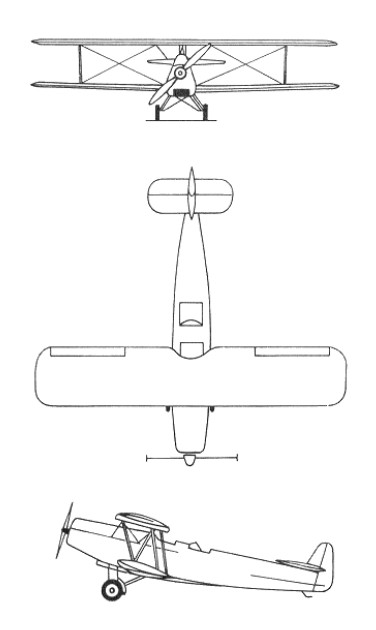
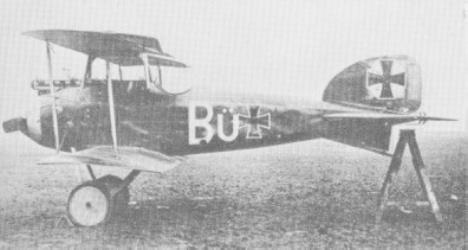
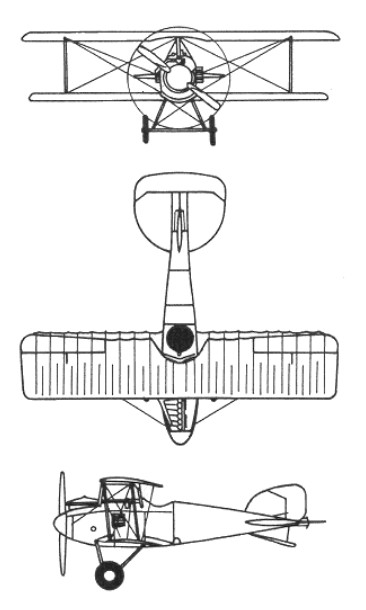
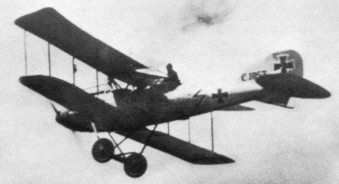
Albatros Werke L.75 Ass

A two-seat advanced training biplane, of which 41 models were produced including the prototype. The models were: a,b,c,d,E,F,DSA and DSB.The engines varied with the prototype having a BMW IVa all other models featuring the BMW Va except for the b,F and DSB which used the Junkers L5. Performance for all models was reasonably similar.

Engine: 1 x BMW VA, 280kW
Take-off weight: 1835 kg / 4046 lb
Empty weight: 670 kg / 1477 lb
Wingspan: 12.5 m / 41 ft 0 in
Length: 10.0 m / 32 ft 10 in
Max. speed: 208 km/h / 129 mph
Cruise speed: 180 km/h / 112 mph
Ceiling: 5100 m / 16750 ft
Range w/max.fuel: 1950 km / 1212 miles
Crew: 2

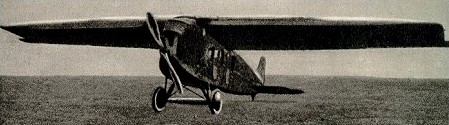
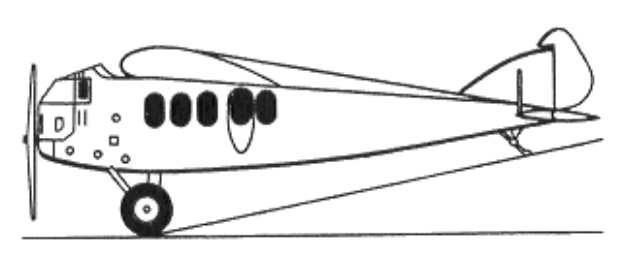
Albatros Werke L.58

A high-wing monoplane airliner of 1923 built in two models. The earlier model carried 5 passengers and was powered by the Maybach engine.
The later model carried 6 passengers and was powered by a Rolls Royce Eagle VIII. This engine gave a lower wing loading a greater endurance of 5 hours, as opposed to 4 hours of the Maybach, and an improved range of 735km.
The L.58 was constructed of wood with three-ply covering. The enclosed cabin carried six passengers under the wing and the pilot was seated immediately forward of the wing leading edge in an open cockpit. Petrol and baggage were carried in the wings. Seven were built with two sold to the Soviet Union.

Engine: Maybach IV, 190kW
Take-off weight: 2250 kg / 4960 lb
Empty weight: 1370 kg / 3020 lb
Wingspan: 18.0 m / 59 ft 1 in
Length: 10.9 m / 35 ft 9 in
Height: 3.6 m / 11 ft 10 in
Wing area: 44.5 sq.m / 478.99 sq ft
Endurance: 4 hr
Max. speed: 160 km/h / 99 mph
Cruise speed: 140 km/h / 87 mph
Ceiling: 3000 m / 9850 ft
Range w/max.fuel: 450 km / 280 miles
Crew: 2
Passengers: 6

Engine: Rolls Royce Eagle VIII, 179kW
Wingspan: 18.0 m / 59 ft 1 in
Length: 10.9 m / 35 ft 9 in
Height: 3.6 m / 11 ft 10 in
Wing area: 44.5 sq.m / 478.99 sq ft
Endurance: 5 hr
Range: 735km
Crew: 2
Passengers: 5

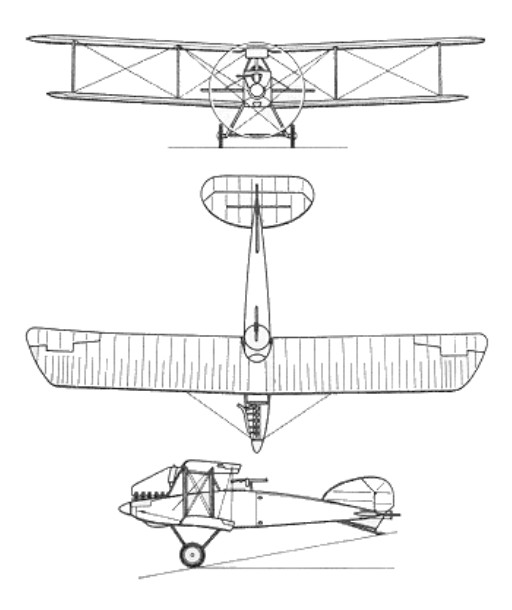
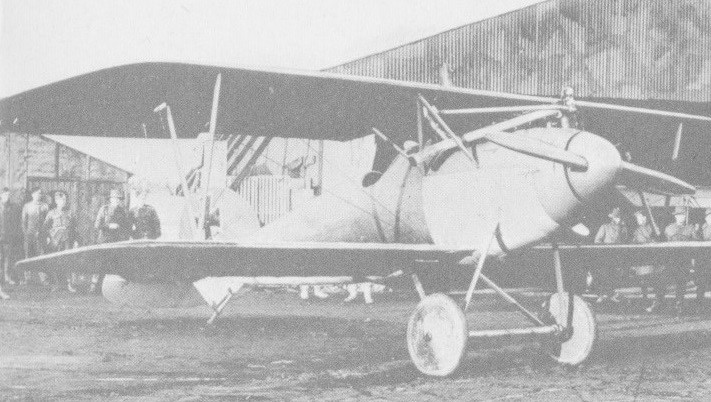
Albatros Werke J.I / J.II

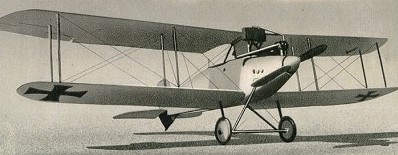
The Albatros J.I was conceived of as a dedicated ground attack aircraft for use in the “infantry close-support role” during World War 1. Taking the wing assemblies and empennage of the C.XII, Albatros built a new fuselage. Unique to the J.I was the addition of armour steel plate to help protect the crew during their low-level attack runs over hostile territory. This armour added much weight some 1,080lbs. To achieve the low-level strafing role required, the J.I was fitted with a pair of downward-firing machine guns controlled by the pilot. First flight of the J.I was recorded in 1917 and the aircraft went into operational status that same year.

Despite its drawbacks, the J.I did achieve a certain level of success as a dedicated ground-attack platform and about 240 production examples were built by war’s end.

A biplane design, the Albatros J.I featured a downward-sloping forward fuselage., keeping the engine at a low level when compared to most other biplane designs. The engine was fitted in a forward-set compartment ahead of the cockpit and protruded from the top of the fuselage. The engine powered a two-bladed propeller made of wood. The pilot saw just aft of the engine and under the upper wing assembly. To his rear was the observer/rear cockpit gunner. Wings were equal span with parallel struts and dual bays, additionally braced at the fuselage. The rounded fuselage tampered off to a point at the rear to which was affixed a rounded, swept-back vertical tail fin and a pair of horizontal planes set well-aft. A ventral “fin” type structure was noted under the fuselage rear and this helped to support the tail skid. The main undercarriage was fixed and each single-wheeled landing gear leg was supported by two struts emanating from the fuselage with a connecting strut joining the two legs together.

As an infantry close-support platform, the J.I armament was 2 x 7.92 Spandau LMG 08/15 series aircraft machine guns arranged in a fixed, downward angle, suitable for making strafing runs against trench formations. The rear 1 x 7.92mm Parabellum MG14 series machine gun served as a self-defence measure. This machine gun was fitted to a trainable mount.

Beyond the Luftstreitkrafte of the German Empire, the only other noted operator of the J.I became Poland but these were fielded in the years following the close of World War 1. Some 10 such aircraft in Polish service served up until 1921 before being retired.

The less successful J.II, powered by a 164kW Benz Bz.IVa, had extra armour plating to protect the engine and so lost the pointed nose and propeller spinner.

Albatros J.I
Engine: 1 x Benz Bz.IV inline, 150- or 200 hp
Length: 28 ft 10 in (8.8m)
Wingspan: 46 ft 4 in (14.14m)
Height: 11 ft 10 in (3.37m)
Wing area: 42.8 sq.m / 460.69 sq ft
Empty Weight: 3,082lbs (1,398kg)
Maximum Take-Off Weight: 3,986lbs (1,808kg)
Maximum Speed: 87mph (140kmh; 76kts)
Cruise speed: 110 km/h / 68 mph
Range w/max.fuel: 350 km / 217 miles
Range w/max.payload: 275 km / 171 miles
Rate-of-Climb: 400ft/min (122m/min)
Service Ceiling: 14,764ft (4,500m)
Endurance: 2 hours and 30 minutes
Crew: 2
Armament: 2 x 7.92mm Spandau LMG 08/15 machine guns, 1 x 7.92mm Parabellum MG14 machine gun

Albatros Werke W.4

The W.4 was a sea-plane development of the D.I and 117 were built for the German Navy to defend coastal naval bases from attack. Most were stationed at North Sea bases from early 1917, but a small number were deployed around the Aegean Sea area.
The W.4 was a two seater powered by the 160 hp Mercedes D.III, and normally armed with one or two Parabellum 7.92 mm machine guns in the rear cockpit.

Engine: 1 x Mercedes D III, 125kW
Wingspan: 9.5 m / 31 ft 2 in
Length: 8.5 m / 27 ft 11 in
Height: 3.7 m / 12 ft 2 in
Wing area: 31.6 sq.m / 340.14 sq ft
Take-off weight: 1070 kg / 2359 lb
Empty weight: 790 kg / 1742 lb
Max. speed: 160 km/h / 99 mph
Ceiling: 3000 m / 9850 ft
Range w/max.fuel: 450 km / 280 miles
Armament: 2 machine-guns
Crew: 1

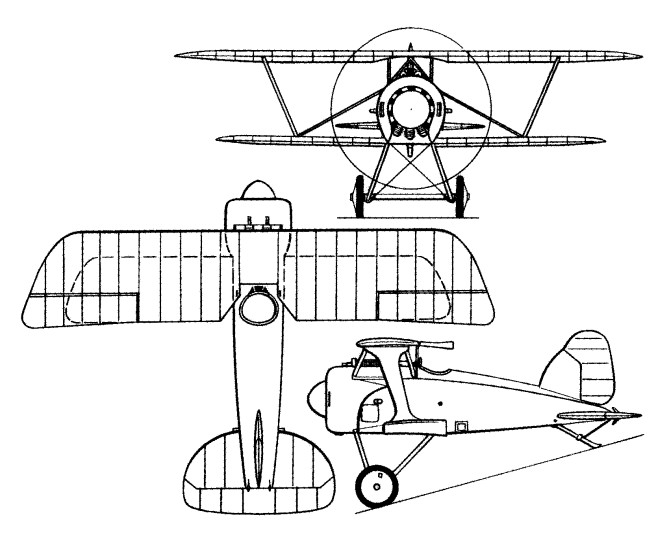
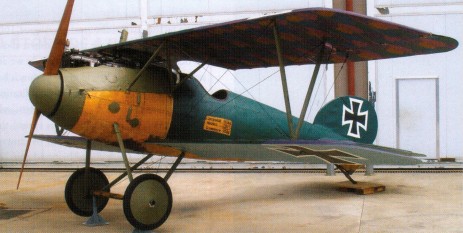
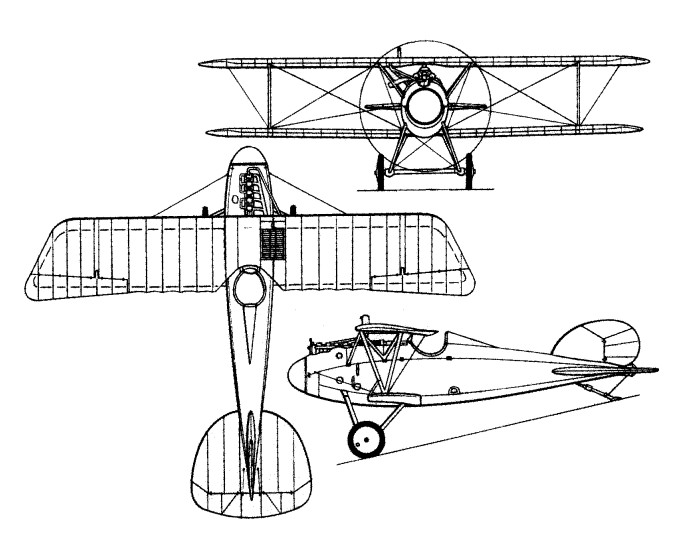
Albatros Werke D.V

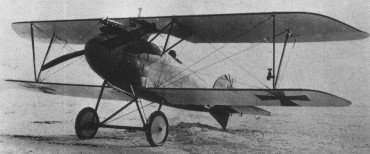
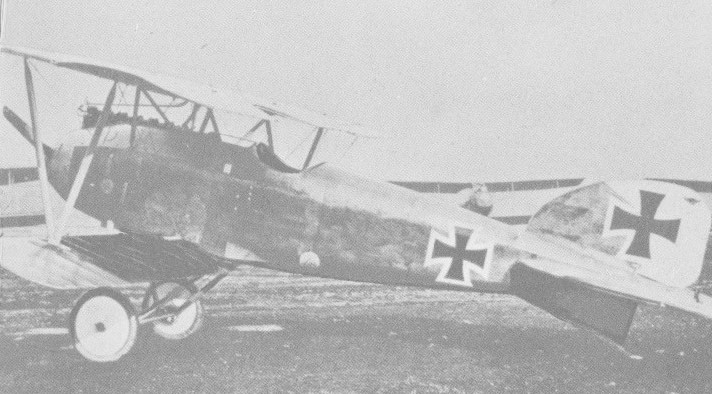
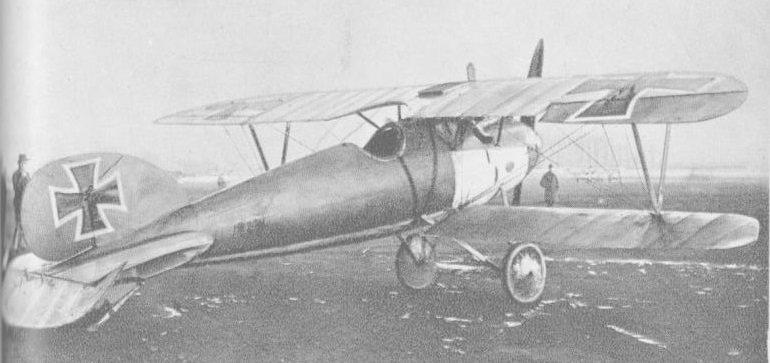
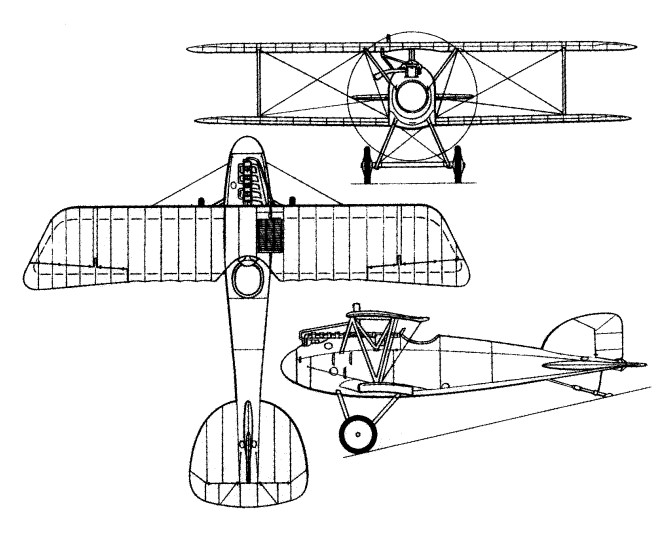
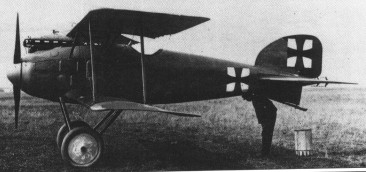
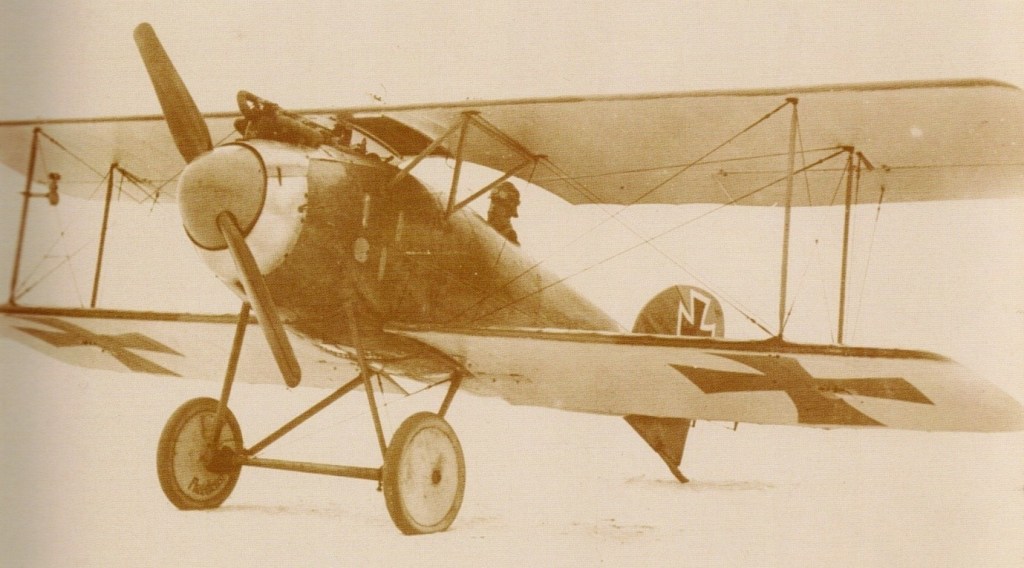
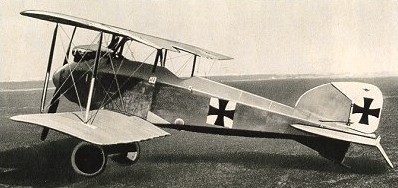
Early in 1917 Albatros began with a drag-reduced development of the D III fighter, featuring a deeper oval-section fuselage, a head rest (often removed as it interfered with the pilot’s rearward view), and reduction of the gap between the top of the fuselage and the upper wing by about 4 inch. Also included were a revised of the rudder, different aileron-control system, and a larger spinner. The under-fin vertical trailing edge was raked back at 45 degrees on the D.V. The under-fin vertical trailing edge was raked back at 45 degrees on the D.V.

The D.III’s wing and tailplane to the new fuselage and fin just transferred the structural problems to the new type. These were not corrected until the strengthened D.Va model.

The new D V entered service in May 1917 and was soon joined by the slightly different D Va. More than 1,000 examples of the two similar variants were in service during May 1918 over the Western, Italian and Palestinian fronts. No fewer than 1512 D.V and Va models served on the Western Front, plus many others in Macedonia, Pales¬tine and northern Italy.

Despite its aerodynamic re¬finement over the D III, the DV was no real match for the best of Allied fighters. Losses to Allied fighters were heavy, and the type also suffered a heavy accident rate as the lower wing had an alarming tendency to break away in highly stressed maneuvers.

Principal versions were the D V (basic version) and D Va (derivative with the upper wing and aileron control system of the D III).

Principal users were Austria-Hungary, Germany, and Turkey.

Gallery

Replica:
Redfern Albatros D.Va
TVAL Albatros D.Va
Grant Albatross D.V 75%

Albatros D.V
Engine: 1 x Mercedes IIIa engine, 180-200-hp (134-149-kW).
Length: 24 ft 0.5 in (7.5m)
Wingspan: 29 ft 8.25 in (9.05m)
Height: 8 ft 10.25 in (2.67m)
Wing area: 228.2 sq ft (21.20 sq.m)
Empty weight: 1,515 lb (687 kg)
Maximum Take-Off Weight: 2,059lbs (934kg)
Maximum Speed: 116mph (186kmh; 100kts) at 3280 ft/1000 m
Climb to 3,280 ft (1,000 m): 4 min
Service Ceiling: 18,698ft (5,699m)
Endurance: 2 hr.
Armament: two 7.92-mm (0.312-in) Spandau machine guns.
Accommodation: 1

D.Va
Engine: 1 x Mercedes Illa 6-cylinder in-line, 180hp
Length: 24.61ft (7.5m)
Wingspan: 29.69ft (9.05m)
Height: 8.86ft (2.70m)
Empty Weight: 1,510lbs (685kg)
Maximum Take-Off Weight: 2,059lbs (934kg)
Maximum Speed: 116mph (186kmh; 100kts)
Maximum Range: 232miles (373km)
Rate-of-Climb: 908ft/min (277m/min)
Service Ceiling: 18,698ft (5,699m)
Armament: 2 x 7.92mm machine guns
Accommodation: 1

Albatros D.V

Albatros Werke D.III

Having already found successes in the Albatros D.I and D.II models, designer Robert Thelen sought for more in the way of manoeuvrability for the new Albatros D.III. This was accomplished by a new unstaggered wing. The wings comprised a longer-span upper wing with raked tips and a narrow-chord lower wing in a sesquiplane arrangement with V-layout interplane struts. Ailerons were on the top wing only. The D III retained the fuselage and empennage of the D II but added a version of the D.III engine with a higher compression ratio for slightly more power.

The D.III featured a semi-monocoque structure with plywood skinning. The pilot sat at the relative center portion of the fuselage in an open-air cockpit just behind and under the top wing. The top wing was lowered enough to allow for improved visibility. The engine sat before the pilot under the twin 7.92 LMG 08/15 machine guns synchronized to fire through the spinning propeller blades. The two-bladed propeller featured a large cone-shaped spinner. The undercarriage consisted of two fixed struts, each with a wheels while the empennage held the tail skid.

Albatross D.III Article

D.III’s were in operational service in some quantity by December of 1916 and the new wing arrangement immediately proved to offer better manoeuvrability. Power was provided by a Mercedes D.IIIa series engine which was progressively uprated from 170 horsepower to 175 during the production run. By the spring of 1917 the D.III equipped all Germany’s 37 Jastas. After some operational service, the radiator had to be shifted from the center to the right side of the upper wing. This was done as the pilot would incur serious burns should the radiator become punctured in combat (this production change was included in the 290th aircraft and onwards).

Albatros soon found that failures of the leading edge and lower wing ribs were becoming all too common – leading to cracks or outright failures. As such, D.IIIs were grounded for a crucial period until the problem was located and addressed. The D.III would have to wait until February of 1917 to be back in action, this time with a reinforced lower wing. New production models featured this fix while previous service models were pulled and reinforced.

The structural deficiency was directly attributed to the main spar being set too far to the rear of the design. This effectively caused a twisting of the wing, most notably during a dive or an action introducing high stress loads to the wing.

Some of the earliest D.IIIs were assigned to Jagdstaftel 11, the squadron commanded by Baron Von Richtofen. As a result of numerous wing failures, restrictions were put on the diving speed of the D.III. The cause was the weakness of the V-strut supporting the lower wing, which permitted twisting under load.

Equipped with the D.III, the German fighter squadrons rapidly asserted their superiority over their Allied opponents in the early months of 1917, culminating in ‘Bloody April’. During that month the Royal Flying Corps, in spite of Allied superiority in single-seat fighters of 358:114, suffered aircrew losses totalling over 40%, and the average life expectancy of a British airman on the Western Front dropped to 23 days.

There were many minor variations, and Oeffag (Austrian built) models had Austro Daimler engines of up to 225 hp. Nearly 500 D.IIIs were at the Western Front in late 1917, but Albatros found it outclassed by the Allies’ Triplane, Camel, SE.5a and Spad VII.

The D.III stayed in operational use into the final year of the war despite being overtaken in all performance categories – particularly by the British Royal Aircraft Factory S.E.5, French SPAD S.13 and Sopwith Camel models of the Allies.

Gallery

D.III
Engine: l x Mercedes D.IIIa, 127 or 130kW (170 or 175hp).
Wingspan: 29 ft 8.25 in (9.05m)
Wing area: 220.7 sq.ft
Length: 24 ft 0.5 in (7.33m)
Height: 9 ft 9 in (2.98m)
Empty Weight: 1,499 lbs (680kg)
Maximum Take-Off Weight: 1,953 lbs (886kg)
Fuel capacity: 24 Imp.Gal
Maximum Speed: 109mph (175kmh; 94kts) at 3,280 ft
Maximum Range: 217miles (350km)
Rate-of-Climb: 886ft/min (270m/min)
Service Ceiling: 18,045ft (5,500m)
Operational endurance: 2 hr
Armament: 2 x 7.92mm LMG 08/15 machine guns
Seats: 1

Oeffag D.III
Engine: Austro Daimler, up to 225 hp
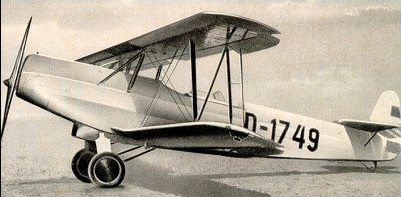
Albatros Werke D.II

The Albatros D.II became a further development of the Albatros D.I. In the D.II, the top wing was brought down to improve pilot visibility and also allowed for the improved radiator to be mounted in the center of the upper wing section.

Albatros Werke D.I / D.II Article

Albatros D.II
Engine: 1 x Mercedes D.IIIa, 119kW / 160hp.
Length: 24ft 3.25 in (7.4m)
Wingspan: 27 ft 10.75 in (8.50m)
Height: 9.68ft (2.95m)
Maximum Speed: 109mph (175kmh; 94kts)
Maximum Range: 163miles (263km)
Rate-of-Climb: 656ft/min (200m/min)
Time to 3000 ft: 5 min
Service Ceiling: 17,060ft (5,200m)
Operational endurance: 1 hr 30 min
Armament: 2 x 7.92mm LMG 8.15 machine guns
Accommodation: 1
Maximum Take-Off Weight: 1,958lbs (888kg)

Albatros Werke D.I

The Albatros D.I was initially designed and produced to counter the Nieuport and de Havilland series of “Fighting Scout” aircraft, winning superiority back by 1917. Initial D.I’s were modelled after the Albatros “C” series of aircraft, including some of the internal working components and overall building methodology used in production.

Albatros Werke D.I / D.II Article

The D.I and D.II represented Germany’s second successful bid within a year to gain total air superiority over the Allies (the first with the Fokker E monoplanes in 1915-16). They were vast improvements over the previous Fokker and Halberstadt biplane fighters.

They were an unequal-span equal-chord biplane with a plywood-covered semi-monocoque fuselage, having the Albatros C.III rounded tailplane coupled with the new rounded fin and rudder of C.V/16 type. The major difference between the D.I and D.II was that the upper wing of the D.II was lowered to reduce the gap between it and the fuselage to improve forward and upper vision. Powered by either a 112kW Benz Bz.II or 119kW Mercedes D.III engine they armed with two synchronized Spandau machine-guns, firing through the propeller – the first successful installation of twin guns on a German fighter.

The D.I first flew in August 1916, and were first flown on an operational mission in September 1916, led by the ace Oswald Boelcke.
Twenty D.II, powered by 138kW Austro-Daimler engines, were also licence-built by the Oeffag company for the Austro-Hungarian Air Force. At the peak of their operational careers with the German Air Force, about 260 D.I and D.II fighters were in service.
In October 1916 the D.1 was replaced in production by the D.II.

Albatros D.I
Engine: 1 x Mercedes D.III, 119kW / 160hp
Length: 23.95ft (7.3m)
Wingspan: 28.22ft (8.60m)
Height: 9.51ft (2.90m)
Empty Weight: 1,422lbs (645kg)
Maximum Take-Off Weight: 1,980lbs (898kg)
Maximum Speed: 120mph (193kmh; 104kts)
Maximum Range: 180miles (289km)
Rate-of-Climb: 547ft/min (167m/min)
Service Ceiling: 16,998ft (5,181m)
Armament: 2 x 7.92mm machine guns
Accommodation: 1

Albatros D.I
Engine: 1 x Benz Bz.III 112 kW / 150 hp
Take-off weight: 900 kg / 1984 lb
Empty weight: 674 kg/ 1486 lb
Wingspan: 8.5 m / 27 ft 11 in
Length: 7.4 m / 24 ft 3 in
Height: 3.0 m / 9 ft 10 in
Wing area: 22.9 sq.m / 246.49 sq ft
Max. speed: 175 km/h / 109 mph
Ceiling: 6000 m / 19700 ft
Range w/max.fuel: 300 km / 186 miles
Armament: 2 machine-guns
Crew: 1

Albatros Werke C.X

The Albatros production of the C.X model supplanted the earlier C-series by improved aerodynamic design and powerplants.

The C.X was fitted with the newly-designed Mercedes D.IVa engine that improved performance and reliability. The C.X would be fielded in the Front from the summer of 1917 onwards.

The C.X biplane sat two crewmembers back-to-back in the cockpit area. The pilot was positioned at front, offering up a traditional field of view under and behind the top wing system and behind the engine. An observer/rear gunner manned a ring-mounted array of 7.5mm Parabellum machine guns. Additional stores in the way of light bombs could also be carried.

As successful as the C.X was in the reconnaissance role, the C.X was replaced with the C.XII.

Albatros C.X
Engine: 1 x Mercedes D.IVa, 240 hp
Length: 30.02ft (9.15m)
Wingspan: 47.11ft (14.36m)
Height: 11.15ft (3.40m)
Empty Weight: 3,677lbs (1,668kg)
Maximum Speed: 109mph (175kmh; 94kts)
Service Ceiling: 16,404ft (5,000m)
Armament: 2 x 7.5mm Parabellum machine guns in ring-mounted rear cockpit position.
Accommodation: 2
Hardpoints: 2