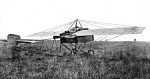
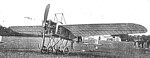
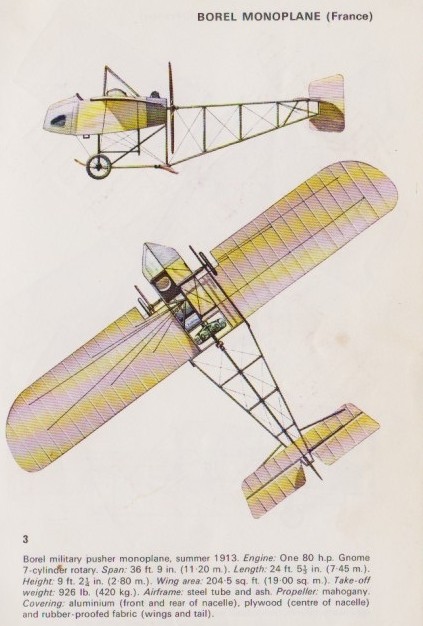
The 1910 Borel pusher monoplane was designed and built by Brothers Borel in France.
Span: 39’4″
The 1910 Borel pusher monoplane was designed and built by Brothers Borel in France.
Span: 39’4″
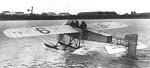
The 1912 Borel hydro-monoplane two seater was designed and built by the Borel Brothers in France.
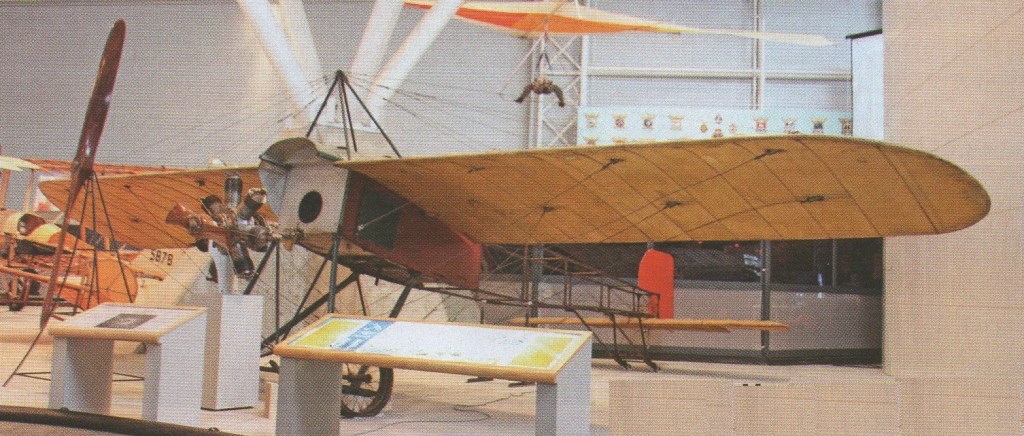
Designed and built by Borel Brothers, the 1911 Borel Type Militaire monoplane was a four seater.
Engine: Gnome, 50 hp

The single seat Bonsall Mustang MkII, often referred to as “The Pride of Yorkshire”, was built by D.C. Bonsall in the United Kingdom in 2011. The unique 8/10th scale replica of a P-51 Mustang aircraft has wooden frame/spars with fibreglass wings and skin, titanium fuel tanks and many titanium fittings.

It is a UK LAA Permit to Fly aircraft, maintained per UK LAA Maintenance Requirements.
Capable of 200 kts and powered by a 300 hp Lycoming IO-540 engine and McCauley 3-blade B3D36C431-B propeller it is registered G-BDWM S/N PFA 073-10200.
It was for sale in 2019 with an asking price of £120,000.

Monoplane, 1929 two-seat cabin monoplane designed by Ing Ugo Abate

Leonard Bonney, an aviation pioneer and one-time First World War US Army and Navy flying instructor. Bonney became obsessed with the shape of a gull’s wing, which he believed to be the most efficient and capable wing form in nature. He set out to design an airplane that mimicked its qualities.
Through mechanical mechanisms he sought to be able to vary the wing’s incidence and sweep. The design, wind tunnel testing and fabrication of the Bonney Gull took him almost five years. At a time when a new airplane cost about $3,000, the Gull’s development cost was $83,000.
The aircraft had so many new features and looked so unpredictable that Bonney could not get a test pilot to take it up—so he did it himself. On 4 May 1928 at Curtiss Field, Long Island after a quick flight in another aircraft to refresh his skills, he took the Gull into the air on its first flight. At a height of about 50 feet, the porpoising aircraft nosed over and dove straight into Long Island. Leonard Bonney was killed.

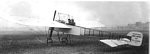
The Bonnet-Labranche 2-seater monoplane racer was designed and built by A and E Bonnet-Labranche about 1911, in France.
No. 6 School
Span: 27’10”
Length: 26’3″
Weight: 485 lb gross
Speed: 47 mph
No. 7 Racer
Span: 31’6″
Length: 28’2″
Weight gross: 617 lbs
Speed: 62 mph
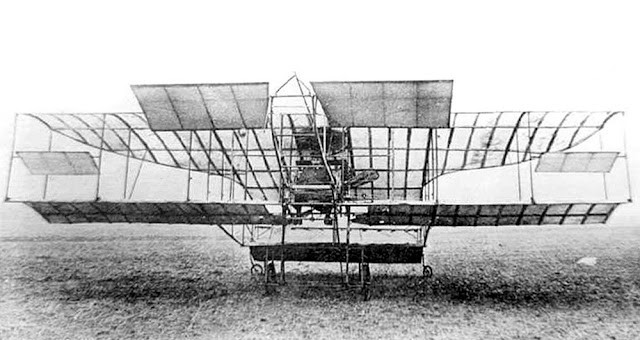
The 1909 Bonnet-Labranche No. 3 pusher biplane was designed and built by Brothers Bonnet-Labranche in France.
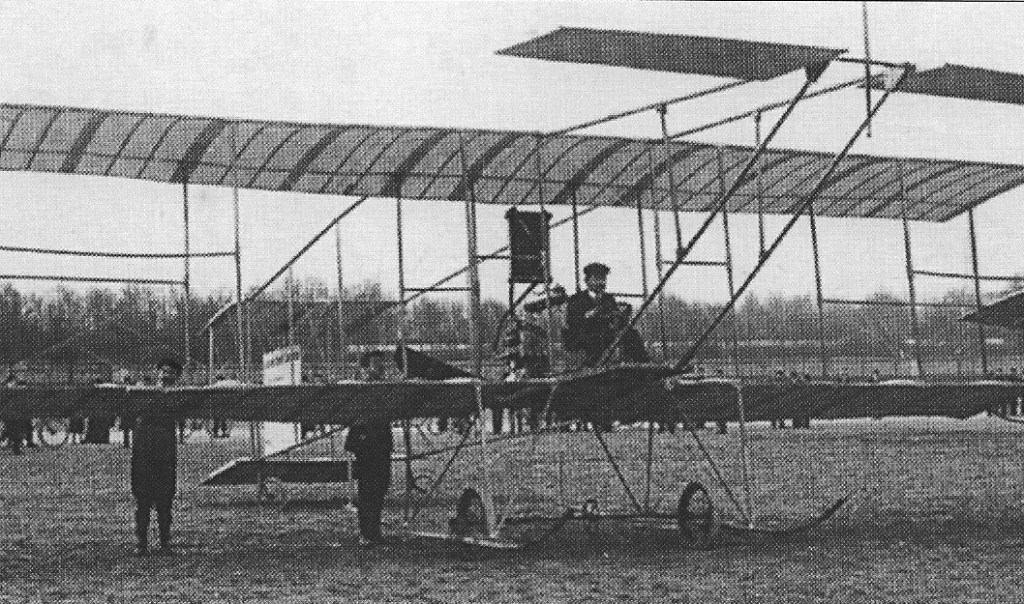
The Bonnet-Labranche was trialled at Issy-Moulineaux, Paris, in August 1910.
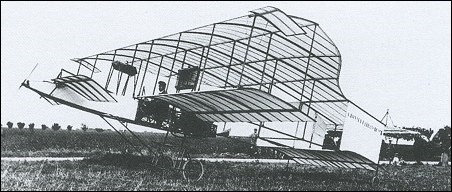
Apparently, this airplane is the device bearing the generic name “1” or “2”, characteristics with their large wing.
Engine: 30 Hp Filtz-Arion
Span: 23′ / 11.50 m
Length: 26’3″ / 12.50m
Weight: 550 lb
The ABL monoplane was built in France by Brothers Bonnet-Labranche in 1909.
Span: 36′
Length: 32’10”
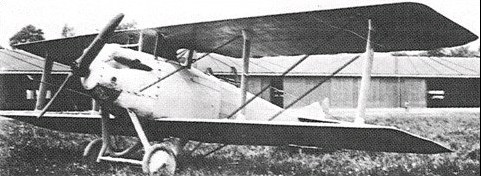
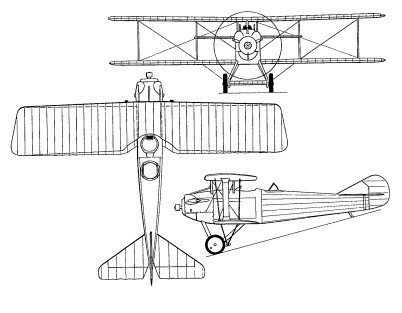
Designed by Charles Audenis and built by the Boncourt- Audenis-Jacob concern at Bron, the BAJ Type IV was a tandem two-seat fighter powered by a 300hp Hispano-Suiza 8Fb eight-cylinder water-cooled engine. The Type IV was armed with one synchronised 7.7mm Vickers machine gun and a pair of 7.7mm Lewis guns on a T.O.3 ring mounting in the rear cockpit. Of relatively clean design, with aerofoil-section single interplane struts and a close-cowled engine, the Type IV was officially ordered on 1 May 1918 by the Aviation Militaire. The first prototype was delivered to Villacoublay for official trials late in November 1918, but these were apparently delayed by the need for modifications which were undertaken by the Hanriot concern and completed on 28 January 1919. The first prototype was returned to the Boncourt-Audenis-Jacob concern for repairs in the summer of 1919, official trials being continued with a second prototype. No production order for the Type IV was placed and no specification for this type has apparently survived