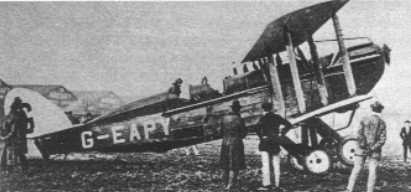
DH14A
Engine: Napier Lion, 450 hp (335 kW)
DH14A
Engine: Napier Lion, 450 hp (335 kW)
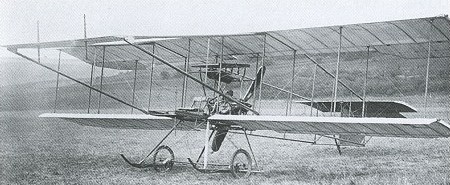
The Balloon Factory at Farnborough decided to buy the de Havilland No. 2 for £400. Being a pusher biplane like the Farman, de Havilland’s aircraft was given the official designation F.E.1 (Farman Experimental No. 1). After quite a lot of flying it was wrecked, rebuilt with a Gnome instead of its original 45 hp de Havilland Iris engine and re-designated F.E.2. A successful fighter of 1916-17.
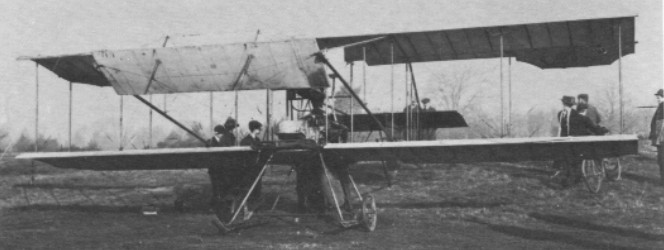
Engine: 1 x 60-h.p. E.N.V., “F”
Span: 38ft 0in
Length: 40′
Loaded wt: 1,200 lb
Seats: 1

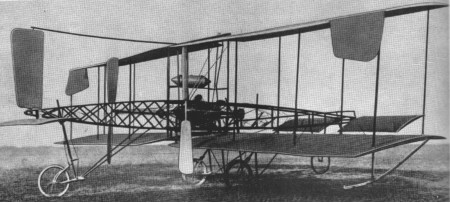
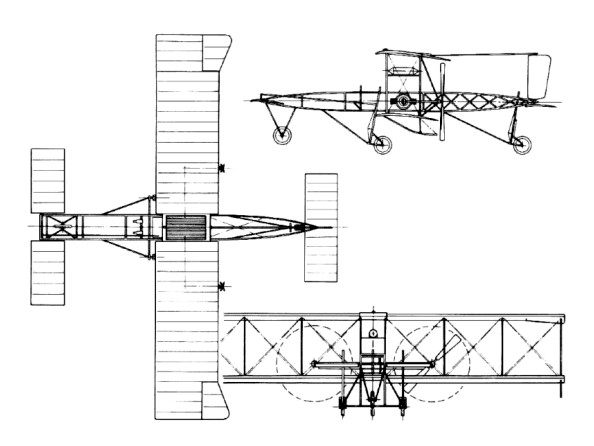
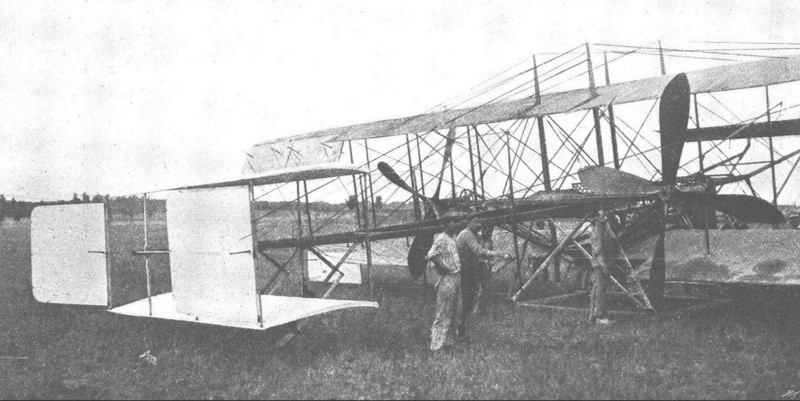
The first Geoffrey de Havilland aeroplane was a biplane built by de Havilland and F.T.Hearle in a shed near Newbury (Berks) in 1908-9. The airframe was American white pine, spruce and ash. The propeller had steel shafts with aluminium blades, and the airframe covered in undoped bleached cotton.
Flown (or hopped) on a racecourse there, it crashed; but he built another.
Engine: 45 hp Iris-built de Havilland 4-cyl horizontally opposed
Span: 36 ft 0 in / 10.97 m’
Length: 29′ 0 in / 8,84 m
Height: approx. 9 ft 10 in / 3.00 m
Wing area: 408 sq.ft / 37.90 sq.m
Weight all up: 850 lb 386 kg
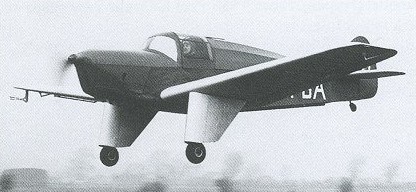
The de Glymmes DG X OO-AKV (c/n 01) was designed by engineer Raoul de Glymes of Hollebecque, Belgium, and fabricated in collaboration with Alfred Herrmann.
This two-seater aircraft was equipped with a Renard 100hp engine and was registered as OO-AKV in 1931.
In 1931, R. Van de Velde owner and pilot of the aircraft flew Brussels – Nuremberg – Vienna (1400 Km) in 9 flight hours with an average speed of 155 Km/H.
On August 22nd, 1931 the same pilot won the first place of a Belgian air raid organized by the “Aeroclub Royal de Belgique”.
The registration and the plane disappeared in 1935.
The de Glymes Colanhan 1925 single-seat glider had an optional motoglider configuration with a 70 hp Anzani 6-cylinder radial engine.
Only one was built, O-BAFR, later it served as wing testbed for SABCA S.3 project.
Wingspan: 12.3 m
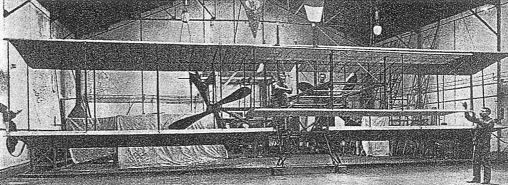
The first machine incorporating the S.C. Hart-Still wing was the 1937 Deekay “Knight” two seat cabin monoplane. The wings of this aircraft are in wood, but developments for the use of plastic materials was to be extended to the production aircraft of the company. One completed; scrapped during war.
The second de Dion-Bouton (in 1911) design was a biplane with a single front elevator, built at the Espinosa Avionnerie (SACAA).
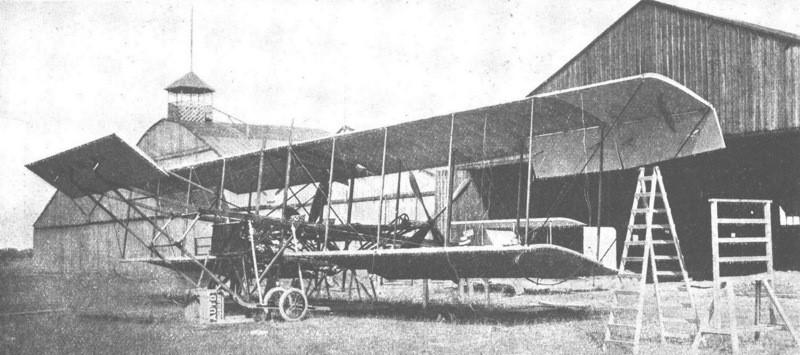
The biplane had twin 4-bladed pusher propellers driven by a 100 hp engine and biplane tail.
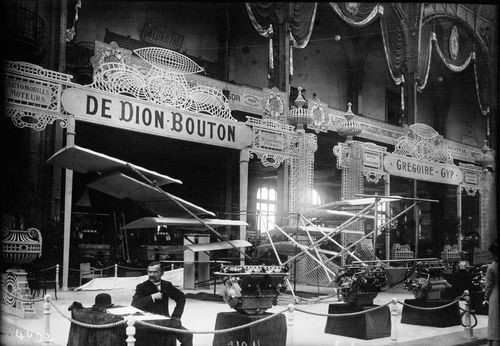
The first of two unsuccessful aeroplanes designed and built by Établissement de Dion-Bouton, the car and motor company. Remotely resembled a Wright Flyer, with twin rudders at the rear, a single small tailplane, and a triplane elevator in front, but instead of wings, each side had four wing-segments set at 30 degrees dihedral. Four propellers were to be employed, driven by a 100 hp engine. Displayed incomplete at the Première Exposition internationale de la locomotion aérienne at the Grand Palais in Paris during September 25 – October 17, 1909, construction and/or testing was likely halted afterwards as nothing more was heard of this flying machine of Jules-Albert de Dion and Georges Bouton.

The 1910 De Coster “Flugi” monoplane was designed and built by Charles de Coster in France.
Span: 26’3″
Length: 26’3″
Weight empty: 639 lb
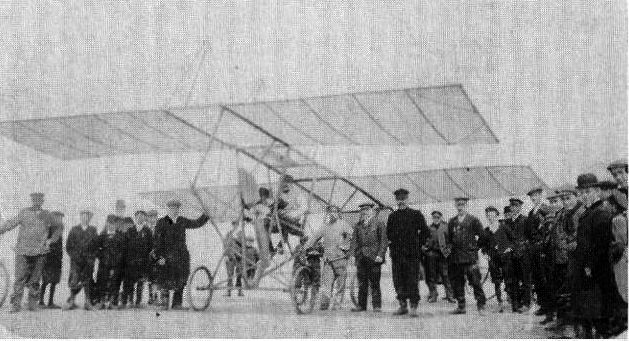
Emmanuel Honoré Decommines, known as Georges Decommines, was born in Ostend, Belgium, on 14 February 1879. His brother Louis Decommines helped him with the construction of this airplane. The tractor propeller was driven by a 25 hp Anzani, which was financed by his aunt. On the first flight attempt, on the morning of May 15, 1910 on the beach of Ostend, Belgium, refused to start and on the second threw a propeller blade through the fuel tank, causing a fire which burned both the plane and the pilot/builder, but both were able to recover and try again. After repair, the machine crashed while attempting to take off. The builder, with minimal damage this time, took the hint and scrapped it, but he would come back with another design the year after.

