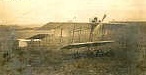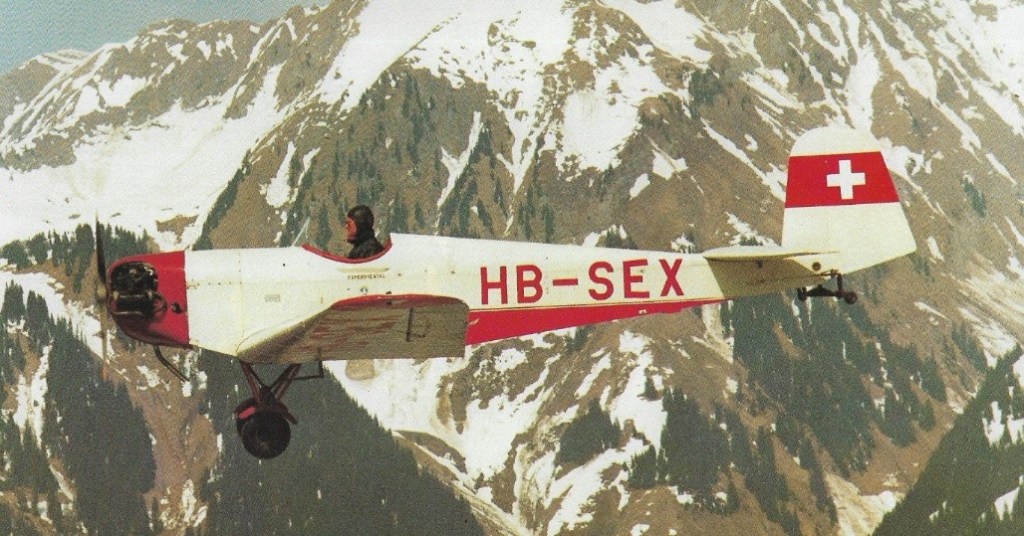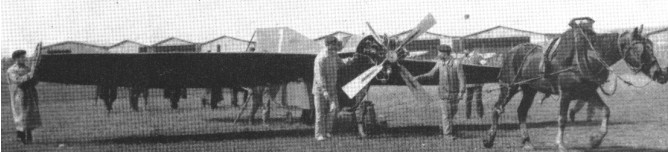
Esnault-Pelterie R.E.P.2

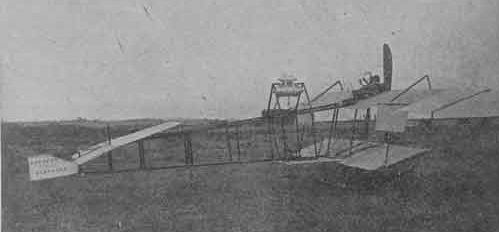
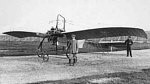
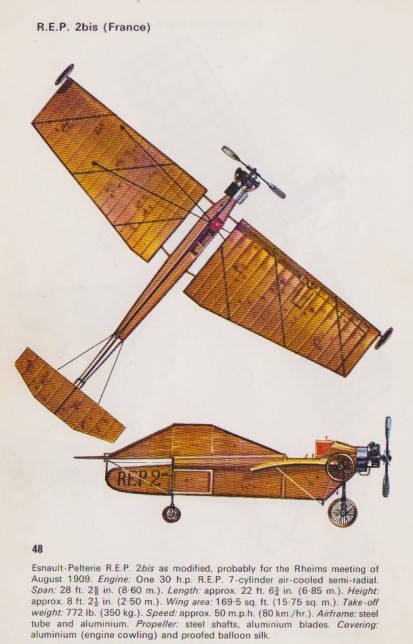
REP.2 bis

One of the few pioneers to persevere with the monoplane, Robert Esnault Pelterie applied to his work to apply aileron control to a full-sized aeroplane (a glider, in 1904), the first to use hydraulic wheel brakes, the first to develop an aircraft seat belt, he also designed the engines that powered his early aircraft. First flown on 15 February 1909, the steel frame REP 2bis represented the culmination of development of his first powered aircraft, and in May 1909 it made its best flight, travelling some 5 miles (8 km). Before the end of the first World War, however. Esnauit Peiterie had transferred his interest to an even more exciting field that of rocket propulsion.
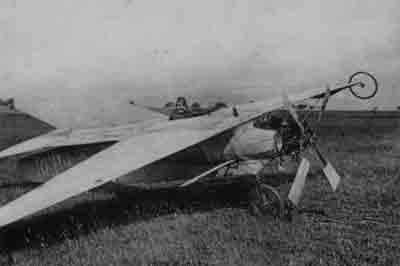
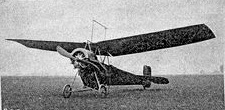
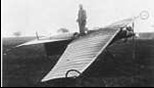
REP 2

The REP 2 was similar to the REP 1 but now with fin and rudder.
Engine: R.E.P. seven¬-cylinder air-cooled semi radial, 30 hp.
Prop: 4-blade.
Wing span: 28 ft 2.5 in (8.60 m).
Length: appro. 22 ft 6.75 in (6.85 m).
Height: approx 8 ft 21 in (2.50 m).
Wing area: 169.5 sq ft (15.75 sq.m).
Gross weight: 772 lb (350 kg).
Speed: approx 50 mph (80 kph).
Seats: 1.

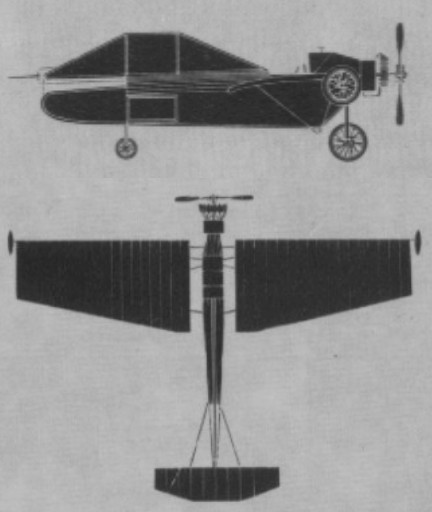
R.E.P. No.2bis
First flight: 1908
Wing span: 9.6m / 31ft 6 in
Length:8m / 26 ft
Weight: 420kg / 925 lb
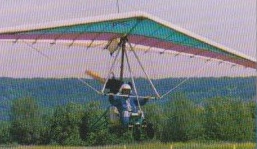
Escape Starter

Starter 503

This is a spaceframe trike. The wing is able to be rotated 90 degrees for easy hangerage.

Starter 503
Empty weight: 145 kg
Wing span: 10.20 m
Wing area: 14.8 sq.m
Fuel capacity: 50 lt
Engine: Rotax 503 , 52 hp
MAUW: 400 kg
Seats: 2
Max speed: 120 kph
Cruise speed: 85 kph
Minimum speed: 45 kph
Climb rate: 4 m/s
Fuel consumption: 9 lt/hr
Price (1998): 75 500 Fttc

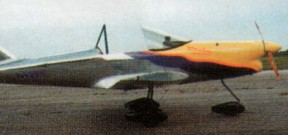
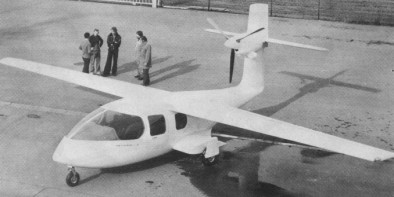
Erospace Darling

Features a laminer flow, rivetless wing.

Engine: Rotax 447, 40 hp
HP range: 40-100
Wing span: 20 ft
Wing area: 57 sq.ft
Height: 5.5 ft
Length: 16.5 ft
Top speed: 135 mph
Cruise: 125 mph
Stall: 50 mph
Range: 400 sm
Rate of climb: 1100 fpm
Takeoff dist: 520 ft
Landing dist: 400 ft
Service ceiling: 15000 ft
Fuel capacity: 12 USG
Empty weight: 325 lb
Gross weight: 620 lb
Seats: 1
Baggage capacity: 2.5 cu.ft / 20 lb
Landing gear: nose

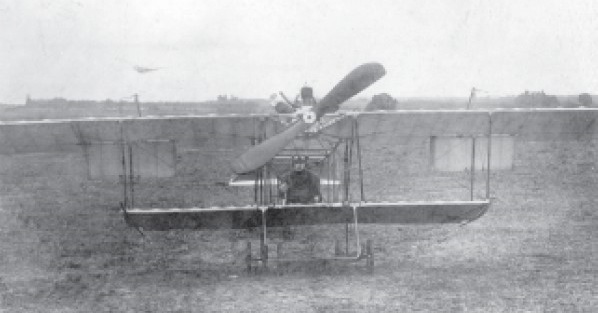
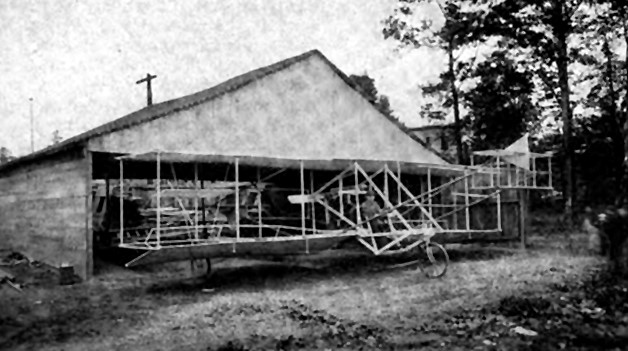
Ericson 1909 Biplane

The first machine built by Louis G. Ericson, president of the Eureka Soap Company, Springfield, Massachusetts, USA, and member of the Springfield Aeronautical Club. It was a pusher biplane of Curtiss type with variable incidence lower wings with a span of 30″, a 4-cyinder. Knox 225 auto engine, removed from Ericson’s own Buick, and a total weight of 800-900 lbs. No flight was recorded. Ericson built three more machines. All crashed, and the last crash broke his hip and forced him to retire from aviation.