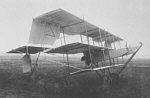
The 1911 Euler “Schuldreidecker” training pusher triplane was designed and built by August Euler.
The 1911 Euler “Schuldreidecker” training pusher triplane was designed and built by August Euler.
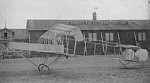
The 1911 Euler military pusher biplane was designed and built by August Euler.
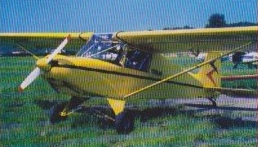
A two-seat cabin monoplane in kit form. Using the same wing as the Moto du Ciel, a clipped wing version was also offered.
Engine: Rotax 912, 80 hp
Wing span: 10.1 m
Wing area: 15.7 sq.m
Empty weight: 262 kg
MAUW: 450 kg
Fuel capacity: 2 x 30 lt
Max speed: 190 kph
Cruise speed: 170 kph
Minimum speed: 55 kph
Climb rate: 5.5 m/s
Fuel consumption: 12.5 lt/hr
Seats: 2
Kit price (1998): 123 900 Fttc
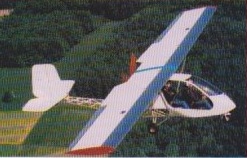
An early two-seat open microlight, still in production in 1998, the fuselage is based on a spaceframe of small diameter tubes brazed together, whilt the wings are of sheet dural and extruded polystyrene foam covered in heat-shrunk Dacron. A removable cabin was availale.
Engine: Rotax 912, 80 hp
Wing span: 11.3 m
Wing area: 15.7 sq.m
Empty weight: 240 kg
MAUW: 450 kg
Fuel capacity: 2 x 25 lt
Max speed: 160 kph
Cruise speed: 110 kph
Minimum speed: 50 kph
Climb rate: 5.5 m/s
Fuel consumption: 14 lt/hr
Seats: 2
Price (1998): 198 700 Fttc
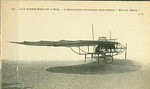
The 1909 Etrich-Wels “Praterspatz” (Prater sparrow) tractor monoplane was designed and built by Igo Etrich and Franz Wels in the Austro-Hungarian empire.
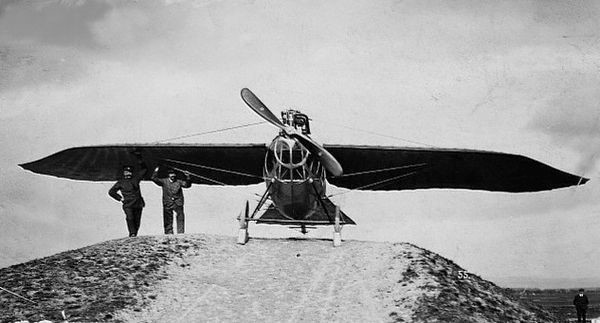
Igo Etrich had established the “Aeroplan Bau Gewerbe” in his home town of Trautenau, and at the airfield in Josefstadt – only few kilometres south of Trautenau – developed his new constructions: the Taube-Limousine and Schwalbe.
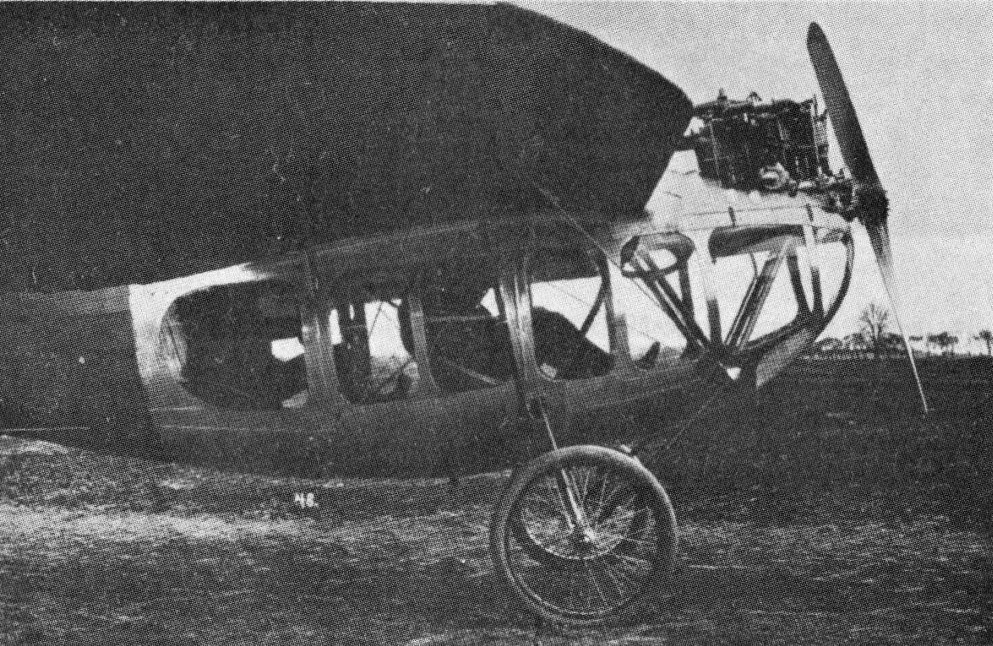
The Etrich Limousine made its maiden flight on May 7, 1912 at Josefstadt, Austria. It was the first passenger aircraft with a completely enclosed seating cabin. The airplane had very successful flight characteristics and made many flights.
A number of VII & VIII have been sold for military purposes to the Austrian, Russian, German, and other governments.
VIII 1911-12
Engine: 100 hp
Span: 42ft (12.80m)
Wing area: 323sq.ft (30m)
Length: 30ft 9 in (9.30m)
Seats: 2
Number built during 1912: 2
Limousine 1912-13
Engine: 60 h.p Daimler
Span: 31 ft 3in (9.50 m)
Wing area: 280sq.ft (26 m²)
Length: 26 ft 3in (8 m)
Seats: 2
Number built during 1912: 2
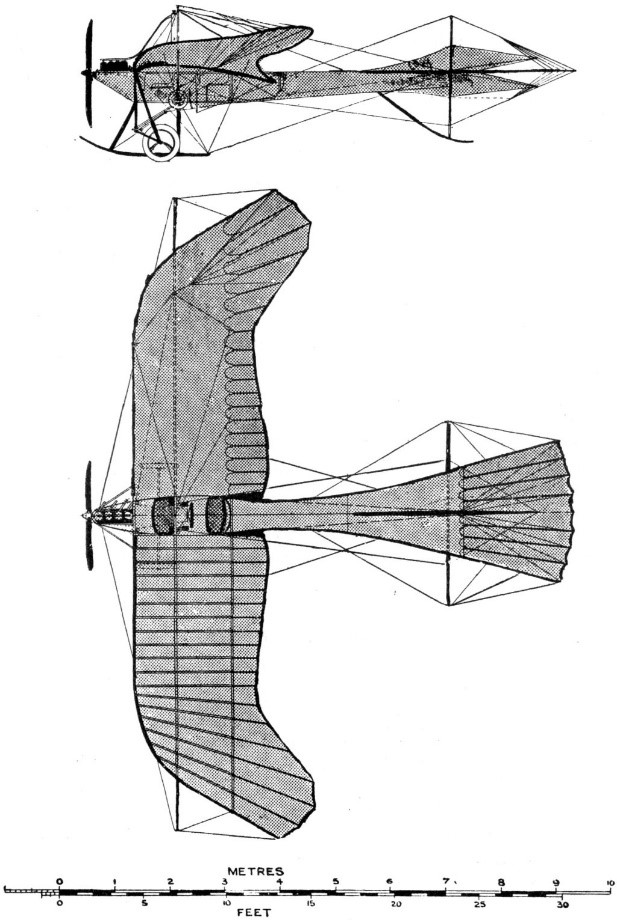
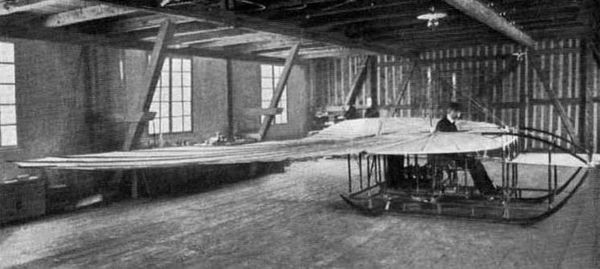
Designed by Igo Etrich and Franz Xavier Wels, the Etrich I was built at Oberaltstadt, near Trautenau (today Trutnov, Czech Republic). It had a front elevator and control of the aircraft was for the first time using wing warping. A pusher monoplane, power was an Antoinette 24 hp engine.
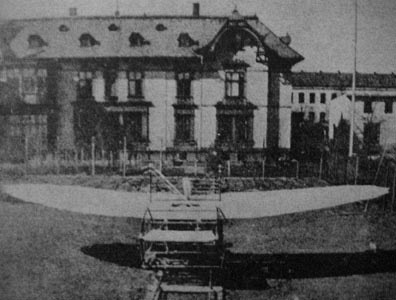
The tests flights were performed at Vienna, Prater Square in the fall of 1907. Using a rail starting ramp, the aircraft was too heavy to fly.
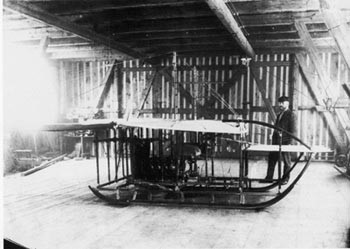
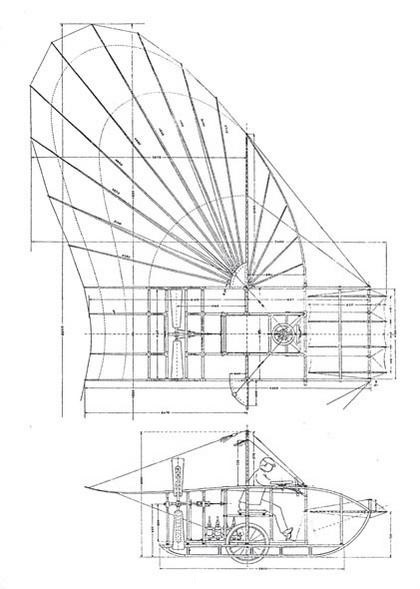
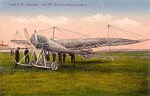
The 1911 Etrich VII “Renntaube” (Racing Dove) 3-seater racing monoplane was designed and built by Igo Etrich.
A number of VII & VIII have been sold for military purposes to the Austrian, Russian, German, and other governments.
VII 1911
Engine: 120 h.p. Daimler
Span: 48ft (14.60m)
Wing area: 380sq.ft (35 m²)
Length: 37ft (11.30m)
Number built during1912: 5
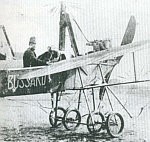
The 1911 Etrich IV “Manövertaube” (Military Dove) Type B military 2-seater monoplane was designed by Igo Etrich and built by Jacob Lohner & Co. Vienna.
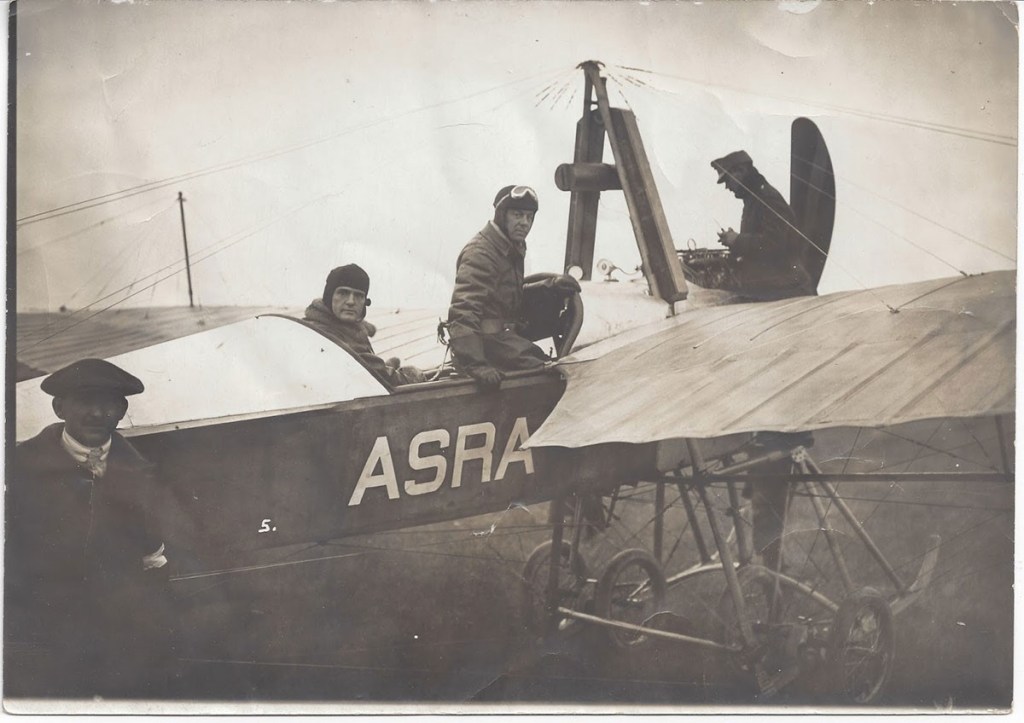
Michel Fithian-Eyb came across a photo of his grandfather in an airplane. It turned out he was one of the first aviators in the newly formed aviation division of the Austro-Hungarian Empire’s military. The airplane turned out to be a 1912 Taube, designed by Igo Etrich and built by Lohner in Vienna.
Fourteen were made in a matter of a couple months and names starting with “A” were painted on them: his was the ASRA. No prototype was built, or tested, they went right into production. The massive landing gear was a result of the military’s requirement that the airplane was supposed to be able to land and take off again with two aboard in a freshly ploughed field.
Michel Fithian-Eyb, born in Vienna, decided to build a full-scale flying 1912 Etrich Taube Series F replica with a 47-foot wingspan. He was able to get partial plans from Heinz Linner in Vienna, who had previously built two versions of the Taube. It took five years of research and eleven years of building, and the successful maiden flight was accomplished on July 8, 2018.
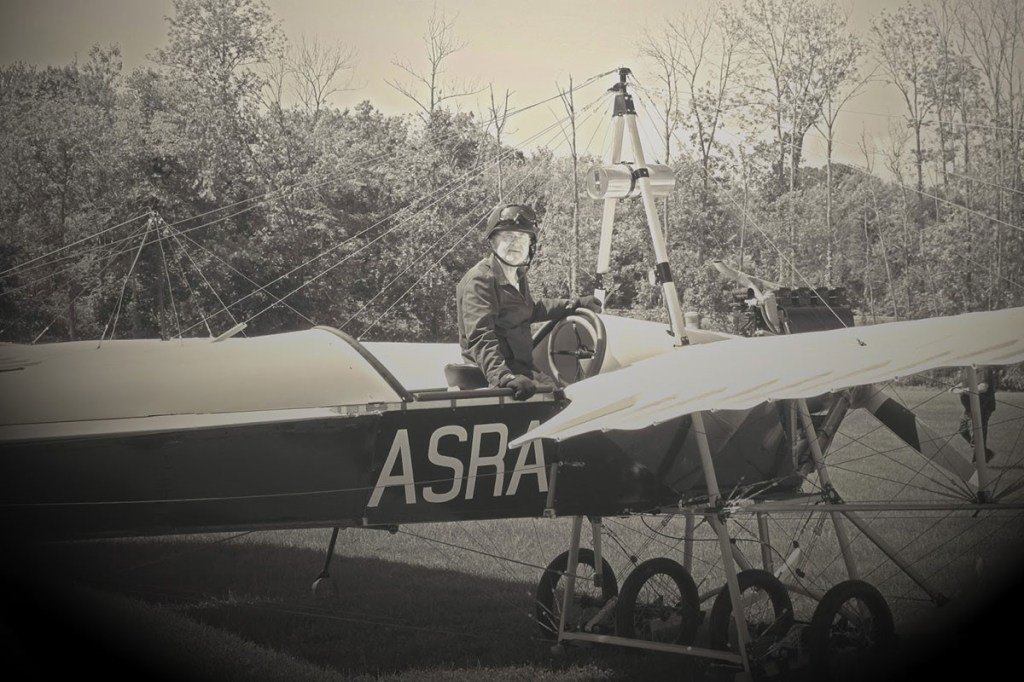
It flies as expected, a bit twitchy, but controllable. It employs wing warping, actually aileron warping controls: control surfaces are all attached to bamboo.
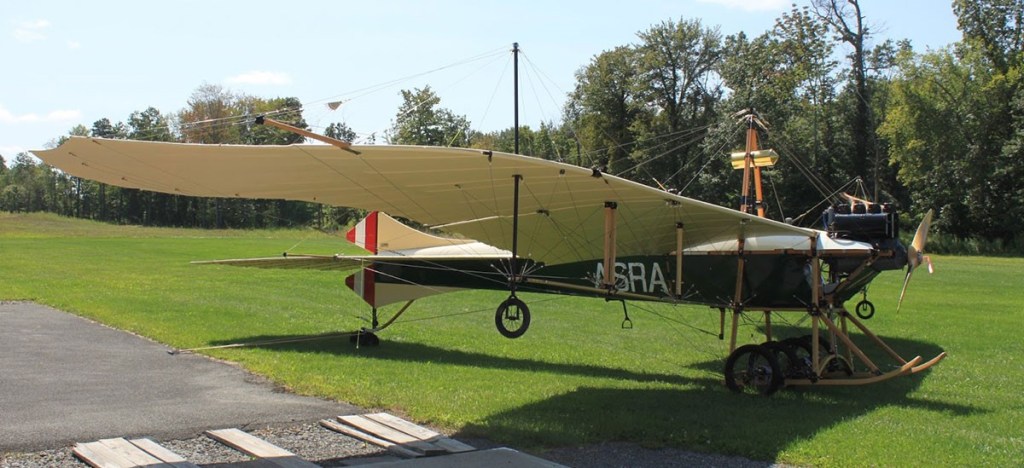
It employed a DH Gipsy Major 1 C engine at 130HP, the original was a problematic water-cooled Daimler 90, designed by Porsche.
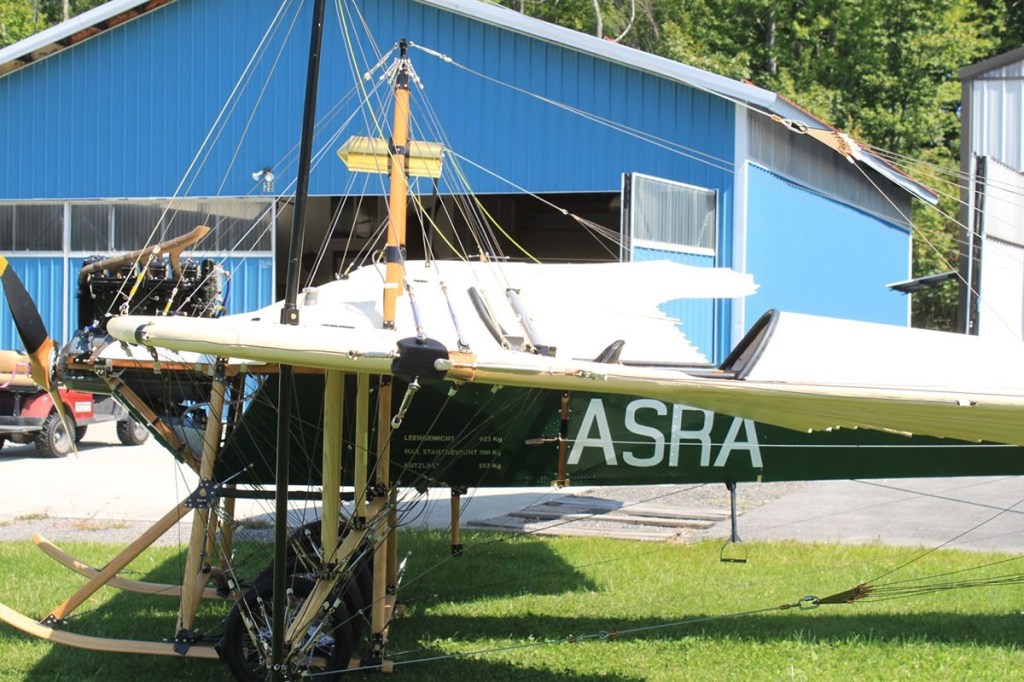
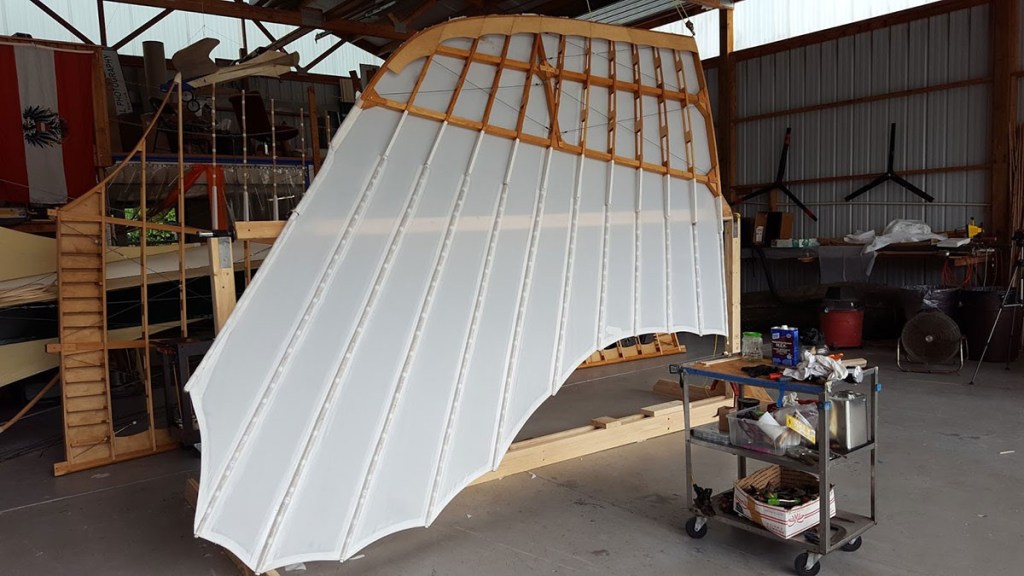
Wing folding hinges make it possible to store it in the hangar, originals were just steel straps. Covering is Ceconite instead of linen, which would only last two years. Paint is Behr Premium outdoor latex; holds up great. The airplane is located in New York.
The 1911 Etrich “Etrichapparat” monoplane was designed and built by Igo Etrich.

