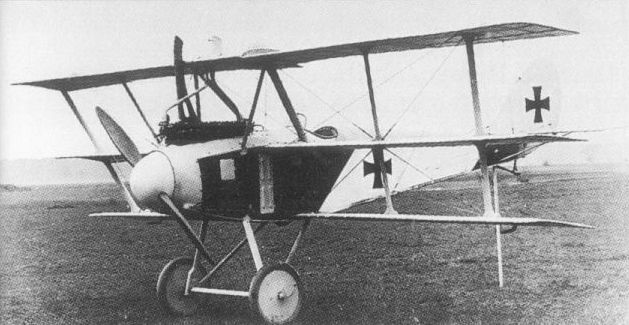
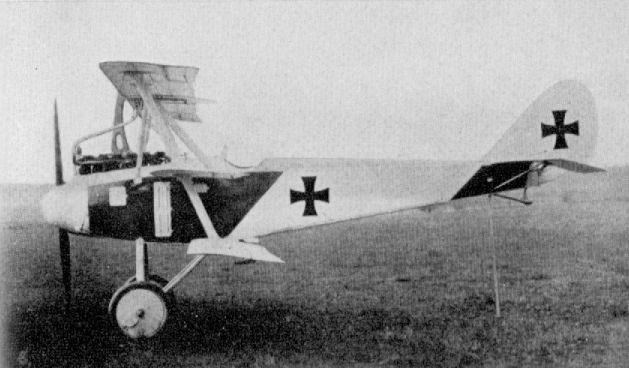
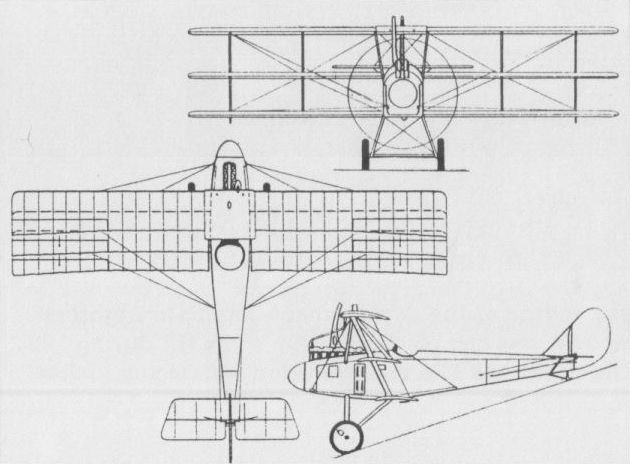
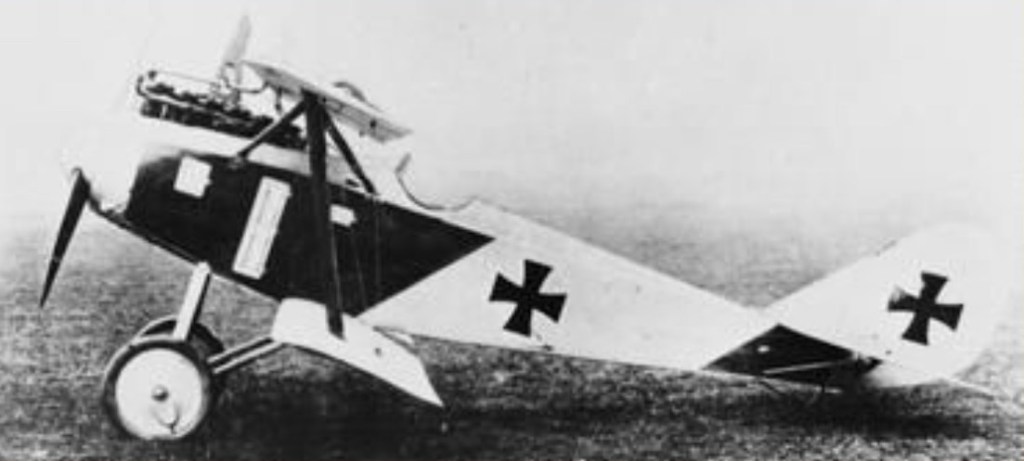
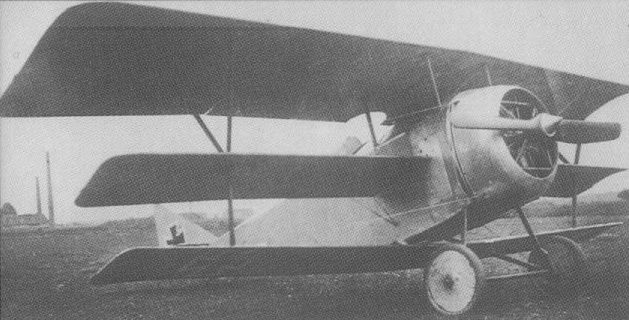
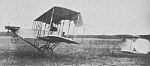
Another experimental triplane powered with 160 h.p. Mercedes D III engine, the designation was not official.
The private-venture Type 3 triplane was the second Euler-Werke fighter of this configuration. Designed by Julius Hromadnik, it was not accepted for service.
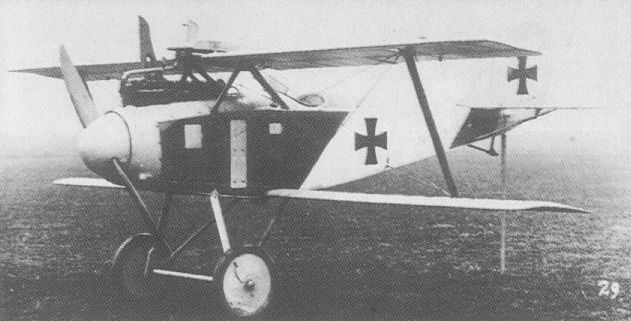
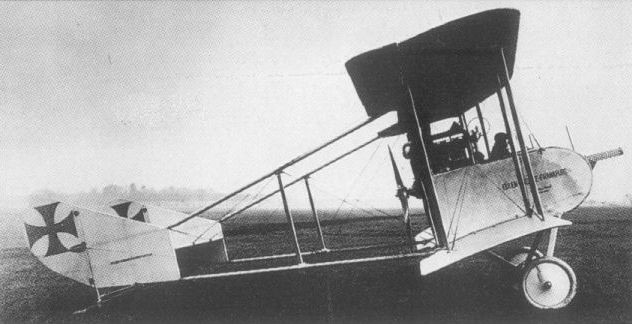
An experimental single-seat pusher design powered with 160 h.p. Mercedes D III engine. Known as the “Gelber Hund” (yellow hound), this single-seat pusher was the first Euler-Werke fighting scout.
The Euler “Gelber Hund” of 1915 featured a fixed forward-firing machine gun in the extreme nose of the fuselage pod.
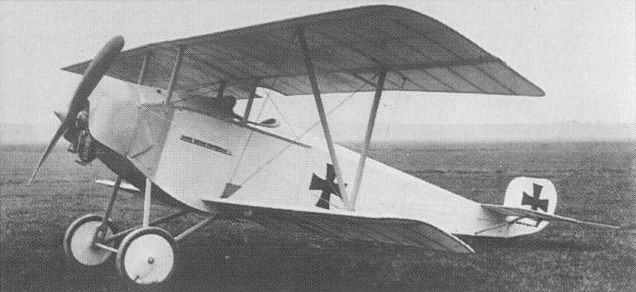
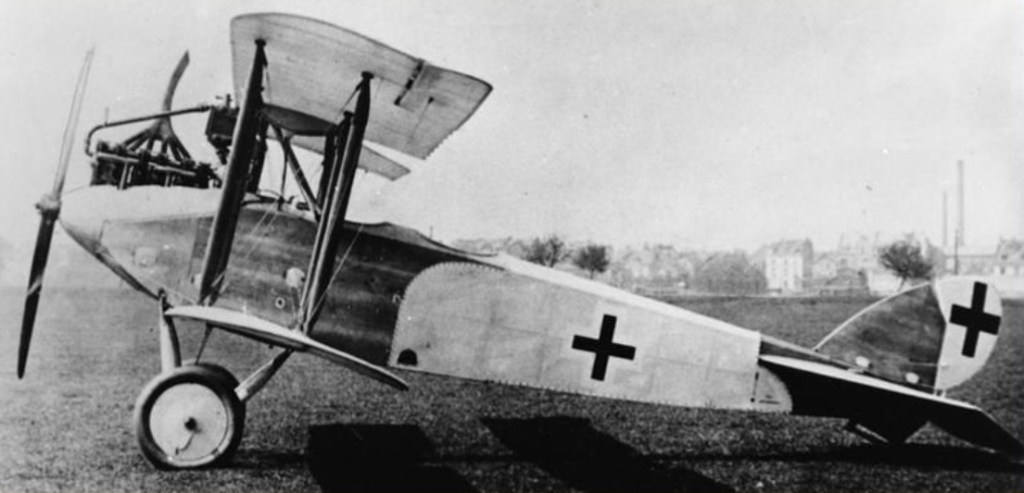
After seeing the success of the French Nieuport 11 at the front, German designer August Euler set about to create a German aircraft based on the Nieuport 17 design. The Euler D.I single-seat fighter first flew in December 1916. It was powered by an 80 hp engine with the Euler patented machine gun on the front.
Two prototypes were recorded as being in service at the front in October 1916, and the German government ordered 50 in the same month. A further 50 were ordered in early 1917, but this order was largely transferred over to the D.I’s successor, the Euler D.II. About 75 were built. The D.I saw very little combat service with the German Empire, being largely used as a fighter trainer for the remainder of the war and retired around 1920.
Euler D.II
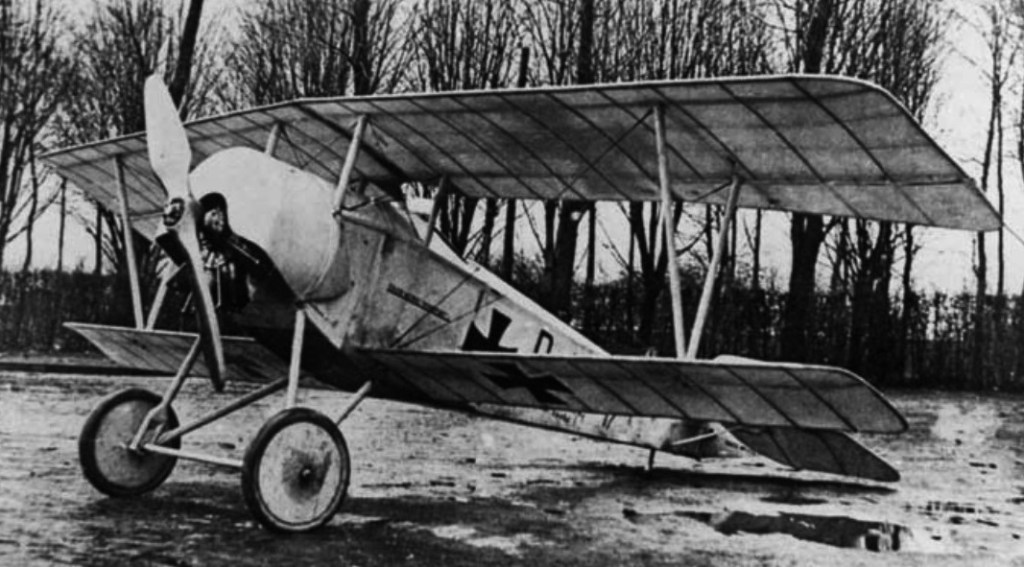
The Euler D.II single-seat fighter successor to the Euler D.I was essentially a re-engined Euler D.I, the airframe being virtually unchanged and the power plant being a 100 hp Oberusel U I seven cylinder rotary.
Thirty D.II fighters were ordered by the German air force in March 1917, however due to slow production these were not delivered until December 1917. As a result, the D.II was relegated to the role of a trainer aircraft for the rest of the war and retired in 1918.
Euler D.I Engine: 1 × Oberursel U.O, 60 kW (80 hp) Wingspan: 8.10 m (26 ft 6⅞ in) Length: 5.80 m (19 ft 0¼ in) Height: 2.66 m (8 ft 8¾ in) Wing area: 13.00 m² (139.93 ft²) Empty weight: 380 kg (838 lb) Loaded weight: 600 kg (1,323 lb) Maximum speed: 140 km/h (87 mph) Time to 2,000 m: 12.5 minutes Crew: One Armament: 1 x engine-mounted 7.92-mm machine gun
Euler D I Engine: 80 or 100 h.p. Oberursel U O or U I rotary Span: 8.1 m. (26 ft. 7 in.) Length: 7.12 m. (23 ft. 4 3/8 in.) Height: 2.66 m. (8 ft. 8 3/4 in.) Empty weight: 380 kg. (836 lb.) Loaded weight: 600 kg. (1,320 lb.). Climb to 2,000 m: (6,560 ft.): 12.5 min.
Euler D.II Engine: 1 × Oberursel U.I, 75 kW (100 hp) Wingspan: 7.47 m (24 ft 6 in) Length: 5.94m (19 ft 5⅞ in) Height: 2.75 m (9 ft 0 in) Empty weight: 380 kg (838 lb) Loaded weight: 615 kg (1,356 lb) Maximum speed: 145 km/h (90 mph) Time to 2,000 m: 9.5 minutes Endurance: 1.5 hours Armament: 1 x engine-mounted 7.92mm machine gun Crew: One
In October 1908 August Euler founded the Euler-Werke in Frankfurt and managed to negotiate a license agreement with the Voisin brothers. In 1909 he created a factory at Griesheim Airport and started large scale aircraft production. The first few machines built were similar to Voisins, but Euler was not pleased with the original design and soon started to modify the construction, for example by lightening it, redesigning the landing gear and introducing ailerons.
Euler qualified for German pilot’s licence No. 1 on December 31st, 1909. Prince Heinrich of Prussia took his pilot’s certificate on an extensively modified example of the type. At least 30 other Germans learned to fly on this aircraft.
The Dr.I series however was largely an experimental triplane fighter. The first Euler triplane, powered with 160 h.p. Oberursel U III, the designation was not official, neither is it completely certain.
The Euler Dr 1 apparently stayed at prototype stage, designed by Julius Hromadnik, the first being under test in the summer of 1917, competing with the Hansa-Brandenburg Dr.I and DFW Dr I. It was not accepted for service.
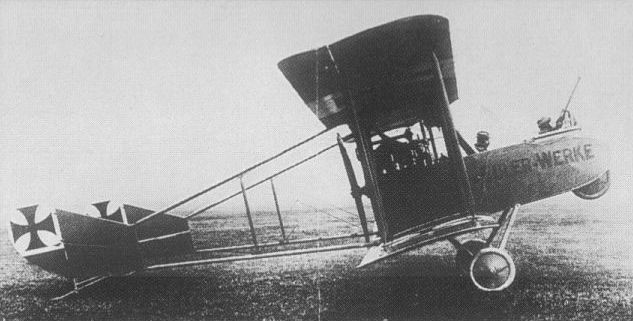
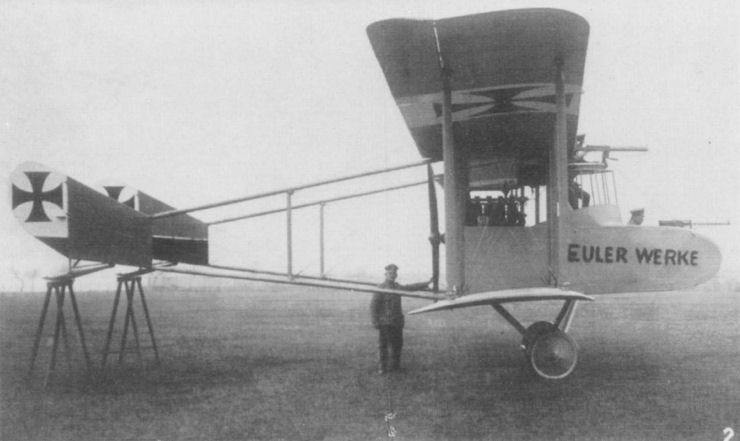
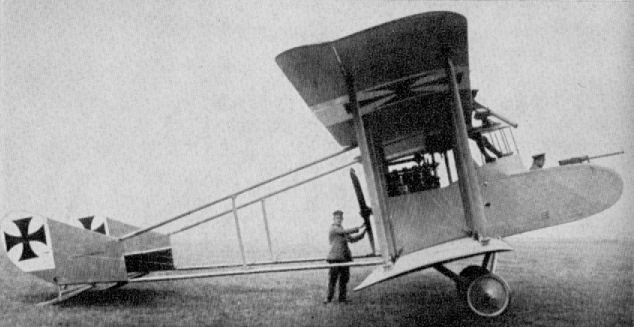
The Euler Type C a reconnaissance aircraft with a pusher engine of 1913-14. The initial form with nose turret of the Euler two-seat fighter of 1915 intended primarily for anti-airship and escort missions.
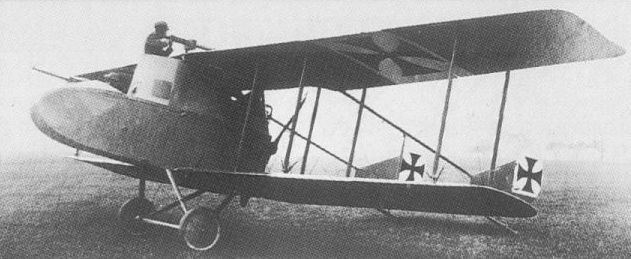
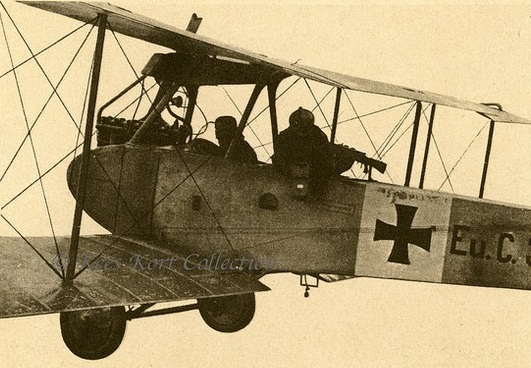
The final form of the Euler two-seat fighter of 1915 with faired, pulpit-like gun position, intended primarily for anti-airship and escort missions.
Euler C-type under test in mid-1916: note the armament of two parabellum machine guns. This, along with the Spandau, was a very effective aerial weapon and a success for German machine gun technology. Only one machine was built.
Engine: 160 hp Mercedes D III Span: 14.8 m. (48 ft. 6 3/4 in.) Length: 9.3 m. (30 ft. 6 1/8 in.) Height: 3.2 m. (10 ft. 6 in.) Wing area: 52.6 sq.m. (568 sq.ft.) Empty weight: 492 kg. (1,082 lb.) Climb 3.000 m. (9,840 ft.): 44 min Endurance: 4 hr. Armament: two Parabellum machine-guns
An early wartime reconnaissance type was the BII tractor biplane (built at Frankfurt in late 1914), an early version of which had tricycle landing gear.