Frontier MD-11

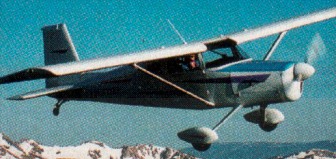
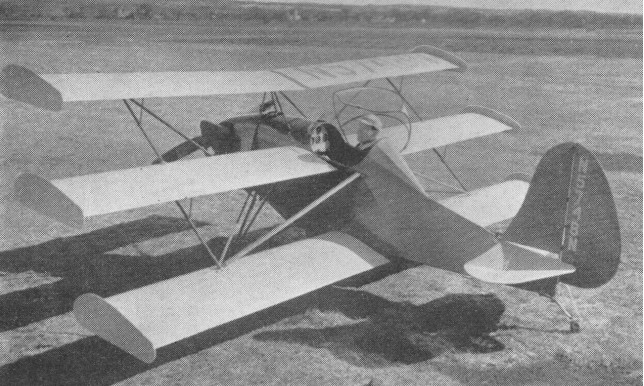
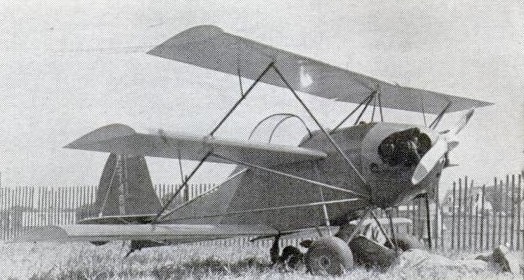
A metal monocoque aircraft kit with 2 seats side by side. The MD-11 can accommodate engines up to 200hp. Built with 2024 T-3 aluminium. First flown in 1993.
The standard kit price in 1996 was US$19,500.

Engine: Franklin, 120 hp.
HP range: 100-180.
Height: 6 ft.
Length: 24.5 ft.
Wing span: 29.5 ft.
Wing area: 155.9 sq.ft.
Weight empty: 925 lbs.
Gross: 1800 lbs.
Speed max: 180 mph.
Cruise: 125 mph.
Range: 875 sm.
Stall: 40 mph.
ROC: 1000 fpm.
Take-off dist: 500 ft.
Landing dist: 400 ft.
Service ceiling: 16,000 ft.
Seats: 2.
Landing gear: tail wheel.
Cabin width: 43 in

Engine: Walter Lom, 140 hp
HP range: 100-200
Fuel capacity: 43 USG
Height: 6.5 ft
Length: 27.5 ft
Wing span: 29.5 ft
Wing area: 177 sq.ft
Empty weight: 1150 lb
Gross weight: 2000 lb
Top speed: 200 mph
Cruise: 150 mph
Stall: 35 mph
Range: 700 sm
Rate of climb: 1000 fpm
Takeoff dist: 500 ft
Landing dist: 400 ft
Service ceiling: 16,000 ft
Seats: 2
Landing gear: tail
Cabin width: 43 in
Engine: Lycoming
HP range: 150-180
Height: 6.5 ft
Length: 27.5 ft
Wing span: 29.5 ft
Wing area: 177 sq.ft
Fuel capacity: 43 USG
Empty weight: 1150 lb
Gross weight: 2000 lb
Top speed: 200 mph
Cruise: 150 mph
Stall: 35 mph
Range: 700 sm
Rate of climb: 1000 fpm
Takeoff dist: 500 ft
Landing dist: 400 ft
Service ceiling: 16,000 ft
Seats: 2
Landing gear: tail
Cabin width: 43 in
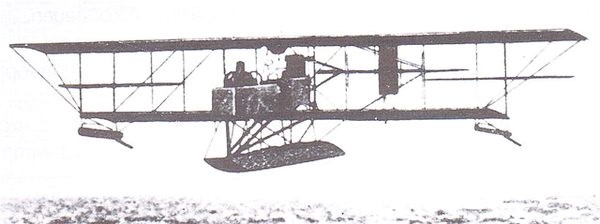
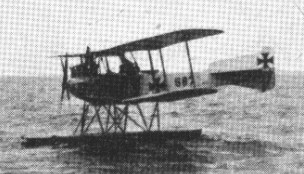
Friedrichschafen N.I

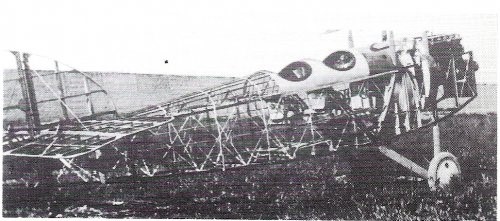
Friedrichshafen’s only other large bomber design was the N.1, a mammoth single-¬engined biplane which was built in 1917. Virtually a scaled up two seater, the N.1 employed markedly sweptback wings and a composite undercarriage. The sole power came from a 260 hp Mercedes D IVa engine in the nose, resulting in the pilot’s cockpit being located almost halfway back along the narrow fuselage, with a consequent hopeless forward view for landing and takeoff.

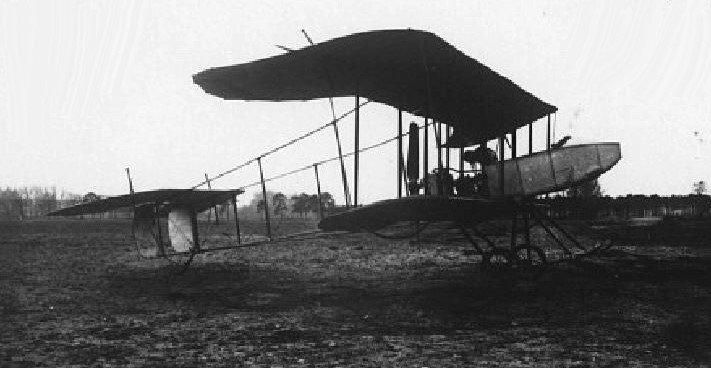
Friedemeyer & Evering 1911 biplane

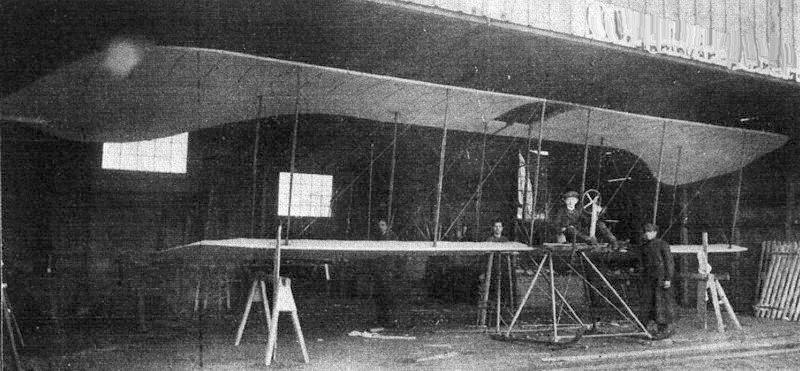
A Farman copy but with Zanonia-shaped upper wing, designed by the young (15) Ernst Friedemeyer. It was built by Flugzeug-Baugesellschaft Osnabrück, Germany, in 1911. It was not very successful, and was destroyed in 1912.

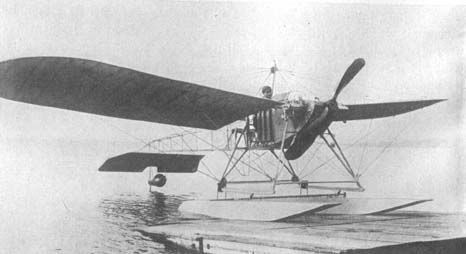
A biplane with Zanonia-inspired upper wings and short lower wings. One of two similar machines built at the Niederreinische Flugzeuganstalt, Hilsmann & Co in Holten, Germany. Made short flights.

Fresson Fr.FBI

In 1924-25 Governor Yen, the Chinese Governor of Shansi Province, asked Fresson to establish an aircraft factory at Tai Yuan Fu, within the walls of the local Arsenal. This was in an area surrounded by warring local factions and was not particularly safe area to work.

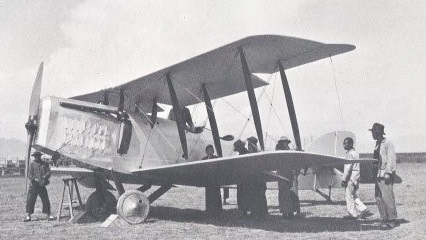
Fresson began designing the Fr.FBI based on the Armstrong-Whitworth FK.8 design and ordered materials from the Aircraft Disposal Company in London. The design was drawn up in Shanghai and construction began in the spring of 1924.

The Fresson design called for two separate cockpits behind the main wings and had a revised Centre of Gravity. He was assisted in the build by a German aero engineer, and English maths expert who worked on the stress aspects and a Chinese carpenter called Loh.

Although built in the Arsenal confines, a separate airfield was built six miles north with an 800 metre runway for testing.

After several successful flights, passengers were carried. There was no further production of the type due to Civil unrest and Fresson returned to Britain to found Highland Airways in Britain.