Grahame-White Baby / Burgess Model E

The Grahame White Baby was a single-seat biplane pusher, of the then orthodox “Farman” layout, with a frontal elevator and a rear-mounted empennage consisting of a biplane horizontal stabilisers with single elevator mounted on the top surface and a single central rudder. As the name suggests, it was considerably smaller than most contemporary aircraft of a similar layout, having a wingspan of only 27 ft (8.2 m). In comparison, the wingspan of a standard Bristol Boxkite was 34 ft 6 in (10.5 m). An unusual feature of the aircraft was the mounting for the 50 hp (37 kW) Gnome rotary engine, which was mounted on a pair of angled beams so that the engine was midway between the upper and lower wings.

It was built by Burgess to Grahame-White’s order and never produced in the United States. The Burgess Company in the United States purchased a licence to build it as the Model E.

First flying in 1911, about six were built in total.

Engine: 1 × Gnome, 50 hp (37 kW)
Wingspan: 27 ft 1 in (8.25 m)
Length: 31 ft 9 in (9.68 m)
Height: 8 ft 6 in (2.59 m)
Gross weight: 655 lb
Maximum speed: 55 mph
Endurance: 4 hours
Capacity: 1

Burgess E Baby
Span: 36’10”
Length: 31’8″
Seats: 1-2
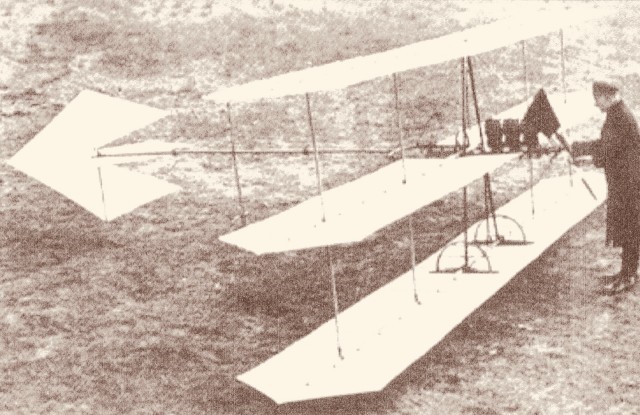
Grade 1908 Triplane

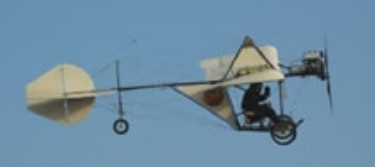
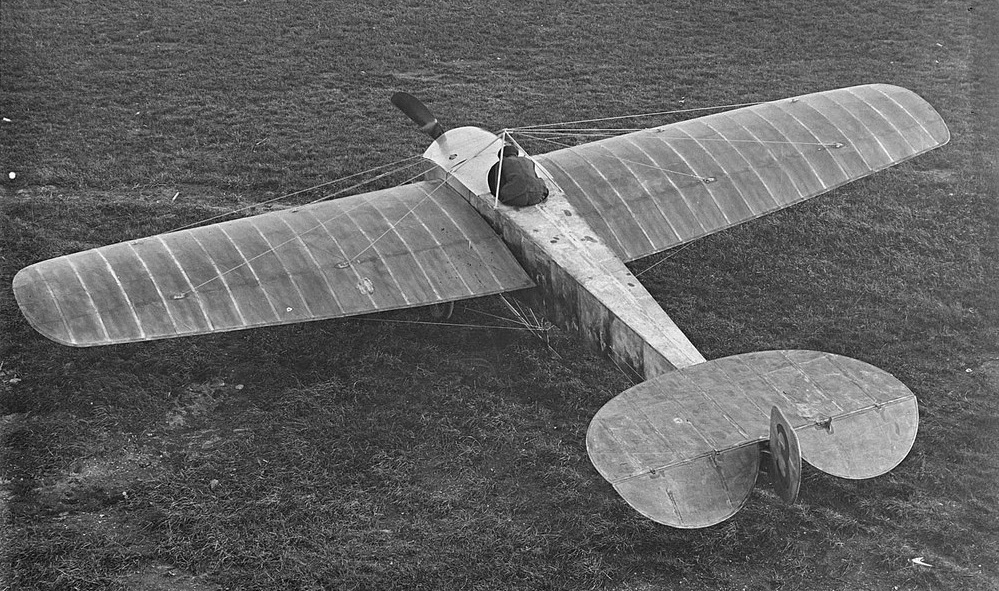
Hans Grade built this machine during his military service with the Magdeburg pioneers. At the end of September 1908, the first roll tests began on the Cracauer Anger outside Magdeburg. About a month later, on 2 November 1908, he made the first German powered flight. He reached by the end of the year flights at 1.5 meters altitude over 100 to 400 meters in 30 to 40 seconds, essentially straight ahead. In 1909, he decided to finish the experiments and build a new aircraft, based on the experience gained. This new monoplane won him the Lanz Prize on October 30, 1909. A replica of the machine can be found at the Technikmuseum Magdeburg.

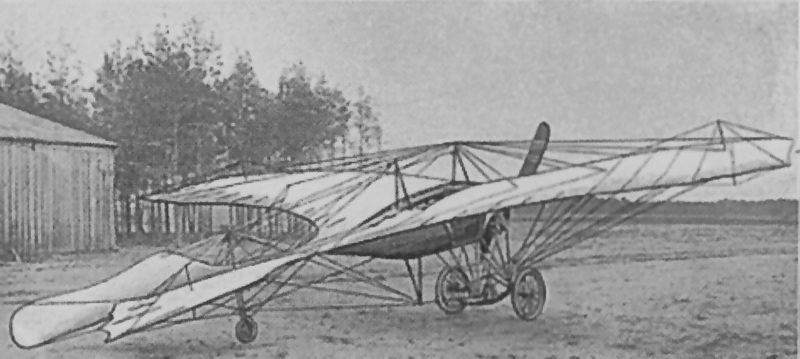
Grade 1909 Monoplane

Designed by Grade in 1909 to get the Lanz-Prize, which was to be given to the first aviator in Germany who flew 2,5km around two poles. Grade did accomplish this in November 1909 in Berlin-Johannisthal.
Hans Grade competed at Nice in 1910 with a monoplane of his own design.

Gallery

Engine : Grade, 24 hp
Length : 24.606 ft / 7.5 m
Height : 6.562 ft / 2.0 m
Wingspan : 32.808 ft / 10.0 m
Max take off weight : 419.0 lb / 190.0 kg
Max. speed : 38 kts / 70 km/h
Service ceiling : 1312 ft / 400 m
Crew : 1

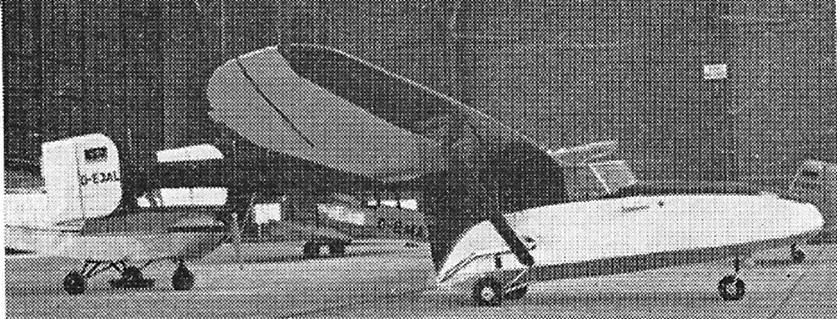
Gowland Jenny Wren

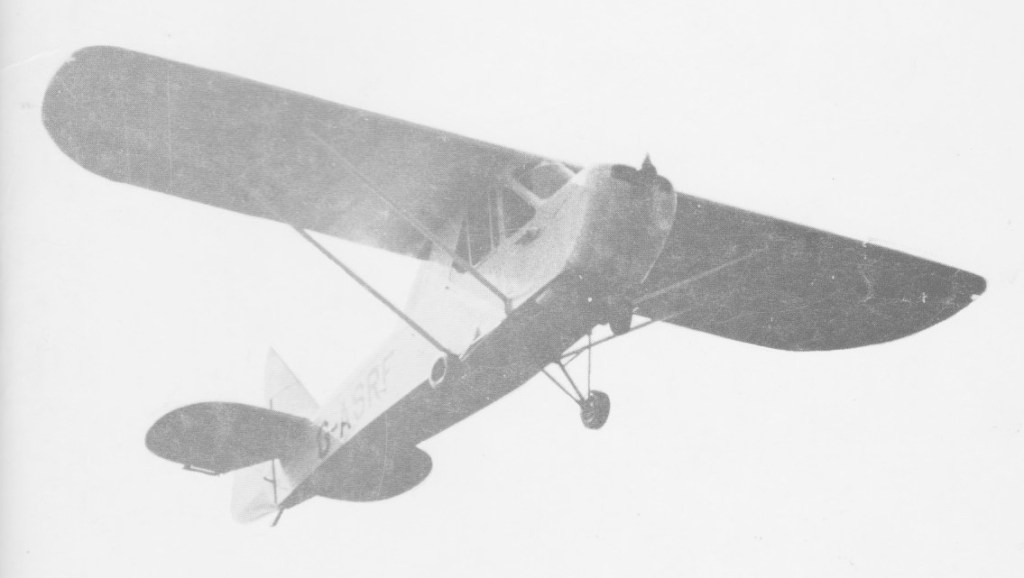
Built by G.W.Gowland in the mid-1960s, the Gowland Jenny Wren G-ASRF c/n GWG.2, PFA.1300, was basically a Luton Minor with an enclosed cockpit with pilot and a child’s seat in tandem, tricycle undercarriage, and a Lycoming O-145-A2 engine.

It was built by the designer at Brookmans Park with final assembly taking place at Panshanger in 1966. It used the wings of Luton Minor G-ACEP (PFA.538b).

The first flight took place on 13 October 1966.

Withdrawn from use prior to 1971, it was thought to be stored at Gowlands home. Only one conversion was made.